鸣鸣很忙

Search documents
万辰集团20260106
2026-01-07 03:05
Summary of Conference Call for Wancheng Group and Snack Retail Industry Industry Overview - The snack retail industry is experiencing rapid expansion, with leading companies like Wancheng Group and Mingming Hen Mang opening over 2,000 and 2,813 new stores respectively in Q3, indicating strong growth momentum [2][4] - The industry benefits from relatively high investment returns and stability, with a significantly lower closure rate compared to the tea beverage sector [2][5] - The closure rate for Mingming Hen Mang was only 0.9% in the first half of the year, while Wancheng Group's rate was between 2-3%, both much lower than the tea industry’s rate of over 10% [5] Financial Performance and Projections - Wancheng Group and Mingming Hen Mang are projected to achieve revenues of over 50 billion and nearly 60 billion respectively by 2025, primarily from snack sales, showcasing significant scale advantages [2][10] - The overall profit for Wancheng Group is expected to reach around 3 billion in 2026, with an optimistic outlook for stock price performance [3][11] - The decline in same-store revenue in the first three quarters of 2025 is attributed to a high base from 2024's price wars and rapid store openings, but a gradual improvement in revenue is anticipated moving forward [2][7] Competitive Landscape - The competitive dynamics in the snack retail industry have shifted, with leading companies focusing on consolidating their advantages in core regions rather than aggressive expansion [8][9] - Wancheng Group and Mingming Hen Mang are expected to prioritize e-commerce models and refined operations to enhance overall efficiency and market position [9] Future Development Potential - The snack retail industry has significant growth potential, with a healthy profit margin development. Leading companies benefit from scale effects, allowing upstream suppliers to achieve higher profit margins [11] - The expected profit margins for Wancheng Group and Mingming Hen Mang are projected to improve, with Wancheng Group's operating rate reaching 5.3% in Q3 and Mingming Hen Mang's expected to be close to 4% in the first half of 2025 [11] - The upcoming Spring Festival is anticipated to boost same-store sales, further enhancing the optimistic outlook for the industry [3][11]
雀巢中国婴配粉业务新架构:以谢国耀为中心丨消费参考
2 1 Shi Ji Jing Ji Bao Dao· 2026-01-07 02:50
Company Restructuring - Nestlé China has announced the merger of its Wyeth Nutrition and Nestlé Infant Nutrition business units, effective January 1, 2026, forming a new Nestlé Nutrition business [1] - Joel Seah will lead the newly integrated Nestlé Nutrition team, which will be organized into three main functional areas: market development, sales and operations, and enabling functions [1] Market Dynamics - The infant formula market is facing challenges, with Nielsen IQ reporting a growth rate of only 0.6% in Q2 2025, and a decline in new births expected to weaken growth momentum [3] - The market is becoming increasingly fragmented, with leading companies like Yili, New Dairy Era, and FrieslandCampina expanding, while brands like Feihe are experiencing market share declines [4] Strategic Implications - The integration of the two business units is expected to reduce internal redundancies and create synergies, which is crucial in a highly competitive market [5] - The infant nutrition segment is seen as a cornerstone of Nestlé's performance in Greater China, especially as the region's organic growth rate fell by 10.4% in Q3 2025, continuing a downward trend [5]

8点1氪:机长、副机长被传驾驶舱内打架,长荣航空回应;小米正式回应米黑KOL合作事件;霸王茶姬通报“徒手搅拌奶茶”事件
36氪· 2026-01-07 00:33
Group 1 - EVA Air has suspended the flight duties of the involved captain following an incident where the captain and co-pilot reportedly had a physical altercation in the cockpit during taxiing at Los Angeles Airport. The airline stated that the aircraft's taxi speed was within operational norms and regulations [2] - Xiaomi has responded to a controversy involving a collaboration with a KOL, stating that the engagement has been terminated and that the responsible personnel will face dismissal. The company emphasized that the incident violated its principles and harmed its relationship with fans [2] Group 2 - xAI announced the completion of its Series E funding round, raising $20 billion, exceeding its initial target of $15 billion. Notable investors include Valor Equity Partners and Qatar Investment Authority, with strategic support from Nvidia and Cisco [4] - Tesla has introduced a 5-year interest-free car purchase plan for its Model 3 and Model Y vehicles, with down payments starting at 79,900 yuan and monthly payments as low as 1,918 yuan [7] Group 3 - The Chinese tax law will exclude profit-making medical beauty institutions from VAT exemptions starting January 1, 2026, marking a significant change in the tax landscape for the industry [6] - NIO's CEO Li Bin highlighted that the biggest cost pressure in the automotive industry for 2026 will be the rising prices of memory chips, as the automotive sector competes with the AI industry for resources [9] Group 4 - The first commercial rocket company in China is set to change ownership, with a 29.5904% stake being offered for approximately 3.299 billion yuan, valuing the company at around 11.2 billion yuan [14] - CATL and NIO have signed a five-year strategic cooperation agreement focusing on battery technology and battery swap systems, aiming to enhance collaboration in the electric vehicle market [14]








8点1氪丨机长、副机长被传驾驶舱内打架,长荣航空回应;小米正式回应米黑KOL合作事件;霸王茶姬通报“徒手搅拌奶茶”事件
3 6 Ke· 2026-01-07 00:20
Group 1 - xAI announced the completion of its E round financing, raising $20 billion, exceeding the initial target of $15 billion [3] - Tesla China launched a 5-year interest-free car purchase plan for Model 3 and Model Y, with down payments starting at 79,900 yuan and monthly payments as low as 1,918 yuan [5] - Disney's "Zootopia 2" has become the highest-grossing Hollywood film in China, with box office earnings of approximately 4.25 billion yuan (about $610 million) [13] Group 2 - Long-term CEO of Berkshire Hathaway, Warren Buffett, has handed over the CEO position to Greg Abel, who has received high praise for his management style [11] - Xiaomi responded to a controversy regarding a collaboration with KOLs, terminating the partnership and imposing penalties on involved personnel [2] - The Chinese tax law changes effective January 1, 2026, will exclude profit-making medical beauty institutions from VAT exemptions, impacting the industry significantly [4]
你好!港股
Guo Ji Jin Rong Bao· 2026-01-03 07:28
Core Insights - The Hong Kong stock market is experiencing a significant resurgence in 2025, with 114 new IPOs and a total fundraising amount of 286.3 billion HKD, marking a 63% increase in new listings and over 200% growth in fundraising compared to 2024, reclaiming the top position in global IPOs after four years [1][3][26] IPO Market Performance - The year 2025 saw a total of 114 new stocks listed on the Hong Kong Stock Exchange, a substantial increase from 70 in 2024 [1][3] - The total fundraising amount reached 286.3 billion HKD, representing a growth of over 200% year-on-year [1][3] - Eight new stocks raised over 10 billion HKD each, with Ningde Times raising 41 billion HKD, becoming the second-largest IPO globally [3] New Stock Subscription Records - The market witnessed record-breaking subscription rates, with Jin Ye International Group achieving a subscription multiple of 11,465 times, the highest in Hong Kong's history [4] - The IPO of Mixue Group saw a frozen capital scale of 1.84 trillion HKD, making it the "frozen capital king" of Hong Kong IPOs [4] - The IPO failure rate dropped to 28.83%, the lowest in five years, indicating a strong market sentiment [4] Company Listings and Trends - The new listings in 2025 can be categorized into three tiers: new consumer brands, A+H listed companies, and resilient companies transitioning from A-share failures [5][6][8] - New consumer brands like Mixue Group and Lin Qingxuan have shown strong market performance, with Mixue Group's market value reaching 109.3 billion HKD [7][8] - A+H listed companies contributed significantly to the IPO recovery, with 19 such companies raising about 50% of the total fundraising [8] Market Dynamics and Future Outlook - The IPO market is expected to remain active in 2026, with over 300 applications pending, predicting around 160 new listings and a total fundraising of at least 300 billion HKD [15][18] - The influx of southbound capital and selective foreign investment is reshaping the market structure, with domestic investors gaining significant pricing power [22][24] - The trend of A-share companies seeking dual listings in Hong Kong is likely to continue, supported by favorable policies encouraging domestic companies to list abroad [17][18] Capital Market Evolution - The capital market is witnessing a shift in funding structure, with southbound capital net purchases reaching nearly 1.41 trillion HKD, a record high [22] - The integration of companies into the Hong Kong Stock Connect is enhancing liquidity and valuation, creating a positive cycle for listed firms [22][24] - Companies are increasingly focusing on operational efficiency and sustainable growth to attract capital, moving away from mere storytelling [20][21]




食品饮料2026年年度策略汇报
2025-12-31 16:02
Summary of Key Points from the Conference Call on the Food and Beverage Industry Industry Overview - The food and beverage industry is currently facing pressure in cyclical demand, with performance uncertainty among leading companies in various segments, suggesting a cautious approach to investment [1][2] - The investment strategy for 2026 is divided into two main areas: segments with lower correlation to domestic demand and high-growth leading companies with overseas expansion or strong dividend capabilities, and cyclical sectors with high domestic demand [2] Key Recommendations - **Retail and Brand Companies**: Focus on retail channel companies like Wancheng and Mingming Hen Mang, and brand companies such as Yanjin and Weilong, which maintain their channel expansion logic [3] - **Beverage Sector**: Monitor opportunities for Dongpeng Special Drink, which is expected to benefit from long-term penetration rate improvements [3] - **High Dividend and Operational Improvement**: Recommend Qianhe Flavor and Yihai International, with Qianhe expected to have significant elasticity in 2026 and Yihai offering a 6% dividend yield at a 15x P/E ratio [5][12] Cyclical Sector Insights - The cyclical sectors, including liquor, beer, and restaurant supply chains, are currently at historical lows with pessimistic market sentiment. Investment in Moutai and Yanjing Beer is suggested for Q1 to Q2 2026 [6] - The liquor market is expected to remain stable during the Mid-Autumn Festival and National Day in 2026, with a cautious approach recommended due to the current market dynamics [20][21] Consumer Goods Sector - The consumer goods sector is recommended to focus on high-growth segments such as snack retail stores and functional beverages like Dongpeng Special Drink, which are expected to see increased penetration rates [7][8] - Dongpeng's performance in shelf management and freezer coverage is noted as strong, with significant revenue growth potential [9] Profitability and Cost Structure - Dongpeng is expected to benefit from cost reductions in P, E, and T, with a projected sales increase from 30 billion to 40-50 billion in 2026, improving gross margins [10] - The yeast and health product sectors are anticipated to grow significantly in overseas markets, particularly in regions with rising populations and increasing staple food consumption [11] Investment Strategy for Liquor Sector - The liquor sector is influenced by policy and economic cycles, with a recommendation to invest in Moutai and other leading brands during low sentiment periods [22][24] - The expected EPS for the liquor sector in 2026 is projected to stabilize, with a valuation range of 20 to 25 times [27] Conclusion - The overall investment strategy for the food and beverage sector in 2026 emphasizes identifying companies with strong growth potential, reasonable valuations, and competitive advantages in branding, distribution, and product differentiation [29]
商业行业2026年度策略报告:把握多元需求,服务消费释放潜力-20251228
CMS· 2025-12-28 09:04
Group 1: Macro Retail and Service Consumption - Retail data shows that essential goods maintain resilience while optional goods exhibit differentiated performance, with social retail growth slightly slowing down due to high base effects from government subsidies [10][16] - Service retail continues to show strong growth, with a year-on-year increase of 5.4% from January to November 2025, outpacing overall social retail growth [10][18] - Travel demand is steadily releasing, with domestic tourism numbers reaching 4.85 trillion yuan, a year-on-year increase of 11.5% [18][20] Group 2: E-commerce Sector - E-commerce maintains a steady growth rate, with online retail sales of physical goods increasing by 5.7% year-on-year, surpassing the overall social retail growth [13][25] - The penetration rate of e-commerce continues to rise, reaching 25.9% of total social retail sales by November 2025, an increase of 3.6 percentage points since the beginning of the year [13][25] - The competitive landscape in e-commerce is easing, with platforms like Taobao and JD.com focusing on maintaining stable growth rather than aggressive price competition [28][36] Group 3: Retail Focus on Downstream Markets - The focus is on the resilience of consumption in lower-tier markets, with recommendations for bulk snack retailers and the "锅圈" brand, which excels in the home dining sector [5][31] - The bulk snack market is characterized by low prices and high turnover, effectively meeting consumer demand for snacks [5][31] - "锅圈" is positioned as a leader in the home dining market, leveraging its multi-channel advantages and strong supply chain [5][31] Group 4: Service Sector Recovery - The hotel industry is stabilizing with a recovery in demand, and recommendations include Huazhu Group and Atour Hotel [5][31] - The OTA sector is experiencing stronger leisure demand compared to business travel, with international business continuing to grow rapidly [5][31] - Policies aimed at boosting service consumption are expected to further stimulate demand in the travel and hospitality sectors [23][24] Group 5: Investment Recommendations - Recommended companies include Alibaba, Meituan, Pinduoduo, JD.com, and Didi Chuxing for their strong fundamentals and low valuations [2][3] - The report highlights the potential for growth in the e-commerce and service sectors, driven by favorable policies and market dynamics [5][23]

千店巨头被传多地闭店,曾拿下5轮融资,品控频遭吐槽
21世纪经济报道· 2025-12-28 07:34
Core Viewpoint - The discount snack market is experiencing explosive growth, but competition is intensifying, leading to store closures among brands like Haotemai, which is struggling to maintain its position amidst fierce competition from both internet giants and traditional retailers [4][20]. Group 1: Market Dynamics - The discount snack market in China has seen its scale grow from 40.8 billion yuan in 2019 to 1,045.9 billion yuan in 2024 [10]. - The number of discount snack stores nationwide has surpassed 45,000, representing a growth of over 460% since 2022, driven primarily by young consumers [24]. - Young consumers aged 19-35 account for 65.5% of the consumption of near-expiry food products, making them the dominant demographic in this market [27]. Group 2: Competitive Landscape - Major players like Meituan, JD.com, and Hema are entering the discount snack sector, increasing competition for brands like Haotemai, which is now facing significant pressure to adapt [4]. - Haotemai, once a leader with nearly 1,000 stores, is now reportedly closing locations in key cities and has paused new franchise sign-ups [4][20]. - The rapid expansion of competitors such as Zhao Yiming Snacks and Wantian Group has led to a significant increase in store numbers, with Zhao Yiming reaching 9,189 stores and Wantian's brand "Haoxianglai" reaching 14,334 stores by mid-2025 [27]. Group 3: Pricing and Product Quality - Many products in discount snack stores, including Haotemai, are priced similarly to or even higher than regular supermarkets, raising questions about the actual value proposition of these stores [6][11]. - Complaints regarding product quality, including issues with expired or moldy snacks, have been prevalent among consumers, indicating potential risks to brand reputation [16]. - The low prices of discount snacks are primarily due to the sale of near-expiry products and a simplified supply chain that reduces costs by 20%-30% compared to traditional supermarkets [20].
上市备案通过 鸣鸣很忙看点、短板面面观
Sou Hu Cai Jing· 2025-12-25 02:13
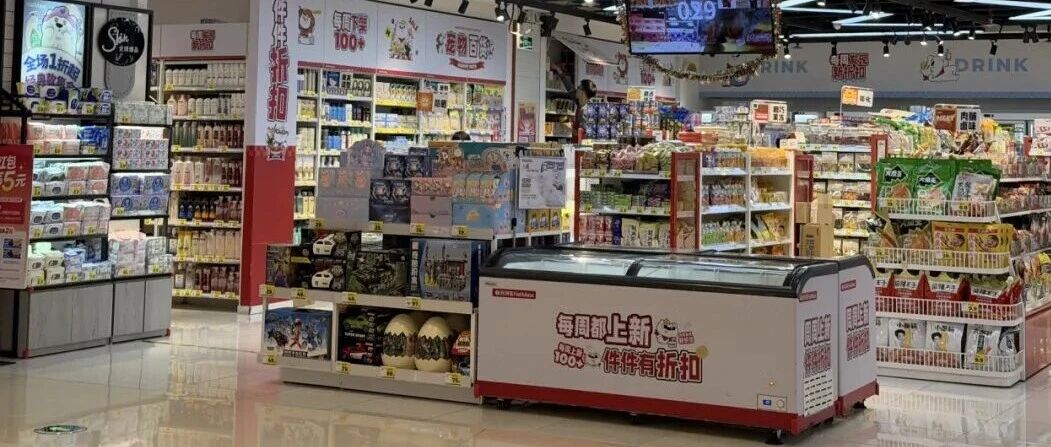
Core Insights - The company "鸣鸣很忙" has successfully completed its listing application process in under eight months, positioning itself as a leading player in the Chinese snack retail industry [3] - The company has established a robust product matrix and a significant market presence, with a membership base of approximately 1.5 billion and a store count exceeding 20,000 [5][11] - The competitive landscape is intensifying, with other brands and traditional retailers also expanding their market presence, necessitating continuous innovation and operational efficiency [15][16] Group 1: Company Growth and Market Position - "鸣鸣很忙" has become one of the top 10 players in the Chinese retail chain industry, specifically in the snack sector, and aims to be the first in the Hong Kong market [3] - The company has a diverse product range, including over 750 brands and 3,605 SKUs, with a focus on meeting consumer demand for variety [5][6] - The average price of products is approximately 25% lower than similar items in offline supermarkets, enhancing its competitive edge [6] Group 2: Operational Efficiency and Consumer Engagement - The company employs a rigorous quality control process involving a dedicated team of 243 professionals to ensure product safety and quality [8][10] - "鸣鸣很忙" has established a comprehensive supply chain management system that benefits both consumers and small manufacturers, facilitating market access for numerous brands [8][10] - The company has achieved significant sales growth, with revenues increasing from 42.86 billion to 393.44 billion from 2022 to 2025 [11] Group 3: Challenges and Competitive Landscape - The rapid expansion of the store network, primarily through a franchise model, has raised concerns about dependency on franchisee performance and potential risks associated with a single revenue stream [12][13] - The competitive environment is becoming increasingly fierce, with other brands and traditional retailers also vying for market share, indicating a need for strategic adaptation [15][16] - The company has faced regulatory challenges, including administrative penalties for compliance issues, highlighting the importance of maintaining quality control amid rapid growth [17][18]
2025零售业十大事件
Sou Hu Cai Jing· 2025-12-24 16:41
Group 1 - The hard discount supermarket format has gained significant attention in the second half of this year, with major internet companies launching new stores and expanding their presence [3][5] - Companies like Hema, JD, and Meituan have opened multiple hard discount stores, indicating a shift towards more price-sensitive consumer behavior [3][5] - The core competitiveness of hard discount formats lies in efficiency rather than just low prices, utilizing standardized models to reduce costs and improve turnover [5][7] Group 2 - Hema's X membership store has exited the market due to unclear positioning and high operational costs, highlighting the challenges faced by membership-based retail formats [9][10] - Despite Hema's exit, other local players are still attempting to establish membership stores, but they face strong competition and challenges in attracting price-sensitive customers [12][13] Group 3 - The retail sector has seen a wave of leadership changes among major players like Aldi, Sam's Club, and Yonghui, indicating a need for new strategies to adapt to market conditions [14][15] - These leadership changes are aimed at enhancing local procurement and supply chain management to support expansion while maintaining cost efficiency [15][17] Group 4 - The "prepaid card redemption" issue at Meitohai in Shanxi has raised concerns about cash flow and operational stability, as customers rush to redeem their prepaid cards amid fears of financial instability [18][21] - The situation has been exacerbated by recent store adjustments and closures, leading to a loss of consumer confidence and further financial strain [21][22] Group 5 - The trend of online players moving into offline retail is gaining momentum, with companies like Xiaoxiang Supermarket and Pupu planning to open physical stores to complement their online operations [23][24] - This shift is driven by rising costs associated with pure online fulfillment and the need to enhance consumer trust through physical retail experiences [25][28] Group 6 - The supermarket sector is undergoing a transformation as companies adopt the "learn from Pao Donglai" strategy, focusing on improving store layouts and customer experience [30][32] - However, many traditional supermarkets are still struggling with profitability despite initial positive performance post-renovation, indicating deeper systemic issues [32][33] Group 7 - Major online retailers like JD and Hema are retracting from partnerships with traditional supermarkets to refocus on self-operated models, aiming to streamline operations and improve efficiency [34][35] - This strategic shift reflects a broader trend of integrating online and offline capabilities to enhance customer experience and operational effectiveness [37][38] Group 8 - Regional retailers are emerging as new players in the market, focusing on local consumer needs and adapting their offerings accordingly, which may provide a competitive edge [39][41] - These regional players face challenges related to cost management and operational execution, particularly as they expand into new markets [41][42] Group 9 - The snack industry is experiencing a shift towards low-cost, high-density store formats, with companies like Mingming and Wancheng rapidly expanding their presence [42][44] - Traditional brands are facing pressure as they struggle to maintain market share amid aggressive pricing strategies from new entrants [44][45] Group 10 - The recent subsidy wars in instant retail have led to significant increases in order volumes, but also heightened financial pressures due to intensified price competition [47][51] - The long-term implications of these subsidy strategies remain uncertain, as companies navigate the balance between growth and profitability [51][52]