
奈雪的茶

Search documents
主打3—6元面包酥饼 茶颜悦色做烘焙副业拓新局
Bei Jing Shang Bao· 2025-07-29 12:40
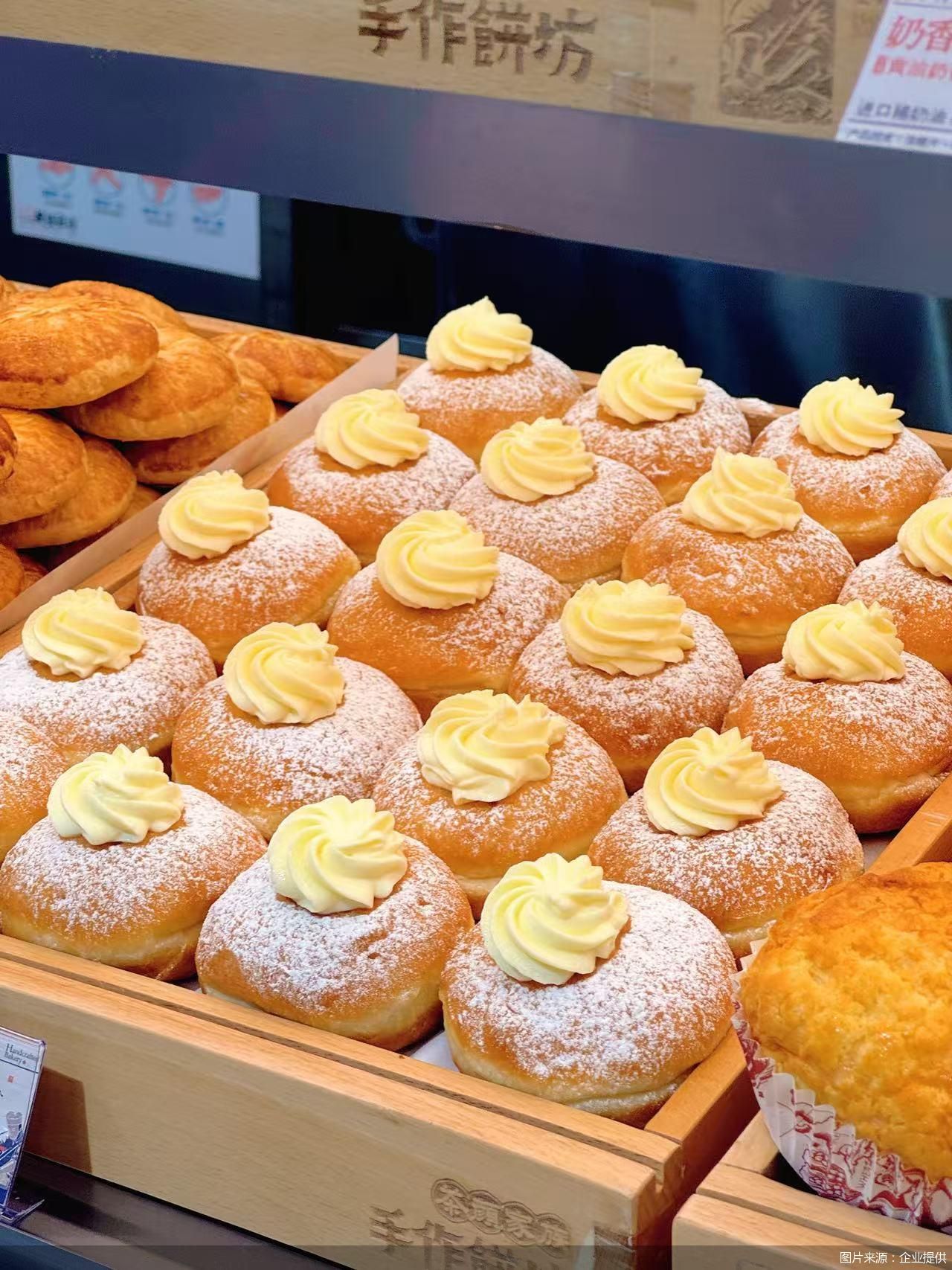
Core Insights - Chayan Yuese has launched a new store format called "Chayan Handmade Bakery," focusing on selling baked goods at affordable prices ranging from 3 to 6 yuan, indicating the brand's commitment to diversifying its product offerings [1][5][10] - The new bakery format is designed as a store-in-store concept, currently located within a Chayan Yuese outlet in Changsha, which allows the brand to leverage existing customer traffic and brand recognition [5][11] - The company is also exploring international markets, having recently entered the North American market through e-commerce, selling snacks, tea sets, and cultural products, rather than opening physical stores [9][14] Product Offering - The bakery offers a variety of baked goods, including both Western and Chinese styles, such as bread, croissants, pineapple buns, egg tarts, and traditional pastries, with creative product names that align with the brand's identity [5][10] - Pricing strategy includes promotions like "buy three get one free" and "buy five get one free," making the products accessible to a broader audience [5][10] Market Strategy - The brand is actively seeking growth opportunities through diversification, as the tea beverage market in China is becoming increasingly saturated, with a projected market size of 3,547.2 billion yuan by 2024 [14][15] - Chayan Yuese's strategy includes enhancing customer experience and optimizing service in stores, which is crucial for building brand loyalty and increasing customer retention [15] Competitive Landscape - The tea beverage industry is witnessing intense competition, with many brands, including Chayan Yuese, expanding into baked goods to increase average transaction value and customer frequency [10][11] - The company faces challenges in managing operational costs and supply chain logistics as it ventures into the baking segment, which has been a common trend among tea brands [10][11] Future Outlook - The brand's future plans for the bakery format remain cautious, focusing on establishing the first location before considering further expansion [5][9] - Experts suggest that Chayan Yuese should continue to innovate and maintain high product quality to differentiate itself in a crowded market, while also exploring potential growth in domestic and international markets [14][15]

上半年新茶饮:门店增长停滞,集体看向美国
3 6 Ke· 2025-07-29 10:59
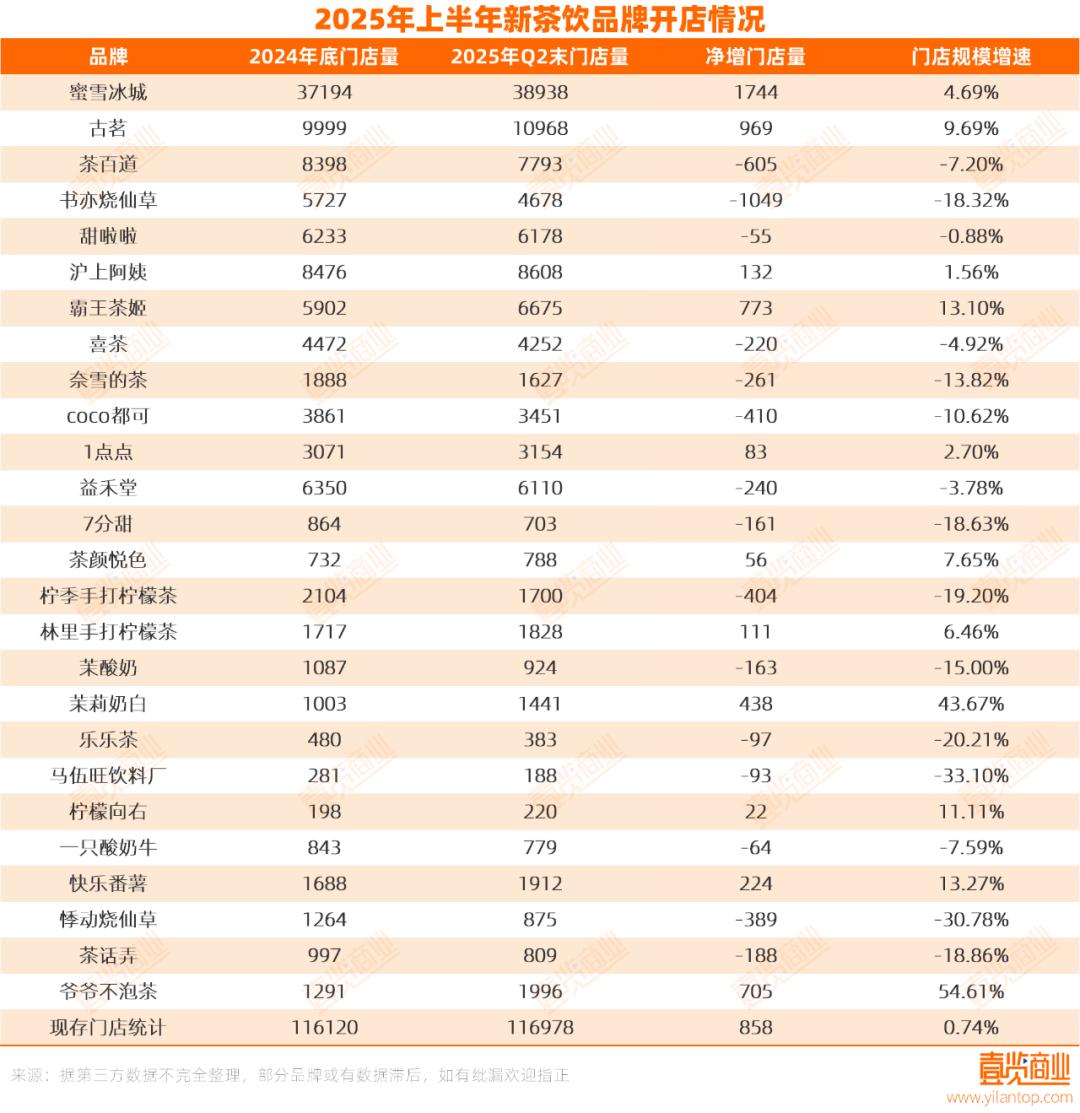
Core Insights - The new tea beverage industry is experiencing a slowdown in store opening speed, with a total of 116,978 stores as of June 2025, reflecting a growth of only 0.74% compared to the end of 2024 [1][2] - The brand landscape is undergoing significant changes, with leading brands expanding steadily while many mid-tier brands face closures, indicating an accelerated process of "survival of the fittest" [1][3] Brand Expansion and Performance - Among the 26 tracked brands, 11 showed positive growth in store numbers, with leading brands like Mixue Ice City and Gu Ming showing robust expansion rates of 4.69% and 9.69% respectively [2][3] - Notable closures were observed in mid-tier brands, with Shuyi Burned Grass experiencing the highest net loss of 1,049 stores, a decline of 18.32% [3][4] - The overall trend indicates that the industry is shifting from quantity-focused expansion to quality-driven strategies, with brands like Mixue Ice City and Gu Ming emphasizing deeper market penetration and operational efficiency [6][8] Market Dynamics and Strategy Adjustments - The number of new cities entered by brands has decreased compared to the previous year, with only 11 brands expanding their city presence while 14 brands exited certain cities [6][8] - Brands are increasingly focusing on optimizing their business models, with stricter franchise management and a shift towards enhancing product offerings and customer experiences [7][8] - The industry is moving towards a "tea + " model, integrating elements like baking, light meals, and retail into their store concepts to meet evolving consumer demands [11][12] International Expansion - The U.S. has become a primary target for international expansion, with brands adapting their business models to fit local markets rather than replicating domestic success [14][21] - Key brands like Heytea and Bawang Chaji are establishing a presence in major U.S. cities, focusing on high-end positioning and localized product offerings [18][19] - The U.S. market for ready-to-drink tea is projected to grow significantly, with a potential market size increase of 5 to 10 times by 2030, driven by favorable consumer preferences [21]

大佬杨东:对诡异凶险的热门股说“不”
华尔街见闻· 2025-07-29 10:43
Core Viewpoint - The article discusses the recent performance and strategic outlook of Ningquan Asset, highlighting the cautious approach taken by the team amidst a heated market environment in Hong Kong and A-shares [1][2]. Group 1: Performance Overview - As of June 30, Ningquan Asset's net value reached a historical high, outperforming the CSI 300 index by nearly 5 percentage points this year and over 55 percentage points since inception [4]. - The investment strategy emphasizes risk control and a balanced style, reflecting a thoughtful approach to market volatility [5][6]. Group 2: Market Insights - The second quarter saw Hong Kong stocks outperforming A-shares, with a notable occurrence of H-shares trading at a discount, a trend expected to continue for an extended period [9]. - Ningquan's portfolio has a significant allocation to Hong Kong stocks, but the team did not participate in the hot new consumption stocks, indicating a focus on their investment capability [10][11]. Group 3: Long-term Trends - Two long-term market predictions were shared: the trend of Hong Kong stocks outperforming A-shares will persist, and the overall stock market is expected to experience a volatile upward trajectory [13][14]. - The team noted that the increasing frequency of A/H price discrepancies suggests a structural shift in market dynamics, with many A-share companies opting for secondary listings in Hong Kong [15]. Group 4: Investment Strategy - Since 2021, Ningquan's portfolio includes a unique category labeled "other assets," which represents the use of derivatives for hedging market risks [16][17]. - The firm has shown a strong preference for sectors such as real estate, basic chemicals, electric equipment, telecommunications, and public utilities, with a focus on stable income-generating assets within the real estate sector [18][20].

新茶饮猛攻,香飘飘预亏上亿
Zheng Quan Zhi Xing· 2025-07-25 21:09
Group 1 - The core viewpoint of the article highlights that the traditional milk tea brand Xiangpiaopiao is facing significant losses of nearly 100 million yuan amid the rapid rise of new tea beverage brands [1][2]. - Xiangpiaopiao's half-year performance report for 2025 indicates a projected revenue of approximately 1.035 billion yuan, a decrease of about 144 million yuan or 12.21% year-on-year [2]. - The decline in Xiangpiaopiao's performance is attributed to changes in external consumer environments, habits, and demands, which have pressured sales of traditional brewing products during peak seasons [2]. Group 2 - Since its listing in 2017, Xiangpiaopiao has experienced four years of year-on-year revenue and net profit declines out of eight years [2]. - The company's revenue growth rate has been declining since 2018, with a notable drop to -5.46% in 2020, marking a turning point in its performance [2]. - The traditional brewed milk tea market has seen a significant contraction, with its market size decreasing from 11.3 billion yuan in 2012 to 7.6 billion yuan in 2023, a decline of 32.7% [2]. Group 3 - Industry analysts indicate that the fast-moving consumer goods sector has entered a new phase where product strength is paramount, and reliance on marketing-driven growth is becoming less effective [3]. - Xiangpiaopiao is exploring new growth avenues by launching ready-to-drink products and conducting pop-up store events in various cities, although the impact on its core brewing business remains limited [3]. - The company is also increasing marketing efforts and resource support for its Meco juice tea and Lan Fang Yuan series to capture a share of the new tea beverage market [3].

田野股份:深耕热带果蔬加工,以技术实力护航品质升级
Zhong Guo Shi Pin Wang· 2025-07-25 07:13
Core Insights - Tianye Co., Ltd. is a leading domestic tropical fruit and vegetable raw material processing enterprise, focusing on the research, production, and sales of tropical fruits and vegetables, with a product matrix centered around raw juice [1] - The company has developed processing techniques for over 40 types of fruits and vegetables, offering a diverse range of products including concentrated juice, NFC, and frozen fruits and vegetables to meet various customer needs [1] - The company emphasizes technological innovation, having established a provincial enterprise technology center and participated in setting national agricultural industry standards, which enhances production efficiency and product quality [1] Technological Innovation - The company has multiple invention and utility model patents, with self-developed pre-treatment and juice processing technologies that significantly improve production efficiency and product quality [1] - Innovations include automated sorting and peeling equipment, low-temperature sterilization, and aseptic filling processes, ensuring product freshness and safety while standardizing the processing [1] - The Hainan Dachuan subsidiary won a provincial technology invention award for its "integrated innovation in tropical juice processing technology," highlighting the company's industry-leading R&D capabilities [1] Customer Collaboration - The company has established stable supply relationships with leading new tea brands such as Nayuki Tea and traditional food and beverage companies like Nongfu Spring and Coca-Cola [2] - By providing a "product + formula + service" one-stop solution, the company integrates deeply into the supply and innovation chains of downstream customers, quickly responding to market demands [2] - Recent product launches, including unique juices from seasonal fruits like prickly pear and mulberry, help customers create differentiated products in a competitive market [2] Production Capacity and Location - The company has modernized its production capacity across major tropical fruit planting areas in China, with four production bases in Beihai, Hainan, Jingmen, and Panzhihua [2] - This strategic layout reduces raw material procurement distances and transportation losses, converting non-standard agricultural products into standardized raw materials through an "on-site processing" model [2] - The Hainan factory leverages local mango and pineapple resources, becoming a core hub for deep processing, while the Panzhihua factory focuses on unique fruits from the Jinsha River dry hot valley, expanding product diversity [2] Environmental Responsibility - Environmental sustainability is a key operational principle, with all factories equipped with wastewater treatment systems to ensure compliant discharge [3] - The company utilizes fruit peels and pomace through partnerships for livestock farming and organic fertilizer production, achieving resource recycling [3] - The application of zero-emission waste gas and low-noise equipment minimizes environmental impact, reflecting the company's commitment to ecological and social responsibility [3] Policy Advantages - The company benefits from national strategies such as rural revitalization and the Western Development initiative, as well as tax incentives under the Hainan Free Trade Port policy, enhancing cost competitiveness [3] - Future plans include leveraging location and policy advantages to deepen the full industrial chain layout of tropical fruits and vegetables, promoting industry standardization and high-quality development [3] Market Positioning - Amid accelerated industry consolidation, the company's technological and scale advantages are becoming more pronounced, with stricter food safety regulations leading to the exit of smaller processing firms [3] - The company aims to expand its market share through capacity expansion projects in Hainan and deepen collaborations with downstream brands, solidifying its leading position in the tropical raw juice segment [3]
咖啡茶饮新品频出、全球圈粉 茶饮市场持续扩张
Yang Shi Wang· 2025-07-25 03:07
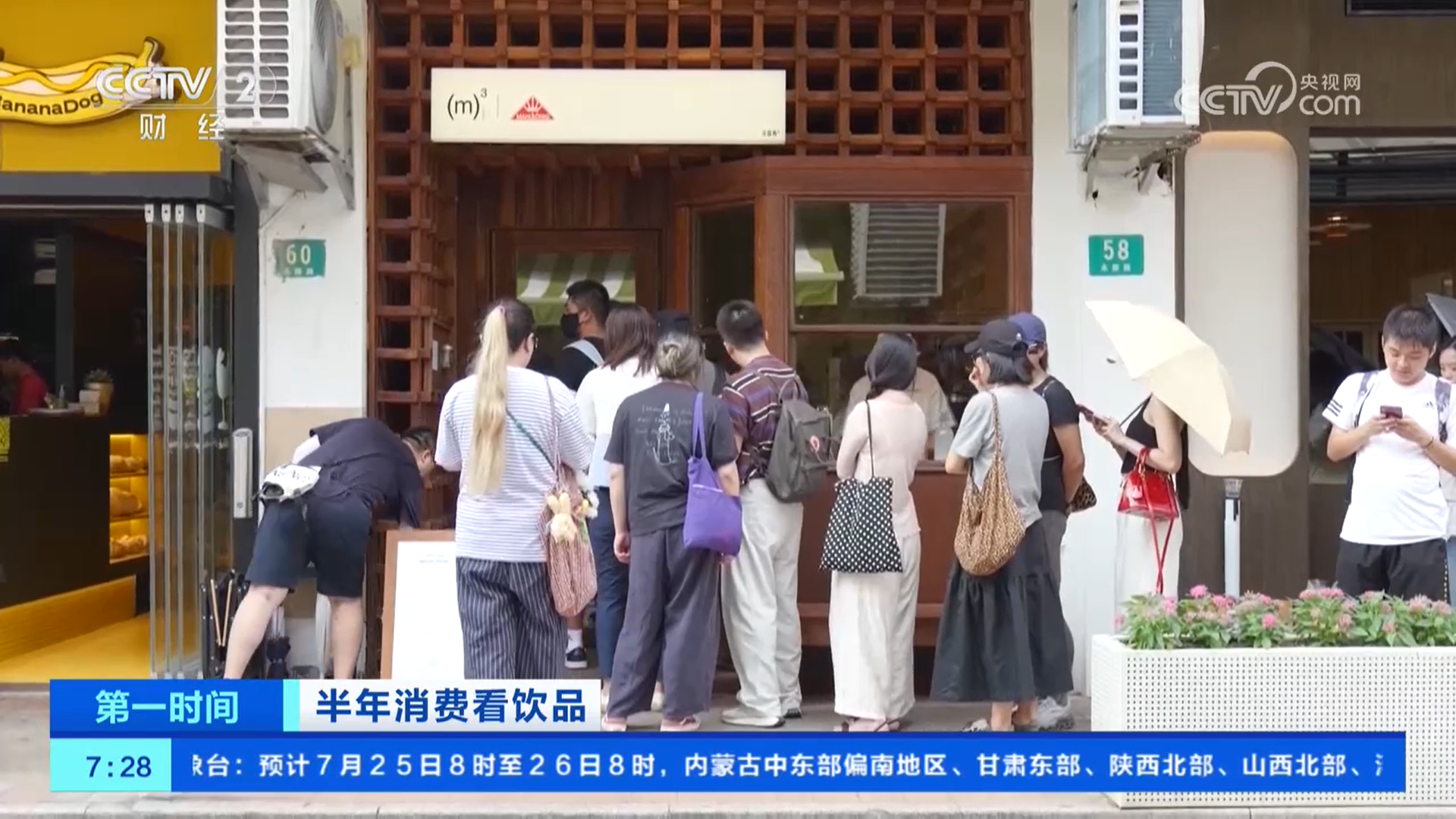
Group 1: Coffee Industry Insights - The coffee consumption trend is rising, with over 9,100 coffee shops in Shanghai, showcasing a diverse range of offerings from simple American coffee to creative specialty drinks [2][4] - A new coffee shop in Shanghai has gained popularity by offering unique frozen coffee drinks at an affordable price, attracting significant customer traffic [2][4] - A coffee brand that started from a small shop has expanded to over 800 locations in Shanghai, indicating strong growth in the coffee chain sector [4] - The rise of affordable coffee options and unique "village coffee" shops is contributing to the growth of the coffee market, with a notable presence in rural areas [5][7] - The coffee industry in China is projected to reach a market size of 313.3 billion yuan in 2024, with a year-on-year increase in per capita consumption of 33% [7] Group 2: Tea Industry Developments - The new tea drink sector is experiencing a surge in popularity, particularly among younger consumers, with a focus on health-conscious options [9][11] - The first half of the year saw a significant number of new tea drink companies going public, indicating a robust market environment [12] - The total number of tea drink outlets in China reached 116,978 by June, with a rapid introduction of new products, averaging 1.3 new items daily [12] - Chinese tea drink brands are expanding internationally, with a growing presence in markets like Southeast Asia, projected to reach a market size of 50 billion USD by 2028 [16] - The Chinese ready-to-drink tea market is expected to grow to 312.7 billion yuan in 2024, maintaining a growth rate of 20.97% [17]
昔日奶茶排队王,年轻人不想陪它演戏了
36氪· 2025-07-24 00:00
Core Viewpoint - The article discusses the decline of the tea brand Cha Yan Yue Se, which was once a top player in the tea beverage market, highlighting its struggles to maintain popularity and adapt to changing consumer preferences [1][3][36]. Group 1: Market Position and Competition - Cha Yan Yue Se was once a standout brand in the tea beverage market, known for its unique offerings and poetic branding, but has recently lost its competitive edge as new brands emerge [5][8][36]. - The brand's expansion efforts have been slow, with only a few new stores opened outside its home base, allowing competitors like Ba Wang Cha Ji to gain ground in key markets [21][25]. - Despite still being a part of local culture, the brand's popularity has waned, with many consumers no longer willing to wait in long lines for its products [14][40]. Group 2: Consumer Experience and Brand Perception - Consumers have expressed frustration with the lengthy ordering process and the brand's insistence on in-store experiences, which contrasts with the growing trend of online ordering and quick service [31][42]. - The brand's previous charm and novelty have diminished, leading to negative perceptions and complaints about its service and product offerings [19][28][36]. - Cha Yan Yue Se's attempts to innovate and expand its product line have not resonated well with loyal customers, who feel that the quality of beloved items has declined [19][36]. Group 3: Financial Performance and Growth Strategy - In 2023, Cha Yan Yue Se reported a net profit of approximately 5 billion yuan, which is competitive compared to other brands in the industry, despite its declining market presence [13]. - The company plans to open 268 new stores in 2024, marking a significant increase in its expansion efforts, particularly in new first-tier cities [25][27]. - The brand's recent foray into online sales of snacks and merchandise indicates a shift in strategy, but it has not generated the same buzz as its earlier initiatives [27][36].
外卖大战:残暴的开始必将以残暴结束
创业邦· 2025-07-23 03:13
Core Viewpoint - The article discusses the intense competition in the food delivery market in China, particularly focusing on the aggressive subsidy strategies employed by major players like Meituan, Alibaba, and JD.com, and the implications of these strategies on market dynamics and consumer behavior [4][10][12]. Summary by Sections Market Dynamics - The food delivery market in China is experiencing a significant increase in order volume, with a record of 200 million orders on July 5, driven by substantial subsidies from major companies [4][10]. - Meituan, Alibaba, and JD.com are collectively burning through approximately 20 billion RMB monthly in subsidies, despite the average daily order volume being less than 100 million [4][10]. Company Strategies - Alibaba's delayed entry into the subsidy war is attributed to internal organizational adjustments and the need to consolidate its resources before launching a competitive response [6][7]. - The timeline of Alibaba's strategic moves includes integrating its food delivery service Ele.me into its e-commerce division and announcing a 50 billion RMB subsidy plan [8][10]. Competitive Landscape - The competition is characterized by a focus on resource allocation and execution rather than ethical considerations, with companies prioritizing market share over profitability [12][20]. - Meituan's strategic response to the competition includes a focus on maintaining high operational efficiency, which is seen as a critical factor in its market leadership [22]. Financial Implications - The intense competition has led to stock price declines for all major players, with JD.com down 20%, Meituan down 10.3%, and Alibaba down 16% since the onset of the subsidy war [16][18]. - The article highlights the fragile profitability model of the food delivery business, which relies heavily on subsidies to attract customers and maintain market share [21][22]. Future Outlook - The article suggests that the food delivery market may face a reckoning as companies struggle to balance aggressive growth strategies with sustainable profitability [19][22]. - The potential for new entrants like Pinduoduo and Douyin to disrupt the market is acknowledged, indicating that the competitive landscape may continue to evolve rapidly [22].



北京又开近80家典型首店,新老商场火力全开!
3 6 Ke· 2025-07-23 02:28
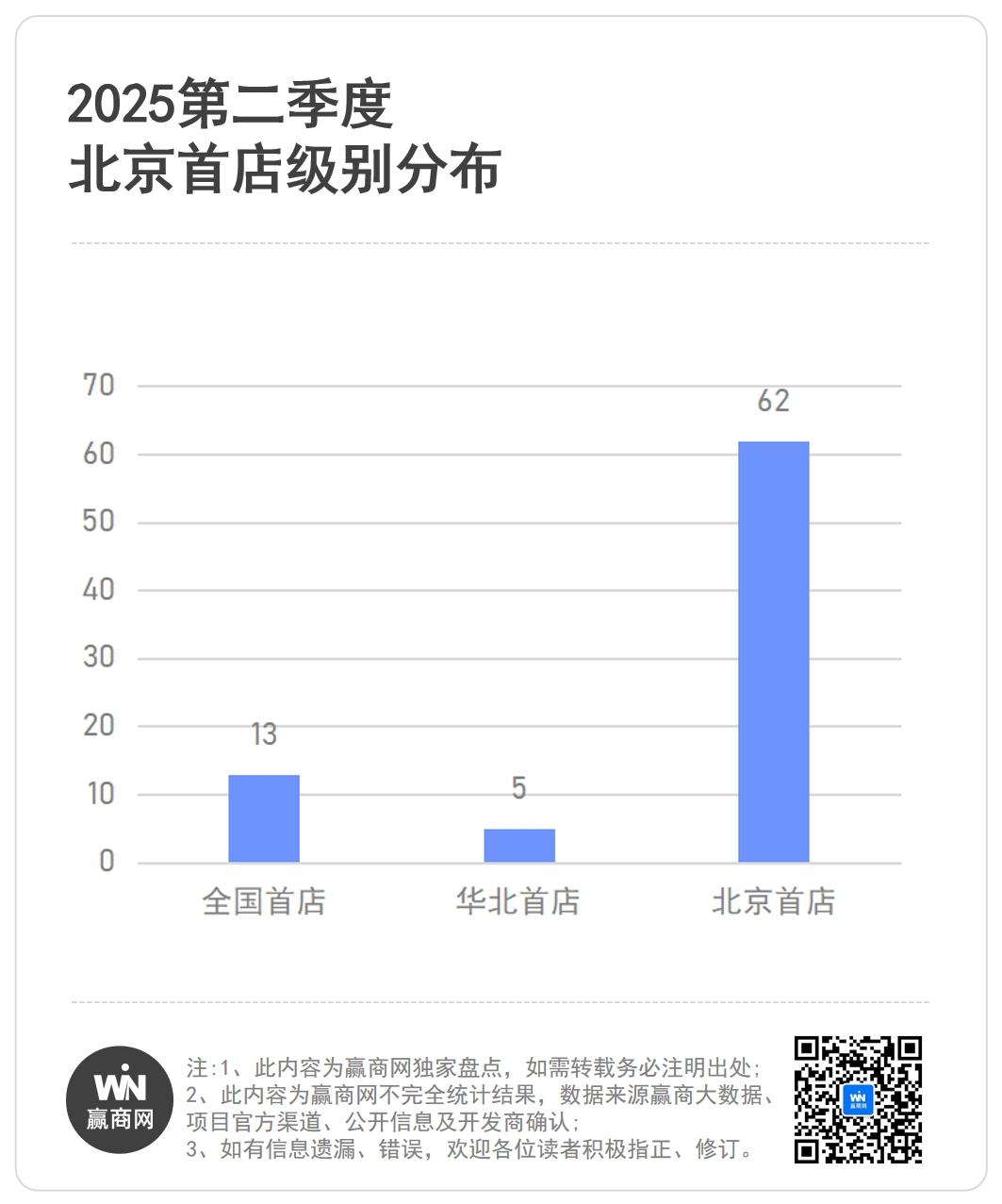
Core Insights - The commercial market in Beijing is experiencing a significant boost with the introduction of major new projects and flagship stores, enhancing the offline consumption landscape [1][29] - The number of new flagship stores opened in Q2 2025 has surged, outperforming the previous two years, indicating a strong recovery in consumer interest [2][29] - The focus on experiential and emotional value in consumer behavior is driving innovation in the restaurant and retail sectors, with brands emphasizing customization and unique experiences [10][29] Group 1: New Store Openings - In Q2 2025, Beijing saw the opening of 80 flagship stores, a substantial increase from 48 in the same period last year and 50 two years ago [2] - The first month of May recorded the highest number of new flagship store openings, with 31 stores launched [3] - The new openings included 13 national flagship stores, 5 North China flagship stores, and 62 Beijing flagship stores, showcasing a diverse range of brands [4] Group 2: Sector Performance - The restaurant sector led the way with 42 new flagship stores, compared to 33 in retail, indicating a strong trend towards dining experiences [7] - Emerging restaurant brands are actively expanding, while retail brands are also eager to enter the Beijing market, reflecting growing confidence [7][24] - Notable new restaurant concepts include unique regional cuisines and innovative dining experiences, appealing to both local and tourist demographics [17][24] Group 3: Consumer Trends - The consumer market is undergoing a transformation, with a shift towards rational spending and a focus on experience and value [10] - Brands are increasingly adopting a multi-faceted approach to create engaging shopping and dining environments, enhancing the overall consumer experience [10][11] - The rise of the "self-indulgence economy" is evident, with brands focusing on personalized and immersive experiences [10] Group 4: Policy Support - Various government initiatives have been introduced to stimulate consumption, including financial support for commercial projects and the promotion of flagship store openings [29][30] - The Beijing government aims to establish the city as a global flagship center, encouraging the introduction of high-quality brands and innovative concepts [29][30] - Upcoming projects and urban renewal initiatives are expected to further enhance the commercial landscape and consumer engagement in the latter half of 2025 [30]
2025中国茶饮行业出海全景报告:中国味,世界潮
飞书深诺· 2025-07-21 11:40
Investment Rating - The report indicates a positive outlook for the tea beverage industry, particularly in overseas markets, driven by cultural confidence and localization strategies [5][25][32]. Core Insights - The domestic tea beverage market is experiencing intensified competition, prompting brands to explore new markets abroad [3][8]. - Cultural confidence is empowering tea brands to seize opportunities in overseas markets, with a focus on localization and digitalization to drive growth [5][7][25]. - The Southeast Asian market presents a fragmented landscape with fierce competition in the mid-to-low-end segments, while opportunities exist in the high-end market [32][35]. Summary by Sections Market Overview - The tea beverage market is projected to grow significantly, with a compound annual growth rate (CAGR) of 12% from 2020 to 2023, despite a decline in the domestic market [13][19]. - The report highlights the importance of adapting to local tastes and preferences in international markets, particularly in Southeast Asia [36][39]. Growth Drivers - Localization and digitalization are key drivers for the growth of tea brands in overseas markets, allowing them to better connect with consumers [7][25]. - The report emphasizes the need for brands to innovate and offer health-conscious options, such as low-sugar and low-calorie beverages, to meet changing consumer preferences [37][44]. Competitive Landscape - The Southeast Asian tea beverage market is characterized by a high degree of fragmentation, with numerous brands competing primarily in the mid-to-low-end segments [35][36]. - High-end market segments remain underdeveloped, presenting opportunities for brands like Heytea and Nayuki to expand their presence [35][36]. Regional Opportunities - In Southeast Asia, the report identifies key opportunities in health-oriented products and local flavor integration, which are crucial for market penetration [36][37]. - The report also notes that the UK market is ripe for innovation, particularly with the introduction of Asian flavors and health-focused beverages [56][57]. Strategic Recommendations - Brands are encouraged to leverage digital marketing and social media to enhance brand visibility and consumer engagement in international markets [121][125]. - The report suggests that a comprehensive understanding of local cultures and consumer behaviors is essential for successful market entry and growth [36][37].