
古茗

Search documents
麦肯锡最新报告:中国消费市场五大“逆风翻盘”信号……
Sou Hu Cai Jing· 2025-09-02 01:33
Core Insights - The McKinsey report highlights five unexpected positive signals in the Chinese consumer market, indicating resilience and vitality despite challenging economic conditions [2][4]. Consumer Trends - China has become the world's largest automobile exporter, with electric vehicle (EV) exports accounting for 40% of the total, and BYD surpassing Tesla as the largest EV manufacturer globally [4][16]. - The tourism industry is experiencing a remarkable recovery, with inbound tourist numbers exceeding 35 million in the first quarter, marking a 22% increase year-on-year [4][10]. - The capital market is showing signs of recovery, with Hong Kong's IPO financing reaching 107.1 billion HKD in the first half of the year, an eightfold increase compared to the previous year [4][17]. - Cultural exports are gaining momentum, with the game "Black Myth: Wukong" selling 28 million copies globally, 30% of which are from overseas players, showcasing the international appeal of Chinese culture [4][19]. Retail Dynamics - Retail sales in China grew by 5% year-on-year in the first half of the year, with May seeing a peak growth of 6.4%, indicating consumers are spending more wisely [5][7]. - The rise of snack specialty stores like Hotmaxx reflects a trend towards affordable and diverse options that cater to consumers' desire for small pleasures [7]. - Membership retail, exemplified by Sam's Club, is thriving due to its focus on high-quality products and a curated shopping experience [7]. Automotive Market - The automotive market is witnessing a shift towards electric vehicles, with overall sales increasing by 11.2% and EV sales soaring by 37.2% [7][11]. - The growth in EV sales is driven by rising environmental awareness and a preference for smart, tech-driven, and personalized transportation options [7]. Cultural Influence - Chinese pop culture is gaining global traction, with products like the Labubu series from Pop Mart seeing a 726% revenue increase, highlighting the international appeal of Chinese design [19][20]. - The report emphasizes the importance of cultural confidence as a driver of economic competitiveness, with various cultural products becoming new growth engines [22][23].






零售周报|9月服务消费新政;美团开线下超市;安踏、蜜雪冰城业绩亮眼
Sou Hu Cai Jing· 2025-09-02 01:33
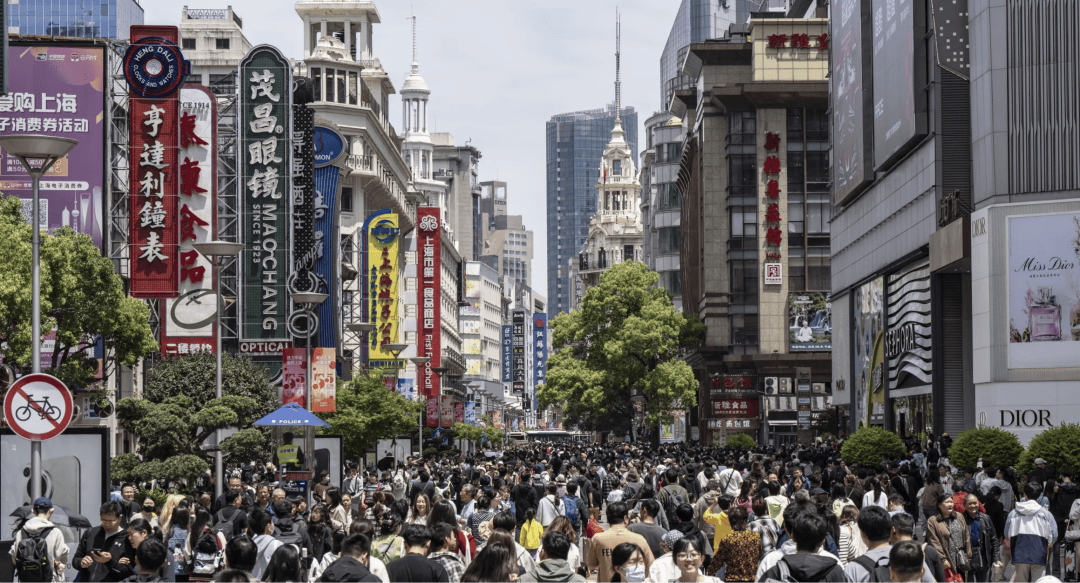
Group 1 - The Ministry of Commerce will introduce several policy measures to expand service consumption in September, focusing on enhancing service supply capabilities and stimulating new service consumption [1] - The Ministry has already implemented various policies this year, including initiatives for elderly tourism, home services, health consumption, and green consumption [1] - The upcoming policies will utilize fiscal and financial tools to optimize service supply and drive actual results in service consumption [1] Group 2 - Li Ning has launched an immersive theater experience called "China Li Ning World" in Shanghai, featuring five themed theaters that blend drama, interaction, and product experience [4] - The experience showcases multiple co-branded series and introduces a new logo in a 3D format [4] Group 3 - The Nordic fragrance brand Yougift will open its first store in Nanjing on August 31, offering a range of products inspired by Nordic culture and nature [6] Group 4 - Anta Group has announced a joint venture with South Korea's Musinsa to establish "Musinsa China," with Anta holding 40% and Musinsa 60% of the shares [7][8] - Musinsa China will focus on developing its own brand "Musinsa STANDARD" and multi-brand stores in the Chinese market [8] Group 5 - Meituan has opened its first self-operated discount supermarket "Happy Monkey" in Hangzhou, marking its entry into the offline retail sector [11] - The company plans to open approximately 10 stores in major cities by 2025, with a long-term goal of reaching 1,000 stores nationwide [11][12] Group 6 - Hema's budget community supermarket Hema NB has been rebranded as "Super Box Calculation NB" to enhance its brand while maintaining its community budget positioning [15] Group 7 - Anta Group reported a 14.3% increase in revenue to 38.54 billion yuan for the first half of 2025, with operating profit rising 17% to 10.131 billion yuan [16] - FILA's revenue reached a record high, growing 8.6% to 14.18 billion yuan, driven by its "ONE FILA" strategy [16] Group 8 - Biyinlefen's revenue increased by 8.6% to 2.103 billion yuan in the first half of 2025, while net profit declined by 13.56% [17] Group 9 - Xiaocaiyuan plans to expand its store count to 1,000 by next year, with a goal of over 3,000 stores in the next decade [18] Group 10 - Mixue Ice City reported a 39.3% increase in revenue to 14.8748 billion yuan for the first half of 2025, with a profit of 2.718 billion yuan, up 44.1% [19][20] Group 11 - Gu Ming's revenue for the first half of 2025 reached 5.6629 billion yuan, a 41.2% increase, with net profit significantly rising [21][22] Group 12 - Tims Coffee reported a 4.9% decline in revenue to 349 million yuan for the second quarter, but food revenue reached a historical high of 35.2% [23] Group 13 - Nayuki's revenue decreased by 14.4% to 2.178 billion yuan in the first half of 2025, while adjusted net losses decreased by 73.1% [24][25] Group 14 - Aeon reported a 3.0% decrease in revenue to 3.931 billion HKD for the first half of 2025, with net losses widening to 226 million HKD [26] Group 15 - Anta and Bosideng have responded to reports of their interest in acquiring Canada Goose, clarifying that they are not potential buyers [27][29] Group 16 - Keurig Dr Pepper has agreed to acquire JDE Peet's for 57 billion euros, with the transaction expected to complete in the first half of 2026 [32] Group 17 - Coca-Cola is evaluating the sale of Costa Coffee, with initial discussions with private equity firms indicating a potential sale price of 2 billion pounds [33]

港交所一杯茶:茶饮中场激战正酣,半年报透视生死局
Ge Long Hui· 2025-09-01 19:18
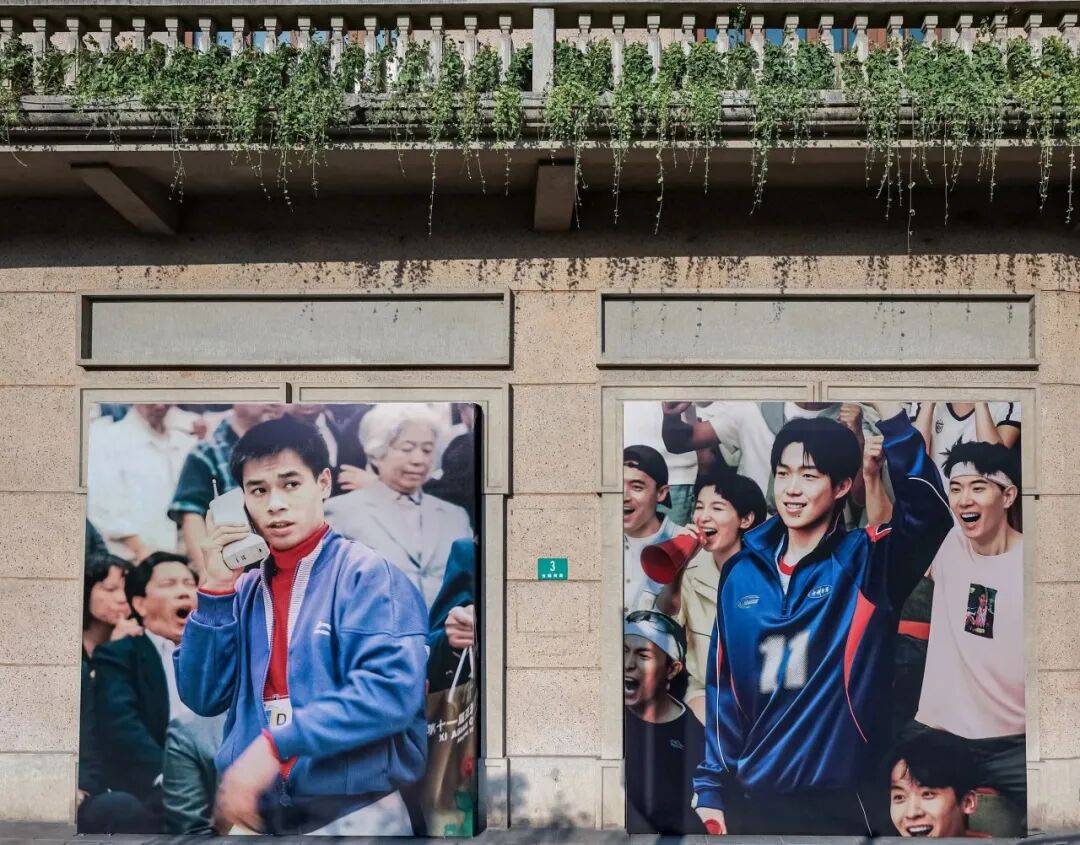
Core Insights - The new-style tea beverage industry is undergoing rapid differentiation and reshuffling, shifting from "scale expansion" to "quality competition" [1] - The industry is experiencing a Matthew effect, where strong players dominate while weaker ones struggle [1] Company Performance - Mixue Ice City reported revenue of 14.875 billion and net profit of 2.718 billion, with both revenue and net profit growth exceeding 39% [1] - Gu Ming demonstrated impressive growth with revenue of 5.663 billion, a year-on-year increase of 41.2%, and net profit soaring by 121.5% to 1.625 billion [1][3] - Hu Shang A Yi achieved revenue of 1.818 billion, up 9.7%, and net profit of 203 million, an increase of 20.9% [3] - Cha Bai Dao's total revenue was 2.5 billion, a slight increase of 4%, but net profit rose significantly by 40% to 333 million [3] - Nai Xue's Tea faced challenges with revenue of 2.178 billion, a year-on-year decline of 14.4%, and a net loss of 118 million [3] Market Dynamics - The number of stores and supply chain capabilities have become critical competitive advantages for tea beverage giants [4] - Mixue Ice City has over 53,000 stores globally, adding nearly 10,000 in the first half of 2025, while Gu Ming has 11,179 stores [4] - Supply chain management is increasingly viewed as a key differentiator in the industry, with companies like Mixue and Gu Ming focusing on self-sourcing and efficient logistics [4][13] Consumer Trends - There is a growing consumer preference for low-sugar, low-calorie, and functional tea beverages, while many brands remain focused on traditional offerings [6] - The industry faces cost pressures, with significant portions of revenue consumed by material, labor, and rental costs [6] Strategic Directions - Major tea beverage companies are targeting lower-tier markets as a new growth area, with Mixue and Gu Ming establishing a strong presence in these regions [8] - The coffee segment is emerging as a secondary battleground, with companies like Mixue and Gu Ming expanding their coffee offerings significantly [9][10] Investment Landscape - The tea beverage industry is seeing a wave of IPOs, emphasizing the importance of profitability over mere expansion [12][15] - Companies that can effectively manage their supply chains and demonstrate profitability are more likely to attract investor interest [13][15]
大消费组九月消费金股:PPI触底,全面进攻
CMS· 2025-09-01 13:02
Investment Rating - The industry maintains a "Recommended" investment rating, indicating a positive outlook for the sector's fundamentals and expected performance relative to the benchmark index [2]. Core Insights - The report highlights a recovery in consumer demand as PPI reaches a bottom, with expectations for improvement in various sectors, particularly in food and beverage, retail, and healthcare [4][19]. - The report emphasizes the importance of strong operational capabilities in brands and manufacturers, particularly in the textile and apparel sector, as inventory levels stabilize [6][8]. - The healthcare sector is noted for its innovation potential, with a focus on domestic companies gaining recognition globally, particularly in the pharmaceutical and medical device industries [16][17]. Summary by Relevant Sections Food and Beverage - The liquor industry is experiencing a clearing phase, with major brands like Moutai and Wuliangye seeing profit growth slow down, while demand is expected to improve as PPI stabilizes [4]. - The snack food sector, particularly companies like Wei Long, is benefiting from seasonal demand increases, with sales expected to rise significantly [4][5]. Textile and Apparel - The sportswear segment is seeing inventory levels stabilize, with a focus on leading brands like Anta and Li Ning, which are expected to perform well due to their strong market positions [6][8]. - The textile manufacturing sector is projected to recover as overseas demand stabilizes, with leading manufacturers expected to see improved profitability [8]. Retail - The retail sector, particularly discount supermarkets and snack chains, is expanding rapidly, with significant net store openings reported [15]. - Wanchen Group's Q2 performance exceeded expectations, with a notable increase in net profit margins, indicating strong operational efficiency [15]. Healthcare - The report identifies opportunities in the innovative drug sector, with companies like United Imaging and Heptagon Pharmaceuticals highlighted for their growth potential [16][17]. - The medical device market is expected to grow as domestic companies enhance their product offerings and market presence [17]. Agriculture - The report emphasizes the importance of high-quality livestock enterprises and food security, with a focus on companies like Muyuan and DeKang [22]. - The planting sector is under scrutiny due to extreme weather conditions affecting crop yields, with a recommendation for companies involved in seed development and agricultural technology [22]. New Consumption Trends - The new-style tea beverage market continues to show high growth, with leading brands like Mixue and Gu Ming achieving significant revenue increases [19]. - The report suggests that the competitive landscape in the food and beverage sector is evolving, with a focus on brands that can leverage online and offline sales channels effectively [19].
“秋天的第一杯奶茶”,流行到海外了
3 6 Ke· 2025-09-01 09:09
Core Insights - The article highlights the successful overseas expansion of Chinese tea brands, particularly focusing on the innovative product offerings and localized strategies that resonate with international consumers [1][26][36] Group 1: Product Innovation and Market Strategy - The introduction of the "抹云椰蓝" drink by Heytea, which combines blue spirulina, coconut water, and matcha, has led to over 700,000 cups sold in overseas markets, showcasing the brand's ability to create visually appealing and health-oriented products [1][9] - The trend of leveraging local ingredients and flavors is evident, with brands like Mixue and Bawang Tea integrating local tastes into their menus, such as using local spices in Malaysia and tropical fruits in Vietnam [5][6][21] - The success of products like "Triple Supreme Matcha Latte" is attributed to thorough market research and the ability to create buzz through social media, particularly influenced by celebrity endorsements [2][4] Group 2: Supply Chain and Operational Challenges - Establishing a supply chain that meets local regulations and consumer preferences is a significant challenge for tea brands entering foreign markets, with varying standards for food safety and ingredient sourcing [15][16] - Companies like Heytea have set up multiple warehousing centers in key regions to ensure consistent product quality and efficient logistics, which is crucial for maintaining brand integrity across different markets [23][21] Group 3: Cultural Integration and Brand Positioning - The article emphasizes the importance of cultural integration, where brands adapt their offerings to align with local customs and preferences, thus creating a "resonance" with consumers [33][36] - The global market for ready-to-drink beverages is projected to grow significantly, with a compound annual growth rate of 7.2% from 2023 to 2028, indicating a ripe opportunity for Chinese tea brands to expand their footprint [26][28] - The branding strategies employed by these companies often include collaborations with local influencers and culturally relevant marketing campaigns, enhancing their appeal to diverse consumer bases [31][32]

蜜雪集团20250831
2025-09-01 02:01
Summary of the Conference Call for Mixue Group Company Overview - **Company**: Mixue Group - **Industry**: Tea Beverage Industry Key Points and Arguments 1. **Financial Performance**: In the first half of the year, Mixue benefited from the competitive delivery market, achieving a revenue growth of 39% and a profit growth of 44%. The strong cash inflow from operations supports long-term development [3][4][10]. 2. **Store Expansion**: The company is expected to reach nearly 40,000 stores by 2025, with potential for further expansion. The brand can open between 46,000 to 48,000 stores under a single brand [2][6][7]. 3. **Valuation**: The current valuation of Mixue is approximately 27 times earnings, with expectations of a decrease to around 25 times next year due to a projected 10% growth rate [2][5][11]. 4. **Market Environment**: The tea beverage industry is experiencing a high growth rate, with leading companies' valuations adjusting to a range of 20-25 times. Mixue's performance remains strong despite potential negative same-store sales growth next year due to high base effects [5][8]. 5. **Profitability**: Even with a modest revenue growth of 10%, profits could increase by 10%-20% due to sufficient production capacity and potential margin improvements [2][6][10]. 6. **Expansion Potential**: Mixue has not reached its expansion ceiling and can introduce new products like snacks and IP derivatives to leverage its existing store network [2][7][13]. 7. **International Expansion**: The company is accelerating its overseas expansion, successfully entering the Central Asian market and preparing to enter the Americas, supported by a strong supply chain [4][12][13]. 8. **Long-term Growth**: Mixue is expected to maintain a compound annual growth rate of at least 20% over the next three to five years, with a strong industry position and pricing power [10][11]. 9. **Market Dynamics**: The tea beverage market shows performance differentiation among brands, with Mixue and Gu Ming benefiting from centralized procurement and brand strength [4][14][17]. 10. **Future Outlook**: The company is well-positioned for future growth, with significant opportunities in untapped markets such as rural areas and tourist attractions [11][12]. Additional Important Insights - **Cost Management**: The gross margin slightly decreased by 0.3 percentage points, while the expense ratio remained stable or increased marginally [3]. - **Franchise Dynamics**: The willingness of franchisees to join and the company's collaborative value proposition with franchisees are critical for sustained growth [15][16]. - **Competitive Landscape**: Other brands in the tea beverage sector may have lower valuations but could see growth if they introduce market-demanding products [17]. - **Impact of Luckin Coffee**: The return of Luckin Coffee to the Hong Kong market may enhance its visibility and liquidity, potentially affecting the competitive landscape [18].
农夫山泉茶饮料收入首超包装水;万辰集团中报净利增长50359%;安踏回应收购彪马传闻|品牌周报
3 6 Ke· 2025-08-31 11:49
Group 1: Nongfu Spring's Financial Performance - Nongfu Spring's revenue for the first half of 2025 reached 25.6 billion yuan, a year-on-year increase of 15.6% [1] - The net profit for the same period was 7.6 billion yuan, reflecting a year-on-year growth of 22% [1] - Tea beverage revenue surpassed packaged water for the first time, generating 10.09 billion yuan, a significant increase of 19.7% year-on-year, accounting for 39.4% of total revenue [1] Group 2: Gu Ming's Growth - Gu Ming reported a revenue of 5.66 billion yuan for the first half of 2025, marking a year-on-year growth of 41.2% [3] - The net profit surged to 1.63 billion yuan, a substantial increase of 119.8%, primarily due to a 5.57 billion yuan gain from financial liabilities [3] - The adjusted profit for the first half was 1.09 billion yuan, up 42.4% year-on-year, with an adjusted profit margin slightly increasing to 19.2% [4] Group 3: Anta's Financial Results - Anta's revenue for the first half of 2025 was 38.54 billion yuan, a year-on-year increase of 14.3% [6] - The net profit was 7.03 billion yuan, a decline of 8.9%, but increased by 14.5% excluding the impact of Amer Sports [6] - The operating profit rose by 17% to 10.13 billion yuan, with the FILA brand revenue growing by 8.6% to 14.18 billion yuan [6] Group 4: Miniso's Performance - Miniso achieved a revenue of 9.39 billion yuan in the first half of 2025, a year-on-year increase of 21.1% [8] - The second quarter revenue was 4.97 billion yuan, reflecting a growth of 23.1% year-on-year [8] - The domestic market revenue for Miniso was 2.62 billion yuan, up 13.6%, while overseas revenue reached 1.94 billion yuan, a growth of 28.6% [9] Group 5: Keep's Financial Turnaround - Keep reported a revenue of 822 million yuan for the first half of 2025, achieving a turnaround with an adjusted net profit of 10.35 million yuan [21] - The gross profit was 429 million yuan, with a gross margin increase to 52.2% from 46.0% year-on-year [21] - The average monthly active users reached 22.49 million, with a membership penetration rate of 12.4% [21]



农夫山泉茶饮料收入首超包装水;万辰集团中报净利增长50359%;安踏回应收购彪马传闻|品牌周报
36氪未来消费· 2025-08-31 11:43
Group 1 - Nongfu Spring's tea beverage revenue has surpassed bottled water for the first time, reaching 100.89 billion yuan, a year-on-year increase of 19.7%, accounting for 39.4% of total revenue [3] - The overall revenue for Nongfu Spring in the first half of 2025 was 256 billion yuan, with a net profit of 76 billion yuan, reflecting a year-on-year growth of 15.6% and 22% respectively [3] - The company has reduced the supply of green bottle water and increased the promotion of red bottle water, with the latter's proportion in bottled water revenue rising from approximately 75% to over 78% [3] Group 2 - Gu Ming reported a revenue of 56.63 billion yuan in the first half of 2025, a year-on-year increase of 41.2%, with a net profit of 16.26 billion yuan, up 119.8% [4] - The number of Gu Ming stores reached 11,179, a 17.5% increase from the previous year, with plans to exceed 2,000 new stores by the end of the year [4][5] - The average daily GMV per store increased from 6,200 yuan to 7,600 yuan, indicating improved operational efficiency [5] Group 3 - Anta's revenue for the first half of 2025 was 385.44 billion yuan, a 14.3% increase year-on-year, while net profit decreased by 8.9% to 70.31 billion yuan [6] - The FILA brand revenue grew by 8.6% to 141.8 billion yuan, while other brands saw a significant increase of 61.1% to 74.1 billion yuan [6] - Anta's e-commerce business accounted for 34.8% of total revenue, reflecting a growth of 17.6% compared to the same period last year [6] Group 4 - Miniso reported a revenue of 93.9 billion yuan in the first half of 2025, a year-on-year increase of 21.1%, with Q2 revenue reaching 49.7 billion yuan, up 23.1% [8][9] - The company has launched a "big store strategy," with the MINISO LAND concept featuring stores over 1,000 square meters, enhancing the shopping experience [9][10] - Miniso's overseas revenue in Q2 was 19.4 billion yuan, a 28.6% increase, with significant growth in the U.S. market, where revenue rose over 80% [9][10] Group 5 - Keep achieved a revenue of 8.22 billion yuan in the first half of 2025, turning a profit with an adjusted net profit of 10.35 million yuan [23] - The gross profit margin improved from 46.0% to 52.2%, indicating better cost management and operational efficiency [23] - The average monthly active users reached 22.49 million, with a membership penetration rate of 12.4%, up from 11.1% year-on-year [23]


“烘焙+”模式乘风起,跨界融合成增长新引擎
Sou Hu Cai Jing· 2025-08-31 03:09
Core Insights - The baking industry is transitioning from a supporting role to a primary growth driver across various sectors, including tea, coffee, hot pot, and supermarkets, due to its strong synergy, high profit margins, and rapid response to trends [1][9]. Group 1: Baking Integration in Tea and Coffee - The "main category + baking" model is emerging, with tea brands increasing the sales proportion of baked goods from 5% to 15% in 2023, projected to exceed 30% market penetration [3]. - Major tea brands like Nayuki and others are actively pursuing baking strategies, with Nayuki aiming for equal emphasis on baking and tea by 2025 [3]. - Coffee brands are also adopting the "coffee + baking" model, with Starbucks and Luckin Coffee expanding their baking product lines significantly [4]. Group 2: Hot Pot and Supermarket Integration - Hot pot brands are entering the baking space, with Haidilao launching a bakery brand that incorporates hot pot elements into baked goods [4]. - Supermarkets are increasingly adopting the "supermarket + baking" model, with major chains like Sam's Club and Walmart focusing on high-cost performance strategies to capture market share [5]. - By 2024, offline supermarkets are expected to account for 37.7% of the baking product consumption channels, creating a balanced market structure with specialty stores and e-commerce [6]. Group 3: Consumer Demand and Market Trends - The rise of baking as a primary growth engine is driven by upgraded consumer demand and improved supply chain efficiency, making it a significant contributor to various industries [7]. - Young consumers are the main drivers of baking consumption, with nearly 90% of purchases coming from the middle-aged and young demographic [7]. - Brands are leveraging the "main category + baking" model to maximize commercial value, enhancing customer spending through combined offerings [7]. Group 4: Operational and Supply Chain Innovations - Supermarkets are utilizing large-scale supply chain management and standardized production to enhance efficiency and product quality in the baking sector [8]. - Leading brands are breaking down category barriers to create integrated membership systems that enhance user engagement and value extraction [8]. - The ability of baking to serve as a "second growth curve" for various industries is attributed to its strong synergy with existing businesses and high profit potential [9].
新消费行业周报:茶饮龙头25H1收入利润高增,全球美妆前十品牌仅两家实现正增长-20250831
Hua Yuan Zheng Quan· 2025-08-30 23:59
Investment Rating - The industry investment rating is "Positive" (maintained) [4] Core Insights - The tea beverage industry shows strong revenue and profit growth, with companies like Mixue and Guming expanding their market share due to strong supply chain capabilities and consumer trend responsiveness [5] - The global beauty industry is facing challenges, with only two of the top ten brands achieving positive growth, indicating a need for brands to optimize their strategies [5] - Emerging consumer trends reflect a new generation's consumption concepts, highlighting the importance of understanding these narratives for investment opportunities [18] Summary by Sections Tea Beverage Industry - Mixue Group reported a revenue of 14.875 billion yuan in H1 2025, a 39.3% increase year-on-year, with a net profit of 2.718 billion yuan, up 44.1% [5] - Guming achieved a revenue of 5.663 billion yuan in H1 2025, a 41.2% increase, with an adjusted net profit of 1.086 billion yuan, up 42.4% [5] Beauty Industry - The top ten global beauty brands had a combined sales of 560 billion yuan in H1 2025, a slight increase of 0.3%, with 70% of companies experiencing a decline in sales [5] - L'Oreal led with a revenue of 187.74 billion yuan, a 6.5% increase, while brands like Estée Lauder and Shiseido faced declines of 10.9% and 7.6% respectively [5] Investment Recommendations - In the beauty sector, focus on high-quality domestic brands with strong innovation, such as Mao Ge Ping and Juzi Biotechnology [18] - In the gold and jewelry sector, consider brands appealing to younger consumers, like Laopu Gold and Chaohongji [18] - For the tea beverage sector, prioritize leading brands with strong market presence, such as Mixue Group and Guming [18]