
中美贸易摩擦

Search documents
有色金属周报:市场情绪好转,有色板块走强-20251027
Guo Mao Qi Huo· 2025-10-27 06:50
1. Report Industry Investment Rating The report does not mention the industry investment rating. 2. Core Viewpoints of the Report - Copper: Although the recent rise in copper prices has suppressed downstream demand, the easing of Sino - US trade frictions and the approaching Fed interest - rate meeting have led to a recovery in market risk appetite, and copper prices are expected to remain strong. The recommended trading strategy is to go long in the short - term and conduct positive spreads for Shanghai copper futures [9]. - Zinc: Recently, the risk of a short squeeze in LME zinc has increased, and the expectation of zinc ingot outflow is strong. Coupled with the improvement of macro sentiment, zinc prices are expected to continue to oscillate strongly. The recommended trading strategy is to wait and see for single - side trading and pay attention to the opportunity of internal - external reverse spreads when the export window opens [83]. - Nickel and Stainless Steel: The nickel price is expected to oscillate strongly in the short - term, mainly driven by macro factors. In the medium - to - long - term, there is still pressure of oversupply of primary nickel. The stainless - steel price is expected to oscillate strongly in the short - term, with attention paid to the changes in warehouse receipts and positions. The recommended trading strategy for nickel is to go long at low levels in the range, and for stainless steel, it is short - term trading [180][181]. 3. Summary According to the Directory 3.1 Non - ferrous Metal Price Monitoring - The report provides the closing prices, daily, weekly, and annual price changes of various non - ferrous metals. For example, the current value of the US dollar index is 98.9, with a daily increase of 0.01%, a weekly increase of 0.39%, and an annual decrease of 8.79%. The current value of Shanghai copper is 87,720 yuan/ton, with a daily increase of 1.92%, a weekly increase of 3.95%, and an annual increase of 18.91% [6]. 3.2 Copper (CU) - **Macro Factors**: The possible meeting between China and the US at the end of the month eases Sino - US trade frictions, and the US inflation data in September strengthens the expectation of a Fed rate cut at the end of the month. China's economic data in September shows that the production side is improving, but the demand side is weak, and the transformation of new and old driving forces takes time [9]. - **Raw Material End**: The spot processing fee of copper ore has decreased, and the port inventory has slightly declined. The suspension of mining at Freeport's Grasberg block cave mine will lead to a short - term decline in copper and gold production [9]. - **Smelting End**: With the recovery of sulfuric acid prices, the losses of smelters using spot copper ore have narrowed, and the profits of smelters using long - term contract copper ore have increased. In September, domestic copper production declined, and it is expected to continue to decline in October [9]. - **Demand End**: The recent rise in copper prices has put pressure on downstream demand, and the operating rate of copper rods has declined [9]. - **Inventory**: The copper inventory has decreased domestically and increased externally this week, and the global visible copper inventory is relatively stable [9]. 3.3 Zinc (ZN) - **Macro Factors**: Recent macro events are weak, with both positive and negative factors. However, due to the strong expectation of a Fed rate cut in October, the overall macro sentiment is neutral to bullish. It is recommended to pay attention to when the US government will resume normal operation and the progress of Sino - US consultations [83]. - **Raw Material End**: The domestic processing fee has been reduced, and the import processing fee has been reduced for the first time. The inflection point of supply - demand in the ore end is emerging. It is expected that the sales of overseas zinc ore in China will remain sluggish, and the import processing fee is expected to increase, while the domestic processing fee may continue to decline in the winter storage period [83]. - **Smelting End**: In September, the refined zinc production was 600,000 tons, a month - on - month decrease of 4.17%. In October, the production is expected to remain above 600,000 tons. The opening of the export window helps to ease the domestic oversupply situation [83]. - **Demand End**: The traditional peak season is coming to an end, but the peak - season characteristics of downstream demand are not obvious. Recently, zinc prices have rebounded, and downstream buyers are cautious about high prices and mainly consume inventory [83]. - **Inventory**: The social inventory has decreased this week. As of October 23, the zinc ingot social inventory was 162,100 tons, a decrease of 0.37% from last week. The LME zinc inventory has decreased significantly, and there is a risk of a short squeeze [83]. 3.4 Nickel and Stainless Steel (NI·SS) - **Macro Factors**: The lower - than - expected CPI increase in the US in September has boosted the expectation of a Fed rate cut, supporting non - ferrous metals. The Fourth Plenary Session of the 20th Central Committee of the Communist Party of China has boosted policy expectations, and market risk appetite has recovered. The recent easing of Sino - US trade relations is also a positive factor [180][181]. - **Raw Material End**: The approval of Indonesia's nickel - ore RKAB in 2026 is in progress. The premium of Indonesian nickel ore is relatively strong. The import of nickel ore from the Philippines has decreased slightly, and the domestic port inventory has decreased slightly [180][181]. - **Smelting End**: The pure - nickel production remains at a high level. The average price of nickel iron has continued to decline, and Indonesian iron plants still face profit - inversion pressure. The MHP coefficient remains strong, and the procurement demand for nickel sulfate has increased [180]. - **Demand End**: The stainless - steel price has rebounded from the bottom, and steel mills have frequently taken price - supporting measures. The production recovery of steel mills is limited. The demand for stainless steel is still weak at the end of the peak season, and the overseas tariff policy is changeable. In the new - energy sector, the production and sales of new - energy products remain high, and the procurement demand of precursor enterprises has increased [180][181]. - **Inventory**: The global nickel inventory has continued to increase. As of Friday, the LME nickel inventory was 250,800 tons, an increase of 0.13%, and the SHFE nickel inventory was 36,000 tons, an increase of 4.81% [180].
金融期货早评-20251027
Nan Hua Qi Huo· 2025-10-27 06:10
Report Industry Investment Ratings No specific industry investment ratings are provided in the content. Core Views of the Report - The stock market is expected to be boosted by the Fourth Plenary Session of the 20th Central Committee and Sino-US trade negotiations, with short - term strength and small - cap stocks relatively stronger [3][4]. - The RMB exchange rate is expected to be volatile, and attention should be paid to the Fed's interest - rate meeting. Export enterprises can lock in forward exchange settlement at around 7.15, while import enterprises can adopt a rolling purchase strategy at around 7.10 [2][3]. - The shipping index (European Line) futures are expected to fluctuate within a range with a slightly upward shift, and a long - biased strategy can be considered [6][7][10]. - Precious metals are in a short - term adjustment phase but will continue to rise in the medium term. Attention should be paid to mid - term buying opportunities [12][15]. - Copper prices are expected to be volatile in the first half of the week and show a clear direction in the second half, with the uncertainty lying in Sino - US trade negotiations [16][17]. - Aluminum is expected to be in high - level oscillation, alumina in weak operation, and cast aluminum alloy in high - level oscillation [20]. - Zinc is expected to be in a relatively strong oscillation [21]. - Nickel and stainless steel are expected to be in a state of oscillation, waiting for clear signals [22]. - Tin is expected to be in high - level oscillation [23]. - Carbonate lithium futures are expected to be in a range of 74,000 - 83,000 yuan/ton with a slightly upward - biased oscillation [23][24][25]. - Industrial silicon and polysilicon are in a situation of strong supply and weak demand, and investors should be cautious [25][26][27]. - Lead is expected to be in high - level oscillation, and option double - selling can be considered to earn premiums [27][28]. - Steel prices are expected to rebound slightly, and iron ore prices are under pressure [30][31]. - Coking coal and coke are expected to be relatively strong in the short term, but the potential negative feedback from steel mills may limit the upside [32]. - Ferrosilicon and ferromanganese have limited upside space [32][33]. - Crude oil prices have rebounded but face the risk of a pull - back, and attention should be paid to the situation in Venezuela [35][36]. - LPG prices are expected to be strong in the short term [37][38]. - PTA - PX prices are expected to be in a strong - biased oscillation following the macro trend [39][40][41]. - MEG - bottle chips are expected to be in a wide - range oscillation, and a short - selling strategy can be considered at high prices [42][43]. - Urea prices are expected to rise with the improvement of the macro situation [43][44]. - PP has an over - supply situation and limited fluctuation space [45][46]. - PE is mainly driven by the macro and cost factors, with a weak self - driving force [47][48]. - Pure benzene and styrene should pay attention to macro trends and crude oil prices, and a wait - and - see strategy is recommended [49][50]. - Fuel oil's cracking upside is limited, and low - sulfur fuel oil has weak upward driving force [50][51]. - Asphalt prices are affected by cost increases, and short - term waiting or short - selling at pressure levels is recommended [52]. - Soda ash is mainly priced by cost, with limited upward valuation elasticity; glass is in a situation of high - level inventory and weak sales, and the game will continue until close to delivery; caustic soda's short - term maintenance may support prices [52][53][54]. - Pulp and offset paper prices are expected to rise with the improvement of the macro situation [55]. Summary by Related Catalogs Macro - Key events include Sino - US economic and trade consultations in Kuala Lumpur, the speech of Takaichi Sanae, and the slowdown of the US core CPI growth rate in September [1][2]. - The GDP growth rate in the third quarter declined as expected, and the GDP deflator showed a recovery trend. Fiscal policies are being implemented to support the economy, and attention should be paid to Sino - US economic and trade consultations, the "14th Five - Year Plan" draft, and the RMB exchange rate [1]. RMB Exchange Rate - The on - shore RMB against the US dollar closed at 7.1230 on the previous trading day, down 9 basis points. The central parity rate was 7.0928, down 10 basis points [2]. - The market's expectation of the Fed's interest rate cut has increased, and the US dollar index has fluctuated. Attention should be paid to the Fed's interest rate meeting [2]. Stock Index - The stock index oscillated upward in the previous trading day, with small - cap stocks performing strongly. The trading volume of the two markets increased by 3303.00 billion yuan [3]. - Affected by the policies of the Fourth Plenary Session of the 20th Central Committee and Sino - US trade negotiations, the stock index is expected to be strong in the short term, and small - cap stocks are relatively stronger [4]. Treasury Bonds - The bond market fluctuated and declined last week, and the capital market was loose [5]. - Affected by the "14th Five - Year Plan" goals, the A - share market rose, and the bond market was under pressure. Attention should be paid to low - level layout opportunities [5]. Shipping Index (European Line) - The shipping index (European Line) futures rebounded on October 24, with the main contract EC2512 rising 3.14% [6]. - There are both positive and negative factors. Positive factors include Sino - US economic and trade consultations, shipping companies' price - support strategies, and port operation disruptions. Negative factors include the expected resumption of shipping in the Red Sea, weak supply - demand fundamentals, and macro risks [7][8][9]. Precious Metals - Precious metals were adjusted last week, but the medium - term upward trend remains unchanged. Silver's short - term squeeze has ended, and the short - term safe - haven sentiment has weakened [12]. - The inventory of gold and silver ETFs decreased last week, and the COMEX and SHFE inventories also changed [13]. Copper - The domestic copper price rose last week, with the Shanghai copper weighted index trading volume and open interest increasing. The external copper price was weaker than the domestic price [16]. - The production and sales of Freeport - McMoRan decreased in the third quarter, and China's anode copper imports were at a low level in 2025. The operating rate of domestic copper rod enterprises decreased, and consumption was weak [17]. - Copper prices are expected to be volatile in the first half of the week and show a clear direction in the second half, with the uncertainty lying in Sino - US trade negotiations [17]. Aluminum and Related Products - The Shanghai aluminum price was strong last week, and the alumina price was weak. The cast aluminum alloy price followed the Shanghai aluminum price [20]. - The macro policy affects the Shanghai aluminum price, and the overseas supply of aluminum has been disturbed. Alumina is in a situation of over - supply, and the cost support is not stable [20]. Zinc - The zinc price was in high - level oscillation last trading day. The external zinc price was supported by low inventory, and the Shanghai zinc price was driven up [21]. - The supply of domestic smelting is stable, and the overseas supply has decreased. The price difference has widened, and the LME zinc price is rising. Attention should be paid to the opening of the export window [21]. Nickel and Stainless Steel - The Shanghai nickel and stainless steel prices rose slightly last trading day [22]. - The fundamentals of nickel and stainless steel have not changed significantly. The new regulations on nickel ore quotas in Indonesia are stricter, and the demand for new energy is strong. The price of nickel iron has declined, and the stainless steel price is expected to be in wide - range oscillation [22]. Tin - The Shanghai tin price was in high - level oscillation last trading day, and the fundamentals have not changed. The supply of tin is weaker than the demand, and the short - term support is around 276,000 yuan [23]. Carbonate Lithium - The carbonate lithium futures price rose last week, with the trading volume and open interest increasing [23]. - The spot market of the lithium - battery industry was active last week. The supply of lithium salt is expected to increase in October, and the demand for downstream lithium - battery materials is expected to increase by the end of the year [24][25]. Industrial Silicon and Polysilicon - The industrial silicon futures price rose slightly last week, while the polysilicon futures price fell [25][26]. - The supply of industrial silicon is under pressure, and the downstream operating rate is declining. The polysilicon industry is in a situation of production reduction and inventory accumulation [26][27]. Lead - The Shanghai lead price was in high - level oscillation last trading day. The environmental protection policy in Hebei has affected the transportation of lead, and the supply of lead is in a tight - balance situation [27][28]. Black Metals - The prices of rebar and hot - rolled coil rebounded slightly last week. The profit of steel mills decreased, and the production of crude steel is expected to decline slightly. The price of iron ore is under pressure due to over - supply [30][31]. - The prices of coking coal and coke are expected to be strong in the short term, but the potential negative feedback from steel mills may limit the upside. Ferrosilicon and ferromanganese have limited upside space [32][33]. Crude Oil - The Brent and WTI crude oil futures prices rose last week [35]. - The crude oil market is boosted by geopolitical and macro factors, but there is a risk of over - shooting. Attention should be paid to the situation in Venezuela [36]. LPG - The LPG futures price rose last week. The supply of LPG decreased slightly, and the demand was stable. The port inventory decreased [37]. - The LPG price is expected to be strong in the short term, driven by geopolitical and macro factors [38]. PTA - PX - The PX supply is expected to be high in the fourth quarter, and the PTA supply is expected to increase. The polyester demand is stable, and the terminal demand has improved marginally [39][40]. - The PTA - PX price is expected to be in a strong - biased oscillation following the macro trend [41]. MEG - Bottle Chips - The inventory of MEG in East China ports increased. The supply of MEG decreased slightly, and the demand was stable. The bottle - chip processing fee has been repaired [42][43]. - The MEG price is expected to be in a wide - range oscillation, and a short - selling strategy can be considered at high prices [43]. Urea - The urea futures price rose last week, and the spot price was firm. The inventory of urea enterprises increased slightly, and the port inventory decreased significantly [43][44]. - The urea price is expected to rise with the improvement of the macro situation [44]. PP - The PP futures price fell slightly last week. The supply of PP decreased slightly, and the demand had some elasticity. The inventory decreased [45][46]. - The PP has an over - supply situation and limited fluctuation space [46]. PE - The PE futures price fell slightly last week. The supply of PE is expected to increase, and the demand is weak. The inventory increased slightly [47][48]. - PE is mainly driven by the macro and cost factors, with a weak self - driving force [48]. Pure Benzene and Styrene - The pure benzene price is expected to be weak due to over - supply and weak demand. The benzene - ethylene supply is expected to increase, and the de - stocking pressure is large [49][50]. - Pure benzene and styrene should pay attention to macro trends and crude oil prices, and a wait - and - see strategy is recommended [50]. Fuel Oil - The cracking upside of high - sulfur fuel oil is limited, and the low - sulfur fuel oil has weak upward driving force [50][51]. Asphalt - The asphalt price increased last week. The supply of asphalt decreased, and the demand was flat. The inventory structure improved [52]. - Asphalt prices are affected by cost increases, and short - term waiting or short - selling at pressure levels is recommended [52]. Glass, Soda Ash, and Caustic Soda - Soda ash is mainly priced by cost, with limited upward valuation elasticity. Glass is in a situation of high - level inventory and weak sales, and the game will continue until close to delivery. Caustic soda's short - term maintenance may support prices [52][53][54]. Pulp and Offset Paper - The prices of pulp and offset paper futures rose last week. The spot price of pulp was stable [55]. - Pulp and offset paper prices are expected to rise with the improvement of the macro situation [55].
中国股票策略_风格切换将持续多久-China Equity Strategy_ How long will the style shift last_
2025-10-27 00:31
Summary of Key Points from the Conference Call Industry Overview - The conference call discusses the **A-share market** in China, highlighting a recent style shift from **'growth/tech'** to **'value/dividend'** during October 2025. The ChiNext and STAR 50 indices have decreased by **7.6%** and **8.5%** month-to-date (MTD) as of October 20, while the CSI 300 has only dipped **2.2%** and the SSE Dividend Index has increased by **5.6%** [1][7][14]. Core Insights and Arguments 1. **Factors Behind Style Shift**: - Investors are rebalancing portfolios due to escalating **China-US trade frictions** [1][14]. - Profit-taking is occurring after a recent rally in the **greater tech** sector [1][14]. - Concerns about a slowdown in net inflows into high-beta stocks following adjustments to **SMIC's margin-financing conversion rate** [1][14]. 2. **Medium-Term Outlook**: - Despite the near-term style shift, the **'growth'** style is expected to remain the main investment style in the medium term. The A-share market typically prices in trade tensions quickly, and the recent corrections have largely absorbed the shock from tariff risks [2][15][16]. - The **greater tech** sector's turnover has decreased to **32%**, down from **38%** in late September, indicating reduced crowding risk [2][24]. 3. **Investment Recommendations**: - The **ChiNext Index** is recommended for better risk-reward opportunities, as it has a **39%** weight in the greater tech sector, which is currently undervalued [3]. - Pro-cyclical sectors such as **solar, chemicals, and lithium** are preferred under the current market conditions [3][51]. Additional Important Insights - **Earnings Growth**: The aggregate earnings growth of ChiNext constituents has notably increased to **16.5%** in H125, indicating potential for future performance [3]. - **High-Dividend Stocks**: High-dividend sectors are expected to outperform due to their defensive nature and strong fundamentals, benefiting from long-term inflows from insurers [49]. - **Consumer Sector Performance**: During the National Day holiday, key retail and catering companies saw a **2.7%** YoY sales increase, which is lower than previous holidays, indicating potential challenges in the consumer sector [50]. - **Property Market**: Property sales volume in China's 30 cities declined by **12%** YoY, suggesting a slow recovery for property-related sectors [51]. Conclusion - The A-share market is currently experiencing a style shift influenced by external trade tensions and profit-taking in tech stocks. However, the medium-term outlook remains positive for growth-oriented investments, particularly in the ChiNext Index and pro-cyclical sectors. High-dividend stocks are also positioned to perform well in the near term.
国泰君安期货·原油周度报告-20251026
Guo Tai Jun An Qi Huo· 2025-10-26 11:04
Report Industry Investment Rating No relevant content provided. Core Viewpoints of the Report - This week's view on crude oil is that the interruption of Russian oil exports has disrupted short - term supply, and one should wait for opportunities to short at high prices. The "blockade sanctions" imposed by the US on two major Russian oil giants on October 22 are the main disruptive factors, which have pushed up the demand and prices of Middle - Eastern medium - sour crude oil. However, the long - term impact of sanctions may be limited, and the supply side shows short - term tightness but strong medium - to - long - term adaptability [6]. - The demand side shows a situation of regional differentiation and overall weakness. The sanctions have forced changes in the import patterns of major consumer countries. Global oil demand growth is weak, and actual oil consumption capacity is lower than expected, offsetting the risk of supply disruptions caused by geopolitics. The expected warm winter in the Northern Hemisphere may further suppress heating oil demand, so the demand side cannot provide strong upward momentum for oil prices [7]. - Short - term: Wait and see, beware of further corrections. By the end of this year and the beginning of next year, Brent and WTI may test $50 per barrel, and SC may test 420 yuan per barrel. Although the decline of oil prices has accelerated under the influence of this round of trade frictions, the medium - to - long - term decline is difficult to happen overnight. Pay attention to potential reversals in macro - expectations, and oil price fluctuations may increase [8]. Summary by Directory Overview - The interruption of Russian oil exports due to US sanctions has disrupted short - term supply. The sanctions have affected about 4 million barrels per day of Russian oil exports, mainly pushing up the demand and prices of Middle - Eastern medium - sour crude oil. Other supply sources are filling the gap, but the long - term impact of sanctions may be limited. The demand side is weak, with regional differentiation and overall lack of upward momentum for oil prices [6][7]. Macro - Sino - US trade frictions have escalated again, and the gold - oil ratio has increased. Overseas PPI has increased, and attention should be paid to inflation transmission. The RMB exchange rate has weakened slightly, and social financing has declined [26][32][37]. Supply - OPEC is continuously increasing production. The eight participating countries in OPEC + are adjusting their production, and the reduction in production is being gradually lifted. The 9 - month production increase completion rate of OPEC 8 is 80%, and institutional statistics show nearly 1 million barrels per day. OPEC's maritime exports remain at a low level with no obvious increase [10][45][46]. - The supply situations of various countries/regions vary. For example, the UAE and Saudi Arabia have certain idle production capacities; the demand for some grades of oil in Guyana is strong; Russia's refinery capacity has been damaged, but its crude oil export potential has increased; the production of US shale oil is facing challenges [11][12]. Demand - Asian strategic reserve procurement has slowed down. Chinese refiners are consuming inventory, and the demand for spot imports has weakened. Indian refineries' procurement decisions have been affected by US sanctions, but their interest in Russian oil has reignited recently. North American, European, and Asian refineries are entering the seasonal maintenance period, and direct crude oil demand has temporarily weakened [13][14]. Inventory - US commercial inventories have increased, while the inventory in the Cushing area is still significantly lower than the historical average. Refining margins are oscillating strongly, European diesel inventories are rebounding, and gasoline inventories are being depleted. Domestic refined oil margins are rebounding [89][91][93]. Price and Spread - In the global crude oil spot market, the sanctions on Russia have led to an increase in Middle - Eastern quotations. Middle - Eastern crude oil discounts have surged, the US export situation is favorable, the North Sea market is stable, the outlook for low - sulfur crude oil in the Mediterranean is bearish, and the West African market is affected by weak Chinese demand [97][99].
美国资产风险或在加剧:产业经济周观点-20251026
Huafu Securities· 2025-10-26 08:12
Group 1 - The report indicates that the US economy may oscillate between recession and stagflation, with potential fluctuations in trade barriers between the US and China [2] - It suggests that trade tensions between China and the US are unlikely to ease quickly, and if China adopts a tougher stance, the risks associated with US assets may increase [2] - The Chinese market is expected to return to low volatility pricing, with a mid-term focus on value, oscillating between risk aversion and pro-cyclical strategies [2] Group 2 - The report expresses a long-term positive outlook for sectors such as insurance, non-ferrous metals, energy, advanced technology internet, military trade, and industries combating "involution" [2] - In the short term, it recommends reducing growth-style holdings further [2] Group 3 - The report highlights that the US Consumer Price Index (CPI) for September was weaker than expected, with a year-on-year increase of 3%, compared to an expected 3.1% and a previous value of 2.9% [7] - The core CPI also showed a year-on-year increase of 3%, matching the previous value but below expectations [7] Group 4 - The Hong Kong stock market saw significant rebounds, with the Hang Seng Index rising by 3.62%, the Hang Seng China Enterprises Index by 3.91%, and the Hang Seng Technology Index by 5.2% [8] - The A-share market also experienced a recovery, with the Shanghai Composite Index increasing by 2.88% and the ChiNext Index leading the gains [12][27] Group 5 - The report notes that the technology and advanced manufacturing sectors led the gains in the industry, with technology rising by 7.47% and advanced manufacturing by 4.1% [27] - Within the technology sector, hardware sub-industries outperformed, particularly in communication equipment and electronic components [27]
巴西趁虚而入大涨价,中国买家叫停,转身购买20船阿根廷大豆
Sou Hu Cai Jing· 2025-10-25 18:10
中国作为全球最大的大豆市场,近几个月来因为关税的问题,停止采购美国大豆,转而大量进口巴西的大豆。不过,巴西 自己以为坐稳了头把交椅,竟然还敢涨价,报价比美国豆还高。中国买家不买账,立刻转向大量进口阿根廷的大豆。这一 招,差点让巴西的大豆出口商跌眼镜。 据中国大豆产业协会通报,目前巴西大豆在港口的报价,比芝加哥期货交易所11月的合约,贵了2.8到2.9美元每蒲,比美国 大豆多出大约1.7美元的溢价。 这么高的溢价,中国的买家可不傻,直接暂停了12月和明年1月从巴西进的大豆采购。而另一边,咱中国开始增加阿根廷大 豆的采购力度,据外媒9月底的消息,短短两天就订了20船,大概130万吨阿根廷大豆。 说实话,巴西这招真不怎么聪明,要是他们觉得眼下中美正打关税战,中国又不买美国大豆,抢下中国的订单看似稳妥, 有啥不敢的,但他们似乎忘了,一点儿也不只有巴西能出大豆,阿根廷、俄罗斯也都能供应,选择还挺多的。 考虑到这些状况,这次中美马来西亚的会谈中,大豆问题很可能会被提及,估计美方有可能会在某个方面松一口气,促使 中方重新购买美国的大豆,同时咱们也能借此给巴西一点压力。这都只是推测,最终的结果还得等官方公告来定。 回头想想巴 ...


巴西趁火打劫大涨价,中国买家不接招,转头买了20船阿根廷大豆
Sou Hu Cai Jing· 2025-10-25 06:16
中国是全球最大的豆类消费国,最近因为关税问题停止了购买美国大豆,转而从巴西采购。然而,巴西大豆出口商以为自 己稳坐了"头把交椅",结果却在涨价时犯了个大错误——他们的价格竟然比美国大豆还要高。面对这种情况,中国的买家 立刻转向了阿根廷,进行大规模大豆进口。这一反击让巴西大豆出口商大吃一惊。 根据中国大豆产业协会的消息,目前巴西大豆的港口报价,比芝加哥期货交易所11月的报价高出2.8到2.9美元每蒲,而美国 大豆的溢价则为1.7美元。如此高的价格,显然让中国买家感到不值,最终决定暂停了12月和明年1月的巴西大豆采购。与 此同时,中国加大了对阿根廷大豆的采购,9月底的报道显示,在短短两天内,中国就订购了20船,约130万吨的阿根廷大 豆。 说实话,巴西的这一举动相当不明智。在他们看来,中国因中美关税战而停止购买美国大豆,巴西的大豆订单是稳稳的"香 饽饽",于是觉得此时不涨价更待何时。但巴西显然忽视了一点——大豆不是芯片,也不是石油,这不是只有巴西能供应的 商品,阿根廷、俄罗斯等国家也能提供。尤其是阿根廷,刚刚取消了农产品出口税,大豆的出口关税从26%降为0,价格相 比美国大豆便宜了100到150美元/吨,简直是" ...
美国要把事情闹大,连出3招没能镇住中国,特朗普:不能再犹豫了
Sou Hu Cai Jing· 2025-10-25 04:34
Background - The intensification of US-China relations is marked by a series of aggressive measures taken by the US, including tariffs, technology restrictions, and supply chain disruptions, which have not achieved the intended effects [1] US Measures - The US announced a 100% tariff on certain Chinese goods starting November 1, 2025, primarily targeting Chinese manufacturing, which may increase living costs for US consumers but is unlikely to weaken China's economy [1] - The US Department of Commerce has decided to restrict exports of core industrial software to China, including those related to chip design, aerospace, and artificial intelligence, aiming to undermine China's competitiveness in high-tech sectors [1] - The US has threatened to cut off Boeing's supply of parts to China's aviation industry, which could impact China's aviation sector and potentially harm US businesses as well [1] China's Response - China has implemented strict export restrictions on rare earth materials, crucial for high-end chips, military equipment, and electric vehicles, posing a direct threat to the US high-tech industry, which relies on China for over 90% of its rare earth imports [3] - China has imposed special port fees on US ships, increasing operational costs for US shipping companies and shifting global shipping dynamics towards the Chinese market [3] - China has ceased purchasing soybeans from the US and signed a long-term supply agreement with Brazil, putting significant pressure on US agricultural states and diminishing US trade advantages with China [4] International Reactions - Many countries, including Japan and South Korea, have expressed reluctance to take sides in the US-China conflict due to their economic dependence on the Chinese market [4] - India is inclined to maintain a balanced stance between major powers rather than aligning with the US, given tensions over trade agreements and regional issues [4] - European nations generally exhibit caution towards US hardline policies, preferring cooperation with China over confrontation [4] Impact on the US - The US stock market has experienced significant volatility due to tariff threats and supply chain issues, with a market capitalization loss exceeding $1.65 trillion [5] - US farmers face economic losses due to China's halt in soybean purchases, leading to protests in some states [5] - Boeing may lose market share in China due to potential supply chain disruptions, facing dual pressures from the situation [5] Significance for China - China's measures, such as rare earth export controls and port fee responses, effectively protect its economic interests and promote self-reliance in high-tech sectors, showcasing its resilience in the global supply chain [6] - The situation reflects the intense competition between the US and China in economic and technological domains, indicating profound changes in the future international order [6] - China's precise countermeasures not only safeguard its interests but also provide a reference for other countries in addressing unilateralism [6]

对我们关税说降就降?特朗普脑子里只有两件事,希望中方放美国一马
Sou Hu Cai Jing· 2025-10-24 18:23
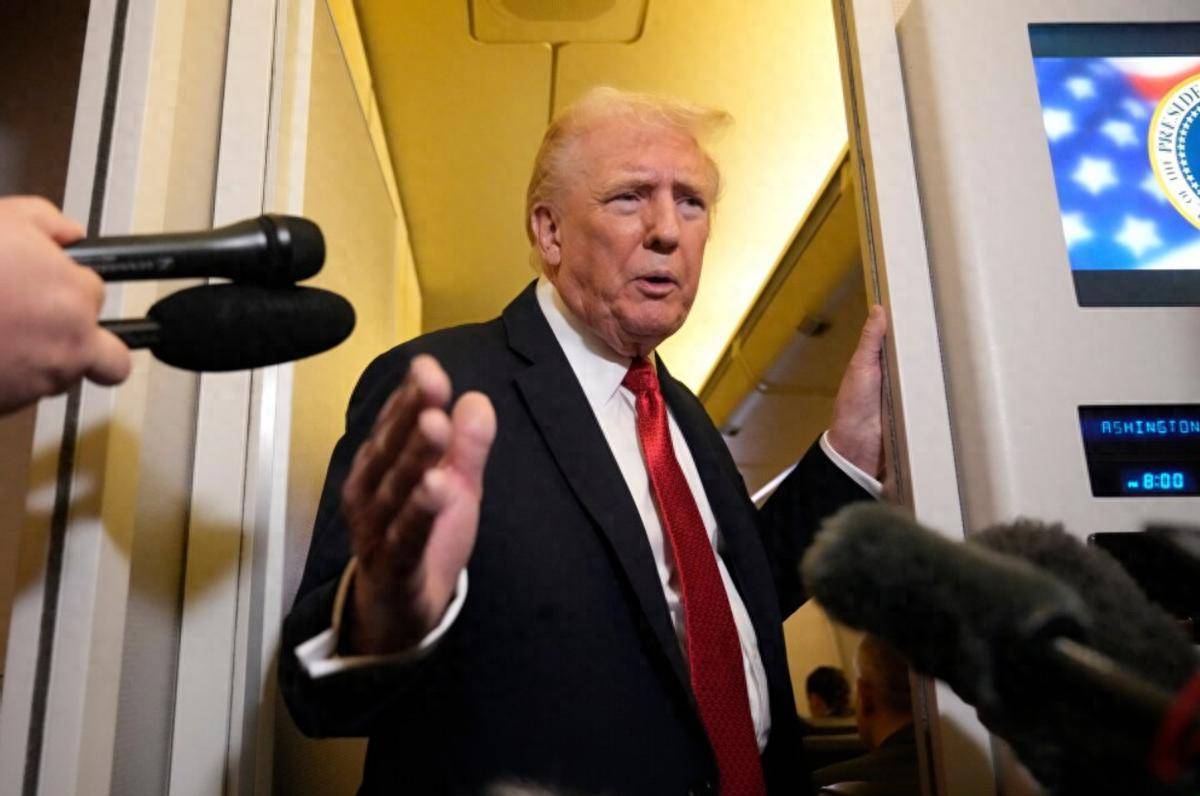
特朗普口风突变,关税大棒挥舞中的博弈与算计 坦白而言,中美关税战发展至今,中方早已看穿了美国"关税大棒"的虚实。即便对中国加征100%关税,虽然会带来短期阵痛,但从长远来看,美国经济受 到的冲击将更为严重。特朗普本人也曾承认,这种级别的关税"对美国经济而言是不可持续的"。 正因如此,即便中方不做出任何让步,美方也可能因为自身经济压力而主动收回部分关税命令。在此背景下,中方更没有理由答应特朗普提出的任何额外条 件。 近日,美国总统特朗普态度出现微妙转变,公开表示"愿意考虑降低对中国关税",然而这一表态并非无条件,其背后潜藏着对中国提出的两个特定要求。 当地时间10月19日,特朗普在从佛罗里达返回华盛顿的专机上,向外界透露了其可能调整对华关税政策的风声。他认为,中国正因关税问题向美国支付巨额 款项,并相信中方也希望看到这一负担减轻。特朗普话锋一转,强调在此过程中,中国方面也必须拿出相应的对等"回报"。 值得注意的是,这距离特朗普放出"下个月1日将对中国商品加征100%关税"的狠话,仅仅过去了不到十天。在此之前,关于是否会全面加征关税的消息,多 出自其团队口中,暗示着一定程度的回旋余地。然而,此次特朗普亲自出面,打 ...
股指黄金周度报告-20251024
Xin Ji Yuan Qi Huo· 2025-10-24 12:32
Report Industry Investment Rating - No information provided Core Viewpoints - In the short term, domestic policy has released positive signals, but corporate profits have not significantly improved. Therefore, the short - term rebound of stock indices should be viewed with caution. As the Fed's October interest rate decision approaches and the expectation of an interest rate cut this year has been digested in advance, and the situation in Russia and Ukraine is unclear, gold is likely to continue high - level volatile adjustments [36]. - In the medium to long term, the valuation of stock indices is mainly dragged down by the decline in corporate profit growth at the molecular end, while the support at the denominator end mainly comes from the recovery of risk appetite, including the intensification of domestic counter - cyclical adjustment policies and the easing of international trade frictions. Stock indices are expected to maintain a wide - range oscillation. With the concerns about the uncertainty of US tariff policies fading, the geopolitical situation in the Middle East easing, and the expectation of an interest rate cut by the Fed this year being fully digested, there is a risk of a deep adjustment in gold [36]. Summary by Relevant Catalogs Domestic and Foreign Macroeconomic Data - In the third quarter of this year, GDP grew by 4.8% year - on - year, 0.4 percentage points slower than in the second quarter. From January to September, fixed - asset investment decreased by 0.5% year - on - year, the first negative growth since September 2020. Industrial added value increased by 6.2% year - on - year, the same as last month. The total retail sales of consumer goods increased by 4.5% year - on - year, 0.1 percentage points slower than last month [4]. Stock Index Fundamental Data - In September this year, the scale of new loans and social financing rebounded, and the gap between M1 and M2 further narrowed, reflecting that financial institutions have continuously increased credit support for enterprises. The A - share market was active, and liquidity remained abundant [17]. - The balance of margin trading in the Shanghai and Shenzhen stock markets slightly decreased to 2426.377 billion yuan. The central bank conducted 867.2 billion yuan of 7 - day reverse repurchase operations this week, achieving a net investment of 78.1 billion yuan [21]. Gold Fundamental Data - The US federal government was in a shutdown, causing some economic data to fail to be released on time. There were differences within the Fed regarding future interest rate policies, and most officials supported a further interest rate cut this year. The yield of the 10 - year US Treasury bond fell below the 4% mark [27][28]. - The warehouse receipts and inventory of Shanghai gold futures continued to soar, reflecting an increase in the demand for physical gold delivery and high market bullish sentiment [34]. Strategy Recommendation - In the third quarter, GDP growth slowed down, and fixed - asset investment continued to decline, mainly dragged down by the expanding decline in real estate investment and the slowing growth of infrastructure and manufacturing investment. With the improvement of weather conditions and the arrival of the peak construction season, industrial production expanded faster. Affected by the high - base effect of the same period last year, the growth rate of consumption slowed down marginally. The foundation for China's economic recovery is not solid, and the characteristics of strong production, weak demand, strong service industry, and weak manufacturing industry are still significant, with insufficient demand remaining the main contradiction [35]. - The communique of the Fourth Plenary Session of the 20th Central Committee was released, proposing the main goals of the 15th Five - Year Plan and requiring continuous and timely strengthening of macro - policies. A new round of China - US economic and trade consultations will be held from October 24th to 27th, and the market expects positive progress in the negotiations. With positive signals from the domestic policy side and eased concerns about China - US trade frictions, risk appetite has significantly rebounded, but the short - term rebound of stock indices should be viewed with caution [35]. - As the Fed's October interest - rate meeting approaches, it is highly likely to cut interest rates by 25 basis points. However, due to the continuous shutdown of the US government, important data such as non - farm employment and core inflation have not been released on time, bringing uncertainty to the Fed's future interest - rate policy. In terms of international geopolitics, the meeting between US and Russian leaders was postponed, the EU imposed a new round of sanctions on Russia, and the prospect of Russia - Ukraine peace negotiations has changed again. The expectation of an interest - rate cut by the Fed this year has been repeatedly digested, and after the rapid rise of gold, some funds have taken profits. Gold may enter a stage of adjustment in the short term [35].