货币政策

Search documents
有色商品日报(2026年1月16日)-20260116
Guang Da Qi Huo· 2026-01-16 05:11
1. Report Industry Investment Rating - No relevant content provided. 2. Core Views of the Report Copper - Overnight, both domestic and international copper prices initially declined and then rebounded, with losses in domestic refined copper imports persisting. The US labor market remains resilient, and a Fed official said there's no reason to cut interest rates. China's central bank cut the interest rates of various structural monetary policy tools by 0.25 percentage points. LME copper inventories decreased by 500 tons, Comex inventories increased by 4,653 tons, SHFE copper warrants increased by 13,378 tons, and BC copper increased by 2,098 tons. As copper prices rose again, downstream procurement became more cautious, and the export window is gradually opening. Trump said he would not impose tariffs on key minerals like copper. The high - level instability of copper prices is evident, and there is a divergence between foreign capital's bullish sentiment and the industrial situation [1]. Aluminum - Overnight, alumina, Shanghai aluminum, and aluminum alloy all trended weakly. Spot alumina prices fell, and the spot discount of aluminum ingots widened. Alumina producers have high ore reserves, and costs are under pressure. With the end of environmental controls and increased production, along with imports, inventories are accumulating. The processing end of the photovoltaic industry may maintain resilience, and the pressure on aluminum ingot inventory accumulation has eased slightly. Aluminum prices continue to be high, and the spot discount is narrowing [1][2]. Nickel - Overnight, LME nickel fell 1.04% and Shanghai nickel fell 0.24%. LME and SHFE nickel inventories increased. Indonesia plans to reduce its nickel ore production target in 2026, which may lead to a global primary nickel supply - demand gap and stimulate nickel price increases. The first - level nickel production has increased significantly, and hedging demand may put pressure on prices. Short - term, it is advisable to look for buying opportunities near the cost line [2]. 3. Summary by Relevant Catalogs Research Views - **Copper**: The US labor market data is strong, and China's central bank cut interest rates. Inventory changes vary in different markets. High copper prices make downstream procurement cautious, and the export window is opening. Trump's statement on tariffs and external risks affect copper prices, with a divergence between market sentiment and the industrial situation [1]. - **Aluminum**: Futures and spot prices of aluminum - related products are weak. Alumina costs are under pressure, inventories are accumulating, and the processing end may maintain resilience, with aluminum prices remaining high and the discount narrowing [1][2]. - **Nickel**: Nickel prices declined overnight, inventories increased. Indonesia's production cut plan may drive up prices, while increased production and hedging demand pose challenges [2]. Daily Data Monitoring - **Copper**: On January 15, 2026, the price of flat - water copper decreased by 1,325 yuan/ton compared to the previous day. LME inventories decreased by 500 tons, SHFE warrants increased by 13,378 tons, and social inventories increased by 20,000 tons. The active - contract import loss widened by 1,070 yuan/ton [3]. - **Lead**: The average price of 1 lead increased by 130 yuan/ton. LME inventories decreased by 3,800 tons, and SHFE inventories increased by 2,107 tons. The active - contract import profit increased by 140 yuan/ton [3]. - **Aluminum**: The Wuxi and Nanhai aluminum prices decreased by 470 yuan/ton. LME inventories decreased by 2,000 tons, SHFE inventories increased by 14,010 tons, and electrolytic aluminum social inventories increased by 16,000 tons. The active - contract import loss widened by 280 yuan/ton [4]. - **Nickel**: The price of Jinchuan nickel increased by 3,350 yuan/ton. LME inventories increased by 624 tons, SHFE inventories increased by 1,700 tons, and social inventories increased by 2,126 tons. The active - contract import profit increased by 6,230 yuan/ton [4]. - **Zinc**: The main - contract settlement price increased by 1.8%. LME inventories decreased by 25 tons, SHFE inventories increased by 793 tons, and social inventories decreased by 5,000 tons. The active - contract import loss turned to zero [6]. - **Tin**: The main - contract settlement price increased by 8.3%. LME inventories decreased by 5 tons, SHFE inventories decreased by 1,001 tons. The active - contract import loss turned to zero [6]. Chart Analysis - **Spot Premium**: Charts show the historical trends of spot premiums for copper, aluminum, nickel, zinc, lead, and tin from 2019 - 2026 [11]. - **SHFE Near - Far Month Spread**: Charts display the historical trends of the near - far month spreads for copper, aluminum, nickel, zinc, lead, and tin from 2021 - 2026 [12]. - **LME Inventory**: Charts present the historical trends of LME inventories for copper, aluminum, nickel, zinc, lead, and tin from 2019 - 2026 [18]. - **SHFE Inventory**: Charts show the historical trends of SHFE inventories for copper, aluminum, nickel, zinc, lead, and tin from 2019 - 2026 [24]. - **Social Inventory**: Charts display the historical trends of social inventories for copper, aluminum, nickel, zinc, stainless steel, and 300 - series from 2019 - 2026 [30]. - **Smelting Profit**: Charts present the historical trends of copper concentrate index, rough copper processing fee, aluminum smelting profit, nickel - iron smelting cost, zinc smelting profit, and stainless - steel 304 smelting profit margin from 2019 - 2026 [37]. Team Introduction - The team includes Zhan Dapeng, the director of non - ferrous research at Everbright Futures Research Institute, with extensive experience and many honors; Wang Heng, a researcher focusing on aluminum and silicon; and Zhu Xi, a researcher focusing on lithium and nickel, both with significant achievements and media exposure [44][45].
铝价快速上涨抑制消费可能产生负反馈
Hua Tai Qi Huo· 2026-01-16 05:05
1. Report Industry Investment Ratings - Aluminum: Neutral [9] - Alumina: Cautiously bearish [9] - Aluminum alloy: Neutral [9] - Arbitrage: Neutral [9] 2. Core Viewpoints of the Report - The rapid rise in aluminum prices may suppress consumption and create a short - term negative feedback loop. Although the short - term fundamentals show limited positive signs, macro - factors will drive long - term price increases [6]. - The spot price of alumina is slightly declining, with weakening market sentiment. The cost support is weakening, the supply is in surplus, and there is no strong support for price increases [7][8]. 3. Summary by Relevant Catalog Important Data Aluminum Spot - On January 15, 2026, the price of East China A00 aluminum was 24,190 yuan/ton, a change of - 480 yuan/ton from the previous trading day. The spot premium/discount was - 130 yuan/ton, a change of - 50 yuan/ton from the previous trading day [1]. - The price of Central Plains A00 aluminum was 24,030 yuan/ton, with the spot premium/discount changing - 50 yuan/ton to - 290 yuan/ton from the previous trading day [1]. - The price of Foshan A00 aluminum was 24,220 yuan/ton, a change of - 470 yuan/ton from the previous trading day. The aluminum spot premium/discount changed - 40 yuan/ton to - 100 yuan/ton from the previous trading day [1]. Aluminum Futures - On January 15, 2026, the main contract of Shanghai aluminum opened at 24,610 yuan/ton, closed at 24,375 yuan/ton, a change of - 370 yuan/ton from the previous trading day. The highest price was 24,780 yuan/ton, and the lowest was 24,065 yuan/ton. The trading volume for the day was 766,880 lots, and the holding volume was 346,831 lots [2]. Inventory - As of January 15, 2026, the domestic social inventory of electrolytic aluminum ingots was 736,000 tons, a change of 6,000 tons from the previous period. The warehouse receipt inventory was 138,083 tons, a change of 4,518 tons from the previous trading day. The LME aluminum inventory was 490,000 tons, a change of - 2,000 tons from the previous trading day [2]. Alumina Spot Price - On January 15, 2026, the SMM alumina price in Shanxi was 2,625 yuan/ton, in Shandong was 2,575 yuan/ton, in Henan was 2,655 yuan/ton, in Guangxi was 2,735 yuan/ton, in Guizhou was 2,775 yuan/ton, and the Australian alumina FOB price was 310 US dollars/ton [2]. Alumina Futures - On January 15, 2026, the main contract of alumina opened at 2,804 yuan/ton, closed at 2,789 yuan/ton, a change of - 6 yuan/ton or - 0.21% from the previous trading day's closing price. The highest price was 2,817 yuan/ton, and the lowest was 2,761 yuan/ton. The trading volume for the day was 618,962 lots, and the holding volume was 508,785 lots [2]. Aluminum Alloy Price - On January 15, 2026, the purchase price of Baotai civil raw aluminum was 17,600 yuan/ton, and the purchase price of mechanical raw aluminum was 17,900 yuan/ton, with a price change of - 400 yuan/ton compared to the previous day. The Baotai quotation for ADC12 was 23,600 yuan/ton, with a price change of - 200 yuan/ton compared to the previous day [3]. Aluminum Alloy Inventory - The social inventory of aluminum alloy was 69,300 tons, and the in - factory inventory was 60,200 tons [4]. Aluminum Alloy Cost and Profit - The theoretical total cost was 23,119 yuan/ton, and the theoretical profit was 481 yuan/ton [5] Market Analysis Electrolytic Aluminum - The price of Shanghai aluminum is fluctuating at a high level, suppressing consumption and potentially creating a short - term negative feedback. The current stockpiling speed is fast due to the late Spring Festival this year, and it is difficult for prices to decline in the short term. However, macro - factors are the main drivers for long - term price increases [6]. Alumina - The spot market price is slightly declining, the market sentiment is weakening, and the basis is narrowing. The cost support is weakening, and the supply is in surplus, with the possibility of inventory over - capacity in the future [7][8] Strategy - Unilateral trading: Aluminum - neutral; Alumina - cautiously bearish; Aluminum alloy - neutral [9] - Arbitrage: Neutral [9]
日本财务大臣警告:不排除支持日元的所有选项
Xin Lang Cai Jing· 2026-01-16 04:52
Core Viewpoint - Japan's Finance Minister warns that all options, including direct intervention in the currency market, are available to address the recent weakness of the yen [1][2][3] Group 1: Minister's Statements - Finance Minister Kato Mitsu has reiterated that bold actions will be taken if necessary to support the yen, which has positively impacted its value [1][2] - Kato downplayed U.S. Treasury Secretary Scott Basset's preference for the Bank of Japan to use policy measures rather than market intervention to support the yen [1][2] Group 2: Market Analysis - Kato stated that the recent market movements are excessive and do not reflect the underlying fundamentals [3] - Prior to Kato's comments, the U.S. Treasury issued a statement emphasizing the importance of formulating and communicating monetary policy due to the inherent adverse effects of excessive currency fluctuations [3] - Kato reaffirmed her belief that last year's joint currency statement between the two countries grants her the "freedom to act" as needed, including intervention [3]
通胀、地产与政策信号交织——2026年1月16日全球财经重点数据与事件前瞻解读
Sou Hu Cai Jing· 2026-01-16 04:42
Group 1 - The core focus of the upcoming financial market data on January 16, 2026, includes European inflation, U.S. industrial and real estate data, and multiple Federal Reserve officials' statements, which together will help assess economic resilience, inflation trends, and monetary policy direction [1] Group 2 - The final value of Germany's December CPI, released at 15:00, is a key indicator for the European market, as it serves as a significant signal for the European Central Bank's policy decisions. A consistent final value with a continued moderate or declining trend would confirm that inflation in the Eurozone is on a "controlled downward" path, allowing for a potential continuation of accommodative policies [3] Group 3 - The Bank of England's Governor Bailey is expected to address inflation outlook, financial stability, and interest rate policy balance at the Bellagio meeting. Market attention will be on whether he leans towards a "cautious accommodative" or "wait-and-see" signal [4] - Multiple Federal Reserve officials will speak, including Governor Bowman and Vice Chair Jefferson, focusing on inflation progress, labor market resilience, and interest rate maintenance duration, which may influence market expectations regarding interest rate adjustments and impact the dollar and U.S. Treasury yields [4] Group 4 - The U.S. December industrial production data, released at 22:15, is crucial for assessing the activity levels in the manufacturing and energy sectors. Positive growth in industrial output would reflect the U.S. economy's adaptability to tightening financial conditions, while a significant decline could reignite concerns about economic slowdown [5] - The January NAHB housing market index, released at 23:00, provides insights into the confidence within the real estate sector. A rebound in this index would indicate improved builder confidence amid stabilizing or declining mortgage rates, while continued low levels would suggest ongoing challenges for real estate recovery [5] Group 5 - The weekly U.S. oil rig count data, to be released at 02:00, impacts market sentiment regarding crude oil. A continued decline in rig counts may strengthen expectations of tightening supply, while an increase could exert downward pressure on oil prices [5] Group 6 - Overall, the data and events on January 16 are more trend-confirming rather than high-density data points. The German inflation final value validates the European inflation trajectory, while U.S. industrial and real estate data test economic resilience, and central bank officials' speeches provide a recalibration window for market policy expectations [5]


金荣中国:黄金短期震荡偏弱调整
Sou Hu Cai Jing· 2026-01-16 03:55
Group 1 - The international gold market opened weakly, facing resistance from previous trading sessions and overall negative data, indicating a short-term expectation of volatility and adjustment [1][3] - Despite the current weakness, the long-term outlook for gold remains bullish, with potential opportunities to enter long positions upon price retracement [1][3] - Key economic indicators to watch include the U.S. December industrial production month-on-month rate and the January NAHB housing market index, with a mixed market expectation leaning towards negative outcomes [3] Group 2 - The upcoming speeches from Federal Reserve officials, including Bowman and Jefferson, are anticipated to influence market sentiment, with previous comments being hawkish, suggesting continued pressure on gold prices [3] - Recent price action indicates a weakening bullish momentum for gold, with expectations of a potential adjustment towards the 10-day moving average around $4545 and the mid-line around $4475 [3] - If gold prices rebound and break the current consolidation pattern, it may present an opportunity to follow the bullish trend [3]

Vatee外汇:澳元受通胀预期支撑,但上行空间预计有限
Sou Hu Cai Jing· 2026-01-16 03:55
Group 1 - The Australian dollar (AUD) is currently in a consolidation phase around the 0.6700 level after rising for two consecutive trading days, with market sentiment being cautious due to the uncertain future policy direction of the Reserve Bank of Australia (RBA) [1] - Consumer inflation expectations in Australia remain high at 4.6%, indicating ongoing concerns among households regarding price pressures, with market pricing suggesting a 27% probability of a 25 basis point rate hike by the RBA in February, increasing to 76% by May [3] - Overall inflation in Australia slowed to 3.4% year-on-year in November, the lowest level since August, but still above the RBA's target range of 2% to 3%, making a shift to a more accommodative policy unlikely in the short term [3] Group 2 - The strong performance of the US dollar on Thursday limited further gains for the AUD, as the latest initial jobless claims data from the US showed a decrease to 198,000, which was better than expected and reinforced market expectations for the Federal Reserve to maintain interest rates [3] - The divergence in monetary policy expectations between Australia and the US is not significant at this time, leading to a temporary stabilization of the AUD/USD pair as the market awaits more economic data for direction [4]
特朗普踢到钢板认怂,全球都在力挺其死对头,中方干了件大事
Sou Hu Cai Jing· 2026-01-16 03:43
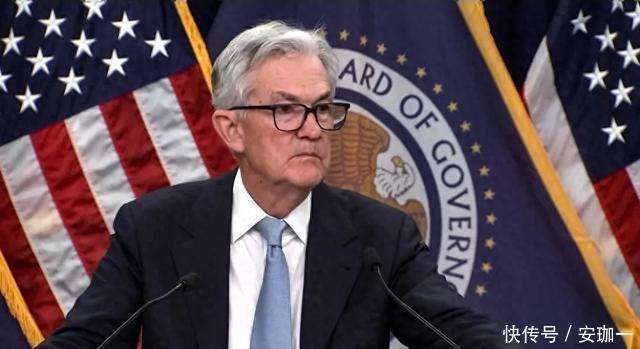
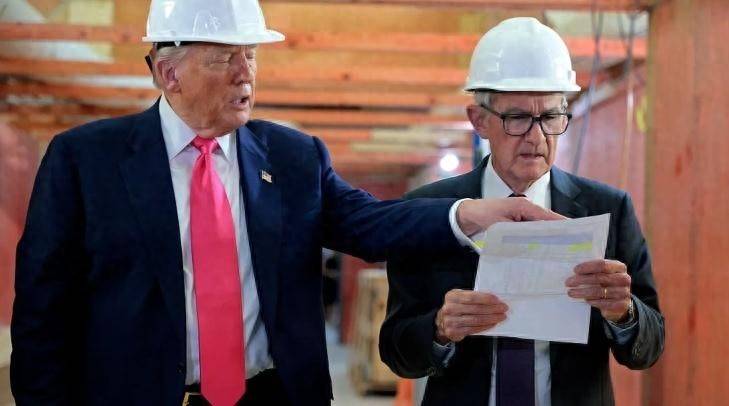
Core Viewpoint - The article discusses the ongoing conflict between President Trump and Federal Reserve Chairman Jerome Powell, highlighting Trump's attempts to pressure Powell into adopting more aggressive monetary policies, which Powell has resisted due to concerns over inflation and long-term economic stability [1][3][6]. Group 1: Trump's Pressure Tactics - Trump has expressed dissatisfaction with Powell since taking office, primarily due to Powell's refusal to implement significant interest rate cuts as requested by Trump [3]. - Various tactics have been employed by Trump, including public humiliation and attempts to undermine Powell's authority within the Federal Reserve by nominating allies and attempting to dismiss other board members [5][6]. - Trump's aggressive strategies included threats of legal action against Powell and calls for investigations into his conduct, yet Powell has maintained his position and independence [6]. Group 2: Global Reactions and Implications - The independence of the Federal Reserve is crucial for global financial stability, and any turmoil within it could impact international markets, prompting support for Powell from other central banks [7]. - China has taken measures to reduce its holdings of U.S. Treasury bonds, now at $688.7 billion, to ensure the safety of its foreign reserves and gain strategic autonomy, aligning with Powell's stance on maintaining the Fed's independence [7]. - As a result of the mounting pressure and international support for Powell, Trump has softened his stance, indicating no current plans to remove Powell from his position [7].
财信宏观 | 央行金融发布会释放的七大信号
Xin Lang Cai Jing· 2026-01-16 03:42
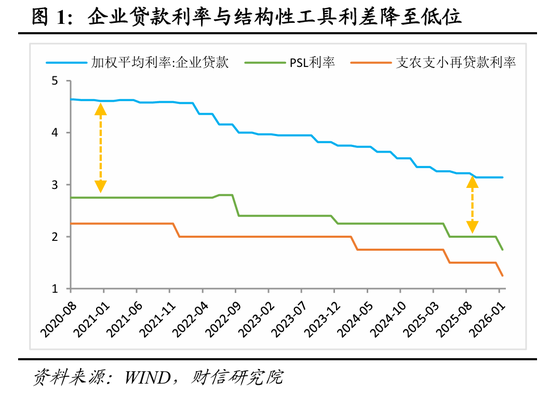
炒股就看金麒麟分析师研报,权威,专业,及时,全面,助您挖掘潜力主题机会! 2026年1月15日下午,国新办举行新闻发布会,介绍货币金融政策支持实体经济高质量发展成效。中国 人民银行宣布将推出八项政策措施,并回应了国债买卖、汇率及通胀等市场热点问题。 正文 一、货币政策信号:适度宽松取向未变,但更注重精准滴灌 2026年,我国货币政策将继续坚持适度宽松的取向,核心目标是为"十五五"规划开好局提供有力支持。 在保持总量充裕的同时,政策重心更侧重于精准滴灌,通过结构性工具引导金融资源流向重点领域和薄 弱环节。 结构性政策工具"降、增、并、扩"协同发力。央行推出一揽子结构性政策工具优化方案:一是全面下调 结构性工具利率,各类再贷款利率下调0.25个百分点至1.25%;二是扩容增量,支农支小再贷款增加 5000亿元,科技创新和技术改造再贷款增至1.2万亿元,并新设1万亿元民营企业再贷款;三是合并优 化,将支农支小再贷款与再贴现额度打通使用,并合并科技创新与民营企业债券风险分担工具;四是拓 宽范围,碳减排、服务消费与养老再贷款覆盖领域进一步延伸。 先行政策成熟出台,增量工具接续储备。这些举措属于"已经考虑比较成熟、年初先 ...
万腾平台:美联储理事巴尔回应外部调查关切 强调决策独立性
Sou Hu Cai Jing· 2026-01-16 03:20
在接受媒体采访时,巴尔重申,美联储的所有决策均基于经济情况本身,依照国会赋予的职责行事,即维护物价稳定与实现充分就业。他强调,这是美联储 一贯的工作重心,未来也将持续专注于此。 美国联邦储备委员会理事迈克尔·巴尔近日公开表示,美国司法部对美联储进行的刑事调查,以及白宫方面对另一位理事莉萨·库克提出的指控,在他看来, 都形成了对美联储独立运作能力的挑战。 巴尔认为,目前利率已处于所谓"中性"区间,即不再明显刺激或抑制经济增长。若进一步降息,则意味着货币政策将转向更为宽松的方向。因此,他对是否 继续降息持审慎观望态度,表示将依据后续经济数据进行评估。 他特别提到,此前美国政府停摆所带来的数据干扰可能持续至今年春季,因此在分析经济指标时需要保持谨慎,并对相关统计偏差进行适当调整。 接下来几周内,美国政府将提名新任美联储主席。外界普遍预期,被提名人可能会更倾向于推行降息政策。在这一背景下,近期围绕美联储的一系列事件, 引发了关于其未来能否保持独立决策的讨论。 对于这一担忧,巴尔表示,联邦公开市场委员会的运作机制本身具备制衡作用,任何新任主席都需要在委员会内部建立信任,并基于可靠的数据和合理的预 测来推动政策调整。因此 ...
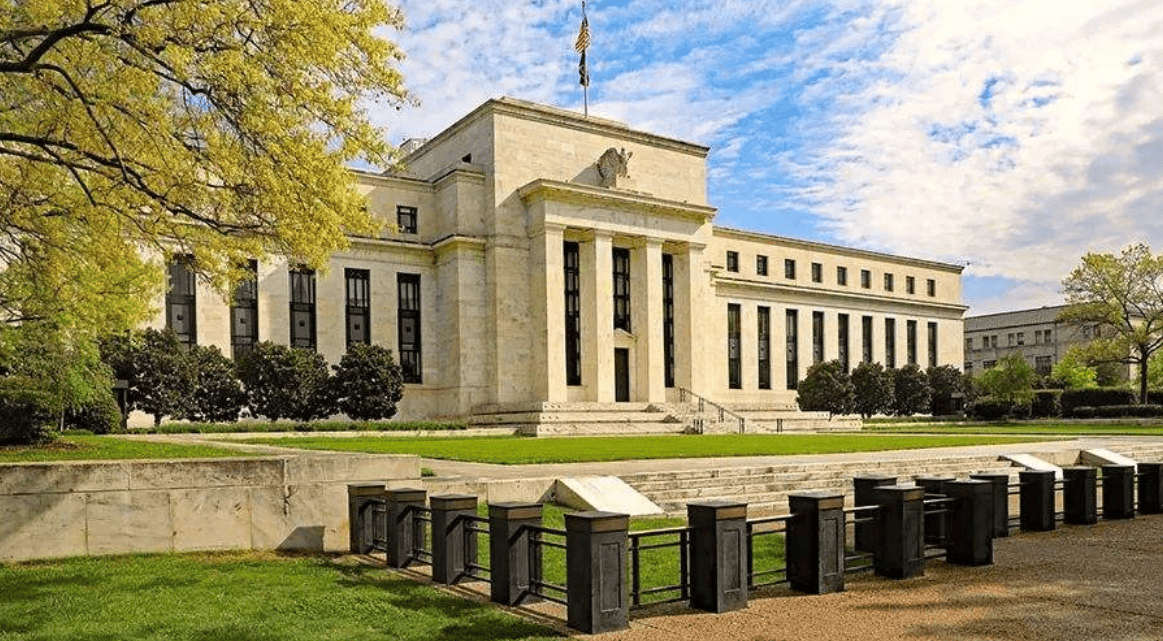
新仇旧怨一起算?特朗普团队睚眦必报,鲍威尔收到美司法部传票
Sou Hu Cai Jing· 2026-01-16 03:14
Core Viewpoint - The ongoing conflict between former President Trump and Federal Reserve Chairman Powell centers around interest rate policies, with Trump pushing for significant rate cuts to stimulate economic growth and Powell maintaining rates to combat inflation [1][3][6]. Group 1: Background of the Conflict - Trump's previous presidency ended partly due to the Federal Reserve's refusal to lower interest rates, which contributed to high inflation and his electoral defeat [1]. - The Federal Reserve's renovation project budget increased from an initial $1.9 billion to $2.5 billion, with Trump claiming actual costs exceeded $3.1 billion, highlighting the financial tensions between the two parties [3]. - Since re-entering the political arena, Trump has consistently demanded the Federal Reserve lower rates to reduce government borrowing costs and support his manufacturing revival plan [3][7]. Group 2: Economic Implications - The U.S. national debt has surpassed $37 trillion, and a 1% decrease in interest rates could save the government hundreds of billions in annual interest payments [3]. - Current inflation rates are around 2.7%, above the Federal Reserve's target of 2%, which justifies Powell's decision to maintain higher interest rates [6][9]. - Historical precedents warn against political interference in monetary policy, as seen in the 1970s when low rates led to severe stagflation [6][9]. Group 3: Future Considerations - The investigation into Powell by the Justice Department, instigated by Trump, poses a threat to the independence of the Federal Reserve and could set a dangerous precedent for future chairpersons facing political pressure [9]. - The outcome of this conflict may not only affect Powell's position but also the future dominance of the U.S. dollar in global markets, especially as countries diversify their foreign exchange reserves [11].