
美元信用

Search documents
委内瑞拉变局震动全球市场:金银双双“狂飙” 油市暗流涌动
2 1 Shi Ji Jing Ji Bao Dao· 2026-01-05 12:05
Group 1: Market Reactions - Following the U.S. intervention in Venezuela, gold and silver prices surged, with gold rising nearly 2% to surpass $4,400 per ounce and silver increasing over 4% to exceed $75 per ounce, while Brent crude oil initially dropped 1.2% to $60 per barrel before rebounding [1] - The geopolitical turmoil in Venezuela has introduced uncertainty into the market, with potential implications for future price movements [1] Group 2: Gold Market Insights - Venezuela's gold production for 2024 is projected at approximately 31 tons, which is relatively low on a global scale. However, ongoing U.S. military involvement could provide mid-term support for gold prices [2] - The overall downward trend in the dollar's credit cycle is expected to drive central banks to continue purchasing gold for years, supporting a long-term bull market for gold driven by geopolitical tensions and credit hedging [2] Group 3: Oil Market Dynamics - Despite Venezuela's significant oil reserves, the international oil market remains relatively stable, with concerns over supply exceeding demand leading to a projected 18% decline in oil prices by 2025 [4] - Venezuela holds about 17% of the world's oil reserves, yet its current production is below 1% of global output, primarily due to U.S. sanctions and operational challenges faced by its state-owned oil company, PDVSA [5][6] Group 4: U.S. Oil Companies and Venezuela - Chevron is currently the only major U.S. oil company operating in Venezuela, and it stands to benefit significantly if the country opens up its oil sector [9] - The restoration of Venezuela's oil production is expected to be a lengthy and challenging process due to deteriorating infrastructure and political instability, which may hinder immediate gains for U.S. companies [10]
地缘动荡+降息预期升温 伦敦银出现多头动能
Jin Tou Wang· 2026-01-05 06:25
Group 1 - London silver is currently trading above $74.42, with a recent price of $75.02, reflecting a 3.31% increase, and has seen a high of $76.30 and a low of $72.88 during the session [1] - The U.S. military's intervention in Venezuela may weaken the dollar's credibility and international image, potentially providing support for precious metal prices [1] - Demand in industrial sectors such as photovoltaics and electric vehicles continues to outstrip supply for silver, maintaining low inventory levels [1] - Many Wall Street hedge fund managers acknowledge that current silver prices are overvalued by approximately 30%, yet they are reluctant to exit their positions [1] - Market expectations for further interest rate cuts by the Federal Reserve may also support silver prices, with current pricing reflecting two anticipated cuts of 25 basis points this year [1] - A decrease in interest rates could lower the opportunity cost of holding silver, benefiting this non-yielding precious metal [1] - Upcoming U.S. employment indicators, including the December non-farm payroll report, are expected to attract significant market attention, particularly as it will be the first normal monthly data since the end of the government shutdown [1] Group 2 - London silver's early trading saw an increase supported by EMA50, gaining bullish momentum, particularly as it rose alongside the main bullish trend line [2] - The relative strength index reached oversold levels, indicating potential for continued upward movement in prices [2]
黄金破4400美元!大涨真相:全球111万亿债务高悬,钱不香了?
Sou Hu Cai Jing· 2026-01-05 05:48
Group 1 - The core argument is that the surge in gold prices is driven by a shift from traditional inflation hedging to a focus on systemic risk protection, with gold prices skyrocketing from over $3,000 in March 2025 to nearly $4,600 by year-end, marking the largest annual increase since the 1979 oil crisis [1][3] - The first key driver of this surge is the overwhelming global debt, with the U.S. national debt surpassing $38 trillion by late October 2025, indicating a severe strain on national credit and prompting investors to seek gold as a debt-free asset [3][5] - Central banks have significantly increased their gold reserves, with gold's share in global central bank reserves rising to 20% as of June 2025, surpassing the euro's 16%, and averaging over 1,000 tons of net purchases annually for three consecutive years, providing a structural support for gold prices [3][5] Group 2 - The second core engine of gold's rise is the declining trust in the U.S. dollar, with its share in global foreign exchange reserves dropping from over 70% at the beginning of the century to around 58% recently, leading to a natural shift towards gold as a more reliable asset [5] - The role of gold has evolved from merely a hedge against inflation to a safeguard against systemic risks, as countries increasingly purchase gold to protect their assets from potential freezes during financial sanctions [5][7] - The Federal Reserve's interest rate cuts, which began in September 2024 and continued into 2025, have lowered the opportunity cost of holding non-yielding gold, further driving global investment into the gold market [5][7] Group 3 - The gold rally has also positively impacted other precious metals, with silver prices exceeding $80 per ounce in 2025, reflecting a 150% increase, and platinum futures reaching historical highs, indicating strong market demand across the precious metals sector [7] - In domestic markets, even during brief corrections in international gold prices, there has been a notable increase in consumer interest in gold bars, with many buyers seeking gold as a form of wealth preservation rather than for adornment [7] - The surge in gold prices serves as a reflection of the growing skepticism towards the existing monetary system amidst a backdrop of significant global debt, highlighting a long-term reconstruction of trust in financial systems [7]

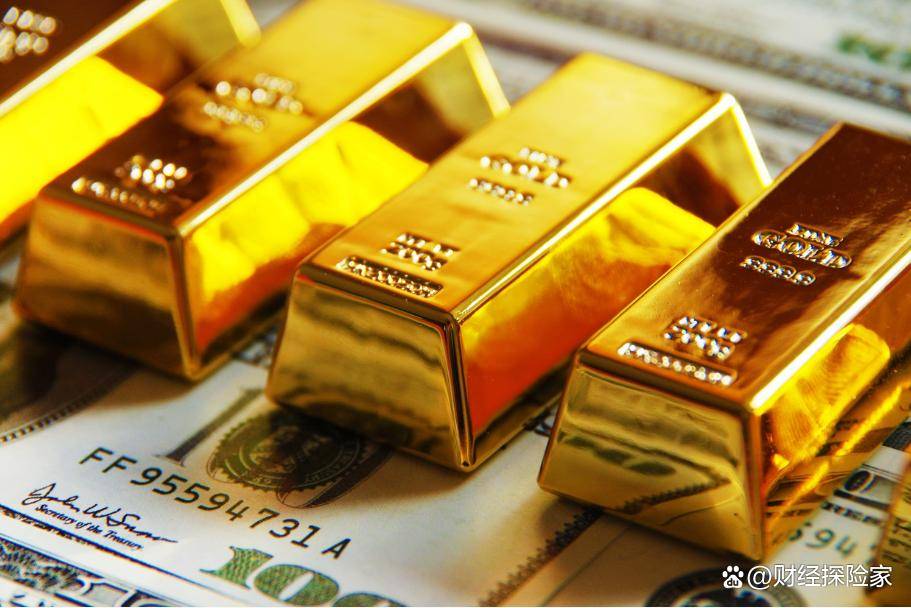
金价的高度有多高
3 6 Ke· 2026-01-05 05:28
展望2026年,目前推动金价上涨的核心主线仍未看到逆转迹象:美国处于降息周期、地缘政 治与经济不确定性持续、去美元化进程推进、央行增配黄金趋势延续等。多数市场观点认 为,2026年金价仍有突破空间。 随着美国信用持续收缩与弱化,各国央行黄金储备占比有望继续提升,为金价提供中长期支撑。数据显 示,尽管全球央行已经连续三年显著增持黄金,但仍然偏低配。根据世界银行数据,2024年全球央行储 备中黄金储备占比约为22%,而1990年冷战末期时这一数值为29%,1980年大滞胀末期时为58%。 世界黄金协会于2025年6月中旬发布的《2025年全球央行黄金储备调查》显示,高达95%的受访央行预 计未来十二个月将继续增持黄金,这一比例创下自2019年该调查启动以来的历史新高。 有观点认为,央行购金需求并未减弱,短期内购金量虽不及市场资金狂热,但会成为一股重要的金价底 盘力量。当金价技术性回调时,央行和主权基金的购金预期将对回调空间和持续性产生约束。 站在当前时点,工银瑞信基金赵栩说,2026年影响金价的因素中利多仍占主导。主要利多逻辑包括:一 是美联储的降息节奏;二是流动性扩表(QE)的潜在预期;三是央行购金的长期趋势; ...
有色金属周报:海外地缘政治升级,金属战略资源属性定价或再抬升-20260104
Ping An Securities· 2026-01-04 09:05
Investment Rating - The industry investment rating is "Outperform the Market" (maintained) [1][54]. Core Views - Geopolitical tensions are escalating, which may enhance the strategic resource pricing of metals. The gold market is expected to maintain its safe-haven appeal due to ongoing geopolitical uncertainties and the unresolved U.S. debt issue, leading to a potential long-term increase in gold prices [4]. - Industrial metals are anticipated to see an upward trend in pricing due to increased financial attributes and tightening supply conditions, particularly for copper and aluminum [5][6]. Summary by Sections 1. Nonferrous Metal Index Trends - As of December 31, 2025, the nonferrous metal index closed at 9342.49 points, up 0.4% month-on-month. The precious metal index decreased by 2.2%, while the industrial metal index increased by 2.1% [10]. 2. Precious Metals 2.1 Gold - As of December 31, the COMEX gold futures contract was priced at $4341.9 per ounce, down 4.8% month-on-month. The SPDR Gold ETF holdings decreased by 0.6% to 1065 tons. The report suggests that the recent price drop is a short-term adjustment in a longer-term upward trend for gold prices [4]. 3. Industrial Metals 3.1 Copper - The SHFE copper futures contract was priced at 98,240 RMB per ton as of December 31, down 0.49% month-on-month. Domestic copper social inventory reached 238,900 tons, while LME copper inventory was at 145,000 tons. The report indicates a tightening supply expectation for copper, with a potential upward revaluation of copper prices in the medium term [6]. 3.2 Aluminum - The SHFE aluminum futures contract rose by 2.3% to 22,925 RMB per ton as of December 31. Domestic aluminum social inventory was 684,000 tons, with LME aluminum inventory at 509,300 tons. The report anticipates that aluminum prices will maintain a high-level fluctuation due to a supportive macro environment [6]. 3.3 Tin - The SHFE tin futures contract fell by 4.6% to 322,900 RMB per ton as of December 31. Domestic tin social inventory was 8,520 tons, and LME tin inventory was 5,415 tons. Supply concerns due to geopolitical issues in the Congo and regulatory tightening in Indonesia are expected to keep the tin market tight [6]. 4. Investment Recommendations - The report recommends focusing on the following sectors: - **Gold**: Continued geopolitical uncertainty supports gold's safe-haven status. Recommended stock: Chifeng Jilong Gold Mining. - **Copper**: Domestic demand recovery and tightening supply conditions suggest a positive outlook. Recommended stock: Luoyang Molybdenum. - **Aluminum**: Strong demand against weak supply conditions may drive aluminum prices higher. Recommended stock: Tianshan Aluminum [7][51].
国金证券:近46年最高单年涨幅之后,黄金走势如何看待?
智通财经网· 2026-01-03 23:29
Core Viewpoint - Despite a slowdown in central bank gold purchases expected by 2025, speculative funds are driving gold prices higher, with short-term corrections influenced by sentiment and technical factors. The underlying support logic remains unchanged amid global stagflation and the monetization of U.S. deficits. Looking ahead to 2026, the lack of order continues to favor gold as a safe haven asset, especially as AI narratives evolve [1][2]. Historical Context of Gold Prices - Historical reference points for gold prices include the post-World War II era and the 1970s, where significant economic events led to substantial fluctuations in gold value. For instance, after the 1929 stock market crash, gold prices surged due to a banking crisis, and during the 1970s, gold prices increased dramatically from $35 to $850 per ounce [2][3]. - The first decade of the 21st century saw a new bull market for gold driven by events like the 9/11 attacks and subsequent economic crises. However, after 2011, gold entered a bear market until recent geopolitical tensions reignited interest [3][4]. Current Gold Market Dynamics - The current gold bull market has not shown significant signs of overheating. Since the onset of U.S. deficit monetization in 2008, gold prices have increased by 5.7 times, and by 2.4 times since the 2022 technical default on Russian reserves. This contrasts sharply with the 24-fold increase seen in the 1970s [4]. - The relationship between gold prices and U.S. debt levels remains positive, with projections indicating that U.S. federal debt will rise significantly by 2035, suggesting continued upward pressure on gold prices unless AI technology significantly improves economic efficiency [4][5]. Central Bank Gold Purchases - Central bank gold purchases are expected to slow but not end, with a notable increase in gold reserves among major geopolitical players over the past three years. The share of gold in global central bank reserves rose from 15% in Q1 2022 to a projected 54% by Q4 2024, indicating a strong demand for gold as a hedge against inflation and geopolitical uncertainty [6][7]. - Despite the increase, global central bank gold holdings remain below historical levels, suggesting further potential for growth in gold purchases [6][7]. Market Demand for Gold - Institutional investors view gold as a crucial hedge due to its low correlation with traditional assets. The recent high inflation environment has diminished the effectiveness of government bonds as a diversification tool, making alternative assets like gold increasingly necessary [8][9]. - The demand for gold from trading funds persists, driven by expectations of continued interest rate cuts by the Federal Reserve and the appeal of a "long AI + long gold" strategy as a dual bet on future economic conditions [9][10].

国金宏观:换一种思路看待金价的“无人区”
Xin Lang Cai Jing· 2025-12-31 02:58
Core Viewpoint - The market's perception of "AI unknown" has not changed, creating a favorable environment for gold as a hedge against chaos, while silver, possessing both gold-like attributes and AI narratives, shows higher elasticity. The focus is on waiting for clearer AI narratives by 2026 [3][40]. Central Bank Gold Purchases - Central banks have gradually increased gold reserves over the past three years, particularly among geopolitical powers and traditional neutral countries, despite a slowdown in purchasing rates [4][41]. - The average quarterly gold purchases by global central banks rose from 100-200 tons to 200-400 tons post-Q3 2022, with central bank purchases accounting for 54% of gold investment demand by Q4 2024 [4][41]. - Currently, global central banks are still underweight in gold, with gold reserves making up about 22% of total reserves, a 7 percentage point increase from three years ago, but still below historical geopolitical turning points [4][42]. Market Funds and Investment Strategies - Gold is viewed as a crucial hedging tool in asset allocation due to its low correlation with traditional stock and bond assets, with a typical allocation of 8-10% in risk parity strategies [11][45]. - The correlation between U.S. stocks and bonds has been positive, highlighting the need for alternative assets like gold for diversification, especially in a high inflation environment [14][49]. - Major banks are shifting to a "60/20/20" asset allocation model (60% stocks, 20% bonds, 20% gold) to mitigate inflation and market volatility, reflecting a transformation in traditional asset strategies [14][50]. Historical Context of Gold Prices - Historical references indicate that gold prices have not shown significant signs of being overvalued in the current bull market compared to past periods, such as the 1970s when gold prices surged dramatically [20][59]. - Since 2008, gold prices have increased by 5.7 times, and by 2.4 times since the 2022 geopolitical events, suggesting that the current bull market has room for growth compared to historical peaks [23][61]. Potential Spillover Effects - If the AI bubble continues to expand, gold's bull market may have spillover effects on related metals like silver and copper, which are essential in AI-related manufacturing [27][64]. - The relationship between gold and strategic metals may evolve, with potential for synchronized price movements as geopolitical tensions drive demand for these assets [34][70].

换一种思路看待金价的“无人区”(国金宏观陈瀚学)
雪涛宏观笔记· 2025-12-31 02:40
Core Viewpoint - The article discusses the current state and future outlook of gold and silver in the context of market dynamics influenced by AI narratives and geopolitical factors, suggesting that gold remains a favorable asset amidst disorder, while silver, with its dual attributes, may exhibit higher elasticity as AI narratives evolve [2][35]. Group 1: Gold Market Dynamics - As of 2025, the London spot gold has risen by 71%, marking the highest annual increase since 1979, despite a slowdown in central bank purchases and a surge in speculative market investments [4]. - The central bank gold purchases have increased significantly, with quarterly purchases rising from an average of 100-200 tons to 200-400 tons post-2022, indicating a shift in global monetary policy and geopolitical dynamics [5]. - The current gold reserve percentage held by central banks is approximately 22%, up 7 percentage points from three years ago, but still below historical levels during significant geopolitical shifts [5]. Group 2: Market Funds and Investment Strategies - Investment institutions view gold as a crucial hedging tool due to its low volatility and low correlation with traditional assets, with typical allocations in risk parity strategies being 8%-10% [13]. - The correlation between U.S. stocks and bonds has been high, necessitating alternative assets like gold for diversification, especially in a high inflation environment where traditional bond hedging is less effective [15]. - A shift in asset allocation strategies is observed, with major banks adopting a "60/20/20" model (60% stocks, 20% bonds, 20% gold) to combat inflation and market volatility [16]. Group 3: Historical Context and Future Projections - Historical analysis shows that gold prices have not significantly exceeded previous highs, with current trends indicating a potential for continued appreciation linked to U.S. debt levels and inflation [20][25]. - The article suggests that unless AI technology significantly enhances productivity and fiscal efficiency, the gold bull market may persist, as the correlation between gold price increases and U.S. debt remains strong [25]. - The potential spillover effects of the gold bull market could benefit silver and other strategic metals, as they are increasingly viewed as complementary assets in the current geopolitical landscape [26][32]. Group 4: Silver and Other Strategic Metals - Silver, possessing both "gold-like" properties and relevance to AI narratives, is expected to show stronger elasticity in the market, particularly as AI narratives become clearer [35]. - The relationship between gold and other strategic metals like copper is highlighted, with expectations of a mean reversion in their price ratios as geopolitical tensions drive demand for these assets [32][34]. - The strategic metal index constructed from 19 rare metals indicates a potential bull market that may align with the gold bull market, driven by both private and public sector demand [34].

新华社评出2025年国际十大新闻
Xin Hua She· 2025-12-30 23:20
Group 1 - The core viewpoint emphasizes the importance of multilateral cooperation and global governance initiatives, as highlighted by Xi Jinping's diplomatic engagements and proposals [1][3][10] - The U.S. tariff war has significantly impacted the multilateral trade system, with the highest actual tariff rates in nearly a century, prompting international criticism and countermeasures from various countries [2] - The rapid development of artificial intelligence technologies necessitates enhanced governance, with global dialogues initiated by the United Nations to address associated risks [4] Group 2 - The global financial market is experiencing increased volatility, with gold prices surpassing $4000 per ounce, reflecting rising structural risks in the global economy [5] - The ongoing conflicts in the Middle East have resulted in severe humanitarian crises, highlighting the need for international cooperation to achieve peace [6] - The "15th Five-Year Plan" proposed by China aims to expand institutional openness and promote multilateral trade, signaling a commitment to shared opportunities and development [8] Group 3 - Japan's recent political statements regarding Taiwan have raised concerns about international law and the post-war order, prompting warnings from the international community [9] - The G20 summit held in Johannesburg marks a significant moment for global governance, emphasizing the role of the Global South in addressing global challenges [10] - Political instability in various countries, including South Korea and Japan, reflects a broader trend of upheaval that intertwines with economic and social development challenges [11]
东吴证券晨会纪要-20251230
Soochow Securities· 2025-12-29 23:30
Macro Strategy - The report highlights the potential risk of Jerome Powell becoming a "de facto emperor" of the Federal Reserve, as he may choose to remain on the board after his term as chair ends, thereby influencing monetary policy despite a new chair being appointed [1][9][10] - The market is expected to react to Powell's potential decision, leading to a short-term narrative of dollar credit recovery, impacting the dollar index, U.S. stocks, and short-term Treasury yields positively, while gold and commodities may face downward pressure [1][9] Economic Indicators - The report anticipates a slight decline in December export growth, with infrastructure work showing a seasonal rebound in mid to late December [11][12] - The ECI supply index is reported at 49.93%, indicating a marginal decrease, while the demand index remains stable at 49.84%, suggesting a slowdown in economic activity [11][12] Industry Recommendations - The report recommends focusing on key sectors such as telecommunications, electronics, and non-ferrous metals, which are expected to perform well in the upcoming market conditions [2][16] - The commercial aerospace sector is highlighted as a growing investment theme, particularly with the increasing recognition of satellite ETFs [2][16] Company Insights - Qianfang Technology (002373) is noted for its advancements in autonomous logistics, with profit forecasts for 2025-2027 set at 340 million, 496 million, and 680 million yuan respectively, maintaining a "buy" rating [7] - Dongfang Cable (603606) has secured significant contracts totaling 9.55 billion yuan for green transmission facilities and 19 billion yuan for high-voltage submarine cables, indicating strong growth potential in the Southeast Asian market [8]