
货币政策

Search documents
中国央行将开展9000亿元买断式逆回购操作
Jing Ji Wang· 2026-01-15 02:17
Core Viewpoint - The People's Bank of China (PBOC) announced a 900 billion yuan reverse repo operation to maintain ample liquidity in the banking system, marking the fifth consecutive month of increased operations [1] Group 1: Monetary Policy Actions - The PBOC will conduct a 900 billion yuan buyout reverse repo operation with a six-month term starting January 15 [1] - In January, 600 billion yuan of six-month reverse repos are set to mature, making this operation an increase of 300 billion yuan compared to the previous month [1] - The PBOC previously conducted an 11 trillion yuan three-month reverse repo operation on January 8, indicating a consistent approach to liquidity management [1] Group 2: Market Implications - The increase in reverse repo operations is expected to support government bond issuance and encourage financial institutions to enhance credit supply [1] - The actions reflect a continued supportive stance in monetary policy, signaling the use of quantity-based policy tools to strengthen market liquidity [1]
卡什卡利为鲍威尔辩护 黄金“空中加油”
Jin Tou Wang· 2026-01-15 02:15
对于美联储内部决策分歧(12月降息25基点遭三位官员反对),卡什卡利认为,下一任主席的可信度关键 在于其在委员会中的说服力,需依靠数据和分析赢得投票,而非行政指令。 【最新国际黄金行情解析】 黄金价格在小周期内呈现较为明显的4600-4640区间波动特征,此区间内应以逢低做多、看涨回升为主 要操作思路,重点关注4600上下的支撑位置。 摘要今日周四(1月15日)亚盘时段,国际黄金最新报价为1030.14元/克,较前一交易日下跌6.59元,跌幅 0.64%,日内呈现高开低走走势。当日开盘价报1036.52元/克,盘中最高触及1037.79元/克,最低下探至 1027.03元/克。 今日周四(1月15日)亚盘时段,国际黄金最新报价为1030.14元/克,较前一交易日下跌6.59元,跌幅 0.64%,日内呈现高开低走走势。当日开盘价报1036.52元/克,盘中最高触及1037.79元/克,最低下探至 1027.03元/克。 【要闻速递】 明尼阿波利斯联储主席卡什卡利近日就美联储独立性问题发声,称特朗普政府过去一年针对美联储的行 动"本质上是关于货币政策的"。在司法部向美联储送达大陪审团传票、启动针对主席鲍威尔的刑事 ...
金融期货早评-20260115
Nan Hua Qi Huo· 2026-01-15 02:12
1. Report Industry Investment Ratings No relevant content is provided in the report. 2. Core Views of the Report - The current global macro - economy is in a pattern of stagflation pressure, institutional disputes, and geopolitical tensions. Overseas, the large - scale liquidity released during the crisis response stage has led to a stagflation situation. The Fed's interest - rate decisions have been involved in political games, and the Trump tariff issue has increased global trade uncertainties. Geopolitical tensions may also disrupt cross - border trade. Domestically, China's exports showed strong resilience in 2025, and the export situation in 2026 may be optimistic [2]. - The RMB exchange rate is expected to continue to appreciate before the Spring Festival. The appreciation is supported by the acceleration of China's foreign trade recovery, but its rhythm will be affected by the US dollar index and the central bank's regulation [4]. - The stock index market may experience a short - term adjustment due to the regulatory action of raising the minimum margin ratio for margin trading, but the upward trend is expected to resume after the adjustment [5]. - The possibility of a short - term reserve requirement ratio cut has decreased for treasury bonds. The bond market's short - term upward space is limited [6][7]. - The container shipping market for European routes is expected to be in a weak and volatile pattern in the short term. Traders can consider short - selling on rallies [11]. - For new energy commodities, lithium carbonate futures are expected to enter a high - level volatile state, and industrial silicon and polysilicon prices are affected by factors such as export tax rebates and inventory [13][16]. - In the non - ferrous metals market, copper prices are in a high - level consolidation state, and aluminum prices may be volatile at a high level in the short term, while other non - ferrous metals also have different trends and investment suggestions [17][22]. - For oilseeds and fats, the external soybean market is weak, and the domestic soybean meal and rapeseed meal markets have different supply and demand situations. The palm oil market may experience a short - term correction [28][30]. - In the energy and oil and gas market, high - sulfur fuel oil may experience a rebound due to supply disruptions, and low - sulfur fuel oil is under pressure. Asphalt prices may be relatively strong in the short term [31][36]. - For precious metals, platinum and palladium may face short - term callback risks, while gold and silver are in a pattern of being prone to rise and difficult to fall [37][43]. - In the chemical market, the pulp and offset paper markets are relatively stable, and LPG, PTA - PX, and other chemical products have different supply - demand situations and price trends [46][55]. - In the black market, steel products are in a bottom - oscillating state supported by raw materials, and iron ore, coking coal, coke, and ferroalloys also have their own market characteristics [64][68]. - For agricultural and soft commodities, cotton prices may have short - term callback risks, sugar prices are under pressure in an oscillating state, and apples, dates, and logs have different market trends [69][77]. 3. Summary by Relevant Catalogs 3.1 Financial Futures - **Macro**: China's trade surplus exceeded $1 trillion for the first time in 2025. The country's foreign trade imports and exports reached 45.47 trillion yuan, a 3.8% year - on - year increase. In December, exports of rare earths increased by 32% year - on - year. Overseas, there are issues such as the Fed's interest - rate decision disputes, the Trump tariff case, and geopolitical tensions [1]. - **RMB Exchange Rate**: The RMB is expected to appreciate before the Spring Festival. China's foreign trade recovery in December was significant, with exports in US dollars increasing by 6.6% year - on - year and imports increasing by 5.7%. The US dollar index is in a high - level volatile state, and the RMB's appreciation is also affected by the central bank's regulation [3][4]. - **Stock Index**: The regulatory action of raising the minimum margin ratio for margin trading from 80% to 100% aims to cool down the over - heated market. The short - term market may fluctuate, but the upward trend is expected to resume [5]. - **Treasury Bonds**: Short - term reserve requirement ratio cuts are less likely. The bond market's short - term upward space is limited due to the stock market's upward trend [6][7]. - **Container Shipping for European Routes**: The market is in a weak and volatile state. Spot freight rates are declining, and there are both negative and positive factors. Traders can consider short - selling on rallies [9][11]. 3.2 New Energy - **Lithium Carbonate**: The futures price has significantly corrected. The spot market is in a "not - off - season" state, but the futures price may enter a high - level volatile state. Short - term investors are advised to realize profits and wait for opportunities to enter the market at low prices [13]. - **Industrial Silicon and Polysilicon**: The prices are in a wide - range volatile state. The demand for photovoltaic exports may drive short - term demand, but polysilicon inventory is high. In the medium term, polysilicon prices may decline, while industrial silicon has support at low prices [16]. 3.3 Non - Ferrous Metals - **Copper**: The spot premium has increased, but the transaction is stagnant. The futures price is in a high - level consolidation state. It is not recommended to open new positions above 100,000 yuan, and enterprises can consider constructing option strategies [17][19]. - **Aluminum**: The price may be volatile at a high level in the short term due to factors such as the Trump tariff and the cancellation of the VAT export rebate for photovoltaic products. In the medium and long term, the price is expected to rise [22]. - **Other Non - Ferrous Metals**: Zinc, nickel - stainless steel, tin, lead, etc. have their own market characteristics, such as zinc being in a strong and volatile state, and tin having upward momentum [23][26]. 3.4 Oilseeds and Fats - **Oilseeds**: The external soybean market is weak, and the domestic soybean meal and rapeseed meal markets have different supply and demand situations. The soybean meal market may be strong in the near term and weak in the far term, and the rapeseed meal market is in a state of weak supply and demand [28][29]. - **Fats**: The palm oil market may experience a short - term correction due to the Indonesian government's decision not to implement B50 this year. The soybean oil and rapeseed oil markets are affected by factors such as supply and policy [30]. 3.5 Energy and Oil and Gas - **Fuel Oil**: High - sulfur fuel oil may experience a rebound due to supply disruptions caused by US sanctions. Low - sulfur fuel oil is under pressure due to improved supply [31][33]. - **Asphalt**: The price may be relatively strong in the short term due to factors such as the winter - storage policy and geopolitical tensions. The market is in a state of limited upward and downward space [34][36]. 3.6 Precious Metals - **Platinum and Palladium**: The prices are affected by factors such as geopolitical conflicts, index parameter adjustments, and the Fed's monetary policy. There may be short - term callback risks, but the long - term bullish foundation remains [37][40]. - **Gold and Silver**: The price of silver is rising rapidly, and the gold - silver ratio has fallen below 50. The precious metals market is in a pattern of being prone to rise and difficult to fall, but short - term fluctuations may increase [41][43]. 3.7 Chemicals - **Pulp - Offset Paper**: The market is relatively stable, and the current situation is slightly bearish. It is advisable to wait and see and avoid chasing short positions [46]. - **LPG**: The price is supported by geopolitical factors, but the increase in PDH maintenance has a negative impact on the market. Attention should be paid to geopolitical changes and domestic device maintenance [48]. - **PTA - PX**: The demand feedback is intensifying, and the short - term upward momentum is weakening. PX is expected to be in a tight supply - demand situation in the first half of 2026, but the PTA processing fee increase space is limited [48][51]. - **MEG - Bottle Chips**: The demand feedback is negative, and the supply - demand situation is under pressure. The price may be affected by macro factors, and it is advisable to wait and see [51][53]. - **PP**: The supply pressure is relieved in the short term due to increased device maintenance. Attention should be paid to the actual implementation of device maintenance plans [54][55]. - **PE**: The spot price is strong, but the supply is expected to increase in the long term, and the demand may decline seasonally [56][57]. - **Pure Benzene - Styrene**: The pure benzene market is in an oversupply situation and follows the cost - end fluctuations. The styrene market is strong due to factors such as exports and macro - news, and attention should be paid to export increments and supply returns [57][58]. - **Urea**: The price may rise in the first half of 2026 due to the agricultural demand peak season, but there may be a short - term correction. It is recommended to hold long positions [59][60]. - **Soda Ash - Glass - Caustic Soda**: Soda ash is in an oversupply situation, and the price is restricted by high - level inventory. Glass has high - level inventory in the middle - stream, and the spot pressure exists. Caustic soda is in a state of weak reality, and the price is expected to be in a wide - range volatile state [60][62]. - **Propylene**: The price may rise due to cost factors and device maintenance. Attention should be paid to geopolitical impacts on the cost - end and PDH device changes [62][63]. 3.8 Black - **Rebar and Hot - Rolled Coil**: The rebar demand is seasonally weak, and the supply of steel products is increasing. The prices of steel products are in a bottom - oscillating state supported by raw materials [64][65]. - **Iron Ore**: The market sentiment has declined. The supply is abundant, and the demand is difficult to support continuous large - scale production increases. It is not recommended to chase long positions at the current position [65][66]. - **Coking Coal and Coke**: The spot trading has improved, and the basis has strengthened. The supply is stable, and the demand is expected to increase. Attention should be paid to macro - sentiment changes [66][67]. - **Silicon Iron and Silicon Manganese**: The supply pressure is high, but the prices are supported by the cost - end. Silicon iron is starting to accumulate inventory, and silicon manganese has a large inventory base [67][68]. 3.9 Agricultural and Soft Commodities - **Cotton**: The price is in a high - level consolidation state. There may be short - term callback risks due to factors such as the squeeze on domestic cotton consumption by imported yarn. The callback amplitude may be limited [69][70]. - **Sugar**: The price is under pressure in an oscillating state. Short - term prices are strongly oscillating, and attention should be paid to the trend of raw sugar [70][72]. - **Apple**: The price is rising strongly. The market has a problem of shortage of delivery products, and attention should be paid to the Spring Festival stocking situation [73][74]. - **Date**: The price is oscillating at a low level. The domestic supply is abundant, and the price may be under pressure in the long term [74][75]. - **Log**: The price is oscillating within a range, and the short - term bottom is confirmed. The price may have a limited rebound, and attention should be paid to spot price changes and post - holiday demand [75][77].
格林大华期货早盘提示:国债-20260115
Ge Lin Qi Huo· 2026-01-15 01:39
Morning session notice Morning session notice 早盘提示 早盘提示 更多精彩内容请关注格林大华期货官方微信 更多精彩内容请关注格林大华期货官方微信 格林大华期货研究院 证监许可【2011】1288 号 2026 年 1 月 15 日星期四 研究员: 刘洋 从业资格: F3063825 交易咨询资格:Z0016580 联系方式:liuyang18036@greendh.com | 板块 | 品种 | 多(空) | 推荐理由 | | | | | | | | | | | | | | | | --- | --- | --- | --- | --- | --- | --- | --- | --- | --- | --- | --- | --- | --- | --- | --- | --- | --- | | 【行情复盘】 | 周三国债期货主力合约开盘多数大致平开,早盘多窄幅波动,午后受消息影响,股 | | | | | | | | | | | | | | | | | | 指回落,期债有所上涨,截至收盘 | 30 | 年期国债期货主力合约 | TL2603 | 下跌 | 0.0 ...
贵金属:贵金属日报2026-01-15-20260115
Wu Kuang Qi Huo· 2026-01-15 00:59
昨夜美联储官员表态存在分化,明尼阿波利斯联储主席卡什卡利表示他认为鲍威尔所面临的调 查实际上是货币政策问题,一月议息会议并为存在太大降息的必要性。特朗普派系的美联储理 事米兰则延续鸽派表态,他提出美国应当放松监管以支持美联储进一步宽松,并重申今年需要 降息 150 个基点。 通胀数据方面,昨夜公布的美国 PPI 数据超预期,美国 11 月 PPI 同比值为 3%,高于预期的 2.7%, 与前值相符,美国 11 月 PPI 环比值为 0.2%,符合预期。显示其经济情况的零售数据则具备韧 性,美国 11 月零售销售环比值为 0.6%,高于预期的 0.4%和前值的-0.1%。 【策略观点】 当前国际金价稳步上涨,而银价则加速上行,波动幅度显著放大,其充分体现了美联储独立性 的受挫和现货层面的供不应求格局。但从波动率角度来看,当前策略上建议持有在手多单,新 开仓多单或空单均存在较大风险,沪金主力合约参考运行区间 980-1100 元/克,沪银主力合约 参考运行区间 19050-25000 元/千克。 贵金属日报 2026-01-15 贵金属 钟俊轩 贵金属研究员 从业资格号:F03112694 交易咨询号:Z0022 ...
5万亿美元市值,白银超越英伟达升至全球第二资产,还能追吗
Di Yi Cai Jing· 2026-01-15 00:45
首先通胀会侵蚀纸币储蓄的价值,促使更多人投向白银等有形资产。而地缘政治不确定性以及最新升级的美联储独立性担忧的局面,可能会为白银价格进一 步冲高创造必要条件。 周三,今年势如破竹的白银期货价格再次大涨,连续攻克90-93共四个整数关口。过去五年间,白银价格稳步攀升,2025年开启的这轮涨势尤为引人注目, 区间累计涨幅已超过200%。 在持续通胀、美元走弱、各国央行需求上升以及投资者在经济不确定性中寻求避险资产等多重因素的共同作用下,大量资金 正涌入白银市场。那么,白银 何时可以跨越近在咫尺的100美元呢? 历史性超越 据企业市值数据平台companiesmarketcap 显示,持续创下历史新高的白银,在周三市值突破5万亿美元,超过英伟达成功跻身全球价值第二高的资产,仅次 于黄金。 此前,英伟达凭借人工智能概念股热潮,一直在全球金融市场占据领先地位。但长期被视为传统避险资产的白银,依托贵金属属性与工业实用价值的双重加 持,上演了一场出人意料的逆袭。 从历史上看,黄金一直是这两种贵金属中价值更高的品种,在金融与贸易领域常被奉为 "金本位"的标杆。然而,随着市场趋势与工业需求的转变,白银的 价值正在被挖掘。 不过 ...


国际金融市场早知道:1月15日
Sou Hu Cai Jing· 2026-01-15 00:26
Group 1 - The U.S. government will impose a 25% tariff on certain imported semiconductors and related products starting January 15, aimed at strengthening domestic technology supply chain security [1] - The latest Beige Book from the Federal Reserve indicates that 8 out of 12 districts reported modest to moderate economic growth, showing significant improvement compared to previous reports [1] - The U.S. trade deficit has decreased to its lowest level since 2009, with expectations for GDP growth to exceed 5% by 2026 [1] Group 2 - The PPI and core PPI for November 2025 increased by 3% year-on-year, surpassing the expected 2.7%, primarily driven by rising energy prices [2] - U.S. retail sales rose by 0.6% month-on-month in November, marking the fastest growth since July of the previous year, supported by increased automobile sales and holiday shopping [2] - The annualized existing home sales in December reached 4.35 million units, the highest since February 2023, although the median home price saw only a 0.4% year-on-year increase, the slowest in two and a half years [2] Group 3 - The U.S. current account deficit for Q3 2025 was $226.4 billion, lower than the expected $238.4 billion and the previous value of $251.3 billion, indicating a continued improvement in external imbalances [3] Group 4 - The Dow Jones Industrial Average fell by 0.09% to 49,149.63 points, while the S&P 500 and Nasdaq Composite dropped by 0.53% and 1% respectively [4] - COMEX gold futures rose by 0.76% to $4,633.90 per ounce, and silver futures increased by 7.93% to $93.19 per ounce, with spot silver reaching a historic high [4] - The U.S. dollar index decreased by 0.11% to 99.08, with various currency pairs showing slight fluctuations against the dollar [4]
资深央行记者:为赢中选,特朗普“三大杠杆”刺激经济,今年“极有可能成功”,但是......
Hua Er Jie Jian Wen· 2026-01-15 00:16
Core Viewpoint - The article discusses unprecedented measures taken by Trump to accelerate the U.S. economy, with a focus on coordinated fiscal, monetary, and credit policies aimed at stimulating growth ahead of the midterm elections [1] Group 1: Fiscal Policy Shift - The fiscal policy has shifted from tightening to injecting nearly $200 billion into the economy through the tax reform signed by Trump in July [2][3] - The average tariff rate is not expected to rise, and there may even be a decrease if certain tariffs are deemed illegal by the Supreme Court [2] - Tax cuts introduced in the tax and spending bill will provide new or expanded deductions, leading to a dual stimulus effect with higher take-home pay for workers and tax refunds [2] Group 2: Credit Policy Relaxation - Regulatory changes have led to a loosening of credit restrictions, allowing banks to hold more U.S. Treasury securities and reducing barriers to mergers [3] - The government has ordered Fannie Mae and Freddie Mac to purchase $200 billion in mortgage-backed securities, which could lower mortgage rates by 0.1 to 0.25 percentage points, boosting housing demand [4][3] Group 3: Monetary Policy Changes - Trump is attempting to exert control over the Federal Reserve, advocating for lower interest rates to align with his economic policies [5] - The Federal Reserve is expected to lower interest rates from the current range of 3.5% to 3.75% by 0.25 percentage points, moving towards a more stimulative stance [5] Group 4: Long-term Consequences - The current policy approach may lead to a significant increase in debt-to-GDP ratio, potentially exceeding 100%, which could impoverish future generations and pose a risk of a debt crisis [6][8] - The relaxation of credit and regulatory measures in an already high-valuation environment could ultimately lead to a market crash [7][8]
突发特讯!央行正式通告:将开展9000亿元买断式逆回购,钱流向哪?谁能获益?引全民高度关注
Sou Hu Cai Jing· 2026-01-14 21:11
央行的工具箱又上新了,这次是9000亿元的买断式逆回购。许多人只看到数字,却忽略了货币工具箱升级背后的真正考量:当传统手段触及瓶颈,精准滴灌 远比大水漫灌更需要智慧与勇气。 一、工具革新:这不是一次普通的"放水" 二、现实压力:为何此时必须加码? 过去,市场往往在月末才知道央行当月做了多少操作。而现在,央行会提前公告。这一变化看似细微,实则重大。它极大地稳定了市场的流动性预期,减少 了金融机构的"猜谜"和囤积资金的冲动,让资金更有效率地流向实体。 更重要的是中标机制。这次操作采用"利率招标、多重价位中标"。最终的中标利率由参与机构的实际报价决定,而非央行单一定价。这就像一场小型拍卖, 更能真实反映银行体系对中期资金的成本和需求。通过这种方式,央行在实现投放目标的同时,也在悄然培育更市场化的利率形成机制。 央行1月15日将开展的9000亿元操作,期限长达6个月。这完全不同于大家熟悉的7天短期逆回购。它的核心是"买断",意味着作为押品的债券所有权暂时转 移,金融机构拿到钱的同时,手头的债券资产也被盘活了。这不仅仅是给钱,更是为了激活整个金融市场的资产池。 传统上,央行调节中期流动性主要依赖中期借贷便利(MLF)。 ...
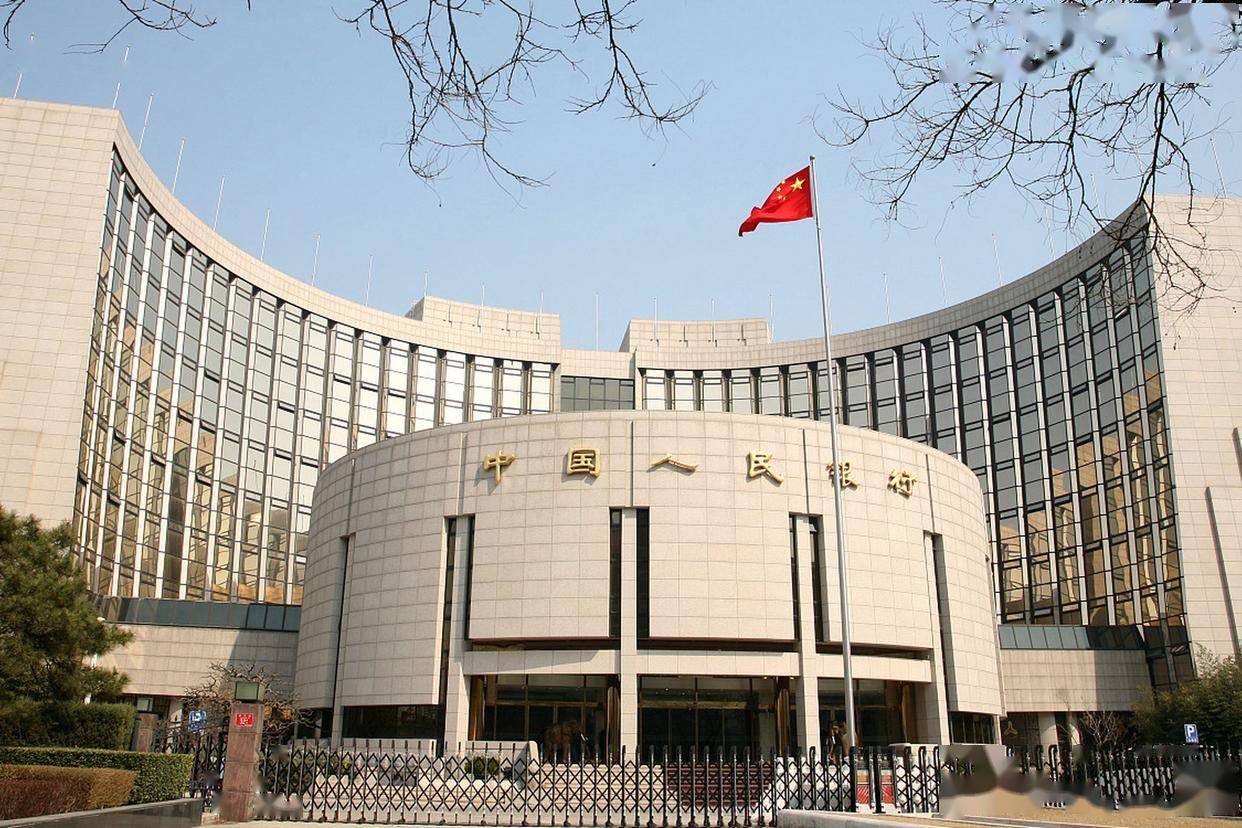
央行开展9000亿元6月期买断式逆回购
Xin Lang Cai Jing· 2026-01-14 20:45
Group 1 - The People's Bank of China (PBOC) will conduct a 900 billion yuan reverse repurchase operation on January 15, with a term of 6 months, to maintain liquidity in the banking system [1] - This marks the second reverse repurchase operation in January, following an 11 trillion yuan operation on January 8 with a 3-month term [1] - The PBOC has been increasing the amount of 6-month reverse repos for five consecutive months, indicating a sustained effort to inject medium-term liquidity into the market [1] Group 2 - Analyst Wang Qing from Dongfang Jincheng attributes the increased liquidity measures to upcoming government bond issuances and significant loan disbursements related to new policy financial instruments [2] - The PBOC's actions aim to stabilize the funding environment and support government bond issuance while encouraging financial institutions to increase credit lending [2] - It is expected that the PBOC will continue to use both reverse repos and Medium-term Lending Facility (MLF) tools to inject liquidity, reflecting a monetary policy stance of "moderate easing" into 2026 [2]