
以旧换新

Search documents
最新税收数据来了!2025年消费市场呈现新亮点
Zhong Guo Jing Ji Wang· 2026-01-27 06:05
Group 1: Consumer Market Trends - In 2025, China's consumer market is expected to showcase new highlights, with significant demand in home appliances, mobile phones, and new energy vehicles, driven by targeted policies [1] - Retail sales for daily appliances like refrigerators, kitchenware, and communication devices are projected to grow by 17.4%, 12.9%, and 18.6% year-on-year, respectively [1] - New energy vehicle sales are anticipated to increase by 24.3% in volume and 21.1% in revenue [1] Group 2: Cultural and Tourism Consumption - The integration of culture and tourism is expected to ignite new consumer vitality, with sales in artistic creation and performance projected to rise by 17.3% [2] - Revenue from travel agencies and related services, scenic spots, and leisure activities is expected to grow by 11.2%, 26.1%, and 14.6% year-on-year, respectively [2] Group 3: Digital and Health Consumption - Digital empowerment through technologies like AI and VR is driving new consumption patterns, with internet life service platforms and food delivery sales expected to grow by 9.4% and 13.3% [2] - The sports and health industry is seeing strong demand, with revenue from sports exhibition services and consulting services projected to increase by 12.2% and 27.8% [2] Group 4: Elderly and Childcare Services - The aging population is driving demand for elderly care services, with spending on elderly care, social assistance, and nursing home services expected to grow by 24.9%, 23.1%, and 15.4% [2] - Childcare services are also expanding, with nursery service revenue projected to increase by 5.4% [2] Group 5: Tax Refund Policies and Inbound Consumption - The expansion of tax refund policies is enhancing inbound consumption, with the number of foreign travelers claiming tax refunds expected to increase by 305% and sales of tax refund goods by 95.9% [3] - New regions are implementing tax refund policies, with over 12,930 stores participating, including more than 7,000 offering "buy and refund" services [3] Group 6: Overall Economic Impact - The diverse highlights of the 2025 consumer market reflect the effectiveness of targeted consumption stimulus policies, promoting quality and diversified consumption, which supports high-quality economic development [4]
国家税务总局: 2025年我国消费市场呈现多方面新亮点
Zheng Quan Ri Bao· 2026-01-27 03:57
Core Insights - The National Taxation Administration of China reports that by 2025, the consumer market will showcase new highlights driven by targeted policies, with significant demand in home appliances, smartphones, and new energy vehicles [1][4] - The "old-for-new" policy has effectively stimulated mass consumption, particularly in the new energy vehicle sector, which has seen both sales volume and revenue growth [1][3] Group 1: Consumer Trends - Home appliance consumption is on the rise, with retail sales of refrigerators, gas stoves, and smartphones increasing by 17.4%, 12.9%, and 18.6% year-on-year, respectively [1] - New energy vehicle sales and revenue are projected to grow by 24.3% and 21.1% year-on-year in 2025, reflecting a shift towards green consumption [1][3] Group 2: Digital Empowerment - The integration of technologies like AI and VR into daily life is enhancing diverse consumer needs, with internet service platforms and food delivery services seeing revenue growth of 9.4% and 13.3% year-on-year, respectively [2] - Digital cultural services, including gaming and animation, are expected to grow by 16.6% year-on-year, indicating a robust potential in this sector [2] Group 3: Cultural and Sports Consumption - The cultural tourism sector is experiencing revitalization, with revenue from artistic performances increasing by 17.3% year-on-year, and travel-related services seeing growth of 11.2% to 26.1% [2][3] - The sports and health industry is also thriving, with sports exhibition services and health management services growing by 12.2% and 16.5% year-on-year, respectively [3] Group 4: Senior and Childcare Services - The aging population is driving demand for elder care services, with revenue from elder care and related services increasing by 24.9% and 23.1% year-on-year [3] - Childcare services are also expanding, with nursery services seeing a year-on-year growth of 5.4% [3] Group 5: Inbound Consumption - The implementation of measures to enhance the outbound tax refund process has led to a 305% increase in the number of foreign travelers claiming refunds, with sales of tax refund goods rising by 95.9% [4] - The number of stores offering tax refund services has reached 12,930, with over 7,000 providing "buy and refund" services [4]
年味渐浓消费热 补贴+跨界+保供点燃节前消费热潮
Yang Shi Wang· 2026-01-27 02:24
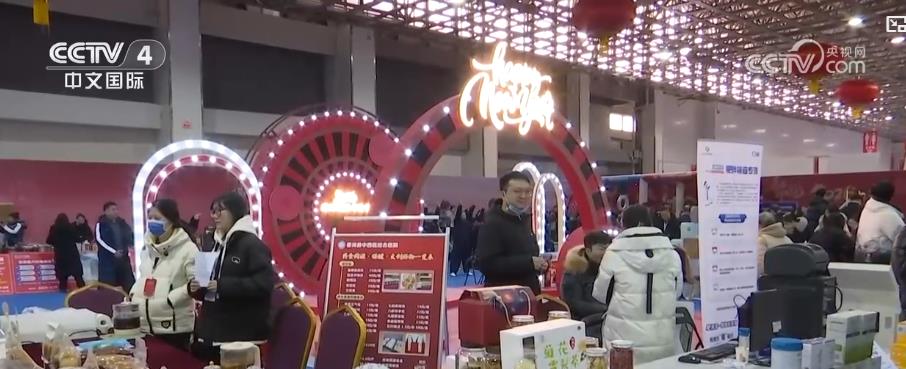
Group 1 - The 2026 Hebei Langfang International New Year Goods Festival has commenced, featuring over 2,000 unique products from both domestic and international vendors, promoting a "buy global without leaving Langfang" experience through an online and offline integration model [3] - The 2026 Zhejiang New Spring Consumption Season has been launched with a total investment of over 5 billion yuan in consumer subsidies, payment red envelopes, and merchant coupons, aiming to combine benefits for the public with consumption promotion [4] - In Jiangxi Pingxiang, the 2026 New Year Goods Market and "Enjoy Ping City" Auto Carnival has started, highlighting new energy vehicles as a popular purchase, with a total of 1.1 million yuan in consumer vouchers distributed across various sectors [6] Group 2 - Shanxi Province has optimized its old-for-new policy for home appliances and digital smart products, expanding the subsidy coverage to include smart home devices and products for the elderly, facilitating easy redemption through online platforms [9] - The supply of vegetables and fresh produce is abundant ahead of the festival, with daily trading volumes reaching over 1,200 tons of fruits and vegetables in Shenyang and an increase in seafood trading in Fuzhou from 3,500 tons to over 6,800 tons [10][12]

河南捧出新春“消费盛宴”
Zheng Zhou Ri Bao· 2026-01-27 01:12
Group 1 - The "Enjoy Spring Festival · Enjoy Henan" consumption season will take place from January to March, focusing on revitalizing consumption, New Year goods consumption, and scenario-based consumption [1] - The event aims to create a vibrant atmosphere with measures that promote inclusivity, quality upgrades, and a joyful environment, integrating multiple business formats and scenarios [1] - Activities will be organized to promote high-quality Henan products, launching the first wave of New Year consumption [1] Group 2 - Shopping maps will be released to enhance the gathering effect of commercial areas, encouraging extended business hours and special night promotions [2] - Local culinary offerings will be highlighted, promoting Henan cuisine and creating a "Henan Flavor 18" brand IP matrix [2] - Collaborative efforts among commerce, culture, and tourism sectors will be made to promote local products and tourism activities, including the "Winter Tour Central Plains" campaign [2] Group 3 - A series of consumer-friendly policies will be introduced, including the issuance of 200 million yuan in "Enjoy Henan" Spring Festival consumption vouchers [3] - Incentives for purchasing new energy vehicles and household appliances will be provided, along with promotional activities for dining and entertainment [3] - Zhengzhou has been selected as a pilot city for a lottery program linked to invoices, aimed at boosting consumer spending during holidays [3]
商务部:进一步释放汽车消费潜力 推进有奖发票试点
Zhong Guo Jing Ying Bao· 2026-01-27 00:45
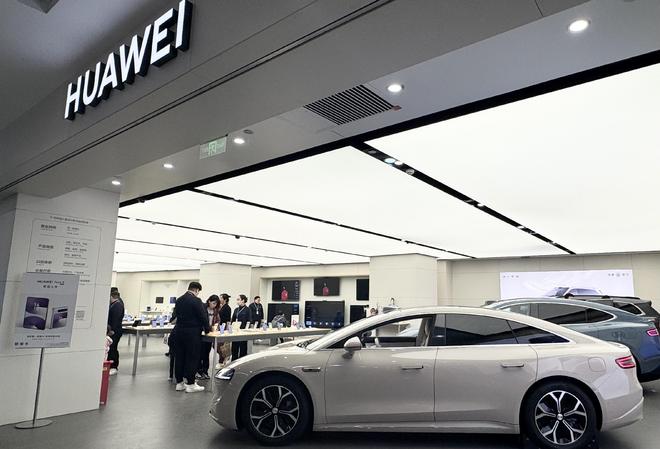
Core Viewpoint - In 2025, consumption continues to play a crucial role as the "main engine" of economic growth in China, with the total retail sales of consumer goods surpassing 50 trillion yuan for the first time, reaching 50.1 trillion yuan, and contributing 52% to GDP growth [1][2]. Group 1: Consumption Market Highlights - Durable goods consumption is experiencing rapid growth, driven by the old-for-new policy, with retail sales of household appliances, communication devices, and furniture increasing by 11%, 20.9%, and 14.6% respectively; passenger car retail volume rose by 3.8% [2]. - New types of consumption are thriving, with digital, green, and health consumption gaining momentum, and new business formats and models emerging; online retail sales of physical goods grew by 5.2%, and the market penetration rate of new energy passenger vehicles reached 53.9% [2]. - Rural consumption is becoming more active, with retail sales of consumer goods in rural areas reaching 6.8 trillion yuan, a year-on-year increase of 4.1%, outpacing urban growth by 0.5 percentage points [2]. - Inbound consumption is on the rise, with the expansion of visa-free countries and the optimization of tax refund policies; sales of tax refund goods nearly doubled, and the number of visa-free foreign visitors increased by nearly 30% within a year of implementing the 240-hour visa-free transit policy [2]. Group 2: Policy and Activity Initiatives - In 2026, there will be an emphasis on enhancing consumer welfare, optimizing the old-for-new policy for durable goods, and promoting automotive consumption through pilot reforms; a trial for prize invoices will be initiated, and practical policies to stimulate the economy will be introduced [3]. - The focus for 2026 will be on three themes: product consumption, service consumption, and consumption scenarios, with over 20 "Buy in China" themed activities planned, and support for local "station" activities to create a vibrant consumption atmosphere [3]. - Efforts will be made to improve the consumption environment, accelerate the cultivation of international consumption center cities, and promote pilot projects for new consumption formats and scenarios, aiming to create attractive new consumption experiences for both domestic and international consumers [3].
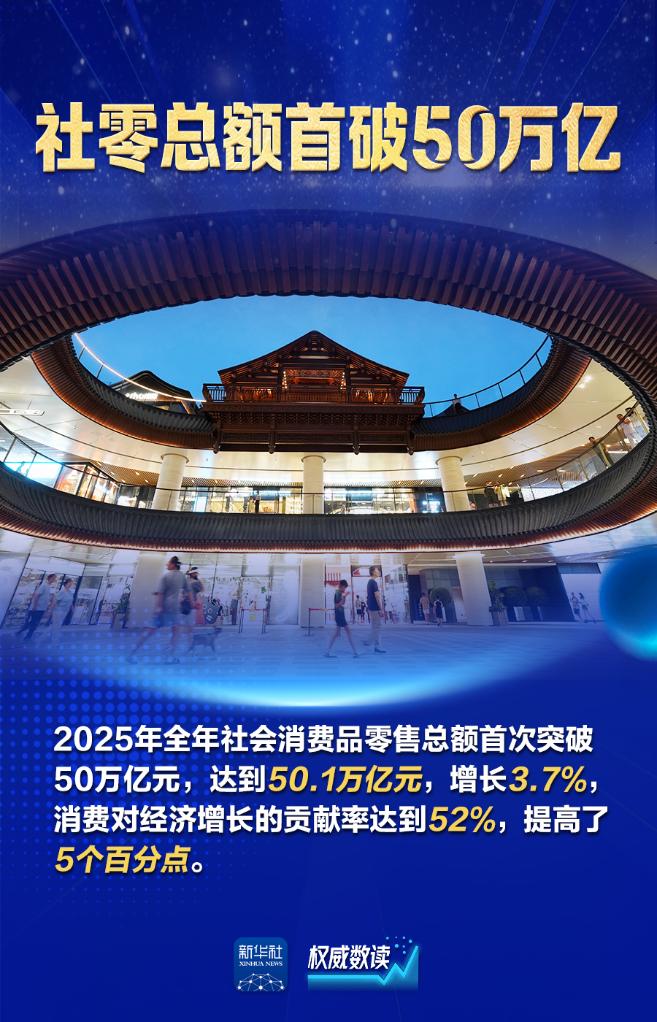
社零总额首破50万亿元 2025年提振消费加力显效
Xin Hua Wang· 2026-01-27 00:37
Well 17 France Creation J换新馬 扩围提质实施消费品以旧换新,汽车、家 电、手机等相关产品销售额2.61万亿元, 惠及3.66亿人次。 部指社 权威数读 / ATS 电脑 亚 权 国务院新闻办公室26日举行新闻发布会,商务部相关负责人介绍2025年商务工作及运行情况。2025年, 中国消费市场活力十足:全年社会消费品零售总额首次突破50万亿元;消费对经济增长的贡献率达到 52%;"以旧换新""中国购""国潮文化"等成为高频词……消费持续发挥了经济发展主引擎的作用,也为 世界各国提供巨大机遇。让我们跟随海报,一起来看。 社零总额首破50万亿 2025年全年社会消费品零售总额首次突破 50万亿元,达到50.1万亿元,增长3.7%, 消费对经济增长的贡献率达到52%,提高了 5个自分点。 权威数读 / 部指社 ASS 2025年,受消费品以旧换新政策带动,相 关商品,比如限额以上单位家电、通讯器 材、家具零售额分别增长了11%、20.9% 和14.6%,乘用车零售量增加了3.8%。 新华社 权威数读_/ ATA 新型消费蓬勃发 数字消费、绿色消费、健康消费等新型消费 持续升温,新业态、新模式 ...
商务部:进一步释放汽车消费潜力,推进有奖发票试点
Zhong Guo Jing Ying Bao· 2026-01-27 00:16
Core Viewpoint - In 2025, consumption continues to solidify its role as the "main engine" of economic growth in China, with the total retail sales of consumer goods surpassing 50 trillion yuan for the first time, reaching 50.1 trillion yuan, and contributing 52% to GDP growth [2][3]. Group 1: Consumption Market Highlights - The retail sales of durable goods are experiencing rapid growth, driven by the old-for-new consumption policy, with retail sales of home appliances, communication equipment, and furniture increasing by 11%, 20.9%, and 14.6% respectively; passenger car retail volume increased by 3.8% [2]. - New types of consumption are thriving, with digital, green, and health consumption gaining momentum, and new business formats and models emerging; online retail sales of physical goods grew by 5.2%, and the market penetration rate of new energy passenger vehicles reached 53.9% [2]. - Rural consumption is showing active performance, with retail sales of consumer goods in rural areas reaching 6.8 trillion yuan, a year-on-year increase of 4.1%, outpacing urban growth by 0.5 percentage points [3]. - Inbound consumption is on the rise, with the expansion of visa-free countries and the optimization of tax refund policies for outbound tourists; sales of goods eligible for tax refunds nearly doubled, and the number of visa-free foreign visitors increased by nearly 30% within a year of implementing the 240-hour visa-free transit policy [3]. Group 2: Policy and Action Plans for 2026 - The government will enhance support for consumer welfare, optimizing the implementation of the old-for-new consumption policy to promote durable goods consumption, and will conduct pilot reforms in automotive circulation to further unleash automotive consumption potential [4]. - In 2026, over 20 "Buy in China" themed activities will be organized, focusing on product consumption, service consumption, and consumption scenarios, with 15 international consumption environment pilot cities hosting "city-specific" events [4]. - Efforts will be made to improve the consumption environment, accelerate the cultivation of international consumption center cities, and promote pilot projects for new consumption formats, models, and scenarios to create attractive new consumption experiences for domestic and international consumers [4].
(图表)税收数据显示:2025年国内消费亮点纷呈
Sou Hu Cai Jing· 2026-01-26 23:45
Group 1 - The consumption market in China is showing significant growth in 2025, driven by various policies that effectively release consumer demand [1][4] - The number of outbound travelers applying for tax refunds increased by 305% year-on-year, indicating a strong recovery in international travel [1][4] - Sales revenue from tax refund goods surged by 95.9%, while the total tax refund amount also rose by 95.8%, reflecting robust consumer spending [1][4] Group 2 - The retail sector experienced notable growth, with sales revenue increasing by 17.4% for mobile communication devices, 12.9% for home appliances, and 18.6% for kitchenware [1] - The sales revenue for new energy passenger vehicles grew by 24.3%, with a 21.1% increase in sales volume, highlighting a shift towards sustainable transportation [1] - The cultural and tourism sectors are revitalizing consumption, with sales revenue from cultural performances rising by 17.3% and travel-related services increasing by 11.2% [2]

税收数据折射2025年消费市场新亮点
Zhong Guo Zheng Quan Bao· 2026-01-26 20:54
Group 1 - The core viewpoint of the articles highlights the significant growth and diversification of China's consumer market by 2025, driven by various policies and consumer trends [1][3] - The retail sales of daily household appliances, kitchenware, and communication devices are projected to increase by 17.4%, 12.9%, and 18.6% respectively in 2025 [1] - The sales of new energy vehicles are expected to rise, with a projected increase of 24.3% in unit sales and 21.1% in sales revenue [1] Group 2 - The integration of culture and tourism is expected to enhance consumer activity, with sales in cultural performances projected to grow by 17.3%, and travel-related services seeing increases of 11.2%, 26.1%, and 14.6% respectively [1] - Digital empowerment is driving new consumption patterns, with internet service platforms and food delivery services expected to grow by 9.4% and 13.3% respectively [2] - The digital cultural services sector is anticipated to see a 16.6% increase in sales revenue by 2025 [2] Group 3 - The sports and health industries are experiencing strong demand, with sports exhibition services and consulting services projected to grow by 12.2% and 27.8% respectively [2] - The consumption related to elderly care and childcare services is also on the rise, with elderly care services expected to grow by 24.9% [2] - The number of foreign travelers benefiting from tax refunds is expected to increase by 305%, with sales from tax refund items projected to grow by 95.9% [3]
数读湖南2025“成绩单”
Xin Lang Cai Jing· 2026-01-26 20:02
Group 1 - The primary industry added value reached 495.176 billion yuan, with a growth rate of 4.2% [1] - The secondary industry added value was 1,991.546 billion yuan, growing by 4.1% [1] - The tertiary industry added value amounted to 3,044.143 billion yuan, showing a growth of 5.3% [1] Group 2 - The total grain production in the province was 62.09 billion jin, an increase of 530 million jin, representing a growth of 0.9% compared to the previous year [1] - The added value of the scale industrial sector grew by 6.2% [1] - The manufacturing sector's added value accounted for 26.4% of the regional GDP [1] Group 3 - The production of new energy vehicles exceeded 1 million units, marking a growth of 34.9%, and their share of total automobile production increased to 64% [1] - The total retail sales of social consumer goods reached 2,120.459 billion yuan, with a growth rate of 3.6% [1] - The retail sales of "trade-in" related products increased by 26.4% [1] Group 4 - Expenditure on people's livelihood accounted for over 72% of the general public budget expenditure [1]