
产能过剩

Search documents
冠通每日交易策略-20250910
Guan Tong Qi Huo· 2025-09-10 11:44
Report Summary 1. Market Overview - As of the close on September 10, domestic futures contracts showed mixed performance. Industrial silicon, fuel oil, and liquefied petroleum gas (LPG) rose over 1%, while lithium carbonate and polysilicon dropped over 4%. In the stock index futures market, the CSI 300 and SSE 50 index futures contracts rose, while the CSI 500 and CSI 1000 index futures contracts declined. In the bond futures market, all contracts fell [6][7]. - In terms of capital flow, as of 15:33 on September 10, funds flowed into the 30 - year treasury bond 2512, rebar 2601, and CSI 300 2509, while funds flowed out of Shanghai gold 2510, Shanghai silver 2510, and CSI 1000 2509 [7]. 2. Core Views 2.1 Copper - The US labor data was weak, but considering the low - level inventory in the fundamentals and the expected improvement during the peak season, copper is expected to fluctuate strongly [9]. 2.2 Crude Oil - In the medium - to - long - term, it is recommended to short on rallies as the supply - demand situation will weaken. In the short - term, it is advised to partially close out short positions due to the release of negative news and geopolitical risks [11]. 2.3 Asphalt - With weak supply and demand, and the futures price reaching the lower limit of the oscillation range, it is recommended to close out short positions [13]. 2.4 PP - It is expected to oscillate with limited downside space as the downstream enters the peak season, but the impact of policies to solve over - capacity remains to be seen [14]. 2.5 Plastic - It is expected to oscillate with limited downside space as the demand of the agricultural film sector is expected to increase, but the impact of policies to solve over - capacity remains to be seen [15][16]. 2.6 PVC - It is expected to oscillate downward due to high supply, weak demand, and large inventory pressure, and the impact of policies to solve over - capacity remains to be seen [17]. 2.7 Urea - The market is weak, with high inventory and lackluster demand, and the price is bottoming out [19]. 3. Industry - Specific Analysis 3.1 Copper - The monthly average non - farm employment in the US decreased by 76,000, and the smelting fees and sulfuric acid prices in the copper market are not favorable for smelters. Five smelters plan to conduct maintenance in September, and the import of copper may affect the domestic market. Although it is the off - season, the investment in power grid facilities boosts demand, and there is an expected improvement during the peak season [9]. 3.2 Crude Oil - It is at the end of the seasonal travel peak. EIA and IEA have raised the forecast of global oil surplus. OPEC+ plans to increase production in October, and Saudi Aramco has lowered the price. The trade relationship between the US and India may affect the global oil trade flow. The end of the consumption peak season and weak employment data may lead to weak demand [10][11]. 3.3 Asphalt - The asphalt production rate continued to decline last week, but the planned production in September increased. The downstream industry's production rate mostly decreased, and the shipment volume decreased. The refinery inventory decreased but remained at a low level. The increase in oil production by OPEC+ and the decline in oil prices weakened the cost support [12][13]. 3.4 PP - The downstream production rate increased slightly, and the enterprise production rate remained stable. The new production capacity was put into operation, and the cost increased due to geopolitical risks. The downstream is entering the peak season, but the impact of policies to solve over - capacity remains to be seen [14]. 3.5 Plastic - The production rate increased due to the restart of some devices, and the downstream production rate also increased. The new production capacity was put into operation, and the demand of the agricultural film sector is expected to increase. The impact of policies to solve over - capacity remains to be seen [15][16]. 3.6 PVC - The upstream calcium carbide price increased in some areas, and the production rate increased. The downstream production rate was still low, and the export was affected by policies. The inventory was high, and the real - estate market was still in adjustment. New production capacity was put into operation, and the demand has not improved significantly [17]. 3.7 Urea - The price opened low and fluctuated. The upstream factory price declined, and the market sentiment was cautious. The supply was abundant, and the demand was weak. The inventory continued to increase [19].
宏观专题:对照供给侧改革,本轮综合整治内卷行动有望引领行情走向
Xiangcai Securities· 2025-09-10 10:47
Group 1: Overview of Actions - The current comprehensive rectification of involution is a continuation and deepening of the supply-side structural reform initiated in November 2015[1] - The root cause of both actions is the overcapacity resulting from chaotic capital expansion, with the previous reform targeting upstream raw materials and the current action focusing on downstream manufacturing[2] - The previous reform utilized administrative orders to control production, while the current action requires industry self-regulation and detailed management due to the diversity of enterprises involved[2] Group 2: Economic Indicators and Market Trends - The Producer Price Index (PPI) is a crucial indicator of economic health, showing a correlation with stock market trends, particularly the CSI 300 index[3] - Historical analysis indicates that from 2014 to 2015, the stock market rose despite declining PPI, leading to a market correction when the fundamentals returned[3] - As of August 2025, the PPI's year-on-year decline has narrowed, indicating positive changes that may support stock market growth[3] Group 3: Investment Opportunities - The comprehensive rectification action is expected to transform and boost the Chinese economy, particularly benefiting emerging industries such as new energy vehicles, lithium batteries, and photovoltaics, as well as traditional industries like steel and coal[4] - This action is anticipated to create a series of investment opportunities in sectors historically plagued by overcapacity[4] Group 4: Risks and Challenges - The transition towards a non-involutionary development model involves significant changes in development concepts and institutional frameworks, which may be a lengthy and complex process[5] - Local governments and enterprises may face difficulties and resistance in implementing these reforms effectively[5]
宁德时代准备提前重启中国锂矿 中国锂业股出现负面反应
鑫椤储能· 2025-09-10 07:51
Core Viewpoint - The Chinese lithium mine, which had halted production, is preparing to resume operations faster than expected, leading to a decline in the stock prices of major battery metal producers [1][2]. Group 1: Production Resumption - The Jianshawa lithium mine, a key project in Yichun, China, is set to resume production, which is seen as a market sentiment indicator [1]. - Despite the expiration of the mining license causing a previous halt, there are indications that production may restart sooner than anticipated [1]. Group 2: Market Impact - The announcement of the mine's planned resumption has resulted in significant stock price drops for major lithium producers, with SQM and Albemarle experiencing declines of 8.8% and 11% respectively [1]. - Analysts from Jefferies noted that the early resumption of the Jianshawa mine could disrupt the market rebalancing process in the short term [1]. Group 3: Regulatory Context - The halt in production was initially interpreted as part of a national policy to control overcapacity, reflecting a shift towards supply-side discipline [1]. - There is ongoing uncertainty regarding the issuance of a new mining license by local authorities, although the company anticipates an early recovery of production [1].



四季度展望:风格切换,逢低布局大盘蓝筹
Haitong Securities International· 2025-09-07 12:03
The provided content does not contain any specific quantitative models or factors, nor does it include detailed construction processes, formulas, or backtesting results related to quantitative analysis. The document primarily discusses macroeconomic trends, sectoral outlooks, and investment strategies without delving into quantitative methodologies. If you have another document or specific section that includes quantitative models or factors, please provide it for analysis.
车企的账期承诺兑现情况如何?实际操作中仍然存在诸多卡点
Hua Er Jie Jian Wen· 2025-09-06 01:57
Core Viewpoint - The article discusses the challenges faced by the automotive industry in implementing a 60-day payment term commitment made by 17 car manufacturers to alleviate pressure on suppliers, highlighting the need for systemic changes to ensure compliance and transparency [1][5][6]. Group 1: Payment Terms and Industry Practices - The average payment cycle for automotive parts suppliers is around 9 months, with some manufacturers publicly committing to 60-day payments but facing operational hurdles [2][3]. - Many car manufacturers delay payments until parts are installed and sold, creating a "pay after use" model that exacerbates cash flow issues for suppliers [2][3]. - The lack of standardized acceptance criteria and hidden clauses in contracts complicates the payment process, leading to further delays [2][4]. Group 2: Supplier Challenges and Market Dynamics - Suppliers often prioritize maintaining relationships with major car manufacturers over negotiating payment terms, even accepting price cuts of up to 20% [3][4]. - The competitive pressure within the supply chain leads to practices such as cash rebates to secure contracts, further straining supplier finances [3][4]. - The financial health of car manufacturers directly impacts payment speed, with good sales correlating to faster payments [4]. Group 3: Recommendations and Regulatory Actions - Industry experts suggest optimizing payment processes and reducing reliance on supply chain financing to alleviate supplier cash flow issues [5][6]. - There is a call for regulatory bodies to establish a breach compensation mechanism and to publicly disclose payment compliance data to enforce accountability [5][6]. - The Ministry of Industry and Information Technology plans to guide the development of standardized payment norms and contracts to reduce disputes and promote sustainable industry growth [6][7]. Group 4: Industry Outlook - Experts believe that addressing payment term issues, optimizing capacity, and regulating competition will help the automotive industry move towards a more efficient and resilient development phase [7].
落实车企账期承诺还需突破多个难点
证券时报· 2025-09-06 01:10
Core Viewpoint - The commitment of car manufacturers to shorten payment terms is aimed at alleviating pressure on the supply chain and promoting a healthier industry ecosystem [3][10]. Group 1: Payment Term Commitments - 17 car manufacturers have made commitments to a 60-day payment term to ease supply chain pressures and counteract "involution" in the industry [3][10]. - Some manufacturers, like Chery, have successfully reduced their average payment period to 47 days, but many others still face challenges in implementing these commitments [1][3]. - The average payment cycle for many suppliers is around 9 months, with some manufacturers delaying payments until parts are installed and sold [3][4]. Group 2: Challenges in Payment Processes - The lack of standardized acceptance criteria and varying project review processes among manufacturers complicates timely payments [4][10]. - Some manufacturers extend payment periods through the use of commercial bills, which can lead to longer cash flow cycles for suppliers [4][10]. - Suppliers often lack bargaining power, leading to conflicts between maintaining customer relationships and securing timely payments [5][6]. Group 3: Industry Dynamics and Recommendations - The automotive industry is experiencing increased competition and price pressures, with many suppliers forced to accept lower prices and longer payment terms [6][7]. - Experts suggest that government intervention, such as linking subsidy policies to adherence to payment terms, could incentivize manufacturers to comply [12]. - Strengthening oversight of payment cycles and establishing a breach compensation mechanism are recommended to ensure manufacturers fulfill their commitments [10][12]. Group 4: Market Conditions and Future Outlook - The automotive industry is facing overcapacity issues, which contribute to the current competitive pressures [13]. - Experts believe that addressing payment term challenges, optimizing capacity, and regulating competition will help the industry transition to a more efficient and resilient phase [13].

美关税风险冲击土耳其汽车业
Jing Ji Ri Bao· 2025-09-05 22:10
Core Viewpoint - The Turkish automotive industry is facing significant challenges due to rising supply chain costs, inflationary pressures, and uncertainties surrounding U.S. tariff policies, which could weaken its competitiveness and exacerbate long-term risks [1][2][3]. Group 1: Impact of U.S. Tariff Policies - The U.S. maintains a 25% tariff on Turkish automobiles and parts, which, while Turkey's exports to the U.S. are limited, creates a ripple effect impacting global order deployments and increasing risks for the Turkish automotive sector [1][2]. - Rising costs due to tariffs are eroding profits for suppliers, with the potential for further cost transmission as products enter other vehicle systems through the U.S. [1]. Group 2: Economic Pressures and Consumer Behavior - The depreciation of the Turkish lira against the dollar has led to increased prices for imported components and materials, resulting in inflationary pressures that affect consumer purchasing power and may lead to cautious buying behavior in the automotive market [2]. - Dealers are experiencing a decline in potential buyers, indicating that future sales may be under pressure due to economic conditions [2]. Group 3: Export Challenges and Cash Flow Management - Export orders are facing renegotiation, which complicates cash flow management for Turkish exporters as rising costs may lead to adjustments in delivery terms [2]. - The uncertainty in U.S. tariff policies could result in order fluctuations, inventory buildup, and misalignment in production schedules, putting long-term pressure on Turkish automotive exports [2][3]. Group 4: Domestic Market Shift and Overcapacity Risks - Some overseas importers are shifting towards markets like Mexico and Eastern Europe to avoid tariffs, which may force Turkish suppliers to pivot to the domestic market, exacerbating overcapacity issues [3]. - The low capacity utilization in the Turkish automotive sector remains a concern, and without improvements in competitiveness, the industry's resilience to external shocks may diminish [3]. Group 5: Future Outlook - The coming years are critical for the Turkish automotive industry, as it must navigate U.S. tariff pressures and push for green and smart transformations to avoid severe long-term challenges [3].
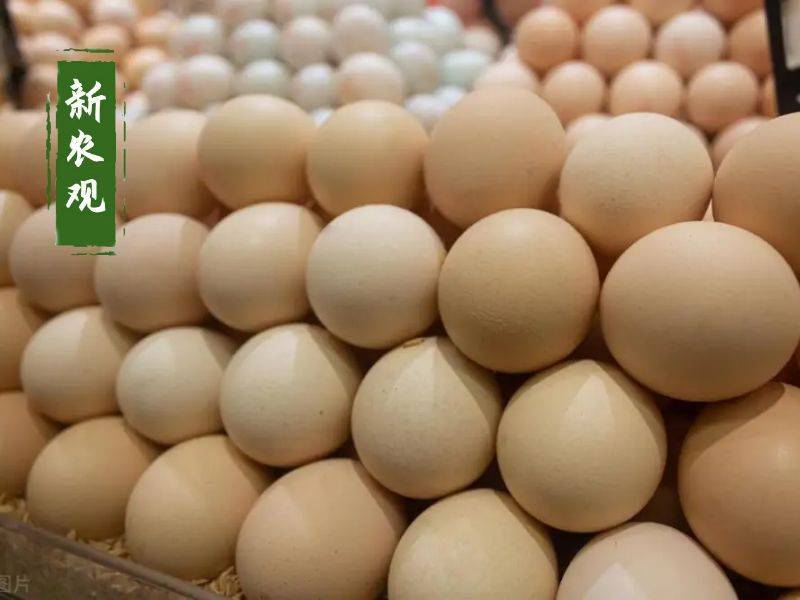
便宜鸡蛋还能吃多少?敞开了吃!
Sou Hu Cai Jing· 2025-09-04 14:24
Group 1 - The core viewpoint is that the meat, egg, and dairy markets are under pressure, with pork prices unlikely to rise significantly in the fourth quarter due to excess supply and weak demand [2] - The egg market is experiencing a similar situation, with high production capacity leading to an oversupply, making it difficult for egg prices to increase this year [4][6] - As of the end of July, the national laying hen inventory was at 1.293 billion, a historical high, contributing to the downward pressure on egg prices [4] Group 2 - The reluctance of producers to reduce capacity is evident, as they are waiting for others to exit the market instead of taking proactive measures themselves [6] - The cold storage of eggs, which were held back during low prices, is adding additional pressure as these eggs are nearing expiration and will soon enter the market [6][8] - Overall consumer spending remains weak, and the low prices of pork and chicken are further limiting the demand for eggs, making it challenging for the egg industry to recover [8]
【环球财经】美关税政策给土耳其汽车业带来多重风险
Xin Hua She· 2025-09-04 13:49
Core Viewpoint - The Turkish automotive industry is facing significant challenges due to rising supply chain costs, inflationary pressures, and uncertainties surrounding U.S. tariff policies, which could weaken its competitiveness and exacerbate long-term risks [1][2][3]. Group 1: Cost and Profitability - The automotive sector in Turkey has been the largest export industry for several years, with exports reaching $37.2 billion last year, a 6.3% increase year-on-year [1]. - Rising tariffs have increased costs globally, squeezing supplier profits, and further cost transmission may occur when products enter other vehicle systems via the U.S. [1]. - The depreciation of the Turkish lira against the U.S. dollar has led to increased prices for imported components and raw materials, ultimately affecting consumer purchasing power and dampening the automotive market [2]. Group 2: Cash Flow and Export Orders - Export orders are facing renegotiation, complicating cash flow management for many Turkish exporters, as rising costs may lead to adjustments in delivery terms [2]. - The uncertainty of U.S. tariff policies could result in fluctuations in orders, inventory buildup, and misalignment in production schedules, putting long-term pressure on Turkish automotive exports [2][3]. Group 3: Domestic Market and Capacity Challenges - To avoid tariffs, some overseas importers are shifting towards markets like Mexico and Eastern Europe, which may lead to some small and medium-sized suppliers in Turkey exiting the global value chain and focusing on domestic demand [3]. - The limited domestic market may struggle to absorb excess capacity, increasing the risk of supply-demand imbalances within the industry [3]. - The Turkish automotive industry is at a critical juncture, and without a push towards green and intelligent transformation, it may face severe long-term challenges [3].
新秩序悄然酝酿:“储能”来到巨变前夜
3 6 Ke· 2025-09-04 03:05
Core Viewpoint - The Chinese energy storage industry is experiencing significant price declines and overcapacity due to rapid technological advancements and intense competition, leading to calls for regulatory intervention to restore fair competition and manage excess capacity [1][2][3][4][10]. Industry Growth and Competition - The domestic new energy storage project installed capacity has increased twentyfold over the past four years, with over 200,000 new storage-related companies established [2][3]. - By the end of 2023, the cumulative installed capacity of new energy storage projects reached 31.39 GW, exceeding initial targets by two years [3]. - The average bidding price for lithium battery storage systems has dropped to 0.49 yuan/Wh in the first half of 2025, a decline of over 70% from peak levels [1][4]. Overcapacity and Price Wars - The energy storage cell production capacity is projected to reach 750 GWh in 2024, while actual shipments are expected to be only 314.7 GWh, resulting in a utilization rate of less than 50% [4]. - The average bidding price for energy storage systems in 2024 is forecasted to be 0.628 yuan/Wh, a year-on-year decrease of 43% [4]. - Some bidding projects have seen prices fall below cost, with instances of "suicidal bidding" reported [5][6]. Market Dynamics and Company Performance - Leading companies like CATL maintain a significant market share, with a 41% share in 2024, while smaller firms struggle with low margins and profitability [5][6]. - The competitive landscape is characterized by a continuous reshuffling, with many smaller players exiting the market due to unsustainable pricing pressures [7][8]. Regulatory Responses and Industry Initiatives - A recent initiative involving 149 companies aims to promote fair competition and curb irrational low-price behaviors in the energy storage sector [9][10]. - The Chinese government has introduced new laws and policies to address low-price competition and encourage the exit of excess capacity [13][15]. Future Trends and Strategies - The industry is expected to see increased mergers and acquisitions as companies seek to consolidate resources and reduce competition [17]. - Establishing industry alliances may help mitigate price wars and promote collaborative growth in international markets [18].
