
服务消费

Search documents
消费者服务行业周报(20251222-20251226):关注海南封关、冰雪游对服务消费的带动-20251229
Huachuang Securities· 2025-12-29 04:34
Investment Rating - The report maintains a "Recommendation" rating for the consumer services industry, indicating an expected increase in the industry index by more than 5% over the next 3-6 months compared to the benchmark index [41][43]. Core Insights - The report highlights the positive impact of Hainan's customs closure and the winter sports season on service consumption, predicting a robust demand for hospitality and travel services in 2026. Notably, Hainan's first week of duty-free shopping post-closure saw sales of 1.1 billion RMB, with year-on-year growth of 54.9% [4]. - The report anticipates a significant increase in domestic ski and ice tourism ticket bookings, with a projected year-on-year growth of approximately 70% from November 2025 to February 2026 [4]. - Key investment targets include hotels with balanced supply and demand, human resources services, the duty-free sector, and internet platforms that integrate online and offline operations [4]. Industry Basic Data - The consumer services industry comprises 55 listed companies with a total market capitalization of 498.8 billion RMB and a circulating market capitalization of 457.1 billion RMB [1]. Market Performance - The consumer services sector experienced a decline of 1.05% in the week from December 22 to December 26, 2025, while the overall A-share market rose by 2.77% [7][10]. - The report notes that the hospitality sector, including hotels, saw varied performance, with some companies like Green Tea Group and Dingdong Maicai showing significant gains [16][19]. Important Announcements - Key announcements from companies in the consumer services sector include share buybacks and financial updates, such as Guilin Tourism's court ruling to recover illegal profits of 52.15 million RMB [31][30]. Upcoming Shareholder Meetings - Several companies in the consumer services sector have scheduled shareholder meetings in the upcoming month, including Nanjing Commercial Travel and Changbai Mountain [34].
商业行业2026年度策略报告:把握多元需求,服务消费释放潜力-20251228
CMS· 2025-12-28 09:04
Group 1: Macro Retail and Service Consumption - Retail data shows that essential goods maintain resilience while optional goods exhibit differentiated performance, with social retail growth slightly slowing down due to high base effects from government subsidies [10][16] - Service retail continues to show strong growth, with a year-on-year increase of 5.4% from January to November 2025, outpacing overall social retail growth [10][18] - Travel demand is steadily releasing, with domestic tourism numbers reaching 4.85 trillion yuan, a year-on-year increase of 11.5% [18][20] Group 2: E-commerce Sector - E-commerce maintains a steady growth rate, with online retail sales of physical goods increasing by 5.7% year-on-year, surpassing the overall social retail growth [13][25] - The penetration rate of e-commerce continues to rise, reaching 25.9% of total social retail sales by November 2025, an increase of 3.6 percentage points since the beginning of the year [13][25] - The competitive landscape in e-commerce is easing, with platforms like Taobao and JD.com focusing on maintaining stable growth rather than aggressive price competition [28][36] Group 3: Retail Focus on Downstream Markets - The focus is on the resilience of consumption in lower-tier markets, with recommendations for bulk snack retailers and the "锅圈" brand, which excels in the home dining sector [5][31] - The bulk snack market is characterized by low prices and high turnover, effectively meeting consumer demand for snacks [5][31] - "锅圈" is positioned as a leader in the home dining market, leveraging its multi-channel advantages and strong supply chain [5][31] Group 4: Service Sector Recovery - The hotel industry is stabilizing with a recovery in demand, and recommendations include Huazhu Group and Atour Hotel [5][31] - The OTA sector is experiencing stronger leisure demand compared to business travel, with international business continuing to grow rapidly [5][31] - Policies aimed at boosting service consumption are expected to further stimulate demand in the travel and hospitality sectors [23][24] Group 5: Investment Recommendations - Recommended companies include Alibaba, Meituan, Pinduoduo, JD.com, and Didi Chuxing for their strong fundamentals and low valuations [2][3] - The report highlights the potential for growth in the e-commerce and service sectors, driven by favorable policies and market dynamics [5][23]

服务消费温暖三餐四季
Jing Ji Ri Bao· 2025-12-27 22:04
Core Insights - The article highlights a clear trend in consumer behavior towards experience-oriented service consumption, indicating a shift in lifestyle and reflecting the vitality of the domestic demand market [1] Group 1: Service Consumption Trends - Experience-oriented service consumption is on the rise, with activities such as visiting museums, quick delivery of fresh goods, and community health services becoming integral to daily life [1] - The growth in service consumption is supported by government policies focusing on key areas like elderly care, childcare, cultural tourism, and healthcare, which aim to enhance supply and meet consumer needs [1][2] - Businesses are increasingly attuned to consumer demands, creating immersive and interactive experiences for younger audiences and developing services tailored for families and the elderly [1] Group 2: Policy and Infrastructure Support - Long-term policy support is essential for upgrading service consumption, with a focus on directing financial resources towards critical areas such as elderly care, childcare, and health services [2] - There is a need to improve service infrastructure in rural areas to make quality services more accessible [2] - The integration of technology, such as AI and big data, is crucial for enhancing service experiences and meeting diverse consumer needs [2] Group 3: Consumer Environment Optimization - A clearer service standard, accessible consumer rights protection, and a strong integrity baseline are necessary for fostering consumer confidence and encouraging spending on quality services [3] - A well-regulated market environment will motivate businesses to innovate and improve service quality, creating a positive cycle of consumer trust and business stability [3] - The expectation for 2026 is that the emergence of more quality services will enhance consumer satisfaction and contribute to high-quality economic development [3]
在冰雪消费热中用好“冷资源”
Zhong Guo Jing Ji Wang· 2025-12-27 10:12
Group 1 - The core viewpoint of the articles highlights the booming ice and snow economy in China, driven by various innovative projects and a growing consumer base [1][2][3] - The ice and snow industry in China has seen significant growth, with its scale increasing from 364.7 billion yuan in 2016 to 980 billion yuan in 2024, reflecting an annual growth rate of 21.09% [1] - The 2024-2025 ice and snow season is expected to generate over 187.5 billion yuan in consumer spending, marking a more than 25% increase compared to the previous season [1] - The number of participants in ice and snow tourism has consistently exceeded 300 million for three consecutive seasons, with 4.3 billion visits and 524.7 billion yuan in revenue projected for the 2023-2024 season [1] Group 2 - Government policies play a crucial role in the development of the ice and snow economy, with various initiatives aimed at enhancing service consumption and promoting local resources [2] - The shift in consumer behavior from goods to services is evident, with traditional practices being transformed into profitable ventures, such as the conversion of traditional wooden houses into popular guesthouses in Alashan [2] - The 2025 Central Economic Work Conference emphasized the need to unleash the potential of service consumption, particularly in regions rich in ice and snow resources [2] - Innovative practices, such as "snow holidays" for students in regions like Jilin and Xinjiang, demonstrate a tailored approach to leveraging local advantages [2] Group 3 - Successful examples of integrating ice and snow activities with year-round tourism, such as the Changbai Mountain and Pingxue Ski Resort, showcase the potential for diverse consumer experiences [3] - The emergence of "ice and snow+" business models reflects a growing trend towards personalized and varied consumption scenarios [3] - Collaboration between effective market strategies and proactive government policies is essential for maximizing the potential of the ice and snow economy [3] - New services, such as "ski equipment convenience travel" on the Beijing-Zhangjiakou high-speed railway, enhance accessibility and convenience for consumers [3]
从跨年文化供给看内需潜力丨金视角
Xin Lang Cai Jing· 2025-12-27 07:23
Core Viewpoint - Beijing has launched a series of cross-year activities aimed at enhancing consumer experience through city-wide participation, reflecting a strategic move to expand domestic demand rather than a temporary measure [1][2] Group 1: Service Consumption Strategy - The focus of Beijing's activities is not on individual consumption projects but on creating a systematic supply that allows for participatory, extendable service consumption scenarios [1] - Cultural performances, public exhibitions, and extended access to public spaces collectively enhance service quality and experience density, addressing the demand for high-quality living [1] Group 2: Demand and Supply Interaction - The potential of service consumption is influenced not only by residents' income levels but also by the richness and accessibility of the supply system [1] - The significance of holiday economies lies in the concentrated release of quality content and services, providing clear outlets for potential demand, illustrating the interaction and mutual shaping of supply and demand [1] Group 3: Cultural Experience and Consumption Patterns - Cultural experiences have a certain extension effect, where participation in events can lead to a shift in future lifestyle choices [1] - The transformation of holiday experiences into regular lifestyle choices is essential for service consumption to evolve from temporary spikes to sustained growth, representing a feasible path to building a complete domestic demand system [1] Group 4: Improving Consumption Environment - In the context of a complex external environment and the need to further release domestic demand, expanding domestic demand requires improving the consumption environment and optimizing the supply structure [2] - Cross-year cultural consumption provides observable and verifiable practical paths, enhancing the systematic and coordinated nature of service supply to create conditions for releasing domestic demand potential [2]
“十五五”首席观察|专访杨涛:金融“五篇大文章”不能“各写各的”
Bei Jing Shang Bao· 2025-12-25 14:41
Core Viewpoint - In 2025, China's financial market is characterized by a unique rhythm amidst internal and external changes, with monetary policy maintaining a "moderately loose" tone and a series of financial policies aimed at stimulating consumption and optimizing financial supply [1][2]. Financial Policies and Consumption - The "Five Major Articles" in finance are crucial for promoting economic circulation and stimulating domestic demand, with a focus on digital finance as the main line for high-quality financial development [2][9]. - The transition from "incremental pull" to "structural optimization" in consumption policies indicates a shift in focus towards service consumption, which is expected to have greater growth potential than goods consumption [4][5]. Service Consumption - Service consumption is identified as a core area for promoting sustainable growth, with significant room for improvement compared to goods consumption [5][6]. - Key challenges include increasing disposable income, enhancing consumption capacity, improving consumption tendencies, ensuring product quality, optimizing the consumption environment, and reducing policy constraints [6]. Resident Income and Consumption Potential - The core contradiction affecting resident consumption is the challenge of disposable income, which has seen a growth slowdown, negatively impacting consumption, especially in services [7][8]. - Future focus areas for increasing resident income should include enhancing property income and operational income, with an emphasis on supporting small businesses and informal economies [8]. Digital Finance and Innovation - Digital finance is positioned as the main line of the "Five Major Articles," emphasizing the need for coordination among various financial sectors to avoid imbalances [9][10]. - The integration of new technologies and data elements is essential for driving high-quality development in technology finance, with a focus on innovative credit models and risk management [15][16]. Cross-Border Payment Systems - The need for interconnected cross-border payment systems is highlighted, with new technologies, standards, and ecosystems being essential for addressing existing challenges in cost, efficiency, and transparency [17][18].


“十五五”首席观察|专访郭磊:通过落实带薪错峰休假等释放消费潜能
Bei Jing Shang Bao· 2025-12-24 11:35
Group 1 - The core viewpoint is that 2026 will focus on increasing consumption rates as a key strategy, with a shift in policy emphasis towards income-driven consumption [4][5] - The central economic work conference highlights the prominent contradiction of strong domestic supply versus weak demand, indicating the importance of consumption in the policy framework [4] - Policies to stimulate consumption will include measures such as promoting service consumption, improving the income mechanism, and addressing housing and education costs [5][6] Group 2 - Monetary policy has room for further easing, with potential structural tools focusing on service consumption and technological innovation [6][9] - The bond market is expected to see a shift in supply-demand dynamics, with nominal growth rates influencing long-term bond yields [9][8] - The "Five Articles" initiative is anticipated to achieve breakthroughs in technology and inclusive finance, with a focus on supporting innovation and enhancing employment security [10] Group 3 - The RMB is expected to appreciate moderately in 2026, supported by external factors such as the US interest rate cycle and internal economic stability [7][11] - The gold market is projected to experience increased volatility, driven by expectations of weakened dollar credit and geopolitical risks [11][12] - The strategies of "internal circulation" and "high-level opening" are seen as mutually supportive, enhancing domestic demand while expanding international trade [13]

为什么要重点发展“服务消费”?
Xin Lang Cai Jing· 2025-12-24 10:39
Core Viewpoint - The Shandong Provincial Economic Work Conference has prioritized "greater efforts to expand overall domestic demand" as the primary task for economic work in 2026 [1] Group 1: Service Consumption Development - The development of service consumption will play an "important role" in boosting consumption in Shandong next year [2] - Service consumption refers to the total expenditure by residents on various non-material services, including dining, accommodation, home services, elderly care, cultural tourism, and health services [2] - Compared to material consumption, service consumption has higher frequency, stronger multiplier effects, sustainable growth, and significant innovation potential [2] - Research indicates that large-scale events like concerts can generate a consumption multiplier of 6.85, meaning every 1 yuan spent on tickets can drive 6.85 yuan in overall consumption [2] Group 2: Economic Indicators and Growth Potential - As per international development patterns, a region's per capita GDP reaching $15,000 indicates a shift towards service consumption dominance; China's per capita GDP has surpassed $13,000, with Shandong's expected to reach $15,000 this year [2] - This transition suggests that service consumption is entering a rapid growth phase, with significant potential in cultural, leisure, and health-related consumption [2] Group 3: Implementation Strategies - The government plans to support selected cities like Jinan, Qingdao, and Yantai in expanding service consumption through new business models and scenarios [3] - The central government is addressing the need for consumers to have more leisure time to engage in service consumption, suggesting the promotion of staggered paid leave for employees [4] Group 4: Supply and Quality Improvement - There is a need to enhance the quality of service consumption supply, as current offerings are often repetitive and low-end, with a lack of distinctive and high-end services [5] - Innovation in service content, scenarios, and models is encouraged to tap into the potential for improved and new consumption [5] - Optimizing the consumption environment is crucial to ensure consumer trust and satisfaction, which will encourage spending [5] - Increasing employment and income for urban and rural residents is essential for boosting consumption [5]
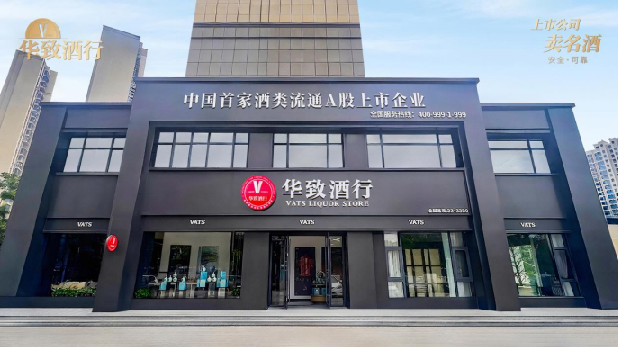
国家战略点名服务消费!华致酒行靠什么成为行业体验标杆?
Jing Ji Guan Cha Wang· 2025-12-24 04:33
Core Insights - The article emphasizes the transformation of service consumption as a national strategy, highlighting the importance of enhancing domestic demand and consumer experience in the context of China's economic policies [1][14] - The introduction of the "Service Consumption Nineteen Measures" by the Ministry of Commerce and other departments sets a clear direction for industries to innovate and create differentiated value through services [1][2] Industry Overview - The liquor distribution industry, facing inventory pressure and declining profits, is guided towards a new direction by focusing on service as a core value throughout the consumption chain [2] - As the only publicly listed liquor distribution company in A-shares, Huazhi Wine is aligning its strategy with the policy directive to cultivate service consumption brands [2] Consumer Experience Innovation - The policy encourages the cultivation of service consumption brands and the creation of service consumption hotspots, which aligns with Huazhi Wine's strategy of integrating high-end retail and liquor supply chain services [4] - Huazhi Wine recognizes that liquor serves not only as a beverage but also as a medium for social interaction and cultural exchange, thus enhancing the consumer experience [4][9] Business Model and Expansion - Huazhi Wine has accelerated the layout of its three business models: high-end retail, localized operations in lower-tier markets, and a new retail platform that combines online and offline services [5] - Since 2025, Huazhi Wine has rapidly expanded, adding 323 new stores nationwide, showcasing its growth strategy [5] Cultural Value Integration - The emphasis on exploring traditional cultural IP market value aligns with Huazhi Wine's efforts to modernize and promote Chinese culture through its products [8][11] - Huazhi Wine has successfully collaborated with international brands to create products that incorporate Chinese cultural symbols, enhancing its brand appeal [11] Digital Transformation - The policy encourages the expansion of digital service consumption, which Huazhi Wine is implementing through a data-driven approach to meet consumer demands [12][13] - Huazhi Wine's digital platform captures consumer trends and optimizes inventory management, ensuring efficient supply chain operations and enhancing customer service [13] Future Outlook - The ongoing policy support for expanding domestic demand and promoting high-quality service development will continue to drive the liquor industry towards a service-oriented transformation [14] - The key to success in the new retail liquor chain industry lies in understanding consumer needs and leveraging technology to provide high-quality services [14]

银泰证券研究所日报-20251224
Yintai Securities· 2025-12-24 02:06
Report Summary Core Views - Most institutions predict that the upward momentum of the market in 2026 will gradually shift from single valuation-driven to "profit + valuation" dual-driven. The 2026 economic policy will focus on encouraging consumption and optimizing consumption incentive policies, and may guide sustainable consumption areas such as service consumption. AI technology-related fields will continue to be the focus of the market, with consistent and long-term policy and growth expectations. [2] - The central bank conducted 59.3 billion yuan of 7-day pledged repurchase on the 23rd, with a net withdrawal of 76 billion yuan. The cross-year capital pressure is small this time, and the liquidity gap is small. The money market capital price is stable, and the OMO stock has dropped below 500 billion yuan, reaching a relatively low level this year. The current RMB exchange rate has generally appreciated significantly, and the offshore RMB exchange rate has continuously hit new highs this year, which is related to the depreciation of the US dollar and the short-term release of residents' foreign exchange settlement needs at the end of the year. The current monetary policy has a large space. [2] A-share Market - On the day, the A-share market generally rose. The Shanghai Composite Index rose slightly by 0.07%, the Shenzhen Component Index rose by 0.27%, and the total trading volume of the two markets was 1,899.841 billion yuan, an increase of 37.9 billion yuan from the previous trading day. The ChiNext Index rose by 0.41%, and the Science and Technology Innovation 50 Index rose by 0.36%. [3] - The total A-share market capitalization was 1.0726 quadrillion yuan, an increase of 2.14 trillion yuan from the beginning of the year. The cumulative trading volume this year was 4.078 quadrillion yuan, with an average daily trading volume of 1,720.667 billion yuan. [16] Global Markets - Internationally, the Australian and US stock markets performed prominently on the day, while European stocks showed mixed trends. The Russian RTS Index rose by 1.28%, the Australian S&P 200 Index rose by 1.1%, the Swiss SMI Index rose by 0.6%, and the Nasdaq Index rose by 0.57%. The top decliners included the Indonesia Composite Index, which fell by 0.71%, the Hang Seng Technology Index, which fell by 0.69%, the French CAC40 Index, which fell by 0.21%, and the Hang Seng Index, which fell by 0.11%. [3] Interest Rates and Exchange Rates - The yield of the 10-year Chinese government bond at maturity was 1.8355%, a change of -0.7BP. The average prices of interbank R001 and R007 on the day were 1.3542% and 1.5028% respectively. [3] - The US dollar index closed at 97.9093, a decline of 0.36%. The US dollar to offshore RMB exchange rate was 7.0194, and the offshore RMB appreciated by 119 basis points. [4] Industry Performance - In terms of sectors, power equipment, building materials, electronics, and non-ferrous metals led the gains, with increases of 1.12%, 0.88%, 0.58%, and 0.42% respectively. The top decliners were social services, beauty and personal care, commerce and retail, and national defense and military industry. [3] - The top three industries in terms of daily net inflow of funds were power equipment, basic chemicals, and machinery. The top three industries with net inflow of funds at the end of the day were power equipment, national defense and military industry, and non-ferrous metals. [24] - The top three themes in terms of gains and losses were lithium battery electrolyte, glass fiber, and liquid-cooled servers. [24]