
宏观经济

Search documents
广发早知道:汇总版-20251106
Guang Fa Qi Huo· 2025-11-06 05:36
Report Industry Investment Rating No relevant information provided. Core Viewpoints of the Report The report comprehensively analyzes various financial derivatives and commodity futures, including stock index futures, Treasury bond futures, precious metals, shipping index futures, and multiple metal and agricultural product futures. It provides market conditions, influencing factors, and operation suggestions for each category, highlighting market trends and potential investment opportunities and risks in different sectors. Summary by Directory Financial Derivatives - Financial Futures Stock Index Futures - Market condition: A-shares showed resilience, with major indices rebounding after an early decline. Most major contracts of the four stock index futures closed higher, and the basis discount of the main contracts widened. Power resource-related industries performed well, while technology sectors corrected [2][3]. - News: The State Council Tariff Commission adjusted tariff measures on US imports. Overseas, the Bank of Japan's meeting minutes indicated potential interest rate hikes [3][4]. - Capital: On November 5, the trading volume in the A-share market decreased slightly. The central bank conducted reverse repurchase operations, resulting in a net withdrawal of funds [4]. - Operation suggestion: With unclear market directions and cold trading sentiment, it is recommended to wait and see [4]. Treasury Bond Futures - Market performance: Most Treasury bond futures closed lower, with minor changes in the yields of major interest rate bonds in the interbank market [5]. - Capital: The central bank conducted reverse repurchase operations, resulting in a net withdrawal of funds. The interbank liquidity was loose, and the overnight repurchase rate remained stable [5][6]. - Operation suggestion: The upward trend of Treasury bond futures driven by the central bank's bond purchases has paused. It is recommended to buy on dips for the 10-year Treasury bond active bond 250016.IB and consider positive arbitrage strategies [6]. Financial Derivatives - Precious Metals - Market review: The US Supreme Court debated the legality of Trump's large-scale tariffs. US employment data improved slightly, and the government shutdown affected market liquidity [7][8]. - Market situation: Precious metals stopped falling and rebounded. Gold closed at $3,978.75 per ounce, up 1.21%, and silver closed above $48 per ounce, up 1.79% [9]. - Outlook: In the medium to long term, precious metals are expected to enter a bull market, but there may be a 2 - 3 month consolidation period after reaching new highs. Short-term gold is expected to trade between $3,900 - $4,030, and silver between $47 - $49 [9][10]. - Operation suggestion: Hold long positions at low levels and buy on dips [32]. Financial Derivatives - Shipping Index (European Route) - Spot price: As of November 4, the freight quotes for Shanghai - Europe routes varied among different shipping companies [11]. - Shipping index: As of November 3, the SCFIS European route index decreased, while the US West route index increased. As of October 31, the SCFI composite index increased [11]. - Fundamentals: As of November 4, the global container shipping capacity increased year-on-year. The eurozone's October composite PMI was 52.2, and the US October manufacturing PMI was 48.7 [11]. - Logic: The futures market oscillated upward, and the main contract is expected to fluctuate between 1,800 - 2,000 points [12]. - Operation suggestion: Buy on dips for the December contract in the short term [12]. Commodity Futures - Non-ferrous Metals Copper - Spot: As of November 5, the average price of electrolytic copper decreased, and the premium/discount showed mixed changes. Market sentiment was still cautious [12]. - Macro: The US dollar index strengthened, suppressing copper prices. The US October ISM manufacturing PMI was lower than expected, and the Trump tariff case was under review [13]. - Supply: The spot TC of copper concentrate remained low. In October, the production of electrolytic copper decreased, and it is expected to decline slightly in November [13]. - Demand: The downstream demand for copper showed strong resilience, with more purchase orders released after price corrections [14]. - Inventory: LME, COMEX, and domestic social inventories of copper increased [15]. - Logic: The short - term rise in copper prices may suppress demand, but the long - term supply - demand contradiction supports the upward movement of the price bottom. - Operation suggestion: Pay attention to the support at 84,000 and the resistance at 86,500 [16]. Aluminum Oxide - Spot: On November 5, the spot prices of aluminum oxide in different regions showed mixed trends, with a generally loose supply pattern and a weakening price [16]. - Supply: In October, the production of metallurgical - grade aluminum oxide increased year - on - year. The operating capacity decreased slightly, and it is expected to remain in a supply - surplus situation in November [17]. - Inventory: In October, the inventories of aluminum oxide at ports, factories, and electrolytic aluminum plants increased [17]. - Logic: The price of aluminum oxide is expected to remain weakly volatile, with the main contract trading between 2,750 - 2,900 yuan/ton [18]. - Operation suggestion: The main contract is expected to operate between 2,750 - 2,900 yuan/ton [18][19]. Aluminum - Spot: On November 5, the average price of A00 aluminum decreased, and the premium/discount also declined, with limited actual transactions [20]. - Supply: In October, domestic electrolytic aluminum production increased slightly year - on - year and month - on - month. The aluminum - water ratio increased, and the operating capacity remained stable. It is expected that the daily output of aluminum ingots may decline slightly in November [20]. - Demand: In the traditional peak season, the weekly operating rates of downstream aluminum processing products declined [20]. - Inventory: Domestic social inventories of aluminum ingots increased, while LME inventories decreased [21]. - Logic: The short - term price of aluminum will fluctuate between event - driven factors and weak fundamentals. Pay attention to the resistance at 21,500 yuan/ton [22]. - Operation suggestion: The main contract is expected to operate between 20,800 - 21,600 yuan/ton [23]. Aluminum Alloy - Spot: On November 5, the average price of aluminum alloy ADC12 decreased, with weak spot trading [23]. - Supply: In September, the production of recycled aluminum alloy ingots increased, and the operating rate rose. It is expected that the operating rate will remain stable in October [23]. - Demand: In October, demand showed a mild recovery, but the transmission of terminal demand was not smooth, and high prices suppressed purchasing willingness [24]. - Inventory: In October, the social inventory of aluminum alloy increased slightly, and the registered warehouse receipts increased [24]. - Logic: The price of ADC12 is expected to remain strongly volatile, with the main contract trading between 20,400 - 21,000 yuan/ton [25][26]. - Operation suggestion: The main contract is expected to operate between 20,400 - 21,000 yuan/ton. Consider arbitrage strategies [26]. Zinc - Spot: On November 5, the average price of zinc ingots decreased, and downstream procurement was mainly for rigid demand [26]. - Supply: The processing fees of domestic and imported zinc concentrates decreased. From January to October, the cumulative production of refined zinc increased. It is expected that the processing fees will continue to decline in November [27]. - Demand: The operating rates of primary zinc processing industries were generally stable, and overall demand showed no significant improvement [28]. - Inventory: Domestic social inventories of zinc decreased, while LME inventories remained stable [28]. - Logic: Zinc prices are expected to be volatile and strong in the short term, but the fundamentals may limit further upward movement. It may continue to trade within a range [29]. - Operation suggestion: The main contract is expected to operate between 22,300 - 23,000 yuan/ton [29]. Tin - Spot: On November 5, the price of tin decreased, and the spot premium remained unchanged. The market transaction improved slightly [29]. - Supply: In September, domestic tin ore imports decreased, and tin ingot imports also declined. The supply from Myanmar showed signs of improvement [30]. - Demand: The demand for tin remained weak, with a decline in orders in the solder industry. Although some new fields drove tin consumption, it was not enough to make up for the shortfall [31][32]. - Inventory: LME inventories increased, while domestic social inventories decreased [31]. - Logic: Considering the strong fundamentals, it is recommended to hold long positions at low levels and buy on dips. Pay attention to the supply recovery in Myanmar [32]. - Operation suggestion: Hold long positions at low levels and buy on dips [32]. Nickel - Spot: As of November 5, the average price of electrolytic nickel decreased, and the import price also declined [32]. - Supply: In the capacity expansion cycle, the production of refined nickel decreased slightly in October but remained at a high level [33]. - Demand: The demand from electroplating and alloy industries was stable, while the demand from stainless steel was average. The demand for nickel sulfate showed signs of improvement in the short term but faced challenges in the medium term [33]. - Inventory: LME inventories remained high, while domestic social inventories decreased slightly, and bonded area inventories declined [33]. - Logic: The nickel market is expected to remain weakly volatile, with the main contract trading between 118,000 - 124,000 yuan/ton. Pay attention to macro - level changes and Indonesian policies [34]. - Operation suggestion: The main contract is expected to operate between 118,000 - 124,000 yuan/ton [34][35]. Stainless Steel - Spot: As of November 5, the prices of 304 cold - rolled stainless steel in Wuxi and Foshan showed different trends, and the basis increased [36]. - Raw materials: The price of nickel ore remained firm, while the price of nickel iron decreased. The chromium iron market was weak, and the cost support declined [36]. - Supply: In September and October, the production of stainless steel increased. The production of the 300 - series remained at a high level [37]. - Inventory: Social inventories decreased slightly, and the number of warehouse receipts declined [37]. - Logic: The stainless steel market is expected to remain weakly volatile, with the main contract trading between 12,500 - 13,000 yuan/ton. Pay attention to macro - level changes and steel mill supply [38]. - Operation suggestion: The main contract is expected to operate between 12,500 - 13,000 yuan/ton [38][39]. Lithium Carbonate - Spot: As of November 5, the prices of battery - grade and industrial - grade lithium carbonate decreased, and the trading volume was weak [39]. - Supply: In October, the production of lithium carbonate increased. Recently, the output of lithium carbonate from spodumene decreased slightly, while that from mica remained stable [40][42]. - Demand: The overall demand was optimistic, with an increase in production schedules in the iron - lithium and ternary sectors. Pay attention to the demand after November [40][42]. - Inventory: The overall inventory decreased, with a reduction in smelter and downstream inventories [41]. - Logic: The short - term fundamentals support the price, but the trading logic has shifted. The price is expected to fluctuate between 78,000 - 82,000 yuan/ton [42]. - Operation suggestion: The main contract is expected to operate between 78,000 - 82,000 yuan/ton [42][43]. Commodity Futures - Black Metals Steel - Spot: The spot price of steel was weak, and the basis strengthened [43]. - Cost and profit: The cost of iron elements had weak support, while the cost of carbon elements had support. Profits from high to low were billet > hot - rolled coil > rebar > cold - rolled coil [43]. - Supply: From January to September, the production of iron elements increased. In October, the growth rate slowed down, and the output of the five major steel products increased slightly [43]. - Demand: Domestic demand expectations were weak, while exports remained high. The apparent demand for steel increased [44]. - Inventory: The inventory of the five major steel products decreased, and it is expected that the inventory center will increase year - on - year but decrease month - on - month [44]. - Viewpoint: The 1 - month contract has a loose supply of iron elements. It is recommended to hold the strategy of going long on coking coal and short on hot - rolled coils [44]. Iron Ore - Spot: As of November 5, the prices of mainstream iron ore powders decreased [46]. - Futures: The main contract of iron ore increased slightly, while the far - month contract decreased. The 1 - 5 spread widened [47]. - Basis: The basis of different iron ore varieties was positive [48]. - Demand: The daily consumption of imported iron ore decreased, and the profitability of steel mills declined [49]. - Supply: Global iron ore shipments decreased, while the arrivals at 45 ports increased significantly [50]. - Inventory: Port inventories increased, the daily port clearance volume increased, and steel mill inventories decreased [51]. - Viewpoint: The iron ore market is expected to be weakly volatile. It is recommended to wait and see on a single - side basis and consider the strategy of going long on coking coal and short on iron ore [52]. Coking Coal - Spot and futures: As of November 5, coking coal futures rebounded, and the prices of Shanxi and Mongolian coking coal were strong [53]. - Supply: The production of coking coal increased slightly, and the inventory decreased [54]. - Demand: The production of coke increased slightly, while the iron - making output decreased significantly. The demand for coking coal from steel mills weakened [55]. - Inventory: The overall inventory of coking coal decreased slightly, with inventory reductions in mines, ports, and washing plants, and inventory increases in coking plants and steel mills [55]. - Viewpoint: It is recommended to go long on coking coal 2601 on dips and consider the strategy of going long on coking coal and short on coke [55]. Coke - Spot and futures: As of November 5, coke futures rebounded, and the third round of price increases by mainstream coke enterprises was implemented [56]. - Profit: The average profit per ton of coke for independent coking plants was negative, but the loss narrowed after the price increase [56]. - Supply: The price of coking coal increased, providing cost support for coke. The production of coke increased slightly [57]. - Demand: Due to environmental restrictions, the iron - making output decreased, and the demand for coke from steel mills was suppressed [57]. - Inventory: The overall inventory of coke increased slightly, with inventory increases in coking plants and ports and inventory decreases in steel mills [57]. - Viewpoint: It is recommended to go long on coke 2601 on dips and consider the strategy of going long on coking coal and short on coke [58]. Commodity Futures - Agricultural Products Meal - Spot market: On November 5, the prices of domestic soybean meal and rapeseed meal increased, and the trading volume of soybean meal increased [59]. - Fundamentals: The State Council adjusted tariff measures on US imports. Bangladesh agreed to purchase US soybeans, and the estimated soybean yield in the US was adjusted [59][60]. - Market outlook: The adjustment of tariffs on US imports boosted the prices of US soybeans and domestic futures. The cost support for domestic soybean meal has increased [60][61]. Live Pigs - Spot: The spot price of live pigs was weak, with a decline in prices in various regions [62]. - Market data: The profit of live pig breeding decreased, and the average slaughter weight decreased slightly [62]. - Market outlook: The market supply is loose, and the pig price is expected to be weakly volatile. It is recommended to hold the 3 - 7 reverse spread and operate with caution [63]. Corn - Spot price: On November 5, the prices of corn in Northeast China and North China showed different trends, with light market transactions [64]. - Fundamentals: The grain inventory in Guangzhou Port decreased slightly, while the corn inventory increased [64]. - Market outlook: The supply pressure remains, and the upward movement of the corn price is limited [64].
有色金属数据日报-20251106
Guo Mao Qi Huo· 2025-11-06 05:20
Report Summary 1. Report Industry Investment Rating No information provided on the industry investment rating in the report. 2. Core Viewpoints - The macro - environment has mixed impacts on the non - ferrous metals sector. The US economic data shows signs of weakness, but the market risk appetite has recovered to some extent. The short - term price trends of different non - ferrous metals vary, with some facing downward pressure and others showing a tendency to fluctuate strongly or at a high level [1]. 3. Summary by Related Catalogs 3.1 Futures and Spot Prices - **LME (USD/ton)**: The prices of lead, zinc, nickel, tin, and copper all decreased, with lead down 2.5%, zinc down 0.25%, nickel down 0.2%, tin down 0.7%, and copper down 1.43% in spot prices. The 15:00 futures prices also mostly decreased, such as lead down 1.92%, zinc down 1.47%, etc. [1] - **SHFE (CNY/ton)**: The prices of zinc, aluminum, lead, and tin all decreased, with zinc down 0.49%, aluminum down 0.88%, lead down 0.93%, and tin down 1.44% in spot prices. The futures prices also showed different degrees of decline [1]. 3.2 Inventory Indicators - **LME (tons)**: The copper inventory increased by 0.06%, zinc inventory increased by 0.52%, nickel inventory increased by 0.15%, and tin inventory increased by 2.8%. [1] - **SHFE (tons)**: The copper inventory increased by 10.83%, zinc inventory decreased by 5.27%, aluminum inventory decreased by 3.89%, lead inventory increased by 1.87%, and tin inventory increased by 2.65% [1]. 3.3 Ascending and Descending Premium Indicators - **LME (USD/ton)**: The copper premium decreased by 4.75, zinc premium increased by 8.07, aluminum premium decreased by 2.52, and nickel premium decreased by 2.17 [1]. - **SHFE (CNY/ton)**: The copper premium increased by 25, zinc premium decreased by 30, and lead premium decreased by 10 [1]. 3.4 Price Ratio and Spread Indicators - **Price Ratio**: The copper, aluminum, and tin price ratios decreased, while the zinc and nickel price ratios increased. For example, the copper price ratio decreased by 0.32%, and the zinc price ratio increased by 1.46% [1]. - **Spread**: The copper spread decreased by 20, zinc spread decreased by 10, aluminum spread increased by 20, and tin spread increased by 90 [1]. 3.5 Operation Strategies - **Copper**: Although the market risk appetite has recovered, the copper price is under downward pressure due to factors such as the digestion of positive sentiment and the rise of the US dollar index, but the downward space is expected to be limited [1]. - **Aluminum**: The industrial - side driving force is limited, but the macro - environment still provides support, and the short - term price is expected to fluctuate strongly [1]. - **Zinc**: The external market still has the risk of a short squeeze. The short - term price is expected to fluctuate at a high level, and the internal - external price ratio is expected to remain low in the short term [1]. - **Nickel**: The short - term nickel price may fluctuate at the bottom. It is recommended to operate within a range in the short term, and pay attention to the macro - environment and the situation of Indonesian ore in the fourth quarter [1].
《有色》日报-20251106
Guang Fa Qi Huo· 2025-11-06 02:15
Report Industry Investment Ratings No relevant content provided. Core Views Copper - Overseas liquidity is tight, and the strong US dollar index suppresses copper prices. After the reduction of interest rates and tariffs, the market may enter a macro "vacuum period" in November. The next macro nodes may be the December FOMC meeting, the domestic Politburo meeting, and the Central Economic Work Conference. Pay attention to the Fed's interest - rate cut rhythm and Sino - US tariff situation. - The supply of copper ore remains tight, and the spot TC of copper ore stays at a low level. If the prices of by - products such as sulfuric acid continue to fall, there may be a phased reduction in smelting production. The downstream's psychological price ceiling for copper prices gradually moves up. The downstream demand for copper is resilient, and there are still many purchase orders after price declines. In the long - term, the supply - demand contradiction supports the upward movement of the copper price's bottom center [1]. Aluminum - Alumina prices are expected to remain weakly volatile, with the main contract reference range of 2750 - 2900 yuan/ton. The supply pressure is not substantially relieved, the demand is weak, and the cost support is gradually shifting down. Pay attention to the supply recovery progress of Guinea's bauxite, the impact of domestic environmental policies on production, and the inventory depletion rhythm. - Aluminum prices are expected to fluctuate between event - driven factors and weak reality in the short - term. The 21500 yuan/ton pressure level is crucial. If the inventory continues to accumulate, there is a risk of price correction to the 20500 - 20800 yuan/ton range [3]. Aluminum Alloy - The casting aluminum alloy market followed the aluminum price to rise and then fall. The supply of raw materials is tight, and the demand shows a mild recovery. The ADC12 price is expected to maintain a relatively strong volatile trend, with the main contract reference range of 20400 - 21000 yuan/ton. Pay attention to the supply of scrap aluminum, procurement costs, and inventory depletion [4]. Zinc - Against the background of concerns about LME zinc squeezing, Shanghai zinc oscillated at a high level. The supply of zinc is generally loose, but the subsequent production increase may be limited. The demand has no extraordinary performance, and the LME's low inventory causes squeezing risks, which support zinc prices. Zinc prices are expected to be volatile and relatively strong in the short - term, with the main reference range of 22300 - 23000 [7]. Tin - The supply of tin ore remains tight, and the improvement of supply within the year is limited. The demand is weak, and the contribution of new fields such as AI and photovoltaics is small. Considering the strong fundamentals, a strategy of buying on dips is recommended. Pay attention to macro - level changes and the supply recovery in Myanmar in the fourth quarter [9]. Nickel - The nickel market is in a weak and volatile state. The macro - sentiment is weak, and the supply of nickel ore from the Philippines is affected by the rainy season and typhoons, while that from Indonesia is relatively loose. The demand for stainless steel is weak, and the demand for ternary materials has limited sustainability. Nickel prices are expected to fluctuate within a range, with the main reference range of 118000 - 124000 [11]. Stainless Steel - The stainless - steel market is running weakly. The supply pressure still exists, the demand is not significantly boosted, and the social inventory is slowly decreasing. The short - term market is expected to be weakly volatile, with the main operating range of 12500 - 13000. Pay attention to macro - expectations and steel supply [13]. Lithium Carbonate - The lithium carbonate market is weakly volatile. Although the short - term fundamentals are strong, the trading logic has switched, and the news and capital drives are stronger. The price is expected to fluctuate and adjust, with the main reference range of 78000 - 82000 yuan [15]. Summaries by Related Catalogs Copper - **Price and Basis**: SMM 1 electrolytic copper price decreased by 1.45% to 85335 yuan/ton, and the premium increased by 25 yuan/ton. The premiums of other copper types also changed to varying degrees. The refined - scrap price difference increased by 3.20%, and the import profit and loss improved by 163.21 yuan/ton. - **Monthly Spread**: The spread between 2511 - 2512 increased by 20 yuan/ton, and the spread between 2512 - 2601 decreased by 50 yuan/ton. - **Fundamental Data**: In October, the electrolytic copper production decreased by 2.94 million tons (-2.62%), and in September, the import volume increased by 7 million tons (26.50%). The inventory of copper concentrates at domestic ports decreased by 7.67%, and the social inventory increased by 8.46% [1]. Aluminum - **Price and Spread**: SMM A00 aluminum price decreased by 0.65% to 21300 yuan/ton, and the premium decreased by 10 yuan/ton. The prices of different regions of alumina showed different trends, with some remaining stable and some decreasing. - **Monthly Spread**: The spread between 2511 - 2512 increased by 5 yuan/ton, and the spread between 2512 - 2601 increased by 170 yuan/ton. - **Fundamental Data**: In October, the alumina production increased by 2.39%, the electrolytic aluminum production increased by 3.52%, and in September, the import volume increased by 13.57%. The开工 rates of various aluminum products decreased to varying degrees, and the social inventory of electrolytic aluminum increased slightly [3]. Aluminum Alloy - **Price and Spread**: The prices of SMM aluminum alloy ADC12 and its regional varieties decreased, with the decline ranging from 0.23% to 0.47%. The refined - scrap price differences in different regions decreased. - **Monthly Spread**: The spread between 2511 - 2512 decreased by 10 yuan/ton, and the spread between 2512 - 2601 increased by 35 yuan/ton. - **Fundamental Data**: In September, the production of recycled aluminum alloy ingots decreased by 2.42%, and the production of primary aluminum alloy ingots increased by 1.06%. The开工 rates of recycled aluminum alloy decreased, while that of primary aluminum alloy increased slightly. The social inventory of recycled aluminum alloy ingots increased slightly [4]. Zinc - **Price and Spread**: SMM 0 zinc ingot price decreased by 0.35% to 22500 yuan/ton, and the premium increased by 15 yuan/ton. The import profit and loss improved by 21.34 yuan/ton. - **Monthly Spread**: The spread between 2511 - 2512 decreased by 5 yuan/ton, and the spread between 2512 - 2601 decreased by 10 yuan/ton. - **Fundamental Data**: In October, the refined zinc production increased by 2.85%, and in September, the import volume decreased by 11.61%, while the export volume increased by 696.78%. The开工 rates of galvanizing and zinc oxide increased slightly, while that of die - casting zinc alloy decreased slightly. The seven - region social inventory of zinc ingots in China decreased by 1.10% [7]. Tin - **Spot Price and Basis**: SMM 1 tin price decreased by 1.44% to 281300 yuan/ton, and the premium remained unchanged. The LME 0 - 3 premium decreased by 12.16%. - **Internal - External Ratio and Import Profit and Loss**: The import loss decreased by 0.34%, and the Shanghai - London ratio remained unchanged. - **Monthly Spread**: The spread between 2511 - 2512 increased by 280 yuan/ton, and the spread between 2512 - 2601 increased by 230 yuan/ton. - **Fundamental Data**: In September, the tin ore import decreased by 15.13%, and the refined tin production decreased by 31.71%. The SHEF inventory increased by 2.65%, and the social inventory decreased by 2.11% [9]. Nickel - **Price and Basis**: SMM 1 electrolytic nickel price decreased by 0.70% to 120950 yuan/ton, and the premium of 1 Jinchuan nickel increased by 200 yuan/ton. The import profit and loss improved by 6.68%. - **Electrolytic Nickel Cost**: The costs of different production methods of electrolytic nickel decreased to varying degrees. - **New Energy Material Prices**: The price of battery - grade nickel sulfate decreased slightly, while the price of battery - grade lithium carbonate increased by 0.32%. - **Monthly Spread**: The spread between 2512 - 2601 increased by 40 yuan/ton, and the spread between 2601 - 2602 increased by 50 yuan/ton. - **Supply - Demand and Inventory**: In October, China's refined nickel production increased by 0.84%, and the import volume increased by 124.36%. The SHFE inventory increased by 1.87%, and the social inventory decreased by 1.48% [11]. Stainless Steel - **Price and Basis**: The prices of 304/2B stainless steel in Wuxi and Foshan showed different trends, with the Foshan price decreasing by 0.78%. The futures - spot price difference increased by 2.35%. - **Raw Material Price**: The prices of most raw materials remained stable, with the price of 8 - 12% high - nickel pig iron decreasing by 0.22%. - **Monthly Spread**: The spread between 2512 - 2601 increased by 25 yuan/ton, and the spread between 2601 - 2602 increased by 5 yuan/ton. - **Fundamental Data**: In October, the production of 300 - series stainless steel in China and Indonesia increased slightly. The import volume increased by 2.70%, and the export volume decreased by 6.55%. The 300 - series social inventory decreased by 0.55% [13]. Lithium Carbonate - **Price and Basis**: The prices of SMM battery - grade and industrial - grade lithium carbonate decreased, and the prices of CIF battery - grade lithium carbonate and lithium hydroxide in China, Japan, and South Korea also decreased. The lithium - spodumene concentrate price decreased by 1.18%. - **Monthly Spread**: The spread between 2511 - 2512 increased by 180 yuan/ton, and the spread between 2511 - 2601 increased by 260 yuan/ton. - **Fundamental Data**: In October, the production of lithium carbonate increased by 5.73%, the demand increased by 8.70%, and the total inventory decreased by 10.90%. The capacity increased by 0.80%, and the开工 rate increased by 1.82% [15].
中国期货每日简报-20251106
Zhong Xin Qi Huo· 2025-11-06 02:12
Report Industry Investment Rating - Not provided in the content Core Viewpoints - On November 5, most equity indices rose while CGB futures fell; more commodities fell, with metals continuing relatively weak performances [11][14] - The top three gainers in China's commodity futures are SCFIS(Europe), egg, and rapeseed meal, while the top three decliners are poly-silicon, fiberboard, and bitumen [12][13] - Most equity indices in China's financial futures rose, and CGB futures fell [14] Summary by Directory 1. China Futures 1.1 Overview - On November 5, most equity indices rose while CGB futures fell; more commodities fell, with metals continuing relatively weak performances [11][14] - The top three gainers in China's commodity futures are SCFIS(Europe) (up 4.1% with open interest up 10.2% month-on-month), egg (up 1.9% with open interest up 4.7% month-on-month), and rapeseed meal (up 1.6% with open interest up 8.7% month-on-month) [12] - The top three decliners in China's commodity futures are poly-silicon (down 2.4% with open interest down 3.0% month-on-month), fiberboard (down 1.8% with open interest up 3.4% month-on-month), and bitumen (down 1.6% with open interest down 1.7% month-on-month) [13] - Most equity indices in China's financial futures rose, with IM increasing by 0.8% and IC increasing by 0.5%; CGB futures fell, among which TL fell by 0.1% [14] 1.2 Daily Raise 1.2.1 Live Hog - On November 5, live hog increased by 1.6% to 11945 yuan/ton. In the fourth quarter, it is still in the period of high-capacity fulfillment. Anti-involution policies continue, and breeding profits remain in a state of loss, which is conducive to capacity reduction in the fourth quarter [19][22] - On the supply side, in the short term, the utilization rate of secondary fattening pens has increased, but the rebound in hog prices has restrained the sentiment toward secondary fattening; leading hog enterprises have maintained a relatively fast pace of hog sales. In the medium term, the national capacity of sows capable of reproduction remained at a high level in the first half of 2025, and the number of new piglets born from January to September continued to increase month-on-month. In the long term, the capacity of sows capable of reproduction has begun to show signs of reduction [20] - On the demand side, as temperatures drop, the price ratio of fattened hogs has increased slightly. In terms of inventory, leading hog enterprises are actively selling hogs, resulting in a decline in the average weight of hogs sold; the sentiment toward restocking for secondary fattening has weakened to some extent [21] 1.2 Daily Drop 1.2.1 Iron Ore - On November 5, iron ore decreased by 0.3% to 776 yuan/ton. The fundamentals are marginally weakening, while disturbances from domestic and international macro factors as well as policy expectations still exist. Prices are expected to fluctuate in the short term [27][31] - On the supply side, the shipment volume of overseas iron ore mines has decreased month-on-month, while the arrival volume at ports has increased significantly. Recently, there are still hurricanes forming in Southeast Asia, which may disrupt the rhythm of shipment and arrival at ports [28] - On the demand side, the average daily output of sampled molten iron has dropped significantly. Tangshan region has been obviously affected by environmental protection-related production restrictions, and some steel mills have begun annual maintenance of blast furnaces due to profit factors. The peak demand season is gradually coming to an end, which may limit the room for molten iron output to recover [29] - In terms of inventory, steel mills have reduced spot purchases, leading to a decline in their imported iron ore inventories. Meanwhile, port inventories have accumulated significantly, and the pressure on fundamentals has increased to some extent [30] 1.2.2 Steel Rebar - On November 5, steel rebar decreased by 1.2% to 3024 yuan/ton. Inventory levels remain relatively high year-on-year. After the short-term cooling of macro sentiment, the market is expected to face downward pressure for adjustment. Attention should be paid to disturbances from macro policies and iron ore supply [36][40] - On the supply side, recently, steel mills' profit margins have improved marginally. However, affected by environmental protection-related production restrictions and the increase in seasonal maintenance of steel mills, molten iron output has declined from a high level. Some steel mills have resumed production of rolling lines, leading to a continued increase in the output of the five major steel products, among which the output of construction steel has increased significantly [37] - On the demand side, the apparent demand for steel rebar is acceptable. The destocking speed of steel products has accelerated, and the fundamentals have continued to improve. Nevertheless, the situation where inventory levels are relatively high year-on-year remains unchanged. As the peak demand season for steel rebar is drawing to a close, the demand outlook remains relatively cautious [38][39] 2. China News 2.1 Macro News - Starting from 13:01 on November 10, 2025, the additional 24% tariff rate on imports from the United States will be suspended for another year, and the 10% additional tariff rate on imports from the United States will be retained [45][46] - On November 5, Li Qiang, Premier of the State Council, attended the opening ceremony of the 8th China International Import Expo and the Hongqiao International Economic Forum in Shanghai and delivered a keynote speech [46] - The EU will investigate Anglo American's plan to sell its nickel mining business to MMG. China supports Chinese companies in conducting practical cooperation under the principle of mutual benefit and hopes relevant parties will honor the commitment to openness [46] 2.2 Industry News - In the first three quarters of 2025, the average daily turnover of the northbound Shanghai-Shenzhen Stock Connect and the southbound Hong Kong Stock Connect reached RMB 206.4 billion and HKD 125.9 billion respectively, up 67% and 229% YoY respectively [47]
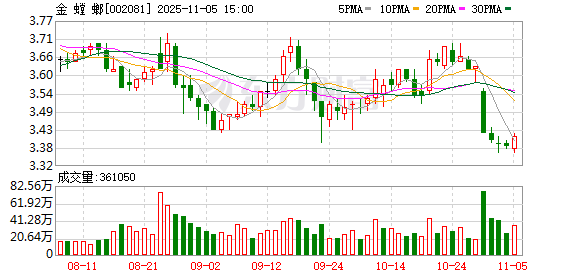
金螳螂:公司股价短期波动受宏观经济等多重因素共同影响
Zheng Quan Ri Bao· 2025-11-05 09:09
Group 1 - The company's stock price short-term fluctuations are influenced by multiple factors including macroeconomic conditions, industry cycles, and market sentiment [2] - Some institutional investors' trading behaviors are based on their independent strategies, and the core shareholder structure of the company remains stable [2] - Changes in the shareholder structure do not reflect a fundamental change in the company's intrinsic value [2]


广发期货《有色》日报-20251105
Guang Fa Qi Huo· 2025-11-05 05:04
Group 1: Report Industry Investment Ratings - No relevant information provided Group 2: Core Views of the Report Copper - Overseas liquidity is tight, the US dollar index is strong, and copper prices weakened yesterday. In the medium - long term, supply - demand contradictions support the upward shift of the bottom center of copper prices, but short - term rapid increases suppress demand. The support for the main contract is at 84000 - 85000 [1]. Aluminum - Alumina prices are expected to remain weakly volatile, with the main contract reference range of 2750 - 2900 yuan/ton. Aluminum prices will likely fluctuate between event - driven factors and weak fundamentals in the short term, and there is a risk of a callback to 20500 - 20800 yuan/ton if inventory accumulates [4]. Aluminum Alloy - ADC12 prices are expected to maintain a relatively strong oscillating trend, with the main contract reference range of 20400 - 21000 yuan/ton [6]. Zinc - Zinc prices will show a short - term oscillating and strengthening trend, but the fundamentals provide limited elasticity for the continuous upward movement of Shanghai zinc. It may maintain range - bound oscillations, with the main contract reference range of 22300 - 23000 [8]. Tin - Considering the strong fundamentals, a strategy of buying on dips is recommended. If the supply from Myanmar recovers smoothly, tin prices may weaken; otherwise, they are expected to continue the strong trend [11]. Nickel - The nickel market is expected to oscillate within a range, with the main contract reference range of 118000 - 126000. Attention should be paid to macro - expectations and Indonesian industrial policies [13]. Stainless Steel - The stainless - steel market is expected to remain weakly volatile in the short term, with the main contract reference range of 12500 - 13000. Attention should be paid to macro - expectations and steel mill supply [15]. Lithium Carbonate - Lithium carbonate prices are expected to be weakly adjusted, with the main contract reference range of 76000 - 82000 yuan/ton [17]. Group 3: Summary by Relevant Catalogs Copper - **Price and Basis**: SMM 1 electrolytic copper was at 86590 yuan/ton, down 0.29% from the previous day. The import profit and loss was - 685 yuan/ton, up 186.69 yuan/ton from the previous day [1]. - **Monthly Spread**: The 2512 - 2601 spread was 30 yuan/ton, up 110 yuan/ton from the previous day [1]. - **Fundamental Data**: In October, electrolytic copper production was 109.16 million tons, down 2.62% month - on - month; in September, imports were 33.43 million tons, up 26.50% month - on - month [1]. Aluminum - **Price and Spread**: SMM A00 aluminum was at 21440 yuan/ton, with no change from the previous day. The import profit and loss was - 2608 yuan/ton, down 2.8 yuan/ton from the previous day [4]. - **Monthly Spread**: The 2511 - 2512 spread was - 35 yuan/ton, down 30 yuan/ton from the previous day [4]. - **Fundamental Data**: In October, alumina production was 778.53 million tons, up 2.39% month - on - month; electrolytic aluminum production was 374.21 million tons, up 3.52% month - on - month [4]. Aluminum Alloy - **Price and Spread**: SMM aluminum alloy ADC12 was at 21400 yuan/ton, with no change from the previous day. The 2511 - 2512 spread was - 115 yuan/ton, down 65 yuan/ton from the previous day [6]. - **Fundamental Data**: In September, the production of recycled aluminum alloy ingots was 66.10 million tons, up 7.48% month - on - month; the production of primary aluminum alloy ingots was 28.30 million tons, up 4.43% month - on - month [6]. Zinc - **Price and Spread**: SMM 0 zinc ingot was at 22580 yuan/ton, up 1.03% from the previous day. The import profit and loss was - 4758 yuan/ton, down 276.57 yuan/ton from the previous day [8]. - **Monthly Spread**: The 2511 - 2512 spread was - 55 yuan/ton, down 5 yuan/ton from the previous day [8]. - **Fundamental Data**: In October, refined zinc production was 61.72 million tons, up 2.85% month - on - month; in September, imports were 2.27 million tons, down 11.61% month - on - month [8]. Tin - **Spot Price and Basis**: SMM 1 tin was at 285400 yuan/ton, with no change from the previous day. The LME 0 - 3 premium was 74.00 dollars/ton, up 85.00% from the previous day [11]. - **Monthly Spread**: The 2511 - 2512 spread was - 310 yuan/ton, down 66.07% from the previous day [11]. - **Fundamental Data**: In September, tin ore imports were 8714 tons, down 15.13% month - on - month; SMM refined tin production was 10510 tons, down 31.71% month - on - month [11]. Nickel - **Price and Basis**: SMM 1 electrolytic nickel was at 121800 yuan/ton, down 0.16% from the previous day. The LME 0 - 3 was - 212 dollars/ton, down 3.25% from the previous day [13]. - **Monthly Spread**: The 2512 - 2601 spread was - 240 yuan/ton, down 10 yuan/ton from the previous day [13]. - **Supply and Inventory**: In October, China's refined nickel production was 35900 tons, up 0.84% month - on - month; imports were 38164 tons, up 124.36% month - on - month [13]. Stainless Steel - **Price and Basis**: 304/2B (Wuxi Hongwang 2.0 roll) was at 12800 yuan/ton, with no change from the previous day. The futures - spot price difference was 425 yuan/ton, up 25.00% from the previous day [15]. - **Monthly Spread**: The 2512 - 2601 spread was - 65 yuan/ton, down 10 yuan/ton from the previous day [15]. - **Fundamental Data**: In October, China's 300 - series stainless - steel crude steel production (43 companies) was 182.17 million tons, up 0.38% month - on - month; Indonesia's 300 - series stainless - steel crude steel production (Qinglong) was 42.35 million tons, up 0.36% month - on - month [15]. Lithium Carbonate - **Price and Basis**: SMM battery - grade lithium carbonate was at 80608 yuan/ton, down 0.12% from the previous day. The basis (SMM battery - grade lithium carbonate benchmark) was 280 yuan/ton, down 83.53% from the previous day [17]. - **Monthly Spread**: The 2511 - 2512 spread was - 1480 yuan/ton, down 60 yuan/ton from the previous day [17]. - **Fundamental Data**: In October, lithium carbonate production was 92260 tons, up 5.73% month - on - month; demand was 126961 tons, up 8.70% month - on - month [17].
《有色》日报-20251105
Guang Fa Qi Huo· 2025-11-05 03:32
1. Report Industry Investment Ratings No relevant information provided. 2. Core Views Copper - Overseas market liquidity is tightening, and the US dollar index is strong, suppressing copper prices. In the long - term, the supply - demand contradiction supports the upward movement of the copper price bottom, but short - term rapid increases may inhibit demand. The subsequent focus is on demand changes and overseas liquidity, with the main contract supported at 84000 - 85000 [1]. Aluminum - Alumina prices are expected to remain weakly volatile, with the main contract ranging from 2750 - 2900 yuan/ton. Aluminum prices will fluctuate between event - driven factors and weak fundamentals in the short term, and there is a risk of correction if inventories continue to accumulate [4]. Aluminum Alloy - The ADC12 price is expected to maintain a relatively strong volatile trend, with the main contract ranging from 20400 - 21000 yuan/ton. Attention should be paid to scrap aluminum supply, procurement costs, and inventory reduction [6]. Zinc - Against the background of concerns about LME zinc squeezing, Shanghai zinc oscillated at a high level. In the short term, zinc prices will be oscillating and relatively strong, but the fundamentals may limit the upward space, with the main contract ranging from 22300 - 23000 [8]. Tin - Tin supply is tight, and demand is weak. With a strong fundamental outlook, a strategy of buying on dips is recommended. Future trends depend on macro - level changes and the supply recovery in Myanmar [11]. Nickel - Macro sentiment is stable, and cost has some support, but the overall fundamentals are flat. In the medium - term, the supply is expected to be loose, restricting the upward space of prices. The main contract is expected to oscillate in the range of 118000 - 126000 [13]. Stainless Steel - Policy and macro - level driving forces are weakening, and the fundamentals have not improved significantly. The short - term market is expected to be weakly volatile, with the main contract ranging from 12500 - 13000 [15]. Lithium Carbonate - The short - term strong fundamentals support the price, but the trading logic has switched recently. The price is expected to be weakly adjusted, with the main contract ranging from 76000 - 82000 [17]. 3. Summary by Directory Copper Price and Basis - SMM 1 electrolytic copper price was 86590 yuan/ton, down 0.29% from the previous day. The import profit and loss was - 685 yuan/ton, up 186.69 yuan/ton from the previous day [1]. Monthly Spread - The 2512 - 2601 spread was 30 yuan/ton, up 110 yuan/ton from the previous day [1]. Fundamental Data - In October, electrolytic copper production was 109.16 million tons, down 2.62% month - on - month. In September, imports were 33.43 million tons, up 26.50% month - on - month [1]. Aluminum Price and Spread - SMM A00 aluminum price was 21440 yuan/ton, unchanged from the previous day. The import profit and loss was - 2608 yuan/ton, down 2.8 yuan/ton from the previous day [4]. Monthly Spread - The 2511 - 2512 spread was - 35 yuan/ton, down 30 yuan/ton from the previous day [4]. Fundamental Data - In October, alumina production was 778.53 million tons, up 2.39% month - on - month, and electrolytic aluminum production was 374.21 million tons, up 3.52% month - on - month [4]. Aluminum Alloy Price and Spread - SMM aluminum alloy ADC12 price was 21400 yuan/ton, unchanged from the previous day. The scrap - to - refined price difference in Foshan for broken primary aluminum was 1789 yuan/ton, up 0.56% from the previous day [6]. Monthly Spread - The 2511 - 2512 spread was - 115 yuan/ton, down 50 yuan/ton from the previous day [6]. Fundamental Data - In September, recycled aluminum alloy ingot production was 66.10 million tons, up 7.48% month - on - month [6]. Zinc Price and Spread - SMM 0 zinc ingot price was 22580 yuan/ton, up 1.03% from the previous day. The import profit and loss was - 4758 yuan/ton, down 276.57 yuan/ton from the previous day [8]. Monthly Spread - The 2511 - 2512 spread was - 55 yuan/ton, down 5 yuan/ton from the previous day [8]. Fundamental Data - In October, refined zinc production was 61.72 million tons, up 2.85% month - on - month. In September, imports were 2.27 million tons, down 11.61% month - on - month [8]. Tin Spot Price and Basis - SMM 1 tin price was 285400 yuan/ton, unchanged from the previous day. The LME 0 - 3 spread was 74 dollars/ton, up 85% from the previous day [11]. Monthly Spread - The 2511 - 2512 spread was - 30 yuan/ton, down 66.07% from the previous day [11]. Fundamental Data - In September, tin ore imports were 8714 tons, down 15.13% month - on - month, and SMM refined tin production was 10510 tons, down 31.71% month - on - month [11]. Nickel Price and Basis - SMM 1 electrolytic nickel price was 121800 yuan/ton, down 0.16% from the previous day. The LME 0 - 3 spread was - 212 dollars/ton, down 3.25% from the previous day [13]. Monthly Spread - The 2512 - 2601 spread was - 240 yuan/ton, down 10 yuan/ton from the previous day [13]. Supply and Inventory - China's refined nickel production was 35900 tons, up 0.84% month - on - month. Imports were 38164 tons, up 124.36% month - on - month [13]. Stainless Steel Price and Spread - The price of 304/2B (Wuxi Hongwang 2.0 coil) was 12800 yuan/ton, unchanged from the previous day. The futures - spot price difference was 425 yuan/ton, up 25% from the previous day [15]. Monthly Spread - The 2512 - 2601 spread was - 65 yuan/ton, down 10 yuan/ton from the previous day [15]. Fundamental Data - China's 300 - series stainless steel crude steel production (43 companies) was 182.17 million tons, up 0.38% month - on - month. Imports were 12.03 million tons, up 2.70% month - on - month [15]. Lithium Carbonate Price and Basis - SMM battery - grade lithium carbonate average price was 80608 yuan/ton, down 0.12% from the previous day. The basis (SMM battery - grade lithium carbonate benchmark) was 280 yuan/ton, down 83.53% from the previous day [17]. Monthly Spread - The 2511 - 2512 spread was - 1480 yuan/ton, down 60 yuan/ton from the previous day [17]. Fundamental Data - In October, lithium carbonate production was 92260 tons, up 5.73% month - on - month. The total inventory was 84234 tons, down 10.90% month - on - month [17].
Diamondback Energy(FANG) - 2025 Q3 - Earnings Call Transcript
2025-11-04 15:00
Financial Data and Key Metrics Changes - The company reported a 15% increase in free cash flow per share despite a 14% decline in oil prices, indicating strong operational efficiency [35][36] - The capital expenditure (CapEx) for Q4 is projected to be around $925 million, which is expected to maintain a production level of approximately 505,000 barrels per day [14][15] Business Line Data and Key Metrics Changes - The company has maintained a 36% reinvestment rate at mid-60s oil prices, showcasing its low-cost operational structure [6][7] - The focus has shifted from single well returns to overall returns per section, enhancing capital efficiency and overall returns [9][10] Market Data and Key Metrics Changes - The company anticipates a reduction in Waha exposure from over 70% to just over 40% by the end of 2026, indicating a strategic shift in gas sales [30][31] - The outlook for oil prices remains uncertain, with a "yellow light" scenario indicating caution in capital spending [34][35] Company Strategy and Development Direction - The company is focused on generating free cash flow per share rather than merely growing cash flow, emphasizing capital discipline in a volatile macro environment [6][7] - Continuous improvements in drilling efficiency and the implementation of continuous pumping designs are expected to enhance production rates and reduce costs [22][23][26] Management's Comments on Operating Environment and Future Outlook - Management expressed confidence in navigating the current murky macro environment, stating that the company is well-positioned to emerge as a long-term winner [35][36] - The company is actively monitoring market conditions and is prepared to adjust its capital allocation strategy based on oil price movements [34][35] Other Important Information - The company has successfully sold $1.5 billion in non-core assets, which has strengthened its balance sheet [39][40] - The integration of the Endeavor acquisition is expected to improve well productivity by nearly 20% over the next five years [17][18] Q&A Session Summary Question: How does the company view its capital discipline compared to other operators? - Management emphasized their commitment to maintaining a low-cost structure and generating free cash flow per share, regardless of competitors' actions [6][7] Question: What is the expected CapEx for maintaining production levels? - The company indicated that a CapEx of around $925 million for Q4 would be a good baseline for maintaining production levels in 2026 [14][15] Question: Can you elaborate on the efficiency gains in drilling? - Management noted that well costs have decreased despite rising steel tariffs, and they are achieving more consistent drilling results [22][23] Question: What are the company's plans regarding gas sales and pipeline commitments? - The company is working on diversifying its gas sales away from Waha and has committed gas to new pipeline projects [30][31] Question: How does the company plan to utilize free cash flow? - The primary uses of free cash flow include dividends, share buybacks, and potential small acquisitions, with a focus on maintaining a strong balance sheet [106][107]

国际巨头发声!资金流向股债市场
Zhong Guo Zheng Quan Bao· 2025-11-04 04:59
Core Insights - The macroeconomic environment shows resilience, with varying growth drivers across regions, including technology and AI in the US, inventory replenishment in Europe, and fiscal spending in China [3] - The global monetary policy easing cycle has commenced, with major central banks starting to cut interest rates in 2023, although the pace may be slower than market expectations [4] - A significant shift of funds from cash to fixed income and equity markets is occurring, driven by declining risk-free rates and the diminishing advantages of holding cash [5] Economic Growth and Policy - Policy support for economic growth is increasing, with a notable decline in leverage ratios across both developed and emerging markets, although disparities exist among sectors [2] - The US economy's growth is primarily supported by capital investments in technology and AI, while Europe benefits from trade uncertainties leading to inventory restocking [3] Investment Opportunities - The global high-yield bond market is maturing, with improved issuer quality and reduced average duration, making it an attractive investment option [6] - Investment-grade bonds remain appealing due to strong fundamentals and yields above historical averages, particularly in the US and Europe [6] - Emerging market bonds, especially local currency bonds, are gaining attention as they can enhance portfolio returns while reducing overall risk [6][7] Market Trends - The "cash migration" phenomenon is evident, with a significant increase in money market fund sizes since 2022, indicating a shift towards fixed income investments [5] - The expectation of a weaker US dollar in the medium to long term suggests that emerging market bonds may perform well during this period [7]
宏观面预期反复但偏稳,铝锭稳步补涨
Zhong Xin Qi Huo· 2025-11-04 03:44
Report Industry Investment Rating No relevant content provided. Core Viewpoints of the Report - The macro - outlook is repeatedly but relatively stable, and aluminum ingots are steadily making up for lost ground. In the medium - to - short - term, supply disruptions continue to support the prices of base metals, but macro support has weakened, leading to base metals rising and then falling. With the copper - aluminum ratio remaining above 4, opportunities for aluminum ingots to make up for lost ground can be continuously focused on. In the long - term, there are still expectations of potential incremental stimulus policies in China, and supply disruptions in copper, aluminum, and tin still exist, with expectations of tightening supply - demand [2]. - For individual metals: - Copper: After the Fed's rate cut, copper prices are operating at a high level and are expected to be volatile and moderately strong [8][9]. - Alumina: The current fundamentals are still in surplus, and alumina prices are under pressure and fluctuating [9]. - Aluminum: The macro environment remains positive, and aluminum prices are rising with fluctuations [12][13]. - Aluminum alloy: Scrap aluminum remains in short supply, and the market is fluctuating and moderately strong [14][15]. - Zinc: The accumulation of social inventory has significantly slowed down, and zinc prices have rebounded slightly [17]. - Lead: Social inventory remains at a low level, and lead prices are fluctuating [18]. - Nickel: LME nickel inventory continues to increase, and nickel prices are fluctuating [20][21]. - Stainless steel: Nickel - iron prices are falling, and the stainless - steel market is operating weakly [21][22]. - Tin: Raw material supply is tight, and tin prices are fluctuating at a high level [23]. Summary by Relevant Catalogs 1. Market Outlook Copper - **Viewpoint**: After the Fed's rate cut, copper prices are operating at a high level, with a medium - term outlook of being volatile and moderately strong [8]. - **Analysis**: The Fed cut interest rates by 25 basis points on October 29. In September, SMM China's electrolytic copper production decreased by 5.05 tons month - on - month, a 4.31% decline, and increased by 11.62% year - on - year. As of November 3, SMM's national mainstream copper inventory increased by 1.75 tons to 20.01 tons. On October 30, Sino - US leaders met and agreed to strengthen cooperation in various fields [8]. - **Logic**: The Fed's rate cut has been implemented, and Powell's remarks are slightly hawkish, leading to short - term adjustments in copper prices. On the supply - demand side, copper mine supply disruptions are increasing, and the cost and difficulty of scrap copper recycling have risen, causing a decline in electrolytic copper production. On the demand side, the peak demand season has arrived, but inventory reduction is not obvious, and high prices are suppressing demand [9]. Alumina - **Viewpoint**: The current fundamentals are still in surplus, and alumina prices are under pressure and fluctuating [9]. - **Analysis**: On November 3, the comprehensive price of alumina in the north remained flat at 2840 yuan, and the national weighted index decreased by 8.8 yuan to 2862.4 yuan. Affected by environmental control, a large - scale alumina enterprise in Hebei plans to shut down 2 roasting furnaces for maintenance from 18:00 on November 3 and resume on November 8 [9][10]. - **Logic**: Recently, macro sentiment has amplified market fluctuations. On the fundamental side, high - cost production capacity has fluctuated, but supply contraction is not obvious, and the domestic market is still in a strong inventory - accumulation trend. However, as the valuation enters a low - level range, price fluctuations may increase [10][11]. Aluminum - **Viewpoint**: The macro environment remains positive, and aluminum prices are rising with fluctuations, with a medium - term outlook of the price center continuing to move up [12][13]. - **Analysis**: On November 3, the average price of SMM AOO aluminum was 21440 yuan/ton, an increase of 160 yuan/ton. The domestic mainstream consumption area's aluminum rod inventory remained unchanged at 13.80 tons, and the electrolytic aluminum ingot inventory increased by 0.1 tons to 62.7 tons. The Fed cut interest rates as expected and will stop reducing the balance sheet from December 1. Sino - US leaders reached a consensus on tariff suspension [12]. - **Logic**: The macro environment remains positive. On the supply side, domestic operating capacity and the start - up rate are at a high level, while overseas supply has continuous marginal disruptions. On the demand side, the traditional peak season has passed, terminal demand is stable, and social inventory reduction has slowed down. The copper - aluminum ratio is above 4, and the valuation of aluminum is relatively low [13]. Aluminum Alloy - **Viewpoint**: Scrap aluminum remains in short supply, and the market is fluctuating and moderately strong in the short - term, with a medium - term outlook of price fluctuations [14][15]. - **Analysis**: On November 3, the price of Baotai ADC12 was 21000 yuan/ton, an increase of 100 yuan/ton. It is estimated that the retail market scale of narrow - sense passenger cars in October will reach about 2.2 million units, a 2% month - on - month decline [14][15]. - **Logic**: On the cost side, the shortage of scrap aluminum supply is difficult to change in the short - term. On the supply side, the weekly start - up rate has slightly increased, but some alloy plants face the risk of production reduction or suspension. On the demand side, there is marginal improvement, and automobile sales are resilient [15]. Zinc - **Viewpoint**: The accumulation of social inventory has significantly slowed down, and zinc prices have rebounded slightly, with a medium - to - long - term outlook of price decline [17]. - **Analysis**: On November 3, the spot price of Shanghai 0 zinc was at a discount of 30 yuan/ton to the main contract. As of November 3, the total inventory of SMM's seven - region zinc ingots was 16.17 tons, an increase of 0.02 tons from last Thursday. A new earthquake occurred at the Xantho Extended ore body of the Golden Grove mine in Western Australia, and the company withdrew its full - year zinc production guidance [17]. - **Logic**: The Sino - US economic and trade relationship shows a缓和 signal, and the 15th Five - Year Plan is becoming clearer. On the supply side, the short - term supply of zinc ore has become looser, and smelters' profitability is good, with high production enthusiasm. On the demand side, domestic consumption is entering the off - season, and demand expectations are average [17]. Lead - **Viewpoint**: Social inventory remains at a low level, and lead prices are fluctuating moderately strong [18]. - **Analysis**: On November 3, the price of scrap electric vehicle batteries was 10025 yuan/ton, and the original - recycled price difference was 75 yuan/ton. The average price of SMM 1 lead ingots was 17225 yuan, and the social inventory of lead ingots in major domestic markets was 3.02 tons, an increase of 0.03 tons from last Thursday. In November, the maintenance and resumption of production of primary lead and recycled lead enterprises are concurrent, and lead ingot inventory may increase [18]. - **Logic**: On the spot side, the spot premium and the original - recycled price difference are stable. On the supply side, the price of scrap batteries is stable, and the production of recycled lead smelters is increasing, while the production of primary lead smelters is decreasing. On the demand side, although some lead - acid battery factories have temporarily reduced production, the overall start - up rate is high [18]. Nickel - **Viewpoint**: LME nickel inventory continues to increase, and nickel prices are fluctuating [20][21]. - **Analysis**: On November 2, LME nickel inventory was 252750 tons, an increase of 648 tons from the previous trading day. Asian Battery Metals Company is actively exploring its copper - nickel and copper - gold project portfolio in Mongolia. Rongbai Technology has achieved ten - ton - level shipments of high - nickel and ultra - high - nickel all - solid - state cathode materials [20]. - **Logic**: Market sentiment still dominates the market, and the industrial fundamentals are marginally weakening. The supply of nickel ore is relatively loose, and the production of intermediate products has recovered. The market is in a state of excess, and inventory is accumulating [21]. Stainless Steel - **Viewpoint**: Nickel - iron prices are falling, and the stainless - steel market is operating weakly, with an outlook of range - bound fluctuations [21][22]. - **Analysis**: The latest stainless - steel futures warehouse receipt inventory is 73482 tons, a decrease of 175 tons from the previous trading day. The average price of SMM's 10 - 12% high - nickel pig iron decreased by 1.5 yuan/nickel point. In October, stainless - steel production continued to increase, and social inventory slightly increased [21][22]. - **Logic**: Nickel - iron and chromium prices are falling, and the cost support for steel prices is weakening. Although production has increased, downstream demand's acceptance of price increases is limited, and inventory may continue to accumulate during the off - season [22][23]. Tin - **Viewpoint**: Raw material supply is tight, and tin prices are fluctuating at a high level [23]. - **Analysis**: On November 3, LME tin warehouse receipt inventory increased by 130 tons to 2830 tons, and Shanghai tin warehouse receipt inventory increased by 56 tons to 5730 tons. The average price of Shanghai Non - ferrous Metals Network's 1 tin ingot was 285400 yuan/ton, an increase of 1000 yuan/ton from the previous day [23]. - **Logic**: Supply constraints in the tin market still exist, and the bottom support for tin prices is strengthening. In Wa State, production may be delayed, and in Indonesia, the supply of refined tin is expected to be tight. However, the resumption of production by Yunxi has led to an increase in the start - up rate of refined tin, and inventory reduction has slowed down, limiting the upward space for tin prices [23]. 2. Market Monitoring - **Commodity Index**: On November 3, 2025, the comprehensive index of CITIC Futures commodities increased by 0.10% to 2250.33, the commodity 20 index increased by 0.02% to 2546.82, the industrial products index increased by 0.09% to 2237.50, and the PPI commodity index increased by 0.15% to 1352.44 [146]. - **Sector Index**: On November 3, 2025, the non - ferrous metals index increased by 0.50% to 2494.27, with a 0.57% increase in the past 5 days, a 3.38% increase in the past month, and an 8.06% increase since the beginning of the year [147].