去美元化

Search documents
美元这一次的潮汐已经失败了,几乎没有拉爆任何一个国家,下一次,他们的债务突破五十,六十,甚至八十万亿的时候,美国敢把利息加到五吗
Sou Hu Cai Jing· 2026-02-10 17:09
Core Viewpoint - The article discusses the increasing concerns regarding the sustainability of the US dollar amidst rising national debt and interest payments, suggesting that the dollar's dominance may be waning as global attitudes shift towards alternative currencies [1][10][12]. Group 1: US National Debt - As of early February 2025, the US federal debt has reached $36 trillion, marking a significant increase in a short period [3]. - Interest payments on the national debt are projected to exceed $1 trillion in the fiscal year 2024, consuming a substantial portion of tax revenues [5][6]. - Predictions indicate that by 2030, interest payments could become the largest single item in the US budget, raising concerns about the country's financial stability [8][12]. Group 2: Monetary Policy and Interest Rates - The Federal Reserve's attempts to control inflation through interest rate hikes have not resulted in the expected capital inflow, as seen in previous cycles [8]. - Current interest rates are between 5.25% and 5.5%, yet the anticipated effects on foreign currencies and capital flows have not materialized as expected [8][10]. - The ongoing debate within the Federal Reserve about maintaining high interest rates reflects a struggle to balance inflation control and economic stability [12][15]. Group 3: Global Currency Dynamics - There is a noticeable trend of countries moving away from the US dollar in favor of local currencies or alternatives like the Chinese yuan, indicating a shift in global economic sentiment [10][12]. - Central banks worldwide are increasing their gold reserves, signaling a lack of confidence in the dollar's long-term viability [10]. - The potential for a "de-dollarization" trend poses a significant risk to the dollar's status as the world's primary reserve currency [10][12]. Group 4: Future Implications - The article suggests that if the US cannot effectively manage its debt and interest payments, it may face a severe financial crisis, potentially leading to a loss of global trust in the dollar [12][15]. - The notion of a "credit collapse" is raised, where the inability to sustain debt levels could trigger a broader economic downturn [12][15]. - Observations from international media indicate that many are waiting for a critical point where the debt reaches $50 trillion, which could catalyze a loss of confidence in the US financial system [12][15].

新材料2026年度策略:11种有色金属核心逻辑分析(附PPT)
材料汇· 2026-02-10 15:37
Global Economic Outlook - Global output growth is projected to slow down from 3.3% in 2024 to 3.1% in 2026, with developed economies growing at 1.8% in 2024 and emerging markets at 4.3% [3] - The U.S. economy is expected to grow by 2.8% in 2024, while China and India are projected to grow by 5.0% and 6.5% respectively [3] Inflation and Monetary Policy - Inflation levels in most economies remain above pre-pandemic levels, with core inflation in the Eurozone, U.S., and U.K. expected to stabilize around 3% [11] - Central banks are currently in a monetary easing cycle, but uncertainties around tariffs are constraining their ability to lower interest rates [11][12] - The U.S. Federal Reserve is expected to maintain a cautious approach to interest rate cuts, with potential cuts in 2026 and 2027 [32] Trade and Tariff Impact - The WTO forecasts global merchandise trade growth to slow from 2.8% in 2024 to 0.5% in 2026, influenced by higher tariffs and trade policy uncertainties [12] - Tariff impacts are expected to shift into 2026, with risks of trade restrictions spreading to more economies and sectors [12] Commodity Market Outlook - A potential super cycle for commodities is anticipated, driven by supply constraints and geopolitical factors [11] - Demand for metals such as copper, lithium, and tungsten is expected to rise due to new energy technologies and infrastructure investments [58] - The price of gold is likely to be supported by both monetary easing and inflationary pressures [29][33] Fiscal Policy and Debt Levels - Fiscal policies in developed economies are expected to remain neutral to slightly accommodative, with public debt levels projected to rise significantly by 2030 [12] - The U.S. public debt is expected to increase from 122% of GDP in 2024 to 143% by 2030, while the Eurozone's debt-to-GDP ratio is projected to reach 92% by 2030 [12] Real Estate Market - The real estate market in China is expected to continue a weak recovery, with policies aimed at stabilizing the market and addressing systemic risks [20]

FXGT:数据潮前夕金银回吐涨幅
Xin Lang Cai Jing· 2026-02-10 13:07
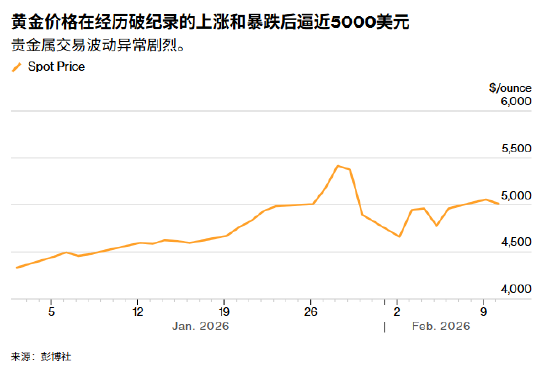
Core Viewpoint - The metal market has returned to a volatile pattern following a rebound, influenced by the release of significant U.S. economic data, with gold and silver experiencing downward pressure due to cautious investor sentiment ahead of key readings [1][2][4] Group 1: Market Performance - Gold has seen a daily decline of approximately 0.7%, falling to around $5022.19, while silver has dropped significantly by 2.1% to $80.930 [1][2] - The cautious sentiment in the market reflects a mix of risk-off buying and profit-taking, making it difficult for precious metals to maintain upward momentum [1][2] Group 2: Macroeconomic Factors - The transparency of monetary policy remains a core variable influencing metal pricing, with recent market volatility attributed to crowded bullish positions and uncertainties surrounding potential changes in the Federal Reserve leadership [3][4] - The nomination of Kevin Warsh as a non-dovish candidate for the next Fed chair has previously led to a significant drop in gold prices from near $5600 [3] Group 3: Upcoming Economic Data - Traders are focused on upcoming economic data, including retail sales, non-farm employment, and CPI, which will be critical in assessing labor market conditions and inflation trends [4] - Strong performance in these data points could reinforce a hawkish stance from the Federal Reserve, potentially exerting further pressure on metal prices [4]

永金证券晨会纪要-20260210
永丰金证券· 2026-02-10 12:39
Core Insights - The report highlights the ongoing volatility in the US stock market, with the Dow Jones Industrial Average reaching a high of approximately 50,219 points before fluctuating [9] - There is a growing concern regarding "de-dollarization," as Chinese regulatory authorities are guiding financial institutions to limit their holdings of US Treasury bonds, leading to a surge in gold prices [9] - The 10-year US Treasury yield peaked at 4.6%, reflecting market uncertainty regarding inflation and the Federal Reserve's interest rate decisions [9] - Asset allocation strategies are suggested to focus on gold due to its appeal as a hedge against de-dollarization and ongoing demand for safe-haven assets [9] - In the bond market, a strategy of shortening duration and focusing on high-quality short to medium-term bonds is recommended if the 10-year Treasury yield remains between 4.5% and 4.7% [9] Market Overview - The Hang Seng Index closed at 27,027 points, gaining 467 points (1.8%), indicating a recovery above the 27,000 mark [12] - The report notes that Chinese holdings of US Treasury bonds have dropped to an 11-year low, raising concerns about potential increases in US Treasury yields [12] - The People's Bank of China is expected to increase liquidity injections in the interbank market ahead of the Spring Festival, addressing a liquidity gap exceeding 3 trillion yuan [12] - Kuaishou faced a fine of nearly 120 million yuan due to issues related to inappropriate content, but analysts believe the impact on the company's operations will be manageable [12] - Alibaba's new AI model Qwen3.5 is expected to be open-sourced during the Spring Festival, indicating advancements in the company's AI capabilities [12] Company-Specific Analysis - China People's Insurance Group reported a 6.8% increase in insurance service revenue and a significant 28.9% rise in net profit for the first three quarters of 2025, reflecting improved operational quality [21] - FIT HON TENG experienced approximately 12% year-on-year growth in revenue and operating income in the first three quarters of 2025, benefiting from high-growth sectors such as AI servers and cloud networking [21] - Zhaoyi Innovation announced a positive earnings forecast for 2025, projecting revenue of approximately 9.203 billion yuan, a year-on-year increase of about 25%, driven by strong demand in memory and MCU sectors [21]
ATFX:暴跌后反弹又停滞 金价在5000美元关口进入观望
Xin Lang Cai Jing· 2026-02-10 12:34
专题:ATFX外汇专栏投稿 过去一周,贵金属价格剧烈波动,获利回吐和过热仓位交织导致价格从历史高位回落。美联储领导层可 能更迭,引发美国货币政策不确定性,也加剧了市场波动。 然而,支撑多年上涨行情的诸多因素—— 地缘政治风险加剧、央行加大购入力度以及投资者抛售主权债券和货币——依然存在。 本周投资者密切关注美国非农就业数据、消费者价格和首次申请失业救济人数的公布,以寻找货币政策 的新信号。市场已经预期2026年至少会降息两次,每次降息25个基点。 包括德意志银行和高盛集团在内的许多银行和资产管理公司都看好黄金价格,认为其将因这些长期需求 驱动因素而复苏。为了凸显官方需求的强劲,中国央行在1月份将黄金购买计划延长至第15个月。富国 银行2月4日将年底目标价上调至每盎司6100美元至6300美元,此前摩根大通和瑞银分别将目标价设定为 每盎司6300美元和6200美元,均暗示金价有进一步上涨的空间。 为何机构依然坚定看多? 1. 全球"去美元化"与央行持续购金:这是当前黄金市场最坚实、最稳定的需求来源。以中国央行为代 表,其连续15个月增持黄金储备的行动,为黄金市场提供了一个巨大的、结构性的需求底部,有效缓冲 了投 ...
霸气反击!中国下令减持美债,抛售潮引爆美债崩盘:霸权终结?
Sou Hu Cai Jing· 2026-02-10 12:02
Core Viewpoint - The ongoing reduction of U.S. Treasury holdings by China has sparked significant global attention, indicating a shift in the financial landscape and raising discussions about the future of U.S. dollar dominance [1][20]. Group 1: China's Actions - China's holdings of U.S. Treasuries have decreased to $682.6 billion as of November 2025, marking the lowest level since September 2008 and reflecting a reduction exceeding $100 billion [3]. - The decline in China's U.S. Treasury holdings began in November 2021, with a total reduction of $1.732 trillion from 2022 to 2024, indicating a clear trend towards decreasing reliance on foreign exchange assets [5]. - China has been reducing its U.S. Treasury holdings for nine consecutive months, with the pace and scale of the sell-off surpassing market expectations [3][5]. Group 2: Market Impact - As the third-largest foreign holder of U.S. Treasuries, China's continued sell-off has triggered a chain reaction in the global bond market, leading to increased pressure and volatility in U.S. Treasury yields [7]. - The iShares Barclays Aggregate Bond Index ETF closed at $100.16, reflecting a 0.26% decline over three months, indicating waning confidence in U.S. Treasuries [8]. - The trading activity in U.S. Treasuries has intensified, with fluctuations in prices and increased turnover rates, suggesting a battle between selling pressure and bottom-fishing capital [10]. Group 3: Reasons Behind the Reduction - China's strategy to reduce U.S. Treasury holdings is driven by the need to mitigate potential risks in the U.S. bond market and to diversify its foreign exchange reserves for greater security and stability [12]. - The U.S. federal debt has surpassed $38 trillion, exceeding 120% of GDP, which raises concerns about credit risk associated with U.S. Treasuries [13]. - The U.S. Congressional Budget Office projects that net interest payments will rise from 3.2% to 5.4% of GDP over the next 30 years, indicating increasing volatility in Treasury yields and potential valuation losses for holders [15]. Group 4: Asset Diversification - Alongside the reduction in U.S. Treasuries, China has been increasing its gold reserves, with a total of 74.19 million ounces as of January 2026, representing a significant diversification strategy [17]. - The increase in gold reserves has been ongoing for 15 months, with 26 tons added in 2025, now accounting for over 9% of China's foreign exchange reserves [18]. - Gold serves as a hard asset with no credit risk, effectively complementing U.S. Treasuries and enhancing the resilience of China's foreign exchange reserves [20]. Group 5: Global Trends - China's actions reflect a broader global trend of "de-dollarization," as countries adjust their foreign exchange asset allocations in response to the weakening credit of the U.S. dollar [20]. - The share of U.S. dollars in global central bank reserves has fallen to a historical low of 57%, with many countries accumulating gold to mitigate risks associated with dollar assets [22]. - Since early 2025, the U.S. dollar has depreciated by approximately 10%, indicating a period of uncertainty for its global dominance [22]. Group 6: Future Outlook - The future of the U.S. Treasury market is under scrutiny, with concerns that further debt financing may lead to increased money printing by the Federal Reserve, exacerbating inflation and diminishing the appeal of U.S. Treasuries [27]. - While China's reduction in U.S. Treasury holdings is significant, it represents only about 4% of the total foreign-held U.S. debt, suggesting limited immediate impact on the market [29]. - The ongoing reduction signals a shift in global reliance on dollar assets, indicating a gradual erosion of U.S. dollar hegemony and a move towards a multipolar financial landscape [29].
每日论金:短期金价或继续震荡 周内关注经济数据指引
Xin Hua Cai Jing· 2026-02-10 11:28
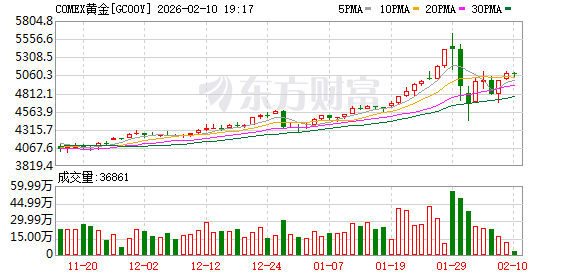
Core Viewpoint - The international gold market has rebounded significantly, returning to the critical level of $5000 per ounce, driven by geopolitical tensions, weak U.S. employment data, and continued central bank gold purchases [2][3]. Group 1: Market Dynamics - Last week, gold prices experienced a strong rebound after a period of decline, with a maximum daily increase exceeding 5% [2]. - The rebound was supported by three main factors: escalating tensions in the Middle East, renewed expectations for a U.S. interest rate cut, and ongoing gold purchases by global central banks [2]. - The market is entering a critical data-driven period with upcoming U.S. inflation and retail sales data, which will influence gold price movements [2][3]. Group 2: Economic Indicators - The U.S. January CPI data is crucial this week; lower-than-expected figures could strengthen market expectations for monetary easing, potentially pushing gold prices above $5050 [3]. - Conversely, if the CPI data exceeds expectations, it may reduce the likelihood of interest rate cuts, leading to upward pressure on the dollar and U.S. Treasury yields, which could test the $4900 support level for gold [3]. - Additional economic indicators, such as retail sales and unemployment claims, will further assess the resilience of the U.S. economy, impacting gold prices [3]. Group 3: Supply and Demand Factors - The mid-term outlook for gold remains positive, with record net inflows into global gold ETFs and sustained high levels of central bank gold purchases [3]. - The ongoing de-dollarization process in emerging markets is expected to optimize foreign exchange reserve structures, providing long-term support for gold prices [3]. - Short-term profit-taking and increased margin requirements by domestic exchanges may temper speculative market sentiment, leading to a more stable trading environment [3]. Group 4: Technical Analysis - Technically, gold has stabilized above the $5000 level, with short-term moving averages indicating an upward trend [4]. - The MACD indicator shows bullish momentum, while the RSI remains neutral, suggesting potential for further upward movement [4]. - Key support levels are at $4900 and $4850, while resistance levels are at $5050 and $5100, with $5000 being a critical battleground for market sentiment this week [4].
中国抛售美债创18年来最低,转头狂买黄金,达利欧的警告要应验?
Sou Hu Cai Jing· 2026-02-10 11:04
Core Viewpoint - China has significantly reduced its holdings of US Treasury bonds to the lowest level in 18 years, approximately $759 billion, and has instructed banks to continue selling these bonds while investing the proceeds in gold, indicating a strategic shift towards "selling US debt and accumulating gold" [1][5] Group 1: US Debt Situation - The US national debt has surpassed $38 trillion as of January 2026, with interest payments amounting to over $1 trillion annually, highlighting a severe financial crisis [4] - The growth rate of US debt has outpaced GDP growth, with projections suggesting it could exceed $56 trillion by 2034, leading to annual interest payments of $1.7 trillion [4] - The impending maturity of $9.2 trillion in US debt by 2025, coupled with rising refinancing rates, indicates an unsustainable debt cycle [4][5] Group 2: China's Strategic Response - China has been increasing its gold reserves for 13 consecutive months as a hedge against the risks associated with US debt, aiming to protect its foreign exchange assets [1][7] - The shift from US Treasury bonds to gold reflects a broader trend among countries losing confidence in the dollar, with global central bank gold holdings projected to surpass the market value of US debt by 2025 [7] - China's strategy emphasizes diversification of foreign exchange assets away from US debt, focusing on accumulating gold and key resources to maintain financial stability amid global market fluctuations [7]
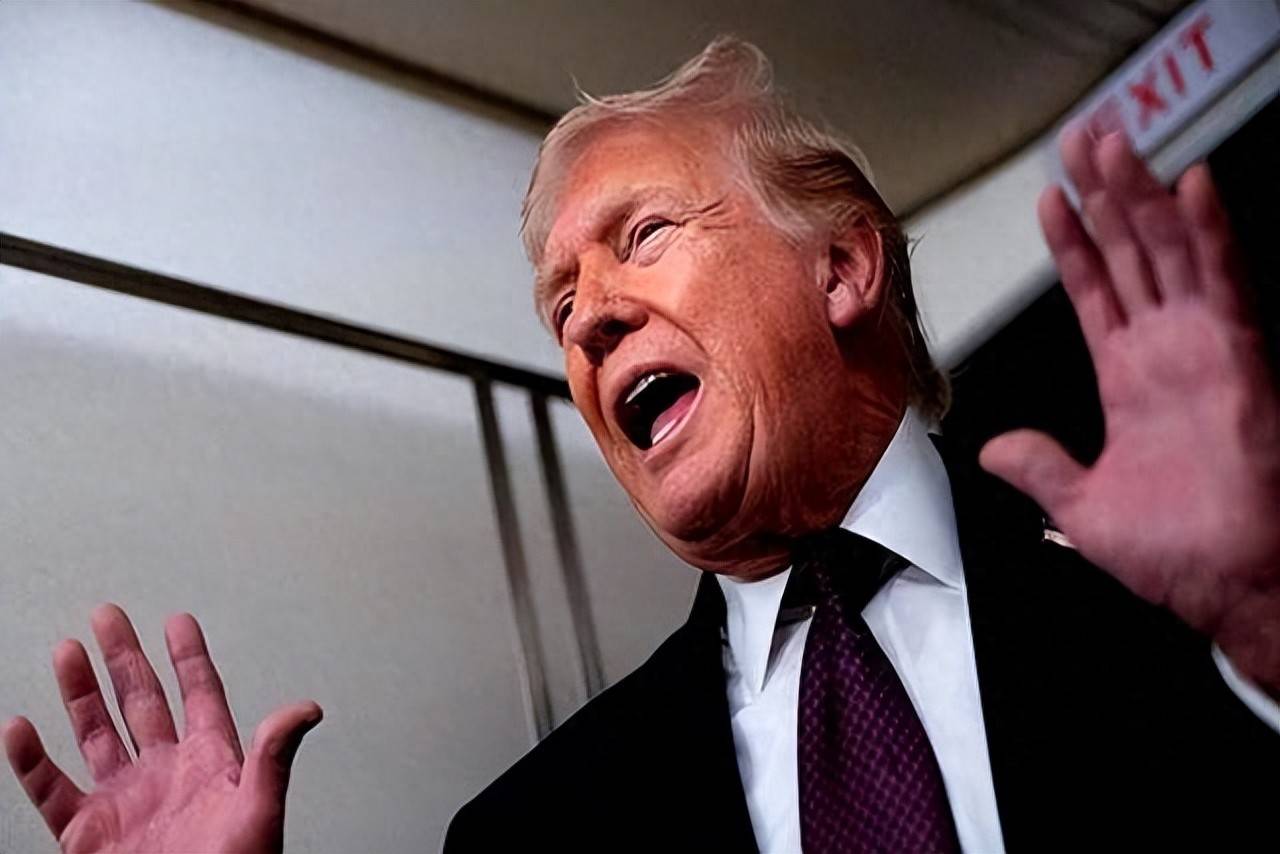
特朗普再次喊话中国,赶紧向美国臣服,将得到3大好处!
Sou Hu Cai Jing· 2026-02-10 11:04
Core Viewpoint - The article discusses the strategic use of energy by the U.S. government under Trump to manipulate international trade relationships, particularly with India and China, by leveraging tariffs and energy supply agreements as tools for geopolitical influence [5][10][20]. Group 1: U.S. Trade Strategy - In July 2025, the Trump administration imposed a 25% additional tariff on Indian goods due to indirect imports of Russian oil, which was lifted in February 2026 in exchange for India's commitment to purchase U.S. energy products [3]. - The U.S. is using tariffs as a means to enforce compliance with its energy procurement strategies, creating a system where cooperation leads to benefits while non-compliance results in penalties [5][9]. - The U.S. aims to establish a "global energy camp" where countries aligning with U.S. energy policies can receive favorable trade terms, while those maintaining existing partnerships may face sanctions [7][10]. Group 2: Energy as a Political Tool - The U.S. military's actions in Venezuela, including controlling oil resources, are part of a broader strategy to reshape global energy supply chains and assert dominance over key geopolitical regions [12][20]. - The Trump administration's approach marks a shift from traditional pressure tactics to direct control over energy resources, aiming to reduce reliance on foreign supply chains and enhance domestic manufacturing [13][16]. - The U.S. plans to re-establish Venezuelan oil exports in U.S. dollars to counteract global de-dollarization trends and weaken OPEC+ influence, thereby creating a new energy landscape dominated by U.S. interests [20][23]. Group 3: China's Response - China is focusing on maintaining strategic stability and autonomy in its energy procurement, diversifying supply sources, and enhancing the use of the yuan in energy trade to mitigate risks associated with U.S. policies [25][27]. - The Chinese strategy emphasizes self-reliance and industrial upgrades, aiming to reduce dependency on U.S. energy supplies and counteract the effectiveness of U.S. sanctions [27][29]. - The ongoing geopolitical energy competition will ultimately depend on which nation can provide stability and certainty in the global market, with China positioning itself as a counterbalance to U.S. hegemony [29].
央行连续15个月增持黄金,释放了什么信号?
Sou Hu Cai Jing· 2026-02-10 10:15
Core Insights - The People's Bank of China has increased its gold reserves for 15 consecutive months, with the official gold reserves reaching 74.19 million ounces as of January 2026, an increase of 40,000 ounces from December 2025 [1][2] - China's foreign exchange reserves have also risen to $339.91 billion, marking a 1.23% increase from the previous month, reaching a ten-year high [1] Group 1 - The cautious increase in gold reserves reflects a strategy to balance short-term market fluctuations with long-term planning [2] - This behavior is part of a global trend where central banks have been consistently purchasing gold, with a total of 863 tons acquired last year [4] - Over 95% of surveyed central banks plan to increase their gold reserves in the next 12 months, the highest percentage in eight years [5] Group 2 - Emerging market central banks are the primary drivers of gold accumulation [6] - China's gold reserves, both in absolute and relative terms, are relatively low compared to other countries, with gold accounting for less than 10% of its official reserves [7][8] - The diversification of foreign exchange reserves is essential to reduce reliance on a single currency and enhance the safety of international reserve assets [10] Group 3 - Increased gold reserves can help stabilize fluctuations, combat inflation, and achieve investment returns [12] - The trend of "de-dollarization" is gaining momentum, with the proportion of gold in global reserves increasing as the share of the US dollar decreases [12] - The geopolitical landscape and challenges to dollar credit are enhancing the appeal of gold as a stable asset, indicating a significant transformation in the international monetary system [12]