
贸易战

Search documents
沉默只会让恶霸大胆,中国力挺印度对美强硬,莫迪敢于亮剑吗?
Sou Hu Cai Jing· 2025-08-23 06:50
Group 1 - The Chinese ambassador to India criticized the high tariffs imposed by the US on Indian goods, labeling the US as a "bully" and expressing China's support for India [1][3][5] - The US has threatened to impose an additional 25% tariff on Indian goods, raising the total tariff to 50%, which has significant implications for India's exports [1][5] - The textile, pharmaceutical, and processed food industries are the most affected, with an estimated 48 billion USD in exports from India to the US in 2024, and over 12 million jobs at risk due to the tariffs [3][5][7] Group 2 - The impact of the tariff threat is expected to lead to a loss of at least 8 million jobs in India, with small and medium enterprises being the hardest hit [5][7][9] - The Indian stock market has seen a dramatic decline, dropping from the most favored Asian market to the top position for fund manager sell-offs, with a 1.2% drop in the past two weeks [7][17] - The Indian government is cautiously responding to the US tariffs, with plans for tax reforms aimed at stimulating domestic demand, which could contribute 0.35-0.45 percentage points to GDP growth by FY2027 [13][17] Group 3 - The diamond, textile, and chemical industries are particularly vulnerable, with micro and small enterprises making up a significant portion of these sectors [9] - The bilateral trade between China and India has exceeded 75 billion USD in 2025, reflecting a 10% year-on-year growth, indicating a potential for strengthened economic ties despite external pressures [15] - The future of labor-intensive industries in India will largely depend on the government's strategic decisions in response to the ongoing trade tensions [17]


中国驻美大使谢锋:农业不应被政治化绑架,农民不应为贸易战埋单
Xin Lang Cai Jing· 2025-08-23 06:15
Core Viewpoint - The speech by Chinese Ambassador to the U.S. Xie Feng highlights the challenges faced by the agricultural cooperation between China and the U.S. due to rising protectionism, emphasizing the need to separate agriculture from political conflicts [1] Summary by Relevant Sections Agricultural Trade - In the first half of the year, U.S. agricultural exports to China decreased by 53%, with soybean exports dropping by 51% [1] - The decline in agricultural exports poses significant challenges for farmers in both countries, who rely on good harvests and prices for their livelihoods [1] Political Context - Xie Feng argues that agriculture should not be politicized and that farmers should not bear the brunt of trade wars [1] - The claim that Chinese investments threaten U.S. food security is dismissed, noting that Chinese investors hold less than 0.03% of U.S. agricultural land [1] Diplomatic Efforts - Following a recent round of talks in Stockholm, both countries' economic teams have reached a joint statement, indicating a willingness to implement the consensus reached by the leaders of both nations [1] - The emphasis is placed on enhancing cooperation, reducing misunderstandings, and sharing development benefits to return to a win-win situation [1]
中美关系为何这般?300年经济格局告诉你答案
3 6 Ke· 2025-08-23 00:04
Group 1 - The article discusses the historical context of the U.S.-China competition, emphasizing that the current trade tensions are not isolated incidents but part of a long-standing pattern of great power rivalry [1][3][4] - It highlights that the U.S. has historically used strategies such as suppressing competitors to maintain its dominance, a tactic now being applied to China [5][7] - The narrative suggests that understanding historical precedents can provide insights into current geopolitical dynamics and strategies employed by nations [8][10] Group 2 - The article points out that national competitiveness is a multifaceted issue involving the interplay of institutions, technology, industry, and capital [9][12] - It contrasts the U.S. approach of leveraging global financial systems and technology alliances with China's focus on self-innovation and market resilience [9][12] - The text emphasizes that strategic confrontations can be analyzed and understood through historical examples, which can inform current responses to geopolitical challenges [11][15] Group 3 - The article asserts that a deep understanding of history can alleviate fears regarding economic decoupling and supply chain disruptions [11][15] - It provides examples of how various countries have navigated crises and competition, illustrating the importance of institutional quality and strategic decision-making [12][15] - The conclusion stresses that the significant fluctuations in the global landscape are closely tied to the historical choices made by nations over the past three centuries [13][14]
英媒:中国进口商锁定巴西进口大豆,美出口商或错失数十亿美元
Sou Hu Cai Jing· 2025-08-22 10:10
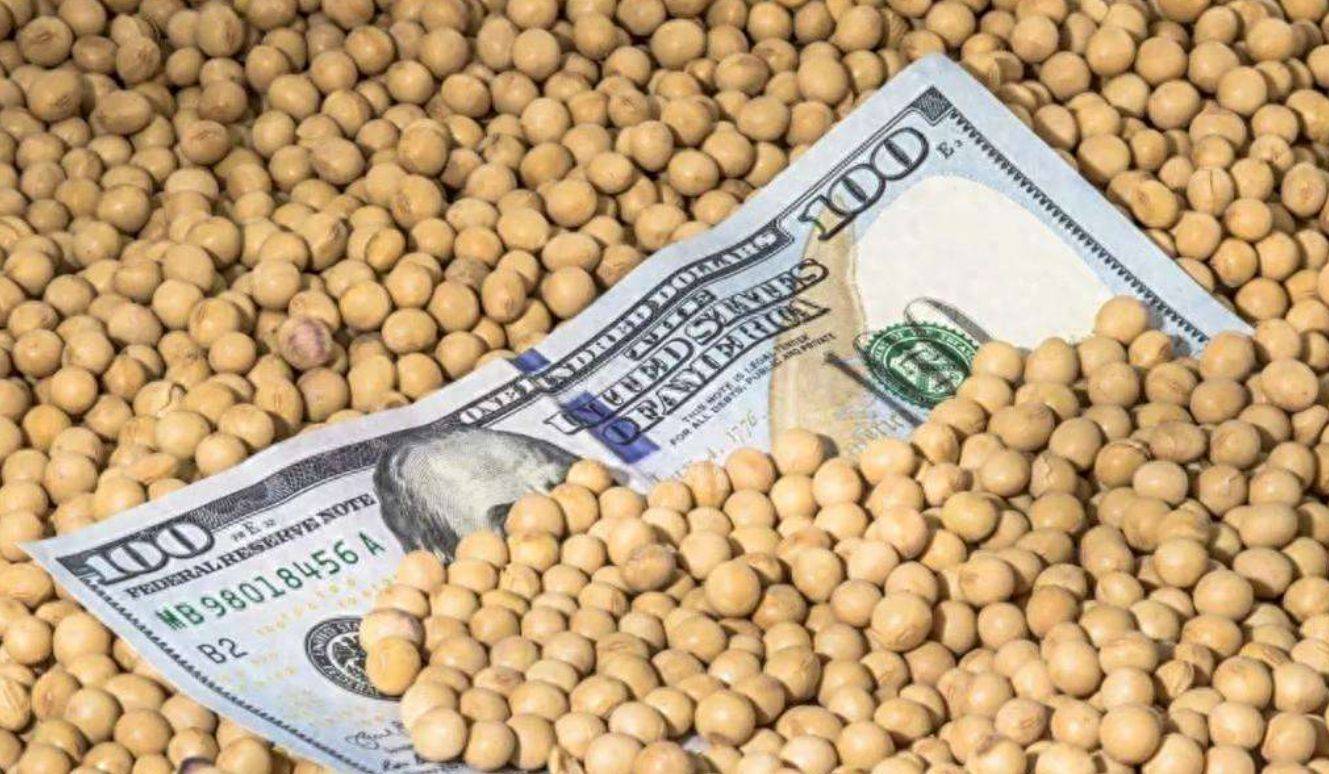
当前正值大豆出口旺季,美国总统特朗普着急的不行,他在社交媒体上卖力推销美国大豆,强调美国农民的高效生产和机械化优势,特别呼吁中国增加四倍 的大豆采购量,还表示这样就能缩小中美贸易逆差。言下之意就是,如果中国按照美国的意思来,那么美国就可以在关税问题上放中国一马。 都说顾客是上帝,在资本主义市场,这更应该是不变的真理,但是美国却没有拿出该有的态度对待中国。过去中国每年从美国进口大量大豆,为美国豆农创 造可观收入,但美国非但不珍惜这个重要客户,反而把大豆作为贸易战筹码。 中方一声令下,2200万吨订单清零?特朗普后悔想谈,恐怕已经晚了! 据环球网援引路透社消息,近期巴西农业部门披露的政府采购数据显示,中国大豆进口商已将9月和10月的大豆订单转向巴西,其中9月订单量达到800万 吨,10月虽缩减到400万吨,但依然保持可观规模。 业内分析认为,只要中巴两国保持当前稳定的政治经贸关系,双方在大豆贸易领域的合作规模和深度将持续扩大。要知道,2024年中方从美国进口了2200万 吨大豆,按照这个趋势,中方从美方的进口大豆怕是会逐渐清零。 作为全球大豆消费大国,中国年消耗量占全球总量的32%,相当于每三吨大豆就有一吨被中国 ...
1200万吨大豆,不日将运抵中国,美国农民欲哭无泪,这不是一个积极信号
Sou Hu Cai Jing· 2025-08-21 12:32
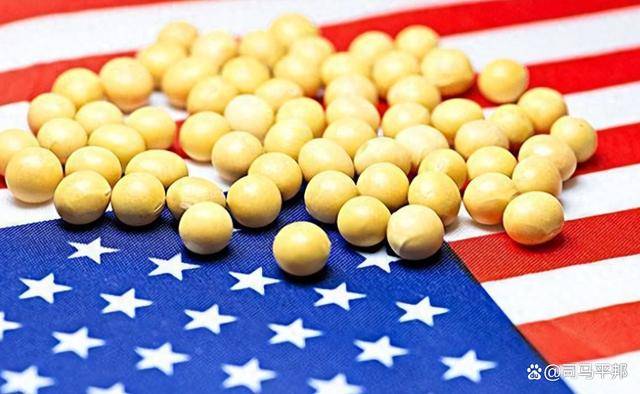
而中国不买美国大豆,也不是赌气,而是我们能七年磨一剑的战略突围。2024年那1.05亿吨进口大豆 中,71%来自巴西,美国份额已萎缩到21%。当特朗普还在幻想"四倍订单"时,中国技术代表团正飞往 巴西推动"零毁林"认证协议,未来贴个环保标签,巴西大豆就能溢价20%进入中国高端市场,而美国大 豆连参赛资格都没有。 特朗普的深夜喊话暴露了政治焦虑,农业州是共和党铁票仓,可仓库里积压的2200万吨大豆正在发霉。 美国大豆协会的哀鸣道破天机:"中国市场无可替代,其规模是所有其他市场总和的3倍"。2018年贸易 战曾让共和党丢掉众议院,如今历史似乎要重演。 随着大豆收获季节临近,美国农民欲哭无泪。由于特朗普政府的关税政策,中国已经放弃了美国大豆, 改从南美国家进口。 据巴西咨询机构介绍,中国已经提前锁定9月约800万吨、10月约400万吨的大豆供应。去年此时,中国 采购了美国700万吨大豆;今年,这个数字是零。 最直接的因素,自然是价格。中国对美国大豆加征的关税,让美豆到岸价比巴西大豆每吨足足贵了47美 元。这相当于在山东港口,巴西大豆卖4200元/吨,而美国大豆要4800元。更扎心的是运输成本:巴西 大豆25天就能到 ...
外交部:中国优质产品享誉世界是关税战、贸易战改变不了的
Xin Hua She· 2025-08-21 11:07
毛宁表示,面对复杂多变的外部环境,中国外贸运行持续向好,展现出中国经济的强大韧性和全球市场 对中国产品的旺盛需求,这是扩大高水平对外开放、推动高质量发展、促进产业优化升级等因素共同作 用的结果。 "事实证明,基于比较优势开展国际贸易,实现共同发展,各方都从中受益。中国优质产品享誉世界, 多元稳定市场广受青睐,这是关税战、贸易战改变不了的。"毛宁说,中国将继续同各国共享发展机 遇,开放合作、互利共赢。 新华社北京8月21日电(记者邵艺博、陆君钰)外交部发言人毛宁21日表示,中国外贸运行持续向好, 展现出中国经济的强大韧性和全球市场对中国产品的旺盛需求。中国优质产品享誉世界,多元稳定市场 广受青睐,这是关税战、贸易战改变不了的。 当日例行记者会上,有记者问:我们注意到,日前中方公布了7月份经济数据,其中外贸数据尤为亮 眼,货物进出口总额创今年来新高。有评论认为,中国外贸持续增长凸显全球对中国商品的广泛认可, 这将继续成为中国经济的重要驱动力。但也有分析称,关税战等外部风险冲击全球贸易,让中国出口市 场持续承压。发言人对此有何评论? ...
中加基金配置周报|中美关税继续暂停,美国核心通胀走高
Xin Lang Ji Jin· 2025-08-21 09:28
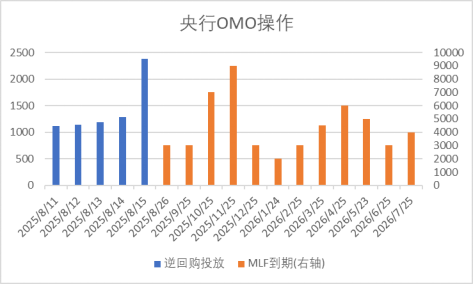
Economic Data Summary - In the first seven months of the year, China's total social financing increased by 23.99 trillion yuan, which is 5.12 trillion yuan more than the same period last year. RMB loans increased by 12.87 trillion yuan. As of the end of July, M2 grew by 8.8% year-on-year, M1 by 5.6%, and the stock of social financing increased by 9% [1] - In July, the industrial added value of large-scale enterprises in China grew by 5.7% year-on-year, while retail sales of consumer goods increased by 3.7% year-on-year. From January to July, fixed asset investment grew by 1.6% year-on-year, with real estate development investment declining by 12% [1] - The U.S. Consumer Price Index (CPI) for July remained flat at 2.7% year-on-year, below the expected 2.8%, while the core CPI rose by 3.1%, exceeding expectations and reaching the highest level since February [2] Monetary Policy and Market Operations - The People's Bank of China (PBOC) announced a 500 billion yuan reverse repurchase operation on August 15, with a six-month term. This, combined with a previous operation, resulted in a total of 300 billion yuan in mid-term liquidity injection for the month [2] - The PBOC's second-quarter monetary policy report emphasized the need for a moderately loose monetary policy, focusing on maintaining ample liquidity and supporting sectors such as technology innovation and small enterprises [3] Trade and Tariff Developments - The U.S. and China agreed to suspend the implementation of additional tariffs for 90 days starting August 12, with the U.S. committing to adjust tariffs on Chinese goods [3] - U.S. Treasury Secretary clarified that he did not intend to pressure the Federal Reserve to lower interest rates, despite previous comments suggesting a potential series of rate cuts [3] Industry Performance - In the real estate sector, land transaction area decreased, leading to a drop in transaction prices for commercial housing and a weakening of second-hand housing prices [8] - The automotive sector maintained high sales levels, with wholesale and retail sales growth rates of 12.08% and 6.10% year-on-year, respectively [9] Market Trends - The A-share market saw a rise, with the ChiNext Index increasing by 8.58%, driven by positive inflation data and the suspension of tariffs between the U.S. and China [21] - In the bond market, credit bond rates increased, while government bond rates showed a mixed trend, reflecting market risk preferences and economic data pressures [31][33] Commodity Prices - Agricultural product prices saw a rebound, with vegetable prices rising and fruit prices declining. Pork prices fell to 20.05 yuan [14] - Industrial product prices showed mixed trends, with coal, copper, aluminum, and steel prices rising, while oil and cement prices fell [16]
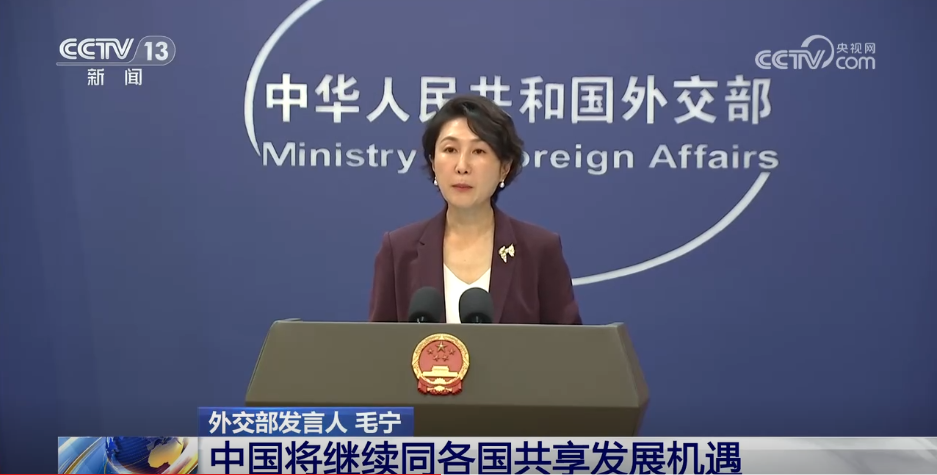
外贸运行持续向好 中国将继续同各国共享发展机遇
Yang Shi Wang· 2025-08-21 09:22
外交部发言人 毛宁:面对复杂多变的外部环境,中国外贸运行持续向好,展现出中国经济的强大韧性和全球市场对中国产品的 旺盛需求,这是中国扩大高水平对外开放,推动高质量发展,促进产业优化升级等因素共同作用的结果。事实证明,基于比较优势开 展国际贸易,实现共同发展,各方都会从中受益。中国的优质产品享誉世界,多元稳定的市场广受青睐,这是关税战贸易战改变不了 的。中国将继续同各国共享发展机遇,坚持开放合作,互利共赢。 央视网消息:日前,我国公布了7月份经济数据,其中外贸数据尤为亮眼,货物进出口总额创今年来新高。有评论认为,中国外 贸持续增长凸显全球对中国商品的广泛认可,这将继续成为中国经济的重要驱动力。但也有分析称,关税战等外部风险冲击全球贸 易,让中国出口市场持续承压。对此,外交部发言人毛宁在8月21日举行的例行记者会上表示,中国将继续同各国共享发展机遇。 ...
瑞达期货集运指数(欧线)期货日报-20250821
Rui Da Qi Huo· 2025-08-21 09:10
Report Overview - Report Date: August 21, 2025 - Report Type: Freight Index (European Line) Futures Daily Report Key Data Futures Market - EC2510 (Main Contract) Closing Price: 1325.00, down 33.8 [1] - EC2512 Closing Price: 1721.4, down 48.2 [1] - EC2510-EC2512 Spread: -420.90, up 0.00 [1] - EC2510-EC2602 Spread: -177.00, up 0.00 [1] - EC Contract Basis: 825.17, up 0.00 [1] - EC Main Contract Open Interest: 54,293, up 2,566 [1] Spot Market - SCFIS (European Line) (Weekly): 2180.17, down 55.31 [1] - SCFIS (US West Coast Line) (Weekly): 1106.29, down 24.15 [1] - SCFI (Composite Index) (Weekly): 1460.19, down 29.49 [1] - CCFI (Composite Index) (Weekly): 1193.34, down 7.39 [1] - CCFI (European Line) (Weekly): 1790.47, down 8.58 [1] - Baltic Dry Index (Daily): 1927.00, up 37.00 [1] - Panamax Freight Index (Daily): 1665.00, down 28.00 [1] - Average Charter Price (Panamax Vessel): 13789.00, down 98.00 [1] - Average Charter Price (Cape Vessel): 21200.00, down 786.00 [1] Core View - On Thursday, the freight index (European line) futures prices fell collectively, with the main contract EC2510 down 2.49% and the far-month contracts down 1-3% [1] - The latest SCFIS European line settlement freight rate index was 2180.17, down 55.31 points from last week, a 2.5% week-on-week decline [1] - The top shipping companies launched a "price war" to compete for off-season cargo volume, and the market expectation turned cold [1] - US President Trump's plan to impose tariffs on steel, chips, and semiconductors increased the uncertainty of global trade [1] - The probability of the Fed cutting interest rates in September decreased marginally, while the ECB had more flexibility in its interest rate policy [1] - Overall, the uncertainty of the trade war remained, the demand expectation of the freight index (European line) was weak, and the futures price fluctuated greatly [1] Industry News - The Fed's July meeting minutes showed that almost all policymakers supported not cutting interest rates, and there were differences among Fed officials on inflation, employment risks, and the impact of tariffs on inflation [1] - US President Trump called on Fed Governor Cook to resign, and the FHFA Director accused Cook of mortgage fraud [1] - ECB President Lagarde said that the eurozone's economic growth might slow down this quarter, and the global trade situation remained unclear [1] - The Indonesian central bank unexpectedly cut interest rates by 25 basis points to 5% for the fourth time this year [1] Upcoming Data Releases - UK August Gfk Consumer Confidence Index on August 22 at 07:01 [1] - Japan July Core CPI Annual Rate on August 22 at 07:30 [1] - Germany Second Quarter Unadjusted GDP Annual Rate Final Value on August 22 at 14:00 [1]

外交部:中国外贸运行持续向好,展现出中国经济的强大韧性
Zhong Guo Xin Wen Wang· 2025-08-21 08:07
Core Viewpoint - China's foreign trade continues to show positive trends, reflecting the strong resilience of the Chinese economy and robust global demand for Chinese products [1] Group 1: Economic Performance - In July, China's total import and export volume reached a new high for the year, indicating a significant recovery in foreign trade [1] - The ongoing growth in foreign trade highlights the global recognition of Chinese goods, which is expected to remain a key driver of China's economic growth [1] Group 2: External Environment - Despite external challenges such as tariff wars impacting global trade, China's foreign trade performance remains strong [1] - The spokesperson emphasized that the resilience of China's foreign trade is a result of high-level opening up, high-quality development, and industrial optimization [1] Group 3: Global Trade Dynamics - The spokesperson noted that international trade based on comparative advantages leads to mutual benefits for all parties involved [1] - Chinese high-quality products are well-regarded globally, and the demand for them remains stable despite external pressures [1]