经济基本面

Search documents
英国央行货币政策委员格林:经济基本面疲软,劳动力市场进一步放松,通胀回落进程仍在持续。
news flash· 2025-06-24 09:42
Core Viewpoint - The Bank of England's monetary policy committee member, Green, indicates that the economic fundamentals are weak, the labor market is loosening further, and the process of inflation decline is ongoing [1] Economic Fundamentals - Economic fundamentals are described as weak, suggesting potential challenges for growth and investment opportunities in the near term [1] Labor Market - The labor market is experiencing further loosening, which may impact consumer spending and overall economic activity [1] Inflation Trends - The process of inflation decline is still in progress, indicating that inflationary pressures may be easing, which could influence monetary policy decisions moving forward [1]
债市或维持偏强走势
Qi Huo Ri Bao· 2025-06-24 03:38
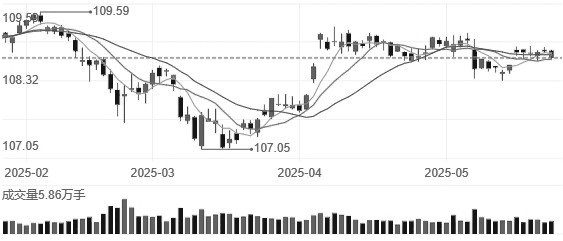
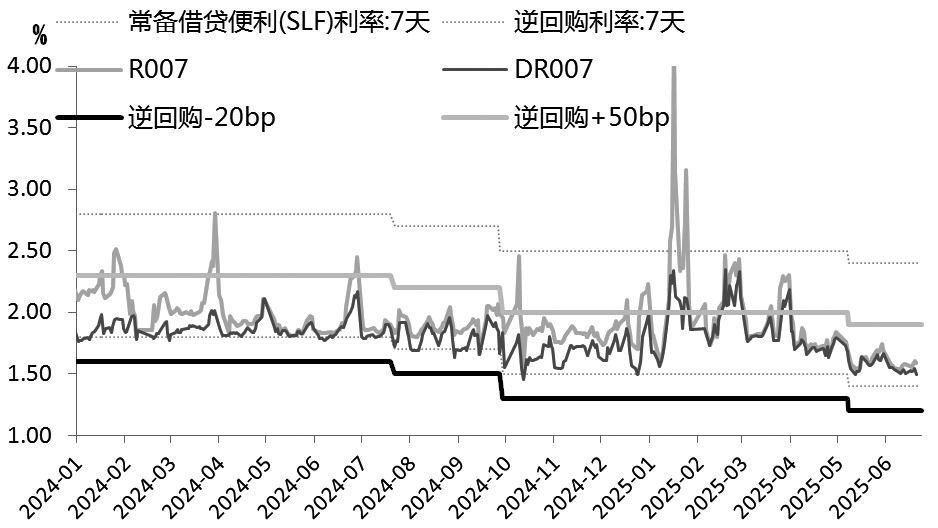
Group 1 - The overall bond market is showing a strong upward trend, supported by the need for economic growth and a stable liquidity environment, despite limited downward space for interest rates due to growth policies [1][7] - Economic fundamentals indicate weak domestic demand, which underpins the bond market's strength, with a mixed performance in production, consumption, investment, and exports [2][7] - The central bank's actions, including large-scale reverse repos, are maintaining a balanced and loose liquidity environment, which supports optimistic market expectations [4][7] Group 2 - Incremental policies are currently in an observation phase, focusing on existing policies and financial tools, with an emphasis on structural monetary policy rather than broad rate cuts [6] - The bond market's focus is shifting towards economic fundamentals and monetary policy changes, with expectations of limited interest rate declines and potential market corrections [7] - The market anticipates a strong performance in short-term and ultra-long-term bonds, with a cautious approach to potential adjustments [7]

博时宏观观点:哑铃型配置应对外部风险
Xin Lang Ji Jin· 2025-06-24 01:39
Group 1: Economic Outlook - The Federal Reserve's June FOMC meeting maintained the current interest rates, with inflation effects from tariffs requiring time to observe, indicating a potential stagflation scenario for the U.S. economy [1] - Domestic economic data for May shows a strong supply side, a rebound in consumption growth, and a decline in investment growth, with fiscal intensity weakening [1] - The second and third quarters are expected to show resilient year-on-year growth due to low base effects from last year, with further policy support potentially mitigating growth slowdowns [1] Group 2: Market Strategy - In the bond market, expectations for "restart buying bonds" and "government bond reserve requirements" have increased, with short-term bonds performing better than long-term ones, leading to an overall strong bond market [1] - The central bank's unexpected support for liquidity in June, including multiple reverse repos and MLF operations, is expected to stabilize the funding environment, with short-term yields likely to remain strong [1] - Weak financial data and investment trends have not improved, maintaining a downward trend for long-term yields, which may require central bank actions to break previous lows [1] Group 3: A-shares and H-shares - In the A-share market, external geopolitical conflicts may present buying opportunities during significant adjustments, with the focus shifting to economic fundamentals as the U.S.-China tariff pause extends to August [2] - The upcoming earnings season in July and August will be crucial for A-share market pricing, with a low risk of significant declines in economic fundamentals under policy support [2] - The H-share market currently enjoys ample liquidity, but mid-term adjustments may be pressured by low AH share premiums and high U.S. Treasury yields [2] Group 4: Commodities - The escalation of geopolitical conflicts in the Middle East has temporarily boosted oil sentiment, although global oil demand may still be affected by tariffs in the mid-term [3] - Economic policy uncertainties from tariffs and doubts about the dollar's credibility are expected to support a long-term bullish trend for gold prices, despite short-term volatility [3] - The formation of a MACD golden cross signal indicates positive momentum for certain stocks [3]
日度策略参考-20250623
Guo Mao Qi Huo· 2025-06-23 05:41
Report Industry Investment Ratings - Bullish: Gold, Palm oil, Rapeseed oil, BR rubber [1] - Bearish: Silver, Industrial silicon, Polysilicon, Lithium carbonate, Coking coal, Coke, Styrene [1] - Sideways: Stock index, Treasury bond, Copper, Aluminum, Zinc, Nickel, Stainless steel, Tin, Rebar, Hot - rolled coil, Iron ore, Manganese silicon, Ferrosilicon, Glass, Soda ash, Canola oil, Cotton, Sugar, Corn, Soybean meal, Pulp, Logs, Live pigs, Crude oil, Fuel oil, Asphalt, Shanghai rubber, PTA, Ethylene glycol, Short - fiber, PP, PE, PVC, Calcined alumina, LPG, LPG shipping on the European line [1] Core Views - The domestic economic fundamentals have weak support, short - term domestic policy expectations are not strong, and overseas disturbances have intensified. The stock index will mainly fluctuate weakly. Use options to hedge uncertainties. Asset shortage and weak economy are beneficial to bond futures, but the central bank's short - term reminder of interest - rate risks restricts the upside space. The escalation of the Middle East situation may support the gold price, and the medium - to - long - term upward logic remains solid [1]. - For non - ferrous metals, the market risk preference is volatile. Copper inventories may decline further, and the copper price will maintain a high - level sideways movement. Aluminum prices will run strongly due to low inventories and potential squeeze risks. Zinc prices face upward pressure, and nickel prices will oscillate weakly in the short term. For industrial silicon and polysilicon, supply - side factors and weak demand lead to a bearish outlook. For lithium carbonate, weak demand and high inventory pressure the price [1]. - In the black - metal sector, the transition from peak to off - peak season, loose supply - demand, and cost factors lead to a lack of upward drivers for rebar and hot - rolled coil. Iron ore may face supply increases in June. The supply - demand of manganese silicon and ferrosilicon is relatively loose, and glass and soda ash prices are under pressure due to weak demand. Coking coal and coke prices are expected to decline [1]. - In the agricultural products sector, the U.S. biodiesel RVO quota proposal may tighten the global oil and fat supply - demand, but the impact of crude - oil fluctuations needs to be noted. Cotton prices are expected to oscillate weakly. Sugar production in Brazil may reach a record high in the 2025/26 season, and the price may be affected by the crude - oil price. Corn prices are expected to oscillate strongly, and soybean - meal prices will show different trends for different contracts [1]. - For energy and chemical products, the Middle East geopolitical situation and the summer consumption peak may support crude oil and fuel oil prices. Asphalt prices are affected by cost, inventory, and demand factors. Shanghai rubber prices are affected by factors such as the narrowing of the spot - futures price difference and inventory changes. PTA, ethylene glycol, and short - fiber prices are affected by the tense situation in the Middle East. Styrene prices are bearish due to factors such as increased device load [1]. Summary by Categories Macro - finance - Stock index: Weakly supported by domestic fundamentals and affected by overseas disturbances, it will mainly fluctuate weakly. Hedge with options [1]. - Treasury bond: Asset shortage and weak economy are beneficial, but central - bank warnings restrict the upside [1]. - Gold: Supported by the escalation of the Middle East situation, with a solid medium - to - long - term upward logic [1]. - Silver: May fluctuate weakly in the short term [1] Non - ferrous Metals - Copper: The market risk preference is volatile. With the opening of the export window, inventories may decline, and the price will maintain a high - level sideways movement [1]. - Aluminum: Low inventories and potential squeeze risks lead to a strong price. Alumina futures are at a discount, restricting the downside [1]. - Zinc: The refinery output is recovering, and the price faces upward pressure. Pay attention to the Middle East situation [1]. - Nickel: High nickel - ore premiums, increasing LME inventories, and medium - to - long - term oversupply pressure. The price will oscillate weakly in the short term [1]. - Stainless steel: The market risk preference is volatile. With weak downstream demand and increasing inventories, the price will oscillate at the bottom in the short term, and there is supply pressure in the long term [1]. - Tin: Pressured by photovoltaic production cuts and the off - season. Pay attention to the impact of rising oil prices [1]. - Industrial silicon: Supply - side复产 and weak demand with high inventory pressure lead to a bearish outlook [1]. - Polysilicon: Rapid decline in downstream production, sufficient warehouse receipts, and insignificant supply - side cuts [1]. - Lithium carbonate: Declining ore prices, high downstream inventories, and weak purchasing [1] Black Metals - Rebar and Hot - rolled coil: In the transition from peak to off - peak season, with loose supply - demand and cost factors, there is no upward driver [1]. - Iron ore: There is an expectation that iron - water production has peaked, and there will be an increase in supply in June. Pay attention to steel - price pressure [1]. - Manganese silicon: Slightly increased short - term production, weakening demand, relatively loose supply - demand, and insufficient cost support [1]. - Ferrosilicon: Affected by coal costs, production decreases due to profit pressure, and demand weakens marginally [1]. - Glass: Supply and demand are both weak, and the price will continue to decline weakly with the arrival of the off - season [1]. - Soda ash: Supply may be excessive due to the resumption of maintenance, weak terminal demand, and weakened cost support [1]. - Coking coal: Spot prices continue to decline, and the futures price rebounds to repair the discount. The upper limit is the warehouse - receipt cost of 780 - 800, and it can be short - sold [1]. - Coke: The cost of coking coal is decreasing, and the coke price will decline accordingly [1] Agricultural Products - Palm oil and Rapeseed oil: The U.S. biodiesel RVO quota proposal may tighten the global oil and fat supply - demand, but beware of crude - oil fluctuations [1]. - Canola oil: Affected by biodiesel factors like palm oil, but the friendly Sino - Canadian talks may ease trade relations [1]. - Cotton: Affected by trade negotiations, weather premiums, and macro uncertainties. The domestic cotton - spinning industry is in the off - season, and the price will oscillate weakly [1]. - Sugar: Brazil's 2025/26 sugar production is expected to reach a record high. The price may be affected by the crude - oil price through the sugar - alcohol ratio [1]. - Corn: The start of the minimum - price purchase of wheat in Anhui boosts the market. The wheat - corn price relationship needs attention, and the price will oscillate strongly [1]. - Soybean meal: MO9 will oscillate, while M11 and M01 are expected to be stronger due to import - cost support [1]. - Pulp: Demand is weak, but the downside is limited. Consider a 7 - 9 reverse spread [1]. - Logs: High positions near the delivery of the main contract lead to intense capital games. It is recommended to wait and see [1]. - Live pigs: With the recovery of the pig inventory, the slaughter weight is increasing, and the breeding profit is good. The futures price is at a discount, and it will remain stable [1] Energy and Chemicals - Crude oil and Fuel oil: Affected by the Middle East geopolitical situation and the summer consumption peak [1]. - Asphalt: Affected by cost, inventory, and demand factors. The cost drags down, inventory accumulation slows down, and demand is slowly recovering [1]. - Shanghai rubber: The spot - futures price difference has narrowed, raw - material prices have declined, and inventories have decreased significantly [1]. - BR rubber: Supported by the increase in raw - material prices, it will oscillate strongly in the short term [1]. - PTA: Affected by the U.S. bombing of Iran, the spot basis is strong, and there are issues with PX device maintenance and supply [1]. - Ethylene glycol: Continuing to reduce inventory, affected by the Middle East situation and polyester procurement [1]. - Short - fiber: The cost is closely related to the tense situation in the Middle East, and factories have maintenance plans [1]. - Styrene: The device load has increased, and the price is bearish [1]. - PP: Affected by maintenance and geopolitical factors, the price will oscillate strongly [1]. - PE: The maintenance support is limited, and the price will oscillate weakly [1]. - PVC: Supply pressure increases with the end of maintenance and new device production. Affected by geopolitical factors, the price will oscillate strongly [1]. - Calcined alumina: The spot price is strong, but the futures price has factored in the price - cut expectation. Pay attention to the alumina market [1]. - LPG: Affected by geopolitical factors, it is recommended to wait and see. The price will oscillate strongly. Consider spreads [1]
金融服务提振经济预期或支撑市场,港股国企ETF(159519)涨超1%
Sou Hu Cai Jing· 2025-06-20 02:21
Group 1 - The main driver of the economy in Hong Kong is the financial services sector, with most bank loans linked to the HIBOR interest rate, and a reduction in financing costs is expected to stimulate the credit cycle and invigorate economic activity [1] - The correlation between the year-on-year growth of the Hang Seng Index and the year-on-year change in China's manufacturing PMI is as high as 56%, while the correlation with changes in HIBOR and US Treasury yields is relatively low [1] - Changes in interest rates have a more significant impact on local stocks, as lower interest rates can expand liquidity, reduce leverage costs, and stimulate market activity [1] Group 2 - Economic prosperity is highly correlated with the growth rate of M2, and lower financing costs are expected to boost the economy [1] - The current balance of forces on the RMB exchange rate suggests a low likelihood of significant tightening in HKD liquidity, and any fluctuations due to policy adjustments may create opportunities for increased allocation [1] - The Hong Kong Stock Connect ETF (code: 159519) tracks the state-owned index (code: H11153), which primarily includes state-owned enterprises listed on the Shanghai or Shenzhen Stock Exchanges, focusing on key sectors such as energy, finance, and industry [1]

澳元兑美元横盘博弈,多空角力下突破方向何在?
Sou Hu Cai Jing· 2025-06-06 05:38
Core Viewpoint - The Australian dollar (AUD) is experiencing a narrow trading range against the US dollar (USD), reflecting underlying economic weakness, monetary policy expectations, and external risk factors [1][3]. Economic Fundamentals - Australia's Q1 GDP growth was only 0.2% quarter-on-quarter, a significant slowdown from 0.6% in Q4 of the previous year, with year-on-year growth dropping to 1.3% [3]. - Per capita GDP has declined for five consecutive quarters, indicating a lack of internal growth momentum [3]. - Household consumption has seen slight growth due to essential spending, but public sector spending has reached a new high since 2017, highlighting the narrowing fiscal policy space [3]. - The Reserve Bank of Australia (RBA) has signaled strong easing measures, discussing a potential 50 basis point rate cut and indicating a quick response to the impacts of US tariff policies [3]. External Risks - Uncertainty surrounding US trade policies poses a significant risk, as Australia relies heavily on exports, which account for 25% of its GDP [3]. - The volatility of commodity export prices to the US has increased by 40% since the beginning of the year due to tariff disputes [3]. - Hawkish statements from the Federal Reserve regarding tariff policies could lead to delayed rate cuts or even a resumption of rate hikes, indirectly pressuring the AUD [3]. Technical Analysis - The AUD/USD pair is in a critical consolidation phase, forming a converging triangle pattern between 0.6450 and 0.6500 [4]. - The RSI indicator shows a bullish divergence in the oversold region, while the MACD momentum remains below the zero line, indicating a delicate balance between bulls and bears [4]. - The psychological level of 0.6500 is a battleground, with three recent tests resulting in pullbacks, while strong buying interest at 0.6400 provides short-term support [4]. Trading Strategy - The market is at a critical point for directional choice, with short-term traders advised to watch for breakout signals [4]. - A drop below 0.6400 could open up further downside towards 0.6300, while a sustained move above 0.6500 could target the yearly high of 0.6540 [4]. - Mid-term investors should be cautious of policy expectation adjustments, considering short positions above 0.6500 with a stop loss at 0.6600 and a target at 0.6350 [4]. Future Outlook - The RBA's meeting minutes on June 18 and the US non-farm payroll data on June 21 will be critical catalysts for the AUD [5]. - A clearer indication of rate cuts from the RBA or stronger-than-expected US employment data could significantly increase downward pressure on the AUD [5]. - Conversely, if iron ore prices exceed $120 per ton, it may provide temporary support for the AUD [5]. - The current predicament of the AUD is a result of weak economic fundamentals, expectations of policy easing, and external uncertainties, with a true breakout requiring a convergence of internal and external momentum [5].

台湾地区货币政策主管机构:美国建议本机构进行外汇干预应有限度,让汇率走势反映经济基本面。
news flash· 2025-06-06 03:57
Core Viewpoint - The monetary policy authority in Taiwan has received recommendations from the United States to conduct foreign exchange interventions in a limited manner, allowing the exchange rate movements to reflect the economic fundamentals [1] Group 1 - The U.S. suggests that Taiwan's foreign exchange interventions should be restrained [1] - The emphasis is on allowing the exchange rate to mirror the underlying economic conditions [1]
瑞达期货股指期货全景日报-20250528
Rui Da Qi Huo· 2025-05-28 09:03
1. Report Industry Investment Rating - No relevant content provided 2. Core View of the Report - The domestic economic fundamentals have weakened slightly, suppressing the market's bullish sentiment. After the previous market recovery following the easing of the tariff war, the index faces significant pressure at the April high. With the market currently in a policy vacuum and lacking trading volume support, the index is expected to fluctuate weakly. Strategically, it is recommended to go short lightly on rallies in single - sided trading, and construct bear spreads for corresponding option varieties [2] 3. Summary by Related Catalogs 3.1 Futures Contract Prices - IF, IC, IH, and IM main and sub - main contracts all declined. For example, the IF main contract (2506) was at 3805.0, down 7.8; the IC main contract (2506) was at 5568.0, down 14.6 [2] 3.2 Futures Price Spreads - All spreads such as IF - IH, IC - IF, IM - IC, etc. for the current month contracts declined, except for the spreads between different quarters of some contracts which showed an increase [2] 3.3 Futures Net Positions - The net positions of the top 20 in IF, IC, and IM decreased, while the net positions of the top 20 in IH increased [2] 3.4 Spot Prices - The spot prices of the Shanghai and Shenzhen 300, Shanghai 50, CSI 500, and CSI 1000 all declined, and the basis of the main contracts of IF, IH, IC, and IM showed different trends [2] 3.5 Market Sentiment - A - share trading volume and margin trading balance increased, while north - bound trading volume decreased. The proportion of rising stocks decreased, and Shibor declined [2] 3.6 Option Data - The closing price of the IO at - the - money call option decreased, and its implied volatility increased; the closing price of the IO at - the - money put option increased, and its implied volatility decreased [2] 3.7 Market Strength and Weakness Analysis - In the Wind market strength and weakness analysis, the overall A - share and technical indicators declined, while the capital indicator increased [2] 3.8 Key Data to Watch - Key data to watch include the minutes of the Fed's May monetary policy meeting on May 29, US April PCE and core PCE on May 30, and China's May official manufacturing, non - manufacturing, and composite PMI on May 31 [3]

债市 短线难现单边行情
Qi Huo Ri Bao· 2025-05-28 06:45
Group 1 - The overall bond market is experiencing weakness due to improved market risk appetite from unexpected outcomes in US-China trade talks, leading to a negative impact on the bond market [1] - The 10-year government bond yield has adjusted to 1.7%, with a recent peak of 1.69%, indicating that the current bond market adjustment is nearing its end [1] - The central bank's recent actions, including a 0.5% reserve requirement ratio cut and continuous net reverse repos, suggest a supportive monetary policy environment, maintaining reasonable liquidity in the market [1] Group 2 - The expectation for new financial policies has cooled, with a focus on accelerating the implementation of existing policies rather than introducing new ones, as the economy shows resilience [2] - In May, the issuance of special bonds has accelerated, with a total of 440 billion yuan in new special bonds issued, marking a record high for the year [2] - The National Development and Reform Commission aims to expedite the approval of construction project lists by the end of June, indicating a proactive approach to infrastructure investment [2] Group 3 - The domestic economy continues to show signs of recovery, supported by growth-stabilizing policies and easing trade tensions, which may shift external demand pressures [4] - The bond market is expected to experience sideways movement in the short term, influenced by liquidity, policy, and economic conditions, with a focus on upcoming PMI data and central bank operations [4] - Long-term, the bond market remains in a "bull market" environment, with overall easing liquidity and concerns about external conditions affecting market expectations [4]