资源民族主义

Search documents
解读印尼镍政策调整,如何看待接下来的镍价走势?
对冲研投· 2026-01-12 07:00
Core Viewpoint - The recent adjustments in Indonesia's nickel mining quota and management policies have become the central driving force in the global nickel market, reflecting a strategic shift in resource control, fiscal demands, and industrial upgrades [4][5]. Group 1: Indonesia's Fiscal Situation and Non-Tax Revenue - Indonesia's fiscal expenditure model has been characterized by "growth driven by investment, stability maintained by subsidies, and development funded by deficits," with infrastructure spending prioritized at over 15% of the national budget during Jokowi's administration [5][6]. - The government's long-term energy subsidies have created a heavy fiscal burden, especially during periods of social unrest or high global energy prices, with social spending initiatives further increasing fiscal pressure [5][6]. - Non-tax revenue, particularly from resource-related royalties, plays a crucial role in the fiscal structure, accounting for 27%-30% of total revenue, with the nickel industry increasingly contributing to this segment [6]. Group 2: Nickel Mining RKAB Policy Adjustments - The Indonesian Ministry of Energy and Mineral Resources plans to significantly reduce the nickel mining RKAB quota for 2026 from an expected 379 million tons to around 250 million tons, creating strong market expectations for mid-term supply tightness [7]. - The approval process for RKAB has been restructured to enhance government control over resource outflow, with a shift back to annual approvals from a previous three-year cycle [8]. - The royalty rates for nickel mining have been increased to a floating rate linked to LME nickel prices, raising mining costs and providing solid support for nickel prices [8]. Group 3: Drivers Behind Policy Adjustments - Fiscal pressure is the most immediate driver for these policy changes, as the government faces funding demands from major projects like the Jakarta-Bandung High-Speed Railway and the new capital city, Nusantara [9][10]. - The depletion of high-grade nickel resources and the prevalence of illegal mining, which accounts for about 30% of total supply, necessitate stricter controls to enhance revenue and environmental governance [10][11]. - Indonesia aims to upgrade its industrial chain by moving beyond being a mere supplier of raw materials, encouraging local processing of nickel into higher-value products [11]. Group 4: Expected Discrepancies - The efficiency of the RKAB approval process has improved, but actual production often falls short of approved quotas, typically at 70%-80% of the approved amount [12]. - The Philippines is expected to increase its nickel exports, potentially alleviating regional supply tightness, but global nickel markets still face structural oversupply with high inventory levels [13]. - Future adjustments to Indonesia's RKAB quotas may lead to significant supply-demand imbalances, with potential shortfalls projected based on historical production ratios [14]. Group 5: Outlook - Indonesia's nickel policies are reshaping the global supply landscape with a more stringent and refined approach, driving price volatility and establishing a new support level around $18,000 per ton in the LME market [14][15]. - The market should closely monitor the final approval results for RKAB in early 2026, the implementation details of the new resource tax system, and trends in inventory changes [14].


有色金属周度策略-20260112
Fang Zheng Zhong Qi Qi Huo· 2026-01-12 03:28
1. Report Industry Investment Rating The report does not mention the industry investment rating. 2. Core Views of the Report - The non - farm payroll data in the US in December 2025 was lower than expected, with data for October and November revised downwards. The market expects the Fed to cut interest rates by about 50 basis points in 2026. The non - ferrous metals sector started strongly in 2026, and although there was short - term profit - taking, the overall upward trend remained unchanged. The prices of copper, aluminum, tin, nickel, and other metals showed different trends driven by factors such as supply - demand relationships, macroeconomic conditions, and geopolitical factors [3][10][11]. - China's economic data in December 2025 was positive. The official manufacturing PMI returned to the expansion range, and the non - manufacturing PMI was also better than expected. The central bank emphasized increasing counter - cyclical and cross - cyclical adjustments [10]. - The US economic data was mixed. The ISM manufacturing index in December 2025 shrank, but the ISM services index reached a new high in more than a year. The employment data was weak, and the market's expectation of Fed rate cuts remained [10][11]. 3. Summary by Directory 3.1 First Part: Non - ferrous Metals Operation Logic and Investment Recommendations - **Macro - level factors**: In 2026, a relatively loose monetary environment, AI technological development, increased attention to key mineral supply chains, and resource nationalism in resource - rich countries supported the non - ferrous metals sector. However, there was short - term high - volatility due to profit - taking [10]. - **China's economic situation**: In December 2025, China's official manufacturing PMI was 50.1, and the non - manufacturing PMI was 50.2, both better than expected. The central bank planned to increase counter - cyclical and cross - cyclical adjustments [10]. - **US economic situation**: The US ISM manufacturing index in December 2025 shrank, the "small non - farm" ADP employment in December increased by 41,000, lower than expected. The non - farm payroll in December increased by only 50,000, lower than the expected 65,000. The market expected the Fed to cut interest rates by about 50 basis points in 2026 [10][11]. - **Investment recommendations for each metal**: - **Copper**: It was recommended to buy on dips. The short - term upper pressure range was 108,000 - 110,000 yuan/ton, and the lower support range was 98,000 - 99,000 yuan/ton. Consider the reverse - spread opportunity between the 2602 and 2603 copper contracts and buy deep - out - of - the - money long - term call options [3][4]. - **Aluminum and its industrial chain**: For aluminum, a bullish approach was recommended, with the upper pressure range at 24,500 - 25,000 yuan/ton and the lower support range at 22,000 - 22,300 yuan/ton. Buy out - of - the - money put options for protection. For alumina, sell on rallies, with the upper pressure range at 2,900 - 3,000 yuan/ton and the lower support range at 2,000 - 2,200 yuan/ton. Buy out - of - the - money call options for protection. For recycled aluminum alloy, a bullish approach was recommended, with the upper pressure range at 23,500 - 24,000 yuan/ton and the lower support range at 21,000 - 21,500 yuan/ton. Buy out - of - the - money put options for protection [5]. - **Tin**: Temporarily wait and see or take a bullish approach. The upper pressure range was 360,000 - 380,000 yuan/ton, and the lower support range was 310,000 - 320,000 yuan/ton. Buy out - of - the - money put options for protection [6]. - **Zinc**: It was relatively strong and followed the overall sector. The upper pressure was around 24,300 - 24,500 yuan/ton, and the short - term lower support was around 23,600 - 23,800 yuan/ton. Consider the bull - spread option strategy [6]. - **Lead**: It was expected to oscillate and rise. The short - term lower support was around 17,000 - 17,200 yuan/ton, and the upper resistance was around 17,800 - 18,000 yuan/ton. Use a covered - call option strategy [7]. - **Nickel and stainless steel**: Nickel showed high - elasticity and short - term strength. The upper resistance was around 140,000 - 142,000 yuan, and the lower support was around 130,000 - 132,000 yuan. Use options to protect long positions. For stainless steel, a bullish approach on dips was recommended, with the price range at 13,000 - 14,200 yuan [7]. 3.2 Second Part: Non - ferrous Metals Market Review - **Futures price changes**: Copper closed at 101,410 yuan/ton, up 3.23%; aluminum at 24,330 yuan/ton, up 6.99%; tin at 352,540 yuan/ton, up 9.17%; nickel at 139,090 yuan/ton, up 4.70%; stainless steel at 13,860 yuan/ton, up 5.60%; zinc at 23,970 yuan/ton, up 2.99%; alumina at 2,843 yuan/ton, up 2.34%; lead at 17,355 yuan/ton, unchanged; and cast aluminum alloy at 22,985 yuan/ton, up 1.77% [17]. 3.3 Third Part: Non - ferrous Metals Spot Market - **Spot price changes**: Copper spot prices decreased, with the Yangtze River Non - ferrous copper spot price at 100,720 yuan/ton, down 1.88%. Zinc spot prices also decreased, with the Yangtze River Non - ferrous 0 zinc spot price at 24,020 yuan/ton, down 0.66%. Aluminum spot prices were stable, with the Yangtze River Non - ferrous aluminum spot average price at 24,000 yuan/ton, unchanged. Alumina spot prices were stable, with the Antaike national alumina average price at 2,693 yuan/ton, unchanged [23]. 3.4 Fourth Part: Key Data Tracking of Non - ferrous Metals Industry Chain - **Copper**: Included data on exchange copper inventory changes, SMM social copper inventory changes, copper concentrate rough - smelting fees, and the relationship between the US dollar index and copper prices [26]. - **Zinc**: Included data on zinc inventory changes, zinc concentrate processing fees, zinc spot market prices, galvanized sheet production seasonality, and the weekly inventory seasonality of SMM seven - region zinc ingots [28]. - **Aluminum and alumina**: Included data on the relationship between Shanghai aluminum inventory and aluminum prices, LME aluminum inventory and LME aluminum prices, the average price trend of Yangtze River Non - ferrous A00 aluminum ingots, the comparison of China's electrolytic aluminum in - production capacity and total capacity, alumina spot price trends, alumina port inventory changes, and alumina capacity and operating rate trends [32][38]. - **Tin**: Included data on the relationship between Shanghai tin prices and spot premiums, LME tin prices and spot premiums, the relationship between Shanghai tin inventory and LME tin inventory, tin concentrate processing fees, and the seasonal diagram of China's refined tin production [44][47][49]. - **Lead**: Included data on SHFE lead futures inventory, LME lead inventory, LME lead 0 - 3 premiums, lead concentrate processing fees, primary lead operating rate, and SMM lead - acid battery weekly operating rate [56][59][61]. - **Nickel and stainless steel**: Included data on SHFE nickel futures inventory, LME nickel inventory, refined nickel spot premiums, LME nickel 0 - 3 premiums, the average price of nickel - iron, the average price of battery - grade nickel sulfate, stainless steel warehouse receipts, the inventory of 300 - series cold - rolled stainless steel in Wuxi and Foshan, and the profit margin of 304 cold - rolled stainless steel [63][68][70]. 3.5 Fifth Part: Non - ferrous Metals Arbitrage - **Copper**: Recommended a reverse - spread between the 2602 and 2603 copper contracts due to supply constraints and the Fed's rate - cut and balance - sheet - expansion cycle [17]. - Also included data on the changes in the copper Shanghai - London ratio, the premium between Shanghai copper and London copper, and other relevant arbitrage - related data [75]. 3.6 Sixth Part: Non - ferrous Metals Options - **Copper**: Included data on copper option historical volatility, weighted implied volatility, trading volume and open - interest changes, and the ratio of call to put open - interest [95][97]. - **Zinc**: Included data on zinc historical volatility, zinc option weighted implied volatility, trading volume and open - interest changes, and the ratio of call to put open - interest [99]. - **Aluminum**: Included data on aluminum option trading volume and open - interest trends, the ratio of call to put open - interest trends, and Shanghai aluminum volatility trends [100].
镍价重拾金融属性,不宜过分看空
Yin He Qi Huo· 2026-01-12 03:07
1. Report Industry Investment Rating No relevant information provided. 2. Core Viewpoints - The nickel price has regained its financial attribute, and there is no need to be overly bearish. Although the non - ferrous sector has seen a general decline due to the correction of precious metals and copper, the medium - to - long - term trend remains upward. The nickel market is in a state of supply surplus and continuous inventory accumulation, but considering multiple dimensions such as the macro - environment, capital flow, and market sentiment, the price may not be overly pessimistic. [1][6] - The stainless steel market has a good inventory reduction recently, but the inflow of funds is limited. It passively follows the nickel price, with limited upside and difficulty in deep decline. [9] 3. Summary by Directory Chapter 1: Spread Tracking and Inventory 1.1 Nickel - Price and Spread Data - From January 5th to January 9th, the Shanghai - London ratio fluctuated around 7.96 - 8.05, with a 0.03 increase compared to the previous weekend and the end of last month. The spot import profit and loss, LME nickel premium/discount, and various nickel product premium/discounts also showed certain changes. For example, the SMM Jinchuan nickel premium increased by 1400 yuan compared to the previous weekend and the end of last month. [10] 1.2 Nickel - Global Nickel Inventory - Global visible nickel inventory reached 348,000 tons, an increase of 31,700 tons this week, mainly due to a large amount of warehousing in LME Asian warehouses stimulated by high nickel prices, and there was also an increase of over 2,000 tons in domestic social inventory. The supply of Jinchuan nickel is tight, and the spot premium has risen to 9,000 yuan/ton. [16] 1.3 Stainless Steel - Social Inventory and Warehouse Receipts - The social inventory of stainless steel continues to decline, and warehouse receipts are at a low level. Although the terminal demand for stainless steel is still weak, traders are actively replenishing inventory. The price of stainless steel has followed the rise of nickel prices, but the increase is relatively restrained due to the lack of large - scale capital inflow. [9][18] Chapter 2: Fundamental Analysis 2.1 Pure Nickel - **Production**: In 2025, the cumulative production of refined nickel increased by 17% year - on - year to 392,700 tons. In January, high nickel prices are expected to further boost production. From January to November 2025, the net import of domestic refined nickel was 48,900 tons, compared with a net export of 24,800 tons in the same period last year. Due to the opening of the import window at the end of December, the net import in January is expected to increase. From January to November 2025, the domestic supply of refined nickel was 410,000 tons, a year - on - year increase of 48%. [25] - **Demand**: From January to December, the cumulative consumption of pure nickel increased by 2% year - on - year to 291,000 tons. Electroplating consumption decreased seasonally, while alloy consumption increased slightly, and overall consumption slowed down. In December, the PMI of the downstream nickel industry stood above the 50 boom - bust line due to the recovery of stainless steel, but the consumption of pure nickel in electroplating, alloy, etc. was in the off - season, with a significant month - on - month decline. [28] 2.2 Stainless Steel - **Raw Materials** - **Nickel Ore**: The first - round benchmark price of Indonesian domestic nickel ore in January 2026 increased month - on - month, and the premium remained flat at HPM + 25 - +26 US dollars/wet ton. The Indonesian government will adjust nickel quotas according to industry demand. Some mines are operating normally, while others are waiting for quotas. [30] - **NPI**: The NPI market has recovered. The price of high - nickel iron has increased, and the production of China + Indonesia NPI has also shown a certain trend. The profit margin of NPI in some regions has improved. [32][33] - **Chromium - based Products**: Starting from January 1, 2026, Zimbabwe has imposed a 10% tax on the export of chromium - based products, causing the price of chromium ore to rebound continuously. The long - term purchase price of high - carbon ferrochrome by Tsingshan Group in January 2026 has decreased. [43] - **Cost and Hedging**: Estimating the cold - rolling cash cost at around 13,900 yuan/ton and the integrated cost at 13,400 yuan/ton. The futures market can provide hedging profits, reflecting a lively market atmosphere. [46] - **Supply**: It is estimated that the production of stainless - steel crude steel in China and India in 2025 was 45.06 million tons, a year - on - year increase of 4%. The production schedule in January has increased month - on - month, but whether it can be achieved depends on raw material supply. From January to November 2025, China's total stainless - steel imports were 1.374 million tons, a year - on - year decrease of 21%; total exports were 4.546 million tons, a year - on - year decrease of 1%; and the net export volume was 3.172 million tons, a year - on - year increase of 12%. [55] - **Demand**: The growth rate of shipbuilding plate production from January to November increased by 29% year - on - year, providing support for stainless - steel demand, while the growth rates in other terminal fields are not optimistic. [57] 2.3 New Energy Vehicles - **Domestic Market**: From January to November, the domestic sales of new energy vehicles were 12.466 million, a year - on - year increase of 23.2%. In December, the retail sales of new energy passenger vehicles were 1.387 million, a year - on - year increase of 7% and a month - on - month increase of 5%. The production of power cells increased by 41.9% year - on - year to 124.55 GWh from January to December. In January, the production of ternary power is expected to decrease by 6.1% month - on - month. [62] - **Global Market**: From January to November 2025, the global sales of new energy vehicles increased by 20.1% year - on - year to 18.39 million. European sales increased by 29.2% year - on - year to 3.434 million, while US sales increased by 0.7% year - on - year to 1.39 million. China's new energy vehicle exports from January to November were 2.283 million, a year - on - year increase of 100%. [67] - **Nickel Sulfate Market**: In 2025, China's nickel sulfate production decreased by 4.3% year - on - year to 354,000 nickel tons, while the production of ternary precursors increased by 6% year - on - year to 903,000 tons, and the production of ternary cathode materials increased by 19% year - on - year to 686,000 tons. In January, the demand for nickel sulfate slowed down, but the price followed the rise of refined nickel. [69] - **Nickel Sulfate Raw Materials**: In 2025, Indonesia's MHP production increased by 41% year - on - year to 444,000 tons, while high - grade nickel matte production decreased by 18% year - on - year to 224,000 tons. The increase in sulfur prices has raised the cost of MHP, and the good demand for nickel sulfate has boosted the price of intermediate products and stimulated production recovery. [75] 2.4 Overall Situation of Pure Nickel - The production of pure nickel has recovered, and the supply surplus has expanded, resulting in continuous inventory accumulation in the market. [76] Trading Logic and Strategies - **Nickel**: Considering the overall rise of the non - ferrous sector, it is recommended not to overly rely on industry constraints such as supply - demand and cost. Instead, multiple dimensions such as the macro - environment, capital flow, and market sentiment should be comprehensively considered. After the price has risen rapidly, the volatility has increased, so it is recommended to control positions and operate with caution. For unilateral trading, buy on pullbacks; for options, wait and see for the time being. [6] - **Stainless Steel**: Although the inventory of stainless steel has been reduced well recently, it has not attracted a large amount of capital inflow, so the increase is relatively limited. However, due to the low inventory level of downstream and insufficient arrival of goods at steel mills, there is inventory replenishment when the price pulls back, and it is also difficult for the price to decline sharply. It passively follows the nickel price to operate at a high level. For unilateral trading, it passively follows the high - level operation of the nickel price; for arbitrage, wait and see for the time being. [9]
白银迎史诗逼空,中国严控出口,全球供需被已经打败
Sou Hu Cai Jing· 2026-01-10 04:46
Core Viewpoint - Silver has been designated as a strategic material by the Chinese government, leading to tighter export controls that favor large producers over small traders and individuals [1]. Group 1: Market Dynamics - The demand for silver is driven by its essential roles in various industries, including photovoltaic applications, AI connections, and electric vehicle batteries [3]. - By 2025, a global supply deficit of 3,660 tons is anticipated, which could double by 2026, indicating a critical need for silver in the market [3]. - The price of silver has already surged by 170% in 2025 due to supply constraints, reflecting market reactions to the tightening of export policies [7]. Group 2: Strategic Implications - The policy reflects a blend of trade strategy and resource nationalism, aiming to reclaim control over industrial materials and pricing power from foreign entities [5]. - The U.S. has recognized silver as a critical mineral, but lacks sufficient refining capacity, with China controlling approximately 65% of the global refining market [5]. - The shift in silver export policy is part of a broader trend of resource nationalism, aligning with global movements towards securing national resources [11]. Group 3: Domestic and International Impact - Domestically, the policy is expected to benefit high-end manufacturing by ensuring access to quality silver, thus supporting industrial upgrades [9]. - Internationally, the pricing dynamics traditionally set by London and New York may be challenged as China gains more control over physical silver supply [9]. - The policy aims to stabilize domestic supply and pricing while promoting the development of refining and alternative technologies to reduce dependency on single materials [13]. Group 4: Investment Perspective - Investors are advised to reconsider silver's role, recognizing it as a critical industrial material rather than merely a companion to gold, necessitating a shift from speculative to strategic investment approaches [14]. - The elevation of silver to a strategic material signifies a declaration of industrial sovereignty and foreshadows a reconfiguration of global supply chains [15].

黑色产业链日报-20260109
Dong Ya Qi Huo· 2026-01-09 12:19
1. Report Industry Investment Rating - No relevant information provided 2. Core Views - For steel products, profit margins have improved, reducing the incentive for production cuts. Iron ore production has stopped declining and stabilized, with a slight increase in output. However, downstream demand is expected to weaken gradually after the festival. Currently, inventory is being depleted, but there may be inventory accumulation due to supply - demand mismatches in the future, leading to a price return to a volatile pattern [3] - For iron ore, the current fundamentals are neutral. The shipping end is slightly positive, but there is significant pressure on floating ore at sea and subsequent port - arrival pressure. On the demand side, steel mill profits have rebounded, and inventory has been continuously depleted, providing room for increased production. It is expected that iron production has bottomed out and will rebound. Inventory is high, but there is a structural shortage. Attention should be paid to policy risks. Steel mills have pre - festival inventory replenishment demand for support. Overall, the current spot market is not short of iron ore, and the fundamentals are difficult to support continuous price increases. In the short - term, prices are overbought technically, and attention should be paid to policy risks related to inventory release [22] - For coking coal and coke, the market has been affected by the "anti - monopoly" news, and the previous hype of the "anti - involution" concept has cooled down. The coking coal and coke futures have shown signs of correction. The rebound of coking coal and coke is mainly driven by the resonance of macro and industrial logic. Macro - level events have intensified concerns about the supply stability of key mineral resources, affecting multiple sectors. On the industrial side, the stabilization and rebound of downstream iron production, the strengthening of winter storage replenishment expectations, and low inventory in the spot - futures trading link support the demand side. The impact of macro sentiment on coking coal and coke prices is significantly stronger than that of industrial logic. If the macro sentiment cools down, it will be difficult to support a significant upward movement of the futures market relying solely on the improvement of demand in the black industry chain. The subsequent trend may turn into a small - range volatile pattern [32] - For ferroalloys, with the increase in production and continuous inventory accumulation, the upward momentum of price fluctuations may be suppressed, leading to a price correction. However, the downward space is limited due to cost support [48] - For soda ash, the sentiment in the commodity market has heated up, driving up low - valued varieties. Fundamentally, as the expectation of new production capacity comes into play, the expectation of oversupply in soda ash is intensifying. Recently, the cold repair of glass production lines has accelerated, further weakening the expected rigid demand for soda ash. The medium - to - long - term high - level supply expectation of soda ash remains unchanged. Photovoltaic glass has started to accumulate inventory at a low level, and the daily melting volume is relatively stable. The balance of heavy soda ash remains in surplus. In November, soda ash exports were close to 190,000 tons, remaining at a high level, which continued to alleviate domestic pressure to some extent. High inventory in the upstream and mid - stream restricts soda ash prices [62] - For glass, there are still some glass production line cold repairs to be implemented before the Spring Festival, which may affect long - term pricing and market expectations. Policy disturbances to supply cannot be ruled out. In reality, regardless of supply expectations, the high inventory in the mid - stream of glass needs to be digested, and with the terminal market entering the off - season, there is still pressure on the spot market [84] 3. Summary by Related Catalogs Steel Products - **Price Data**: On January 9, 2026, the closing price of the rebar 01 contract was 3,089 yuan/ton, down from 3,127 yuan/ton on January 8; the closing price of the hot - rolled coil 01 contract was 3,255 yuan/ton, down from 3,300 yuan/ton on January 8. The rebar and hot - rolled coil spot prices also showed slight declines in some regions [4][9] - **Spread Data**: The rebar 01 - 05 monthly spread was - 55 yuan/ton on January 9, compared to - 41 yuan/ton on January 8; the hot - rolled coil 01 - 05 monthly spread was - 39 yuan/ton on January 9, compared to - 17 yuan/ton on January 8. The rebar - hot - rolled coil spread also showed some changes [4][16] Iron Ore - **Price Data**: On January 9, 2026, the closing price of the 01 contract was 852 yuan/ton, down 6 yuan from the previous day; the closing price of the 05 contract was 814.5 yuan/ton, up 1.5 yuan from the previous day. The basis also showed corresponding changes [23] - **Fundamental Data**: The average daily iron production on January 9 was 229.5 tons, up 2.07 tons from the previous week; the 45 - port inventory was 16,275,260 tons, up 304,370 tons from the previous week [26] Coking Coal and Coke - **Futures Spread Data**: On January 9, 2026, the coking coal 09 - 01 spread was 83 yuan/ton, down 27.5 yuan from the previous day; the coke 09 - 01 spread was 328 yuan/ton, down 10 yuan from the previous day [35] - **Spot Price Data**: The ex - factory price of Anze low - sulfur primary coking coal remained at 1,500 yuan/ton; the self - pick - up price of Mongolian 5 raw coal at the 288 port was 1,034 yuan/ton, up 74 yuan from the previous week [36] Ferroalloys - **Silicon Iron**: On January 9, 2026, the silicon iron basis in Ningxia was 38 yuan/ton, down 14 yuan from the previous day; the silicon iron spot price in Ningxia was 5,420 yuan/ton, down 50 yuan from the previous day [49] - **Silicon Manganese**: The silicon manganese basis in Inner Mongolia was 146 yuan/ton on January 9, down 62 yuan from the previous day; the silicon manganese spot price in Inner Mongolia was 5,700 yuan/ton, down 50 yuan from the previous day [50] Soda Ash - **Price Data**: On January 9, 2026, the closing price of the soda ash 05 contract was 1,228 yuan/ton, down 11 yuan from the previous day; the closing price of the 09 contract was 1,295 yuan/ton, down 10 yuan from the previous day [63] - **Inventory and Market Data**: The overall inventory of the upstream and mid - stream remains high, restricting price increases. In November, exports were close to 190,000 tons, alleviating domestic pressure to some extent [62] Glass - **Price Data**: On January 9, 2026, the closing price of the glass 05 contract was 1,144 yuan/ton, down 19 yuan from the previous day; the closing price of the 09 contract was 1,238 yuan/ton, down 11 yuan from the previous day [85] - **Sales and Production Data**: The sales - to - production ratio in different regions showed certain fluctuations. For example, the sales - to - production ratio in Shahe on January 4 was 137, compared to 130 on January 3 [86]
工业有色ETF(560860)冲击5连涨,最新规模破百亿续创新高!
Xin Lang Cai Jing· 2026-01-07 02:06
Group 1 - The small metals sector opened slightly higher on January 7, 2026, with the China Securities Industrial Nonferrous Metals Theme Index (H11059) rising by 0.72% [1] - Key stocks such as Jinli Permanent Magnet, Huayou Cobalt, and Northern Rare Earth saw significant increases, with gains of 3.80%, 3.55%, and 2.39% respectively [1] - The Industrial Nonferrous ETF (560860) increased by 1.06%, marking its fifth consecutive rise, and has accumulated a 12.65% increase over the past two weeks [1] Group 2 - As of January 6, 2026, the Industrial Nonferrous ETF reached a new high of 10.007 billion yuan, with continuous net inflows totaling 1.184 billion yuan over four days [1] - Institutional views suggest that the nonferrous metals sector, particularly copper, has strong investment logic due to supply constraints and recovering demand from major economies [1] - The top ten weighted stocks in the Industrial Nonferrous Metals Theme Index as of December 31, 2025, include major players like Luoyang Molybdenum, Northern Rare Earth, and China Aluminum, accounting for 56.18% of the index [2]
六年谈判破裂,非洲最大澳企铝厂将停,中国方案开新局
Sou Hu Cai Jing· 2026-01-06 14:04
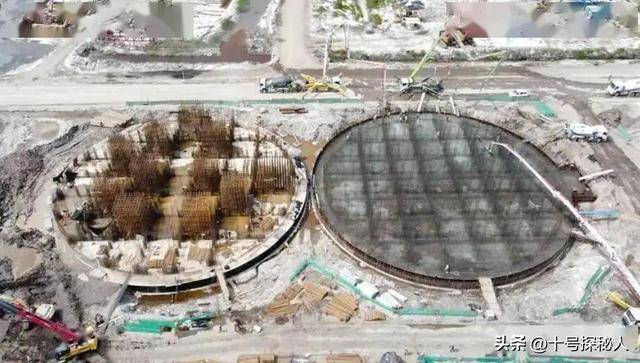
编辑:H 2026年3月15号,非洲大陆要没了它最大的电解铝工厂,莫桑比克那个年产能58万吨的Mozal铝厂宣布 彻底停工。这座厉害得像个大怪兽似的工厂停产,可不是因为设备用久变老了,也不是市场变小没啥需 求了,而是一场谈了六年的电价问题,最后没谈拢崩了。 如果不深入铝行业的骨髓,很难理解为什么每千瓦时仅仅几美分的差价就能勒死一家大厂。电解铝行业 被称作"固态电力银行"是有原因的,在这个行当里,生产每一吨原铝,哪怕是最先进的技术也需要吞噬 掉13000到15000度电。这意味着,电力不仅仅是动力,它几乎就是原材料本身,占据了总成本的三到四 成,甚至超过了氧化铝原料的占比。 在这个背景下,我们来看那张谈不拢的账单,莫桑比克政府已经不再满足于做一个慷慨的房东,他们将 手中的电力报价从原本堪称"全球地板价"的0.05美元/千瓦时,一口气拉升到了0.12美元。 在政府的账本里,这个算法合情合理:卡博拉巴萨水电站2075兆瓦的装机容量虽然雄厚,但每一度电的 背后都背负着大坝维护、输电损耗、甚至不得不为此进行的移民安置和环境修复成本。更何况,隔壁缺 电的南非和津巴布韦正挥舞着钞票求购,同样的水电卖给邻国能赚得更多,这就是 ...
中诚信国际宏观资讯双周报-20260106
Zhong Cheng Xin Guo Ji· 2026-01-06 07:50
www.ccxi.com.cn 国际宏观资讯双周报 12 月 23 日–1 月 5 日 ➢ 2026 年第 1 期 本周资讯一览 热点评论 ➢ 中国斡旋促成泰国与柬埔寨达成停火协议 柬埔寨 18 名被俘士兵获释 经济 财政 政治 国际收支 ESG 主权信用 ➢ 惠誉将乌克兰主权信用等级由"部分违约"上调至 CCC 主权与国际评级部 | 杜凌轩 | | 010-66428877-279 | | --- | --- | --- | | | | lxdu@ccxi.com.cn | | 王家璐 | | 010-66428877-451 | | | | jlwang@ccxi.com.cn | | 于 | 嘉 | 010-66428877-242 | | | | jyu@ccxi.com.cn | | 张晶鑫 | | 010-66428877-243 | | | | jxzhang@ccxi.com.cn | | 易 成 | | 010-66428877-218 | | | | chyi@ccxi.com.cn | | 杨雨茜 | | 010-66428877-667 | | | | yxyang@ccxi.com. ...
金银大涨,委内瑞拉之后“人人自危” 避险情绪升温
Hua Er Jie Jian Wen· 2026-01-06 03:15
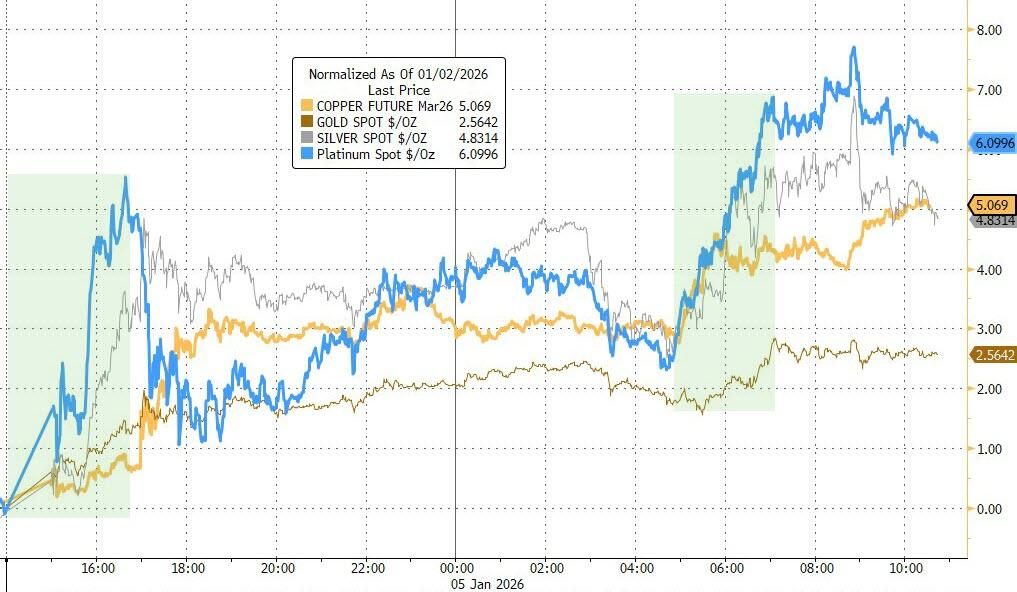
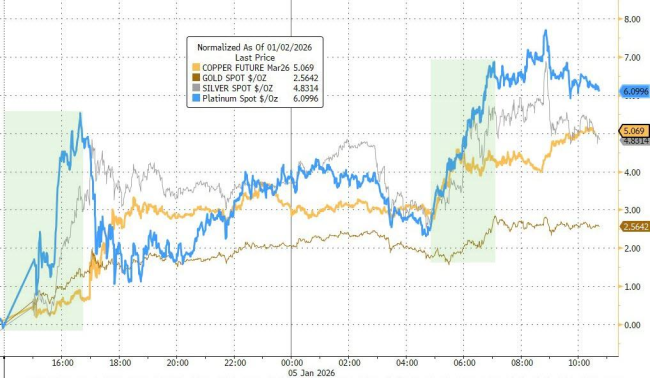
Group 1 - The arrest of Venezuelan leader Maduro has heightened risk aversion among investors, leading to a surge in demand for precious metals [1][5] - The recent fluctuations in commodity prices indicate a "metal war," with countries competing to secure key resources for the accelerating AI race [3] - Venezuela possesses significant gold and copper resources, which are now under increased scrutiny from the U.S. as it aims to control these assets [3] Group 2 - On Monday, safe-haven funds flowed into the precious metals market, with spot gold surpassing $4,400 and silver prices rising by 5%, with a peak increase of nearly 10% during the day [4] - Central banks have significantly increased their gold purchases in recent years, particularly after the Russia-Ukraine conflict in 2022, reflecting heightened concerns over asset security [5] - The recent surge in silver and copper prices is attributed to their designation as critical minerals by the U.S., emphasizing their importance to the economy and national security [5] Group 3 - Approximately 60% of global silver is used for industrial purposes, which enhances its strategic position in the AI race and energy transition [5] - A recent supply shortage has led to a nearly 45% spike in spot silver prices over the past month, indicating strong market dynamics [5] - The competition for key minerals is reshaping the commodity market landscape, necessitating close monitoring of resource nationalism's impact on supply chains and prices [5]
金银大涨,委内瑞拉之后“人人自危”
Hua Er Jie Jian Wen· 2026-01-06 00:29
Core Viewpoint - The arrest of Venezuelan President Maduro has led to a surge in investment in precious metals as a safe haven, with gold and silver prices experiencing significant increases [1][2]. Group 1: Precious Metals Market Reaction - Following Maduro's arrest, spot gold prices surpassed $4,400, while spot silver rose by 5%, with intraday gains reaching nearly 10% [1]. - Copper prices continued to rise due to preemptive stockpiling and concerns over supply disruptions related to tariff expectations [1]. Group 2: Resource Competition and Geopolitical Tensions - Analysts suggest that the fluctuations in commodity prices reflect an ongoing "metal war," with countries competing to secure critical resources for the accelerating AI race [3]. - Venezuela's mineral resources, particularly gold and copper, are under increased scrutiny as the U.S. aims to exert control over these assets [4]. Group 3: Importance of Venezuelan Mineral Resources - Venezuela possesses significant gold and copper reserves, with the Brisas mine being one of the largest deposits globally [4]. - The trend of central banks increasing gold purchases, especially post the Russia-Ukraine conflict, indicates heightened concerns over asset security and a reevaluation of traditional reserve currencies [4]. Group 4: Silver and Copper Market Dynamics - Silver and copper prices have surged recently, particularly after the U.S. classified them as critical minerals essential for economic and national security [5]. - Approximately 60% of silver is used in industrial applications, which enhances its strategic importance in the AI race and energy transition [5].