美国加征关税

Search documents
汇丰私行:外资正流入港股 青睐AI、高息板块
2 1 Shi Ji Jing Ji Bao Dao· 2025-06-06 11:44
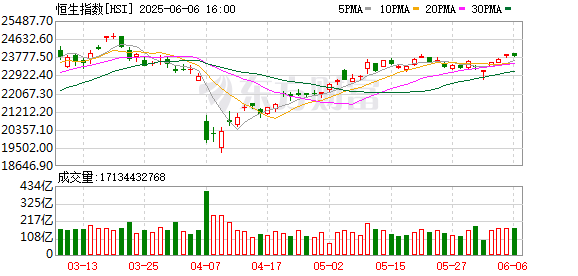
Group 1 - The core viewpoint is that international investors are increasingly focusing on Chinese assets, particularly in the context of uncertainty surrounding US dollar policies and the search for investment opportunities outside the US [1][2] - HSBC has observed a flow of foreign capital into the Hong Kong stock market, although the overall scale is still below historical highs, indicating room for further foreign investment in Hong Kong stocks [1] - Investment from foreign capital is primarily concentrated in the artificial intelligence sector and high-dividend stocks [1] Group 2 - In the field of artificial intelligence, China has surpassed the US and Europe in research output, and while Chinese AI-related stocks have been revalued, their valuations still lag behind their US counterparts [1] - The pace of share buybacks in Asia (excluding Japan) is breaking records, with expected equity returns rising from approximately 11% last year to 12.5% by 2026 [1] - The People's Bank of China will provide refinancing tools for commercial banks in 2024 to support share buybacks by listed companies and major shareholders, leading to a positive outlook for high-dividend quality state-owned enterprises, Hong Kong insurance companies, telecom stocks, and real estate stocks [1] Group 3 - The impact of the US tariff war on China's capital markets has weakened, with Chinese goods accounting for only about 13% of total US imports, compared to 2018 [2] - Despite initial expectations that Asian stock markets would be most affected by the tariff war, the mainland and Hong Kong stock markets have remained relatively stable [2] - HSBC Private Banking maintains a high allocation to gold over the next six months, anticipating strong demand from global investors for risk diversification and hedging [2] Group 4 - HSBC forecasts a target price of 25,830 points for the Hang Seng Index this year, indicating potential for upward movement [4] - As the focus of US tariff policies shifts, risk sentiment in Asian markets is gradually stabilizing [4] - HSBC plans to increase holdings in Asian stock markets driven by domestic demand and supportive stimulus policies, including those in China, India, and Singapore [4]


有色-能源金属行业周报
HUAXI Securities· 2025-05-25 10:15
证券研究报告|行业研究周报 [Table_Date] 2025 年 5 月 25 日 本周沪锡价格小幅下跌,Bisie 首批锡精矿已 进入物流环节 [Table_Title2] 有色-能源金属行业周报 [Table_Summary] 报告摘要: ►本周沪镍价格环比下跌,沪镍持续去库 截止到 5 月 23 日,LME 镍现货结算价报收 15,205.00 美 元/吨,较 5 月 16 日下跌 1.49%,LME 镍总库存为 198,636.00 吨,较 5 月 16 日增加 1.75%;沪镍报收 12.31 万元/吨,较 5 月 16 日下跌 1.25%,沪镍库存为 26,955.00 吨,较 5 月 16 日 减少 2.84%;截止到 5 月 16 日,硫酸镍报收 28,900.00 元/吨, 较 5 月 16 日价格持平。根据 SMM 周报,硫酸镍方面,需求 端表现方面,经过 5 月行业去库存后,部分前驱体生产企业 6 月排产计划趋于乐观,对硫酸镍的询价活跃度显著提升,且 企业对镍盐价格的接受度有所增强。供应端来看,部分镍盐生 产企业受需求增长及原料库存紧张影响,上调了产品报价系 数,另有部分企业报价维持稳 ...



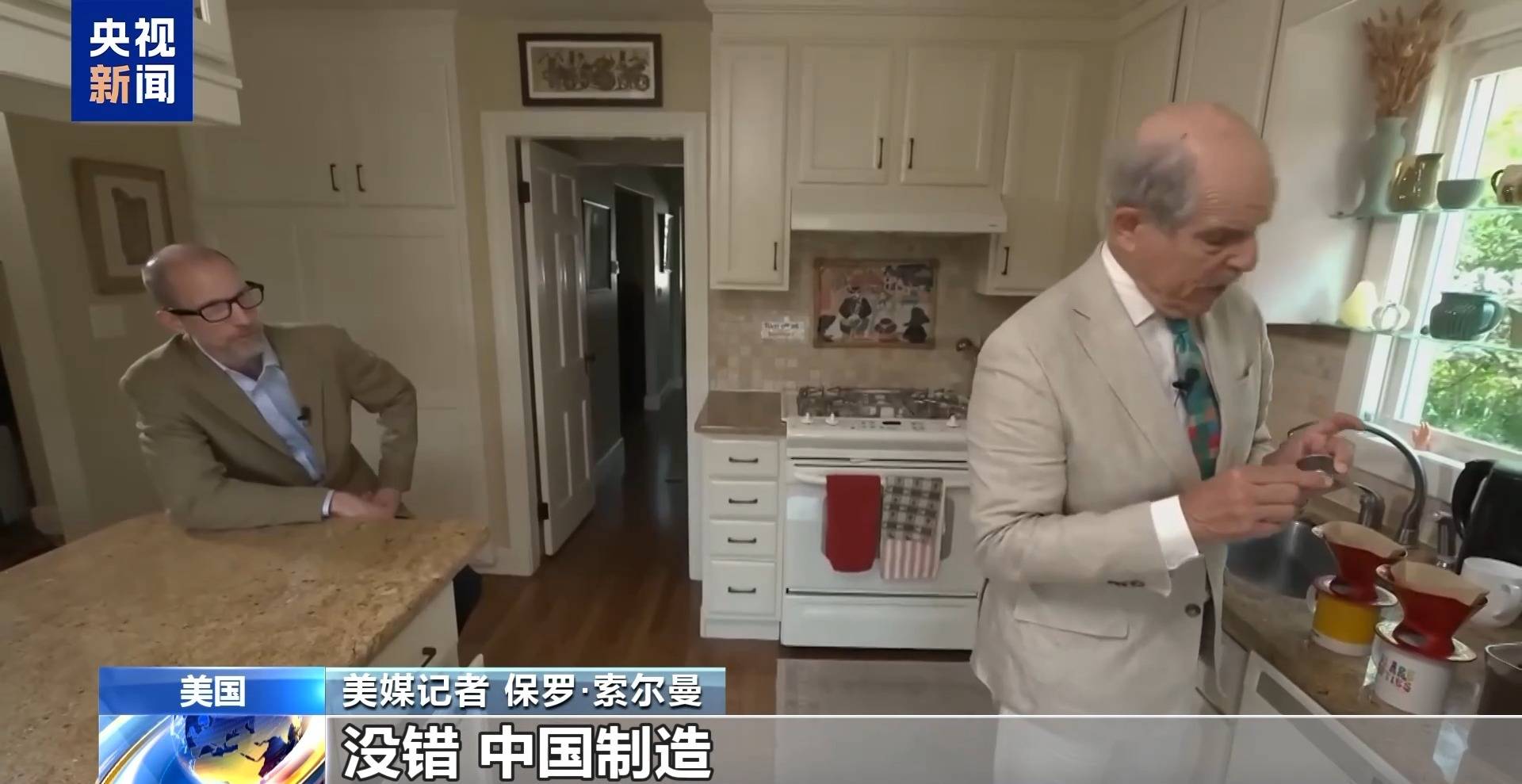
马克杯、勺子、烤箱…… 美国依赖“中国制造”的不只是厨房
Sou Hu Cai Jing· 2025-05-20 18:11
Core Viewpoint - The U.S. government's tariff policy is significantly impacting various aspects of American society, particularly affecting consumer prices and the availability of essential goods [1][9]. Group 1: Impact on Consumers - Many household products, including utensils and appliances, are manufactured in China, leading to potential price increases for consumers due to tariffs [1][3][5]. - The imposition of tariffs may result in shortages of essential items, making it difficult for consumers to find alternatives produced domestically [9]. Group 2: Investment Climate - The uncertainty surrounding trade policies is causing hesitation among investors, as they are wary of making long-term commitments in the face of unpredictable regulatory changes [11]. - The need for significant capital investment, such as $100 million for a factory, is compounded by the fear of sudden policy shifts, discouraging new manufacturing ventures in the U.S. [11]. - Importers are rushing to stockpile Chinese goods before a temporary suspension of tariffs, indicating a reactive rather than proactive investment strategy [11].
联创电子:美国加征关税对公司业绩影响有限
news flash· 2025-05-16 09:21
Core Viewpoint - The impact of the recent U.S. tariffs on the company's performance is limited, and the company is actively monitoring international trade policy changes and maintaining communication with customers to implement effective countermeasures [1] Group 1 - The company has stated that the U.S. tariffs have a limited effect on its performance [1] - The company will closely watch the developments in international trade policies [1] - The company is committed to ongoing communication with customers to address potential challenges [1]

5月14日电,德国经济部表示,通胀率可能维持在2%左右。
news flash· 2025-05-14 08:21
智通财经5月14日电,德国经济部表示,通胀率可能维持在2%左右。在美国加征关税的背景下,贸易和 经济政策的不确定性仍然明显上升。 ...
核心消费价格指数涨幅稳定 外部冲击下国内经济韧性凸显
Jin Rong Shi Bao· 2025-05-12 01:47
Group 1: CPI and PPI Trends - In April, the Consumer Price Index (CPI) shifted from a month-on-month decline of 0.4% to an increase of 0.1%, while the year-on-year CPI decreased by 0.1%, maintaining the same decline as the previous month [1] - The core CPI increased by 0.2% month-on-month and rose by 0.5% year-on-year, indicating stable growth [1][2] - The Producer Price Index (PPI) fell by 0.4% month-on-month and decreased by 2.7% year-on-year, with the decline expanding by 0.2 percentage points compared to the previous month [1][4] Group 2: Influencing Factors on Prices - The rise in CPI was primarily driven by increases in food and travel service prices, with food prices up by 0.2% month-on-month, exceeding seasonal levels by 1.4 percentage points [2] - International commodity price declines, particularly in oil and gas, have negatively impacted domestic prices, contributing to the PPI's downward trend [1][4] - The impact of U.S. tariff policies has led to a decrease in international crude oil and metal prices, which has been transmitted to domestic industries [4][5] Group 3: Future Outlook - Analysts expect PPI to remain under pressure due to tariff issues, while CPI may experience a mild recovery driven by demand rebound and seasonal food price stabilization [1][5] - The implementation of macroeconomic policies aimed at boosting consumption and investment is anticipated to positively influence certain sectors, leading to price increases in high-tech industries [5] - Despite external pressures, domestic policies are expected to support a reasonable price level, with a slight narrowing of PPI's year-on-year decline projected for the second quarter [5]
原创设计、多元化定制……关税战下义乌外商订单不降反增
Yang Shi Xin Wen· 2025-05-11 02:37
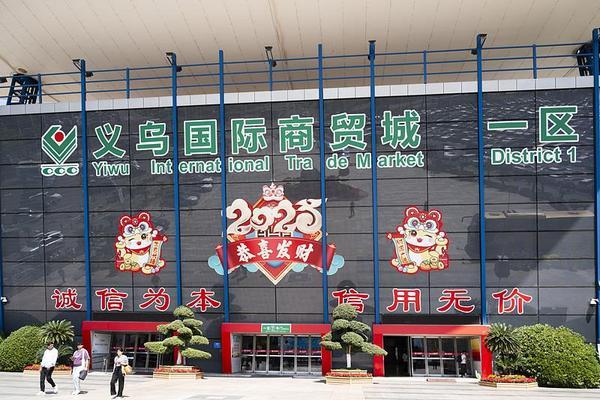
Core Viewpoint - Yiwu, as the world's largest distribution center for foreign holiday gift products, continues to see an increase in order volume despite the impact of additional tariffs imposed by the U.S. since April [1][3]. Group 1: Market Dynamics - Yiwu exports nearly 80% of the global market for foreign holiday gift products, with significant activity observed as foreign buyers begin placing orders for the upcoming holiday season [1]. - Many foreign buyers started placing orders as early as May to prepare for year-end holidays, with a peak shipping period expected to begin in July [3]. - Business owners in Yiwu report an increase in order volume compared to last year, with a diverse product range attracting customers from various regions, including South America, the Middle East, and Europe [3][5]. Group 2: Business Strategies - Business owners are adapting their strategies by accepting smaller orders from other countries to compensate for the absence of U.S. clients, who typically account for less than 10% of Yiwu's exports [4]. - The market's export structure is diversified, allowing businesses to remain resilient despite the challenges posed by the international trade environment [4][5]. - The introduction of new products tailored to different regional preferences has been a key strategy for maintaining competitiveness in the market [5]. Group 3: Financial Practices - Yiwu is promoting cross-border RMB settlement to reduce exchange costs and attract clients from countries less reliant on the U.S. dollar, enhancing its international business network [6]. - Many merchants are now prioritizing RMB for trade settlements, as it is perceived to be more stable compared to the U.S. dollar amid ongoing currency fluctuations [5][6].
中国出口企业放言,这个千亿制造业不会回流美国 | 海斌访谈
Di Yi Cai Jing· 2025-05-10 06:50
Core Viewpoint - The manufacturing landscape in the U.S. for tools is unlikely to return to previous levels due to high costs and supply chain issues, making it impractical for companies to produce domestically [1][10][11]. Group 1: Company Strategies - QuanFeng Holdings has shifted its production focus to Vietnam due to increased tariffs on Chinese exports to the U.S., with plans to expand its manufacturing capacity there [3][4]. - The company estimates that its sales in 2024 will reach approximately 13 billion RMB, with over 70% coming from the U.S. market [3]. - Giant Star Technology has also established production facilities in Vietnam to mitigate tariff impacts and plans to expand its product range from hand tools to electric tools [4][5]. Group 2: Market Dynamics - The U.S. tool market is the largest globally, with an estimated market size exceeding 170 billion RMB in 2020, and at least half of the tools sold in the U.S. are manufactured in China [1][3]. - The imposition of tariffs has led to a significant increase in costs, with U.S. manufacturers unable to absorb these costs, resulting in a pause in exports from China [3][4][11]. - Major U.S. retailers are seeking solutions to manage tariff costs, indicating a collective concern over the sustainability of high tariffs on consumer goods [6]. Group 3: Competitive Landscape - Companies like QuanFeng Holdings and Giant Star Technology are increasingly competing with established brands such as Stanley Black & Decker, Bosch, and Makita, as they expand their market presence in the U.S. and Europe [13][14]. - The global sales revenue of QuanFeng Holdings is projected to reach 1.77 billion USD in 2024, while Stanley Black & Decker's revenue is expected to be around 15.3 billion USD, highlighting the competitive gap [14]. - The shift in market share from established brands to Chinese companies is evident, with Chinese brands gradually replacing traditional market leaders in various segments [14][15].


卷螺差的底层逻辑与驱动因素
Qi Huo Ri Bao· 2025-05-08 11:20
Group 1 - The core logic of the price difference between hot-rolled and rebar steel (卷螺差) is rooted in the production cost differences, with current production cost differences ranging from 80 to 120 CNY per ton [1] - The price center of the price difference has been continuously rising from 2019 to 2024, reflecting the economic transformation in China, with a consistent upward trend in the price difference amid the decline in real estate and rapid expansion in manufacturing [2] - The concentration of the price difference has been increasing, indicating reduced volatility, particularly evident in 2023 and 2024, primarily due to the declining demand elasticity for rebar amid the ongoing downturn in the real estate sector [2] Group 2 - Supply-side factors significantly influence the price difference, with policy impacts on production being notable, especially in 2021 when production limits in Hebei led to a rapid contraction of the price difference [4] - Seasonal demand and the rapid resumption of electric furnace production are likely to lead to an expansion of the price difference in February and March, as rebar demand is more affected by the Spring Festival compared to manufacturing sectors [8] - The price difference has shown significant fluctuations over the years, with the maximum difference reaching 523 CNY per ton in 2021 and a minimum of -178 CNY in 2019, indicating a wide range of market dynamics [3] Group 3 - The strategy for 2025 suggests a focus on buying at the lower end of the production cost range due to overcapacity and the dynamic distribution of iron water between hot-rolled and rebar steel driven by profit changes [11][14] - Economic transformation is driving demand differentiation, with high-end manufacturing upgrades boosting plate demand while the ongoing decline in real estate continues to suppress construction material demand [14] - Export pressures are anticipated in the short term, but long-term demand may remain high due to China's cost advantages in steel production, despite potential impacts from anti-dumping measures and tariffs [14]

黄益平:当前形势下的稳增长政策思考 | 宏观经济
清华金融评论· 2025-05-07 10:35
Core Viewpoint - The article emphasizes the need for a combination of macroeconomic, industry, and reform policies to stabilize growth in the face of persistent downward pressure on China's economy [1][4][10]. Macroeconomic Policies - Macroeconomic policies, including monetary and fiscal measures, are essential for counter-cyclical adjustments during economic downturns. The focus should be on monetary easing and fiscal expansion to stimulate growth [4][10]. - Continuous reliance on macroeconomic policies over extended periods is unsustainable, highlighting the need for a balanced approach [4][10]. Industry Policies - Industry policies are crucial as certain sectors lose competitiveness due to rising costs and changing market conditions. This necessitates the entry of emerging industries to support economic growth [4][5]. - The real estate sector's ongoing decline poses significant challenges for overall economic stability, as it heavily influences both investment and consumption [5][7]. - There is a need to create a conducive environment for emerging industries while stabilizing critical sectors like real estate in the short term [7][8]. Reform Policies - Reform policies are vital for improving the business environment as China transitions from an input-driven growth model to an innovation-driven one. This includes enhancing resource allocation efficiency and boosting the confidence of private enterprises [8][10]. - Private enterprises play a significant role in driving innovation and economic growth, necessitating the effective implementation of policies that support them [8][10]. Current Policy Recommendations - The article suggests that the current policy response should be proactive, considering potential economic downturns. It highlights the importance of preparing for risks and adjusting policies based on economic performance [10][11]. - The recent increase in U.S. tariffs poses challenges for Chinese exports, necessitating decisive macroeconomic policies to stabilize growth and expand domestic demand [12][13]. - Targeted measures should be designed to assist industries and workers directly affected by external shocks, such as tariffs, to mitigate their impact on the economy [12][13].