
中美贸易摩擦

Search documents
专家报告:新材料发展趋势与创新机制思考
材料汇· 2025-07-10 15:47
Group 1 - The article discusses the definition and significance of innovation and new materials, emphasizing that innovation is a new combination of production factors and is driven by entrepreneurs [6][5] - New materials are defined as materials that exhibit superior performance or new functions through the application of new ideas, technologies, processes, and equipment [5][4] - The global new materials market has seen significant growth, expanding from over $400 billion in 2010 to nearly $2.15 trillion by 2016, with an average annual growth rate exceeding 10% [11] Group 2 - The article highlights the increasing concentration and monopolization of high-end materials by major multinational companies such as Alcoa, DuPont, and Bayer, which dominate the high-tech and high-value-added new materials market [12] - It notes the acceleration of cross-disciplinary innovation and the transformation of research and development models, with a growing reliance on collaborative innovation across multiple disciplines [13] - The focus on green lifecycle management and efficient resource utilization is emphasized, particularly in the development of new energy and environmentally friendly materials [14] Group 3 - The article outlines the challenges faced by the global new materials industry, including the rise of unilateralism and trade barriers, which are reshaping international economic and trade processes [15] - It identifies key areas for future development in China's new materials sector, including lightweight automotive materials, new energy technologies, and advanced manufacturing [35][37] - The strategic direction for the development of new materials in China is discussed, emphasizing the importance of innovation, digital transformation, and enhancing core business capabilities [54][56]

供给为锚,结构掘金——海运行业2025年度中期投资策略
2025-07-09 02:40
Summary of the Shipping Industry Conference Call Industry Overview - The conference call focuses on the shipping industry, particularly the container shipping market and its dynamics in 2025 [1][5][6]. Key Points and Arguments Container Shipping Market Performance - The container shipping market experienced fluctuations in the first half of 2025, with pressures in Q1 due to reduced Suez Canal traffic and high new ship deliveries [1][5]. - In April, U.S.-China trade tensions led to a decline in cargo volume on U.S. routes, but shipping companies managed to maintain freight rates by cutting capacity [1][5]. - A trade agreement in May resulted in a surge in demand, leading to increased freight rates on U.S. routes, indicating strong overall performance despite earlier weaknesses [1][5]. Global Trade Dynamics - The global trade landscape is shifting eastward, with Chinese companies expanding operations in the Middle East and Southeast Asia, driving demand for container shipping in the Asia region [1][6]. - ASEAN has become China's largest trading partner, with increasing foreign direct investment contributing to growth in container shipping demand [1][6]. Domestic Container Shipping Outlook - The domestic container shipping market is expected to perform well in 2025 due to limited new ship deliveries and demand driven by domestic consumption subsidies and infrastructure projects [1][7]. - The U.S. 301 tariff law may encourage Chinese shipowners to adopt hub-and-spoke services, which could mitigate impacts on smaller feeder vessels [1][7]. Cruise Market Conditions - The cruise market is described as being in a "weak reality with upward options" state, facing challenges from low refinery utilization rates in China and OPEC's previous production decisions [1][8]. - However, OPEC's recent production increases and geopolitical tensions in the Middle East may lead to a rise in short-term oil transportation demand, suggesting potential growth for the cruise market [1][8]. Geopolitical Risks - The shipping industry faces significant uncertainties due to geopolitical conflicts, including U.S.-China trade tensions and Middle Eastern conflicts, which can impact shipping operations and market sentiment [2][9]. - The instability in the Middle East, particularly between Iran and Israel, could lead to increased demand for preemptive shipping and stockpiling [3][9]. Dry Bulk Market Conditions - The dry bulk market is currently characterized by weak supply and demand, with low growth rates in demand due to a downturn in domestic real estate and infrastructure [3][11]. - Future opportunities may arise from reconstruction efforts in Ukraine and increased capital spending in Germany, which could boost demand for dry bulk shipping [3][11]. Additional Important Insights - The focus for investment strategies in the second half of 2025 should be on cash flow and supply growth, as these indicators reflect current profitability and future industry stability [4][10]. - The dry bulk market, despite its current low profile, has potential for upward movement if significant geopolitical and economic events unfold favorably [11].
下半年,如何让钱生钱?
虎嗅APP· 2025-07-09 00:42
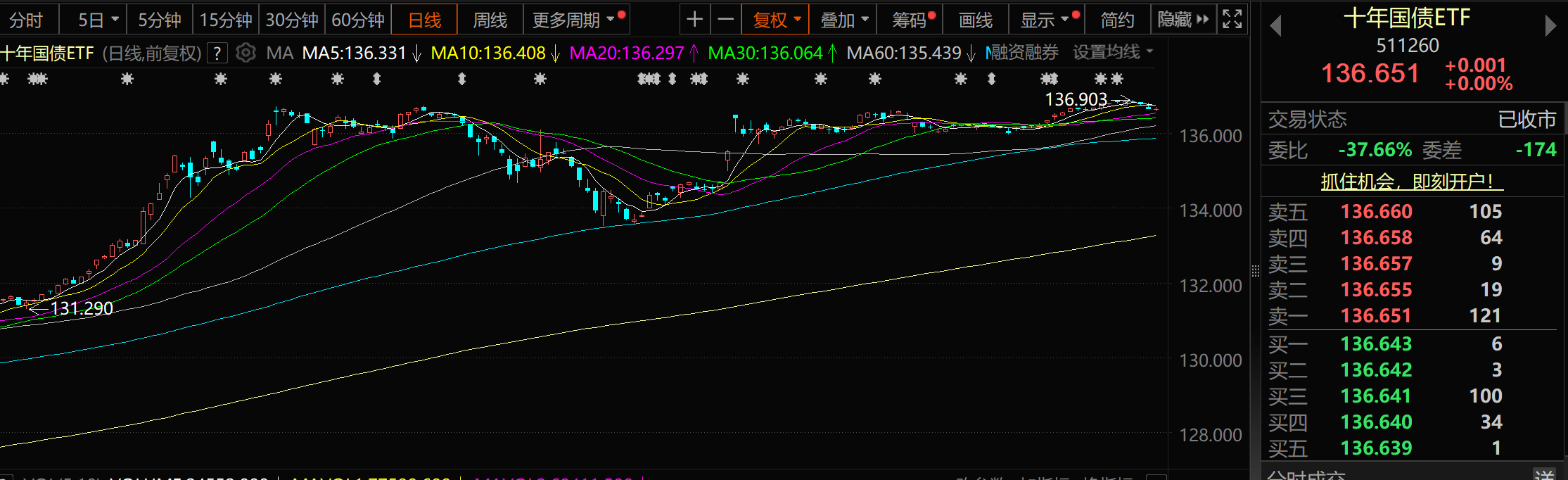
Core Viewpoint - The article discusses the changing landscape of investment strategies in light of declining interest rates and the need for diversified asset allocation to preserve and grow wealth in an uncertain economic environment [3][5]. Group 1: Economic Context - Inflation has significantly decreased, with CPI showing negative growth for four consecutive months starting February 2025, making it easier for individuals to maintain purchasing power without active investment [3]. - The interest rate for one-year deposits at major banks has dropped to 0.9%, resulting in minimal returns for savers [4]. Group 2: Asset Allocation Strategies - A diversified asset allocation strategy is recommended, focusing on four main asset classes: A-shares, gold, domestic bonds, and U.S. bonds, each with distinct risk-return profiles [6]. - A-shares are seen as a representative of domestic equity assets, while gold serves as a recognized hedge against inflation. Domestic bonds are favored for their stability and credit quality, and U.S. bonds are crucial for currency risk hedging [6]. Group 3: A-shares Market Analysis - The biggest risk for A-shares this year has been the U.S.-China trade tensions, which caused significant market fluctuations, including a 7.34% drop in the Shanghai Composite Index on April 7 [8][10]. - Despite initial pessimism regarding economic performance, recent data indicates a recovery in manufacturing PMI and stable export performance, leading to a rebound in A-shares [9][10]. - The market is currently experiencing a bullish phase, but uncertainty remains regarding the sustainability of this trend, heavily dependent on economic fundamentals [12]. Group 4: Gold Market Insights - The perception of gold has shifted, with recent price volatility reflecting market sensitivity to geopolitical events and trade negotiations. Gold prices reached a peak increase of 30% this year, driven by trade tensions [12][14]. - Short-term outlook for gold is cautious, with potential price corrections anticipated due to changing market sentiments and economic indicators in the U.S. [16][17]. Group 5: Bond Market Dynamics - The bond market in 2025 is characterized by lower returns compared to 2024, with ten-year government bond ETFs showing only a 0.81% increase in the first half of the year [20][23]. - The strategy for bond investments should focus on tactical trading rather than long-term holding, with specific yield thresholds suggested for buying and selling [24]. Group 6: U.S. Bond Market Concerns - The yield on U.S. ten-year bonds has risen above 4.6%, indicating a shift in perception where they are increasingly viewed as risk assets rather than safe havens [26][27]. - Recent legislative developments regarding stablecoins may provide temporary relief, but they do not address the underlying structural issues facing the U.S. bond market [28][29].

中美贸易摩擦下的经济形势:抓住偶然背后的必然
3 6 Ke· 2025-07-08 02:33
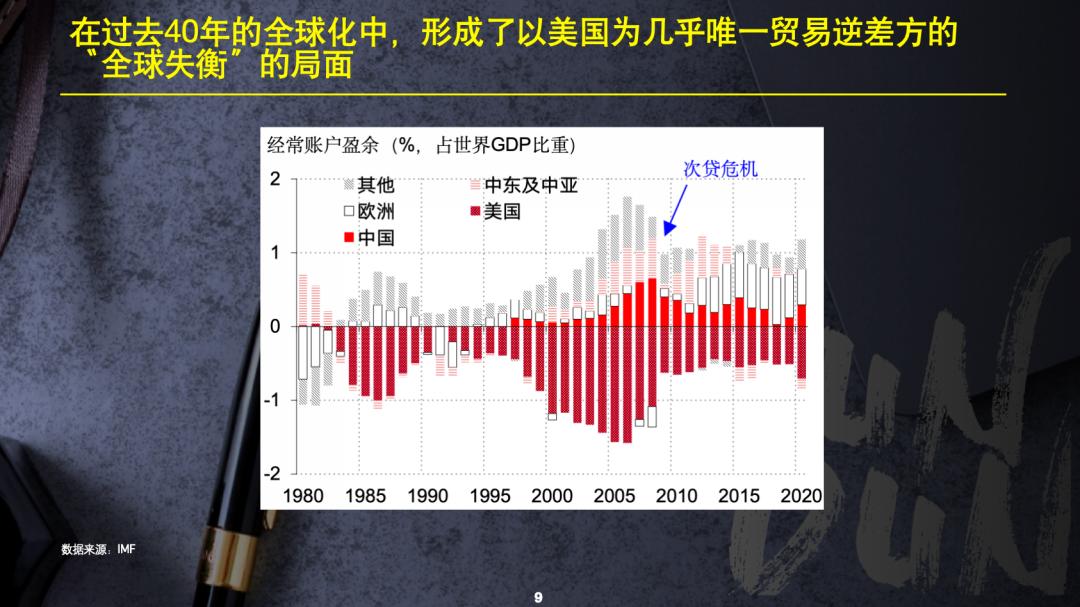
Group 1 - The trade conflict between the US and China has escalated significantly, with tariffs reaching as high as 125% before a temporary agreement to reduce them to 10% was reached [1] - Analysts predict that this trade competition will be a long-term struggle, as the economic goals of both countries are fundamentally at odds [1][3] - The US's "equal tariffs" policy aims to reduce its trade deficit by imposing high tariffs on countries with which it has a trade deficit, particularly China [3][5] Group 2 - The root cause of the global imbalance is linked to the unique position of the US dollar, which allows the US to maintain a trade deficit due to its ability to print money without cost [5][6] - The dollar's dominance has led to the hollowing out of the US manufacturing sector, with its share of GDP dropping from 24% in the 1970s to an estimated 10% in 2024 [6] - The benefits of globalization have been unevenly distributed in the US, leading to increased social tensions and a growing income gap between workers and capital owners [7] Group 3 - The US has two potential strategies to address the challenges posed by globalization: abandoning dollar hegemony and implementing a universal basic income policy [10] - However, these strategies are difficult to implement due to the entrenched interests in the current system, leading to a retreat into "de-globalization" as a secondary option [10][11] - The economic relationship between the US and China has become increasingly imbalanced, with China experiencing trade surpluses and low consumption while the US faces trade deficits and high consumption [11][14] Group 4 - China faces significant challenges in boosting effective demand, which is crucial for economic growth, as income distribution has historically favored capital over labor [16][18] - The country has three potential strategies to address demand issues: a fundamental shift towards consumption, investment-driven growth, and managing excess capacity [18][21] - The current policy focus is on investment to stabilize economic growth, particularly through infrastructure and real estate initiatives [25] Group 5 - The Chinese market is currently experiencing bottom-level fluctuations across stock, bond, and currency markets, with expectations for government intervention to support growth [26][29] - The stock market is supported by state intervention, while the bond market faces limited room for further interest rate cuts due to low demand sensitivity [26][29] - The Chinese yuan is expected to remain stable against the dollar, with the central bank actively managing its value to prevent significant depreciation [29]
深度好文 |中美贸易摩擦下的经济形势:抓住偶然背后的必然
混沌学园· 2025-07-07 01:13
Group 1 - The core viewpoint of the article is that the trade conflict between China and the United States is a long-term struggle driven by conflicting national goals, with both sides unwilling to compromise, leading to a potential decades-long competition [1][12][32] - The "reciprocal tariffs" policy initiated by the Trump administration aimed to reduce the U.S. trade deficit by imposing high tariffs on countries with which the U.S. has a trade deficit, particularly China, which faced a 34% tariff based on its trade deficit ratio [5][12] - The underlying cause of the U.S. trade deficit is linked to the unique position of the U.S. dollar as the world's primary reserve currency, allowing the U.S. to create dollars with minimal cost, leading to a persistent trade deficit [7][8] Group 2 - The article discusses the "hollowing out" of the U.S. manufacturing sector due to the dollar's dominance, with manufacturing's share of GDP dropping from 24% in the 1970s to an estimated 10% in 2024, while finance and real estate sectors have grown [8][9] - The article highlights the increasing income inequality in the U.S., where the share of wages in GDP has declined over the past 30 years, exacerbating social tensions and contributing to the rise of populist sentiments [9][11] - The U.S. has two potential strategies to address the challenges posed by globalization: abandoning dollar hegemony in favor of a global currency and implementing domestic policies for wealth redistribution, but both options face significant political and ideological hurdles [11][12] Group 3 - The article outlines the "mirror imbalance" in the U.S.-China economic relationship, where China has a trade surplus and low consumption, while the U.S. has a trade deficit and high consumption, which has historically supported mutual economic growth [14][17] - China's economic challenges are rooted in insufficient effective demand, which is linked to income distribution issues, where a significant portion of national income does not translate into consumer spending [17][19] - The article proposes three strategies for China to address effective demand issues: a fundamental shift towards consumption through income redistribution, continued investment to stabilize growth, and the risk of falling into a cycle of overcapacity and low demand if no action is taken [20][22] Group 4 - The article emphasizes the importance of stabilizing the economy and market in the context of U.S.-China competition, suggesting that China has more policy tools at its disposal to address demand issues [24][26] - The expected policy direction for China is to focus on investment-driven growth, particularly in infrastructure and real estate, to stimulate the economy in the short term [27][28] - The current state of China's stock, bond, and currency markets is characterized by bottom oscillation, with expectations of government support and stabilization measures influencing market dynamics [28][30]

A股到美债:四大资产怎么选?
Hu Xiu· 2025-07-04 09:07
Core Viewpoint - The article discusses the changing landscape of investment strategies in response to the declining interest rates and the impact of geopolitical events, particularly the US-China trade tensions, on various asset classes. Group 1: Economic Environment and Investment Strategy - The current economic environment is characterized by a significant decline in inflation, with CPI showing negative growth for four consecutive months starting February 2025, making it easier for individuals to maintain purchasing power without active investment [1][2] - The interest rates for one-year deposits at major banks have dropped to 0.9%, leading to a diminishing return on traditional savings, which poses challenges for individuals seeking to grow their wealth through savings alone [2][3] - The article emphasizes the importance of diversified asset allocation in a highly uncertain global environment, advocating for a strategy of not putting all eggs in one basket [2][3] Group 2: Asset Classes Overview - A-shares, gold, government bonds, and US Treasuries are identified as the core asset classes for domestic investors, each with distinct risk-return profiles [3] - A-shares are seen as having optimistic potential, contingent on effective domestic policy support for the economy, while the bond market is expected to have limited upside and increased volatility compared to 2024 [3][4] - Gold is recommended for accumulation rather than speculation, as its price may face short-term pressures despite having long-term upward potential due to factors like a weakening dollar and potential tariff increases [3][10] Group 3: A-shares Market Analysis - The US-China trade conflict is identified as the primary "black swan" event affecting the A-share market, with significant market reactions observed following escalations in trade tensions [4][8] - Despite initial pessimism regarding economic performance post-trade conflict, recent data indicates a stabilization in manufacturing and external trade, contributing to a recovery in A-share prices [6][8] - The article notes that the market's future performance will depend heavily on the resilience of financial stocks and the overall economic outlook [6][8] Group 4: Gold Market Dynamics - The perception of gold as an investment has become more complex, with recent price fluctuations reflecting heightened sensitivity to market conditions and geopolitical developments [10][11] - The article highlights that while gold prices surged earlier in the year, the current market sentiment is cautious, with predictions of potential declines in gold prices due to stronger US economic indicators [10][14] - Long-term prospects for gold remain positive, particularly as a hedge against the declining credibility of the dollar, but short-term volatility is expected [14][16] Group 5: Bond Market Insights - The bond market has shifted from a bullish to a more cautious stance, with lower returns expected in 2025 compared to the previous year, making it more suitable for tactical trading rather than buy-and-hold strategies [17][19] - The article suggests that investors should focus on yield movements in the 10-year government bond market to inform their trading decisions, as the relationship between bond prices and yields is inversely correlated [21][23] - The US Treasury market is under scrutiny due to rising yields, which are increasingly viewed as risk assets rather than safe havens, indicating a need for careful investment strategies [23][25]
刘志阔:特朗普最新对越南关税政策阴影下的中国出口企业
3 6 Ke· 2025-07-03 06:18
Core Insights - The article discusses the impact of the U.S.-Vietnam trade agreement and the broader implications of U.S.-China trade tensions on Chinese exporters and their strategies in response to tariffs and market changes [1][14]. Group 1: Trade Policy and Its Effects - The U.S. has imposed a 20% tariff on goods imported from Vietnam, with a 40% tariff on goods that are transshipped through Vietnam from other countries [1]. - Since the onset of U.S.-China trade tensions in 2018, the global trade landscape has been significantly altered, with Chinese exporters facing direct consequences [1][14]. Group 2: Export Price Dynamics - Despite increased tariffs, Chinese exporters have not significantly lowered prices; instead, they have reduced export volumes, indicating a rigid pricing strategy [2][3]. - Over 70% of surveyed exporters reported that their profit margins are too thin to absorb additional price cuts, with many unable to adjust prices due to contractual obligations [2][3]. Group 3: Challenges in Exporting - The low profit margins in the export industry, typically between 3%-5%, limit the ability of companies to absorb tariff costs through price reductions [3]. - Many exporters find it difficult to pivot to domestic sales due to the need for extensive market development and differing standards between domestic and international markets [3][4]. Group 4: Market Reallocation and New Opportunities - Some Chinese exporters are attempting to shift their focus to the EU market, which has shown a slight increase in imports from China as U.S. tariffs rise [4]. - However, the overall decline in exports to the U.S. has not been fully compensated by gains in other markets, leading to a net decrease in total exports [4]. Group 5: Investment in Vietnam - Chinese companies are increasingly investing in Vietnam as a strategic response to trade tensions, with Vietnam emerging as a key hub for manufacturing and assembly [6][7]. - The integration of Chinese enterprises into Vietnam's economy is evident, with many companies establishing production capabilities that go beyond mere transshipment [9][10]. Group 6: Operational Challenges in Vietnam - While Vietnam offers lower labor costs, challenges such as a limited pool of skilled workers and differences in legal and administrative processes pose hurdles for Chinese firms [8][10]. - Most companies are adopting a strategy of maintaining production in China while shifting assembly and processing to Vietnam, rather than fully relocating their operations [8][10]. Group 7: Institutional Strategies - The "exclusion list" mechanism in the U.S. allows companies to apply for tariff exemptions on certain products, providing a buffer against rising costs [11][12]. - However, the complexity and uncertainty of this process limit its effectiveness for long-term planning [12]. Group 8: Future Outlook - The ongoing trade tensions are prompting Chinese companies to diversify their markets and enhance their operational resilience, indicating a shift from traditional export models to more integrated global operations [14][15][16]. - The transformation of Chinese firms into comprehensive global operators is seen as a necessary adaptation to the evolving international trade environment [15][16].

2025年金融市场展望中期策略会
2025-06-26 15:51
Summary of Key Points from Conference Call Records Industry Overview - **Financial Market Outlook**: The U.S. financial market is expected to perform strongly in 2023-2024 due to monetary expansion and the AI revolution, but fiscal expansion is limited in the first half of 2024, leading to capital flow towards European stocks, Hong Kong stocks, and precious metals [1][2][3]. Core Insights and Arguments - **U.S. Economic Challenges**: The Trump administration's attempts to address the "twin deficits" (fiscal and trade deficits) through tariffs and debt restructuring have had limited success, with fiscal deficits expected to remain high in 2025 [1][5][9]. - **Debt Burden**: The U.S. national debt has increased significantly, with interest payments exceeding 20% of fiscal revenue, leading to a growing debt burden [1][8]. - **Global Interest Rate Trends**: Global interest rates are generally declining due to limited debt leverage expansion across major economies, which suppresses capital returns and, consequently, interest rates [1][17]. - **China's Economic Dynamics**: China's economic growth model has shifted from relying on foreign demand to domestic demand, facing challenges such as high fiscal deficits and rising interest payments [1][20][21]. - **2025 Economic Predictions for China**: Similar macroeconomic constraints as in 2023 are anticipated, including declining exports, fluctuating consumer demand, low inflation, and reduced financing needs [1][24][29]. Important but Overlooked Content - **U.S. Monetary Policy**: The U.S. M2 money supply growth is expected to slow down, indicating a cooling economy, as high interest rates deter borrowing and expansion [1][16]. - **China's Fiscal Policy Constraints**: China's interest payments are rising, with the ratio of interest payments to fiscal revenue increasing, indicating potential constraints on future fiscal policy [1][20]. - **Market Dynamics**: The bond market in 2023 showed unexpected bullish trends despite initial expectations of poor performance, driven by adjustments in deposit rates and monetary policy [1][25][26]. - **Investment Opportunities**: The global fixed income market is expected to present investment opportunities in the second half of 2025, particularly if the U.S. economic position weakens [2][41]. This summary encapsulates the critical insights and trends discussed in the conference call records, highlighting the challenges and opportunities within the financial markets and the broader economic landscape.
2025年下半年主观CTA策略展望
Guo Tai Jun An Qi Huo· 2025-06-22 12:07
Group 1: Investment Rating - No investment rating is mentioned in the report. Group 2: Core Viewpoints - The performance of the subjective CTA strategy line in the second half of 2025 will continue the trend of the first half. The consistency between macro and industrial directions benefits subjective CTA managers, and the source of income will not decline significantly. Also, the probability of position limits is low, which is conducive to the recovery of market liquidity [2][32][35] Group 3: Summary by Directory 1. 2025 H1 Subjective CTA Review 1.1 Subjective CTA Strategy Net Value Performance - In H1 2025, the net value performance of managers in the observation pool was basically the same as that in H1 2024, and the maximum weekly drawdown was smaller. By sector, black and multi - sector managers had prominent returns. By scale, larger - scale managers had more obvious returns [8][11][14] 1.2 2025 H1 Subjective CTA Strategy Income Attribution - In H1 2025, the Nanhua Commodity Index weakened. The decline of coal drove the cost collapse of domestic industrial products. The income acquisition of subjective CTA was divided into two stages. In the first stage (Jan - Mar 2025), precious and non - ferrous metals rose, while domestic industrial products weakened. In the second stage (Apr - May 2025), after the Tomb - sweeping Festival, the market volatility increased, and subjective CTA managers performed well. The cost collapse of industrial products also promoted the performance of quantitative CTA factors [17][19][22] 2. Subjective CTA Strategy Industry Ecological Changes 2.1 Managers' Positions are Generally Low, Paying More Attention to Net Value Drawdown Management - Managers' positions are generally low, focusing on net value drawdown management. The income in H1 2025 came from the smooth trend of some varieties and the improvement of trading win - rate. Changes in trading habits are related to past commodity price fluctuations and capital requirements [26] 2.2 The Proportion of Industrial Hedging has Increased, Possibly Increasing Industrial Discourse Power - As the prices of industrial products such as coal decline, the industrial demand for hedging against price decline risks has increased. The reduction of the inventory transfer ability of factories through traders makes futures hedging a choice, which may increase industrial discourse power in subsequent pricing [30] 3. 2025 H2 Subjective CTA Outlook - The performance of the subjective CTA strategy line in H2 2025 will continue the trend of H1. The consistency between macro and industrial directions remains, and the decline trend of domestic industrial products has not changed. The probability of position limits is low, which is conducive to the recovery of market liquidity [32][33][35]
2025年宏观对冲策略半年报:宏观对冲策略25年H1回顾与展望
Guo Tai Jun An Qi Huo· 2025-06-22 12:07
Core Insights - The report indicates that from the beginning of 2025, macro hedge strategies, particularly risk parity strategies, face significant challenges due to increased policy uncertainty and market volatility, leading to a higher correlation among asset classes compared to the end of the previous year [2][3] - The performance of risk parity strategies has been notably poor, with a net value index of 0.989 as of May 16, 2025, reflecting a slight loss, while asset rotation strategies have shown better performance with a net value index of 1.013 [19][20] - The report suggests a cautious outlook for macro hedge strategies in the second half of 2025, recommending a reduction in allocations to risk parity managers and a focus on their ability to manage tail risks and dynamically adjust positions [3][19] Group 1: Performance Review and Strategy Classification - Macro hedge strategies are categorized into two primary types: "risk parity" and "asset rotation," with further distinctions based on subjective versus quantitative trading approaches [6][8] - The risk parity strategy aims for balanced risk allocation across various macroeconomic environments, while asset rotation strategies focus on actively trading based on economic conditions and market predictions [9][13] - In the first half of 2025, risk parity strategies experienced a maximum drawdown of -4.09%, while asset rotation strategies had a maximum drawdown of -3.46%, indicating that risk parity strategies underperformed [19][20] Group 2: Market Correlation and Asset Class Analysis - The correlation between major asset classes has increased in 2025, with the report noting a significant positive correlation between commodities and equity indices, while the negative correlation between bonds and equities has weakened [29][30] - The risk parity index showed the highest correlation with the commodity index at 0.607, while the asset rotation index had a higher correlation with the mid-cap index at 0.675, indicating differing dependencies on asset classes [30][31] - The report highlights that risk parity strategies are more reliant on bond performance compared to asset rotation strategies, which are more dependent on equity performance [39][44] Group 3: Investment Outlook and Recommendations - The report advises investors to maintain a cautious stance on macro hedge strategies, particularly risk parity strategies, due to anticipated continued volatility and potential negative returns [3][19] - It emphasizes the importance of evaluating managers' capabilities in managing tail risks and their flexibility in adjusting positions in response to market conditions [3][19] - The report also suggests focusing on asset rotation strategies that demonstrate advantages in specific asset classes to enhance portfolio resilience [3][19]