
大宗商品

Search documents
华尔街长期多头力挺黄金牛市:最快三年内破万!
Jin Shi Shu Ju· 2025-10-13 02:38
Core Viewpoint - The international spot gold price has surged by 54% this year, with predictions suggesting it could rise by 150% by 2028 if the current trend continues [2] Group 1: Factors Supporting Gold Price Increase - The decline in confidence in the US dollar has reinforced gold's status as a safe-haven asset, leading to a 1.5% increase in gold prices [2] - Multiple factors are driving the rise in gold prices, including its role as a traditional hedge against inflation, the freezing of Russian assets prompting central banks to de-dollarize, and the geopolitical impacts of the Trump trade war [2] - Ed Yardeni forecasts that gold prices could reach $5,000 per ounce by 2026 and potentially exceed $10,000 per ounce by the end of the decade if the current momentum continues [2] Group 2: Economic Context and Market Sentiment - The recent shift in the Federal Reserve's policy towards interest rate cuts has contributed to the recent surge in gold prices, despite persistent inflation above the 2% target [3] - The rising debt levels in major developed economies, including the US, have shaken investor confidence in global currencies, leading to a "devaluation trade" where investors turn to precious metals and cryptocurrencies [3] - The sentiment of "fear of missing out" (FOMO) is permeating gold trading, complicating objective assessments of gold's value, with expectations for continued price increases tempered by signs of market overheating [3][4]
22:59,暴跌开始,世界被击中了
Xin Lang Cai Jing· 2025-10-10 22:41
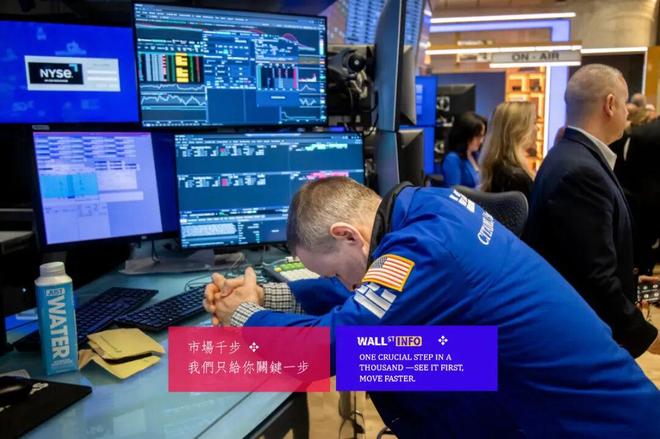
Core Insights - The U.S. stock market experienced a significant decline, with the Dow Jones dropping by 1.9%, the S&P 500 by 2.71%, and the Nasdaq by 3.56% [3] - The VIX (Volatility Index) surged above 20, indicating increased market fear, while the dollar index fell by 0.57%, oil prices dropped nearly 4%, and Bitcoin decreased by approximately 5.5% [3] - Gold emerged as the only asset gaining value during this sell-off, as investors shifted from "faith" to "safe haven" assets [4] Market Dynamics - The current market turmoil is linked to growing skepticism about the AI bubble, with a potential for a larger market correction as investors rush to exit positions [4] - Systematic selling pressure is evident, with UBS warning that a 1% drop in the S&P could trigger around $20 billion in programmatic selling, escalating to $280 billion with a 3% decline [4] - The S&P 500 closed at 6652, and analysts caution that a drop below 6600 could lead to forced selling from previously stabilizing hedges [4] Future Outlook - The market may face further declines, with analysts predicting a "Black Monday" following the recent downturn [4] - The recent "tweet shockwave" has raised concerns about trust in the market, potentially marking the beginning of a trust crisis [4] - Upcoming reports will address the implications of the AI bubble, the demand for gold, and the fate of a significant stock that reflects the broader Chinese capital market [6][7]

全球制裁下俄罗斯经济不倒?靠2326吨黄金撑场,价值超3000 亿美金
Sou Hu Cai Jing· 2025-10-09 12:14
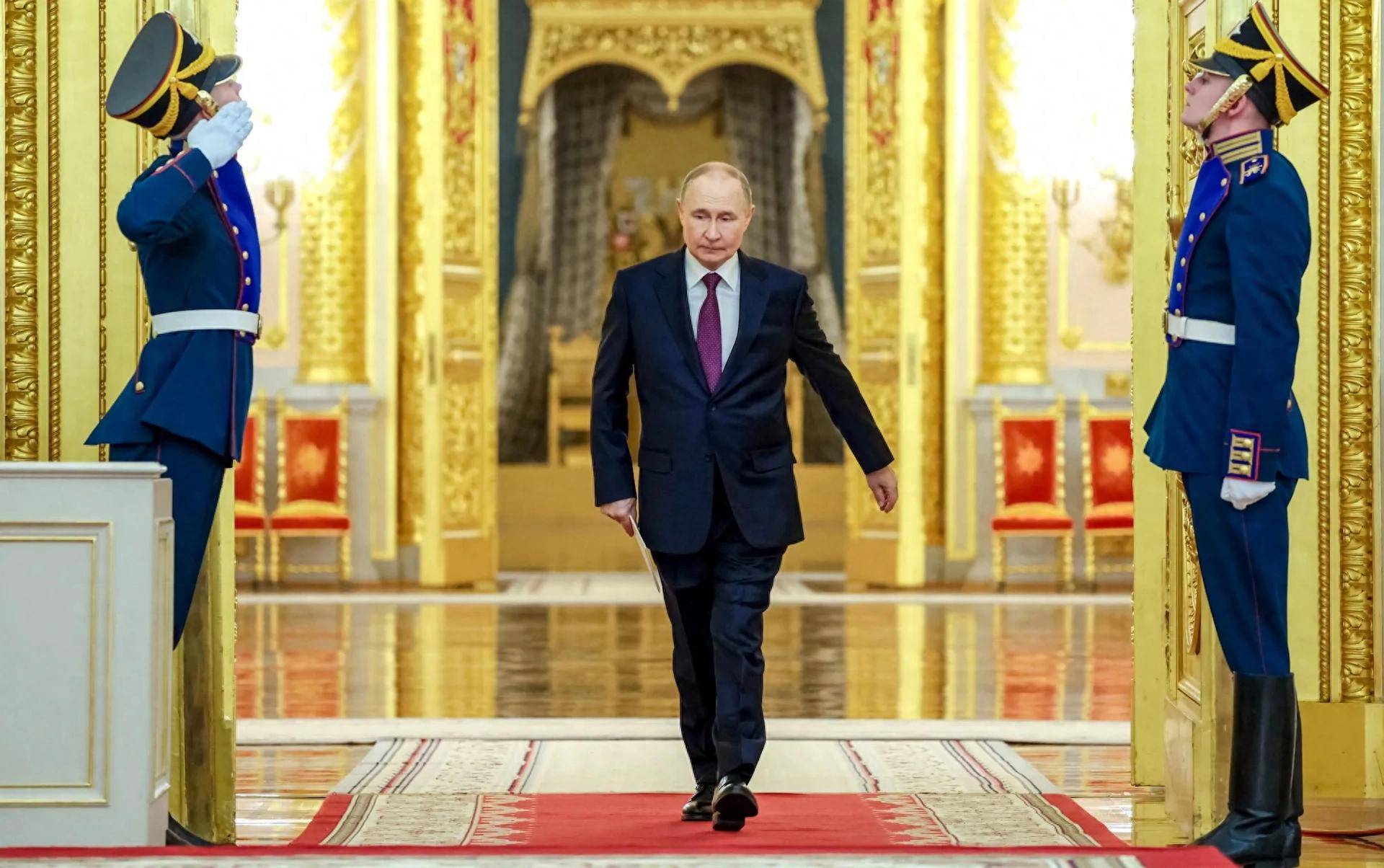
俄乌冲突爆发后,遭到了来自全球的一系列制裁。但俄罗斯经济得以依靠一个关键支撑支柱维持运转,那就是黄金。 俄罗斯央行在2006年从黄金净卖出方转变为净买入方,并已积累起全球规模最大的黄金储备之一。这些黄金储备是普京构建 "堡垒俄罗斯" 经济计划的一部 分,旨在让俄罗斯经济不受制裁影响。 近几周,金价大幅上涨,普京的这一策略取得了显著成效。周三,黄金价格首次突破每盎司4000美元,今年以来的涨幅已超过50%。 受此次金价上涨推动,俄罗斯2326.5吨黄金储备的价值略超3020亿美元。 此次金价最新一轮上涨,主要源于市场对人工智能(AI)类股泡沫的担忧、对美国政府停摆的忧虑,以及法国总理塞巴斯蒂安・勒科尔尼的意外辞职。 然而,黄金价格近年来一直呈暴涨态势。自2023年底以来,金价已翻倍;自2006年俄罗斯开始囤积黄金以来,金价更是飙升了841%。 世界黄金协会的数据显示,2014年前后,也就是普京吞并克里米亚期间,俄罗斯央行大幅加大了黄金购买力度。在随后的五年里,俄罗斯购入了1258吨黄 金,这使其跻身全球黄金储备第六大国之列。 如今,在全球各国对俄罗斯采取回避态度的背景下,俄罗斯正从中获利。今年8月,俄罗斯是全球 ...

史上首次!纽约黄金期货价格盘中突破4000美元,年内大涨逾50%
Sou Hu Cai Jing· 2025-10-07 06:24
Core Viewpoint - The price of gold futures on the New York Mercantile Exchange has surpassed $4000 per ounce for the first time in history, reflecting a significant increase in demand for gold as a safe-haven asset due to rising concerns over the U.S. government shutdown [2] Group 1: Price Movements - On October 6, gold futures reached a peak of $4000 per ounce, marking a historic milestone [2] - Year-to-date, New York gold futures have surged over 50% [2] - Spot gold prices hit $3976.94 per ounce, also setting a new historical high [2] Group 2: Market Reactions - London spot gold initially broke the $3900 mark and then exceeded $3950, with an intraday increase of over $70, representing a 1.8% rise [2] - COMEX gold futures rose by 1.8%, reaching a maximum of $3983, nearing the $4000 threshold [2] Group 3: Driving Factors - According to ING commodity experts, the primary driver for the recent surge in gold prices is the heightened risk aversion stemming from the ongoing U.S. government shutdown, which has led investors to increase their allocation to gold as a safe-haven asset [2]
海外对冲基金:AI投机狂潮接近尾声,重仓铀铜等商品对冲泡沫风险
Hua Er Jie Jian Wen· 2025-10-03 10:38
Core Insights - Selwood Asset Management warns that the current AI-driven market frenzy is nearing its peak, potentially leading to a rapid collapse [1] - The firm is adjusting its investment strategy to mitigate risks associated with the AI bubble, focusing on energy-related commodities instead of shorting volatile tech stocks [1][4] Group 1: AI Market Concerns - The CIO of Selwood Asset Management, Karim Moussalem, believes that the trading in the AI sector resembles historical speculative bubbles driven by retail investors [1][2] - Moussalem expresses concern that the energy costs associated with AI are becoming a significant vulnerability, with rising energy prices potentially limiting AI's expansion capabilities [1][3] - He highlights that the profitability of AI-related companies may be overstated due to optimistic depreciation methods for capital expenditures, suggesting that profits could be significantly overestimated if a more realistic depreciation period is applied [2] Group 2: Investment Strategy - In response to the perceived AI bubble and energy constraints, Selwood Asset Management is actively investing in energy markets, particularly uranium, which is viewed as a stable investment opportunity [4] - The firm believes that the demand for stable and high-capacity energy sources for AI data centers will drive interest in uranium, which is currently undervalued [4] - Moussalem acknowledges the challenges of shorting overvalued tech stocks due to retail investor enthusiasm, making energy-related assets a more prudent hedge strategy [4] Group 3: Market Sentiment - The concerns raised by Moussalem resonate with other seasoned investors, such as Leon Cooperman, who notes that the market is at the end of a bull cycle, with bubbles forming during this phase [5] - Georges Debbas from BNP Paribas also expresses caution, indicating that questions surrounding AI investments will increase as companies face low returns despite significant investments [5]

降息=美元贬值?错了!你不知道的逆转逻辑,看懂才能保住钱袋子
Sou Hu Cai Jing· 2025-10-03 07:38
Core Insights - The discussion around the Federal Reserve's potential interest rate cuts has intensified, with many investors focusing on the implications for the US dollar's exchange rate. However, the relationship between interest rate cuts and currency depreciation is more complex than it appears [1][3]. Group 1: Nature of Interest Rate Cuts - The simplistic view that "lower rates lead to a weaker dollar" must be abandoned. The impact of Fed rate cuts on the dollar depends on whether the cuts are "preventive" or "recessionary" in nature [3]. - Preventive rate cuts are proactive measures taken to extend economic expansion and manage risks, often leading to increased market confidence and potentially strengthening the dollar [3][4]. - Recessionary rate cuts occur in response to clear signs of economic distress, which can heighten market fears and lead to a flight to safety, often resulting in increased demand for US dollar assets despite the theoretical negative impact on the dollar [4]. Group 2: Global Economic Interconnections - The interconnectedness of the global economy means that fluctuations in major economies can have ripple effects. For instance, the 2008 financial crisis highlighted how US economic issues can impact global markets [6]. - China's economic transitions and policy adjustments also have significant global implications, affecting demand for commodities and influencing international markets [6][8]. - The US dollar's status as the world's reserve currency amplifies the effects of its monetary policy on global financial markets, making it crucial for investors to understand these dynamics [8]. Group 3: Future Market Considerations - Investors should focus on the underlying health of the US economy, analyzing key indicators such as employment, inflation, and consumption to determine the nature of any rate cuts [9]. - Acknowledging the "new normal" for the Chinese yuan, characterized by stability and two-way fluctuations, is essential for understanding its future trajectory in the context of global economic changes [10]. - The interdependence of global economies necessitates a comprehensive perspective and dynamic analytical framework to navigate the complexities of the financial markets [10].
【广发宏观贺骁束】高频数据下的9月经济:价格篇
郭磊宏观茶座· 2025-09-30 07:23
Core Viewpoint - The article discusses the recent trends in various commodity prices, highlighting the mixed performance across sectors, with some showing strength due to external factors like overseas interest rate cuts and supply disruptions in Indonesia [1][4]. Group 1: Commodity Price Trends - The BPI index recorded 865 points as of September 29, reflecting a 0.5% decrease from the end of August, with energy prices down 0.6% and non-ferrous metal prices up 3.8% month-on-month [1][4]. - Domestic demand for bulk commodities saw most prices increase, with glass and coking coal futures rising by 15.2% and 2.1% respectively, while chemical products and cement prices saw slight declines [9][10]. - The South China comprehensive index increased by 1.5% month-on-month, with a year-on-year average increase of 6.0% compared to the previous 3.3% [9][10]. Group 2: Real Estate Market - The housing prices in major cities continued to adjust, with the second-hand housing price index for four first-tier cities showing changes of -0.7%, -0.4%, 1.6%, and -0.2% respectively compared to the last week of August [10]. Group 3: Emerging Industries - The photovoltaic and semiconductor sectors showed strong price performance, with the photovoltaic industry composite index rising by 6.9% month-on-month, and the DXI index for the semiconductor sector increasing by 25.7% [11][11]. Group 4: Non-Food Prices - The ICPI index, representing non-food prices, slightly increased to 100.20 as of September 29, with notable increases in housing, daily necessities, and transportation services [14]. - In the export shipping sector, container shipping prices generally declined, with the CCFI index down by 6.0% [14][15]. Group 5: Logistics and Food Prices - The average monthly value of the highway logistics price index increased by 0.6% year-on-year, lower than the previous 0.8% [18]. - Food prices showed mixed trends, with a 3.1% decrease in the average wholesale price of pork, while key vegetable prices rose by 1.4% [19].

杭州:2027年力争实现数字贸易额4400亿元
Xin Hua Cai Jing· 2025-09-29 13:53
Core Insights - The fourth Global Digital Trade Expo highlighted Hangzhou's ambition to leverage the expo's spillover effects to accelerate the transformation of results and establish a core area for global digital trade ports by 2027, targeting a digital trade volume of 440 billion yuan [1] Group 1: Digital Trade Development - Hangzhou aims to utilize its high digital trade volume, leading position in service outsourcing pilot cities, and being the first national cross-border e-commerce comprehensive pilot zone to develop a global digital trade port core area [1] - The city plans to strengthen its capabilities in bulk commodity futures, spot trading, entrusted funds, profitability, and professional talent, focusing on creating a smart trade hub for bulk commodities [1] Group 2: Industry Cluster and AI Initiatives - Hangzhou intends to cultivate 12 trillion-yuan-level industrial clusters in sectors such as energy chemicals, steel, and non-ferrous metals, positioning itself as the leading city for smart trade in bulk commodities [1] - As a region where the artificial intelligence industry accounts for 70% of Zhejiang province's total, Hangzhou seeks national support to pilot comprehensive reforms in the AI industry chain within its free trade zone and aims to establish an international cooperation service alliance for AI [1]
大类资产运行周报(20250922-20250926):美国通胀数据符合预期,大宗商品整体上涨-20250929
Guo Tou Qi Huo· 2025-09-29 11:01
Report Overview - Report Title: Weekly Report on the Operation of Major Asset Classes (20250922 - 20250926) - US Inflation Data Meets Expectations, with Commodities Rising Overall [1] - Timeframe: September 22 - September 26, 2025 1. Report Industry Investment Rating No relevant content provided. 2. Core Viewpoints - Global: The market's performance last week was influenced by economic data. The US 8 - month PCE year - on - year growth rate met market expectations. The dollar index ended the week higher, stocks and bonds declined, and commodities rose. In general, commodities > stocks > bonds in terms of dollar - denominated assets [4][7]. - Domestic: China's industrial enterprise profits returned to positive growth in August year - on - year. The stock market and commodities ended the week higher, and the bond market declined. Overall, commodities > stocks > bonds [4][20]. - Outlook: The focus is on the release of domestic and foreign macro - data during the National Day. There are important data such as non - farm payrolls to be released, leading to high market uncertainty. After the holiday, price fluctuations of major asset classes may increase [4][27]. 3. Summary by Directory 3.1 Global Major Asset Performance 3.1.1 Global Stock Market - Most global stock markets declined. US stocks had a weekly correction. From a regional perspective, the three major US stock indexes ended the week lower, with a relatively large decline in the Asia - Pacific region. Emerging markets underperformed developed markets, and the VIX index continued to operate at a low level [9]. - Specific index performance: MSCI US was down 0.35%, S&P 500 was down 0.31%, MSCI Asia - Pacific was down 1.02%, etc. [12][13] 3.1.2 Global Bond Market - Fed officials had some differences in the path of dollar interest rate cuts this year. Medium - and long - term US bond yields generally rose. The yield of the 10 - year US Treasury bond rose 6BP to 4.2% weekly, and the bond market declined. Globally, high - yield bonds > credit bonds > government bonds [16]. 3.1.3 Global Foreign Exchange Market - The initial value of the month - on - month growth rate of US durable goods orders in August far exceeded expectations. The dollar index rose weekly, and most non - US currencies depreciated against the dollar. The RMB exchange rate fluctuated weakly. The weekly increase of the dollar index was 0.55% [17]. 3.1.4 Global Commodity Market - Geopolitical factors caused disruptions again, and international oil prices ended the week higher. Expectations of dollar interest rate cuts supported international precious metal prices. Most industrial metals and agricultural product prices fell [19]. 3.2 Domestic Major Asset Performance 3.2.1 Domestic Stock Market - Market sentiment changed little. Most of the major broad - based A - share indexes rose. The average daily trading volume of the two markets decreased compared with the previous week. In terms of style, the Science and Technology Innovation 50 Index had the highest increase. In terms of sectors, electronics and non - ferrous metals led the gains, while consumer services underperformed. The Shanghai Composite Index rose 0.21% weekly [21]. 3.2.2 Domestic Bond Market - The central bank's net injection in the open market operation was 940.6 billion yuan. The liquidity marginally eased, and the bond market was weak. Overall, corporate bonds > credit bonds > government bonds [25]. 3.2.3 Domestic Commodity Market - The domestic commodity market continued to rise weekly. Among the major commodity sectors, precious metals led the gains, while the black - related sectors underperformed [26].
宏观经济专题:9月出口或仍有强韧性
KAIYUAN SECURITIES· 2025-09-29 09:02
Supply and Demand - Construction starts show divergence, with asphalt plant operating rates rebounding to historical median levels, while cement dispatch and mill operation rates remain at historical lows[2] - Industrial production maintains a high level of overall activity, with PX operating rates at historical highs and PTA rates at historical lows[2][23] - Demand in construction remains weak, with rebar and building materials demand at historical lows, and automotive and home appliance sales also underperforming[3][31] Prices - Domestic industrial products are experiencing a strong fluctuation, with the Nanhua Composite Index showing an upward trend[4][43] - International commodity prices, including oil, copper, and gold, are also on the rise[4][38] Real Estate - New housing transactions in 30 major cities increased by 33% compared to the previous two weeks, with year-on-year changes of -39% and +12% compared to 2023 and 2024 respectively[5][58] - Second-hand housing transactions in major cities like Beijing, Shanghai, and Shenzhen have shown significant recovery, with year-on-year increases of +49%, +42%, and +71% respectively[5][63] Exports - Port throughput in September increased by 7.3% year-on-year, with export growth projected at approximately +6.7% based on multiple indicator models[6][66] Liquidity - Recent weeks have seen an upward trend in funding rates, with R007 at 1.64% and DR007 at 1.56% as of September 28[6][71] - The central bank has implemented a net injection of 171.1 billion yuan in recent weeks[6][73]