券商

Search documents
AI有多少泡沫?--蓄力新高
2025-10-19 15:58
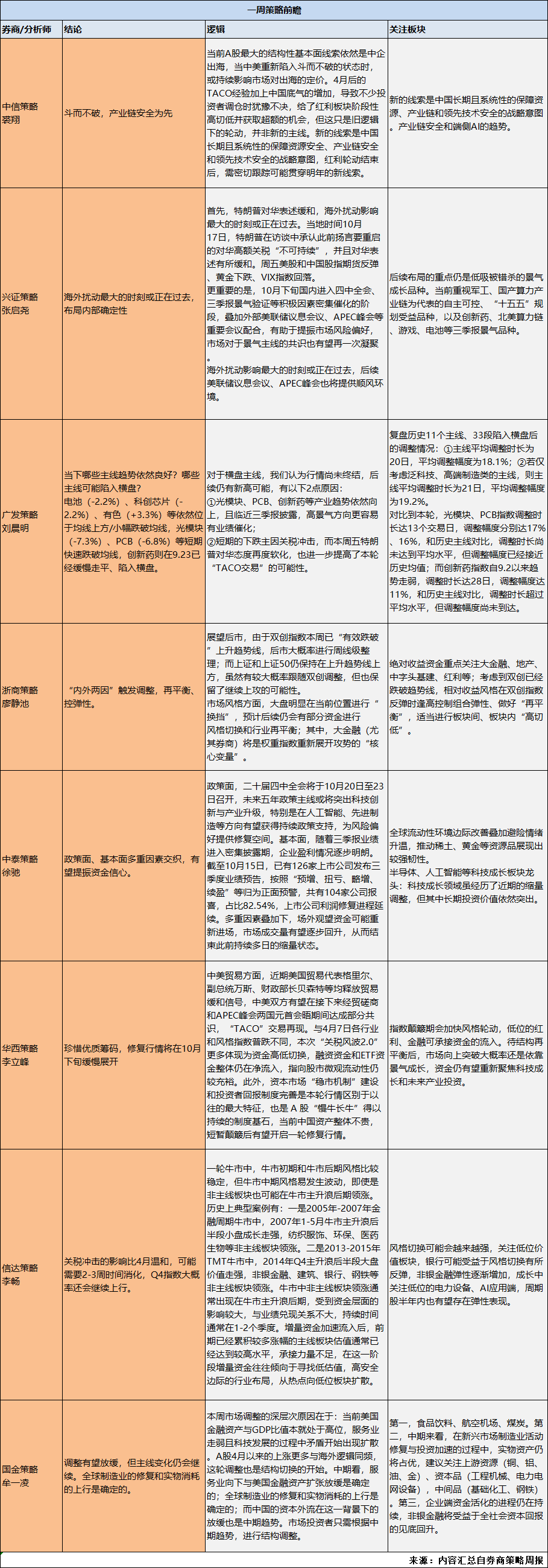
Summary of Conference Call Records Industry Overview - The focus is on the **AI industry** and its current market dynamics, particularly in the context of the U.S. stock market and technology sector [1][5][6]. Key Points and Arguments 1. **Market Adjustment and Investment Strategy** - Short-term market adjustments lack sufficient momentum, with a clear direction towards global economic recovery and loose monetary policies. Investors are advised to avoid panic selling and patiently wait for bottom-fishing opportunities, gradually increasing their positions [1][4]. 2. **Growth and Self-Controlled Sectors** - Priority should be given to growth sectors and self-controlled areas, such as **AI software and AI chips**, which are expected to see higher performance growth next year compared to this year. Other areas of interest include emotional consumption, traditional sectors like silicon materials and coal, and large financial sectors [1][4]. 3. **AI Industry Bubble Assessment** - The AI industry currently exhibits some level of bubble, but it is comparable to the high levels seen in 2002, rather than the peak of the 2000 tech bubble. There remains significant potential for further growth in the AI market [1][5]. 4. **Performance of U.S. Tech Sector** - Leading companies in the U.S. tech sector are performing well, with no significant underperformance noted. Although there are signs of economic recession, it has not reached a trend-level decline. The valuation of U.S. stocks is not excessively high compared to global markets, reducing the likelihood of a deep correction or bubble burst [1][6]. 5. **Growth Sector Resilience** - There is a low risk of a collapse in the growth sector. Key segments, such as battery cells, show strong growth potential with no significant downward turning points. Both revenue and profit are on a continuous upward trajectory, indicating strong investment value [1][7]. 6. **Domestic Computing Power Market** - The continuous rise in expectations for the domestic computing power market suggests that the market previously underestimated the performance of the tech sector. This reflects an increasing expectation of the industry's ceiling, indicating that the tech industry is still in an upward trend [1][8]. 7. **Market Style Transition** - The current economic and policy environment does not support a switch to value style investing. Growth fundamentals are more favorable, and the government appears to be supportive of the stock market, suggesting that growth style will continue to dominate [2][9][11]. 8. **Future Market Structure Changes** - After stabilization, the growth style is expected to remain dominant, but there may be rotations within growth sectors. Current economic trends, policy stimuli, and government attitudes towards the stock market suggest that a shift to other styles is unlikely [10][11]. Additional Important Insights - The market is currently influenced by geopolitical factors, including potential meetings between U.S. and Chinese leaders, which may affect market movements leading up to the end of the month [3][4]. - The overall sentiment indicates a cautious but optimistic outlook for the tech sector, particularly in AI and related fields, with expectations of sustained growth and investment opportunities [1][6][8].
A股分析师前瞻:海外扰动最大时刻或将过去,10月下旬修复行情将缓慢展开
Xuan Gu Bao· 2025-10-19 13:50
Core Viewpoint - The overall sentiment among brokerage strategies is optimistic about the market outlook, with a focus on balanced asset allocation and the importance of monitoring new strategic themes related to resource and supply chain security in China [1][2]. Group 1: Market Sentiment and Strategic Shifts - The recent experience from TACO and increased confidence in China have led to investor hesitation in reallocating assets, creating opportunities in dividend sectors [1]. - The easing of tensions in U.S.-China relations, particularly with Trump's recent comments on tariffs, suggests that the most disruptive period may be passing, which could enhance market risk appetite [2][3]. - The upcoming political events and economic reports, including the Fourth Plenary Session and third-quarter earnings, are expected to catalyze positive market sentiment [1][2]. Group 2: Sector Focus and Investment Opportunities - Analysts emphasize the importance of focusing on sectors that are likely to benefit from internal certainty, such as technology growth and future industry investments, particularly in the context of a potential "slow bull market" [2][3]. - The construction of a "stable market mechanism" and improvements in investor return systems are highlighted as key factors supporting the current market dynamics, differentiating this cycle from previous ones [2][3]. - There is a recommendation to pay attention to low-valued sectors that may attract capital inflows, particularly in the context of a structural rebalancing of the market [2][3].

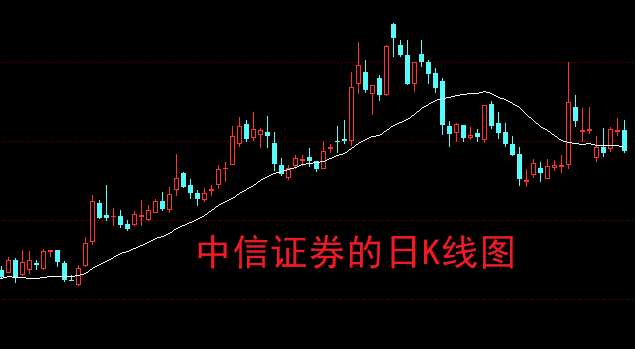
A股:券商股不涨的原因找到了,股民可能还没有想到!
Sou Hu Cai Jing· 2025-10-19 13:09
Group 1 - The core viewpoint is that despite a bullish market sentiment, brokerage stocks have not performed well, leading to questions about their lagging performance compared to other financial sectors like banks and insurance [1][6]. - Dongwu Securities' third-quarter earnings forecast indicates a profit of 2.748 billion to 3.023 billion yuan, with a significant portion already earned in the first half, suggesting only 810 million to 990 million yuan in the third quarter, which is a stagnation compared to the second quarter's 952 million yuan [3][5]. - The year-on-year profit growth of 25% to 50% compared to last year's 666 million yuan appears decent, but it pales in comparison to the substantial growth seen in the first half of the year, indicating a lack of momentum [5][6]. Group 2 - The brokerage sector is not entirely stagnant, but its growth has not kept pace with major indices, leading to a perception of underperformance [6][8]. - The market's outdated view of brokerages as merely dependent on market conditions is shifting, with upcoming reforms and increased demand for wealth management providing new growth opportunities [6][8]. - Brokerages that have strong compliance, innovation capabilities, and early wealth management strategies are evolving from traditional service providers to comprehensive financial service firms, positioning themselves as key players in the capital market [8].
金融行业周报(2025、10、19):看好保险板块投资价值,建议长线布局优质银行股-20251019
Western Securities· 2025-10-19 12:42
Investment Rating - The report maintains a positive outlook on the insurance sector and recommends long-term investment in quality bank stocks [1][3]. Core Insights - The financial sector's performance this week shows a mixed trend, with the non-bank financial index down by 1.34%, while the banking sector saw an increase of 4.89%, outperforming the CSI 300 index by 7.12 percentage points [1][9]. - The insurance sector experienced a notable increase of 3.65%, driven by positive earnings forecasts from New China Life, which projected a 45% to 65% increase in net profit for the first three quarters of 2025 [1][11]. - The report emphasizes the growth potential of the insurance industry, attributing it to supply-side reforms and the benefits from rising equity assets [1][12]. Summary by Sections 1. Weekly Performance and Sector Insights - The non-bank financial index decreased by 1.34%, while the banking sector increased by 4.89%, with state-owned banks leading the gains [1][9]. - The insurance sector outperformed the CSI 300 index by 5.87 percentage points, with New China Life's earnings announcement boosting overall market confidence [1][11]. 2. Insurance Sector Analysis - New China Life's earnings forecast led to a 12.58% increase in its stock price over five trading days, contributing to a six-day rally in the insurance sector [1][11]. - The report highlights the potential for the insurance sector to benefit from structural changes in the economy and improved asset performance [1][12]. 3. Brokerage Sector Analysis - The brokerage sector saw a decline of 3.13%, with a price-to-book (PB) ratio of 1.44x, indicating potential undervaluation [2][15]. - The report notes that the recent revisions to corporate governance standards by the CSRC could enhance the sector's governance and performance [2][15]. 4. Banking Sector Analysis - The banking sector's performance was strong, with a 4.89% increase, driven by a flight to quality amid market uncertainties [1][18]. - The report suggests focusing on banks with high growth potential and stable performance for both short-term and long-term investments [1][21].



国泰海通 · 晨报1020|宏观、策略、海外策略
国泰海通证券研究· 2025-10-19 10:43
Macro Insights - The pricing framework for gold based on USD real interest rates has become obsolete post-2022, driven by a significant global economic shift and changing trust levels among countries, leading to increased demand for gold from both residents and governments [3] - A quantitative model for gold pricing predicts optimistic scenarios where gold could exceed $3,800 per ounce, a neutral scenario around $3,200 per ounce, and a pessimistic scenario between $2,600 and $2,700 per ounce [3] Strategy Insights - Current market adjustments present opportunities for increasing allocations in A-shares, as external disturbances are not expected to end the upward trend [6] - The ongoing economic transformation in China is expected to accelerate, with a strong demand for quality assets, particularly in the technology sector [6] - The upcoming third-quarter earnings reports are crucial, with a focus on sectors showing high profit growth, particularly in AI, export resilience, and resource pricing [7] Industry Comparisons - The focus remains on emerging technologies, with a stable value in cyclical financial sectors, while the Hong Kong stock market is seen as entering a favorable zone [8] - The AI innovation and domestic production advancements are expected to drive a new capital expenditure cycle, with recommendations for sectors like internet, semiconductor, and defense [8] Thematic Recommendations - Key themes include the Hainan Free Trade Zone, domestic controllability in technology, robotics, and AI applications, with a focus on sectors benefiting from these trends [9] Overseas Strategy - The Hong Kong market is entering a new bull market phase, with historical data indicating that small pullbacks average around 7% and last about 12 trading days [13] - The current adjustments in the Hong Kong market are consistent with historical patterns, and positive factors such as successful negotiations and domestic policy support could mitigate further declines [15]

财信证券宏观策略周报(10.20-10.24):市场波动幅度或将放大,关注“十五五”规划建议方向-20251019
Caixin Securities· 2025-10-19 10:15
Group 1 - The report anticipates increased market volatility due to uncertainties surrounding US-China negotiations, suggesting a focus on controlling positions and highlighting the strong support level at 3700 points for the Shanghai Composite Index [3][6][12] - The report emphasizes that the A-share market is expected to remain bullish in the fourth quarter, driven by policies against "involution," increased household savings entering the market, potential Fed rate cuts, and a reversal in technical trends [3][6][12] - Key investment directions to watch include the "15th Five-Year Plan" focusing on clean energy, environmental protection, and aging population issues, as well as high-dividend sectors like banking and utilities [3][12][13] Group 2 - The report notes that the A-share market experienced significant fluctuations recently, with major indices like the Shanghai Composite Index and Shenzhen Component Index declining by 1.47% and 4.99% respectively [13] - It highlights that the average daily trading volume in the A-share market has decreased to around 2 trillion yuan, indicating increased cautiousness among investors [6][13] - The report also points out that the upcoming macroeconomic data releases and the 20th Central Committee meeting are expected to influence market trends significantly [7][12][13] Group 3 - The report indicates that the September consumer price index (CPI) showed a year-on-year decline of 0.30%, with food prices being a major contributor to this drop [7][8] - It mentions that the total social financing (TSF) in September was 35,296 billion yuan, exceeding expectations, but the structure of financing still requires improvement [8][9] - The report observes a rebound in exports in September, with a year-on-year growth of 8.30%, although future trends remain uncertain due to potential tariff impacts [10][12]
料非银三季报业绩亮眼,关注金融街论坛期间增量政策预期:——非银金融行业周报(2025/10/13-2025/10/17)-20251019
Shenwan Hongyuan Securities· 2025-10-19 09:29
Investment Rating - The report maintains a positive outlook on the non-bank financial sector, indicating an "Overweight" rating for the industry [5][6]. Core Insights - The report highlights strong performance in the non-bank financial sector, with significant growth in both the brokerage and insurance segments, driven by favorable market conditions and policy expectations [5][6]. - It emphasizes the potential for policy announcements during the upcoming Financial Street Forum, which could further support market stability and growth [5][6]. - The report notes that the insurance sector is expected to outperform, with several companies already issuing profit increase announcements for the third quarter of 2025 [5][6]. Summary by Sections Market Review - The Shanghai Composite Index closed at 4,514.23, with a decline of 2.22% over the week, while the non-bank index fell by 1.34% [8]. - The brokerage sector index decreased by 3.13%, whereas the insurance sector index increased by 3.65% [8]. Non-Bank Financial Data - As of October 17, 2025, the 10-year government bond yield was 1.82%, reflecting a decrease of 1.37 basis points [12]. - The average daily trading volume for the stock market was reported at 21,931.34 billion yuan, a decrease of 15.76% week-on-week [14]. Key Company Announcements - New China Life Insurance reported a projected net profit increase of 45% to 65% for the first three quarters of 2025, with expected profits between 299.86 billion yuan and 341.22 billion yuan [33][34]. - China Pacific Insurance also announced a projected net profit increase of 40% to 60% for the same period, driven by favorable market conditions [35]. Investment Recommendations - The report recommends focusing on leading brokerage firms with strong competitive positions, such as GF Securities and CITIC Securities, as well as insurance companies with high growth potential like China Life and New China Life [5][6].
蓄力新高14:AI有多少泡沫?
CAITONG SECURITIES· 2025-10-19 08:09
Core Insights - The report emphasizes a focus on "internal" growth, prioritizing new economy sectors such as AI software, AI chips, semiconductor equipment and materials, and aerospace engines, alongside traditional sectors like finance and resource industries [4][11] - There are emerging signals of easing, suggesting a shift towards external demand-related sectors in the third quarter, particularly in North American computing power and innovative pharmaceuticals [11][12] - The report anticipates that growth will likely remain the leading style in the mid-term bull market, despite low probabilities for deep adjustments in growth due to a lack of strong policy expectations [12][18] Market Review and Outlook - The report reviews the market's transition towards large finance and consumption sectors, noting a rebound following the maximum negative impact of tariffs [9][10] - It highlights that the Shanghai Composite Index has risen over 10% to above 3800 points since the mid-year strategy [9] - The report suggests that the current market environment, influenced by U.S.-China trade tensions, presents a good opportunity for allocation despite a tendency for market participants to remain cautious [10][11] Growth and Performance Analysis - The report indicates that TMT (Technology, Media, and Telecommunications) sectors are experiencing sustained growth, with revenue and profit growth rates expected to continue improving [5][17] - It notes that the performance expectations for TMT sectors, including computing power and applications, have been consistently underestimated, with upward revisions anticipated as market understanding improves [17][27] - The report also discusses the relative valuations of U.S. tech stocks, indicating they are high but not at extreme levels compared to historical peaks [15][22] Investment Strategy - The report recommends prioritizing investments in sectors that are "internally focused," including autonomous controllable technologies and consumer sentiment-driven sectors [11][12] - It suggests that the market may face various expectation changes in October, but a stabilization in risk appetite is expected to lead to renewed market momentum [10][11] - The report outlines three potential scenarios for deep adjustments in growth, none of which are currently met, indicating a favorable outlook for growth sectors [12][18]

A股迎来重磅利好!A50期指、恒指期货大涨,沪指即将开启新的主升浪?最强主线有哪些?
Mei Ri Jing Ji Xin Wen· 2025-10-19 07:16
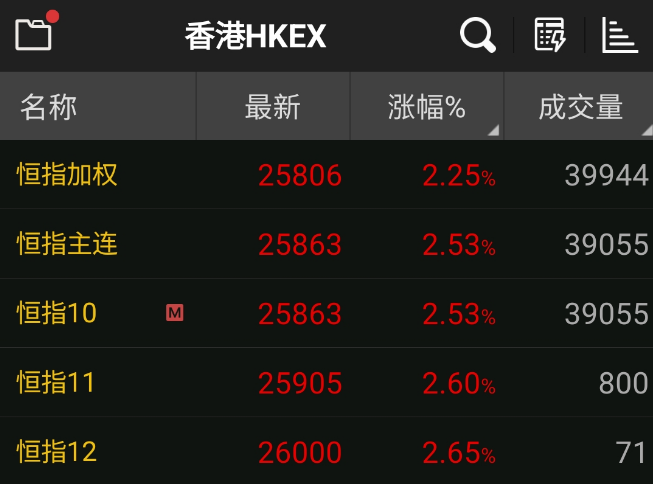
消息面显示,将尽快举行新一轮中美经贸磋商;党的二十届四中全会将于10月20日至23日在北京召开。 在每日经济新闻App举办的掘金大赛中,第76期比赛将从10月20日开始比赛,多位选手看好下周A股行情,积极报名入场。对于下周的机会,参赛高手们 怎么看呢?今日,他们对此做了一些分享。 每经记者|吴永久 每经编辑|闫峰峰 周五,在贸易紧张局势缓解的刺激下,美股三大指数收涨,涨幅均超0.5%。A50期指收涨0.97%。恒指期货大涨2.53%,几乎完全收回周五白天的跌幅。 大赛为模拟炒股,模拟资金50万元。报名时间为10月18日到10月31日,比赛时间为10月20日到10月31日。每期比赛结束,正收益就获奖!报名就拿福 利!月月有大奖! 每期比赛的税前现金奖励为:第1名奖励688元,第2~4名奖励188元/人,第5~10名奖励88元/人,其余正收益选手均分500元正收益奖。月度积分王的税前 现金奖励为:第1名奖励888元,第2~4名奖励288元/人,第5~10名奖励188元/人,第11~30名奖励68元/人,第31~100名奖励18元/人。 目前,A股指数震荡加剧,为便于参赛选手提高交易胜率,只要成功报名掘金大赛,就能 ...
寻找中国经济突围之路,和讯财经中国2025年会即将启幕
和讯· 2025-10-18 02:04
Core Viewpoint - The article emphasizes the challenges and opportunities facing the Chinese economy in 2025, highlighting the need for sustainable development and the activation of the private economy as key areas of focus for the upcoming "Finance China 2025 Conference" [3][4]. Group 1: Economic Challenges and Opportunities - In 2025, the Chinese economy is experiencing significant challenges, including deep adjustments in the real estate sector, pressure on local finances, weak external demand, and slow recovery in domestic demand [3]. - The overall economic operation is stabilizing and improving, but structural contradictions remain prominent, with investment, consumption, and exports not synchronizing [3]. - The conference aims to explore paths for balancing stable growth with structural optimization amid increasing global uncertainties and deepening domestic transformations [3][4]. Group 2: Conference Focus and Themes - The "Finance China 2025 Conference" will focus on macro policy coordination, structural reforms, technological innovation, industrial upgrades, the development of the private economy, financial openness, and risk prevention [4]. - The event will gather experts and scholars from various fields to analyze the current economic situation and discuss substantial reforms to optimize systems and mechanisms [4]. Group 3: Finance China Awards - The 23rd Finance Cloud Awards will be held concurrently, adhering to principles of fairness, justice, and openness, evaluating corporate value, social responsibility, technological innovation, and brand marketing [5]. - The awards will cover various sectors, including listed companies, banks, insurance, securities, funds, and futures, aiming to promote high-quality development in the domestic financial market [5]. - The "Finance China Annual Conference" has become one of the most influential annual events in the Chinese financial sector, recognized as a barometer for the following year's financial dynamics [5].