
化工

Search documents
韩国股民,爆买中国资产
21世纪经济报道· 2026-03-13 00:09
Group 1 - Korean investors have shown significant interest in A-shares, with top net purchases including SANY Heavy Industry, Power Construction Corporation of China, and Accelink Technologies, among others [1][3] - In the Hong Kong market, notable net purchases include China Energy Construction, MiniMax, and Harbin Electric, indicating a strong preference for energy and technology sectors [1] - The trend reflects a shift towards HALO assets, which are characterized by stability and growth potential, particularly in the context of rising global uncertainties [1] Group 2 - Over the past month, three ETFs have made it to the top 20 net purchases by Korean investors, with the Silverhua CSI Innovation Drug Industry ETF leading at a net purchase of $148.05 million [2] - The strong performance of the Korean stock market has encouraged local investors to allocate funds into Chinese assets, particularly in the innovative drug and artificial intelligence sectors [2][3]






金信期货日刊-20260313
Jin Xin Qi Huo· 2026-03-12 23:31
Report Summary 1. Report Industry Investment Rating No relevant content provided. 2. Core Viewpoints - Due to the war between the US, Israel and Iran disrupting Middle - East crude oil and raw material exports, many Asian refineries and petrochemical enterprises are cutting production capacity and declaring force majeure [3]. - For crude oil futures, in the medium - term, three variables need to be focused on: the sustainability of geopolitical risk premium, supply - demand fundamentals, and policy implementation rhythm. It is recommended to trade within a range and avoid unilateral chasing [4]. - For the stock market, the adjustment in the early trading tomorrow is a good low - buying opportunity. The market showed strength today as it did not decline when it should [6][7]. 3. Summary by Related Catalogs Crude Oil - The war between the US, Israel and Iran has disrupted Middle - East crude oil and raw material exports. Asian steam cracking plants with over 60% of naphtha raw materials from the Middle - East have declared force majeure [3]. - Three operators are reducing production loads to use raw material inventory for the next month to avoid full - scale shutdown. Restarting a steam cracking unit takes up to two weeks, and factories usually don't store more than a month's worth of raw materials [3]. - In the medium - term, focus on three variables: the sustainability of geopolitical risk premium (the 8 - 10 dollars/barrel premium will fade if the strait passage recovers), supply - demand fundamentals (OPEC + production cuts and slow US shale oil production increase form a tight balance, but global demand recovery is weak), and policy implementation rhythm (US measures to stabilize oil prices and OPEC + production adjustments will determine the volatility center). It is recommended to trade within a range (Brent: 80 - 100 dollars/barrel, SC crude: 600 - 800 yuan/barrel) and set stop - losses, avoiding overnight positions [4]. Stock Market - The market adjustment today was slightly weak, with the Shanghai Composite Index being relatively strong. The fact that it didn't decline when it should indicates strength. The adjustment in the early trading tomorrow is a good low - buying opportunity [6][7]. Gold - The daily - level red - green line of gold has turned to a volatile state. The daily amplitude of gold is small, maintaining in the range of 1140 - 1155. It should be treated with a volatile mindset [10]. Iron Ore - Australian and Brazilian shipments maintain a normal rhythm. In the medium - to long - term, it is in the mine production capacity release cycle, with a loose supply expectation. On the demand side, steel mills are resuming production after the festival, but the terminal demand needs time to start. Technically, the commodity sentiment is high recently, and iron ore is running strongly. A bullish view can be maintained [12][13]. Glass - The daily melting change is small. In the seasonal off - season, factory inventories are accumulating. The post - festival resumption progress of deep - processing enterprises needs to be concerned. In the short term, it is more affected by the overall commodity sentiment. Technically, it rebounded today and should be treated as a wide - range volatile market [17][18]. Methanol - Iran is the world's second - largest methanol producer and a major methanol exporter, significantly affecting global methanol supply. Driven by Middle - East geopolitical emergencies, methanol has had continuous large fluctuations. With a significant reduction in supply, it has entered a destocking channel, and the methanol port inventory decreased by 13.07 tons this week [21]. Pulp - Most pulp and paper plants have resumed normal production schedules, with some undergoing maintenance. Domestic port inventories are continuously increasing and under pressure. The downstream paper mills' operating loads are expected to continue to increase. Due to low paper enterprises' gross profits, there is an expectation of price increases for cultural paper and white cardboard, which may support pulp prices [24].
【早报】伊朗新任最高领袖发表首次声明;国际油价飙升,再次突破100美元
财联社· 2026-03-12 23:07
Industry News - China's passenger car retail sales for January-February reached 2.602 million units, a year-on-year decline of 19.1% [3] - The retail sales of new energy passenger cars in China for the same period totaled 1.06 million units, down 25.7% year-on-year [3] - The National Industrial Information Security Development Research Center issued a risk warning regarding OpenClaw applications, highlighting potential security vulnerabilities that could lead to control loss and sensitive information leakage [3][5] - The cement market demand is steadily recovering as construction activities ramp up, with companies showing a strong willingness to raise prices due to low current prices and rising production costs [6] Company News - Cambrian announced a net profit of 2.059 billion yuan for 2025, turning a profit compared to previous losses, and proposed a dividend of 15 yuan per share along with a bonus issue of 4.9 shares for every 10 shares held [7] - Huadian announced the signing of a 13.962 billion yuan EPC contract for a solar-storage project in Abu Dhabi [11] - Micro LED light source chips developed by Zhaochi have completed R&D and are currently in the sample verification testing phase [10] - Baichuan announced a recent increase in market prices for some chemical products, but the impact on performance is currently uncertain [10]



中东变局下的定价现状和跨商品展望
对冲研投· 2026-03-12 12:08
Core Viewpoint - The article emphasizes the importance of understanding the macroeconomic implications of the ongoing military conflict between the U.S. and Iran, particularly its impact on global energy supply chains, inflation, and asset pricing structures. It warns against the pitfalls of chasing market trends without recognizing the underlying fundamentals and long-term issues that need attention [3][4]. Market Status: Initial Pricing Directions - The current crisis in the "petrodollar" region has led to a strong preference for the U.S. dollar as a liquidity haven over gold, highlighting the inertia of the existing monetary system despite long-term credit concerns [4]. - The "long tail effect" in the energy and chemical industry is evident, with rising oil prices impacting downstream products like naphtha and aromatics, while tight natural gas supply expectations are raising costs for fertilizers and methanol [5]. Core Contradictions 1. The duration of the conflict is critical, as oil storage capacities in producing countries are rapidly depleting, with only about 20 million barrels of spare capacity remaining, equivalent to 1-2 days of normal exports. This has led to a reduction in production from countries like Iraq and Kuwait, with a current cut exceeding 6 million barrels per day [6]. 2. The U.S. dollar faces dual challenges, including military vulnerabilities and the reassessment of economic ties to the dollar by Middle Eastern allies, which could impact global liquidity [7]. 3. The conflict has exposed vulnerabilities in energy security, particularly for countries like Japan and South Korea that rely heavily on the Strait of Hormuz for oil supplies, prompting a reevaluation of energy independence and supply chain resilience [7]. 4. The release of strategic reserves is unlikely to significantly mitigate the supply gap, as the current release rates are insufficient to cover the daily shortfall of 20 million barrels, and global reserves are at historically low levels [8]. Potential Pricing Logic Developments 1. The physical supply disruption in the Strait of Hormuz is leading to reduced operational capacity in refineries across Asia, with some facilities announcing production cuts of 20-30%, affecting approximately 800,000 to 1.3 million barrels per day [9]. 2. Ethylene glycol imports in China, heavily reliant on the Strait, are expected to decrease by 200,000 to 300,000 tons, significantly impacting port inventories [10]. 3. PX pricing is shifting from cost-driven to supply-concerned dynamics, with any unexpected refinery cuts tightening the supply balance [10]. 4. Benzene supply tensions are escalating globally, with North America and Europe facing production challenges, while Asia is experiencing significant reductions in operational rates [11]. Inflation and Asset Repricing Risks - Historical models indicate that a sustained increase in oil prices by $10 per barrel could raise U.S. CPI by 0.2-0.3 percentage points, solidifying a "3% inflation + 2% growth" scenario that constrains Federal Reserve policy options [12]. - Capital is shifting from growth narratives to tangible assets, with commodities becoming attractive due to their essential nature amid geopolitical tensions and inflation risks [12]. - China's robust industrial system and growing renewable energy sector position it as a reliable supplier in a turbulent environment, potentially leading to a systemic revaluation of assets [12]. Future Outlook - The market is characterized by volatility and noise, necessitating a focus on structural trends rather than short-term fluctuations. Key trends include the limitations of U.S. hegemony, the weakening foundation of dollar credit, and a global reassessment of energy security [13]. - Even if a ceasefire occurs, the strategic distrust between Iran and the U.S. is likely to persist, indicating that the conflict's implications for global energy dynamics will remain significant [13].

9天5板,A股又一只翻倍股来了
21世纪经济报道· 2026-03-12 11:52
Group 1 - The core viewpoint of the article highlights the significant stock performance of Jinniu Chemical, which has seen a remarkable increase of over 64% in March and 159% year-to-date, closing at 15.4 yuan per share with a market capitalization of 10.4 billion yuan [1][2]. - Jinniu Chemical announced that its stock price had deviated significantly, with a cumulative increase of over 20% in two consecutive trading days, indicating abnormal trading fluctuations [2]. - The company's net profit for the first three quarters of 2025 was reported at 36.03 million yuan, a decrease of 2.93 million yuan or 7.52% compared to the same period in 2024 [3]. Group 2 - Several chemical companies, including Huafeng Superfiber and Jianbang Co., have recently raised product prices, indicating a potential upward trend in chemical product pricing [3]. - According to Guosheng Securities, rising oil prices and changes in international supply dynamics due to geopolitical tensions may lead to price increases in various chemical products, suggesting a focus on companies with cost advantages and those reliant on imports from the Middle East [3].

研究所晨会观点精萃-20260312
Dong Hai Qi Huo· 2026-03-12 11:40
1. Report Industry Investment Ratings - No specific industry investment ratings are provided in the report. 2. Core Views of the Report - Overseas, the US February CPI annual rate was 2.4%, and the core CPI annual rate was 2.5%, in line with market expectations. Due to concerns about the escalation of the Middle - East conflict, energy prices rose again, the US dollar index rebounded, and global risk appetite cooled. Domestically, China's economic sentiment in February showed a slight slowdown, but exports exceeded expectations, and inflation continued to recover, with the economy and inflation remaining relatively stable. The government work report's 2026 development targets and policy intensity are lower than in 2025. The market's trading logic currently focuses on Middle - East geopolitical risks. In the short - term, with the decline in global inflation expectations, market sentiment has improved, and the stock index has rebounded. [2] - For assets: The stock index may experience increased short - term volatility, and short - term cautious long positions are recommended. Treasury bonds will be in short - term oscillation, and cautious observation is advised. In the commodity sector, black metals will be in short - term oscillation, and short - term cautious observation is recommended; non - ferrous metals will be in short - term oscillation, and short - term cautious observation is recommended; energy and chemical products will be in short - term oscillation with an upward bias, and cautious long positions are recommended; precious metals will be in short - term oscillation, and cautious long positions are recommended. [2] 3. Summary by Relevant Catalogs 3.1 Macro - finance - **Stock Index**: Driven by sectors such as chemicals, batteries, and coal, the domestic stock market has rebounded in the short - term. Fundamentally, China's economic sentiment in February showed a slight slowdown, but exports exceeded expectations, and inflation continued to recover. The government work report's 2026 development targets and policy intensity are lower than in 2025. The market's trading logic focuses on Middle - East geopolitical risks. In the short - term, with the decline in global inflation expectations, market sentiment has improved, and the stock index has rebounded. Follow - up attention should be paid to changes in the Middle - East geopolitical situation, domestic two - sessions policies, and market sentiment. Short - term cautious long positions are recommended. [3] - **Precious Metals**: On Wednesday night, the precious metals market declined overall. The main contract of Shanghai gold closed at 1151.48 yuan/gram, a 0.37% decline; the main contract of Shanghai silver closed at 21997 yuan/kilogram, a 2.8% decline. Affected by the strengthening of the US dollar and market expectations of rising interest rates, the price of gold oscillated downward. Spot gold fell continuously during the day and reached an intraday low of 5149.01 US dollars during the US trading session, finally closing down 0.32% at 5175.91 US dollars per ounce; spot silver followed gold down, finally closing down 2.98% at 85.69 US dollars per ounce. Precious metals will oscillate in the short - term, and short - term cautious long positions are recommended. [3] 3.2 Black Metals - **Steel**: On Wednesday, the domestic steel spot market declined slightly, and the futures price continued to oscillate, with low trading volume. The steel futures did not follow the decline in crude oil but showed some resilience. Ansteel and Bengang announced price policies for April, with plate prices increased by 200 yuan/ton. The actual fundamentals of steel have not improved significantly, and steel and billet inventories remain at high levels. Although the apparent consumption of the five major steel products rebounded last week, the inventory has exceeded the 2025 high. In terms of supply, the output of the five major steel products increased slightly, and the hot metal output decreased significantly, mainly due to temporary production restrictions during the two - sessions. Future supply will remain at a high level. Recently, cost and macro - logic dominate the steel market, and an interval oscillation approach is recommended. [4][5] - **Iron Ore**: On Wednesday, the spot and futures prices of iron ore rebounded slightly. Iron ore prices did not follow the decline in crude oil prices. Last week, the average daily hot metal output of blast furnaces decreased by 56,000 tons month - on - month, mainly due to production restrictions in the north during the two - sessions. Given that steel mills still have certain profits and strong production enthusiasm, future demand depends on the resumption of production process. In terms of supply, the global iron ore shipping volume decreased by 4.429 million tons month - on - month this week, and the short - term supply of iron ore is still in the off - season. An interval oscillation approach is recommended for iron ore. [5] - **Silicon Manganese/Silicon Iron**: On Wednesday, the spot prices of silicon iron and silicon manganese remained flat, and the futures prices continued a slight rebound. The spot price of manganese ore remained stable. The semi - carbonate in Tianjin Port was quoted at 40 yuan/ton - degree and above, the South African high - iron index was quoted at 33 - 35 yuan/ton - degree, Gabon was quoted at 45 yuan/ton - degree, South32 Australian lump was quoted at 44 yuan/ton - degree, and cml Australian lump was quoted at 45 - 46 yuan/ton - degree. In terms of supply, the capacity utilization rate of 187 independent silicon manganese enterprises in the country was 35.7%, an increase of 0.08% from last week; the daily output was 27,980 tons/day, a decrease of 225 tons. Currently, the start - up situation in the north is relatively stable, and factories are gradually hedging, with a good profit margin. The ex - factory price of 72 - grade silicon iron in the main production areas is 5550 - 5700 yuan/ton, and the price of 75 - grade silicon iron is 6100 yuan/ton. Downstream steel mills have started to implement procurement tender plans after the Spring Festival, and the resumption of the trader market is also progressing steadily. On March 5, a steel mill in Jiangsu tendered for silicon iron at 5930 yuan/ton, with a quantity of 1000 tons, delivered to the factory with acceptance. Other steel mills are waiting for HBIS's tender. An interval oscillation approach is recommended for the futures prices of silicon iron and silicon manganese, and attention should be paid to the risk of a sharp fall after a rise. [6] 3.3 Non - ferrous Metals and New Energy - **Copper**: On Wednesday, domestic and foreign inventories continued to accumulate. The LME copper inventory reached 312,000 tons, and the visible inventory of the three major exchanges exceeded 1.2 million tons, hitting a record high. Recently, LME copper and Shanghai copper have oscillated at high levels without a clear direction, and the future trend is uncertain. Technically, the current situation is similar to the months - long oscillation of gold last year. Fundamentally, although it is weak, it is not the main factor of concern for funds, and the macro - situation is the main influencing factor. Future attention should be paid to changes in the US interest - rate cut expectations. Fundamentally, due to the high price of sulfuric acid and the relatively high prices of gold and silver, the overall income of smelters is still guaranteed, so the refined copper output is at the highest level in the same period in history, with a year - on - year increase close to double - digits. The refined copper output in March is expected to reach 1.2 million tons, a record high. [7] - **Aluminum**: Currently, the news is fluctuating, and the market is volatile. Technically, the form has not deteriorated. With the short - term continuation of the Middle - East situation, the aluminum price will still be supported. In the short - term, attention should be paid to the support at 24,500 yuan. For the medium - term trend, it is relatively cautious, mainly due to the restart of European aluminum smelters and the high domestic aluminum output. [7] - **Zinc**: In 2026, the supply of zinc concentrate will be further released, with an expected increase of about 300,000 - 400,000 tons. The domestic smelting capacity is still expanding, and the by - product income makes up for the losses, so the domestic smelting output remains at a relatively high level. Overseas smelters reduced production in 2025 but will resume production in 2026, with output increasing. The demand side is not optimistic. Real estate, infrastructure, transportation, and emerging fields such as photovoltaics are difficult to significantly boost the demand for zinc, and it may even decline. The domestic zinc ingot inventory has increased seasonally and is currently at a high level; the LME zinc inventory remains at around 100,000 tons, and the overall inventory pressure is not large but has increased significantly compared with the previous period. [8] - **Lead**: In the short - to - medium term, the lead output is at a high level. The demand side is affected by the over - consumption of the trade - in policy, and the peak season has passed, gradually entering the off - season. Since 2026, the social inventory of primary lead has continued to increase, with the fastest inventory accumulation rate in recent years. The inventory reached 73,700 tons, decreased briefly, and then increased again. In terms of absolute inventory level, it still exceeds the same period in 2023, 2024, and 2025. Since 2025, the LME lead inventory has remained at a high level. [8][9] - **Nickel**: The intensification of the Middle - East conflict has tightened the sulfur supply, and the cost side supports the price of MHP. Indonesia's RKAB quota in 2026 has dropped significantly to 260 million wet tons, and there is still room for improvement in the future, but the increase is expected to be limited, and a year - on - year decline compared with 2025 is basically a foregone conclusion. Since the Indonesian Ministry of Energy and Mineral Resources allows mining enterprises to use one - quarter of the "old quota" in the first quarter, mining enterprises will maintain normal production in the first quarter without a supply gap. The nickel price has strong support at the bottom, but the upward momentum and space are restricted by its own poor fundamentals. As of March 9, the LME nickel inventory reached 287,418 tons, much higher than the same period in recent years. Since September 2025, the inventory has accumulated rapidly, when it was only 210,000 tons. The domestic inventory is similar. Since September 2025, especially since late September, the inventory accumulation has accelerated, reaching the highest level in recent years. [9] - **Tin**: On Wednesday, the LME inventory increased by 590 tons to 8605 tons, the highest level in two years. On the supply side, the smelting start - up rate in Yunnan and Jiangxi has increased seasonally, with an increase of 6.61% to 57.99%. With the progress of the pumping process in the tin mines in Wa State, Myanmar, full resumption of production will be achieved, and the tin ore output and exports to China will further increase. On the demand side, the industry is highly differentiated. The production and demand of integrated circuits are still growing rapidly, but the traditional consumer electronics industry is in the off - season. China's photovoltaic installation scale in 2026 will decline compared with 2025, the sales of new energy vehicles have slowed down significantly, and the household appliance production plan in March has continued the decline in February, confirming the over - consumption effect of the previous trade - in policy. As the price has dropped significantly, market transactions have improved, and downstream enterprises have made concentrated purchases at low prices. The social inventory of tin ingots has decreased by 206 tons to 13,250 tons. In summary, the actual fundamentals have not changed much, and the price decline is due to the ebb of sentiment. In the future, it will still be a game between long - term narratives and weak real - world fundamentals, and the price will continue to be weak in the short - term. [10] - **Lithium Carbonate**: On Wednesday, the main contract of lithium carbonate 2605 fell 5.14%, with the latest settlement price of 159,840 yuan/ton. The weighted contract reduced its position by 3290 lots, and the total position was 625,900 lots. SMM quoted the battery - grade lithium carbonate at 159,000 yuan/ton (a 500 - yuan increase month - on - month), and the basis between futures and spot was - 980 yuan/ton. For lithium ore, the latest CIF price of Australian spodumene was 2240 US dollars/ton (unchanged month - on - month). The production profit of purchasing lithium mica was 21 yuan/ton, and the production profit of purchasing spodumene was - 855 yuan/ton. The social inventory of lithium carbonate is continuously decreasing, and the strong reality persists. It is expected that lithium carbonate will oscillate at a high level. Do not chase the rise, and patiently wait for opportunities to enter long positions after the price drops. [12] - **Industrial Silicon**: On Wednesday, the main contract of industrial silicon 2605 rose 0.17%, with the latest settlement price of 8610 yuan/ton. The weighted contract's position was 355,000 lots, an increase of 10,946 lots. The price of East China oxygen - containing 553 was 9200 yuan/ton (unchanged month - on - month), and the futures price was at a discount of 580 yuan/ton. In a situation of weak supply and demand, over - capacity, and high - level inventory accumulation, industrial silicon is priced close to the cost. The cost side is driven by coking coal. Attention should be paid to the cost support at the bottom, and interval operations are recommended. [12] - **Polysilicon**: On Wednesday, the main contract of polysilicon 2605 fell 0.47%, with the latest settlement price of 42,735 yuan/ton. The weighted contract's position was 55,000 lots, a reduction of 399 lots. The latest N - type re -投料 price from Steel Union was 49,500 yuan/ton (unchanged month - on - month), the N - type silicon wafer price was 1.05 yuan/piece (unchanged month - on - month), the single - crystal Topcon battery piece (M10) price was 0.415 yuan/watt (unchanged month - on - month), and the Topcon component (distributed): 210mm price was 0.77 yuan/watt (unchanged month - on - month). The number of polysilicon warehouse receipts was 10,690 lots (an increase of 120 lots month - on - month). The polysilicon inventory continues to accumulate at a high level, the number of warehouse receipts is increasing rapidly, and the downstream silicon wafer price is dropping rapidly. It is expected that the price will oscillate weakly, and short - position holders should be cautious. [13][14] 3.4 Energy and Chemicals - **Methanol**: The domestic methanol market has generally declined, and the basis of the port methanol market has remained stable. In mid - March, it was 2640 yuan/ton, with a basis of 05 + 40 yuan/ton; in late March, it was 2640 - 2700 yuan/ton, with a basis of around 05 + 35/+50; in late April, it was 2670 yuan/ton, with a basis of around 05 + 50. The conflict between the US and Iran has eased temporarily, oil prices have fallen, and energy and chemical products have collectively risen and then fallen. The methanol futures price has declined, and the basis is relatively stable, indicating that the spot side still has some support. In the short - term, it is expected to decline, but due to the intertwined long and short factors such as the non - substantial cease - fire of the US - Iran conflict and the non - restart of Iranian methanol plants, the actual progress needs to be monitored. [15] - **PP**: The spot price has been range - bound, strengthening by about 100 - 200 yuan/ton compared with the previous day. The mainstream price of East China drawn wire is 8100 - 8400 yuan/ton. Crude oil has fallen sharply, the geopolitical premium has been reversed, and polypropylene has risen and then fallen. The development of the geopolitical conflict is still uncertain, and short - term volatility has increased. Attention should be paid to geopolitical dynamics. [15] - **LLDPE**: The polyethylene market price has been adjusted, and the LLDPE transaction price is 7750 - 8500 yuan/ton. The price of North China LL has increased by 50 - 200 yuan/ton, the price of East China has increased by 50 - 250 yuan/ton, and the price of South China has decreased by 100 - 500 yuan/ton. The crude oil price has risen and then fallen, the cost of polyethylene has loosened, and the price has fallen significantly under the influence of market sentiment. The short - term volatility is severe. Temporarily observe and wait for the end of the price decline, and pay attention to the progress of the US - Iran conflict. [16] - **Urea**: The domestic urea market has been generally stable. The supply pressure has continued to increase, and the daily output of urea has remained at a high level of over 220,000 tons. The expectation of resuming production and
宝丰能源(600989) - 宁夏宝丰能源集团股份有限公司2025年年度主要经营数据公告
2026-03-12 11:30
证券代码:600989 证券简称:宝丰能源 公告编号:2026-018 宁夏宝丰能源集团股份有限公司 2025年年度主要经营数据公告 本公司董事会及全体董事保证本公告内容不存在任何虚假记载、误导性陈述或者 重大遗漏,并对其内容的真实性、准确性和完整性承担个别及连带责任。 根据《上海证券交易所上市公司自律监管指引第 3 号——行业信息披露第十三号 化工》有关规定和披露要求,现将宁夏宝丰能源集团股份有限公司(以下简称"公司") 2025 年年度主要经营数据披露如下: 一、主要产品产量、销量及收入情况 2025 年 1-12 月,公司实现营业收入 4,803,759.31 万元,其中主营业务收入 4,781,918.38 万元,其他业务收入 21,840.93 万元。构成公司主营业务收入的产品产销情况如下: 单位:万吨,万元 序号 主要品种 产量 销量 销售收入 1 聚乙烯 254.92 253.46 1,640,640.15 2 聚丙烯 247.52 246.05 1,514,237.84 3 EVA/LDPE 23.01 22.76 197,153.40 4 焦炭 696.07 692.59 718,101.9 ...

抄中国作业了
债券笔记· 2026-03-12 10:47
Group 1 - The Shanghai Composite Index experienced a slight increase, with the chemical sector showing strength due to price increase expectations influenced by the conflict in Iran, particularly in methanol [2] - The demand for electric equipment and energy storage remains strong, supported by global electricity shortages, with companies in this sector receiving significant orders [2] - The establishment of the "Grid Utilization Alliance" by Google and Tesla aims to address peak and off-peak electricity issues, indicating a lag in their understanding compared to China's earlier initiatives [3] Group 2 - The International Energy Agency (IEA) members agreed to release 400 million barrels of emergency oil reserves, marking the largest coordinated release in history to stabilize the oil market amid Middle East conflicts [7] - The U.S. reported a CPI that met expectations, but it does not reflect the recent surge in energy prices, which could impact future economic conditions [8] - China's export data for January and February showed a significant increase, with exports rising 21.8% year-on-year, driven by factors such as the timing of the Lunar New Year and a low base from the previous year [8][9] Group 3 - Exports to non-U.S. regions, including Africa, ASEAN, and the EU, saw substantial growth rates of 49.9%, 29.4%, and 27.8% respectively, indicating strong demand despite high base figures [9] - The AI wave has led to a surge in related product exports, with integrated circuit exports increasing by 72.6% [10] - The upcoming cancellation of export tax rebates for photovoltaic products has prompted companies to expedite exports before the policy takes effect [10]
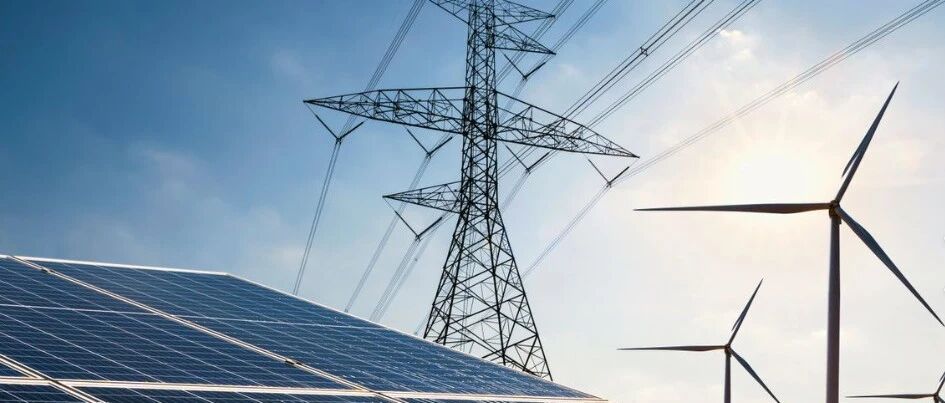
十五五规划全文解读-环境目标-产业转型-碳市场机遇与挑战
2026-03-12 09:08
Summary of Key Points from the Conference Call Industry or Company Involved - The discussion revolves around China's "14th Five-Year Plan" and its transition to the "15th Five-Year Plan," focusing on carbon intensity targets, carbon market reforms, and the broader implications for various industries, particularly energy-intensive sectors like coal, steel, cement, and aluminum [1][2][3][4][5]. Core Points and Arguments 1. **Carbon Intensity Target**: The "15th Five-Year Plan" sets a carbon intensity reduction target of 17%, slightly lower than the previous 18% target, but with greater difficulty due to expected GDP growth slowing to 4.5%-5% [1][2]. 2. **Transition from Energy Consumption Control to Carbon Emission Control**: The shift aims to encourage renewable energy consumption and alleviate rigid constraints on economic development imposed by traditional energy consumption metrics [3][4]. 3. **Carbon Policy Framework**: A comprehensive carbon policy system is being established, including local carbon budget management starting in 2026, with a focus on high-energy-consuming industries [4][5]. 4. **Industry Inclusion in Carbon Market**: By 2027, major industries such as thermal power, steel, cement, and electrolytic aluminum will be fully integrated into the carbon market, with expected emissions reductions of 300-400 million tons [1][4][8]. 5. **Investment in Renewable Energy**: Anticipated investments in renewable energy are projected to reach 13 trillion yuan by 2025, contributing over 10% to GDP, with a focus on new power systems and low-carbon technologies [1][5][6]. 6. **Energy Structure Changes**: Oil consumption is expected to peak around 2025-2026, while coal aims to peak by 2027, with significant growth in wind and solar installations anticipated [1][6][8]. 7. **Challenges in Implementation**: Key challenges include aligning central and local government responsibilities, managing coal consumption, and promoting new industrial technologies amid rising costs [10][11]. Other Important but Possibly Overlooked Content 1. **International Relations and Climate Goals**: The dual carbon strategy is seen as a means to enhance China's international standing and competitiveness, particularly in the context of global climate change discussions [6][10]. 2. **Regional Disparities in Emission Reduction Pressure**: Economic provinces like Zhejiang and Guangdong face significant reduction pressures, while energy-rich provinces like Shaanxi may have a different set of challenges due to their existing reduction foundations [16]. 3. **Carbon Market Development**: The carbon market is expected to evolve with the introduction of institutional investors and the development of carbon financial derivatives to enhance liquidity and market efficiency [12][13]. 4. **Long-term Vision for 2035**: The "15th Five-Year Plan" lays the groundwork for achieving broader greenhouse gas reduction goals by 2035, expanding the scope of emissions control beyond CO2 to include other greenhouse gases [5][11]. This summary encapsulates the critical insights and implications discussed in the conference call, highlighting the strategic direction of China's carbon policies and their impact on various industries and regional economies.
深圳商品投资策略会
2026-03-12 09:08
Summary of Key Points from Conference Call Records Industry or Company Involved - The conference call discusses the global geopolitical landscape, particularly focusing on the U.S. strategic priorities and their implications for various markets, including commodities, energy, and financial assets. Core Insights and Arguments 1. **U.S. Strategic Focus for 2026**: The U.S. will prioritize the Western Hemisphere, followed by the Indo-Pacific and the Middle East, aiming to prevent adversarial control over energy routes, particularly the Strait of Hormuz, which is seen as a key indicator of victory in conflicts [1][2][3]. 2. **Market Trading Logic**: The core logic for 2026 trading is driven by "de-dollarization" and increased volatility. De-dollarization involves countries reducing their holdings of U.S. Treasury bonds rather than a unilateral bearish outlook on the dollar, which retains its safe-haven status [1][3]. 3. **U.S. Treasury Yield Impact**: A significant policy shift may occur if the 30-year U.S. Treasury yield exceeds 4.8%, potentially leading to a more accommodative monetary policy from the Federal Reserve in 2026, especially as it is a midterm election year [1][4]. 4. **China's Policy Focus**: China aims to strengthen its internal capabilities and long-term planning, with a focus on achieving a GDP growth rate of 4%-4.5% and maintaining a stable CPI around 2% to meet its 2035 goals [1][5]. 5. **Commodity Market Analysis**: The Wenhua Commodity Index is expected to reach a long-term target of 940 points, with gold projected to hit between $6,400 and $7,200. Oil is currently in a corrective phase with a support level at $82, expected to rebound into a fifth wave of growth [1][10][25][24]. 6. **Chemical Sector Valuation**: The chemical sector is currently undervalued compared to historical levels, with a shift in pricing anchors from gold to energy and chemicals, indicating potential investment opportunities [1][29]. 7. **Monetary Policy Adjustments**: The People's Bank of China is maintaining a moderately accommodative stance, with recent measures to stabilize the yuan and support liquidity through bond purchases [1][8][6]. 8. **Inflation and Market Dynamics**: Current inflationary pressures are influenced by external factors, but domestic demand and employment levels remain weak, limiting the likelihood of a shift in monetary policy [1][7][6]. Other Important but Possibly Overlooked Content 1. **Geopolitical Strategy**: The U.S. aims to maintain a fragmented Eurasian landscape to prevent the emergence of rival powers, with Russia and Iran playing critical roles in this strategy [2][3]. 2. **Historical Context for Investment Strategies**: Historical investment strategies, such as those proposed by Menger, suggest that investors should seek assets with stable characteristics amid geopolitical tensions, highlighting the relative strength of Chinese assets in the current context [9]. 3. **Technical Analysis in Volatile Markets**: In the current high-volatility environment, technical analysis is emphasized as a crucial tool for decision-making, as it reflects real-time market behavior and can guide trading strategies effectively [10][11][22]. 4. **Commodity Price Trends**: The analysis of commodity prices, particularly oil and agricultural products, indicates a complex interplay of supply and demand dynamics, with potential for significant price movements based on geopolitical developments and market sentiment [22][23][30]. This summary encapsulates the key insights and arguments presented in the conference call, providing a comprehensive overview of the current market landscape and strategic considerations for investors.