
茶饮

Search documents
5家消费公司拿到新钱;珀莱雅独家投资国货彩妆品牌花知晓;茉莉奶白和上美影达成联名|创投大视野
36氪未来消费· 2025-09-06 10:48
Group 1 - Huazhixiao, a domestic cosmetics brand, completed a Series B financing round exclusively invested by Proya, aimed at global expansion and supply chain integration [3] - Wei Yi Culture, focusing on immersive panoramic entertainment experiences, secured a multi-million angel round financing to develop key projects and operate its own IP [4] - Craft beer brand TAGSIU raised nearly 10 million in a Pre-A round to expand its retail channels and supply chain [7] Group 2 - INS New Park, a nightlife complex, raised nearly 300 million in Series A funding, achieving a post-investment valuation of 2.6 billion [8] - Health drink brand Haojise received strategic investment from Guoyang Fund, focusing on health food products [9] - ByteDance issued stock options to its Seed department employees, with monthly values ranging from 90,000 to 135,000 yuan, indicating a strong focus on AI business [10] Group 3 - Xiaohongshu is expected to double its annual profit to 3 billion USD, with a valuation reaching 31 billion USD, positioning it as a leader in the visual social platform sector [12] - LeKe, a fitness brand, ranked fifth globally in store count, with over 14 million registered members, reflecting a growing trend in affordable fitness options [14][15] - Pet service brand Pet Home announced its paid membership exceeded 100,000 within five months, indicating a positive trend in the pet economy [18] Group 4 - The summer box office in 2025 reached 11.943 billion yuan, surpassing the previous year's performance [22] - The global market for smart home cleaning robots saw a shipment of 15.352 million units in the first half of the year, a 33% increase year-on-year [23] - The AR market is expected to grow significantly, with global shipments projected to reach 600,000 units by 2025, driven by new product launches and decreasing prices [24]


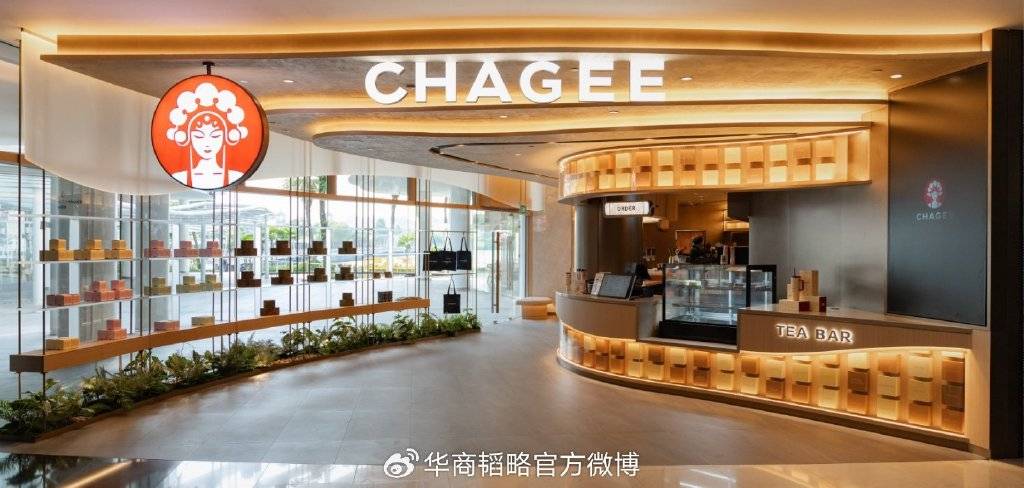
霸王茶姬的故事,才刚刚开始
Sou Hu Cai Jing· 2025-09-06 05:37
Core Insights - The article emphasizes that the end of new consumption in China is a return to value, highlighting the importance of sustainable growth over mere scale expansion [2][66]. Group 1: Company Performance - In August, many new tea beverage companies reported strong revenue growth for the first half of the year, driven by a fierce delivery subsidy war [5][6]. - Bawang Chaji, however, chose not to participate in this subsidy battle, maintaining stable performance with 7,038 global stores and continued double-digit GMV growth [8][9]. - The overseas market for Bawang Chaji saw a remarkable GMV increase of 77.4% year-on-year, with significant consumer interest in locations like Kuala Lumpur and Los Angeles [9][10]. Group 2: Differentiation Strategy - Bawang Chaji has established a unique brand positioning by focusing on high-value offerings rather than engaging in price wars, which is a common trend among competitors [12][17]. - The brand's founder, Zhang Junjie, has publicly stated the company's commitment to avoiding the delivery subsidy war, believing it to be unsustainable in the long term [14][15]. - Bawang Chaji's product innovation, such as the "Boyar Absolute String" milk tea, emphasizes health and quality, catering to consumer demand for healthier options [26][27]. Group 3: Domestic Growth Logic - Bawang Chaji, the youngest among six listed tea beverage companies, has rapidly established itself since its founding in 2017, reaching the NASDAQ market in just eight years [18][19]. - The company has focused on a differentiated approach from the outset, leveraging its location in Yunnan, China's top tea-producing province, to create unique products [22][23]. - The brand's commitment to transparency in product ingredients and nutritional information has helped build long-term consumer trust and loyalty [26][30]. Group 4: Global Expansion - Bawang Chaji's successful overseas expansion is a continuation of its value-first strategy, adapting its offerings to local tastes while maintaining its core brand identity [47][48]. - The brand has introduced localized products, such as the "Grain Fragrance Roasted Tea" series, which resonates with Southeast Asian consumers [50][51]. - Bawang Chaji's global strategy includes hiring local talent from international brands to enhance its market presence and operational efficiency [56][57]. Group 5: Conclusion - The article concludes that Bawang Chaji's success illustrates a new growth paradigm in the Chinese consumption market, where quality and value can drive sustainable growth without relying on low prices or rapid scale [66][69]. - This case demonstrates that Chinese brands can enter global markets through product quality, cultural resonance, and organizational strength rather than through price competition [69][70].
奶茶悄悄变“浓”,喜茶、沪上阿姨、1点点都在推这款
3 6 Ke· 2025-09-06 03:04
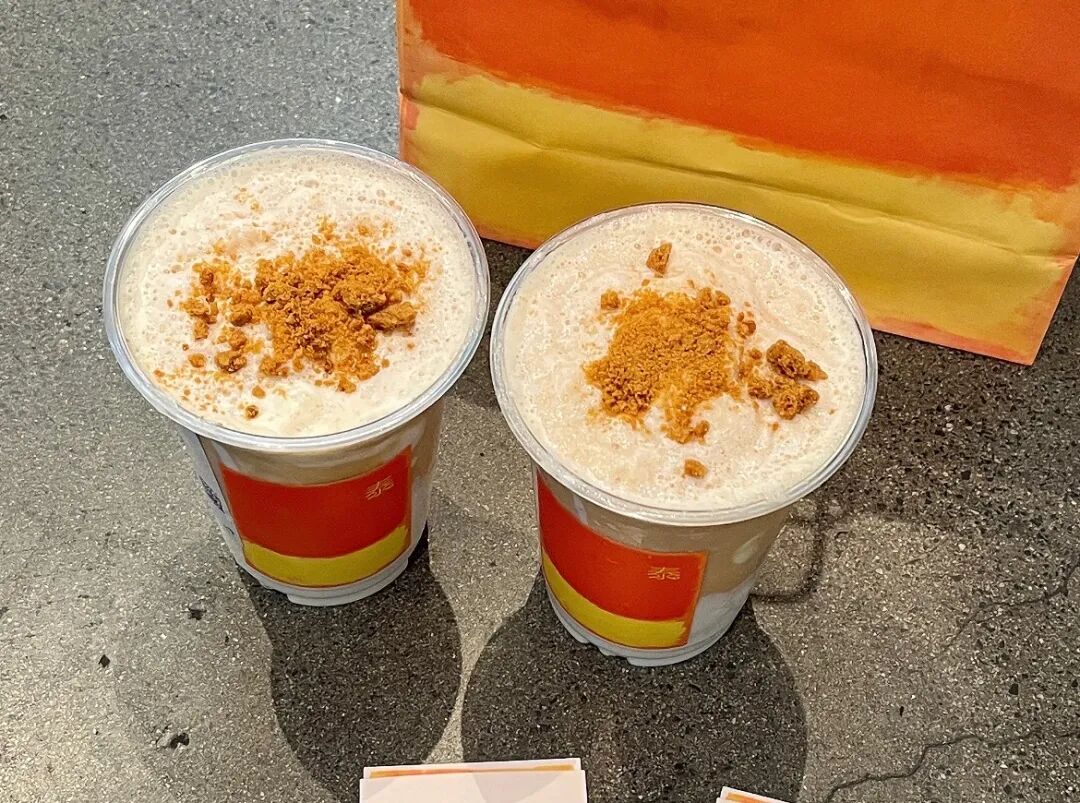
Core Insights - The tea beverage industry is experiencing a clear trend towards "richness" in product offerings for the autumn and winter seasons, with major brands launching new "rich" products [1][2][11] Product Innovations - Leading brands like Heytea and Shàngshàng Āyí are introducing new products that emphasize a rich flavor profile, utilizing ingredients such as cheese, butter, and yogurt to enhance the creamy taste [3][5] - The introduction of rich tea bases, such as matcha and Thai tea, is becoming increasingly popular, with brands like Heytea and Starbucks incorporating these flavors into their offerings [7][9] Consumer Preferences - The shift towards richer flavors reflects a change in consumer preferences, moving away from the previously dominant refreshing beverages to more satisfying and indulgent options [13][25] - The current trend emphasizes a balance of flavors, incorporating salty elements to avoid excessive sweetness and enhance the overall taste experience [14][16] Market Trends - The popularity of grain-based beverages, such as corn and rice drinks, is rising, as they provide a natural richness that aligns with consumer desires for satisfying yet not overly sweet options [22][24] - The "richness" trend is also creating opportunities for classic beverages to be reimagined, with brands focusing on high-value, regionally distinct ingredients to enhance product appeal [25] Future Outlook - The industry is expected to continue innovating around the themes of "rich dairy products + health-conscious ingredients + original tea bases + herbal elements," catering to evolving consumer tastes while maintaining a focus on richness [25]
外卖战火下:巨头博弈 新茶饮“捞鱼”
3 6 Ke· 2025-09-06 00:31
Group 1 - The core viewpoint of the article highlights that despite concerns about the long-term impact of the "takeout war" on the restaurant industry, most new tea beverage brands have reported revenue and net profit growth in their recent semi-annual reports [1] - Most listed new tea beverage brands, except for Bawang Tea Ji and Nayuki, achieved both revenue and net profit growth in the first half of the year [1] - Bawang Tea Ji attributed its profit decline to investments in new product development and overseas markets, while Nayuki cited store optimization and intensified market competition as reasons for its performance drop [1] Group 2 - Many new tea beverage brands reported improved same-store performance, with Gu Ming stating that "takeout subsidies and coffee business drove same-store improvement" [1] - Mixue Ice City mentioned that during the takeout war, it collaborated with franchisees to seize opportunities, significantly enhancing store profitability through increased order volume [1] - Even Bawang Tea Ji, which did not actively participate in the takeout war, saw an increase in second-quarter takeout GMV due to higher customer repurchase rates [1] Group 3 - Industry concerns regarding the takeout war include the impact of low prices on consumer perception, overburdening of store staff, and a decline in dine-in business [1] - The takeout war is not only a competition among internet giants but also tests the operational capabilities of businesses during this period [1] - Once subsidies cease, the performance growth driven by them is expected to end, and the industry will still face intensified competition and slowing growth in the domestic market [1]

贵阳文旅消费“新三样”如何更具魅力
Sou Hu Cai Jing· 2025-09-05 13:17
Core Insights - The article highlights the rising popularity of coffee, craft beer, and new tea drinks in Guiyang, which are becoming essential components of the city's cultural and tourism consumption landscape [1][6][10] Group 1: Coffee Culture - Guiyang boasts over 3,000 coffee shops, with a density of one coffee shop for every 2,000 residents, comparable to major cities like Shanghai [2] - Local coffee shop owners have achieved national and international recognition, with notable wins in prestigious coffee competitions [2] - The phrase "travel to Guiyang for a cup of coffee" has gained traction, attracting coffee enthusiasts from across the country [6][10] Group 2: Craft Beer Scene - The craft beer market in Guiyang features over 1,200 bars, offering a diverse range of beer styles that cater to various tastes [3] - The vibrant nightlife in Guiyang is characterized by a lively atmosphere in craft beer bars, enhancing the city's appeal as a nightlife destination [3][6] Group 3: New Tea Drinks - Local tea brands are creatively integrating regional culture with modern concepts, resulting in popular products that resonate with both locals and tourists [5] - Unique offerings such as "Longjing Maonai" and "Zhe'er Gen Lemon Tea" showcase the innovative spirit of Guiyang's tea culture [5] Group 4: Economic and Cultural Impact - The emergence of coffee shops, craft beer bars, and tea drink stores enriches the local consumption ecosystem, complementing traditional dining and shopping experiences [6] - Events like the "2025 Guiyang World Flavor Carnival" enhance the visibility and purchasing power of local tourism products [6][9] Group 5: Service and Experience Enhancement - Businesses are focusing on improving service quality to stand out in a competitive market, emphasizing the importance of high-quality ingredients and customer experience [9][10] - Innovative combinations of food and drink, such as "craft beer with barbecue," are being developed to provide unique cultural experiences [9][10] Group 6: Urban Branding and Image - The "New Three Items" contribute to shaping Guiyang's urban identity, aligning with the city's characteristics of being refreshing and vibrant [10] - The integration of these beverage cultures into the city's branding efforts enhances Guiyang's reputation as a dynamic and inclusive destination [10][11] Group 7: Talent and Environment - The development of the "New Three Items" is supported by initiatives like the establishment of a coffee industry academy, aimed at cultivating skilled professionals [14] - A favorable business environment is crucial for the growth of these sectors, emphasizing the need for regulatory support and a comfortable leisure atmosphere [14]

蜜雪冰城:万店狂奔下的甜蜜与隐忧
Guan Cha Zhe Wang· 2025-09-05 11:46
Core Insights - The article highlights the dominance of Mixue Ice Cream and Tea in the Chinese beverage market, showcasing its impressive financial performance and market expansion [1][2][3] - Despite its success, the company faces challenges such as declining single-store profitability, food safety concerns, and market saturation [1][10][11] Financial Performance - In the first half of 2025, Mixue reported revenue of 14.87 billion yuan, a year-on-year increase of 39.3%, with a gross profit of 4.71 billion yuan and a net profit of 2.72 billion yuan, reflecting a growth of 38.3% and 44.1% respectively [2][4] - The company operates 53,014 stores globally, having opened 9,796 new stores in the past year, averaging 27 new stores per day [2][3] Business Model - Mixue's revenue primarily comes from selling ingredients, packaging, and equipment to franchisees, accounting for approximately 97% of total revenue [4][5] - The franchise model allows for significant scale effects, with the company leveraging its purchasing power to control costs and enhance profitability [6] Market Strategy - The company has a strong presence in lower-tier cities, with 57.6% of its stores located in third-tier and below cities, while only 4.9% are in first-tier cities [7] - As competition intensifies in lower-tier markets, the company faces challenges in maintaining growth and profitability [7][10] Marketing and Brand Positioning - Mixue employs innovative marketing strategies, including viral songs and social media campaigns, to enhance brand visibility and consumer engagement [8][9] - However, the company must continue to evolve its marketing approach to sustain consumer loyalty beyond initial trends [9] Challenges Ahead - The increasing density of stores has led to a decline in single-store revenue, with franchisees reporting significant pressure on profitability [10] - Food safety issues pose a risk to the brand's reputation, as incidents can quickly escalate through social media [11]


奈雪的茶2025年中期业绩分析:健康战略转型与财务表现评估
Xin Lang Zheng Quan· 2025-09-05 10:06
Core Insights - The company reported a significant reduction in adjusted net loss by 73.1%, from 438 million to 118 million yuan year-on-year [1] - Operating cash flow increased by 33.1% to 138 million yuan, maintaining positive inflow for three consecutive reporting periods [1] - Revenue decreased by 14.4% to 2.178 billion yuan, primarily due to the closure of 132 underperforming stores [1][2] Financial Performance: Loss Reduction and Cash Flow Improvement - The company showed improvements in various financial metrics, with a notable reduction in loss and stable cash flow [2] - Revenue structure adjusted with a 14.4% year-on-year decline, resulting from proactive optimization of the store network [2] - As of June 30, cash reserves stood at 2.79 billion yuan, supporting business operations and development [2] Operational Data: Store Efficiency and Membership Growth - Average daily sales per store increased by 4.1%, from 7,300 yuan to 7,600 yuan, while average daily order volume rose by 11.4% [3] - Performance varied across city tiers, with new first-tier cities seeing over 9% growth in daily sales per store [3] - Membership continued to expand, reaching 111 million, with an increase of 8.3 million members, and a higher proportion of young consumers [3] Product Strategy: Health Positioning and Market Feedback - The company established a health-focused product strategy, launching the "No Sugar Natural Nutrition+" initiative [4] - The "Little Purple Bottle" series achieved sales of 500,000 cups within three days of launch, becoming a top-selling item [4] - Testing of new store formats, such as "Nai Xue Green," aimed at covering various consumption scenarios, showed promising early sales [4] Development Strategy: Store Optimization and Product Innovation - The company plans to advance business development through three main directions in the second half of 2025 [5] - Continued adjustment and optimization of store models, with an expansion of the "Nai Xue Green" format [5] - Ongoing product development will focus on health, with plans to introduce more products using natural ingredients [5] Membership Operations and International Market - The company aims to deepen precise marketing through its existing membership system while cautiously advancing international expansion [6] Industry Environment and Future Outlook - The ready-to-drink tea industry remains competitive, with the market size projected to reach 374.93 billion yuan by 2025 [7] - The company faces challenges such as homogenization, cost control, and changing consumer preferences [8] - Plans for the second half of 2025 include further optimization of the store network and exploration of new store models [8] - The shift in the tea industry from scale expansion to quality improvement is evident, with the company attempting to establish a differentiated competitive advantage [8]
5家头部茶饮品牌上半年关店超1500家,行业打响“单店保卫战”
东京烘焙职业人· 2025-09-05 08:33
Core Viewpoint - The tea beverage industry is transitioning from rapid growth to a more stable and health-focused competition, with an emphasis on profitability and growth quality rather than just expansion speed [5][6][21]. Group 1: Financial Performance of Leading Brands - Gu Ming emerged as the biggest winner in the recent financial report season, achieving a revenue growth of 41.2% and an adjusted profit growth of 42.4%, outpacing its revenue growth [11]. - Ba Wang Cha Ji, despite maintaining the top position with revenue of 6.725 billion and profit of 1.307 billion, showed a concerning trend with a revenue growth of only 21.6% and an adjusted profit growth of just 6.8% [11]. - Hu Shang A Yi reported a profit growth of 14.0% but a revenue growth of only 9.7%, indicating potential fatigue in growth [11]. - Cha Bai Dao faced a challenging situation with a mere 4.3% revenue growth and a 13.8% decline in adjusted net profit [11][12]. Group 2: Store Opening and Closing Trends - Over 1,500 stores were closed among five leading tea brands in the first half of the year, indicating a significant shift in operational strategies [14]. - Gu Ming led in net store openings with an increase of 1,265 stores, while Hu Shang A Yi and Cha Bai Dao exhibited a high frequency of opening and closing stores [16]. - The aggressive expansion without proper management of single-store profitability has led to many franchisees facing difficulties, resulting in store closures [16][18]. Group 3: Market Strategy and Positioning - The tea beverage industry is entering a new cycle characterized by structural adjustments, where brands are shifting focus from rapid expansion to sustainable profitability [21]. - Ba Wang Cha Ji and Cha Bai Dao are focusing on high-tier cities, while Gu Ming and Hu Shang A Yi are targeting lower-tier markets for growth [23]. - The competition in lower-tier markets is becoming increasingly intense, with a shift from price wars to deeper operational capabilities, particularly in supply chain management [24]. Group 4: Online and Offline Channel Strategies - The reliance on online platforms for sales is growing, with Cha Bai Dao and Nai Xue's Tea investing heavily in online channels, while Gu Ming adopts a more cautious approach [25][26]. - The external pressures from online platforms create a dual-edged sword for brands, providing significant order volume but also leading to high commission and marketing costs [26]. - The new cycle in the tea beverage industry emphasizes the need for brands to establish a stable and reliable single-store profitability model [26].

新茶饮何以持续火爆?
Ren Min Ri Bao· 2025-09-05 06:42
Core Insights - The new tea beverage market in China is experiencing significant growth, with the market size expected to exceed 200 billion yuan this year [3] - The rise of new tea drinks reflects changing consumer preferences towards personalized, diverse, and high-quality products [4] Group 1: Market Trends - The new tea beverage consumption market is projected to surpass 200 billion yuan in 2023, indicating a robust expansion [3] - Consumers are increasingly seeking interactive and participatory experiences in their beverage choices, moving beyond passive consumption [5] - Health-conscious trends are influencing tea beverage ingredients, with a variety of vegetables and fruits being incorporated into drinks [6] Group 2: Cultural Integration - Cultural elements are becoming integral to tea beverage consumption, with brands collaborating with art and culture to enhance consumer engagement [8] - The integration of cultural themes into product offerings is transforming tea drinks into vehicles for cultural expression [8] Group 3: Agricultural Impact - The new tea beverage sector is driving sales of agricultural products, benefiting farmers significantly; for instance, the price of yellow skin fruit has increased by 60% due to demand from tea companies [9] - Collaborations between tea companies and farmers are enhancing agricultural practices and increasing farmers' incomes, with some farmers reporting an average income increase of 8,000 yuan per acre [10] - The new tea beverage market is facilitating the promotion of local agricultural specialties, helping them gain wider recognition [11] Group 4: Product Innovation - The tea industry is diversifying its product offerings beyond traditional beverages, with innovations such as tea-flavored ice cream and snacks gaining popularity [12][14] - The development of deep processing techniques for tea is expanding its application across various sectors, including food and cosmetics [14]

涪陵榨菜:榨菜销量下滑丨消费参考
2 1 Shi Ji Jing Ji Bao Dao· 2025-09-04 23:41
Group 1 - The core viewpoint is that Fuling Zhacai is reassessing its key pickled vegetable business due to changing market dynamics and consumer preferences [1][4] - In the first half of 2025, Fuling Zhacai reported a revenue increase of 0.5% year-on-year to 1.31 billion yuan, while net profit attributable to shareholders decreased by 1.7% to 440 million yuan [1] - Revenue from the pickled vegetable category was 1.12 billion yuan, with a year-on-year growth of 0.5%, while sales volume declined by 1.2% [1] Group 2 - The company is facing challenges in sales channels as consumer preferences shift towards alternative products, and urban population trends are affecting its market coverage [3] - Fuling Zhacai is implementing a strategy to expand product categories and market reach, focusing on new product development and channel expansion [3] - The company is adjusting its production plans by reducing conventional pickled vegetable production lines and increasing the production of multi-specification products and sauces [3] Group 3 - The stock price of Fuling Zhacai was reported at 13.24 yuan per share, with a slight increase of 0.76% [5] - The consumer index for the sector showed a decline, with the consumption index dropping by 2.21% [6]
