
Zhong Guo Zheng Quan Bao

Search documents
2026“乐购新春”活动将启 加力以旧换新 加大金融支持
Zhong Guo Zheng Quan Bao· 2026-02-02 23:12
Group 1 - The core objective of the "2026 'Happy Shopping Spring Festival' Special Activity Plan" is to stimulate holiday consumption, enrich cultural life, and create a festive shopping atmosphere from February 15 to 23, 2026 [1] - The plan emphasizes increasing subsidies for trade-in programs during the Spring Festival, encouraging offline retail support, and promoting experiential marketing for products like automobiles and electronics [1] - Financial support measures include collaboration between financial institutions and key merchants to offer exclusive promotions, such as consumption red envelopes and discounts, to enhance consumer engagement [1] Group 2 - The plan encourages cross-industry collaboration among sectors like dining, tourism, and entertainment to create bundled offers, enhancing the overall consumer experience during the festival [2] - It aims to facilitate inbound tourism by providing multilingual cultural maps and increasing flight capacity on international routes, thereby improving payment options for international visitors [2]

逾千家A股公司业绩预喜 沪市首份年报出炉
Zhong Guo Zheng Quan Bao· 2026-02-02 23:03
沃华医药2025年年报显示,报告期内,公司共实现营业收入约8.17亿元,同比增长6.96%;实现归属于 上市公司股东的净利润约9571.53万元,同比增长162.93%。 沃华医药在2025年年报中提到,公司业务为以四大独家医保产品为主、其他中成药品种为辅的生产、营 销和研发。2026年,公司将继续保持战略定力,聚焦中成药研发、生产、销售主业,深入挖掘现有品种 尤其是独家产品的巨大潜力,加速业务发展的"飞轮效应",将现有优秀品种做到极致,适时引进或并购 符合公司长远战略,并且高度适配公司产品线集群的优秀品种,带动公司业绩的提升。 A股2025年年报披露拉开帷幕。2月2日晚,芯导科技对外披露2025年年报,这也是沪市首份年报。芯导 科技2025年实现营业收入3.94亿元,同比增长11.52%;归属于上市公司股东的净利润1.06亿元,同比下 降4.91%。基本每股收益0.9元。公司拟向全体股东每10股派发现金红利4.3元(含税)。在此之前,沃 华医药、指南针已经披露了2025年年报。业绩预告方面,Wind数据显示,截至目前,A股共有3056家上 市公司披露2025年业绩预告,1095家预喜。从行业角度看,有色金属 ...
1月车市分化加剧:自主品牌座次洗牌 新势力环比普降
Zhong Guo Zheng Quan Bao· 2026-02-02 23:03
Core Insights - The automotive market in January 2026 shows a clear distinction between traditional domestic brands, which are performing strongly, and new energy vehicle (NEV) startups, which are facing challenges [1][5] Traditional Domestic Brands Performance - Major traditional automakers like SAIC, Geely, and Chery reported over 20% year-on-year sales growth in January 2026, with SAIC leading the market [2][3] - SAIC sold 327,400 vehicles in January, a 23.9% increase year-on-year, with 214,000 units from its own brands, marking a 39.6% increase [2] - Geely's sales reached 270,200 units, a 1% year-on-year increase, with NEV sales contributing significantly [2] - Chery's sales totaled 200,300 units, with exports accounting for 119,600 units, a 48.1% increase year-on-year [3] - GAC Group saw a significant increase in sales, reaching 116,600 units, up 18.47% year-on-year, driven by its new energy and overseas sales [3] New Energy Vehicle Startups Challenges - In contrast, nine major NEV startups experienced a collective decline in sales, with month-on-month drops ranging from 21.2% to 47.0% [5][6] - Despite the downturn, some brands like NIO and Zeekr reported year-on-year growth exceeding 95% [6][7] - The decline in NEV sales is attributed to short-term factors such as policy changes and seasonal demand fluctuations [6][7] - The market is expected to stabilize post-policy transition, with a potential recovery in sales anticipated in February and March 2026 [7] Market Dynamics and Future Outlook - The automotive industry is witnessing a restructuring of brand rankings, with traditional brands solidifying their positions while new entrants face increasing competition [1][5] - The long-term growth logic of the NEV sector remains intact, with expectations for a gradual recovery as new products are launched and market conditions improve [7]





存储迎超级周期 部分厂商业绩大幅预喜
Zhong Guo Zheng Quan Bao· 2026-02-02 23:01
自2025年三季度起,全球存储市场迎来颠覆性涨价行情。TrendForce集邦咨询数据显示,存储芯片领域 两大主要产品类别DRAM与NAND闪存现货价格累计上涨超过300%。该机构还预测,2026年第一季度 NAND闪存产品价格将上涨33%-38%,一般型DRAM价格将上涨55%-60%。 在涨价行情带动之下,不少存储公司业绩亮眼。Wind数据显示,截至2月2日,41家存储概念公司中, 25家披露业绩预告,其中16家预喜,多家公司在2025年第四季度业绩提升明显。存储芯片公司普遍表 示,业绩预喜的主要原因是,受AI及算力产业发展拉动,产业进入高景气周期、产品持续涨价,并持 续看好未来的景气周期。 结构性供需失衡 业内专家认为,这波涨价并非简单的市场周期波动,核心驱动力是AI引发的结构性供需失衡,叠加供 给收缩与库存低位的共振效应。需求端,AI服务器成为"存储巨兽",单台AI服务器内存需求是普通服务 器的8-10倍,目前已消耗全球53%的内存月产能,挤压了消费级产品供应。供给端,头部厂商开启"弃 低追高"策略,三星、SK海力士等将80%以上先进产能转向高毛利的HBM,直接导致成熟产能缩减。 TrendForce ...
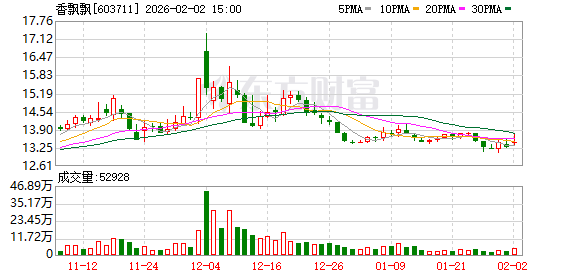
香飘飘蒋晓莹:以一杯奶茶的“长期主义”应对市场变局
Zhong Guo Zheng Quan Bao· 2026-02-02 23:00
这些努力还包括像"陈皮月光白"这样反季节、带养生属性的产品创新。蒋晓莹分享,这款产品本有季节 限定,下架后却在社交平台收到大量询问,促使团队计划返场。这些尝试,都是为了让传统冲泡产品在 口感、健康和场景上产生新的吸引力。尽管短期内未能扭转该业务板块的下滑趋势,但这些深耕产品细 节的动作,体现了在逆境中寻求质变的决心。 用不同面孔对话新一代消费者 日前,香飘飘全国首批两家线下门店于杭州正式开业,标志着这家以杯装冲泡奶茶闻名的品牌,首次以 线下门店的形式与消费者见面。当前,现制茶饮品牌加速扩张,不断拓宽消费场景与服务半径。在此背 景下,传统冲泡奶茶品牌香飘飘正面临深刻的市场考验。公司2025年第三季度财报显示,前三季度实现 营业收入16.84亿元,归母净利润出现亏损。业绩承压主要源于传统冲泡业务的收入减少。 面对挑战,香飘飘品牌创新中心总经理蒋晓莹在接受中国证券报记者专访时,阐述了公司在产品、品牌 与传承方面的思考与实践。她将当前阶段视为一场"二次创业",其核心逻辑并非追求短期热度,而是回 归商业本质,坚持长期价值。 在冲泡红海中寻找层次感 面对冲泡奶茶市场空间被挤压的现状,蒋晓莹的回应是更深入地钻研产品本身。" ...


东风汽车锚定325万辆年度目标 杨彦鼎:技术落地+全品协同攻坚硬指标
Zhong Guo Zheng Quan Bao· 2026-02-02 22:55
Core Insights - Dongfeng Motor Corporation is focusing on technology autonomy and high-quality transformation, with 2026 designated as the "Year of Technology Realization" [1] - The company aims to achieve a total sales target of 3.25 million vehicles in 2026, including 1.7 million new energy vehicles and 600,000 exports [3] Technology Development - Dongfeng's R&D investment intensity is projected to reach 7.9% in 2025, significantly above the industry average, supporting technological innovation [1] - The company has made breakthroughs in core components, including the mass production of the automotive-grade high-end MCU chip DF30 and a 67% localization rate for chips in its self-owned brand vehicles [1] - The Maher hybrid engine has achieved a thermal efficiency of over 48%, set to be widely applied in new energy vehicles launched in 2026 [1] Intelligent Systems - The "T200" intelligent driving system will be widely adopted in main models by 2026, offering L2+ level assistance for highways and urban roads [2] - The commercial vehicle sector is also advancing, with over 70 new energy models planned for release in 2025, including hydrogen fuel and hybrid vehicles [2] - The D600 strategic product platform has been established, featuring over 50 base models and more than 200 extended models, with an 80% modularization rate [2] Sales and Market Strategy - Dongfeng's product matrix covers high-end, mainstream, and niche markets, with specific strategies for each segment [3] - The company plans to launch 8 new models under the Dongfeng Yipai brand and 15 new or upgraded products under Dongfeng Fengshen from 2026 to 2028 [3] - The commercial vehicle segment targets a sales volume of 131,000 units in 2025, with a 34% increase to 176,000 units in 2026 [4] Organizational Reforms - Dongfeng will enhance the autonomy of frontline business units and improve incentive mechanisms to boost market responsiveness and operational efficiency [5] - The company aims to inject strong momentum into the high-quality development of the Chinese automotive industry through technology, brand, and reform initiatives [5]

国开证券党委书记、董事长刘晖: 深耕主业谋特色 服务战略显担当
Zhong Guo Zheng Quan Bao· 2026-02-02 22:23
使命,因时代而生;担当,因责任而重。 2010年8月,国家开发银行完成对航空证券的全资收购,国开证券正式挂牌成立,一段崭新的征程由此 开启。 十六载春华秋实,国开证券始终与国家战略同频共振。债券全牌照资质获批、铁道债"八连冠"、多个市 场"首单"项目落地……这家根植于开发性金融沃土的证券公司,逐步书写出特色鲜明的高质量发展新篇 章。 在刘晖看来,金融强国建设是一项关乎国家金融治理现代化的系统工程,而中国特色现代金融体系的构 建是其关键所在。作为包含金融机构、市场、规则等在内高度关联的复杂有机系统,现代金融体系具有 整体性、结构性、层次性和开放性的特征,这就要求在推进中国特色现代金融体系建设过程中,必须坚 持系统思维、协同推进。 资本市场是现代经济金融的重要枢纽。纵观全球,强大的资本市场始终是大国崛起的重要支撑。刘晖表 示,二战后美国诞生了英特尔、微软、苹果、谷歌等一批高科技企业,其背后正是科技产业与资本市场 协同联动机制的有效支撑。 他山之石,可以攻玉。刘晖表示,在多层次资本市场助力下,近年来我国科技创新和产业创新加快融合 发展,资本市场逐渐成为赋能科技创新的主阵地。2024年,A股上市公司研发投入达到1.8 ...
李强在山东调研时强调 更加扎实有效促发展惠民生增后劲
Zhong Guo Zheng Quan Bao· 2026-02-02 22:20
● 新华社济南2月2日电(记者邹伟) 李强首先来到济南二机床集团有限公司,察看灯塔工厂生产线,详细询问减材制造、增材制造等工艺以 及新材料应用情况,对企业通过数智化转型持续提升竞争力表示赞许。李强说,智能制造是推动产业技 术变革和优化升级的主攻方向,要积极利用人工智能技术对生产制造全链条全周期进行重塑。在保持规 模优势基础上更加注重科技创新,推动技术产品迭代升级,提高自主可控能力。要根据相关产业特别是 新兴产业、未来产业发展需求,持续加大研发投入,强化软硬件协同,不断增加优质供给。在聊热入济 供热北线4号中继能源泵站,李强深入了解聊热入济、济南燃煤锅炉替代等工作进展,对当地供热"一张 网"建设予以肯定。李强指出,清洁供热既有利于民生保障,又有利于降碳增效和生态保护,具有良好 综合效益。要加强区域能源统筹利用,推进管网设施联通,优化供热计量方式,加快绿色低碳技术研发 应用,将工业余热转化为稳定清洁热源。李强听取山东省能源建设和核电发展情况汇报,要求统筹抓好 清洁能源项目建设和运行安全,提升技术水平和监管能力,更好助力构建新型能源体系。 调研期间,李强主持召开省市县乡四级政府负责同志代表座谈会,听取对《政府工作报 ...
中共中央、国务院批复同意《现代化首都都市圈空间协同规划(2023-2035年)》 优化京津冀城市体系 促进重点领域功能协同
Zhong Guo Zheng Quan Bao· 2026-02-02 22:14
着力优化京津冀城市体系。批复要求,构建"一核两翼、双城多点、双廊多圈"的首都都市圈空间格局。 要充分发挥北京"一核"的辐射带动作用,加强"四个中心"功能建设,提升"四个服务"水平,营造一流的 中央政务环境。高标准高质量建设河北雄安新区,把北京城市副中心建设成为首都发展新的增长极,推 动"两翼"比翼齐飞。高质量谱写京津"双城记",天津加强北方国际(000065)航运核心区建设,共同打 造区域发展高地。发挥河北节点城市支撑作用,形成优势互促、联动发展的功能格局。 促进实现重点领域功能协同。批复要求,构建"两廊四带"产业协同创新格局,因地制宜发展新质生产 力,推动创新链产业链深度融合,发展先进制造业集群。加快构建"八廊两环"交通廊道,加强海港、陆 港、空港联动,全面建成面向世界的京津冀国际性综合交通枢纽集群。坚持以首都安全保障为核心,协 同构建韧性空间格局,着力提升洪涝等自然灾害应对和跨区域生命线廊道联通保障能力,健全央地、军 地、三地防灾救灾协调联动机制。坚持陆海统筹,强化山水林田湖草沙一体化保护和系统治理,深化落 实以"三区三线"为基础的国土空间开发保护格局。合理优化区域优质公共服务资源配置,推动教育、医 疗、 ...
十部门联合发文明确 到2027年低空经济标准体系基本建立
Zhong Guo Zheng Quan Bao· 2026-02-02 22:10
● 本报记者 王婧涵 安全监管标准包括无线电管理、人员管理、运营与应急管理、事故调查与救援,以及其他标准,是低空 经济活动安全有序发展的重要前提。 其中,低空航空器标准是低空经济标准体系的核心部分,包括基础共性、管理、安全、无人驾驶航空器 系统和有人驾驶航空器标准,有助于提高航空器的安全性、可靠性和性能水平,推动航空器制造产业的 升级和发展。 指南明确,低空航空器标准建设重点将围绕安全标准和无人驾驶航空器系统标准展开,重点开展低空航 空器感知与避障、数据链路网络安全、飞行控制系统数据记录等标准制修订;开展系统综合、试验试 飞、无人驾驶航空器平台、数据链、地面控制系统、任务载荷等标准制修订。 低空基础设施标准包括低空智能网联系统、低空起降基础设施、低空飞行管理服务保障基础设施、低空 质量技术基础设施、低空安全防护基础设施等,是低空经济高效运行的基础保障。 低空空中交通管理标准包括空域管理、飞行流量管理、空中交通服务和空管保障标准,是低空飞行活动 安全有序开展的重要保障。 2月2日,市场监管总局、中央空管办、国家发展改革委、工业和信息化部等十部门联合发布《低空经济 标准体系建设指南(2025年版)》。 指南提出, ...