36氪

Search documents
小米汽车今年拟推4款新车,包含2款增程丨36氪独家
36氪· 2026-01-08 10:22
Core Viewpoint - Xiaomi is set to aggressively enter the family market with a lineup of new vehicles, including two range-extended SUVs, aiming to capture a significant share of the growing range-extended SUV segment in China [4][12][20]. Product Plans - Xiaomi plans to launch four new vehicles this year: a revamped SU7, an SU7 executive version, a five-seat range-extended SUV, and a seven-seat range-extended SUV [5][6]. - The seven-seat range-extended SUV, codenamed "Kunlun," is expected to offer a battery capacity exceeding 70 kWh and a pure electric range of 400-500 kilometers [8][19]. - The SU7 executive version will be a long-wheelbase sedan with enhanced comfort features [10]. Market Strategy - The Chinese automotive market is primarily driven by family needs, with consumers seeking spacious, energy-efficient vehicles that offer advanced smart features [14]. - The range-extended SUV market is currently booming, with over 15 new models expected to launch in 2025, indicating strong competition [15]. - Xiaomi's entry into this segment is seen as a strategic move to diversify its product offerings and reach a broader customer base beyond its existing "Mi Fan" demographic [23][24]. Competitive Landscape - Xiaomi will face established competitors like Li Auto and Aito, which have already built strong brand recognition among family users [24][26]. - Li Auto's L series has achieved over 1 million cumulative deliveries, while Aito has secured multiple sales champions in its segment [24][26]. - Xiaomi has previously disrupted the electric vehicle market by breaking Tesla's dominance, suggesting it could pose a significant threat to existing players in the family vehicle market [26]. Future Outlook - The introduction of range-extended SUVs and executive sedans marks a shift in Xiaomi's development strategy from rapid product launches to a more systematic approach focused on comprehensive capabilities [27]. - The company aims to enhance its competitiveness not just through product innovation but also in areas like supply chain management and customer service [27].


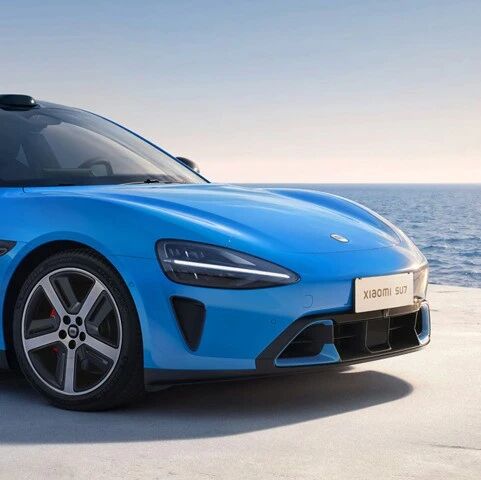
卖1元冰淇淋的宜家,越来越少了
36氪· 2026-01-08 10:22
Core Viewpoint - IKEA China announced the closure of 7 stores, reducing the total number of stores from 38 to 31, as part of a strategic shift to optimize costs and improve efficiency in response to changing consumer behavior in the Chinese market [4][6]. Group 1: Store Closures and Strategic Shift - The stores set to close include significant locations such as IKEA Shanghai Baoshan and IKEA Guangzhou Panyu, with the closures effective from February 2, 2026 [5]. - The decision to close these stores is not due to their inability to operate but is a proactive measure to reallocate resources and enhance operational efficiency [6][7]. - This marks a continuation of IKEA's strategic adjustments in China, which have included previous store closures and a focus on optimizing its retail footprint [6][7]. Group 2: Market Challenges and Competition - IKEA faces increasing competition from local brands and changing consumer preferences, which have made it difficult to attract Chinese consumers [8][10]. - The brand's traditional Nordic minimalist design is losing appeal among younger consumers, who are now more inclined towards local styles and offerings [8]. - Local competitors, such as the clothing brand "Deer Island" and furniture brand "Lin's Wood Industry," are expanding aggressively, posing a direct challenge to IKEA's market position [10][11][12]. Group 3: Financial Performance of Ingka Group - Ingka Group, IKEA's operating entity in China, reported a decline in global revenue to €41.864 billion in the 2024 fiscal year, a decrease of 5.5% year-on-year, with net profit dropping by 46.5% [13]. - The financial struggles have led to strategic partnerships aimed at alleviating financial pressure, including a collaboration with Gaohe Capital to manage shopping centers in key cities [13]. - Despite a slight recovery in net profit for the 2025 fiscal year, overall revenue remains below previous levels, indicating ongoing financial challenges [13]. Group 4: Broader Market Trends - Other international brands, such as NITORI and MUJI, are also facing difficulties in the Chinese market, with significant store closures reported [14]. - The rapidly changing market environment and the rise of domestic brands suggest that IKEA's transformation will be a challenging endeavor in a highly competitive landscape [15].

酸奶机变身宠物饮水器:传统产能在拼多多的新消费革命
36氪· 2026-01-08 10:22
Core Viewpoint - The efficiency of various segments in the pet economy industry determines the market competitiveness of businesses [2] Group 1: Industry Transformation - The transformation of traditional small appliance manufacturers into players in the pet economy is a significant trend, with companies like "Kawu" successfully pivoting to produce pet products such as heated bowls [5][8] - Platforms like Pinduoduo provide substantial support to these businesses, facilitating their transition from traditional industries to new consumer trends [9][40] Group 2: Market Opportunities - The emotional connection that young people have with pets has surpassed many other relationships, making pets a central part of their lives [11] - The market for pet products is seen as an extension of previous consumer insights from other sectors, such as baby products, allowing for the reuse of supply chains [12] Group 3: Consumer Insights - Understanding the dual needs of both pets and their owners is crucial for success in the pet economy, as consumer motivations often extend beyond the pet's needs to include aesthetic and social factors [27][28] - Brands like "Zhe Zhe" have capitalized on the demand for innovative pet apparel, achieving significant sales growth by addressing consumer desires for stylish pet products [30][33] Group 4: Challenges in Transition - Businesses transitioning from traditional industries face challenges in aligning their products with consumer demands, as the value of pet products often intertwines with human emotional needs [24][26] - The complexity of the pet economy requires businesses to balance practicality for pets with the desires of pet owners, which can lead to misunderstandings in product expectations [35] Group 5: Role of E-commerce Platforms - Pinduoduo's model of "short links, high efficiency, and quality-price ratio" has created a conducive environment for pet product businesses, allowing for rapid market testing and feedback [40][41] - The platform's support in reducing unnecessary complexities enables businesses to focus on optimizing supply chains and product development, enhancing their competitive edge in the emerging pet economy [41]

智谱、MiniMax港股IPO,熬过孤独的人和500亿奖赏丨深氪lite
36氪· 2026-01-08 10:22
Core Viewpoint - The article discusses the emergence of AI companies, particularly focusing on the successful IPOs of Zhiyuan and MiniMax, highlighting the transformative impact of AI in various industries and the changing landscape of the Hong Kong stock market [2][5][15]. Group 1: Investment Background - In 2021, early investors like Qiming Venture Partners recognized the potential of large models, investing in Zhiyuan and MiniMax despite the prevailing focus on carbon neutrality and the metaverse [6][9]. - The founders of Zhiyuan and MiniMax, Tang Jie and Yan Junjie, respectively, were pivotal in attracting early investments due to their ambitious visions and innovative methodologies [10][11][39]. Group 2: IPO Success - Both Zhiyuan and MiniMax went public in January 2026, with Zhiyuan's market value exceeding HKD 57 billion and MiniMax projected to surpass HKD 50 billion [15][16]. - The IPOs generated significant market interest, with Zhiyuan's public offering being oversubscribed by 1,159.46 times and MiniMax attracting over HKD 2.5 trillion in subscription funds [16][17]. Group 3: Market Dynamics - The Hong Kong stock market has seen a resurgence, with 119 new listings in 2025, the highest in five years, driven by a favorable environment for tech companies [24][30]. - The introduction of supportive regulations, such as the "18C" chapter for tech companies, has facilitated the listing of unprofitable firms, enhancing the attractiveness of the Hong Kong market for AI companies [29][30]. Group 4: Future Outlook - The rapid evolution of AI technology necessitates significant funding, with many companies transitioning from unicorns to valuations exceeding RMB 20 billion within a year [32][34]. - The IPOs of Zhiyuan and MiniMax are expected to encourage further investments in innovative tech companies, fostering a more vibrant startup ecosystem in China [66][68].

「微元合成」获近3亿元融资,以甲醇为原料、开发大宗生物基产品|早起看早期
36氪· 2026-01-08 00:10
Core Viewpoint - "Micro Yuan Synthesis" has recently secured nearly 300 million yuan in a new round of equity financing, with the funds primarily aimed at accelerating the research and development of methanol-based bio-manufacturing of bulk bio-based products [1][2]. Group 1: Company Developments - "Micro Yuan Synthesis" has successfully developed and industrialized several human and animal nutrition products, including allulose, lutein, and mannitol [1]. - The company has achieved significant commercial progress in the development of core products like allulose, becoming the first in China to receive administrative approval for allulose production through a biological fermentation process [1][2]. - A strategic partnership has been established with Cargill, focusing on the promotion and production collaboration of allulose and other sugar-reducing products [2]. Group 2: Industry Context - The global production of chemical products is approximately 2.3 billion tons annually, while bio-based products account for only 180 million tons, indicating a significant gap and potential for growth in bio-manufacturing [4]. - The development of non-grain bio-based products is essential, particularly using alternative carbon sources like straw and CO2, to address the challenges of raw material costs in bio-manufacturing [4]. - Methanol is identified as an ideal alternative carbon source, with China's coal-based methanol production capacity exceeding 10 million tons, representing 67% of the global total, and facing overcapacity issues [4].

8点1氪:和府捞面否认是预制菜;雷军称绝对不能容忍任何诋毁诅咒车主的KOL;乔布斯私人物品Apple I原型机被拍卖
36氪· 2026-01-08 00:10
Group 1 - He Fu Lao Mian responded to consumer claims about pre-made dishes, stating that their products are made in a central kitchen and do not fall under the category of pre-made meals [5] - He Fu Lao Mian was established in 2012 and currently operates 583 stores, with an average consumer spending of 32.97 yuan, over 50% of which are located in first-tier and new first-tier cities [5] Group 2 - The price of memory modules has surged, with some units exceeding 49,999 yuan, leading to comparisons with the cost of a house in Shanghai [7] - NIO's CEO Li Bin mentioned that rising memory prices are creating cost pressures for the automotive industry, suggesting consumers consider purchasing vehicles sooner [7] Group 3 - ByteDance denied rumors of entering the automotive industry, clarifying that there are no plans to manufacture cars [8] - Google's market value surpassed Apple's for the first time since 2019, reaching 3.88 trillion USD, highlighting a divergence in AI strategies between the two companies [8][9] Group 4 - The State Administration for Market Regulation and the National Internet Information Office released new regulations to prevent platforms from using big data to exploit consumers [9] - Same-day ticket sales for the KPL Spring Season faced issues due to server overload from high traffic, leading to an apology from Tongcheng Travel [9] Group 5 - Long-term rumors about Changan Automobile canceling year-end bonuses were refuted, with the company affirming its commitment to employee rights and sustainable development [12] - The founder of Prince Group was arrested in Cambodia and sent back to China for investigation related to international telecom fraud and money laundering [12] Group 6 - Lenovo announced a partnership with NVIDIA to launch an "AI Cloud Super Factory," aimed at accelerating AI deployment for cloud service providers [13] - Xiaomi's new electric vehicle model SU7 is expected to launch in April, featuring significant enhancements and advanced safety features [13] Group 7 - Berkshire Hathaway increased the salary of its new CEO Greg Abel to 25 million USD, significantly higher than Warren Buffett's long-standing salary of 100,000 USD [14] - The market regulator announced adjustments to the certification model for certain products, shifting from self-declaration to third-party certification [15] Group 8 - Intel unveiled its third-generation Ultra processors at CES 2026, utilizing the latest 18A manufacturing process to enhance transistor density and energy efficiency [21] - The AI company Anthropic is preparing to raise 10 billion USD at a valuation of 350 billion USD [24]




越泡越浓的奶茶,让打工人心悸失眠?
36氪· 2026-01-08 00:10
Core Viewpoint - The article discusses the rising concerns regarding the caffeine content in milk tea, particularly focusing on the brand "霸王茶姬" (Bawang Chaji), which has faced backlash for allegedly high caffeine levels that some users have likened to addictive substances [5][7][8]. Summary by Sections Caffeine Controversy - A popular social media influencer raised alarms about the caffeine content in Bawang Chaji's new milk tea products, suggesting it could be dangerously high and addictive [5][12]. - The Shanghai Narcotics Control Office had to clarify that caffeine is naturally present in tea and that Bawang Chaji's caffeine levels are within acceptable limits [7][8]. Consumer Reactions - The controversy has led to widespread panic among consumers, with many expressing concerns about sleeplessness after consuming milk tea [9][19]. - Bawang Chaji's stock plummeted by 14.5% on December 26, resulting in a market value loss of approximately $200 million [13]. Caffeine Content Comparisons - A cup of Bawang Chaji's milk tea can contain caffeine levels comparable to 2.5 cans of Red Bull, with specific drinks exceeding 200 mg of caffeine [20][22]. - The caffeine content in Bawang Chaji's drinks is significantly higher than that in standard coffee beverages, challenging the brand's claims of being a healthier alternative [24]. Health and Marketing Implications - The article highlights a shift in consumer perception, where milk tea is increasingly viewed as a potential health risk rather than a simple indulgence [32][44]. - Bawang Chaji has attempted to address these concerns by introducing lower-caffeine options, but these have not gained significant market traction due to taste compromises [31][41]. Broader Industry Trends - The article notes that the caffeine issue is not isolated to Bawang Chaji, as other brands like 喜茶 (Heytea) and 一点点 (Yidiandian) are also facing similar scrutiny regarding their caffeine levels [41][43]. - The marketing strategies of milk tea brands have evolved to downplay health risks while promoting the enjoyment factor, leading to a disconnect between consumer awareness and actual product content [46][47].

围猎600亿「外挂帝国」
36氪· 2026-01-08 00:10
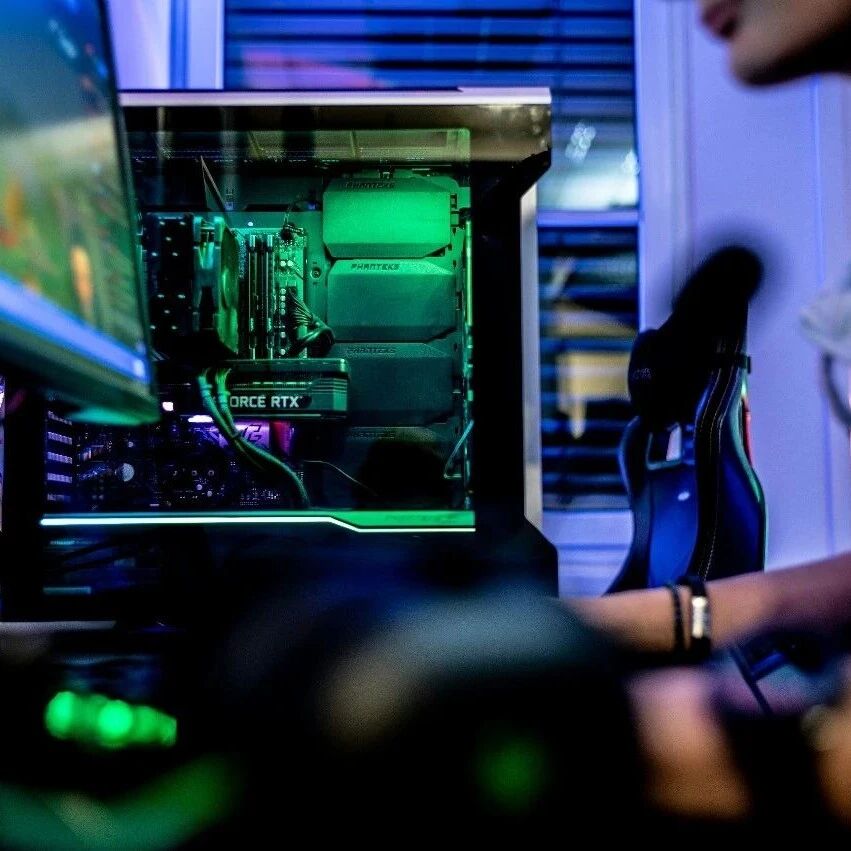
以下文章来源于蓝字计划 ,作者Hayward 蓝字计划 . 记录智能时代的每一次浪潮!前沿科技捕手,AI产品深度洞察。重点关注人工智能、机器人、新能源车与硬科技。 围猎600亿外挂帝国隐现, 游戏黑产暴利链浮出水面。 文 | Hayward 来源| 蓝字计划(ID: BlueLetterPlan ) 封面来源 | Unsplash 李东第一次意识到"外挂能赚大钱",是在他算清自己前两个月的流水时。 两个月破百万。这让他几乎不敢相信。毕竟,为了做外挂工作室,他投入的不过是5套单价六万元的开挂设备——每套价值相当于一台五菱宏光Mini EV。 可短短几个月的收入,却已足够他去看迈巴赫。 "几台五菱换一台迈巴赫",是游戏外挂生意获取暴利最直接的描述。 但李东的故事并不特殊,他只是数百亿外挂黑产链条里,不起眼的一环。 在当下,外挂生态几乎已经和游戏共生,逛贴吧、QQ群、论坛,轻易能看到"代练""陪玩""代打"广告;在淘宝、闲鱼上,外挂工作室公开提供陪玩、上分 等服务;通过特定的渠道,就可以定制标价上十万的作弊硬件;专门用于推广外挂的贴吧累计发帖超过13万条,讨论外挂硬件的主题也多达数万—— 讨论某个游戏外挂硬件的贴吧 ...
CES上,中国机器人军团想掏空海外买家的口袋
36氪· 2026-01-07 13:55
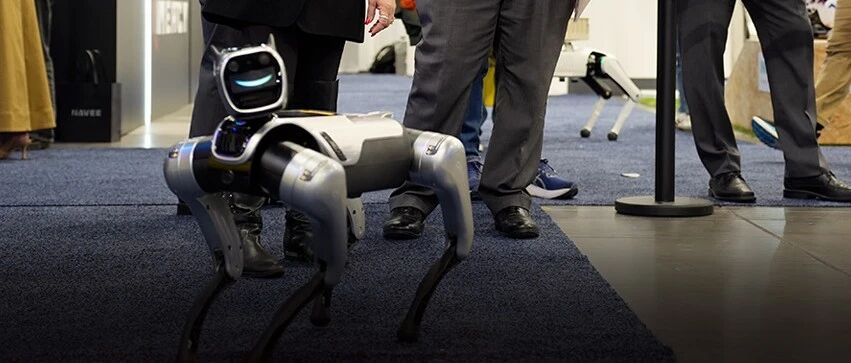
Core Viewpoint - The article highlights the emergence of Chinese humanoid robot companies at CES 2026, showcasing their advancements and ambitions in the global market, particularly in the context of competition with American and other international firms [4][5][6]. Group 1: Chinese Robot Companies at CES - Approximately 20 Chinese humanoid robot companies participated in CES 2026, surpassing the total number from the US, Japan, South Korea, Germany, and the UK combined [5]. - Many of these companies, including Fourier, Zhijidongli, and Beijing Humanoid Robot Innovation Center, were first-time participants, aiming to establish their brands and secure sales [6][8]. - The presence of Chinese humanoid robots left a strong impression on international audiences, with notable reactions to their capabilities, such as a four-legged robot performing a backflip [7]. Group 2: Sales and Market Strategy - The primary goal for Chinese robot manufacturers at CES was to sell their products, with sales personnel making up about half of the teams attending the event [15][16]. - Key target markets included overseas commercial applications, educational institutions with development needs, and entertainment venues [17]. - Chinese manufacturers possess a significant advantage in the production of robot bodies, leading to increased curiosity and purchasing interest from American customers [19][21]. Group 3: Differences in Market Focus - There is a notable difference in focus between Chinese and American audiences regarding robots; Chinese consumers are more interested in practical applications, while American audiences are still exploring the novelty of robot products [24][26][28]. - Chinese companies are advancing rapidly in application scenarios, while American firms are more focused on foundational technology and general-purpose robots [35][36]. Group 4: Brand Exposure and Market Research - Brand exposure is a critical objective for Chinese robot companies at CES, with many seeking to establish a foothold in the North American market as a stepping stone for global expansion [39]. - Feedback from American users is vital for the iteration of products aimed at global markets, as seen with the "Daitou BoBo" robot [40]. Group 5: Challenges and Costs - Participating in CES involves significant costs, with expenses estimated to be four to five times higher than those for the World Robot Conference (WRC), despite CES offering smaller exhibition spaces [49]. - The logistics of transporting robots to CES are complex and costly, with air freight being six times more expensive than sea freight, leading to a substantial portion of overall costs [48]. - Challenges also include visa issues for R&D personnel, which can limit the technical support available during the event [50][52].
32万家街边烟酒店,被年轻人砸了铁饭碗
36氪· 2026-01-07 13:55
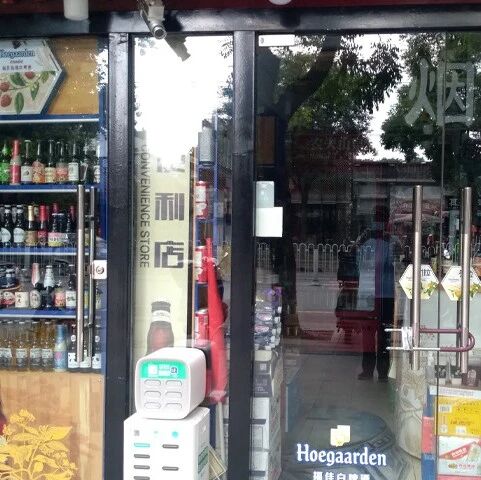
Core Viewpoint - The article discusses the drastic decline of tobacco and liquor stores in China, highlighting the shift in consumer behavior and the impact of regulatory changes on the industry [6][10][26]. Group 1: Industry Overview - In 2025, the number of tobacco and liquor stores in China decreased by approximately 19%, equating to the closure of around 320,000 stores [7]. - Over the past five years, more than 1.3 million tobacco and liquor stores have shut down, averaging nearly 900 closures per day [7][25]. - The traditional business model of tobacco stores, which relied heavily on local corporate bulk purchases, has been severely disrupted [15][19]. Group 2: Consumer Behavior Changes - Younger consumers are increasingly rejecting traditional drinking culture, with only 19% of individuals aged 20-35 preferring liquor, while over half favor beer or wine [31]. - The smoking rates among younger generations are declining, with only about 10% of post-2000s individuals smoking, compared to 20% of those born in the 1980s [33]. - The shift in consumer preferences has led to a significant drop in sales, with some regions experiencing an 80% decline in liquor sales [20]. Group 3: Competitive Landscape - National chain liquor stores are expanding, contrasting sharply with the decline of individual tobacco shops, as they leverage strong capital and standardized services [34][36]. - The profit margins for many tobacco stores have fallen below 10%, leading to a situation where many are operating at a loss [36]. - Direct-to-consumer sales by liquor companies through online platforms have eliminated the traditional price advantage held by tobacco stores [39][42]. Group 4: Adaptation Strategies - Some tobacco stores are attempting to survive by diversifying their offerings, including introducing lower-priced liquor and other products to attract local consumers [52][54]. - Innovative strategies include leveraging social media for marketing and creating community engagement through services like package delivery and local promotions [57][58]. - A few stores are transforming into lifestyle venues, offering a mix of products and experiences to appeal to younger consumers [62][64]. Group 5: Industry Outlook - The article suggests that while the traditional tobacco store model is failing, the demand for tobacco and liquor remains, indicating that the industry will continue to exist but will require adaptation to survive [66]. - The ongoing trend of closures in various sectors, including pharmacies and beauty stores, underscores the broader need for industries to evolve in response to changing consumer behaviors and market conditions [67][68].