华尔街见闻

Search documents
极端高温吓跑全国多少游客?
华尔街见闻· 2025-07-10 09:57
Core Viewpoint - The article discusses the impact of extreme heat on travel preferences in China, highlighting a shift towards cooler destinations as a new necessity for summer travel [20][21]. Group 1: Travel Trends - There is a significant increase in hotel bookings and ticket sales in cooler regions like Jilin Province, with hotel reservations up by 35%, car rentals by 96%, and ticket sales by 122% compared to last year [22]. - Popular destinations have shifted from traditional summer spots like Sanya and Xiamen to cooler areas such as Changbai Mountain and Yanji, indicating a change in consumer behavior driven by the need for comfort [23][24]. - The demand for cooler travel experiences has led to a surge in prices for accommodations in these regions, with some prices reaching as high as 3,054 yuan per night [30][32]. Group 2: Industry Response - The hospitality industry is adapting to the heat by promoting night tourism, with many museums and attractions extending their hours to attract visitors during cooler evenings [46][49]. - Indoor attractions, such as theme parks and science museums, have become popular as they provide a refuge from the heat, with operators focusing on customer comfort over immediate profit [54][55]. - Marketing strategies have shifted to emphasize the coolness of destinations, with slogans highlighting low temperatures as a key selling point [57]. Group 3: Broader Implications - The article notes that extreme heat is not just a seasonal issue but a growing trend that will affect travel planning and industry strategies in the long term [60][61]. - The changing climate is prompting a reevaluation of travel policies and practices, as families seek to avoid the heat while still enjoying vacations [58][59].


新美联储通讯社:如何看待美联储内部降息分歧,未来几个月的通胀数据很重要
华尔街见闻· 2025-07-10 09:57
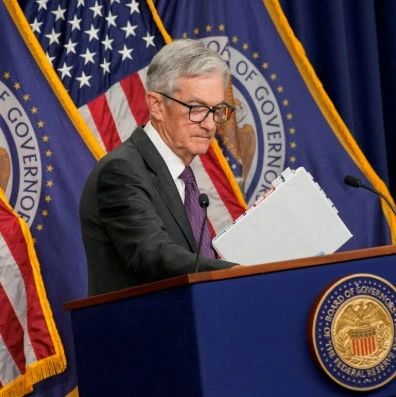
Core Viewpoint - The article discusses the significant internal debate within the Federal Reserve regarding the impact of Trump's tariffs on inflation and the potential for interest rate cuts in the coming months [1][4]. Group 1: Tariff Impact on Inflation - The Federal Reserve is divided on whether the new costs from tariffs justify maintaining high interest rates, with some officials concerned about inflation expectations [1][5]. - Recent changes, including a reduction in some extreme tariff increases and an extended negotiation period with multiple countries, have altered the Fed's outlook on rate cuts [4][5]. - There has been no significant increase in consumer prices related to tariffs yet, although many expect to see price rises in upcoming June and July data [5][6]. Group 2: Federal Reserve's Strategy - The internal division within the Fed presents a critical test regarding the inflationary nature of tariffs and how to manage costs if predictions are incorrect [6]. - Fed Chair Powell's recent comments suggest a tactical flexibility, indicating that potential rate cuts are a continuation of a process paused due to tariff risks [7][8]. - Powell's stance reflects a middle ground, acknowledging the possibility of less severe inflation than previously thought, which may open the door for rate cuts based on labor market conditions or improved inflation data [8][9].
史上首家,市值4万亿美元公司诞生
华尔街见闻· 2025-07-09 15:51
Core Viewpoint - Nvidia has become the first company to reach a market capitalization of $4 trillion, surpassing Apple's previous record of $3.915 trillion by the end of 2024 [1] Group 1: Stock Performance - Nvidia's stock has risen over 20% this year, and more than 1000% since the beginning of 2023 [2] - The company's sales have surged tenfold over the past three years, with an expected annual growth rate of 32% over the next three years [3] Group 2: AI Dependency and Risks - Nvidia's growth is heavily reliant on the AI boom, positioning the company as a key supplier for any firm looking to enter the AI space [2] - The "all-in on AI" strategy presents binary risks; if AI demand does not meet expectations or if technological breakthroughs diminish the uniqueness of its chips, Nvidia could face significant setbacks [4] - A recent example of this risk occurred in January when the "DeepSeek" incident led to a 20% drop in Nvidia's market value within a week [4]

周杰伦入驻抖音,概念股一度大涨100%
华尔街见闻· 2025-07-09 06:26
Core Viewpoint - Jay Chou's entry into Douyin has generated significant attention and led to a substantial increase in the stock price of his associated company, Superstar Legend, indicating a strong market reaction to celebrity endorsements and partnerships [1]. Group 1: Jay Chou's Douyin Entry - Jay Chou officially joined Douyin on July 9, with the account name "周同學" and verified as a singer [1]. - Within 90 minutes of joining, Jay Chou's Douyin account gained over 1 million followers, surpassing 3 million by the time of reporting [1]. Group 2: Superstar Legend's Stock Performance - Superstar Legend's stock price surged, with an increase of over 100% at one point, and remained up over 80%, reaching a market capitalization exceeding 10 billion HKD [1]. - The founders of Superstar Legend include Ma Xinting, Yang Junrong, and Ye Huimei, with Ma being a long-time business partner of Jay Chou [1]. Group 3: Business Operations of Superstar Legend - Superstar Legend's revenue primarily comes from new retail, IP creation, and operation businesses, including sales of products like Magic Coffee and skincare items [1]. - The company has invested in Jay Chou's concert and will also participate in the concert's operations, including selling Jay Chou-themed merchandise and planning related activities [1].

对话逸仙电商首席科学官承静:解码国货美妆“智”造跃迁
华尔街见闻· 2025-07-09 04:22
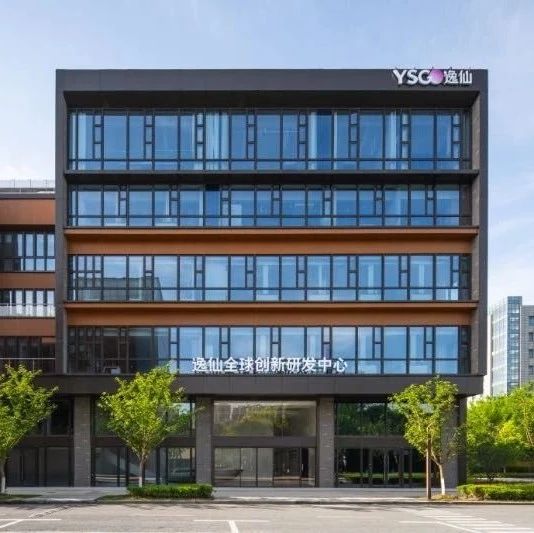
Core Viewpoint - The focus of the Chinese beauty market is shifting from brand marketing to research and development, indicating a revolution centered on scientific research and manufacturing [1][2]. Group 1: R&D Strategy and Investment - Yatsen E-commerce initiated a "second entrepreneurship" strategy in 2022, emphasizing long-term investment in R&D to build a global R&D system and become a "world-class beauty innovation pioneer" [2]. - Since 2020, Yatsen has invested over 580 million yuan in R&D, maintaining a R&D expense ratio above 3% for three consecutive years, positioning it among the leaders in the global beauty industry [3][6]. - The company has established a comprehensive R&D framework, referred to as the "1-3-4-6-20" global R&D strategy, which includes one world-class beauty factory, three self-built R&D centers, four research directions, six co-built laboratories, and over 20 research cooperation projects [5]. Group 2: R&D Achievements and Innovations - The Yatsen Global Innovation R&D Center, opened in May 2024, features over 300 high-end research instruments and has achieved national certification, marking it as one of the few accredited beauty R&D labs in China [6]. - Yatsen has made significant progress in developing new functional ingredients, such as the "Renewal Essence" component, which utilizes multi-strain fermentation technology for multiple benefits, and the "Lactobacillus infantis" extract, which shows superior skin barrier repair capabilities [6][8]. - The company has successfully commercialized products like the "Bionic Film" essence lipstick, which has sold over 4.5 million units and generated over 600 million yuan in GMV, becoming the top-selling lipstick globally for Chinese brands [10][13]. Group 3: Talent and Collaboration - Yatsen's R&D strategy is supported by a global talent matrix, with 48% of its R&D team holding advanced degrees, enhancing the company's ability to convert cutting-edge technology into market-ready products [16][17]. - The collaboration between Yatsen and international experts has led to significant recognition, including multiple papers presented at prestigious conferences, establishing the company as a leader in the beauty industry [17][19]. Group 4: Sustainability and Future Outlook - Yatsen is committed to sustainable practices, achieving an ESG A rating from MSCI for two consecutive years, and is the only Chinese beauty company to do so [20]. - The company integrates AI technology into its R&D processes, enhancing efficiency and reducing experimental iterations, exemplified by its development of an anti-aging serum using advanced predictive modeling [20][21]. - Yatsen aims to create a complete R&D ecosystem that encompasses basic research, application development, commercial transformation, and sustainable future initiatives, establishing a "Chinese paradigm" for R&D value realization [22][23].

当前全球市场最关注的10个问题,这是来自瑞银的回答
华尔街见闻· 2025-07-09 04:22
Core Viewpoint - UBS's latest report addresses ten key global economic concerns, highlighting the complex challenges facing the global economy, including tariff impacts and dollar depreciation [1][2]. Group 1: Tariff Impact on Global Growth - The tariffs imposed by the U.S. are equivalent to a 1.5% GDP tax on importers, with annual tariff revenue exceeding $300 billion [2][3]. - UBS's global growth tracking shows a mere 1.3% annualized growth rate, placing it in the 8th percentile historically [5]. - There is a significant divergence between hard and soft data post-tariff announcements, with hard data showing a 3.6% annualized growth while soft data reflects only 1.3% [2]. Group 2: Dollar Depreciation - UBS holds a cyclical bearish view on the dollar but does not see it as the start of a long-term depreciation trend [10]. - The dollar's depreciation is driven by increased demand for hedging against dollar declines, a cyclical slowdown in the U.S. economy, and improving growth trends in other regions [10]. - Foreign investors hold $31.3 trillion in U.S. long-term securities, with a potential $1.25 trillion in dollar sell-off if hedging ratios increase by 5% [10]. Group 3: Inflation and Tariffs - The impact of tariffs on inflation is expected to manifest in the July CPI data, with a lag of 2-3 months observed in previous tariff implementations [14][13]. - The 10% general tariff is anticipated to have the most inflationary effect, similar to past experiences [14]. Group 4: U.S. Fiscal Outlook - The majority of changes in the U.S. budget deficit stem from the extension of the 2017 tax cuts, with concerns about long-term supply of U.S. Treasuries [23][24]. - UBS estimates that the 10-year Treasury yield's bottom should be around 2.75% even in tight conditions [26]. Group 5: Global Central Bank Responses - The actual impact of tariff shocks has differed significantly from expectations, leading to a shift in central bank policies [46]. - Since April 2, developed market one-year interest rates have decreased by an average of 30 basis points, while emerging markets have seen a decline of about 50 basis points [46]. Group 6: China's Economic Stimulus - China has set a GDP growth target of around 5% and announced moderate policy stimulus measures, with fiscal deficits expected to expand to 1.5-2% of GDP [51]. - UBS anticipates further fiscal stimulus in the second half of the year, potentially exceeding 0.5% of GDP, with additional interest rate cuts expected [55][56].


一碗米饭,引发全球蝴蝶效应
华尔街见闻· 2025-07-09 04:22
Core Viewpoint - Japan is facing an unprecedented rice crisis, with rice prices nearly doubling over the past year, leading to empty supermarket shelves and purchase limits, which could trigger a broader financial market turmoil globally [1][2]. Group 1: Economic Impact - The soaring rice prices are causing social instability in Japan, with the price of rice reaching over 4,200 yen for 5 kilograms, the highest in 30 years [5]. - The crisis is reshaping Japan's political landscape, with a recent poll indicating a significant drop in support for the ruling party, which could lead to a government crisis with a 50% chance [3][10]. - The Bank of Japan is caught in a dilemma, as rising rice prices are not reflected in the overall CPI, leading to potential misjudgments in monetary policy [15][16]. Group 2: Political Consequences - The upcoming elections are heavily influenced by the rice crisis, with public sentiment shifting against the ruling coalition, which may struggle to maintain a majority [11][12]. - If the ruling party loses its majority, it could lead to significant political changes, including potential leadership challenges within the party [13]. - The rice crisis has become a focal point for voters, with many expressing dissatisfaction with the government's handling of food security [12][18]. Group 3: Global Implications - The instability in Japan's bond market could have far-reaching effects, as Japan holds the second-largest sovereign debt market globally, and any sell-off could impact global interest rates [18][20]. - The potential for a depreciation of the yen due to political uncertainty could lead to competitive devaluations among emerging market currencies, increasing financial instability [20][21]. - The crisis highlights broader issues of food security and governance, suggesting that the implications extend beyond Japan, affecting global markets and economies [24][25].

Opec超预期扩产,油价为什么不跌反涨
华尔街见闻· 2025-07-09 04:22
Core Viewpoint - Opec+'s unexpected production increase has not lowered oil prices but instead intensified the competition for global oil market share, indicating a fundamental shift in the strategy of oil-producing countries [1] Group 1: Opec+ Production Decisions - Opec+ agreed to increase oil production by 548,000 barrels per day in August, significantly higher than the previous months' increase of 411,000 barrels per day [1] - The increase is seen as a clear signal to competitors, with Opec+ abandoning its previous price management strategy in favor of capturing market share through volume [1][4] - The organization plans to fully reverse last year's voluntary production cuts of 2.2 million barrels per day by September, a year ahead of schedule [1] Group 2: Market Dynamics and Supply Tension - Current oil market tensions may be severely underestimated, with key indicators suggesting actual supply is tighter than official statistics indicate [2] - Traditional market indicators, such as the diesel price spread, are being challenged in their reliability due to extreme weather and refinery capacity reductions [2][5] - The U.S. shale oil industry is facing production bottlenecks, with the Energy Information Administration lowering its forecast for U.S. crude oil production to below 13.3 million barrels per day by Q4 2026 [3] Group 3: Refinery Capacity and Economic Signals - Refinery profit margins remain healthy despite broader economic concerns, indicating a need to maintain high refinery operating rates [7] - Europe is set to lose approximately 400,000 barrels per day of refining capacity due to closures, which may impact market dynamics [7] - The full impact of refinery closures may not be realized until inventory levels begin to decline [7] Group 4: Geopolitical Factors and Demand Outlook - Geopolitical tensions, such as conflicts in the Middle East, have provided significant support for rising oil prices [8] - The global oil demand outlook has improved, alleviating previous concerns about trade disputes affecting economic growth and oil demand [8] - Seasonal demand during the summer driving season is also contributing to upward pressure on oil prices, despite a year-to-date decline of 4.7% in WTI crude oil prices [9]

近700亿,今年北京最大IPO诞生
华尔街见闻· 2025-07-08 10:44
Core Viewpoint - The successful IPO of Beijing Yitang Semiconductor Technology Co., Ltd. marks the beginning of a wave of domestic semiconductor listings in China, highlighting the growing importance of the semiconductor industry in the global market [2][24]. Group 1: Company Overview - Yitang Semiconductor was listed on the Sci-Tech Innovation Board on July 8, with an initial price of 8.45 yuan per share, and saw its market value exceed 77 billion yuan shortly after opening [1]. - The company raised 2.497 billion yuan in its IPO, ranking first in fundraising in Beijing [2]. - Yitang Semiconductor specializes in semiconductor equipment, focusing on the research, production, and sales of wafer processing equipment necessary for integrated circuit manufacturing [16]. Group 2: Historical Context - The company's journey began with a significant acquisition in 2016, where it purchased Mattson Technology for approximately 300 million USD, marking a pivotal moment in China's semiconductor equipment sector [4][5]. - Following the acquisition, Yitang faced challenges, including a 40% drop in orders and a significant revenue decline, which necessitated a leadership change [6][7]. Group 3: Financial Performance - Yitang Semiconductor's revenue for 2022 was 4.763 billion yuan, with projected revenues of 3.931 billion yuan in 2023 and 4.633 billion yuan in 2024 [19]. - The company achieved a net profit of 383 million yuan in 2022, with projections of 310 million yuan in 2023 and 540 million yuan in 2024 [19]. - The gross profit margin improved from 28.52% in 2022 to 37.39% in 2024, indicating enhanced operational efficiency [20]. Group 4: Market Position - Yitang's dry etching equipment and rapid thermal processing equipment hold the second-largest market share globally [18]. - The company has established a strong customer base, including major players like TSMC, Samsung, and Intel, with over 4,600 units installed worldwide as of June 2024 [20]. Group 5: Industry Trends - The successful IPO of Yitang is seen as a catalyst for a surge in domestic semiconductor IPOs, with several companies like Changxin Storage and Ziguang Zhanrui also pursuing public listings [24][31]. - The semiconductor sector in China is experiencing a competitive landscape, with many companies racing to capitalize on the current IPO window amid a challenging funding environment [32][33].

与高盛唱反调!德银:铂金基本面强势将持续到明年
华尔街见闻· 2025-07-08 10:44
Group 1: Core Views - Deutsche Bank believes that the strong fundamentals of platinum will continue until 2026, supported by four consecutive years of supply deficits and structural demand [1][2]. - The ongoing fundamental shortage of platinum is expected to eventually reflect in prices, although the exact timing is uncertain [3]. Group 2: Demand Analysis - Demand for platinum in the automotive catalyst sector remains robust compared to levels from 2018 to 2022, with plug-in hybrid electric vehicles (PHEVs) showing stronger sales than battery electric vehicles (BEVs), potentially slowing the decline in demand for platinum group metal catalysts [4]. - Deutsche Bank notes a shift in the platinum landscape over the past two months, driven by trends such as the substitution of gold with platinum in jewelry manufacturing, rising platinum leasing rates indicating physical shortages, and the need to replenish industrial inventories due to years of deficits [5]. Group 3: Price Forecast - Based on optimistic expectations, Deutsche Bank forecasts that platinum prices could reach $1,550 per ounce by 2026, indicating potential upside from its base forecast of $1,400 per ounce [6]. Group 4: Diverging Views from Goldman Sachs - Goldman Sachs warns that the recent surge in platinum prices to $1,280 per ounce is primarily driven by speculation and ETF demand rather than fundamental improvements, suggesting that a price correction is inevitable once speculative enthusiasm wanes [8]. - Goldman Sachs highlights the price sensitivity of Chinese buyers, who account for about 60% of global new platinum supply, indicating that their buying behavior is influenced by price fluctuations, which has already suppressed jewelry and investment demand since mid-May [9]. Group 5: Automotive Industry Demand Discrepancies - There is a significant divergence in outlook regarding automotive industry demand between Deutsche Bank and Goldman Sachs. Goldman Sachs emphasizes a structural decline in automotive demand due to the rapid adoption of electric vehicles, while Deutsche Bank maintains a more optimistic view, suggesting that platinum demand for automotive catalysts remains high compared to 2018-2022 levels [10]. - On the supply side, Goldman Sachs expects stable or moderate growth in global platinum supply unless power restrictions in South Africa re-emerge, while Deutsche Bank acknowledges seasonal factors affecting supply but believes the weak performance in the first quarter may be temporary [10].