
华尔街见闻

Search documents
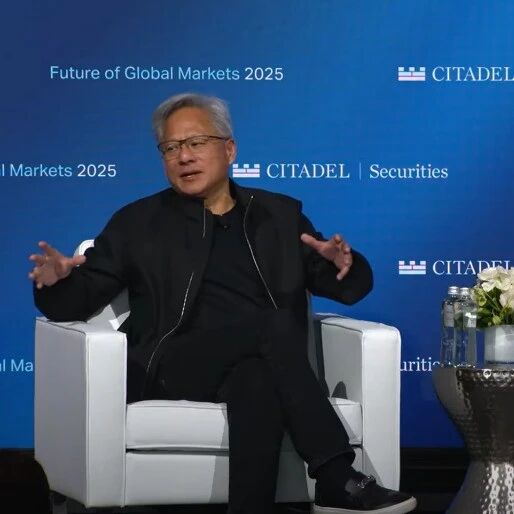
黄仁勋亲述“英伟达创业史”:1993年的洞见,2012年的突破,未来的AI
华尔街见闻· 2025-10-15 10:22
Core Insights - The core insight of the article revolves around NVIDIA's strategic evolution from a graphics processing company to a leader in AI infrastructure, emphasizing the importance of "accelerated computing" and the development of AI factories to support the next wave of technological growth. Group 1: NVIDIA's Strategic Vision - NVIDIA recognized the limitations of general-purpose computing and the end of Moore's Law, leading to the adoption of an "accelerated computing" strategy since its inception in 1993 [1][17] - The company introduced CUDA to promote GPU utilization in scientific research, significantly impacting deep learning advancements [1][22] - NVIDIA's collaboration with leading researchers in AI, such as Geoffrey Hinton and Andrew Ng, facilitated breakthroughs in competitions like ImageNet, solidifying its position in the AI revolution [1][23] Group 2: AI Factory and Technological Advancements - The launch of the DGX-1 AI factory in 2016 marked NVIDIA's entry into large-scale computing, achieving approximately a 10x performance leap across generations [2][26] - NVIDIA's "full-stack collaborative design" approach integrates hardware and software, enabling significant performance improvements while reducing costs for clients [2][33] - The company predicts that AI will create two trillion-dollar markets: digital labor (Agentic AI) and physical AI (robotics) [3][4] Group 3: Market Impact and ROI - AI has already demonstrated substantial ROI in hyperscale data centers, with NVIDIA asserting that AI-driven systems have generated hundreds of billions in returns [3][36] - The shift from traditional CPU-based systems to AI-driven deep learning represents a multi-hundred billion dollar transformation in the industry [36] - Companies like Meta have successfully leveraged NVIDIA's technology to recover significant market value, showcasing the tangible benefits of AI investments [39][40] Group 4: Future Opportunities - The future of computing is expected to be 100% generative, with AI factories serving as essential infrastructure for real-time content generation [5][64] - The emergence of digital labor and physical AI is anticipated to significantly enhance productivity across various sectors, representing a substantial portion of the global economy [38][56] - NVIDIA's advancements in AI and robotics are set to revolutionize industries, with the potential for AI to operate in various physical forms, such as autonomous vehicles and humanoid robots [50][55]


新加坡深度调研邀您同行:考察金融科技前沿,探寻企业出海之道!
华尔街见闻· 2025-10-15 10:22
Core Insights - Singapore is increasingly becoming a key destination for businesses and individuals looking to expand internationally, with foreign direct investment (FDI) reaching a record high of $143.4 billion in 2024 [1] - A significant number of Chinese enterprises, including Alibaba, Tencent, ByteDance, and Ant Group, are using Singapore as a strategic base to enter the ASEAN market, which has a population of nearly 700 million [1] - The number of family offices in Singapore has surged by over 40% in 2024, surpassing 2,000, attracting global billionaires like Ray Dalio, Sergey Brin, and Mukesh Ambani [1] Group 1: Financial Landscape - Singapore is recognized as a leading financial center in Asia, particularly in fintech and digital assets [2] - The upcoming research trip from October 28 to November 1 aims to explore Singapore's advantages in global asset allocation by visiting eight prominent financial institutions [2] - Participants will engage with experts from OCBC Bank, Yincubator, and other organizations to understand the economic outlook and market opportunities in Singapore [7][8][10] Group 2: Opportunities for Chinese Enterprises - Yincubator focuses on accelerating the internationalization of Chinese tech companies in AI, Blockchain, Cloud Computing, and Data Analytics [9] - The SEGA initiative, launched in collaboration with Singapore's Economic Development Board, aims to support Chinese new economy companies in establishing a global presence through Singapore [9] - New companies are provided with comprehensive solutions for cross-border operations, including tax planning and compliance, by firms like Lotusia Group [10] Group 3: Wealth Management and Family Offices - The research will cover the role of Singapore and Hong Kong in global asset allocation, highlighting their differences [12] - BC Capital, founded by experienced bankers, manages over $3 billion in assets and focuses on wealth management and investment banking [13] - Merit Asset Management specializes in global asset allocation and disruptive technology investments, with a strong presence in both Asia and the U.S. [16] Group 4: Fintech Innovations - Moomoo SG, a digital brokerage and wealth management service, has launched cryptocurrency trading on its platform, reflecting Singapore's advancements in fintech [19] - A leading global digital asset exchange will also be visited, showcasing Singapore's position at the forefront of blockchain and Web3 innovations [20]

鲍威尔看到危机信号了
华尔街见闻· 2025-10-15 10:22
Core Viewpoint - Powell's primary motivation for halting the balance sheet reduction is to prevent a liquidity crisis in the financial markets [4][19][21]. Group 1: Primary Motivation - Powell observed signs indicating that liquidity conditions are tightening, including a general rise in repo rates and specific temporary pressures on certain dates [4][19]. - The plan aims to avoid a situation similar to the liquidity crunch experienced in September 2019, where the SOFR spiked dramatically due to a sudden drop in bank reserves [18][20]. - The Federal Reserve's long-term strategy is to stop reducing the balance sheet when bank reserves are slightly above what is considered "adequate" [21][22]. Group 2: Secondary Motivation - Powell noted an increase in downside risks to employment and described the labor market as "slightly fatigued," suggesting that halting the balance sheet reduction could help stabilize the financial environment [23][24]. - This shift in policy is seen as a preventive measure to avoid exacerbating recession risks amid signs of economic fatigue [24]. - Powell emphasized the importance of clear communication to allow market participants to adjust their portfolios in response to the anticipated policy changes [26].

空仓加到3.4亿美元,狙击币圈的“巨鲸”又有新动作
华尔街见闻· 2025-10-15 10:22
Group 1 - A mysterious trader, who made nearly $200 million by shorting before Trump's tariff announcement, has increased their bearish bets on Bitcoin [1][2] - The trader established a $340 million short position on Bitcoin using 10x leverage after depositing $40 million in USDC [4][6] - The average entry price for this position was $116,009, and it has already recorded over $700,000 in unrealized profits [5][6] Group 2 - The trader's actions have raised suspicions of insider trading due to the timing of their trades coinciding with Trump's announcement [3][7] - Garrett Jin, the former CEO of BitForex, publicly denied any connection to Trump and clarified that the trading account is not personal but rather involves client funds [8] - Following the trader's previous actions, the crypto market experienced a significant drop, leading to a record $19 billion in liquidations [6]

全球股市集体反弹,黄金突破4200
华尔街见闻· 2025-10-15 08:24
Group 1 - The Federal Reserve's dovish stance is leading to a new round of dollar weakness, paving the way for gold-centered hedging strategies [2] - Despite concerns over an AI bubble, there is a recommendation to buy stocks and increase gold holdings as a safeguard against potential market realities [2] - Asian and European stock markets are experiencing upward trends, with the European Stoxx 50 index rising by 1.27% and the German DAX index increasing by 0.2% [3] Group 2 - The French CAC40 index saw a daily increase of 2%, with the Prime Minister aiming to keep the fiscal deficit below 5% by 2026 [4] - The luxury goods sector in Europe is performing well, with LVMH shares surging by 13% due to unexpected revenue growth in Q3 [5] - The Shanghai Composite Index rose by 1.22%, returning to the 3900-point mark, while the Hang Seng Index increased by 1.83% [7] Group 3 - In the pre-market, ASML shares rose by 3.5% with Q3 orders reaching €5.4 billion, exceeding expectations, and net sales at €7.52 billion [8] - Spot gold prices surpassed $4200 per ounce, increasing nearly 1.4% due to expectations of two more rate cuts by the Federal Reserve and rising risk aversion following recent trade comments [9] - Spot silver prices increased by over 2%, driven by liquidity issues in the London market, leading to a global chase for silver [11]

鲍威尔敞开降息大门,或接近停止缩表(附讲稿)
华尔街见闻· 2025-10-14 23:44
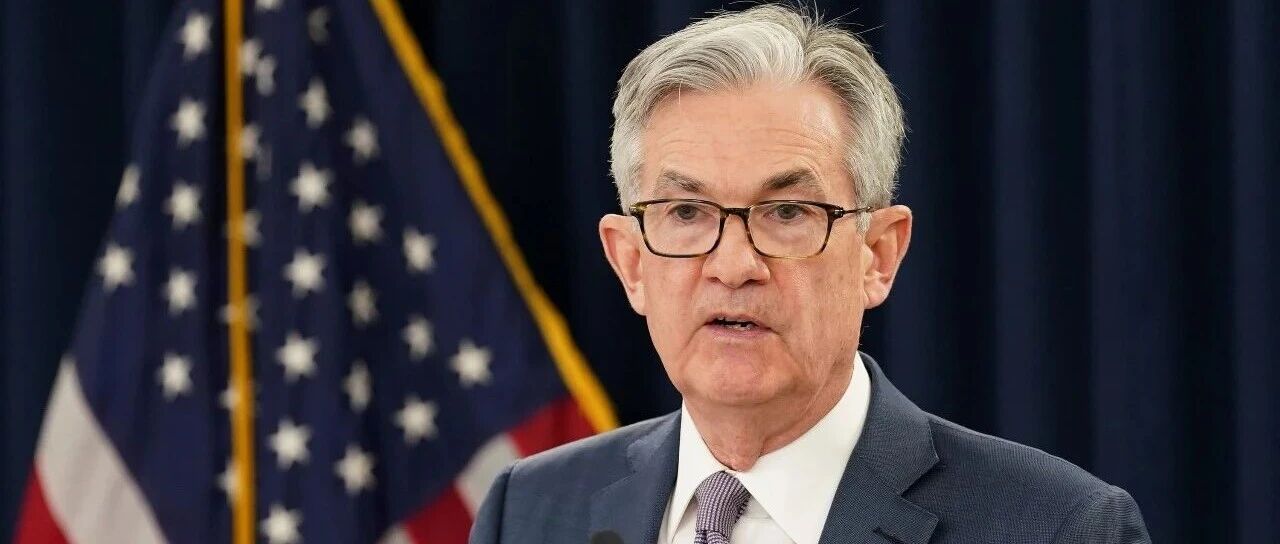
Core Views - The Federal Reserve Chairman Jerome Powell indicated a potential interest rate cut this month due to a deteriorating labor market, despite the impact of the government shutdown on economic assessments [1][2][3] - Powell suggested that the Fed may halt its balance sheet reduction in the coming months, as the economic growth trajectory appears slightly stronger than expected [2][6][7] Labor Market and Employment - The labor market shows increasing downside risks, with Powell noting that the balance of risks regarding employment and inflation has shifted, leading to the decision to cut rates in September [3][5][46] - Despite a low unemployment rate in August, wage growth has significantly slowed, partly due to a decrease in immigration and labor force participation [2][46] - Job openings have declined, which may reflect an impending rise in the unemployment rate [5][46][47] Inflation and Economic Indicators - Current data suggests that rising commodity prices are primarily due to tariffs rather than broader inflationary pressures [4][48] - The core Personal Consumption Expenditures (PCE) inflation rate was 2.9% over the past 12 months, slightly up from earlier in the year, with short-term inflation expectations rising while long-term expectations remain aligned with the 2% target [48] Monetary Policy and Balance Sheet Management - Powell emphasized the importance of balancing the dual mandate of employment and inflation, stating that there is no risk-free policy path [5][48] - The Fed's balance sheet, which stood at $6.5 trillion as of October 8, consists mainly of $2.4 trillion in Federal Reserve notes and $3 trillion in reserves [21][22] - The Fed plans to stop reducing its balance sheet when reserves are slightly above what is deemed sufficient, with indications that liquidity is tightening [7][40] Market Stability and Future Outlook - Powell highlighted the need for careful management to avoid a repeat of the 2019 repo market crisis, indicating that the Fed will take cautious measures to maintain market stability [8][10][40] - The Fed's framework for sufficient reserves has proven effective in controlling policy rates and supporting financial stability [38][44] - The Fed is closely monitoring various indicators to inform its decisions regarding the balance sheet and interest rates in light of evolving economic conditions [40][45]
全球股市大变脸,“所有资产都在跌”
华尔街见闻· 2025-10-14 08:31
Core Viewpoint - The global financial markets are experiencing a significant downturn, with all asset classes, including stocks, cryptocurrencies, precious metals, and oil, declining simultaneously, indicating a shift towards risk aversion among investors [1][2][11]. Market Performance - European and American stock futures have turned negative, with the Nasdaq futures down by 1% and major Asian indices also experiencing declines, such as the MSCI Asia-Pacific index down by 1% and the Nikkei 225 down by 3% [2]. - Major technology stocks in the U.S. are seeing pre-market declines, with Nvidia, Broadcom, and Oracle each dropping over 2%, while popular Chinese stocks like Bilibili are down by 5% [3]. - Precious metals are also retreating, with spot gold falling below $4100 per ounce and spot silver dropping below $51 per ounce, marking a daily decline of approximately 2.8% [5]. - Copper prices in New York have seen a significant drop, nearing 4% decline, currently priced at $4.968 per pound [8]. Cryptocurrency Market - The cryptocurrency market is facing widespread declines, with Bitcoin down over 2% and Ethereum experiencing a drop of more than 6% [11]. Oil Market - Both WTI and Brent crude oil prices have decreased by over 1%, with Brent crude at $62.39 and WTI at $58.19 [13]. Market Outlook - Analysts suggest that the current market conditions may represent another "TACO" trading opportunity, where sharp declines could present buying opportunities [13]. - The market sentiment appears to be cautious, with some analysts indicating that the current situation is not as panic-driven as in previous downturns, but rather reflects a need for longer-term adjustment and digestion of market conditions [16][17].

1万亿订单再加3500-5000亿美元!OpenAI“停不下来”,“当你欠每家数千亿美元,钱的问题自己会解决”?
华尔街见闻· 2025-10-14 03:39
Core Viewpoint - OpenAI is making significant moves in the AI infrastructure space, with massive procurement orders that raise questions about its funding sources and financial sustainability, especially given its projected losses of approximately $10 billion this year [2][5]. Financial Strategies - OpenAI has signed a major agreement with Broadcom to deploy 10 gigawatts of customized chips and networking equipment over the next four years, potentially adding $350 billion to $500 billion in expenses on top of existing $1 trillion procurement agreements [2]. - The financing strategy employed by OpenAI is described as "world-class financial engineering," relying on ambitious visions to attract investment rather than traditional business plans [3]. - OpenAI's procurement strategy includes a "equity-for-purchase" model, where partnerships with companies like AMD involve issuing warrants that could offset hardware costs if AMD's stock rises due to OpenAI's demand [7]. - Another model is the "recurring revenue" approach, where NVIDIA plans to invest up to $100 billion, which OpenAI can use to purchase NVIDIA chips, creating a cycle of funding and revenue [7]. Financial Outlook - OpenAI's projected operational infrastructure costs for 2026 are estimated at $35 billion, but total funding needs could soar to approximately $114 billion when considering future capital commitments [9]. - The funding structure is expected to become heavily reliant on external equity and debt financing, with contributions from self-generated revenue dropping to only 17% [10]. - OpenAI's ambitious plans, including a projected $285 billion in chip spending over the next four years, far exceed its current annual revenue of about $13 billion, highlighting the critical need for new revenue streams or equity investments from chip manufacturers [10].



摩根大通宣布“1.5万亿美元规划”:10年,四大领域,振兴美国工业
华尔街见闻· 2025-10-14 03:39
Core Insights - Morgan Stanley has launched a $1.5 trillion initiative aimed at revitalizing the U.S. industrial base over the next decade, focusing on critical industries essential for economic and national security [1] - The initiative, termed the "Security and Resiliency Initiative," will concentrate on four key areas: supply chains and advanced manufacturing, defense and aerospace, energy independence, and cutting-edge technologies including AI and quantum computing [1][3] Funding Details - The $1.5 trillion target includes all funds arranged by Morgan Stanley as a financing facilitator, such as loans, stock and bond underwriting, and third-party financing arrangements, with an estimated additional $500 billion in financing compared to a "normal scenario" [3] - Morgan Stanley has committed to investing up to $10 billion of its own capital for direct equity investments and venture capital in specific U.S. companies to help them scale and accelerate innovation [3] Investment Focus Areas - The investment will precisely cover multiple sub-sectors within four major areas: - Supply chains and advanced manufacturing: critical minerals, pharmaceutical precursors, and robotics [7] - Defense and aerospace: defense technology, autonomous systems, drones, and secure communications [7] - Energy technology: battery storage, grid technology, and distributed energy [7] - Cutting-edge and strategic technologies: artificial intelligence, cybersecurity, semiconductors, data centers, and quantum computing [7] Market Reaction - Following the announcement, stocks in the quantum computing sector surged, with companies like Rigetti, D-Wave, Arqit, IONQ, and Quantum Computing seeing significant price increases [8] - Jamie Dimon emphasized the need for accelerated investment and collaboration to address the "huge challenges" facing the nation, citing obstacles such as excessive regulation and bureaucratic delays [5][6] Caution on Emerging Technologies - While expressing optimism about the potential returns from AI, Dimon also conveyed a cautious perspective, comparing its development to early automotive and television industries, where most participants did not profit [10]


马可波罗:加码绿色智造,产业与资本协同打开增长新空间
华尔街见闻· 2025-10-14 03:39
Core Viewpoint - Marco Polo Holdings Co., Ltd. is set to issue 119.492 million shares at a price of 13.75 yuan per share, resulting in a diluted static P/E ratio of 14.27, which is significantly lower than the industry average of 32.20 and 27.69 for comparable companies, indicating reasonable pricing for the issuance [1] Group 1: Company Overview - Marco Polo owns two major brands, "Marco Polo Tiles" and "Weimei L&D Ceramics," which have a strong reputation both domestically and internationally [3] - The brand value of "Marco Polo Tiles" has ranked first in the building ceramics industry for 13 consecutive years, while "Weimei L&D Ceramics" ranks sixth [3] Group 2: Innovation and Technology - The company has achieved significant product innovation with core technologies such as curved rock slabs, 3mm SPT intelligent polished bright rock slabs, and AI random infinite patterns, which enhance product functionality and market appeal [4] - Marco Polo has implemented green manufacturing practices, utilizing tailings and low-temperature fast firing technologies to achieve a fully green and low-carbon production process [7] Group 3: Market Trends and Policies - The "Green Building Materials" policy aims to boost the green building materials market, with projected revenues exceeding 300 billion yuan by 2026, encouraging a shift from traditional materials to green alternatives [6][10] - The policy also supports the integration of green materials into consumer goods replacement programs, enhancing the market for eco-friendly products [6][10] Group 4: Competitive Positioning - Marco Polo is well-positioned to capitalize on the green building materials trend, having established a competitive edge through early adoption of green production practices [7] - The company has been recognized with national "Green Factory" titles for several of its subsidiaries, reinforcing its commitment to sustainable practices [7] Group 5: Market Dynamics - The building ceramics industry is expected to undergo a structural transformation, with increased concentration and a shift towards green and value-added products [14] - Smaller companies lacking green technology may exit the market, allowing leading firms like Marco Polo to capture greater market share and enhance profitability [14] Group 6: Sales and Distribution Strategy - Marco Polo has over 8,000 sales terminals, which supports the absorption of new production capacity and ensures stable revenue growth [13] - The company is actively collaborating with large home decoration enterprises to expand its market presence and adapt to changing consumer preferences [12][13]
