
SAIC MOTOR(600104)

Search documents
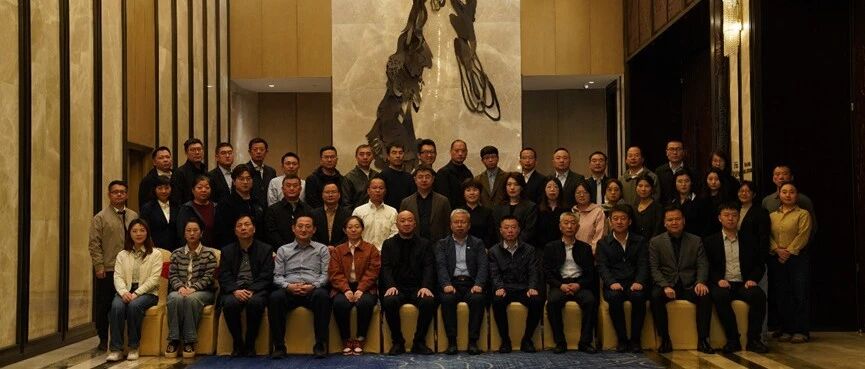
汽车行业重点企业2025年四季度经济运行会暨2026年市场预测交流会在厦门召开
中汽协会数据· 2025-12-19 09:04
Core Viewpoint - The meeting organized by the China Automobile Industry Association (CAIA) focused on the current operational status of the automotive industry and future market predictions, emphasizing the importance of collaboration and innovation among industry players to navigate global competition and achieve high-quality development [1][3][9]. Group 1: Meeting Overview - The meeting took place from December 15-17, 2025, in Xiamen, organized by CAIA and supported by Xiamen Golden Dragon Bus Co., Ltd, with participation from representatives of 27 key automotive enterprises [1]. - CAIA's Deputy Secretary-General Chen Shihua highlighted the meeting as a crucial platform for industry communication and addressing operational challenges [3]. Group 2: Industry Insights - During the meeting, participants discussed the current state of the automotive industry, key issues, and policy recommendations, focusing on the implementation of "two new" policies, expanding automotive consumption, quality and after-sales service, and the development of both new energy and fuel vehicles [7]. - The meeting also included a market forecast session where CAIA's Industry Information Department shared preliminary insights on market trends for the upcoming year [7]. Group 3: Future Directions - Chen Shihua emphasized the importance of enterprises being close to the market and consumers for accurate analysis and predictions, which will support CAIA's future work [9]. - The automotive industry is recognized as a vital pillar of the national economy, with the government placing significant importance on its healthy development, and CAIA plans to continue self-regulation and standardization efforts in the industry [9].





ESG观察|上汽荣威“零自燃”承诺背后的安全与责任之考
Xin Lang Cai Jing· 2025-12-18 10:52
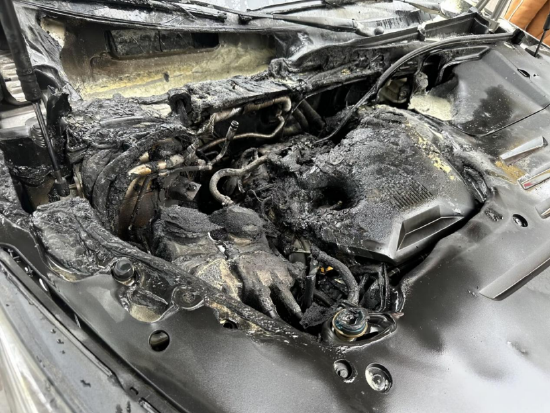
Core Viewpoint - SAIC Motor Corporation's sub-brand Roewe faces significant backlash due to multiple incidents of vehicle fires, raising serious concerns about product safety and consumer rights, despite previous claims of "zero self-ignition" [1][3][10] Group 1: Incident Details - A Roewe RX5 vehicle caught fire while driving, with the fire department attributing the cause to potential mechanical failure in the engine compartment [1][16] - The owner reported inadequate response from Roewe, stating that the company only authorized a local dealership to handle the matter without offering an apology or satisfactory resolution [1][16] - Previous incidents involving Roewe's electric vehicles also included fires during charging, further highlighting ongoing safety issues [3][16] Group 2: Marketing and Brand Image - Roewe had previously promoted a "zero self-ignition" guarantee, claiming to make fire extinguishers obsolete, which contrasts sharply with the recent incidents [3][16] - The company introduced a "Super Safety Commitment" in July 2024, promising lifetime warranties on key components, but the execution of these promises has been called into question [3][16] Group 3: ESG Ratings and Implications - SAIC Motor's ESG rating is a B, ranking 6th among 8 companies in the passenger vehicle sector, with a social score of only 1.4, indicating poor performance in social responsibility [10][21] - Frequent safety incidents and inadequate responses to consumer complaints could negatively impact the company's ESG scores, particularly in customer safety and supply chain management [11][22] - The company is advised to align its marketing claims with actual safety performance and improve its after-sales service to enhance consumer trust and long-term sustainability [22]
汽车行业2026年策略:L3商用在即,智能底盘有望批量应用
Dongxing Securities· 2025-12-18 08:54
Investment Summary - The automotive industry is benefiting from the acceleration of smart technology and the development of the robotics industry, with the parts sector outperforming the vehicle sector. From January 1 to December 12, 2025, the CITIC passenger car index fell by 0.40%, while the CITIC automotive parts index rose by 34.76%, indicating a significant difference in performance between the two sectors [4][18][25]. Group 1: 2025 Market Performance and Earnings Review - The automotive parts sector achieved a revenue of 7,541.60 billion yuan in the first three quarters of 2025, a year-on-year increase of 8.75%, and a net profit of 460.10 billion yuan, up 19.60% year-on-year [49]. - The passenger vehicle sector's revenue reached 15,203.16 billion yuan, growing by 8.68% year-on-year, while the net profit decreased by 15.72% to 391.90 billion yuan [31][49]. - The performance of passenger vehicle companies varied, with most showing revenue growth, but some, like BYD and Great Wall Motors, experienced profit declines [39][42]. Group 2: Outlook for 2026 - The automotive market in 2026 is expected to see a decline in policies, while exports and new energy vehicles (NEVs) will continue to rise. The "old-for-new" policy is anticipated to drive high growth in vehicle sales in 2025, but its absence in 2026 may lead to a demand shortfall [5][62][66]. - The penetration rate of NEVs is expected to continue increasing, with smart and high-end vehicles becoming new growth drivers. By 2025, the penetration rate of NEVs reached 46.7% [72][73]. - The L3 commercial application is expected to reach a critical point in 2026, with smart chassis technology anticipated to be applied in large quantities [5][6]. Group 3: Investment Strategy - The investment strategy focuses on the smart automotive sector, particularly as the industry transitions from L2 to L3 autonomous driving. Companies that continue to invest in this area are expected to benefit significantly [6][8]. - Recommended companies in the vehicle sector include SAIC Motor, Jianghuai Automobile, and Chery Automobile, which are positioned to leverage advancements in smart driving technology [6][8]. - In the parts sector, companies like Baolong Technology and Top Group are highlighted for their potential to benefit from the implementation of line control steering and braking systems, which are set to enter mass application in 2026 [8][49].





“CVC第一使命是赚钱”
投资界· 2025-12-18 07:21
Core Viewpoint - The rise of Corporate Venture Capital (CVC) is significantly impacting the investment landscape, focusing on industry empowerment while facing various challenges in execution and strategy [2][5][20]. Group 1: CVC Overview and Development - The annual China Private Equity Annual Conference highlights the growing influence of CVC in the investment ecosystem, with over a thousand participants from various sectors [2]. - CVCs are increasingly recognized as vital players in the investment landscape, with a focus on both financial returns and strategic industry support [5][12]. Group 2: CVC Strategies and Missions - Different CVCs have varying missions; for instance, Huasheng Fund aims for profitability while also supporting its parent company, SANY Group, in strategic transformations [6][8]. - CVCs like Shangqi Capital focus on the automotive industry, emphasizing the importance of collaboration and resource sharing within the supply chain to enhance efficiency and innovation [9][10]. Group 3: Investment Focus and Trends - Investment trends indicate a shift towards hard technology and biomedicine, with CVCs diversifying their portfolios to include emerging sectors like AI and renewable energy [4][10]. - The automotive sector is undergoing significant transformation, with CVCs adapting to the competitive landscape by investing in new technologies and startups that align with industry trends [9][10]. Group 4: Challenges and Solutions - CVCs face challenges in quantifying the value of their empowerment efforts, particularly in sectors like automotive semiconductors, where integration into existing supply chains is complex [20][21]. - The need for CVCs to develop strong internal communication and management skills is emphasized, as they must bridge the gap between innovative startups and established industry players [21][22]. Group 5: Future Directions - The future of CVCs involves a focus on long-term investment strategies, with an emphasis on patience and the ability to navigate the complexities of the manufacturing process [22][23]. - CVCs are expected to adopt more flexible investment decision-making processes to better support early-stage projects, balancing financial returns with strategic industry insights [23][24].


“鸿蒙智行大饭店”被停止宣传?回应来了
Xin Lang Cai Jing· 2025-12-18 05:54
Core Viewpoint - Hongmeng Zhixing has announced a policy adjustment to stop the promotion of "Hongmeng Zhixing Grand Hotel" and remove historical promotional materials across platforms, aiming to optimize the market environment and reduce operating costs for dealers [2][11]. Summary by Relevant Sections Policy Adjustments - The adjustments include prohibiting free charging, with fast and super charging stations now requiring payment or points through the Hongmeng Zhixing app, while slow charging stations will not be available for public use [2][11]. - Free car washes and dining services are also prohibited, with such services only available during specific customer interactions like vehicle viewing, delivery, maintenance, and repairs, and must be properly documented [2][11]. Customer Service Changes - Despite the policy changes, free car washes and dining services are still available but require prior appointment, with a QR code for reservations being developed [12]. - The user center staff indicated that the changes were necessary due to excessive customer traffic causing congestion, impacting the experience for customers coming for vehicle delivery and maintenance [12]. Background Information - Hongmeng Zhixing is a smart automotive technology ecosystem alliance formed by Huawei in collaboration with several car manufacturers, including Seres, Chery, BAIC, JAC, and SAIC, and operates five major brands [3][12]. - The term "Hongmeng Zhixing Grand Hotel" is a humorous nickname for the user service centers, which previously offered high-quality complimentary services like dining and car washes [3][12]. Industry Context - In July, Huawei's executive highlighted the launch of free summer vehicle inspections at over 600 user centers, with more than 200 centers offering night services for customer convenience [6][15]. - The recent adjustments align with broader regulatory efforts by the National Market Supervision Administration to standardize pricing behaviors in the automotive industry, including the regulation of non-monetary incentives [18].

上汽荣威行驶途中自燃,曾宣传「让灭火器失业」,消防认定「不排除发动机故障」
3 6 Ke· 2025-12-18 03:31
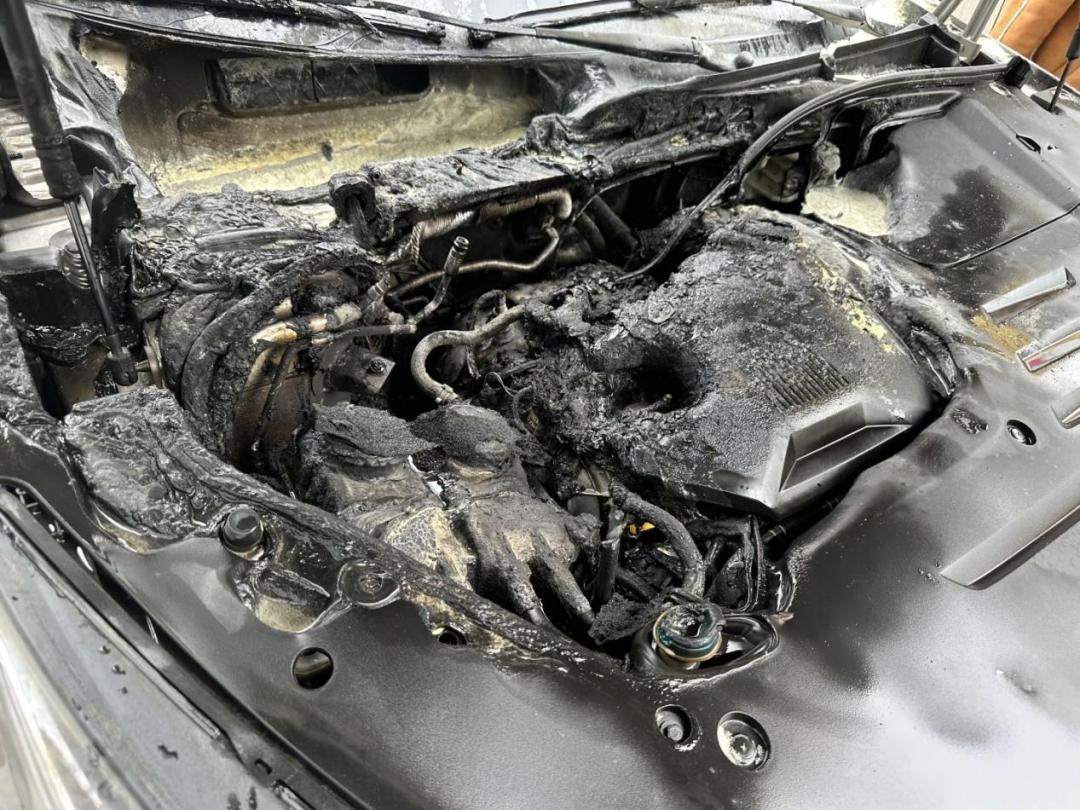
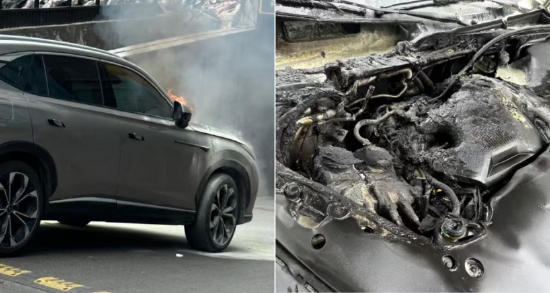
Core Viewpoint - The promotional claim of "zero self-ignition" by Roewe is being challenged due to recent incidents of vehicle fires, raising concerns about the reliability of their vehicles and the company's response to such issues [1][7][11]. Group 1: Incidents of Vehicle Fires - A Roewe RX5 vehicle caught fire while being driven, with the cause attributed to potential mechanical failure in the engine compartment, as per the fire department's report [5][6]. - Another incident involved a Roewe RX5 that ignited while parked at a shopping mall, with the owner expressing dissatisfaction over the company's handling of the situation and compensation offered [2][6]. - Additional reports indicate that a Roewe Ei5 caught fire at a charging station, affecting surrounding vehicles, and another Roewe electric vehicle ignited in Chengdu, with both incidents not linked to external factors [9][11]. Group 2: Company Response and Policies - Roewe's official response to the incidents has been criticized as dismissive, with compensation offered based on second-hand vehicle prices, which the affected owners find unacceptable [6][12]. - The company's "zero ignition guarantee" policy, which promises a replacement vehicle under certain conditions, appears to be limited to specific electric and hybrid models, excluding fuel vehicles like the RX5 [9][12]. - Despite high safety ratings and previous claims of reliability, the recent self-ignition events have undermined consumer trust in the brand [11][12]. Group 3: Sales and Marketing Challenges - Roewe's sales have significantly declined, dropping from over 460,000 units in 2018 to just 139,000 units in 2024, falling short of the company's sales targets [14]. - The brand's marketing strategies have faced backlash, with accusations of "crawling" on competitors' promotional activities, leading to negative public perception [15]. - The merger of Roewe and another brand, Feifan, indicates a failure in Roewe's high-end market strategy, further complicating its market position [14].
26股获推荐 鸿路钢构、九洲药业目标价涨幅超40%丨券商评级观察
2 1 Shi Ji Jing Ji Bao Dao· 2025-12-18 02:13
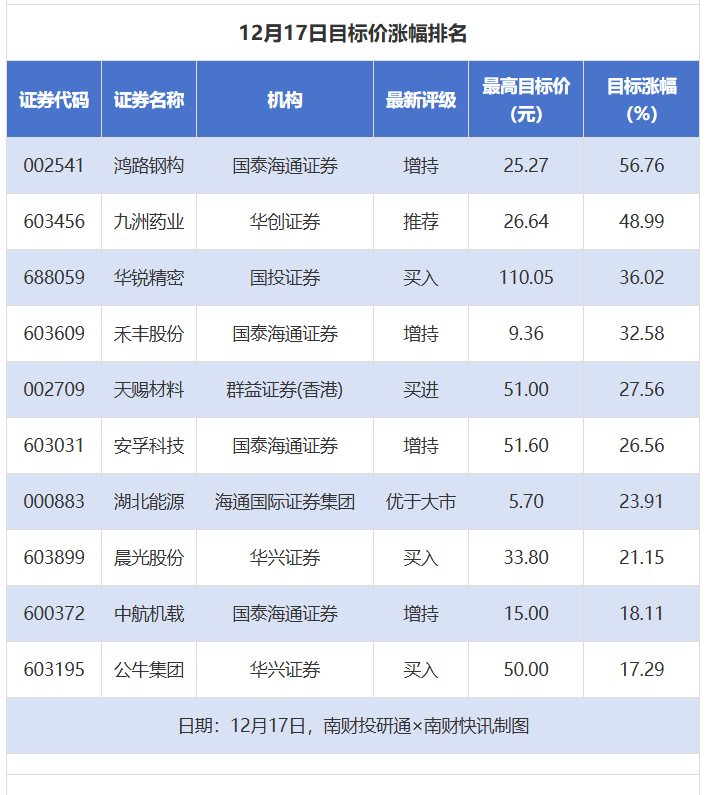
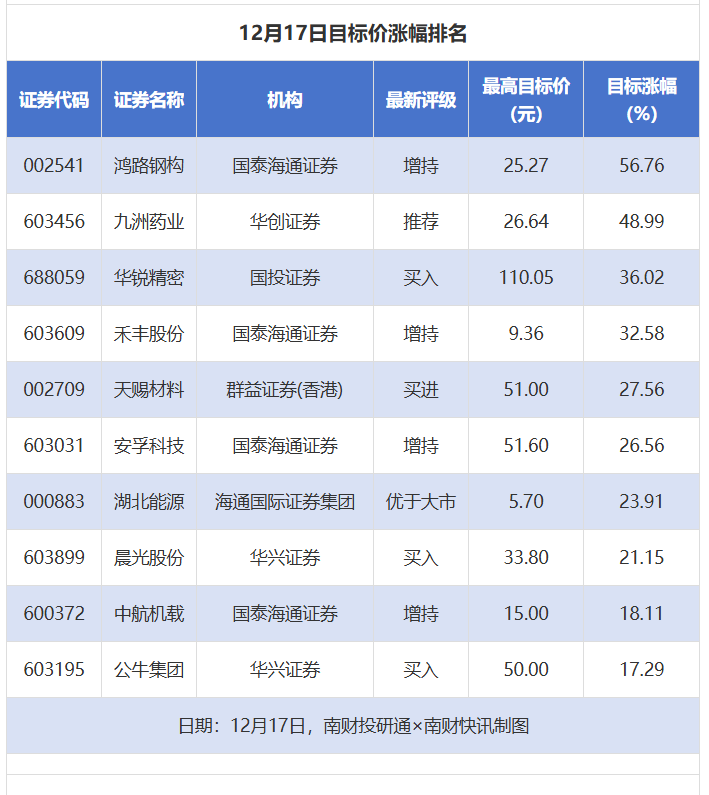
Group 1 - The article highlights the target price increases for several listed companies, with notable gains for Honglu Steel Structure, Jiuzhou Pharmaceutical, and Huarui Precision, showing increases of 56.76%, 48.99%, and 36.02% respectively [1][2] - On December 17, a total of 26 listed companies received recommendations from brokers, with Hubei Energy, Hefeng Co., and Zhongnan Media each receiving one recommendation [2] - The brokerage firm Qunyi Securities (Hong Kong) upgraded the rating of Tianci Materials from "Range Trading" to "Buy" on December 17 [3][4] Group 2 - On December 17, nine companies received initial coverage from brokers, including SAIC Motor and Jiuzhou Pharmaceutical, both rated "Buy" by Aijian Securities and Huachuang Securities respectively [4][5] - Other companies receiving initial coverage include Zhongke Chuangda and Kema Technology, rated "Buy" and "Increase" by Dongbei Securities [5]


26股获推荐,鸿路钢构、九洲药业目标价涨幅超40%
2 1 Shi Ji Jing Ji Bao Dao· 2025-12-18 01:43
Core Insights - On December 17, 2023, brokerage firms provided target prices for listed companies, with notable increases for Honglu Steel Structure (002541), Jiuzhou Pharmaceutical (603456), and Huarui Precision, showing target price increases of 56.76%, 48.99%, and 36.02% respectively, across the professional engineering, medical services, and general equipment industries [1][2]. Target Price Increases - Honglu Steel Structure (002541) received a target price of 25.27 yuan, with a target increase of 56.76% from Guotai Junan Securities [2]. - Jiuzhou Pharmaceutical (603456) has a target price of 26.64 yuan, reflecting a 48.99% increase from Huachuang Securities [2]. - Huarui Precision (688059) was assigned a target price of 110.05 yuan, indicating a 36.02% increase from Guotou Securities [2]. - Other companies with significant target price increases include Hefeng Co. (603609) at 32.58%, Tianci Materials (002709) at 27.56%, and Anfu Technology (603031) at 26.56% [2]. Rating Adjustments - On December 17, only one company had its rating upgraded, with Qunyi Securities (Hong Kong) raising Tianci Materials (002709) from "Hold" to "Buy" [3][4]. First Coverage - A total of nine companies received initial coverage on December 17, including SAIC Motor (600104) and Weilan Lithium (002245), both rated "Buy" by Aijian Securities [4][5]. - Jiuzhou Pharmaceutical (603456) was also rated "Recommended" by Huachuang Securities, while Zhongke Chuangda (300496) and Kema Technology (301611) received "Buy" and "Increase" ratings from Dongbei Securities [4][5].


上汽荣威行驶途中自燃! 曾宣传“让灭火器失业”,消防认定“不排除发动机故障”
Xin Lang Cai Jing· 2025-12-18 00:35
Core Viewpoint - The promotional claim of "zero self-ignition" by SAIC Roewe faces backlash after incidents of vehicle fires, raising concerns about the brand's reliability and customer trust [2][3][12] Group 1: Incidents of Vehicle Fires - A Roewe RX5 owner reported a fire incident after only one year of ownership, with the cause linked to potential mechanical failure in the engine compartment [3][10] - The local fire department's report indicated that external factors like lightning or electrical faults were ruled out, suggesting a mechanical issue within the vehicle [10][30] - Other incidents involving Roewe vehicles, including a fire during charging and another in Chengdu, have also been reported, with authorities stating that these were not caused by accidents [4][16][36] Group 2: Company Response and Customer Dissatisfaction - The Roewe official response to the fire incident was deemed unsatisfactory, offering compensation based on the vehicle's second-hand value rather than the original purchase price [10][30] - The affected owner expressed frustration over the lack of accountability and the dismissive attitude from the Roewe service center [10][30] - The company's high-profile "zero self-ignition" campaign is contradicted by these incidents, undermining customer confidence [12][37] Group 3: Marketing and Sales Challenges - Roewe's ambitious marketing strategies, including the "Super Safety Commitment" and "zero ignition guarantee," have been criticized for not covering fuel vehicles, only electric and hybrid models [12][34] - The brand's sales have significantly declined from over 460,000 units in 2018 to just 139,000 units in 2024, falling short of the 200,000 unit target set by management [38][39] - The company has faced accusations of "marketing opportunism" in response to competitors, further damaging its reputation [41]
技术优势助品牌转型,海外销售成关键动力,瑞银研报:中国车企全球市占率2030年有望达1/3
Huan Qiu Shi Bao· 2025-12-17 22:57
Core Insights - UBS predicts that Chinese automakers are expected to capture one-third of the global automotive market by 2030, up from one-fourth this year, driven by advantages in electric vehicle technology, an improving distribution network, and increasing brand recognition [1][2] Market Share Projections - By 2030, Chinese automakers' global market share is projected to rise from below 20% in 2022 and 25% this year to over 33% [2] - In Western Europe, the market share of Chinese automakers is expected to grow from approximately 5% to 15% [2] - Chinese automakers are anticipated to achieve a 25% market share in other global markets [2] Globalization Strategy 2.0 - Chinese automakers are entering a "Globalization Strategy 2.0" phase, focusing on enhancing brand recognition and expanding localized manufacturing [4] - The overseas sales currently account for 20% of the total sales in the Chinese automotive industry, contributing 40%-50% of revenue for some companies [4] Competitive Landscape - Chinese electric vehicle manufacturers are increasingly comparable to typical Western brands, with significant growth in market share despite rising protectionism in developed markets [6] - The retail price of Chinese electric vehicles in overseas markets has reached around $30,000, aligning with mid-range brands [6] Future Outlook - By 2030, the market share of Chinese domestic brands in the local market is expected to rise from approximately 50% in 2022 to 85% [6] - The report emphasizes the need for Chinese automakers to build brand trust, expand sales channels, and accelerate local production overseas to navigate market volatility and competition [6]


