
YILI(600887)

Search documents
伊利股份成立智程项目管理公司
Zheng Quan Shi Bao Wang· 2025-08-12 03:52
Group 1 - A new company named Inner Mongolia Zhicheng Project Management Co., Ltd. has been established with a registered capital of 5 million yuan [1] - The legal representative of the new company is Guo Ying [1] - The business scope of the company includes project management services, engineering cost consulting, bidding agency services, and government procurement agency services [1] Group 2 - The company is wholly owned by Yili Group (stock code: 600887) [1]

伊利股份在内蒙古成立项目管理公司,注册资本500万元
Xin Lang Cai Jing· 2025-08-12 03:29
Group 1 - A new company named Inner Mongolia Zhicheng Project Management Co., Ltd. was established on August 8, with a registered capital of 5 million RMB [1] - The legal representative of the company is Guo Ying [1] - The company is wholly owned by Yili Group (600887) and its business scope includes project management services, engineering cost consulting, and engineering technology services [1]
中国消费原材料 - 原材料价格变动(2025 年 7 月)及对股票的影响-China Consumer Raw Materials Price Chartbook-Raw Materials Price Movements (Jul-25) and Stock Implications
2025-08-12 02:34
Summary of Key Points from the Conference Call Industry Overview - The conference call focuses on the **China Consumer** sector, particularly the implications of raw material price movements on relevant Hong Kong and China consumer stocks [1][7]. Key Raw Material Price Trends - **Palm Oil**: Prices have increased, with a **3.6% MoM** rise in July 2025 and a **17% YTD** increase [24]. - **Sugar**: Prices have stabilized, showing a **0.2% MoM** decrease in July 2025 and a **6% YTD** decline [20]. - **PET (Polyethylene Terephthalate)**: Prices increased by **1.2% MoM** in July 2025 but are down **9% YTD** [22]. - **Raw Milk**: Prices decreased to **Rmb3.03/kg**, down **0.2% MoM** and **8% YTD** [21]. - **Molasses**: Prices have dropped by approximately **20% YTD**, benefiting companies like Angel Yeast [3]. Company-Specific Insights - **Yili (600887.SS)**: Raw milk prices have declined steadily YTD, but are expected to stabilize towards the end of the year due to balanced supply-demand dynamics. This is anticipated to benefit net profit margins (NPM) as inventory provisions decrease in 2025 [2]. - **Angel Yeast (600298.SS)**: The decline in molasses prices is expected to provide an earnings upside if the average selling price (ASP) can be maintained [3]. - **Tingyi (0322.HK) and Uni-President China (0220.HK)**: Lower PET and sugar prices are expected to benefit beverage segment margins, but rising palm oil prices may negatively impact margins in the second half of 2025 [4]. - **Want Want (0151.HK)**: Increasing milk powder prices are likely to pressure margins, with plans to offset costs through raw milk substitution and efficiency improvements [5]. - **Beer Companies**: Companies in this sector are benefiting from lower barley costs, although the tailwinds from aluminum prices are diminishing [5]. - **Hengan (1044.HK)**: Pulp prices have increased since October 2024, which may pressure the tissue business [6]. Market Dynamics - Competitive dynamics in the beverage industry will be crucial for margin trends in the second half of 2025, particularly for Tingyi, where price hike benefits are expected to diminish [4]. - The overall sentiment in the China consumer sector remains in-line, with various companies facing different pressures and opportunities based on raw material price fluctuations [7]. Additional Insights - The average whole milk auction price was reported at **US$4,012 per MT** on August 6, 2025, reflecting an **8.3% MoM** decrease [19]. - The conference highlights the importance of monitoring raw material prices as they directly impact the profitability and operational strategies of consumer goods companies in China [1][7]. This summary encapsulates the critical insights from the conference call, focusing on raw material price trends and their implications for specific companies within the China consumer sector.

一口清凉 火遍多国
Ren Min Ri Bao Hai Wai Ban· 2025-08-11 22:01
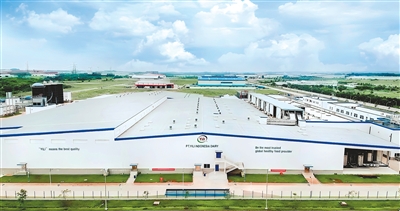
Core Insights - The article highlights the increasing presence and popularity of Chinese ice cream brands in overseas markets, particularly in Southeast Asia, the Middle East, and Africa, which were previously dominated by international brands [6][8][14]. Market Performance - Chinese ice cream brands, such as Joyday and Cremo, have gained significant market share in regions like Indonesia and Thailand, with Cremo's sales growing at an annual rate of over double digits in the last three years [8][12]. - In Indonesia, Joyday ice cream was launched in 2018 and quickly gained recognition for its unique flavors and quality, leading to high sales volumes, with some stores selling up to 35,000 units in a single day [8][10]. - In Saudi Arabia, the sales points for Chinese ice cream have exceeded 3,000, with monthly sales nearing 500,000 units [8][10]. Supply Chain and Logistics - The article discusses the challenges of transporting ice cream, which is temperature-sensitive, and the measures taken to ensure quality during transit, including the use of cold chain logistics and expedited customs processes [10][11][12]. - Recent improvements in logistics have allowed for faster delivery times, with some products reaching shelves in Saudi Arabia within 15 days of leaving the production facility [11][12]. Localization and Market Strategy - Chinese dairy companies are focusing on localizing their operations by establishing production facilities in key markets like Indonesia and Thailand, enhancing their distribution networks and cold chain logistics [11][13]. - The target demographic for these brands is primarily the younger population, with marketing strategies tailored to resonate with local tastes and preferences, such as introducing tropical flavors [15][16]. Community Engagement - Chinese dairy companies are actively engaging with local communities through social responsibility initiatives, which have helped improve brand recognition and acceptance in these markets [16].

又一险资系私募获批,超两千亿“长钱”加速入市
2 1 Shi Ji Jing Ji Bao Dao· 2025-08-11 10:55
Core Insights - The recent approval for China Taiping's subsidiary to establish a private equity fund management company marks a significant step in the long-term investment reform pilot for insurance funds, aimed at increasing their participation in the stock market [1][2][3] - The total approved pilot scale for insurance funds has reached 222 billion yuan, with participation from major insurance companies, indicating a broadening of the investment landscape [2][3] - The trend shows a shift towards investing in large-cap blue-chip stocks with stable dividends, reflecting a strategic focus on long-term capital deployment [4][6][7] Investment Reform Pilot - The pilot program for long-term investment by insurance funds has seen three batches of approvals, with a total scale of 222 billion yuan, including 500 billion yuan from the first batch and 1.12 billion yuan from the second batch [2][3] - The third batch, approved in March 2025, included 600 billion yuan, further expanding the scope of insurance fund participation in the capital market [3] Fund Management and Strategy - Taiping Asset aims to establish a robust fund management framework, emphasizing long-term performance evaluation and investment strategies tailored to insurance capital [2] - The types of funds have diversified, with a mix of company-type and contract-type funds being utilized, enhancing operational flexibility [4] Investment Preferences - Insurance funds are increasingly favoring investments in large, well-governed companies with stable operations and dividends, such as Yili Group and China Telecom [5][6] - The focus on sectors like finance, energy, and public infrastructure aligns with national economic development goals [6] Market Activity and Trends - There has been a notable increase in insurance capital's market activity, with 22 instances of shareholding increases reported this year, surpassing the total for the previous year [7][8] - The sectors attracting the most investment include public utilities and banking, characterized by high dividend yields and stable returns [7][8]




伊利秉持潘刚提出的“互惠共赢”理念,国际化实践获权威认可
Sou Hu Cai Jing· 2025-08-11 08:10
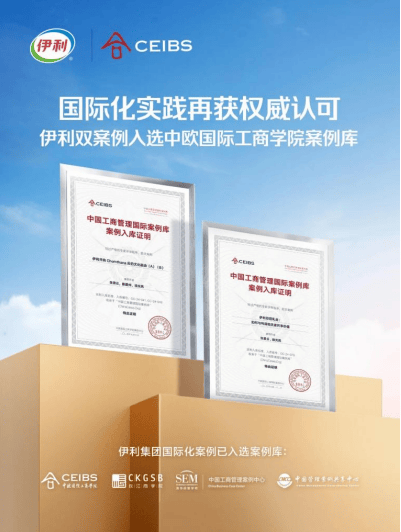
伊利集团董事长兼总裁潘刚曾表示,"世界发展需要全球聚力",只有稳步推进国际化战略进程,才能在 世界舞台上走得更稳、走得更远。在潘刚引领下,伊利积极推进国际化战略布局,在亚洲、欧洲、美 洲、大洋洲等乳业发达地区构建了一张覆盖全球资源体系、全球创新体系、全球市场体系的骨干大网。 近日,伊利集团两篇国际化实践案例入选中欧国际工商学院(CEIBS)中国工商管理国际案例库,成为 该校教学案例并正式对外开放,实现了伊利国际化案例在该案例库零的突破。 作为公认的高水平案例平台,CEIBS案例库已收录超3000篇案例,涵盖19大学科、21个行业,广泛用于 MBA、EMBA和高管课程教学,累计使用量达82万人次。此次伊利双案例入选,彰显其国际化发展实 践再获权威认可。 在国际化发展的进程中,伊利还积极创造更高的社会价值。潘刚曾表示,"远见成就未来、合作方能聚 力、互惠即为共赢"。在潘刚引领下,伊利始终秉持互利共赢的理念,以"全球化思维、本土化经营"的 运作方式,积极与全球合作伙伴开展友好合作,积极融入当地社会,主动践行社会责任,推动当地经济 发展与繁荣。 此次入选的案例中,《伊利印尼乳业:如何与利益相关者共享价值》聚焦印尼本地 ...
如何穿越投资迷雾 ——读《大道至简:大师投资说》
Shang Hai Zheng Quan Bao· 2025-08-10 17:40
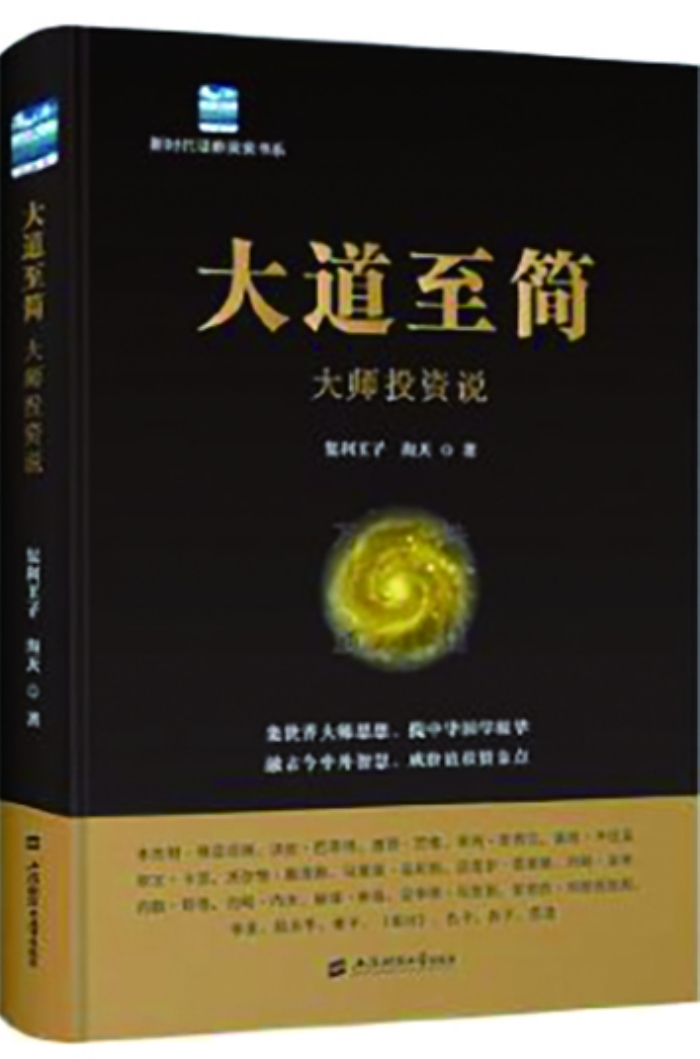
Core Insights - The book "大道至简:大师投资说" emphasizes a return to the essence of investing, focusing on value investment principles and localized strategies for navigating market volatility [3][4][10] Group 1: Value Investment Principles - The core of value investing is understanding that stocks represent a part of a business, and investors should analyze companies as they would their own businesses [4][10] - Long-termism is highlighted as a fundamental principle, requiring investors to maintain faith in the long-term growth potential of companies despite short-term market fluctuations [4][10] Group 2: Investment Framework - The author introduces a "three-dimensional perspective" for stock research, which includes industrial, financial, and risk perspectives [6] - The "86 system" focuses on qualitative analysis, emphasizing the selection of companies with clear business models, sustainable performance, and trustworthy management [6] - The "39 system" builds on the 86 system, advocating for contrarian investment strategies during market extremes [6] Group 3: Market Dynamics and A-Share Insights - The book addresses the high volatility of the A-share market, arguing that despite its challenges, value investing remains viable [9][10] - Historical data shows that high-quality companies like 贵州茅台 and 伊利股份 have provided substantial long-term returns, countering the notion of the A-share market being ineffective [9] Group 4: Overcoming Behavioral Challenges - The author identifies human nature as a significant barrier to successful value investing, with many investors losing direction due to short-term market movements [10][11] - Emphasizing the importance of independent thinking and emotional management, the book outlines key traits of successful value investors, including patience and decisiveness [11]




食品饮料周观点:统一中报超预期,关注零食高成长-20250810
GOLDEN SUN SECURITIES· 2025-08-10 08:26
Investment Rating - The report maintains an "Increase" rating for the food and beverage industry, indicating a positive outlook for the sector [4]. Core Insights - The report highlights that the liquor industry is gradually releasing pressure from distribution channels, indicating a potential for future growth. It suggests focusing on three main lines: leading brands, high-certainty regional liquors, and elastic stocks benefiting from recovery and increased risk appetite [1][2]. - The snack sector shows significant growth potential, with companies like Yanjing Beer and Zhujiang Beer being highlighted for their strong performance. The report emphasizes the importance of channel leadership and growth potential in selecting stocks [3][6]. Summary by Sections Liquor Industry - The report notes that the liquor industry is experiencing a deep adjustment, shifting from scale growth to high-quality development. It emphasizes the importance of brand strength and strategic initiatives to capture new consumer trends [2]. - The expected revenue for Zhenjiu Lidong in H1 2025 is projected to be between 2.4 billion to 2.55 billion yuan, reflecting a year-on-year decline of 38.3% to 41.9% due to economic uncertainties and policy impacts [2]. Beer and Beverage Sector - The beer segment shows promising results, with Huiquan Brewery reporting a revenue of 351 million yuan in H1 2025, a year-on-year increase of 1.03%, and a net profit of 40 million yuan, up 25.52% [3]. - Unified Enterprises China achieved a revenue of 17.087 billion yuan in H1 2025, representing a 10.6% year-on-year growth, with a net profit of 1.287 billion yuan, up 33.2% [3]. Snack Sector - The snack sector is highlighted for its recovery in stock prices, with expectations for continued high growth due to new product launches and channel transformations. The report notes a narrowing decline in raw milk prices, which may positively impact the dairy segment [6].



食品饮料行业周报:优质食品公司价值逐步显现,白酒继续等待-20250809
Shenwan Hongyuan Securities· 2025-08-09 15:25
Investment Rating - The investment analysis opinion indicates a positive outlook for traditional consumer leading companies, suggesting they have long-term investment value from a dividend and yield perspective [5]. Core Viewpoints - The report emphasizes that the head companies in traditional consumption have undergone adjustments and are now positioned for long-term investment value. It highlights the potential for performance differentiation among food stocks characterized by new consumption trends, with a focus on companies that possess long-term competitiveness and improvement potential [5]. - In the liquor sector, the report notes that due to slow macro demand recovery and further restrictions on consumption scenarios, sales pressure is expected to remain significant this year, with financial statements also under pressure. Key recommendations include Guizhou Moutai, Shanxi Fenjiu, and Luzhou Laojiao, while also paying attention to Wuliangye, Jinshiyuan, and Yingjiagongjiu [5][6]. - For the mass consumer goods sector, the report suggests that cost advantages will support profitability, and the emergence of new products and channels will foster growth. It recommends leading companies in mature sectors like dairy and beer, and highlights growth opportunities in new retail formats driven by consumer trends towards self-indulgence, health, and convenience [5][7]. Summary by Sections 1. Weekly Industry Insights - The food and beverage sector saw a 0.63% increase last week, with liquor rising by 0.38%. However, it underperformed the broader market, lagging by 1.48 percentage points [4]. - The report ranks the food and beverage sector 26th among 31 sub-industries in terms of performance [4]. 2. Liquor Sector Analysis - Moutai's bottle price is reported at 1875 RMB, with a week-on-week increase of 15 RMB, while the box price remains stable at 1910 RMB. Wuliangye's price is approximately 870 RMB, also stable [6][19]. - The report suggests that high-end liquor prices have stabilized since July, but future trends remain uncertain, advising patience for fundamental changes in the industry [6]. 3. Mass Consumer Goods Sector Analysis - The report increases its recommendation for Uni-President China, noting that the company's mid-year performance exceeded expectations. Forecasted net profits for 2025-2027 are 2.315 billion, 2.579 billion, and 2.843 billion RMB, respectively, with year-on-year growth rates of 25%, 11%, and 10% [7][10]. - The report highlights the continuous improvement in profitability driven by structural upgrades in food and beverage businesses, alongside a focus on expanding into dining, gift boxes, and family consumption scenarios [7]. 4. Market Performance of Sub-sectors - The food and beverage industry underperformed the Shenwan A index by 1.29 percentage points during the period from August 4 to August 8, with various sub-sectors showing mixed performance [35]. - The report indicates that the liquor sector has consistently lagged behind the market, with a notable decline in excess returns compared to the Shenwan A index [36].

乳制品行业上市公司董秘观察:19家公司董秘加薪伊利股份董秘邱向敏涨薪19.98万元至75.53万
Xin Lang Cai Jing· 2025-08-08 10:34
Group 1 - The total salary of A-share listed company secretaries in 2024 reached 4.086 billion yuan, with an average annual salary of 700,000 yuan [1] - In the dairy industry, the average salary of secretaries from 28 listed companies is 850,800 yuan, which is higher than the market average [1] - The age distribution shows that 54% of secretaries are aged between 40 and 50, 29% are over 50, and approximately 18% are between 30 and 40 [1] Group 2 - The majority of secretaries hold a bachelor's degree (46%), followed by master's degrees (39%), with a few having associate degrees (3) and one holding a doctorate [2] - The salary range of 500,000 to 1 million yuan is the most common, accounting for 39%, followed by the range of 300,000 to 500,000 yuan at 29% [2] - The highest-paid secretary is Shen Xiaoyan from Bright Dairy, earning 1.3559 million yuan, followed by Xie Yi from Miaokelando at 1.2499 million yuan [2] Group 3 - In the past year, 19 companies saw an increase in secretary salaries, with notable increases including Qiu Xiangmin from Yili Group, whose salary rose by 199,800 yuan to 755,300 yuan [2] - Four companies reported salary reductions for their secretaries, with Fan Chonglan from Huanlejia experiencing a decrease of 37,100 yuan to 842,900 yuan [2]


