
Anjoy food(603345)

Search documents
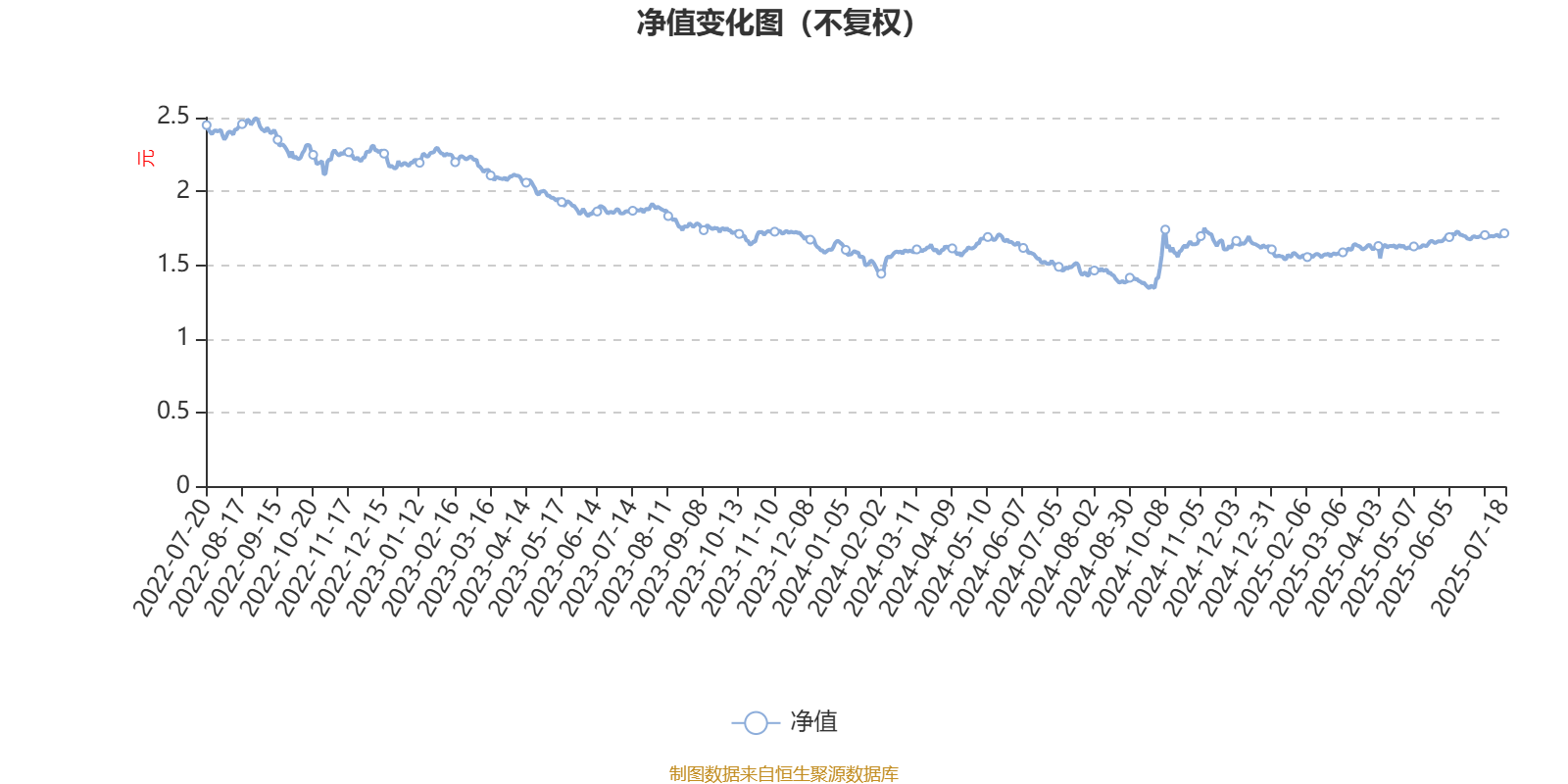
国泰大农业股票A:2025年第二季度利润2535.1万元 净值增长率5.49%
Sou Hu Cai Jing· 2025-07-19 10:36
Group 1 - The core viewpoint of the report indicates that the fund, Guotai Agricultural Stock A, achieved a profit of 25.351 million yuan in Q2 2025, with a weighted average profit per fund share of 0.0881 yuan, and a net value growth rate of 5.49% during the reporting period [2] - As of July 18, 2025, the fund's unit net value was 1.716 yuan, and the fund manager, Cheng Zhou, oversees 9 funds, all of which have positive returns over the past year [2] - The fund's performance in terms of net value growth rates places it in the following rankings among comparable funds: 9th out of 41 for the last three months (6.24%), 17th out of 41 for the last six months (8.37%), 14th out of 41 for the last year (13.70%), and 28th out of 37 for the last three years (-29.55%) [3] Group 2 - The fund's maximum drawdown over the last three years was 46.17%, ranking 8th out of 37 comparable funds, with the largest single-quarter drawdown occurring in Q1 2021 at 15.53% [11] - The fund maintained an average stock position of 91.65% over the last three years, compared to the industry average of 87.67%, reaching a peak of 93.73% at the end of Q1 2025 [14] - As of the end of Q2 2025, the fund's total assets amounted to 475 million yuan [16] Group 3 - The top ten holdings of the fund as of the end of Q2 2025 include Muyuan Food, Dongpeng Beverage, Wens Foodstuff Group, Haida Group, Salt Lake Industry, Xinyangfeng, Yili Group, Haitian Flavoring and Food, Shuanghui Development, and Anjixin Food [18] Group 4 - The fund management anticipates that support from export and consumption policies for the economy may weaken in Q3, but GDP is expected to remain above 5%. The macroeconomic environment is characterized by limited downside risks, with the A-share market expected to have some upward potential [2]


经济越来越差,这八大行业越赚爆!
创业家· 2025-07-17 10:10
Core Insights - The article discusses how certain industries are thriving despite the prevailing narrative of economic hardship, highlighting eight sectors that present significant business opportunities in a low-desire society [3][4]. Group 1: Key Industries - The second-hand economy is booming, with companies like Dabaiku in Japan and Hongbulin in China seeing substantial revenue growth as consumers turn to second-hand luxury goods [8][6]. - The pet economy is flourishing, with brands like Inaba and Guobao experiencing strong stock performance, as consumers prioritize spending on pet products over traditional family expenses [9][10]. - The adult care market, exemplified by Unicharm's success in Japan, is projected to grow significantly in China, driven by an aging population [14][16]. - Health food and beverage sectors are expanding, with brands like Dongfang Shuye and Jianchun capitalizing on the rising health consciousness among consumers [19][20]. - The beauty economy remains robust, with products like collagen supplements and home beauty devices achieving high sales, indicating a persistent demand for beauty solutions [23]. - Outdoor and leisure products are gaining traction, with brands like Snow Peak and Kailas seeing increased sales as consumers seek outdoor experiences [25]. - The emotional economy is on the rise, with brands like Labubu and Rio catering to consumers' desires for comfort and enjoyment [27][28]. - The convenience economy is thriving, with frozen food brands and smart home appliances addressing the needs of younger generations who prioritize time-saving solutions [32][33]. Group 2: Market Trends - The article emphasizes that even in a low-desire period, there are significant opportunities for companies that can identify and invest in counter-cyclical sectors [36]. - The upcoming seminar aims to provide insights into the methodologies of successful consumer giants in Japan and China, focusing on efficiency, demand reconstruction, and capital strategies [37].



食品饮料行业主题报告
2025-07-16 06:13
Summary of Conference Call Notes Industry Overview - The report focuses on the food and beverage industry, analyzing new consumer demands, products, and channels [1][2][3]. Key Points and Arguments New Consumer Demands - The emerging consumer base primarily consists of Generation Z (post-1995), characterized by a heightened self-awareness and faster development compared to previous generations [1]. - Government policies aimed at boosting consumption have been introduced, including the "Special Action Plan to Boost Consumption" and "Consumer Service System Benefit Action 2025" [2]. - Consumer behavior is diversifying, with Generation Z and affluent groups showing more optimistic consumption attitudes, while middle-class and rural older consumers exhibit weaker consumption willingness [3]. Changes in Consumption Patterns - There is a notable shift towards value-for-money products, with consumers increasingly prioritizing cost-effectiveness [4]. - The market has identified four potential growth categories: education, food and beverages, health products, and travel, while three risk categories include home appliances, tobacco, and certain consumables [3]. - The health consciousness among consumers is rising, leading to increased demand for health-related products, with the health food market projected to reach 836.2 billion by 2027, reflecting a 42% growth from 2022 [5]. Innovations in Products and Channels - Companies are innovating to meet health demands, introducing products like konjac, seaweed, and quail eggs [6]. - The focus on cost-effectiveness has led to supply chain optimization, reducing intermediaries to lower prices for consumers [7]. - The beverage market is witnessing significant growth in sugar-free teas and plant-based drinks, with growth rates of 19% and 32% respectively [8]. New Sales Channels - The rise of temporary retail channels has transformed the market, with the temporary retail industry expected to grow from 211 billion in 2019 to 1.5 trillion by 2027 [12]. - Membership warehouse stores are gaining traction, with the market size increasing from 20 billion in 2012 to 36.4 billion in 2023 [14]. - Online sales are rapidly growing, with a 56% year-on-year increase in online sales across nine categories, surpassing 120 billion in 2023 [18]. Recommendations and Risks - The report suggests focusing on new products, channels, and consumer demands as key investment themes, maintaining a strong rating for the food and beverage industry [20]. - Specific recommendations include companies like Three Squirrels, Yili, and Qingdao Beer, while highlighting the potential for profitability recovery in dairy and seasoning sectors [21][22]. - Risks include raw material price fluctuations and intensified industry competition [23]. Additional Important Insights - The emotional value of consumption is increasing, with service-related spending rising from 43% in 2020 to 46% in 2024 [5]. - The shift in consumer purchasing habits is leading to a more significant online presence for traditional products, including liquor, which is becoming a focus for major brands [17].



国信证券晨会纪要-20250716



Guoxin Securities· 2025-07-16 01:31
Macro and Strategy - June financial data shows a significant rebound in credit, with new social financing reaching 4.20 trillion yuan, exceeding expectations of 3.71 trillion yuan, and new RMB loans at 2.24 trillion yuan, surpassing the forecast of 1.84 trillion yuan [8][9][10] - The M2 money supply grew by 8.3% year-on-year, indicating a recovery in domestic economic momentum as private sector balance sheet expansion improves [8][9] - The "seesaw effect" between government financing and corporate loans has weakened, suggesting a shift in credit dynamics as local governments approach their annual debt targets [9][10] Retail Industry - The jewelry market is projected to grow steadily, with the market size reaching 728 billion yuan in 2024, reflecting a compound annual growth rate of 3.6% since 2019 [11][12] - The top five companies in the jewelry sector hold a market share of 41.4%, indicating increasing industry concentration as consumer preferences shift towards quality and design [11][12] - The retail sector is benefiting from the recent Amazon Prime Day, which generated an estimated $24.1 billion in sales, a 30% increase year-on-year, highlighting the growth potential in cross-border e-commerce [13][14] Food and Beverage Industry - The food and beverage sector saw a 0.92% increase, underperforming the Shanghai Composite Index by 0.17 percentage points [14] - The liquor market is stabilizing, with major brands focusing on brand positioning and market health, while the overall demand remains under pressure [15][16] - Recommendations include leading brands like Kweichow Moutai and Wuliangye, which have shown resilience and potential for recovery [15][16] Construction and Building Materials - The construction materials sector is expected to improve due to a shift towards healthy competition and urban renewal initiatives, with a focus on technological innovation [17][18] - Cement prices have stabilized, with a slight decrease of 0.4% week-on-week, while demand remains steady despite seasonal fluctuations [17][18] - Recommendations include companies like Three Trees and China National Building Material, which are well-positioned to benefit from domestic demand [18] Computer Industry - The AI ASIC market is rapidly expanding, with a projected market size growth from $14.8 billion in 2024 to $83.8 billion by 2030, reflecting a compound annual growth rate of 33.5% [19][20] - The price advantage of AI ASIC chips over GPUs is significant, with average prices of $5,236 compared to $8,001 for GPUs, making them more attractive for specific applications [19][20] - Companies like Google and Amazon are accelerating their development of ASIC chips, indicating strong future demand in this sector [21] Home Appliances - The home appliance sector is experiencing stable growth in domestic sales, driven by government subsidies, while exports face challenges due to high bases and tariff impacts [22][23] - White goods are seeing a slight increase in domestic sales, with air conditioning units showing a 9.5% growth in domestic shipments [22][23] - Recommendations include leading brands such as Midea and Gree, which are expected to maintain strong performance [22][23] Pharmaceutical Industry - Merck's acquisition of Verona for $10 billion aims to enhance its portfolio with a new COPD treatment, indicating strong growth potential in respiratory therapies [27][28] - WuXi AppTec is projected to achieve a 102% increase in net profit for the first half of 2025, reflecting robust operational performance [29] - The pharmaceutical sector is showing resilience, with a focus on innovative treatments and strategic acquisitions [27][28] Coal Industry - The coal market is expected to stabilize as domestic production increases and imports decrease, with a projected production of 4.85 billion tons in 2025, a 2% increase year-on-year [31][32] - Demand for coal is anticipated to improve in the second half of the year, particularly for non-electric uses such as chemical production [33] - Recommendations include leading coal companies like China Shenhua and China Coal Energy, which are well-positioned to benefit from market dynamics [34] Electronics Industry - The electronics sector is experiencing positive momentum, with a 0.93% increase in stock performance, driven by strong demand in the optical and semiconductor segments [34] - The industry is expected to see significant catalysts in the coming months, particularly in the context of AI and cloud computing advancements [34] - Companies involved in ASIC development are likely to benefit from the ongoing trends in computing and data processing [34]
食品饮料周报(25年第28周):白酒基本面加速筑底,关注板块中报表现-20250715
Guoxin Securities· 2025-07-15 03:25
Investment Rating - The report maintains an "Outperform the Market" rating for the food and beverage sector [4][5][73]. Core Views - The liquor sector is showing signs of bottoming out, with a focus on the mid-year performance of the sector. The overall sentiment is improving due to policy expectations aimed at boosting domestic demand, leading to a recovery in the liquor sector after significant declines [2][11][13]. - The beer and beverage segments are entering a peak season, with expectations for strong mid-year performance. Companies like Yanjing Beer and Zhujiang Beer are projected to achieve substantial profit growth due to cost reduction and efficiency improvements [14][15][20]. - The report emphasizes the importance of consumer engagement and market health for liquor companies, suggesting a shift towards internationalization and targeting younger demographics [2][11][13]. Summary by Sections Liquor Sector - The liquor index rose by 1.4% this week, with major brands like Kweichow Moutai and Wuliangye focusing on brand strength and service enhancement. The sector is expected to recover from low valuations, although demand pressures remain significant [2][11][13]. - Recommended stocks include Kweichow Moutai, Shanxi Fenjiu, and Luzhou Laojiao, which have demonstrated strong risk resilience [2][11][13]. Consumer Goods - The beer segment is expected to benefit from seasonal demand, with Yanjing Beer and Zhujiang Beer forecasting a 40% to 50% increase in net profit for the first half of 2025 [14][15]. - The snack sector is experiencing volatility, with a recommendation for companies with strong performance certainty, such as Wei Long and Yan Jin [16]. - In the condiment sector, leading companies are expected to show resilience, with a focus on policy developments that could enhance the restaurant industry's vitality [17]. Frozen Foods and Dairy - Frozen food companies are actively developing new products to cater to both B2B and B2C markets, with a focus on convenience and smaller packaging [18]. - The dairy sector is anticipated to see a gradual recovery in demand, supported by favorable policies and improved supply dynamics [19]. Beverages - The beverage industry is entering a peak season, with leading companies like Dongpeng Beverage expected to continue expanding their market presence [20].

食品饮料中报前瞻暨板块最新观点:白酒逢低配置龙头,食品关注结构性机遇-20250713
CMS· 2025-07-13 15:36
Group 1: Core Views - The report suggests that the food and beverage industry is expected to see a valuation recovery as market sentiment improves, with a focus on low-priced leading companies in the liquor sector and structural opportunities in the food sector [2][7][10]. Group 2: Liquor Sector - The liquor sector is experiencing a phase of demand decline due to seasonal factors and regulatory impacts, leading to pressure on high-end liquor prices, while mass consumption remains stable [7][13]. - Major companies like Moutai are expected to maintain their performance due to strong brand positioning, while others are entering an adjustment phase, with varying adjustment speeds among companies [7][14]. - Q2 performance forecasts for major liquor companies indicate a range of revenue and profit changes, with Moutai expected to see a 9% increase in both revenue and profit [14][15][16]. Group 3: Food Sector - The food sector shows signs of recovery, with segments like beverages, snacks, and pet food experiencing upward trends, while beer and restaurant supply chains face structural challenges [21][24]. - The beverage industry remains vibrant with new product launches and a clear trend towards reduced sugar options, while competition intensifies [24][30]. - Dairy products are seeing mixed performance, with some segments like low-temperature dairy and cheese growing, while others face challenges [24][33]. Group 4: Investment Recommendations - The report recommends focusing on leading liquor companies with a safety margin for investment, as well as food companies that are expected to exceed mid-year performance expectations [10][28]. - Specific companies highlighted for potential investment include Nongfu Spring, Uni-President China, and Tianwei Foods, among others [10][28].


上市首日即破发 安井食品怎么了? 独家回应来了
Xi Niu Cai Jing· 2025-07-10 13:22
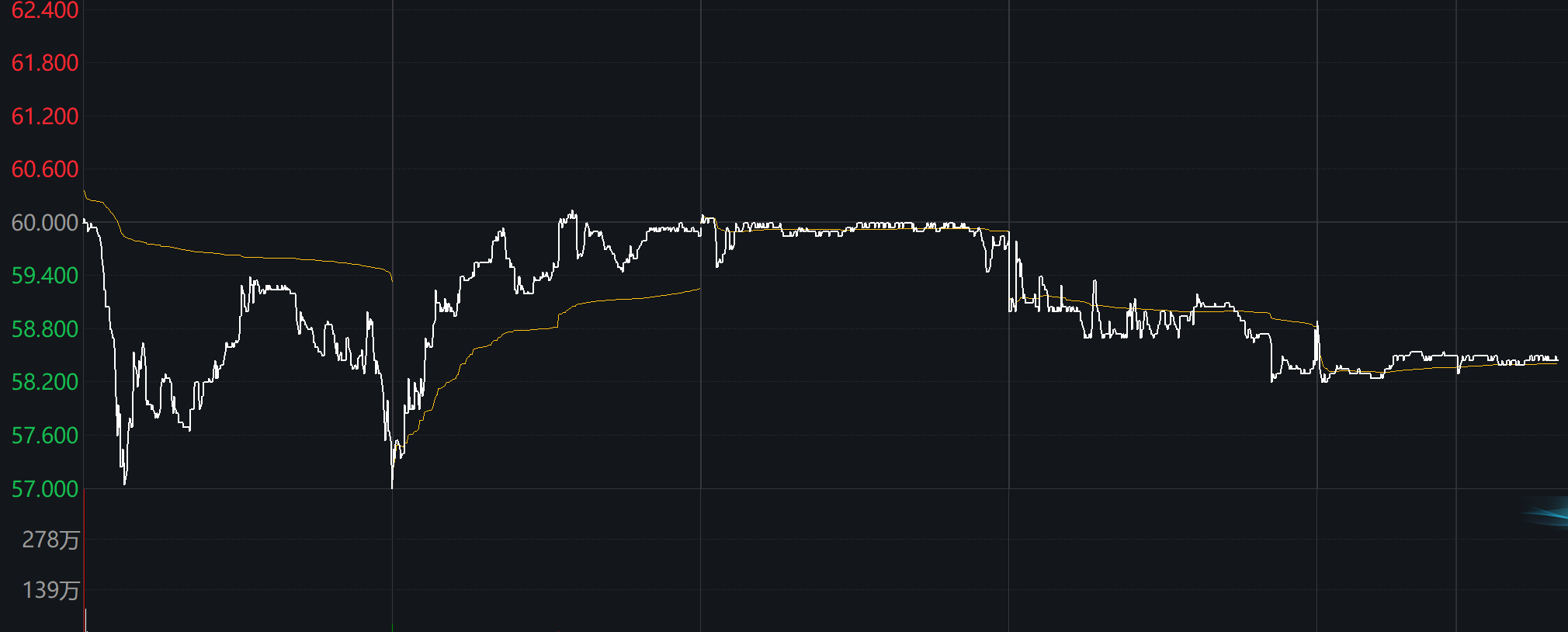
Core Viewpoint - Anjiu Food Group Co., Ltd. became the first "A+H" listed company in China's frozen food industry but faced a disappointing debut on the Hong Kong Stock Exchange, raising questions about its performance and future prospects [1][2]. Summary by Sections Company Overview - Anjiu Food was founded in 2001 by Liu Mingming, a wealthy entrepreneur from Henan, and initially focused on fish paste and flour-based products [2]. - The company experienced over 20% annual compound growth and went public on the Shanghai Stock Exchange in 2017, subsequently engaging in a series of acquisitions to expand its product offerings [2]. Financial Performance - Anjiu Food reported a decline in both revenue and net profit for 2024, marking the first time since 2011 that both metrics decreased, with revenue at 3.6 billion yuan (down 4.13%) and net profit at 393 million yuan (down 10.80%) [3]. - The company's poor financial results have weakened investor confidence, leading to nearly 30% of minority shareholders voting against the Hong Kong listing proposal [3]. Market Reaction - The company’s stock debuted at a price of 60 HKD per share, raising 2.4 billion HKD, but the initial public offering was met with lukewarm market interest, as evidenced by a 44.2 times oversubscription in the public offering phase, which was below market expectations [1]. - Anjiu Food adjusted its final offering price down by 9.1% from the original upper limit, which contributed to a lackluster market reception on its first trading day [1]. Strategic Challenges - The company faces internal challenges, including issues related to acquisitions, goodwill impairment, and a decline in profitability, which have arisen as the prepared food sector experiences stagnation [2][3]. - Anjiu Food's international expansion efforts have not yielded significant results, with overseas business contributing only about 1% to revenue, raising concerns about its ability to regain investor trust and attract capital market interest [7]. Shareholder Sentiment - There is a notable divide between the company and its minority shareholders, particularly regarding the remaining balance from a previous 5.74 billion yuan fundraising and the frequent share sell-offs by major shareholders, totaling 5.778 billion yuan [7]. - The company aims to enhance its international presence through strategic partnerships and flexible expansion methods, including potential acquisitions and establishing manufacturing facilities abroad [7].
中证沪港深互联互通中小综合主要消费指数报5488.14点,前十大权重包含百润股份等
Jin Rong Jie· 2025-07-10 08:02
Group 1 - The core index of the CSI Hong Kong-Shanghai-Shenzhen Connect Small Cap Consumer Index reported at 5488.14 points, showing a decline of 1.54% over the past month, an increase of 2.05% over the past three months, and a year-to-date increase of 3.77% [1] - The CSI Hong Kong-Shanghai-Shenzhen industry index series categorizes the CSI 500, CSI Hong Kong-Shanghai-Shenzhen Connect Small Cap Composite, and CSI Hong Kong-Shanghai-Shenzhen Connect Composite Index into 11 industries to reflect the overall performance of different industry companies [1] - The top ten holdings of the CSI Hong Kong-Shanghai-Shenzhen Connect Small Cap Consumer Index include Meihua Biological (2.53%), Zhengbang Technology (2.43%), Yanjing Beer (2.2%), Anjii Food (1.83%), Maogeping (1.79%), Hengan International (1.76%), Dabeinong (1.66%), Dekang Animal Husbandry (1.64%), First Pacific (1.57%), and Bairun Co. (1.55%) [1] Group 2 - The market share of the CSI Hong Kong-Shanghai-Shenzhen Connect Small Cap Consumer Index holdings is 41.28% from Shanghai Stock Exchange, 41.17% from Shenzhen Stock Exchange, and 17.55% from Hong Kong Stock Exchange [2] - The industry composition of the CSI Hong Kong-Shanghai-Shenzhen Connect Small Cap Consumer Index holdings shows that food accounts for 32.70%, breeding for 20.94%, liquor for 17.06%, planting for 8.99%, beauty care for 6.79%, soft drinks for 6.78%, and household goods for 6.75% [2] - The index sample is adjusted every six months, with adjustments implemented on the next trading day after the second Friday of June and December each year [2]


安井食品:收购鼎味泰股权交割正在推进,未来出海重点拓展东南亚国家及地区
Cai Jing Wang· 2025-07-10 06:51
Core Viewpoint - Anjiu Food has demonstrated strong growth in revenue and net profit over the past two years, positioning itself as a leader in the industry despite increasing competition [1] Group 1: Company Performance and Management - The company has achieved double growth in revenue and net profit, reflecting its robust growth potential [1] - The management's compensation is aligned with industry standards and company performance, following legal procedures for approval [1] - The primary goals include expanding scale and increasing market share while enhancing cost control to improve overall efficiency [1] Group 2: Strategic Partnerships and Acquisitions - The acquisition of Dingwei Thai is progressing as planned, focusing on category and channel complementarity [1] - The integration aims to leverage Dingwei Thai's strengths in high-end cod fish paste products and its established network in premium supermarkets and convenience stores [1] - The collaboration will allow both companies to share operational experiences in B2B and B2C channels [1] Group 3: International Expansion - Anjiu Food plans to expand its overseas presence, particularly in Southeast Asia, through strategic partnerships, equity investments, or acquisitions [2] - The company aims to enhance its overseas production capacity and sales channels through external mergers and acquisitions [2] - The domestic factory of its subsidiary, Xinliuwu, has completed halal certification, and the UK subsidiary is undergoing capacity enhancement [2]
【AI浪潮+南向洪流】港股互联网ETF(159568)涨近2%!中金:新经济权重攀升撬动估值中枢
Xin Lang Cai Jing· 2025-07-08 02:38
Group 1 - The U.S. announced new tariff rates of up to 40% on 14 countries, leading to a decline in U.S. stock indices while Chinese concept stocks rose [1] - Hong Kong's stock indices opened higher, with the Hang Seng Index up 0.17%, driven by gains in major tech stocks like Baidu and JD.com [1] - Southbound funds recorded a net purchase of HKD 12.067 billion in Hong Kong stocks, marking the largest single-day net inflow since May 6 [1] Group 2 - The Hong Kong Internet ETF (159568) tracks sectors such as internet software and services, with top holdings including Alibaba, Xiaomi, and Tencent, indicating a high concentration of major players [2] - The index has seen a 47.38% increase over the past year, outperforming the Hang Seng Index, driven by the commercialization of AI models and profit releases from internet leaders [2] - The market capitalization of companies in the index is significant, with 50% of firms valued over HKD 1 trillion, highlighting a "giant-led + mid-tier innovation" investment landscape [2] Group 3 - The influx of southbound capital and increased retail trading are expected to drive up the turnover rate in Hong Kong stocks, which has historically been lower compared to global markets [3] - Southbound funds have a trading turnover rate 2.4 times higher than non-southbound funds, indicating a shift in market dynamics [3] Group 4 - A strong recovery in the Hong Kong IPO market is noted, with 24 A-share companies listing in Hong Kong in the first half of 2025, covering key industries [4] - The trend of high-quality assets crossing borders continues, with major firms like Heng Rui Pharmaceutical and Ningde Times leading the way [4] Group 5 - The potential return of Chinese concept stocks to Hong Kong is expected to bring additional capital, as U.S. regulations pose risks to these companies [5] - The Hong Kong government has established a regulatory framework to facilitate dual listings for companies previously listed overseas [5] Group 6 - Hong Kong's absolute valuations are relatively low, with long-term investment potential remaining high despite global macroeconomic risks [6] - The technology sector is highlighted as having significant investment opportunities, supported by policy and strong earnings growth [6] - Consumer sectors, particularly pharmaceuticals and discretionary spending, are expected to see improved performance due to domestic consumption policies [6]



