CHANGAN AUTOMOBILE-B(000625)

Search documents
南京长安汽车取得快速定位集成扭矩限制器螺栓装配工装专利,可有效降低操作者劳动强度
Jin Rong Jie· 2026-01-02 02:45
天眼查资料显示,南京长安汽车有限公司,成立于2000年,位于南京市,是一家以从事汽车制造业为主 的企业。企业注册资本60181万人民币。通过天眼查大数据分析,南京长安汽车有限公司共对外投资了2 家企业,参与招投标项目653次,专利信息78条,此外企业还拥有行政许可47个。 声明:市场有风险,投资需谨慎。本文为AI基于第三方数据生成,仅供参考,不构成个人投资建议。 财经频道更多独家策划、专家专栏,免费查阅>> 国家知识产权局信息显示,南京长安汽车有限公司取得一项名为"一种快速定位集成扭矩限制器螺栓的 装配工装"的专利,授权公告号CN223749565U,申请日期为2024年12月。 专利摘要显示,一种快速定位集成扭矩限制器螺栓的装配工装,包括固定底板、定位芯轴、螺栓导向套 管、握把手和连接螺栓;固定底板的中心处套接定位芯轴,固定底板上环绕中心处均匀设置六个固定 孔,螺栓导向套管分别与固定孔固连;握把手通过连接螺栓与定位芯轴连接。本工装外形美观、工艺精 巧、结构简单、性能可靠、安装使用方便,实用性强,在装配线上使用,可有效降低操作者劳动强度, 提升节拍,降低制造成本。 ...

长安汽车申请防碰撞方法专利,能抓住最短报警时机
Jin Rong Jie· 2026-01-01 01:05
国家知识产权局信息显示,重庆长安汽车股份有限公司申请一项名为"一种防碰撞方法、装置、计算机 设备及车辆"的专利,公开号CN121236945A,申请日期为2024年6月。 财经频道更多独家策划、专家专栏,免费查阅>> 专利摘要显示,本发明涉及车辆控制技术领域,具体涉及一种防碰撞方法、装置、计算机设备及车辆, 其中应用于第一车辆的防碰撞方法通过获取路段的MAP消息、第一车辆的第一经纬度和第一航向角, 根据第一经纬度和每个车道的经纬度确定第一车辆在路段中所处的车道,当第一车辆有被碰撞的危险 时,发出广播信号以使第一车辆后方的第二车辆可以接收到广播信号,第二车辆只需判断第二车辆当前 所处的实际车道与第一车辆在路段中所处的车道是否相同、及第一车辆的第一航向角与第二车辆的第二 航向角的差值是否在预设的范围内,无需结合速度来计算是否有碰撞,计算量小,耗时时间短,能抓住 最短报警时机。 声明:市场有风险,投资需谨慎。本文为AI基于第三方数据生成,仅供参考,不构成个人投资建议。 天眼查资料显示,重庆长安汽车股份有限公司,成立于1996年,位于重庆市,是一家以从事汽车制造业 为主的企业。企业注册资本991408.606万人民币 ...
深度观察|走车企,看中国汽车产业的“三个三千万”
Ren Min Ri Bao· 2026-01-01 00:39
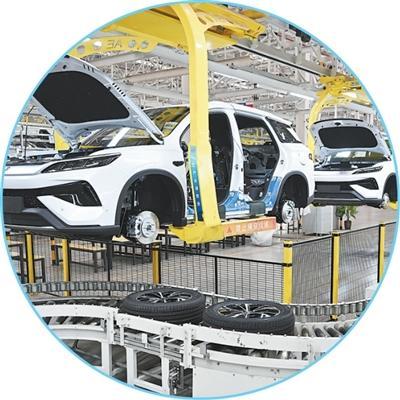
Core Insights - The automotive industry in China is experiencing significant growth, with three major companies achieving the milestone of producing their 30 millionth vehicle, showcasing the strength of Chinese manufacturing and market vitality [1][2][8] Group 1: China Changan Automobile - Changan Automobile achieved its 30 millionth vehicle milestone in December 2025, completing this feat in just 4.5 years after reaching 20 million [2][6] - The company has established a clear five-brand matrix to cater to diverse consumer needs, aiming for over 1 million sales in new energy vehicles by 2025 [6][7] - Changan's global expansion strategy includes increasing local supply chain rates in international markets, with a target of 70% localization by 2027-2028 [7] Group 2: FAW-Volkswagen - FAW-Volkswagen has produced over 30 million vehicles since its establishment 34 years ago, generating over 5.5 trillion yuan in revenue and creating over 500,000 jobs [8][9] - The company is transitioning to a "Joint Venture 2.0 Era," focusing on independent research and development, with 155 innovation projects initiated in 2025 [9][12] - FAW-Volkswagen is set to launch its first new energy vehicle under the Jetta brand in 2026, featuring self-developed electronic and electrical architecture [11][12] Group 3: NIO Inc. - NIO has seen significant demand for its high-end ES8 model, achieving over 30,000 deliveries within 89 days of its launch [13][15] - The company has invested nearly 70 billion yuan in technology development, resulting in over 9,900 patents filed as of November 2025 [14][15] - NIO's innovative business model includes a battery swap system and comprehensive lifecycle services, enhancing customer engagement and operational efficiency [15][16]


晚高峰乘L3自动驾驶车辆体验如何?记者带你感知未来→
Yang Shi Xin Wen· 2025-12-31 20:44
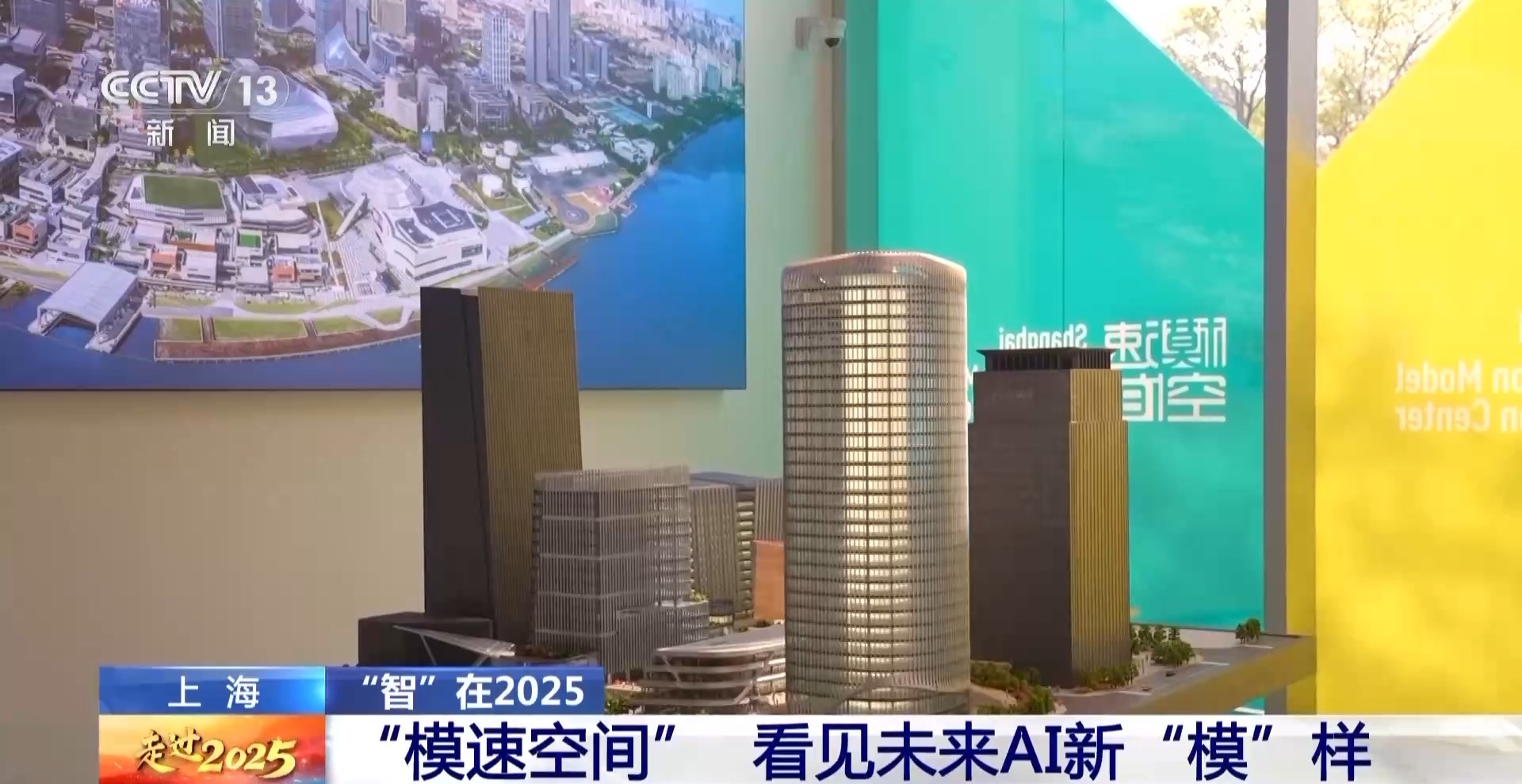
人工智能正加速来到人们身边,"模速空间"是上海市打造的人工智能大模型专业孵化和加速平台,这里汇聚了众多科技行业的标杆企业,共同推动关键技术 攻关与开源生态建设。"模速空间"究竟有何独特之处? 总台记者 王一喆:我现在所在的位置就是"模速空间"的具身工坊,我身边的这款人形机器人是这里的001号员工——模小速。现在它不仅能够完成导览等基 础工作,背后更凝聚着产业链协同的创新智慧。从机器人的本体研发一直到它的算力大脑,包括外观设计,在这里真正实现了楼上研发,楼下配套的高效协 同。 "楼上楼下"的协作模式,正不断催生具体的创新成果。近日,模速空间内一家企业发布了智能体服务平台,未来可服务于其它具身智能产品,眼下正依托空 间内的其他企业开展测试。 此次获批上路的车辆可以在重庆市内环快速路,以及新内环快速路和渝都大道的部分路段开展上路通行。重点考察L3级自动驾驶车辆在普通消费者乘坐的 情况下,系统的安全、舒适、高效及交规符合性,通过积累长周期、高密度的真实驾驶数据,持续提升L3级自动驾驶的可靠性与实用性。 重庆长安汽车股份有限公司副总裁 邓承浩:此次批量上路将通过真实的运行场景,积累不同交通状况下的实证数据,为下一步完善 ...
回望“十四五” | 破解“内陆困局” 构筑“价值高地”——“十四五”期间重庆辖区上市公司蝶变观察
Xin Lang Cai Jing· 2025-12-31 16:01
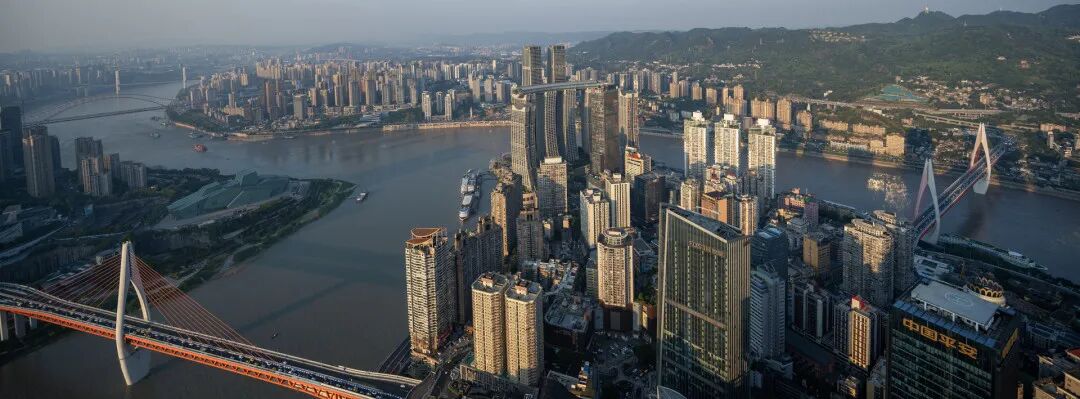
Core Insights - As of September 2025, the number of listed companies in Chongqing reached 78, an increase of 20 from early 2021, with a total market capitalization exceeding 1.25 trillion yuan, representing a growth of 28.87% from the end of 2020 [2][11] - The "14th Five-Year Plan" period has seen Chongqing's securities regulatory authority implement policies to enhance both the quantity and quality of listed companies, contributing to high-quality economic development in the region [2][12] - Chongqing is leveraging capital to drive a structural revolution, with significant increases in core indicators such as revenue, R&D investment, and tax contributions, with R&D investment surging by 127.45% over five years [2][11] Group 1: Structural Changes and Innovations - The transformation of Chongqing's listed companies from quantity to quality is facilitated by institutional innovations, including government-guided funds and bankruptcy restructuring, providing a replicable model for inland cities [4][13] - Notable examples include the integration of resources between China National Pharmaceutical Group and Taiji Group, breaking down barriers in the pharmaceutical industry and fostering deep integration between central enterprise capital and local market networks [4][13] - The shift towards a light-asset model by companies like China Communications Construction Company has improved asset turnover rates by 37%, prompting a transition from land development to urban operations [4][13] Group 2: Bankruptcy Restructuring - For companies facing operational difficulties, Chongqing has adopted a challenging path of market-oriented bankruptcy restructuring to rebuild corporate value, as exemplified by Jinke Group's transformation into a comprehensive real estate operator [5][14] - The regulatory authority emphasizes that bankruptcy restructuring should not be seen as an endpoint but as a process that tests the long-term governance capabilities of the capital market [5][14] Group 3: Innovation Ecosystem - Chongqing's innovation has evolved from a focus on input quantity to an ecosystem approach, integrating "institution + scenario" to embed technological innovation deeply within the industrial landscape [6][15] - Leading companies like Changan Automobile have established significant research facilities, enhancing technology transfer rates to 42%, surpassing the national average of 28% [6][15] - The city is actively developing systemic support for innovation, including the establishment of technology transfer research institutes and specialized technology incubators [6][15] Group 4: Green Transformation - The green transformation of Chongqing's listed companies has integrated ESG (Environmental, Social, and Governance) principles into core competitive advantages, with the number of companies disclosing sustainability reports doubling to 41 since 2021 [7][16] - Companies like Seres have achieved high ESG ratings, which not only attract international capital but also facilitate market entry into the EU, reducing export costs by an average of 8% due to carbon tariffs [7][16] - Innovations in green finance, such as the issuance of green bonds linked to carbon reduction, have transformed financing into a dynamic value creation mechanism [7][16] Group 5: Strategic Positioning - Chongqing's listed companies have found a clearer positioning within national strategies, actively participating in regional development and international trade initiatives, becoming key players in the Chengdu-Chongqing economic circle and the Western Land-Sea New Corridor [8][17] - Financial innovations have significantly reduced the time for enterprise financing approvals, enhancing regional collaboration and serving as a vital link in the national strategy [8][17] - The successful establishment of automotive research and manufacturing bases by companies like Changan and Seres is paving the way for Chongqing's transition from domestic leadership to international competitiveness [8][17] Group 6: Future Outlook - The achievements during the "14th Five-Year Plan" lay a solid foundation for Chongqing's listed companies in the upcoming "15th Five-Year Plan," with ambitions to evolve from an "industrial highland" to an "innovation source" [8][18] - Future plans include the establishment of a Western Science and Technology Innovation Financial Reform Pilot Zone and the creation of a "green technology international certification center" to lower compliance costs for companies entering global markets [8][17][18]
长安汽车重启60亿元定增:价格下调2.26元,资本市场泼冷水!
Xin Lang Cai Jing· 2025-12-31 15:54
在汽车行业竞争日趋白热化的时候,长安汽车(000625.SZ)试图通过定增补充"弹药库"。 2025年12月29日,在长安汽车金融城会议室召开的董事会上,审议通过了《关于终止公司2024年度向特定对象发行股票事项的议案》和《关于公司2025年 度向特定对象发行A股股票涉及关联交易的议案》。 黄桷树财经注意到,对于长安汽车的定增,资本市场算得上是冷眼相待。2025年12月30日至12月31日,2025年版定增方案披露后的前两个交易日,长安汽 车股价累计下跌0.34%。 2025年版定增方案和2024年版定增方案相比,有三点变了。 一是发行价格,2025年版是"9.52元/股",2024年版是"11.78元/股"。 三是限售期,2025年版增加了对发行前持股的限售要求,即中国长安汽车集团及其控制的企业在本次发行前所持有的公司股份在本次发行完成后十八个月 内不得转让,2024年版没有对发行前持股的限售要求。 2025年版定增方案和2024年版定增方案相比,有两点是未变的。 一是募集资金总额均不超过60亿元,核心投向均为"新能源车型及数智平台开发项目"与"全球研发中心建设及核心能力提升项目"。 二是发行数量,2025 ...
智能汽车产业深度研究:L3车型产品准入,智能汽车发展加速
Shanghai Aijian Securities· 2025-12-31 09:58
Investment Rating - The report rates the automotive industry as "Outperform" [2] Core Insights - The Ministry of Industry and Information Technology approved two models with L3 conditional autonomous driving capabilities, marking the transition of L3 autonomous driving from testing to commercial application in China [2] - The penetration rate of electric vehicles is expected to exceed 50%, with smart technology becoming a survival necessity for automakers. By 2030, smart vehicle sales in China are projected to exceed 30 million units [2][6] - The evolution of high-level autonomous driving technology is expected to accelerate, with significant breakthroughs anticipated in L4/L5 levels around 2027-2028 [2][13] Summary by Sections 1. Automotive Intelligence Transition - Automotive intelligence is moving from an introduction phase to a growth phase, transforming vehicles from traditional fuel-powered tools to AI-driven mobile terminals [6] - The penetration rate of electric vehicles in China is expected to rise from 50% to 80% between 2025 and 2030, with smart technology becoming essential for leading automakers [6] 2. High-Level Autonomous Driving as a Key Technology - High-level autonomous driving (L3-L5) is the main technological development line, with L2+ functionalities becoming widespread and L3 commercial trials beginning [7] - The report highlights the challenges faced in the development of high-level autonomous driving, including regulatory improvements and user acceptance [7] 3. Automotive Industry Chain Overview - The automotive industry chain consists of upstream suppliers providing core components, midstream solution providers integrating systems, and OEM manufacturers responsible for final vehicle performance [22] 4. Upstream Components: Computing Power as a Foundation - Domain controllers are crucial for the evolution of automotive electronic architectures, transitioning from distributed to centralized systems [30] - The demand for high computing power in autonomous driving and cockpit systems is increasing, with SoC chips becoming essential [51] 5. Midstream Vehicle Manufacturing: New Players Leading the Charge - New entrants in the automotive market are leveraging smart technology to gain competitive advantages, with a focus on high-end models priced above 200,000 yuan [2] 6. Downstream Operations: Emergence of New Business Models - The shift towards smart mobility is driving the development of new business models like Robotaxi, with expectations of over 30% penetration in the smart mobility market by 2030 [2][4] 7. Investment Recommendations - The report suggests focusing on leading automakers with full-stack self-research capabilities and component suppliers with technological advantages in high-growth segments [2]


国内降温、国外火热,插混出口暴涨 跳板作用凸显
Zhong Guo Qi Che Bao Wang· 2025-12-31 09:33
Core Viewpoint - The demand for plug-in hybrid vehicles (PHEVs) is declining in the domestic market but is surging in overseas markets, driven by global automotive industry transformation, changes in trade environments, and technological advancements by Chinese automakers [2][16]. Group 1: Market Performance - In November, PHEV exports reached 124,000 units, a month-on-month increase of 37.3% and a year-on-year increase of 400%, significantly outpacing pure electric vehicle (EV) growth [2]. - From January to November, PHEV exports totaled 842,000 units, a year-on-year increase of 240%, compared to less than 300,000 units for the entire previous year [2]. - In Shanghai, the export value of hybrid vehicles reached 25.72 billion yuan, a substantial increase of 174.8% [2]. Group 2: Charging Infrastructure Disparities - The development of charging infrastructure is uneven globally, creating a natural market space for PHEVs, especially in regions like Europe and Southeast Asia where fast-charging facilities are lacking [3]. - As of the end of 2024, Europe is projected to have nearly 1 million public charging stations, but this growth is insufficient to meet the demand from the increasing number of EVs [3]. - In Germany, the ratio of electric vehicles to public charging stations is approximately 16.7:1, indicating a significant shortfall in charging infrastructure [4]. Group 3: Trade Policy Impacts - Trade policies favoring PHEVs have emerged as a significant driver for their export growth, as many countries impose high tariffs on pure EVs while exempting PHEVs [6][7]. - The EU has announced a 5-year anti-subsidy tax on Chinese pure EVs, while PHEVs remain exempt due to their classification as transitional technologies [7]. - Similar favorable policies exist in markets like Brazil and Indonesia, where PHEVs benefit from lower import tariffs compared to pure EVs [7][8]. Group 4: Domestic Market Trends - The domestic PHEV market is experiencing a slowdown, with a year-on-year growth of 16.4% from January to November, compared to 41.2% for pure EVs [9][11]. - The initial demand for PHEVs driven by license plate advantages is diminishing as cities adjust their policies, leading consumers to prefer pure EVs [9]. - The improvement of charging infrastructure in urban areas has reduced the appeal of PHEVs, as consumers find pure EVs more convenient [9]. Group 5: Competitive Landscape - The domestic PHEV market has become highly competitive, with over 150 models available, leading to price wars that have reduced prices by 10% to 15% [10]. - The increase in competition has pressured profit margins for manufacturers, prompting a more rational consumer choice [10]. Group 6: Technological and Cost Advantages - Chinese automakers have developed advanced PHEV technologies, such as the series-parallel hybrid system, which enhances energy efficiency and driving experience [13][14]. - The complete supply chain for PHEVs in China allows for lower production costs compared to European counterparts, making Chinese PHEVs more competitively priced in international markets [14]. - The cost advantage is evident, with Chinese PHEV SUVs starting at approximately 36,000 euros, significantly lower than similar models from European brands [14]. Group 7: Future Outlook - The growth of PHEVs in overseas markets provides a crucial support for the global expansion of Chinese automakers, allowing them to leverage their technological and cost advantages [15][16]. - As global charging infrastructure improves and pure EV technology advances, PHEVs may gradually exit mature markets but will continue to meet demand in emerging markets [15]. - The long-term vision remains focused on pure EVs as the ultimate goal, but PHEVs will play a vital role during the global energy transition [15].





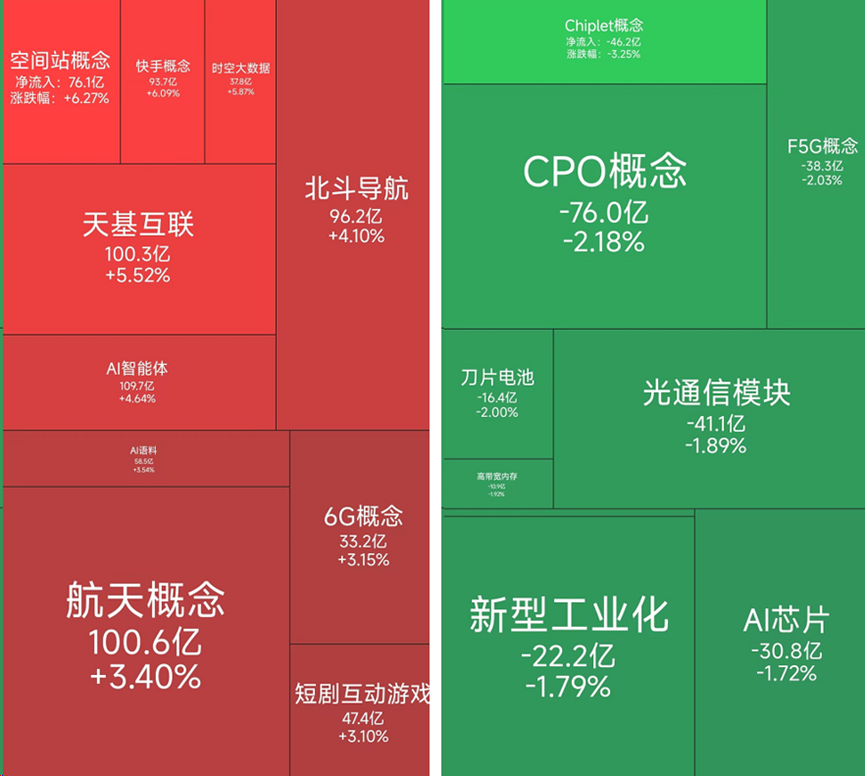
空间站概念领涨,53位基金经理发生任职变动
Jin Rong Jie· 2025-12-31 07:57
Market Performance - On December 31, A-shares showed mixed performance with the Shanghai Composite Index up by 0.09% closing at 3968.84 points, while the Shenzhen Component Index fell by 0.58% to 13525.02 points, and the ChiNext Index decreased by 1.23% to 3203.17 points [1] Fund Manager Changes - On December 31, a total of 53 fund managers experienced changes in their positions, with 43 fund products announcing departures of fund managers, involving 19 individuals [3] - In the last 30 days (December 1 to December 31), 705 fund products saw fund manager departures, with 17 leaving due to job changes and 2 for personal reasons [3] New Fund Managers - On December 31, 86 fund products announced new fund manager appointments, involving 36 new managers [5] - Notably, Xia Linfeng from Huabao Fund has managed funds totaling 932 million, with the highest return of 211.80% from Huabao Ecological China Mixed A over a tenure of 10 years and 320 days [5] Fund Manager Performance - Dongfang Fund's current asset scale is 1.103 billion, with the highest return product being Dongfang Yue Ling Flexible Allocation Mixed Fund, achieving a return of 136.47% over 7 years and 112 days [4] Fund Company Research Activity - In December, Huaxia Fund conducted the most company research, engaging with 46 listed companies, followed by Southern Fund with 39 and Bosera Fund with 38 [7] - The most researched industry was specialized equipment with 156 instances, followed by chemical products with 120 [8] Recent Fund Research Focus - The most focused stock in the last month was Zhongke Shuguang, with 117 fund management companies participating in its research, followed by Haiguang Information and Chang'an Automobile with 117 and 86 respectively [11] - In the last week (December 24 to December 31), Zhongwei Co. was the most researched company with 26 fund institutions, followed by Xiangyu Medical and Desai Xiwai with 22 each [10][11]


2025中国汽车行业十大年度热点 | 精进2025——汽车行业10个十大年度盘点
Jing Ji Guan Cha Wang· 2025-12-31 07:20
Core Insights - The automotive industry in China has made significant progress in 2025, with a focus on stability and quality improvement, driven by a series of proactive policies and a shift towards value and innovation in competition [2][3] Group 1: Industry Performance - New energy vehicle (NEV) production and sales are expected to exceed 15 million units in 2025, with domestic sales accounting for over 50% of total automotive sales [3][4] - The total automotive production and sales reached approximately 31.2 million units in 2025, with NEVs making up 50.3% of domestic sales [3] - Automotive exports are projected to reach a record 7 million units in 2025, with NEV exports doubling year-on-year [5][7] Group 2: Regulatory Environment - The Chinese government has implemented unprecedented measures to address "involution" in the automotive industry, including new regulations and guidelines to maintain fair competition [8][9] - A comprehensive "Stability Growth Work Plan" was introduced to support the automotive industry, aiming for a 3% increase in total automotive sales and a 20% increase in NEV sales in 2025 [10][11] Group 3: Corporate Developments - The establishment of China Changan Automobile Group marks the formation of a new structure in the state-owned automotive sector, alongside other major state-owned enterprises [12][13] - Numerous automotive companies have listed or applied for listing on the Hong Kong Stock Exchange, reflecting the industry's robust growth and the need for strategic investment [20][21] Group 4: Technological Advancements - The release of two major technical roadmaps for intelligent connected vehicles and energy-saving NEVs outlines the development goals and timelines for the next 5 to 15 years [14][15][16] - The first L3-level autonomous driving vehicles have received approval for road use, marking a significant milestone in the commercialization of autonomous driving technology [17][18] Group 5: Market Expansion - The implementation of export licensing for pure electric passenger vehicles is expected to promote healthy development in NEV trade and enhance regulatory oversight [19] - The automotive industry is positioned as a key driver of the new technological revolution and industrial transformation, contributing significantly to the national economy [22][23]