LI AUTO(LI)

Search documents
Li Auto Inc. to Report Third Quarter 2025 Financial Results on November 26, 2025
Globenewswire· 2025-11-14 08:30
Core Viewpoint - Li Auto Inc. will report its unaudited financial results for Q3 2025 on November 26, 2025, before the U.S. market opens, followed by an earnings conference call on the same day [1]. Company Overview - Li Auto Inc. is a leader in China's new energy vehicle market, focusing on designing, developing, manufacturing, and selling premium smart electric vehicles [4]. - The company's mission is to create a mobile home and happiness, emphasizing safety, convenience, and comfort in its products and services [4]. - Li Auto is recognized for successfully commercializing extended-range electric vehicles in China while also developing battery electric vehicle platforms [4]. - The company began volume production in November 2019 and currently offers a range of models, including a flagship family MPV and several extended-range electric SUVs [4]. - Li Auto aims to expand its product lineup to reach a broader user base [4].



一见Auto说理想对2起质量事故内部问责处理18人
理想TOP2· 2025-11-14 08:23
Core Viewpoint - The company is undergoing internal accountability measures in response to quality incidents, with significant personnel changes and a focus on improving operational standards [1][2]. Group 1: Internal Accountability and Quality Issues - The company has held 18 personnel accountable for two major quality incidents, including insufficient verification of coolant in the MEGA battery recall and inadequate risk assessment for battery leakage [1]. - Specific departments, including R&D and quality assurance, have been identified as having primary and secondary responsibilities for these issues, indicating a need for improved risk management practices [1]. - The handling of the L-series lower arm issues has also led to accountability measures against four employees due to insufficient testing of grease in bushings [1]. Group 2: Company Culture and Leadership - There is a notable departure of employees who align with the company's values, while some remain but feel constrained in their ability to contribute effectively [2]. - The company's founder, Li Xiang, is seen as a driving force with the necessary motivation and structural support to navigate challenges and implement changes [2]. - The company's core values have evolved over time, emphasizing the importance of creating user value and adhering to scientific methodologies in operations [1].
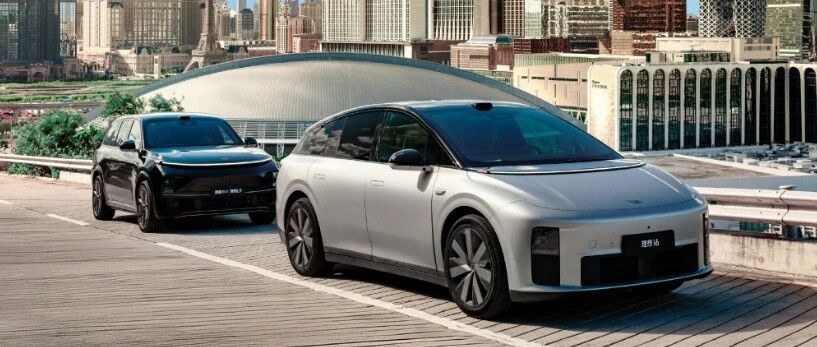
理想汽车发布两起质量事故处理公告,一共18名员工被问责
Xin Lang Ke Ji· 2025-11-14 08:03
Core Points - The company announced two quality incidents involving the 2024 MEGA vehicles and the 2025 L series vehicles, leading to accountability measures for several employees [1][2] Group 1: 2024 MEGA Vehicle Quality Incident - The quality incident regarding the 2024 MEGA vehicles was attributed to three main causes: insufficient verification of coolant, inadequate testing of battery leakage risks, and improper risk assessment by relevant departments [1][2] - Five employees were held accountable for the coolant leakage issue, with direct employees facing contract termination and their managers receiving performance penalties [1][2] - The company emphasized the importance of thorough testing and risk assessment to prevent such incidents in the future [1] Group 2: 2025 L Series Vehicle Quality Incident - The 2025 L series vehicles experienced issues with the lower arm bushing, leading to complaints about noise during use, which significantly affected user experience [2] - Four employees from the electric-intelligent chassis department were held accountable for insufficient testing of the bushing grease, resulting in the quality incident [2] - Similar to the previous incident, direct employees faced contract termination, and their managers received performance penalties [2]
新能源汽车技术路线再洗牌,增程车为何掉队?
Xin Lang Cai Jing· 2025-11-14 04:52
Core Insights - The article discusses the decline in sales of range-extended electric vehicles (REEVs) in the Chinese market, highlighting a shift towards pure electric vehicles (EVs) as their technology improves and consumer preferences change [1][3][8] Market Trends - Two years ago, Li Auto successfully introduced a range-extended system, making it the first among new energy vehicle companies to achieve annual profitability [1] - The popularity of REEVs led to a surge in competition, with multiple companies like AITO, Lantu, and Deep Blue launching similar products [1] - However, by mid-2023, sales of REEVs began to decline, with wholesale sales dropping for five consecutive months, and October's sales reaching 121,000 units, a year-on-year decrease of 1.9% [1][3] Consumer Preferences - The sales structure among new energy brands has shifted from a near-equal split of 49% for pure electric and 51% for REEVs in 2024 to 74% for pure electric and 26% for REEVs currently [1] - Improvements in pure electric vehicle range, charging convenience, and cost structure have reduced the appeal of REEVs [3][4] - Consumers are increasingly realizing that most daily commuting needs can be met by pure electric vehicles, leading to a decreased reliance on REEVs [3] Technological Developments - The average range of pure electric vehicles has increased from around 400 km to over 500 km, with some models exceeding 700 km [3] - Charging infrastructure has improved, alleviating issues like long wait times at charging stations during holidays [3] - The decline in battery costs has diminished the price advantage of REEVs, making pure electric vehicles more competitive [3][4] Industry Response - To enhance user experience, new REEV models are adopting a "large battery + small fuel tank" approach, with some models featuring battery capacities exceeding those of comparable pure electric vehicles [5] - The introduction of 800V high-voltage platforms and fast-charging technology aims to address the slow charging issue of larger battery REEVs [5] - There is a division within the industry regarding the optimal battery size for REEVs, with some advocating for larger batteries to improve user experience while others caution against resource waste [6] Regulatory Changes - Starting January 1, 2026, new regulations will raise the threshold for tax exemptions on new energy vehicles, requiring plug-in hybrid (including REEV) models to have a pure electric range of at least 100 km [6] - This policy aims to phase out less efficient "small battery + high fuel consumption" solutions, pushing the industry towards larger batteries and higher efficiency [6] Future Outlook - The future of REEVs may involve a shift towards green energy sources for their power generation, as companies explore alternatives like hydrogen fuel [7] - Despite the decline in popularity, REEVs may still serve a purpose in areas where charging infrastructure is lacking or for specific long-range needs [7][8] - The evolution of the REEV market reflects the dynamic nature of the automotive industry, emphasizing the importance of aligning technology with genuine consumer demand [8]
通用汽车下令数千家供应商剥离中国供应链,2027年前完成;苹果获得微信小游戏抽成15%;阿里秘密启动千问项目,对标ChatGPT
雷峰网· 2025-11-14 01:01
Group 1 - General Motors has ordered thousands of suppliers to eliminate Chinese components from their supply chains, aiming to complete this by 2027 [5][6] - Alibaba has secretly launched the "Qianwen" project to develop a personal AI assistant app, competing directly with ChatGPT [8] - Apple has reached an agreement with Tencent to take a 15% commission from WeChat mini-games, potentially earning 9 billion yuan annually [9][10] - Domestic GPU company Muxi has received approval for its IPO on the Sci-Tech Innovation Board, aiming to raise 3.904 billion yuan [10][11] - Tencent reported a Q3 profit of 63.13 billion yuan, with employee numbers exceeding 115,000 [15][16] Group 2 - Faraday Future announced it will adopt Tesla's NACS charging standard for its future models, allowing access to over 28,000 Tesla Superchargers [13][14] - Transsion Holdings plans to issue H-shares and list on the Hong Kong Stock Exchange, despite a 3.33% revenue decline in the first three quarters of the year [15] - The Ministry of Public Security in China is proposing new safety standards for vehicles, including limiting acceleration to under 5 seconds [19][20] - The Chinese government is mandating the use of domestic AI chips in cloud services, prioritizing Huawei's Ascend series [24][25] - Baidu's CEO stated that the majority of search results are now generated by AI, with a significant increase in rich media content [26] Group 3 - Microsoft CEO Satya Nadella revealed that the company has access to all research data from OpenAI's chip development [33][34] - Synopsys announced a layoff of about 2,000 employees as part of a restructuring plan to focus on AI chip design [35][36] - AMD's CEO Lisa Su expressed confidence in the company's growth, aiming to capture a significant share of the AI market currently dominated by NVIDIA [42][43] - Toyota plans to invest up to $10 billion in the U.S. over the next five years, marking a significant increase in its historical investment [45][46]






早报(11.14)| 全面崩跌!道指狂泻近800点,20万人一夜爆仓;欧盟加快对小额包裹征税;6G迎来重大进展!
Ge Long Hui· 2025-11-14 00:16
Group 1 - The Trump administration plans to expand the scope of food tariff exemptions to alleviate consumer anxiety over high food prices, potentially including beef and citrus products [2] - The European Union is reportedly accelerating efforts to tax small packages from Chinese e-commerce, with plans to implement this by early next year [2] - Multiple Federal Reserve officials express hawkish views on inflation, indicating concerns that inflation will remain above the 2% target for the next 2-3 years, and maintaining a cautious stance on future interest rate cuts [2] Group 2 - Major U.S. stock indices experienced declines, with the Dow Jones falling by 1.65%, the S&P 500 down by 1.66%, and the Nasdaq dropping by 2.29% [3][4] - Large technology stocks saw significant drops, with Tesla down over 6%, Intel down over 5%, and other major players like AMD and Oracle also declining [3][4] - Most popular Chinese concept stocks fell, with the Nasdaq Golden Dragon China Index down 1.59%, and notable declines in stocks like Baidu and Bilibili [3][4] Group 3 - Global asset performance showed gold prices reaching a three-week high before turning down, while offshore RMB rose over 200 points, breaking the 7.10 mark [5] - WTI crude oil futures for December closed up by $0.20, or 0.34%, at $58.69 per barrel, while Brent crude for January rose by $0.30, or 0.48%, to $63.01 per barrel [5] - Bitcoin dropped nearly 6% to below $98,000, with Ethereum also experiencing a decline of over 10% [5] Group 4 - BlackRock increased its holdings in Nvidia by nearly 19.47 million shares in the third quarter, while reducing its stake in Apple by 2.5 million shares [11] - Tencent reported a third-quarter revenue of 192.87 billion yuan, a year-on-year increase of 15%, with adjusted net profit rising by 18%, exceeding expectations [12] - JD.com reported third-quarter revenue of 299.1 billion yuan, a growth of 14.9%, surpassing expectations [13] - Bilibili's third-quarter net revenue totaled 7.69 billion yuan, a year-on-year increase of 5%, with adjusted net profit rising by 233% [14] Group 5 - The China Securities Regulatory Commission approved the IPO registration of Muxi Integrated Circuit Co., Ltd. on the Sci-Tech Innovation Board [15] - Alibaba has secretly launched the "Qianwen" project, aiming to develop a personal AI assistant app to compete with ChatGPT [16] - The Ministry of Commerce expressed hope for constructive solutions in discussions with the Netherlands regarding semiconductor supply chain issues [17]



平替时代:一家车企、一个行业如何被自己的成功困住
晚点LatePost· 2025-11-13 16:16
Core Viewpoint - The article discusses the challenges faced by Li Auto in the competitive landscape of the Chinese electric vehicle market, highlighting the shift towards price competition and the concept of "value-for-money" or "平替" (ping ti), which translates to "alternative" or "substitute" products that offer similar features at lower prices [4][8][39]. Group 1: Market Position and Competition - Li Auto has maintained its position as a leading new energy vehicle manufacturer since the success of its L9 model in 2022, but recently faced increased competition from rivals like XPeng and NIO, with XPeng surpassing Li Auto in market capitalization [4][6]. - In October, Li Auto's sales ranked seventh among new energy vehicle manufacturers, trailing behind brands such as Leap Motor, XPeng, Xiaomi, and NIO [4][6]. - The competitive landscape has intensified, with NIO entering the mid-range market and offering lower-priced models, further squeezing Li Auto's market share [8][21]. Group 2: Product Strategy and Pricing - Li Auto's i8 model was launched at a price exceeding 320,000 yuan, competing directly with Tesla's Model Y and NIO's models, but failed to gain traction due to its high price point [6][8]. - Following the underperformance of high-priced models, Li Auto shifted its strategy, launching the i6 at a significantly lower price, which quickly garnered 80,000 orders despite a low gross margin of around 10% [8][9]. - The company previously aimed for a 20% gross margin to fund R&D, but the current market dynamics have forced it to compromise on pricing to remain competitive [8][9]. Group 3: Industry Trends and Consumer Behavior - The article emphasizes that successful electric vehicles often serve as "平替" for more expensive models, with brands like BYD and Tesla leading the way by offering high-performance vehicles at competitive prices [9][11]. - The trend of "平替" has become prevalent in the industry, with various brands launching models that provide similar features to luxury vehicles at significantly lower prices, thus intensifying price competition [21][39]. - As the market matures, the differentiation between electric vehicles has diminished, leading to a focus on price and features rather than brand prestige [22][39]. Group 4: Future Outlook and Challenges - The article suggests that the ongoing price wars and the shift towards "平替" models may lead to a scenario where only the most efficient and scalable manufacturers survive, similar to trends observed in mature markets [39][46]. - The rapid technological advancements and the emergence of new players in the market have created a challenging environment for established brands, as they must continuously innovate to maintain their competitive edge [46][50]. - The article concludes that the electric vehicle market in China is characterized by an ongoing cycle of competition, where brands must adapt to consumer preferences for value and performance [39][50].

深夜,全线下跌!中国资产,逆市走强!
Sou Hu Cai Jing· 2025-11-13 15:33
Market Overview - The three major U.S. stock indices opened lower, with the Nasdaq Composite Index dropping over 1% at one point. As of the report, the Dow Jones fell by 0.1%, the Nasdaq declined by 0.89%, and the S&P 500 decreased by 0.49% [1][2] Chinese Stocks Performance - Chinese concept stocks showed resilience against the market downturn, with the Nasdaq China Golden Dragon Index recovering from an initial drop to gain 0.45% [2] - Leading Chinese tech stocks such as BYD, Alibaba, and Tencent saw increases of over 2%, while other popular Chinese stocks like Canadian Solar and Bawang Tea gained over 6% and 4% respectively [4] Government Shutdown Impact - The U.S. government shutdown lasted for 43 days, resulting in an estimated loss of $1.5 trillion, with significant impacts on the economy, including a projected 1.5 percentage point reduction in Q4 GDP growth [6] - The shutdown affected the release of key economic data, including the Consumer Price Index (CPI) and employment reports, which are crucial for investment decisions and Federal Reserve policy-making [10][11] Consumer Confidence - The U.S. consumer confidence index plummeted to a three-year low in November, declining by 6% from the previous month and nearly 30% year-on-year [7]



分享认为理想缺二把手论是次要矛盾的视角
理想TOP2· 2025-11-13 14:25
Core Viewpoint - The article analyzes the notion that Li Auto lacks a second-in-command, suggesting that the company needs a figure similar to Qin Zhi to enhance its operational efficiency and sales performance. However, the article emphasizes that the primary challenge lies in adapting the organizational structure to align with advancements in physical AI, rather than merely appointing a new executive [1][2]. Group 1: Reasons for Poor Sales Performance - The article identifies that the poor sales performance of Li Auto's vehicles this year is a result of a complex interplay of multiple factors, making it difficult to predict or analyze the exact causes [2]. - It discusses the concept of value creation, transmission, and delivery as fundamental to understanding product sales [3]. Group 2: Value Analysis of Different Models - For the L series, the article notes that the competitive advantage over peers has diminished, with the main iteration point being the autonomous driving chip. However, the differences between the Thor and Orin versions are not yet evident [4]. - The i8 model faced significant challenges in value transmission, as the launch did not meet consumer expectations, leading to negative publicity [6]. - The i6 model is viewed positively, with minimal controversy regarding its value creation, although there are plans for improvements in its features [7]. Group 3: Proposed Solutions for Li Auto - The company plans to enhance product capabilities significantly in the coming years, aiming for a more substantial improvement than seen in the 2025 L series [9]. - Li Auto intends to place greater emphasis on addressing negative public sentiment and effectively communicating its advantages [9]. - The company is exploring the possibility of obtaining a proprietary battery from the Ministry of Industry and Information Technology, although the timeline for this is uncertain [9]. Group 4: Long-term Competitive Advantage - Li Auto's long-term strategy focuses on developing L4+ autonomous driving capabilities integrated with AI, which will redefine the concept of smart vehicles [10][12]. - The company aims to create a high-concentration market environment, positioning itself as a strong competitor in this evolving landscape [12]. - Future plans may include significant investments in humanoid robots, although this is not an immediate focus [11]. Group 5: Organizational Structure and Future Outlook - The article suggests that the organizational structure required to support advancements in physical AI may not necessitate a large workforce, with projections indicating that revenue could increase significantly without a proportional rise in employee numbers [14].
10月新能源车销量“成绩单”:比亚迪销售44万,零跑超7万,蔚来/小鹏/小米破4万
高工锂电· 2025-11-13 11:39
Core Viewpoint - The article highlights the performance of various electric vehicle brands in October 2025, showcasing the sales growth and market dynamics in the Chinese electric vehicle sector, particularly during the traditional peak sales season. Group 1: Overall Market Performance - October 2025 marked a traditional peak sales season for the automotive market, driven by the National Day holiday's customer attraction effect and year-end policy adjustments [5] - Among the 12 tracked automotive brands, most reported positive growth in new energy vehicle sales for October, with only Li Auto and GAC Aion showing negative month-on-month growth [5] Group 2: Brand-Specific Sales Data - BYD sold approximately 441,706 vehicles in October, a month-on-month increase of 11.5% but a year-on-year decrease of 12.1%. Cumulatively, BYD's sales from January to October reached about 3.7 million, reflecting a year-on-year growth of 13.9% [6] - Leap Motor achieved a record high of 70,289 vehicle deliveries in October, marking a year-on-year increase of over 84% and a cumulative total of 465,805 vehicles for the year, up 120.7% [8] - Xpeng Motors delivered 42,013 vehicles in October, a year-on-year increase of 76% and a month-on-month growth of 1%. The cumulative total for the year reached 355,209 vehicles, up 190% [10] - NIO delivered 40,397 vehicles in October, with a year-on-year growth of 92.6%. The cumulative total for the year stands at 913,182 vehicles [13] - Xiaomi's vehicle deliveries exceeded 40,000 in October, maintaining the same level as the previous month but doubling compared to the same period last year. The cumulative total for the year surpassed 290,000, reflecting a growth of 283.2% [17] - Deep Blue Automotive sold 36,792 vehicles in October, with a year-on-year increase of 32.1% and a cumulative total of 269,058 vehicles for the year, up 57.1% [19] - Li Auto delivered 31,767 vehicles in October, showing a year-on-year decline of 38.2% and a cumulative total of 328,916 vehicles for the year, down 16.4% [22] - GAC Aion's sales reached 27,014 vehicles in October, with a year-on-year decrease of 32.6% and a cumulative total of 261,992 vehicles for the year, down 25.9% [24] - Zeekr delivered 21,423 vehicles in October, with a year-on-year decline of 14.5% but a month-on-month increase of 17.3%. The cumulative total for the year is 165,023 vehicles, down 1.7% [27] - Lantu delivered 17,218 vehicles in October, reflecting a year-on-year increase of 70% and a cumulative total of 114,210 vehicles for the year, up 82% [31] - Avita's sales reached 13,506 vehicles in October, with a year-on-year growth of 34.3% and a cumulative total of 104,245 vehicles for the year, up 104.6% [33] - Zhiji Automotive delivered 13,159 vehicles in October, marking a year-on-year increase of 31.6% and a cumulative total of 63,452 vehicles for the year, up 27.1% [36]