Nvidia(NVDA)

Search documents
GTC-OFC-年报一季报
2026-03-26 13:20
Summary of Key Points from Conference Call Records Industry Overview - **AI Computing Demand**: The demand for AI computing is expected to continue its explosive growth, with overseas computing power projected to increase by 150%-200% by 2026, while domestic computing power is expected to grow by 30%-50% [1][4]. - **Light Interconnection Sector**: The supply-demand situation in the optical interconnection sector is tight, with a significant increase in demand for 1.6T optical modules anticipated in 2026 [1]. - **Copper Interconnection and PCB Demand**: High growth in copper interconnection and PCB demand is expected, driven by upgrades in PCB layers and the value of optical connectors within cabinets reaching $30,000 to $50,000 [1]. Company-Specific Insights - **NVIDIA's LPU Architecture**: NVIDIA's LPU architecture has exceeded expectations, with SRAM capacity and bandwidth doubling, and the value of a single card's SRAM reaching $500. The V1 version is set for mass shipment in Q3 2026 [1][6]. - **Storage Sector Growth**: The storage sector is experiencing short-term high growth driven by price increases, with companies like 伟仕佳杰 benefiting from breakthroughs in B-end sales and margin improvements [1][4]. - **Consumer Electronics**: Companies like 裕同科技 are entering new markets through acquisitions, indicating a strong valuation margin [1]. Market Dynamics - **Geopolitical Impact on AI Industry**: Geopolitical conflicts may stimulate demand for data center reconstruction, further increasing the need for the AI industry chain. China's stable energy structure and social environment enhance its supply chain reliability [2]. - **Investment Opportunities in Internet and Gaming Sectors**: The valuation of Hong Kong's internet and gaming sectors is at historical lows (PE of 10-15), presenting opportunities for investment in quality assets [1][11]. Technological Developments - **Advancements in AI Hardware**: The GTC and OFC conferences highlighted the strengthening logic of the computing power industry, with advancements in CPU, optical modules, and copper cable interconnection technologies [3]. - **NVIDIA's Future Platforms**: The next-generation platform, Rubin, will integrate LPU but not all models will include it. The demand for GPUs and related hardware is expected to remain strong [8][9]. Financial Performance Expectations - **2026 Earnings Projections**: Overseas computing companies are expected to see significant earnings growth, with estimates of 150%-200% for the year. Domestic computing companies are projected to grow by 30%-50% [4][5]. - **Q1 Earnings Impact**: Q1 earnings for companies like 中际旭创 and 新易盛 may only account for 1/6 to 1/9 of annual profits, but are expected to show over 100% year-on-year growth [5]. Investment Strategies - **Focus on Value Stocks**: In the current market environment, stocks in the internet and gaming sectors, such as 腾讯 and 阿里巴巴, are seen as undervalued and present good investment opportunities [11][12]. - **Long-term View on AI Optical Interconnection**: The AI optical interconnection sector is expected to see significant growth, with a projected fivefold increase in market size from 2025 to 2030 [13][14]. Key Companies to Watch - **AI Optical Interconnection Companies**: Companies like 中际旭创 and 新易盛 are highlighted for their strong fundamentals and low valuations, making them attractive for investment [16][17]. - **Emerging Technologies**: The adoption of CPO and OCS technologies is expected to drive growth in the AI interconnection architecture, with significant market opportunities for companies involved [14][15]. Conclusion - The AI and optical interconnection sectors are poised for substantial growth, driven by technological advancements and increasing demand. Investment opportunities exist in undervalued companies within these sectors, particularly those with strong fundamentals and growth potential.

GTC-OFC总结-光互联-全液冷大时代
2026-03-26 13:20
Summary of Key Points from Conference Call Records Industry Overview - The industry is entering a new era characterized by optical interconnection and full liquid cooling, with the optical communication and liquid cooling sectors being the primary beneficiaries [1][2] Core Insights and Arguments - **Optical Module Demand**: Demand for traditional optical modules is stronger than expected, with Lumentum's 2027 capacity already secured by Google, indicating optimistic market expectations for 800G and 1.6T optical modules [2][1] - **XPO Module Introduction**: The introduction of the XPO module, featuring a rate of 12.8T and a single power consumption of up to 400W, necessitates liquid cooling for each optical module, reinforcing the trend towards full liquid cooling [2][1] - **New Technologies**: Technologies such as NPO, OCS, and CPO are actively advancing, with thin-film lithium phosphate materials gaining attention from optical module companies [2][1] - **Full Liquid Cooling Adoption**: The GTC conference confirmed that future products will adopt a 100% full liquid cooling solution, alleviating market concerns about some new products potentially not using liquid cooling [2][1] Key Developments in Chip and System Architecture - **Rubin System**: NVIDIA introduced the Rubin system, consisting of 7 chips and 5 architectures, set to be mass-produced in the second half of 2026, featuring HBM4 memory with a capacity of 288GB and a bandwidth 2.75 times that of HBM3e [3][4] - **Firman Architecture**: The next-generation GPU architecture "Firman" is designed for world models, utilizing TSMC's 1.6nm process, with a single GPU computing power of 50P and a 5-fold increase in inference performance compared to the previous generation [4][5] Market Expectations and Economic Concepts - **Token Factory Economics**: NVIDIA's "Token Factory Economics" concept emphasizes the importance of token throughput per watt as a core competitive metric, predicting AI chip demand to reach at least $1 trillion by 2027 [5][1] MSA Developments - **XPO, OpenCPX, and OCI**: These three MSAs aim to address core bottlenecks in optical interconnection for AI data centers, with XPO recognized for its innovative density and cooling capabilities, achieving 4 times the bandwidth density of mainstream OSFP optical modules [5][6] NPO and CPO Technologies - **NPO Technology**: Positioned as a mid-term solution for AI computing interconnection, NPO is expected to achieve scale before CPO, with significant reductions in power consumption and increased bandwidth density [7][1] - **CPO Technology**: CPO is gaining momentum, with NVIDIA planning to deploy it starting in 2026, and various companies showcasing CPO solutions at the OFC conference [8][9] OCS Technology - **OCS Commercialization**: OCS technology is moving towards large-scale commercialization, with Google and NVIDIA leading the way, promising significant reductions in latency and power consumption while enhancing bandwidth density [10][1] Hollow Fiber Technology - **Hollow Fiber Advancements**: Hollow fiber technology is transitioning to commercial use, with domestic manufacturers achieving global leadership in key metrics, offering significant bandwidth suitable for large-scale DCI interconnections [11][1]
GTC 2026 – 推理王国扩张 --- GTC 2026 – The Inference Kingdom Expands
2026-03-26 13:20
Summary of Nvidia's GTC 2026 Conference Call Company Overview - **Company**: Nvidia - **Event**: GTC 2026 Conference - **Date**: March 24, 2026 Key Announcements - Nvidia introduced three new systems: Groq LPX, Vera ETL256, and STX [5][6] - Updates were made to the Kyber rack architecture, including the introduction of the Rubin Ultra NVL576 and Feynman NVL1152 multi-rack systems [5][6] - The debut of CPO (Co-Packaged Optics) for scale-up networking was highlighted [5][6] - Jensen Huang's mention of InferenceX during the keynote was a significant highlight [5][6] Groq Acquisition - Nvidia "acquired" Groq for $20 billion to license their IP and hire most of their team, simplifying regulatory approval processes [10][11] - This transaction allows Nvidia immediate access to Groq's IP and personnel, facilitating rapid integration into Nvidia's systems [10][11] LPU Architecture - Groq's LPU architecture is designed to complement Nvidia's GPU, focusing on low latency and high bandwidth [12][13] - The LPU architecture includes various slices for different operations, such as VXM for vector operations and MEM for data loading [16][17] - The LPU's design emphasizes deterministic computation, allowing for aggressive instruction scheduling to hide latency [19] Performance and Market Position - The first generation LPU was built on a 14nm process, which was mature compared to competitors using more advanced nodes [20][21] - Groq's roadmap has stalled, with no LPU 2 shipped, widening the gap against competitors moving to 3nm processes [22][23] - The LPU 3 (LP30) is set to be productized by Nvidia, addressing previous design issues [30][31] Memory Hierarchy and Integration - The integration of SRAM in the memory hierarchy allows for low latency but at the cost of density and total throughput [27][28] - Nvidia aims to combine the strengths of LPU and GPU architectures to optimize performance in high-interactivity scenarios [45][46] Attention FFN Disaggregation (AFD) - AFD technique is introduced to improve decode phase latencies by leveraging the strengths of both GPUs and LPUs [45][46] - The decode phase in LLM inference is memory-bound, making LPU's high SRAM bandwidth advantageous [47][48] - Attention operations are stateful, while FFN operations are stateless, leading to their disaggregation for optimized performance [56][57] Future Developments - The next generation LP40 will be fabricated on TSMC N3P, incorporating more of Nvidia's IP and innovations like hybrid bonded DRAM [38][39] - Nvidia's roadmap includes significant advancements in memory capacity and bandwidth, with plans for future products to enhance performance [40] Conclusion - Nvidia's GTC 2026 showcased significant advancements in AI infrastructure, particularly through the integration of Groq's technology and the development of new systems aimed at enhancing performance in high-demand scenarios. The focus on low latency and high bandwidth solutions positions Nvidia favorably in the competitive landscape of AI hardware.
“词元”背后:新算力战争打响
财富FORTUNE· 2026-03-26 13:14
Core Insights - The article emphasizes that tokens are foundational to AI, marking a shift in productivity tools from mere software to entities capable of understanding and intervening in the physical world [1] - The rise of OpenClaw signifies a transformative moment in cloud computing, where new companies challenge traditional giants by focusing on efficiency and cost-effectiveness of tokens [4] Pricing Trends - Since March 2023, major cloud providers like Alibaba Cloud and Tencent Cloud have raised AI computing product prices by over 30%, with high-end GPU monthly rentals exceeding 50,000 yuan, indicating the end of the era of cheap computing [3] - Predictions suggest that global AI computing demand will grow by 58% year-on-year by 2026, with reasoning computing now accounting for over 70% of demand, and token consumption increasing by 2200% [3] OpenClaw and Token Dynamics - OpenClaw's rapid growth has positioned it as a potential new standard in AI tools, akin to Linux, and has catalyzed the emergence of token factories, shifting the focus from training to reasoning [6][7] - The introduction of OpenClaw has clarified token pricing, allowing it to be standardized and commercialized, moving away from the previous model where token value was highly variable [7] Cloud Computing Evolution - New cloud computing companies are emerging that focus solely on AI computing, optimizing for performance and cost efficiency, contrasting with traditional cloud giants that still carry the legacy of the internet era [4][12] - The transition to a "computing + skill" ecosystem is anticipated, with new cloud companies designed specifically for AI applications outperforming traditional ones in terms of efficiency [12][14] Competitive Landscape - Chinese new cloud companies are positioned to compete globally, leveraging a complete technology system, open-source contributions, and the ability to provide flexible computing solutions [18][19] - The competition between the US and China in the computing industry is expected to reach a dynamic balance, with both countries addressing their respective weaknesses [20]


NVIDIA Owns the Spotlight, But the Smart Money is Moving Downstream
247Wallst· 2026-03-26 12:50
Core Insights - Nvidia (NVDA) continues to lead the AI chip market under CEO Jensen Huang, but the stock has recently shown a lack of momentum despite strong quarterly results [2][4] - As 2026 progresses into a 'show me' phase for AI, major investors are reducing their positions in Nvidia and reallocating capital to adjacent opportunities [2][8] Company Performance - Nvidia remains at the forefront of the AI chip race, with significant investments in next-generation technologies, yet the stock has not gained traction following a strong quarter [4][6] - The recent trading activity indicates a mix of buying and selling among major investors, with some looking for less obvious AI winners downstream [5][14] Investment Trends - Investors are diversifying their AI chip investments beyond Nvidia, recognizing that it may not be the only significant player in the evolving AI landscape [7][14] - Companies like Coherent (COHR), Lumentum (LITE), and CoreWeave (CRWV) are highlighted as potential investment opportunities, particularly in the context of Nvidia's recent investments [10][11] Market Dynamics - The focus in 2026 is shifting towards monetization and prudent capital expenditure in AI infrastructure, which may help prevent a market bubble [8][9] - E-commerce and autonomous driving sectors are emerging as attractive areas for investment, with firms like Coupang (CPNG) and Pony AI (PONY) being noted for their potential [13][14]
英伟达AI“帝国”B面:20年收购史的“克制和清醒”
2 1 Shi Ji Jing Ji Bao Dao· 2026-03-26 12:49
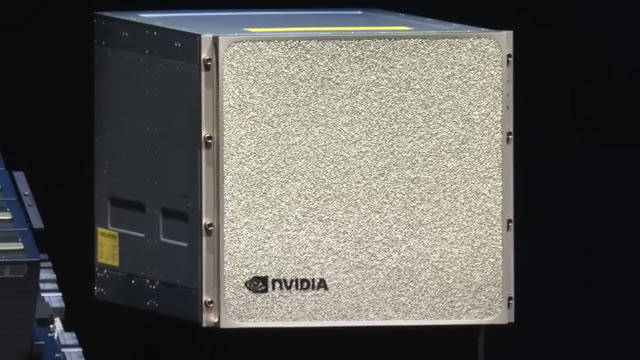
Core Insights - Nvidia's strategy has evolved from being a GPU manufacturer to becoming a comprehensive AI infrastructure architect, focusing on a complete ecosystem around computing power, networking, and software platforms [2][12] - Recent investments, including $2 billion each in Lumentum and Coherent, highlight Nvidia's proactive positioning in critical segments of AI infrastructure [2] - The company's acquisition strategy has been characterized by a disciplined approach, targeting key technological nodes and industry transitions rather than merely expanding scale [2][12] Acquisition Strategy Evolution - Nvidia's early acquisitions were aimed at consolidating its GPU dominance, starting with the $70 million acquisition of 3dfx in 2000, which eliminated a major competitor and established its leadership in the GPU market [3] - Between 2004 and 2009, Nvidia expanded its GPU capabilities through various acquisitions, including PortalPlayer for mobile computing and Mental Images for ray tracing technology [3][4] - A shift occurred post-2010, where Nvidia's acquisition strategy became more aggressive and diversified, attempting to enter the mobile communication market with the $367 million acquisition of Icera, which ultimately failed [5][6] Data Center and Regulatory Challenges - The acquisition of Mellanox for $6.9 billion in 2019 marked a pivotal moment, transitioning Nvidia from a GPU manufacturer to a provider of complete data center solutions, significantly enhancing its networking capabilities [6][8] - The failed $40 billion acquisition of Arm in 2020 due to regulatory hurdles led Nvidia to adjust its strategy towards more flexible capability enhancement and ecosystem binding [7][8] - From 2019 to 2022, Nvidia solidified its data center capabilities while pivoting towards a full-stack AI infrastructure platform, making data center business a core growth engine [8][10] AI Ecosystem Focus - In recent years, Nvidia has accelerated its acquisition strategy, focusing on AI software and computing orchestration, with 83 investment actions involving 76 companies by December 2025 [10][12] - Key acquisitions include OmniML for model inference efficiency and Run:ai for AI workload scheduling, which enhance Nvidia's capabilities across the AI development lifecycle [10][11] - The company has adopted a "class acquisition" model, integrating technology and teams without traditional full acquisitions, effectively managing regulatory pressures while enhancing its technological edge [11][12] Future Outlook - Nvidia's future acquisitions will continue to focus on AI ecosystems, particularly in AI inference, computing orchestration, data security, and foundational software [13] - The company aims to optimize its "class acquisition" model to further solidify its leadership in AI computing power amidst regulatory and competitive challenges [13]
NVIDIA Accused of Hiding $1B Crypto Mining Revenue as 'Gaming' — Lawsuit Moves Forward After Supreme Court Snu
Yahoo Finance· 2026-03-26 12:45
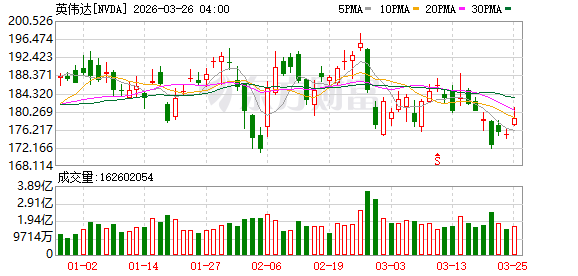
Core Viewpoint - NVIDIA Corporation and its CEO, Jensen Huang, are facing a class-action lawsuit for allegedly concealing over $1 billion in GPU sales related to cryptocurrency mining during the 2017-2018 boom, raising concerns about the company's historical reliance on the crypto market [1][7]. Group 1: Lawsuit Details - The lawsuit claims NVIDIA misclassified significant revenue from crypto mining under its Gaming segment, misleading shareholders about the sustainability of its growth and downplaying exposure to the volatile crypto market [2]. - Plaintiffs, led by a Swedish investment firm, argue that NVIDIA executives knowingly understated the impact of crypto miners on gaming segment revenue [2]. - Internal documents and testimonies suggest NVIDIA earned between $1.1 billion and $1.35 billion more from crypto-related GPU sales than publicly disclosed, primarily through GeForce gaming cards sold to miners [3]. Group 2: Market Impact - The lawsuit alleges that the majority of crypto-related sales were through consumer GeForce cards, particularly in high-demand markets like China [4]. - Following a crash in crypto prices in late 2018, NVIDIA reduced its revenue guidance due to excess inventory and declining miner demand, resulting in a stock drop of over 28.5% in just two trading days [4]. - This decline led to a significant loss in market value and triggered the original lawsuit in 2018 [4]. Group 3: Legal Proceedings - Judge Haywood S. Gilliam Jr. certified the class after NVIDIA could not demonstrate that its statements had no effect on its stock price [5]. - An internal email from a senior vice president indicated that the company's valuation remained high due to public assurances regarding its business [5]. - A case management conference is scheduled for April 21, 2026, as the lawsuit progresses [5].
Nvidia's Networking Revenue Just Grew 263%. The AI Trade Is No Longer Just About GPUs.
Yahoo Finance· 2026-03-26 12:45
Group 1: AI Opportunity and Nvidia's Role - The artificial intelligence (AI) opportunity is significantly driven by the increasing demand for Nvidia's graphics processing units (GPUs), but effective AI also requires more than just advanced chips [1] - Nvidia's networking revenue surged by 263% year over year, indicating that the construction of AI data centers is generating substantial demand across the supply chain [2] - Nvidia's stock has increased by 1,100% since 2022, largely due to the launch of OpenAI's ChatGPT, highlighting the company's critical role in AI advancement beyond just GPUs [4] Group 2: Nvidia's Financial Performance - Nvidia's networking revenue reached $11 billion last quarter, fueled by strong demand for its NVLink, Spectrum-X Ethernet, and InfiniBand products, which are essential for connecting GPUs [5] - The company's data center revenue grew by 75% year over year last quarter, with CEO Jensen Huang projecting $1 trillion in cumulative orders for its upcoming GPUs through 2027 [5] - Nvidia is currently trading at a low valuation of 21 times this year's earnings estimate, suggesting potential undervaluation relative to its long-term growth prospects [6] Group 3: Arista Networks and Market Position - Arista Networks experienced a record year in 2025, with revenue increasing by 29% year over year to reach $9 billion, capitalizing on the AI demand [7] - The company specializes in high-performance Ethernet switches and differentiates itself with its EOS software platform, which operates the entire network [8] - Arista's AI networking revenue was $1.5 billion in 2025, with expectations to more than double to $3.2 billion in 2026 [8]
Meet Figure AI — The $39 Billion Robot Startup Backed By Bezos, Nvidia And OpenAI
Benzinga· 2026-03-26 12:23
Core Insights - The article highlights the ambitious plan to deploy 100,000 humanoid robots (BotQ) within the next four years, marking a shift from conceptualization to practical implementation in the robotics industry [2][3] Group 1: Deployment Strategy - The focus of the humanoid robots is on warehouses, factories, and repetitive industrial tasks, emphasizing immediate return on investment rather than home use [2] - The plan indicates that humanoid robots are transitioning from concept to commercialization more rapidly than anticipated [3] Group 2: Technological Backing - The initiative is supported by major players: Nvidia provides the computing power, OpenAI contributes the intelligence, and Amazon's logistics capabilities enhance the operational scale [4] - This collaboration represents a comprehensive approach to "physical AI," where software not only generates content but also performs physical tasks [4] Group 3: Competitive Landscape - Figure's strategy contrasts with Tesla's approach, as Figure focuses on assembling partnerships and accelerating deployment, while Tesla builds vertically [5] - The first company to deploy robots in real environments will create a data flywheel, enhancing both hardware and AI through completed tasks [5] Group 4: Market Readiness - The key takeaway is that humanoid robots are on the horizon, and companies like Figure are already making strides towards their shipment [6]
Nvidia: The Market Is Wrong, Time Will Tell (NASDAQ:NVDA)
Seeking Alpha· 2026-03-26 12:15
Core Viewpoint - Nvidia is experiencing a paradox where its exceptional financial performance is not reflected in its stock price, which suggests that Wall Street anticipates a decline in its growth trajectory [1]. Group 1: Financial Performance - Nvidia delivers outstanding financial results, indicating strong operational performance [1]. - The stock is priced as if the company’s growth will soon diminish, despite its current success [1]. Group 2: Analyst Insights - Julian Lin, a financial analyst, focuses on identifying undervalued companies with sustainable growth potential [1]. - Lin emphasizes the importance of strong balance sheets and management teams in sectors with long-term growth opportunities [1]. - He leads an investment group that shares high-conviction stock picks aimed at outperforming the S&P 500 [1]. Group 3: Investment Strategy - The investment approach combines growth-oriented principles with strict valuation criteria to enhance safety margins [1]. - Features of the investment group include access to exclusive stock research, real-time trade alerts, and macro market analysis [1].