宝马

Search documents
瑞银:“反内卷”下的中国汽车经销商、保险业、互联网巨头们
Zhi Tong Cai Jing· 2025-07-25 10:30
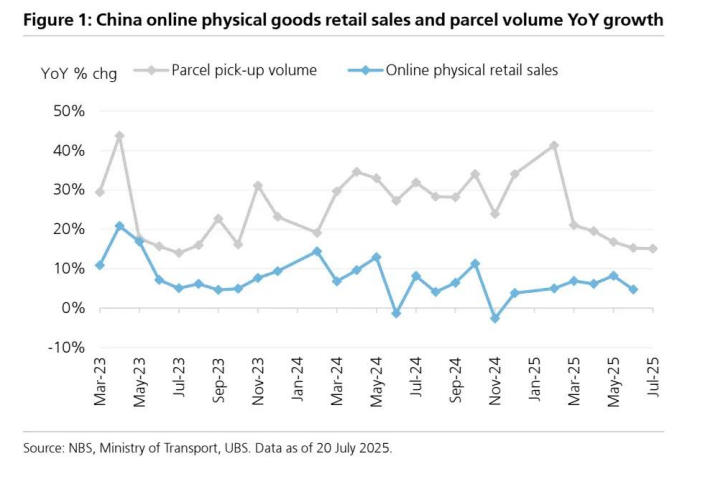
Group 1: Chinese Luxury Car Dealers - UBS analysts noted a recent stock price increase for Zhongsheng Group and Yongda Automotive, with respective rises of approximately 20% and 5% over the past five days, attributed to expectations of improved new car profit margins and market speculation on industry consolidation [2][3] - The Chinese government's crackdown on irrational competition is expected to stabilize retail prices and improve profit margins for dealers, which are sensitive to changes in new car profit margins [3][4] - Traditional luxury car brands are facing declining sales, with a 14% year-on-year drop in the first half of 2025, as domestic brands capture a larger market share, leading to potential further retail price discounts [4][5] Group 2: Chinese Insurance Industry - Following recent anti-involution measures, the Chinese life insurance sector saw a 9.1% increase in H-shares over four trading days, outperforming the Hang Seng Index [7] - Rising interest rates are expected to benefit life insurance companies in the long term, enhancing net asset value and reducing risks associated with interest spreads [8] - UBS anticipates that the upcoming lower pricing interest rate benchmark may make dividend-type policies more attractive, benefiting insurers with strong investment and distribution capabilities [8][9] Group 3: Chinese E-commerce Industry - The second quarter saw a 6.3% year-on-year increase in online retail sales, indicating a shift towards high-quality growth, with improved return rates attributed to policy changes on e-commerce platforms [11][12] - Instant retail investments by Alibaba and JD.com have led to a recovery in daily active users, although the conversion rate of new traffic remains lower compared to traditional channels [13][14] - UBS favors Alibaba in the e-commerce sector due to its potential in artificial intelligence-related businesses and expects significant value realization if execution is successful [18]

倒计时下的墨西哥:新逻辑与潜规则
暗涌Waves· 2025-07-25 06:16
Core Viewpoint - The article discusses the complexities and challenges faced by Chinese companies operating in Mexico amid changing trade dynamics and tariffs, particularly in the context of US-China relations and the evolving economic landscape in Mexico [1][3][5]. Group 1: Trade Dynamics and Economic Impact - The upcoming US-China trade talks in Sweden are seen as a significant indicator of the future of bilateral economic relations [1]. - Mexico, as a key partner for China in Latin America, has experienced a decline in economic growth forecasts, with the IMF revising Mexico's growth from 1.4% to -0.3% for the year [3]. - The "China+1" strategy, which involves using Mexico as a manufacturing hub for exports to the US, is under threat due to increased tariffs and trade tensions [3][10]. Group 2: Manufacturing and Investment Challenges - Many Chinese companies have halted or reduced their investment plans in Mexico due to uncertainty surrounding US tariffs, particularly after Trump's announcement of a 30% tariff on Mexican imports starting in 2025 [10][11]. - Despite the challenges, there is still a strong interest in establishing manufacturing operations in Mexico, as evidenced by the continued inquiries from companies looking to enter the market [11][12]. - The need for Chinese manufacturers to adapt to local conditions and regulations in Mexico is emphasized, as the government aims to attract foreign investment while increasing local production [11][12]. Group 3: E-commerce and Market Potential - Mexico's growing e-commerce market, with a population of 130 million and a GDP per capita of $13,000, presents significant opportunities for Chinese companies [14]. - The internet penetration rate in Mexico is 86.51%, with e-commerce penetration at only 18%, indicating a market ripe for growth [14]. - Chinese platforms like SHEIN and TikTok are actively investing in the Mexican market, capitalizing on the high consumer potential [14][15]. Group 4: Local Adaptation and Management Strategies - Successful Chinese companies in Mexico tend to have a high proportion of local talent, which aids in navigating the complexities of the market [26][27]. - The importance of local leadership and understanding of the cultural and operational landscape in Mexico is highlighted as crucial for success [22][25]. - Companies are encouraged to embrace local practices and respect cultural differences to foster better relationships with local employees and stakeholders [25][26]. Group 5: Regulatory Environment and Compliance - The article discusses the dual nature of compliance in Mexico, where businesses must navigate both legal regulations and informal relationships [30][31]. - The increasing scrutiny on imports and the potential for stricter regulations on Chinese goods are noted as ongoing concerns for companies operating in Mexico [17][18]. - The need for companies to maintain compliance while also being aware of the local political and economic landscape is emphasized as critical for long-term success [32][33].

几十万元买的车,中控屏感觉不是自己的,蔚来、奔驰、宝马等都被投诉过
21世纪经济报道· 2025-07-25 02:52
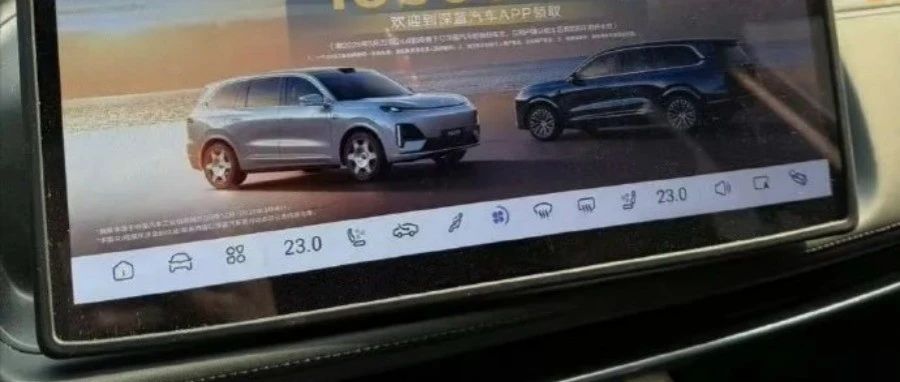
Core Viewpoint - The article discusses the controversy surrounding in-car advertising on digital screens, highlighting the lack of user control and regulatory clarity in the automotive industry [1][6][12]. Group 1: Advertising Controversy - The emergence of in-car advertising has sparked significant backlash from car owners, who feel that they have not consented to such advertisements [1][3]. - A specific incident involving Deep Blue Automotive's pop-up ads has led to complaints from numerous car owners, raising questions about the consent process and the visibility of advertising policies [3][5]. - The automotive display market is projected to grow from $16 billion in 2024 to $48.9 billion in 2034, indicating a lucrative opportunity for advertising [6]. Group 2: User Control and Privacy - Many car owners are now scrutinizing the privacy policies of automotive apps, which often include clauses about advertising and user consent [9][10]. - Users who refuse to accept privacy agreements may lose access to essential vehicle functions, leading to frustration and confusion about ownership rights [10][11]. - Legal experts argue that car owners should have full control over their vehicle's information and advertising content, but the current ecosystem is often closed and lacks transparency [12][14]. Group 3: Regulatory Challenges - The automotive industry is still in the exploratory phase regarding advertising regulations, with significant differences in how companies implement compliance measures [12][14]. - Current regulations for internet advertising do not adequately cover in-car advertising, leading to frequent complaints and confusion among users [16][18]. - The distinction between service notifications and advertisements is often blurred, complicating the consent process for users [17][18]. Group 4: Safety Concerns - The potential for in-car advertisements to distract drivers raises serious safety concerns, with no standardized technical guidelines to prevent such occurrences [18][19]. - The article draws parallels between the early days of smartphone advertising and the current state of in-car advertising, emphasizing the need for clearer regulations to ensure user safety [19].

硅谷观察:马斯克罕见哀叹处境艰难,卖不动电车指望无人出租车
Xin Lang Ke Ji· 2025-07-24 23:06
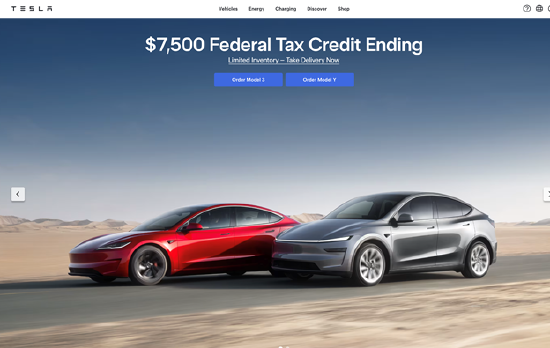
Core Viewpoint - Tesla is facing significant challenges with declining sales and revenue, leading to a bleak outlook for the company, as highlighted by CEO Elon Musk's repeated use of the term "difficult" during the earnings call [1][3][10]. Financial Performance - Tesla reported Q2 revenue of $22.5 billion, a 12% year-over-year decline, marking the largest drop in a decade [3]. - The automotive segment saw a 16% decrease in revenue, while the energy business declined by 7% [3]. - Gross profit for the quarter was $3.88 billion, down 15.3% year-over-year, and free cash flow was only $146 million, significantly below the expected $760 million [3]. Sales and Deliveries - Q2 vehicle deliveries fell by 13.5%, from 443,000 units in the same period last year to 384,000 units [4]. - Total vehicle deliveries for the first half of the year were 720,000, a 13.24% decrease compared to the previous year [4]. - In the U.S., Tesla's sales dropped by 13% in the first half of the year, with California experiencing a 21% decline in Q2 [6][7]. Market Challenges - Tesla is facing intense competition in the Chinese market, with Q2 sales of 129,000 units, a 12% year-over-year decline [7]. - The company is undergoing significant management changes in response to declining sales, with several key executives leaving [7]. Strategic Issues - Musk's controversial political actions have negatively impacted Tesla's brand image, particularly among liberal consumers in the U.S. and Europe [10]. - The cancellation of electric vehicle incentives and carbon credit trading could further harm Tesla's sales and revenue [14]. Future Outlook - Musk is focusing on autonomous vehicles and robotics as potential new revenue sources, despite current challenges in these areas [16][20]. - Tesla plans to expand its autonomous taxi service, although it faces regulatory hurdles and safety concerns [23]. - The company is expected to introduce a lower-priced version of the Model Y, which may help boost sales [15].

从“雪糕刺客”到破产:那些不把消费者当人的品牌,终被市场抛弃
Sou Hu Cai Jing· 2025-07-24 18:22
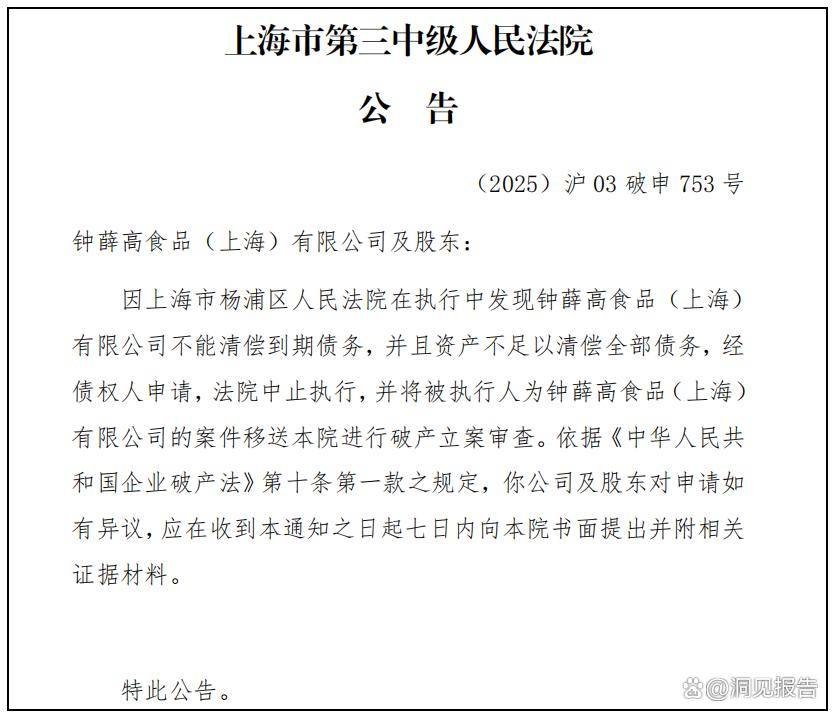
Core Viewpoint - The downfall of Zhong Xue Gao, once a leading high-end ice cream brand, is attributed to its failure to maintain product quality and integrity, leading to a loss of consumer trust and market position [2][4][7] Group 1: Company Performance - Zhong Xue Gao initially achieved significant success, selling ice cream at high prices and generating over 1 billion yuan in sales within a year [2] - The brand's image was severely damaged due to false advertising claims, such as "no added water," which were later proven to be misleading [4] - A viral video showing the ice cream not melting when heated further tarnished the brand's reputation, leading to consumer backlash [4] Group 2: Marketing and Consumer Trust - The founder's focus on marketing over product quality resulted in a disconnect with consumer expectations, particularly regarding health and ingredient transparency [4][5] - The brand's pricing strategy, which placed high-end products alongside cheaper options without clear labeling, contributed to negative consumer experiences and perceptions [4] Group 3: Industry Trends - The challenges faced by Zhong Xue Gao reflect a broader trend in the market where once-prominent brands are struggling due to a lack of respect for consumer needs and market dynamics [5][6] - Other luxury brands, such as BMW, are also experiencing significant sales declines, indicating a shift in consumer preferences towards value and quality over brand prestige [5] - The failure of brands like Zhong Xue Gao serves as a cautionary tale for companies that prioritize short-term gains over long-term consumer trust and product integrity [6][7]
全球车企为何转入电动化战略“回调期”
Zhong Guo Chan Ye Jing Ji Xin Xi Wang· 2025-07-23 22:30
Core Viewpoint - Major global automakers are adjusting their electrification strategies, reflecting a shift from aggressive timelines for electric vehicle (EV) transitions to a more balanced approach that includes internal combustion engine (ICE) and hybrid models [1][2][3] Group 1: Company Adjustments - Audi has withdrawn its plan to completely stop developing and selling ICE vehicles by 2033, focusing instead on electric models while still launching new ICE and plug-in hybrid models from 2024 to 2026 [1] - Mercedes-Benz has revised its electrification goals, shifting from a full transition to electric vehicles to a strategy where new energy vehicles (including hybrids) will account for up to 50% of sales by 2030 [1][2] - BMW has restarted its range-extended hybrid technology and lowered its sales expectations for electric models by over 20% [1][2] Group 2: Market Dynamics - The luxury automotive sector is facing significant challenges, with Audi's global sales down over 10% and electric vehicle sales down 8%, while Mercedes-Benz's electric vehicle sales fell by 23% [2][3] - BMW's total sales decreased by 4%, but its electric vehicle sales grew by 13.5% to 427,000 units, highlighting a mixed performance across the sector [2][3] Group 3: Profitability Challenges - Audi's operating profit fell nearly 40%, with a profit margin dropping to 6%; Mercedes-Benz's EBIT fell over 30%, and net profit declined nearly 30%; BMW's EBIT dropped by 39.2%, with a profit margin of 7.7% [3] - The profitability pressures are prompting traditional luxury automakers to reassess their aggressive electrification timelines, focusing on maintaining financial stability [3][4] Group 4: Broader Industry Trends - The trend of adjusting electrification strategies is not limited to German automakers but extends to the broader automotive industry, including ultra-luxury brands like Ferrari, Porsche, and Maserati, which are also delaying or revising their electric vehicle plans [5][6] - Japanese automakers like Honda are also revising their electrification budgets and sales targets, reflecting a need for adaptability in response to market conditions [6] Group 5: Strategic Insights - Analysts suggest that the adjustments reflect a rational return to industry development norms, acknowledging the complexities of technology maturation, cost control, and consumer acceptance [6][7] - The focus on maintaining profitable ICE and hybrid models is seen as essential for funding electric vehicle development and ensuring financial resilience amid market fluctuations [7]
豪车税起征点降至90万元 车企火速“兜底”
Mei Ri Shang Bao· 2025-07-23 22:16
Core Viewpoint - The new luxury car consumption tax policy, effective from July 20, reduces the tax threshold from 1.3 million yuan to 900,000 yuan, expanding the range of luxury vehicles subject to taxation, impacting brands like Mercedes-Benz, BMW, and Porsche, as well as some domestic electric luxury cars like the Yangwang U8 [1][2]. Group 1: Tax Policy Changes - The new tax policy includes a 10% consumption tax on luxury cars priced between 900,000 yuan and 1.3 million yuan, which previously were exempt from this tax [2]. - Vehicles with a retail price of 1,017,000 yuan or more (including a 13% VAT) will now incur additional taxes, resulting in a tax burden of 90,000 to 130,000 yuan for affected models [2]. Group 2: Market Response - Following the announcement, there has been a noticeable increase in foot traffic at luxury car dealerships, with many models like the BMW 7 Series and X7 selling out quickly [3]. - Brands such as Tesla have responded by lowering the starting price of the Model X to 899,000 yuan to avoid the tax threshold, while others like Jaguar Land Rover and Mercedes-Benz have introduced temporary subsidies to cover the new tax costs for consumers [4][5]. Group 3: Industry Insights - Industry experts support the tax adjustment, stating it reflects market changes and ensures tax stability without significantly increasing the tax base [3][5]. - The luxury car segment represents only about 0.1% of the overall car market, indicating that the tax changes will have minimal impact on average consumers [5].


力争跻身全球EMS行业第一梯队
Zhong Guo Zheng Quan Bao· 2025-07-23 21:00
Core Viewpoint - Guanghong Technology, founded in 1995, has transformed from a small electronic component processing factory into a leading global EMS (Electronic Manufacturing Services) provider, aiming to rank among the top ten in the global EMS industry by 2025 [1][5]. Group 1: Company Evolution - The company started with SMT (Surface Mount Technology) processing and initially struggled with a narrow client base, primarily serving a Japanese electronics group [2]. - Under the leadership of Tang Jianxing, Guanghong expanded its product offerings from laser heads to include audio systems, televisions, printers, and computer motherboards, leading to improved business performance [2]. - A significant turning point occurred in 2003 when the company secured an order from ZTE, marking its entry into the telecommunications EMS market [2]. - In 2007, after regaining control from a problematic Singaporean investor, the company refocused on mobile products and established connections with Huawei [2][3]. Group 2: Market Position and Strategy - The rise of smartphone brands like Huawei, Xiaomi, OPPO, and Vivo provided Guanghong with opportunities to grow, establishing partnerships with major companies due to its high product quality and competitive pricing [3]. - The company has been expanding its global footprint by setting up manufacturing bases in India, Vietnam, and Bangladesh to support the international sales of its clients [3]. Group 3: Automotive Electronics Growth - Guanghong has been diversifying into the automotive electronics sector, which has seen significant growth due to increasing electronic content in vehicles [4]. - The company became a supply chain partner for Valeo in 2021, significantly boosting its automotive electronics business, which grew from 0.58 billion yuan in 2021 to 1.592 billion yuan in 2024 [4]. - A strategic acquisition of AC Company for approximately 733 million yuan in 2025 is expected to enhance Guanghong's global market presence and position it as a primary supplier for major automotive manufacturers [4][5]. Group 4: Future Goals - Guanghong aims to enter the top ten of the global EMS industry within 3 to 5 years, currently ranking 14th, with a strong focus on automotive electronics as a second growth curve [5].

从宁德到图林根,一座工厂里的中欧“绿色共振”
Zhong Guo Jin Rong Xin Xi Wang· 2025-07-23 17:08
转自:新华社 新华财经柏林7月23日电(记者李函林 刘旸)盛夏的德国中部,图林根州阿恩施塔特,一座现代化电池 工厂正有序运转。厂房内,机械臂精准挥动,一枚枚蓝色电芯经过检测、打包和模组集成,整齐装入集 装箱。这些动力电池被陆续发往慕尼黑、英戈尔施塔特、斯图加特等城市,装配在宝马、奥迪、保时捷 等车企的最新款新能源汽车上,驶向欧洲市场。 这座充满中世纪气息的小城,曾是德国传统汽车工业重要基地,如今正成为中欧产业协作新坐标——来 自福建宁德的动力电池工厂在此落地生根,传统制造与绿色科技在此交汇,勾勒出一幅中欧绿色合作的 现实图景。 阿卜杜拉坦言:"起初我对'中国制造'还有些许偏见,但长期合作让我认识到,中国同事技术精细、操 作流程严谨,也很愿意分享经验。" 工厂投产初期,宁德时代曾从中国派驻数百名员工以保障生产顺利进行。如今,随着德国本地员工培训 体系逐步成熟,中方员工人数正持续减少。工厂的电芯模组集成、系统组装、包装出货已主要由本地员 工完成。 "我在德国工作快两年,月底就要回国了,多少有些不舍。"钱磊与德国同事相处熟络,也把关键工艺参 数调试经验传授给了他们。"现在,本地团队已能够独立开展制造工作了。" 技术 ...

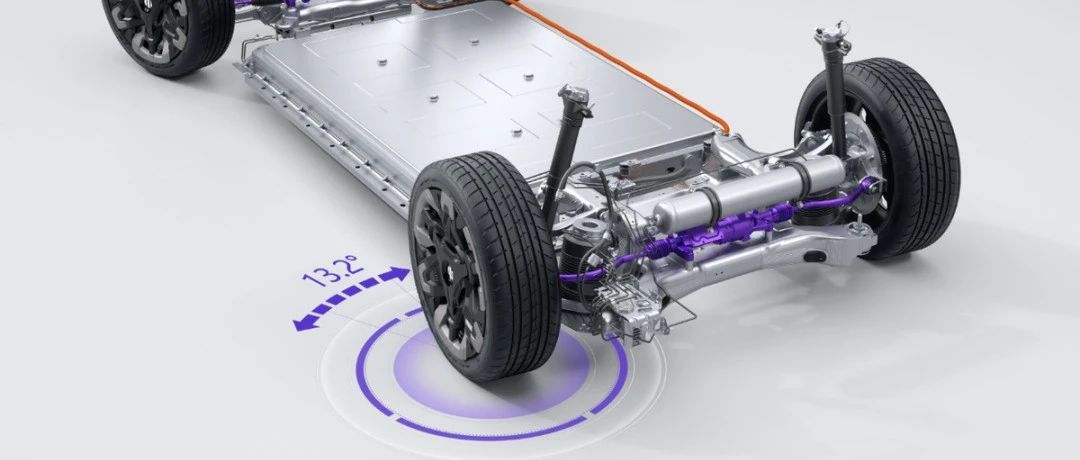
大车转弯半径秒变小车!被吹爆的后轮转向,真的叫好不叫座?
电动车公社· 2025-07-23 15:46
Core Viewpoint - The article discusses the increasing accessibility and adoption of advanced automotive technologies, particularly rear-wheel steering, which was once exclusive to high-end luxury and performance vehicles. Group 1: Technology Accessibility - Many high-end features that were once exclusive to luxury vehicles are now becoming standard in various models, including electric vehicles [1][2] - Technologies such as air suspension and advanced driving assistance systems have seen significant growth in recent years [2] Group 2: Rear-Wheel Steering - Rear-wheel steering, previously found in high-end models like Porsche 911 and Lamborghini Aventador, is now being standard in many domestic electric vehicles at lower price points [5][7] - Examples include models like the Tengshi N9 and Xiaopeng X9, which offer rear-wheel steering at prices around 400,000 and 300,000 respectively, with some models even exceeding 200,000 [8][10] Group 3: Benefits of Rear-Wheel Steering - Rear-wheel steering significantly enhances maneuverability, allowing larger vehicles to have a turning radius comparable to smaller cars, improving parking and navigation in tight spaces [10][13] - The technology also enables advanced features like crab walking, which relies on rear-wheel steering [14] Group 4: Market Penetration and Challenges - Despite its advantages, rear-wheel steering has a low global penetration rate of only 1.2%, indicating limited adoption compared to other technologies [17] - The complexity and cost of implementing rear-wheel steering systems, along with the need for additional space and maintenance considerations, hinder widespread adoption [53][67] Group 5: Historical Context and Evolution - The evolution of rear-wheel steering began in the late 19th century, with early attempts using simple mechanical systems, leading to its application in agricultural and military vehicles during the 20th century [18][22][24] - The transition to passenger vehicles occurred in the late 20th century, but early systems were passive and had reliability issues, prompting the development of more advanced active systems [29][32] Group 6: Future Prospects - Despite current challenges, domestic companies are investing in rear-wheel steering technology, which may lead to increased accessibility and innovation in the future [70][72] - The potential for domestic suppliers to disrupt the market and drive down costs is highlighted, suggesting a promising outlook for the technology's adoption [72][73]