红旗连锁

Search documents
消费股集体猛冲!但我开始提醒一些风险了
Sou Hu Cai Jing· 2025-06-04 21:23
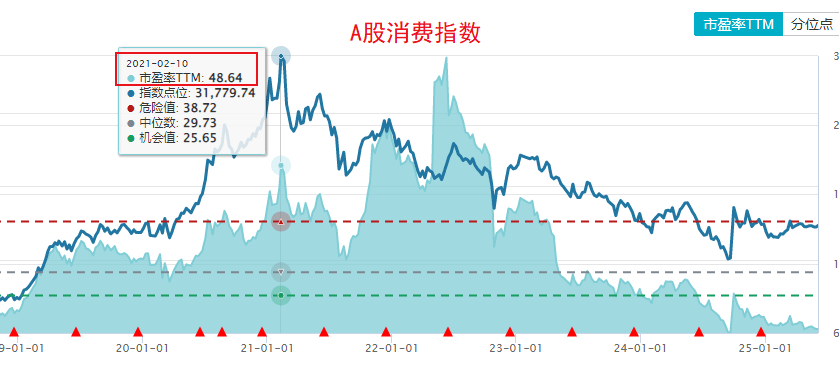
我觉得这些新消费里面,应该会有一些公司可以长期跑出来,比如泡泡玛特如果还能继续搞出下一个labubu,那还会继续牛,继续有100%以上的增长。 但其他一些业绩不好的新消费股也炒到这么高估值,很明显是不合理的。就是蹭着新消费,对标泡泡玛特说IP经济的概念故事割韭菜。 但这对我们组合配置的消费基金影响不大,因为恒生消费指数目前的PE估值也才18倍左右,而2021年A股的中证消费指数PE估值是55倍PE。所以,目前 消费股炒作也只局限于部分新消费股,持有指数ETF的话不用过分担心,我们持有的大部分消费股的估值依然便宜而且股东分红回报率不低。 数据来源:Wind 2、部分老读者朋友知道,我们小丸子也是在2021年接近行情顶部的时候买房。不过幸运的是,她当初没有听她家里人的意见去郊区买"远大新",而是选 择了在中山大学附近买了套"老破小"。由于周边有多所学校的教师人群住房需求支撑,所以她那里租售比不低。再加上加装了电梯,电梯带来的升值抵消 了部分房价下行,估计整体就跌10%左右。 每次跟小丸子聊起,她都觉得当初买老破小是很明智的选择。相比之下,她的表姐在2020年买了郊区的增城碧桂园云顶。我查了下,好家伙,这是广 州" ...

外卖补贴搅动咖啡、茶饮江湖 供应链成竞争关键
Zheng Quan Ri Bao· 2025-06-04 16:45
Core Viewpoint - The coffee and tea market is experiencing an unprecedented price war driven by aggressive subsidies from delivery platforms like JD and Taobao, leading to significant price reductions for various brands [1][2]. Group 1: Price War Dynamics - Delivery platforms have intensified their subsidy efforts, resulting in a surge in order volumes for brands like Kudi Coffee, which saw daily orders increase from approximately 100 to 600 after subsidy implementation [2]. - Kudi Coffee's product, originally priced at 7.9 yuan, is now available for as low as 1.68 yuan due to platform subsidies, with total costs remaining under 3 yuan [2]. - Luckin Coffee has also reduced prices on some drinks from 9.9 yuan to 6.9 yuan to strengthen its market position amid the price war [2]. Group 2: Market Impact and Brand Strategy - The subsidies are seen as a boon for coffee brands, with experts noting that coffee has become a necessity for the younger generation, making it an attractive target for delivery platforms [2][3]. - Tea brands like Mixue Ice City and Gu Ming are also benefiting from the subsidies, positioning themselves as long-term winners in this competitive landscape [2]. - Goldman Sachs has raised its profit forecasts and valuation multiples for Gu Ming and Mixue Ice City, increasing target prices significantly [2]. Group 3: Supply Chain Advantages - The construction of a robust supply chain is becoming a critical competitive factor in the price war, with companies that have optimized supply chains able to reduce costs and ensure product quality [4][5]. - Kudi Coffee has launched a new roasting facility in Anhui with an annual processing capacity of 75,000 tons, supporting daily sales of 10 million cups [4]. - Luckin Coffee has established multiple automated roasting facilities, achieving an annual roasting capacity exceeding 100,000 tons, creating a complete industry chain from cultivation to retail [4]. - Mixue Ice City leverages its five production bases across various regions to maintain control over raw material costs and quality, enhancing its competitive edge [4].


券商金股池,含“港”量上升!
Zhong Guo Ji Jin Bao· 2025-06-04 14:01
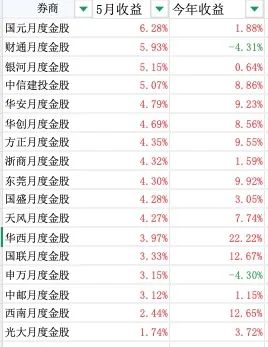
Core Viewpoint - The Hong Kong stock market has gained significant attention this year, with notable stocks such as Pop Mart, Mixue Ice Cream, and Laopu Gold reaching new highs as of June 4 [1] Group 1: Stock Performance - The stock prices of Pop Mart, Mixue Ice Cream, and Laopu Gold have all surged, achieving record highs in 2023 [1] - Tencent Holdings and Smoore International are among the popular Hong Kong stocks recommended by multiple brokerages [2][3] Group 2: Broker Recommendations - The number of Hong Kong stocks included in the broker's "golden stock" combinations has significantly increased compared to previous periods [3] - Tencent Holdings received recommendations from four brokerages: Huaxi Securities, Southwest Securities, Yongxing Securities, and Tianfeng Securities [3] - Xiaomi Group-W and Smoore International also received multiple recommendations from various brokerages [3][4] Group 3: Industry Recommendations - The pharmaceutical and biotechnology sector has reclaimed the top position in industry recommendation rankings after three years, with a recommendation rate of 10.2% [5] - The electronics and food and beverage sectors follow in second and third place, with recommendation rates of 9.3% and 6.58%, respectively [5] Group 4: Broker Performance - In May, 31 out of 46 brokerages reported positive returns from their golden stock combinations, with Guoyuan Securities leading with a monthly return of over 6% [6][7] - The top three performing brokerages in terms of golden stock returns for May were Guoyuan Securities, Caitong Securities, and China Galaxy Securities [6] Group 5: Market Outlook - The market outlook for June suggests a focus on large-cap growth stocks, with expectations of continued improvement in returns and win rates [7] - Historical trends indicate that large-cap growth stocks tend to outperform in June, while sectors like household appliances and power equipment remain undervalued [7]

电商平台新战事:新需求呼唤新供给
Sou Hu Cai Jing· 2025-06-04 07:14
Group 1: Changing Consumer Landscape - The Chinese consumer landscape is undergoing significant changes, with examples from various sectors indicating that consumers are willing to spend, but only for quality experiences [2] - The rise of new tea beverage brands like Mixue Ice City and Ba Wang Cha Ji illustrates the demand for both affordability and premium offerings, with Mixue selling 9 billion cups at 5 yuan each and Ba Wang selling 600 million cups at 20 yuan each [2] - The film industry also reflects this trend, as evidenced by the performance of "Ne Zha 2," which has grossed over 15.8 billion yuan despite a lackluster performance from other films during the same period [2] Group 2: E-commerce Evolution - E-commerce platforms are focusing on improving the business environment and upgrading supply to meet diverse consumer needs, marking a new era of e-commerce equality [3][4] - The rapid growth of e-commerce in China has transformed economic relationships between urban and rural areas, allowing for greater access to a variety of products [5][6] Group 3: Supply and Demand Equality - E-commerce has democratized consumption opportunities, enabling rural consumers to access a wider range of products and prices, particularly through platforms like Pinduoduo and Douyin [5][6] - The emergence of e-commerce has allowed rural producers to reach national and global markets, significantly reducing information gaps and promoting consumption equality [8] Group 4: Changing Consumer Demands - Consumer demands are becoming increasingly segmented, with varying preferences based on income levels and regional differences, highlighting the need for e-commerce platforms to adapt [9][10] - The rise of diverse consumer needs presents opportunities for e-commerce platforms to innovate and upgrade their offerings [10] Group 5: Supply-Side Upgrades - E-commerce platforms are investing heavily in merchant support to drive supply-side upgrades, with initiatives from Douyin and Pinduoduo aimed at reducing costs for merchants [11] - Pinduoduo's "100 Billion Support" plan aims to invest over 100 billion yuan in the next three years to enhance the quality of the e-commerce ecosystem [11] Group 6: Market Dynamics - The traditional e-commerce model has led to a "Matthew Effect," where larger brands dominate market share, making it difficult for smaller players to compete [12][14] - Small and medium-sized businesses face challenges in advertising and marketing, which can hinder their ability to innovate and compete effectively [14] Group 7: Consumer Perception of Value - There is a misconception that higher prices equate to better quality, but this is not always the case, as demonstrated by various product examples [16] - The focus should be on providing good supply at reasonable prices, rather than solely on brand recognition or high price points [16] Group 8: E-commerce Growth and Challenges - The evolution of China's e-commerce market has been rapid, with online retail sales now surpassing those of the US and UK combined [20] - The current challenge for e-commerce platforms is to adapt to increasingly fragmented and personalized consumer demands, necessitating a rethinking of supply and demand dynamics [23]


端午出游热度持续,民俗非遗、亲子出游热度高
GOLDEN SUN SECURITIES· 2025-06-04 02:43
Investment Rating - The industry investment rating is maintained as "Increase" [5] Core Viewpoints - The domestic tourism market shows a steady recovery with significant growth in various segments, including local travel, cultural heritage experiences, and family-oriented trips [3][4] - The overall consumer market is experiencing stable growth, with notable increases in sales across various retail sectors during the Dragon Boat Festival [4] - The tourism sector remains vibrant, with a marked increase in inbound tourism orders and significant growth in ticket sales for attractions [3][4] Summary by Sections Travel Data - During the Dragon Boat Festival, 119 million domestic trips were made, a year-on-year increase of 5.7%, and a 26.7% increase compared to 2019 [1] - Total domestic tourism expenditure reached 42.73 billion yuan, up 5.9% year-on-year, and 8.6% compared to 2019 [1] Hotel and Accommodation - High-star hotels in county areas saw a 73% increase in one-stop package bookings, with family-oriented bookings making up 33% [2] - The demand for high-end hotels and boutique accommodations has risen significantly during the holiday [3] Local and Cultural Tourism - Local and surrounding travel accounted for 64% of trips during the holiday, with a notable increase in demand for high-end hotels and vacation rentals [3] - Cultural heritage experiences related to the Dragon Boat Festival saw a 2.5 times increase in search volume for related keywords [3] Consumer Market Performance - Key retail sectors in Beijing achieved sales of 4.18 billion yuan during the holiday, a 1.6% increase year-on-year [4] - The restaurant sector in Beijing experienced nearly a 10% growth in consumption during the holiday [4] Inbound Tourism - A total of 5.907 million people crossed borders during the holiday, marking a 2.7% increase year-on-year [3] - Inbound tourism orders saw a nearly 90% increase compared to the previous year [3]
奔向5000亿,便利店进入“新混战”
3 6 Ke· 2025-06-03 23:27
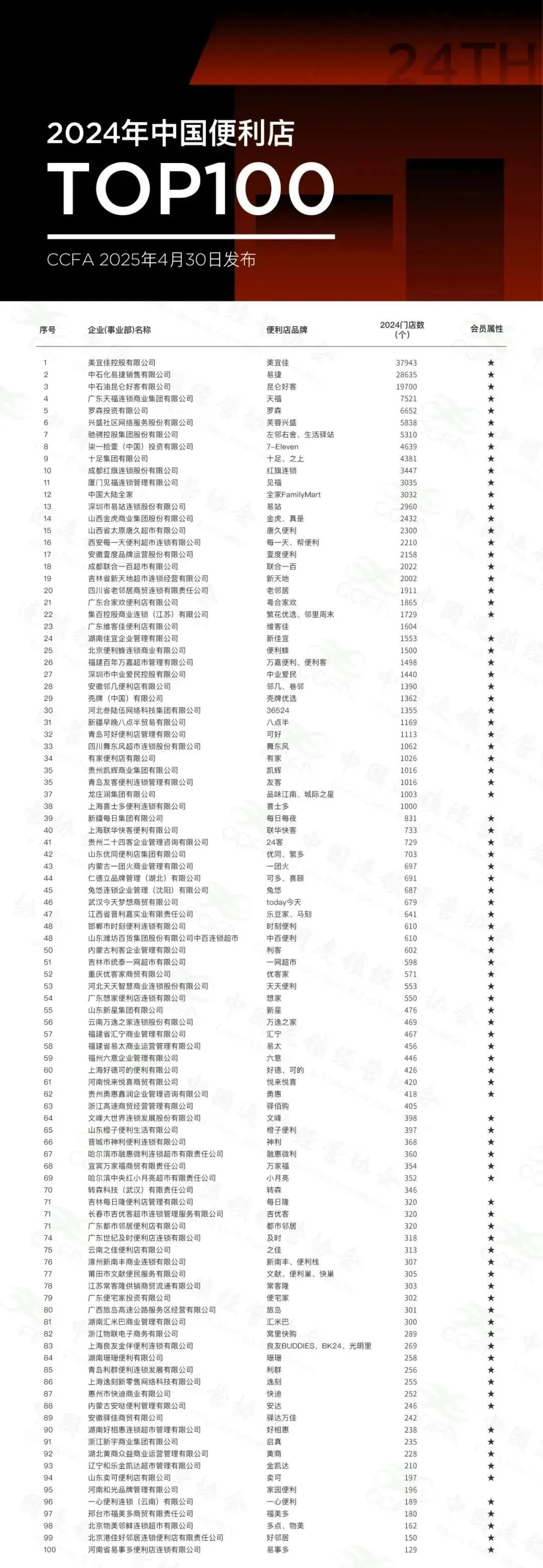
Group 1 - The convenience store sector is experiencing unprecedented growth, with a 9.1% year-on-year increase in retail sales, outperforming other retail formats [1] - The total number of convenience stores in China is projected to reach 196,000 by the end of 2024, reflecting a net increase of 14,000 stores, or 7.7% growth compared to 2023 [2] - The top three convenience store brands in terms of store count are Meiyijia (37,943 stores), Sinopec Easy Joy (28,635 stores), and PetroChina Kunlun (19,700 stores) [6][7] Group 2 - Meiyijia's aggressive expansion strategy has led to the opening of 4,095 new stores in one year, averaging 11.2 new stores per day [8] - The top 20 convenience store brands account for 75.57% of the total store count among the top 100, indicating a trend towards industry consolidation [6] - The convenience store market in China still has significant growth potential, with many cities having a low saturation rate of stores per capita compared to international standards [12] Group 3 - The competition in the convenience store sector is intensifying, with traditional players facing challenges from discount stores and online platforms [19] - The integration of online and offline sales channels is becoming essential, with nearly 40% of convenience store companies having adopted instant retail services by 2024 [20] - New entrants like Three Squirrels and Kudi Coffee are disrupting the market by leveraging their supply chain capabilities to offer competitive pricing [13][17] Group 4 - Convenience stores are evolving into "24-hour service stations," offering a wider range of products and services to enhance customer experience [25] - The trend of cross-industry collaboration is expected to grow, with convenience stores integrating offerings from food, fresh produce, and pharmacy sectors [26] - The focus on fresh food sales is increasing, with over 71% of surveyed companies prioritizing the optimization of fresh food categories to improve profit margins [25]

服务消费的新特征(国金宏观孙永乐)
雪涛宏观笔记· 2025-06-03 05:43
Core Viewpoint - The article discusses the recovery and trends in service consumption in China, highlighting the differences between service and goods consumption growth, as well as the performance of various sectors within service consumption. Group 1: Service Consumption Trends - Service consumption has shown a strong rebound for about a year, with a notable increase in growth rates for service retail compared to goods retail. In 2023, service retail grew by 20%, significantly outpacing the 5.8% growth in goods retail. In 2024, service retail is expected to grow by 6.2%, exceeding goods retail growth by 3 percentage points [2]. - The introduction of the "old-for-new" policy in 2024 has contributed to a sustained increase in goods consumption growth, with an estimated 1.5 percentage points increase in consumption driven by this policy [2]. Group 2: Sector-Specific Recovery - The fastest recovery within service consumption is observed in cultural entertainment and dining services, with 2023 year-on-year growth rates of 39.2% and 27.6%, respectively. Their share of cash consumption increased from 3% and 7.5% in 2022 to 3.7% and 8.7% in 2023 [5]. - In 2024, the growth rates for cultural entertainment and dining services are projected to be 10.6% and 8.4%, with their shares of cash consumption rising to 3.9% and 8.9% [5]. Group 3: Urban vs. Rural Consumption - Urban residents have shown a faster recovery in tourism consumption compared to rural residents, with tourism numbers and income recovering to 97.7% and 103.8% of 2019 levels, respectively, while rural residents lag at 81.4% and 84.7% [10]. - Rural residents are more inclined to spend on food, clothing, and daily necessities, with spending growth rates in these categories exceeding those of urban residents in 2024 [10]. Group 4: Seasonal Consumption Patterns - Tourism consumption exhibits a clear holiday concentration, with the proportion of total tourism numbers and income during major holidays like May Day and National Day remaining above pre-pandemic levels, despite a slight decrease from 2020 [11]. Group 5: Per Capita Spending Trends - Per capita tourism spending rapidly recovered to 90% of 2019 levels in 2023 but has since plateaued, indicating a stabilization phase in consumer spending patterns [12]. Group 6: Dining Consumption Insights - There is a notable disparity in growth rates between dining consumption in different market segments, with lower-tier dining establishments experiencing a 6.3% growth compared to just 3% for higher-tier establishments in 2024 [16]. - The performance of dining companies varies significantly based on their market focus, with those operating in lower-tier cities showing substantial profit growth, while those in higher-tier cities face declines [18].

15平日收1.7万,半年连开50店,这个小众品类爆发了!
3 6 Ke· 2025-06-02 09:16
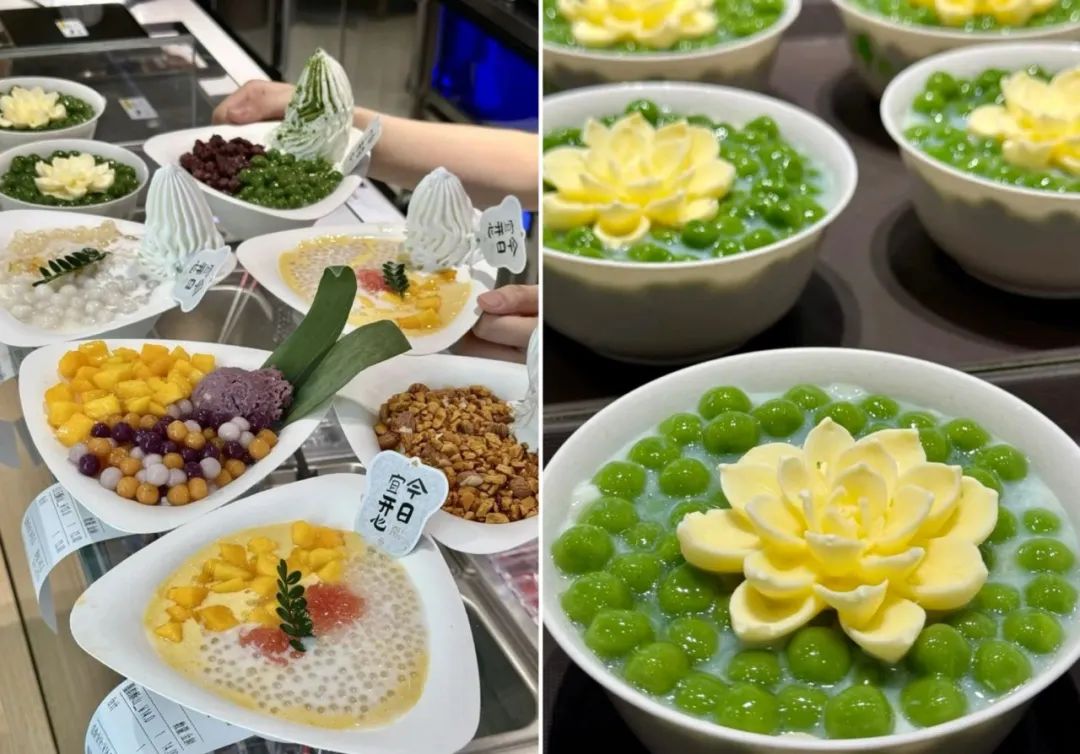
Core Insights - The new trend of "New Chinese-style ice cream" is rapidly gaining popularity, with brands like Zhi Nuo opening over 50 stores in less than six months and setting ambitious expansion goals [1][8][26] - Local ice cream brands are emerging strongly, with Bobo Ice reaching over 1,000 stores and Mr. Wild doubling its store count to over 560 [7][8] - The market is witnessing a shift from Western-dominated ice cream brands to a diverse range of local brands that incorporate traditional Chinese ingredients and aesthetics [8][26] Group 1: Market Dynamics - The "New Chinese-style ice cream" is becoming a focal point in the consumer market, inspired by historical Chinese desserts and flavors [1][3] - Zhi Nuo's unique offerings, such as the Zhi Zi Floating Nai Hua priced at 9 yuan, are attracting significant consumer interest, with some customers purchasing multiple times a day [3][10] - The trend is supported by the expansion of brands like Tea Yan Yue Se, which has opened over 400 stores, and the introduction of affordable ice cream options [3][8] Group 2: Product Innovation - Local brands are creatively using traditional Chinese ingredients, with products like Hong Lou's Gelato featuring local flavors and designs that resonate with consumers [5][10] - Zhi Nuo emphasizes seasonal product development based on the 24 solar terms, enhancing the cultural connection with consumers [10][15] - The aesthetic appeal of ice cream products is crucial for marketing, with visually striking designs becoming a key driver for consumer engagement [19][21] Group 3: Consumer Behavior - The ice cream market is diversifying across various price points, catering to different consumer segments from budget-friendly to premium offerings [14][15] - The perception of ice cream is shifting, with consumers willing to spend on experiences that offer both value and a sense of occasion [17][25] - The trend of enjoying ice cream is not limited to summer, as brands are strategically placing stores in malls to attract year-round customers [22][24] Group 4: Future Outlook - The year 2024 is anticipated to be a pivotal year for the Chinese ice cream market, characterized by local brands achieving significant growth and market presence [15][26] - The combination of high-quality products and effective marketing strategies is expected to drive further expansion and consumer acceptance of local ice cream brands [25][26]
经济低迷,不上班在家怎么挣钱养活自己,轻松简单
Sou Hu Cai Jing· 2025-06-01 23:07
Group 1: Economic Trends - The article discusses how certain industries can thrive during economic downturns, indicating that market demand persists but may shift in form [2] - High-cost consumption is transitioning to a focus on cost-effectiveness, with consumers becoming more rational in their purchasing decisions [3][4] Group 2: High Cost-Performance Consumption - Brands like Pinduoduo, Miniso, and Mixue Ice City exemplify the rise of high cost-performance consumption, which meets consumer expectations for value without compromising quality [3][5] - The growth of live-streaming e-commerce reflects a strong consumer demand for low-cost products, with top influencers achieving sales exceeding 100 million in a single session [6][7] Group 3: Emotional Consumption - Emotional consumption is emerging as a response to increased psychological stress, with products and experiences designed to provide emotional relief gaining popularity [8][9] - The pet industry is highlighted as a significant area of emotional consumption, with the market expected to exceed 300 billion yuan in 2024, driven by the growing trend of pet ownership as a source of emotional support [9] Group 4: Self-Improvement Investment - There is a surge in demand for self-improvement, as individuals seek to acquire hard skills to combat job insecurity and economic uncertainty [10][12] - Online education and skill training are becoming attractive options for many, as they offer quick entry into new fields and enhance job competitiveness [11][13] - The development of a self-improvement ecosystem is underway, encompassing online platforms, personal courses, and knowledge-sharing communities [14]

中企开拓南美市场 巴西双语人才紧俏
Zhong Guo Xin Wen Wang· 2025-06-01 05:01
Core Insights - The demand for bilingual talent in Brazil is surging as Chinese enterprises expand their presence in the South American market, with over 2,100 job seekers attending the seventh China-Brazil Talent Recruitment Fair [1][3][4] - The fair featured 32 Chinese companies offering more than 400 quality job positions across various sectors, indicating a significant increase in recruitment activity [1][4] Group 1: Recruitment Trends - The number of participating companies has grown, with 32 firms covering industries such as engineering, telecommunications, manufacturing, agriculture, mining, retail, and the internet [4] - The number of job positions available has significantly increased, with over 400 positions that include technical research, project management, marketing, and bilingual services [4] - The number of applicants has reached a historical high, with over 2,100 job seekers, three times more than the previous year [4] Group 2: Industry Focus - Chinese companies are not only focusing on traditional sectors like agriculture and mining but are also actively exploring new areas such as green energy and digital economy [4] - Technical engineering positions remain the dominant focus at the recruitment fair, particularly in telecommunications, machinery, and energy sectors [4] - Financial and tax-related positions account for over 20% of the job offerings, indicating a push towards localization and compliance among Chinese enterprises in Brazil [4]