
Codelco

Search documents
国泰君安期货商品研究晨报:贵金属及基本金属-20251023
Guo Tai Jun An Qi Huo· 2025-10-23 01:50
Report Overview - Report Date: October 23, 2025 - Report Title: Guotai Junan Futures Commodity Research Morning Report - Precious Metals and Base Metals 1. Report Industry Investment Ratings - Not provided in the given content 2. Core Views - **Gold**: The Russia-Ukraine crisis has eased [2][4] - **Silver**: Spot contradictions have eased, with prices rising and then falling [2][5] - **Copper**: Reduced inventory supports prices [2][9] - **Zinc**: Ranging within a certain interval [2][12] - **Lead**: Reduced inventory supports prices [2][16] - **Tin**: Attention should be paid to macro - impacts [2][18] - **Aluminum**: The trend is oscillating and slightly bullish; Alumina is grinding at the bottom; Cast aluminum alloy follows electrolytic aluminum [2][21] - **Nickel**: In the short - term, there is a narrow - range oscillation, and contradictions are still accumulating [2][23] - **Stainless Steel**: It is difficult to find an upward driving force in supply and demand, and costs limit the downside space [2][23] 3. Summary by Commodity Gold and Silver - **Gold**: The closing prices of domestic and international gold - related contracts generally declined. For example, the daily decline of Shanghai Gold 2512 was 4.17%, and the decline of Comex Gold 2512 was 0.53%. ETF holdings decreased, and inventory increased slightly. There were multiple macro - news such as Trump canceling the meeting with Putin and the Fed's plan to relax bank capital requirements [5] - **Silver**: The daily decline of Shanghai Silver 2512 was 3.42%, and the night - session showed a slight increase. Inventory decreased significantly. Spot contradictions eased, and prices showed a pattern of rising and then falling [5] Copper - **Futures**: The closing price of the Shanghai Copper main contract increased slightly by 0.02%. Trading volume and open interest changed, and inventory decreased. For example, Shanghai Copper inventory decreased by 1,125 tons, and LME copper inventory decreased by 300 tons [9] - **Spot**: The price of Shanghai 1 bright copper decreased by 400 yuan/ton. There were various macro and industrial news, such as the strong earnings season on Wall Street and Peru's decline in copper production [9][11] Zinc - **Market Data**: The closing price of the Shanghai Zinc main contract increased by 0.14%. Inventory decreased, and the LME zinc cash - 3M premium increased significantly. There were news such as the bankruptcy of PrimaLend in the secondary lending market [12][13] Lead - **Market Performance**: The closing price of the Shanghai Lead main contract increased slightly by 0.09%. Inventory decreased significantly, with Shanghai Lead futures inventory decreasing by 3156 tons and LME lead inventory decreasing by 3175 tons. There were news about the strong earnings season on Wall Street and the US government shutdown [16] Tin - **Price and Inventory**: The closing price of the Shanghai Tin main contract increased by 0.29%. The price of SMM 1 tin ingot increased by 7,000 yuan/ton. Inventory increased slightly, and there were multiple macro - news [18][19] Aluminum, Alumina, and Cast Aluminum Alloy - **Aluminum**: The closing price of the Shanghai Aluminum main contract increased. The electrolytic aluminum enterprise's profit was 4887.86 yuan/ton, showing an increase. There were news such as the US government shutdown and the India - US trade agreement [21][22] - **Alumina**: The closing price of the Shanghai Alumina main contract increased slightly. It was in a state of grinding at the bottom [21] - **Cast Aluminum Alloy**: It followed the trend of electrolytic aluminum, and the ADC12 theoretical profit increased [21] Nickel and Stainless Steel - **Nickel**: The closing price of the Shanghai Nickel main contract increased slightly. There were events such as the Indonesian government taking over a nickel mine area and China suspending a non - official subsidy for Russian nickel imports [23][24] - **Stainless Steel**: The closing price of the stainless - steel main contract increased slightly. It was difficult to find an upward driving force in supply and demand, and costs limited the downside space [23]
国泰君安期货商品研究晨报-20251023
Guo Tai Jun An Qi Huo· 2025-10-23 01:47
2025年10月23日 国泰君安期货商品研究晨报 观点与策略 | 黄金:俄乌危机缓解 | 3 | | --- | --- | | 白银:现货矛盾缓解,冲高回落 | 3 | | 铜:库存减少,支撑价格 | 5 | | 锌:区间震荡 | 7 | | 铅:库存减少,支撑价格 | 9 | | 锡:关注宏观影响 | 10 | | 铝:震荡偏强 | 12 | | 氧化铝:底部磨盘 | 12 | | 铸造铝合金:跟随电解铝 | 12 | | 镍:短线窄幅震荡,矛盾仍在积累 | 14 | | 不锈钢:供需难寻上行驱动,成本限制下方空间 | 14 | | 碳酸锂:偏强震荡 | 16 | | 工业硅:仓单去化,盘面较抗跌 | 18 | | 多晶硅:关注现货成交价格 | 18 | | 铁矿石:宽幅震荡 | 20 | | 螺纹钢:市场观望情绪浓厚,宽幅震荡 | 21 | | 热轧卷板:市场观望情绪浓厚,宽幅震荡 | 21 | | 硅铁:成本底部支撑,宽幅震荡 | 23 | | 锰硅:成本底部支撑,宽幅震荡 | 23 | | 焦炭:预期反复,宽幅震荡 | 25 | | 焦煤:预期反复,宽幅震荡 | 25 | | 原木:震荡反复 | 2 ...
海关总署:智利输送量骤降逾三成 中国9月铜矿砂进口量回落
Wen Hua Cai Jing· 2025-10-21 08:07
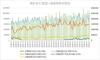
据海关总署在线查询平台数据显示,中国9月铜矿砂及其精矿进口量为258.69万吨,环比下降6.24%,同 比上升6.43%。其中最大供应国智利输送量骤降逾三成至64.94万吨,秘鲁输送量微增至59万吨,墨西 哥、蒙古等主要供应国输送有不同程度的增加。智利Codelco旗下的El Teniente矿7月底发生事故,智利 铜产量整体受到影响。今年铜矿端干扰较多,国内铜精矿现货加工费持续低位徘徊。 以下为2020年3月以来中国铜矿砂主要进口来源国供应情况: 数据来源:海关总署 ...

全球库存分化明显 沪铜以高位震荡为主
Qi Huo Ri Bao· 2025-10-20 23:15
Core Viewpoint - The copper market is experiencing a tightening supply situation, with expectations of high-level fluctuations in prices due to macroeconomic uncertainties and strong fundamental support [1][5]. Group 1: Supply and Production - Chile's copper production in August fell sharply by 9.9% year-on-year to 424,000 tons, marking the largest decline in over two years, with Codelco's output down 25% [1]. - Peru's copper production also decreased by 1.6% year-on-year to 242,700 tons in August [1]. - The temporary shutdown of Indonesia's Grasberg copper mine has exacerbated the global copper supply shortage, with some areas expected to restart in mid-Q4, while others may not resume until 2026 [1]. - Goldman Sachs revised its 2025 global copper market forecast from a surplus of 10,500 tons to a shortage of 5,550 tons [1]. Group 2: Domestic Production and Demand - China's electrolytic copper production in September was 1.121 million tons, a month-on-month decrease of 4.31% but a year-on-year increase of 11.62% [2]. - The operating rate of domestic electrolytic copper sample plants was 84.06%, down 3.91 percentage points month-on-month [2]. - In October, production is expected to decline to 1.083 million tons, with a further decrease anticipated due to maintenance at six smelting plants affecting 1.4 million tons of capacity [2]. - The import volume of unwrought copper and copper products in September reached 485,000 tons, the highest monthly figure this year, while cumulative imports from January to September totaled 4.019 million tons, down 1.7% year-on-year [2]. Group 3: Inventory and Market Dynamics - As of October 17, global copper inventories across three major exchanges totaled 560,900 tons, an increase of 28,500 tons from the end of September [3]. - COMEX copper inventories have risen for seven consecutive months, reaching 345,600 short tons, while LME inventories have decreased to 137,200 tons [3]. - Domestic electrolytic copper social inventories have been accumulating, with a total of 186,600 tons reported as of October 20, reflecting a weekly increase of 14,600 tons but a year-on-year decrease of 32,800 tons [3]. Group 4: Economic and Market Outlook - Domestic copper cable enterprises' operating rates increased by 3.38 percentage points to 61.91% week-on-week, although this is a 15.02% decline year-on-year [4]. - High copper prices are suppressing downstream demand, leading to a focus on just-in-time purchasing [4]. - The domestic economy is under short-term pressure, with consumption and investment growth slowing, but there are structural highlights in domestic demand [4]. - The overall expectation is for copper prices to maintain high-level fluctuations, with key support levels for the main contract around 84,000 to 84,200 yuan per ton [5].
铜铝周报:市场情绪回稳,铜价保持强势-20251020
Zhong Yuan Qi Huo· 2025-10-20 09:23
1. Report Industry Investment Rating No relevant content provided. 2. Core Views of the Report Copper - Macro: China's September economic data was released, the US government continued to be in a "shutdown" with key economic data missing, and Fed officials signaled potential interest rate cuts [4]. - Fundamentals: Market supply was becoming more relaxed. There was still a rigid - demand base on the demand side, but high copper prices significantly suppressed purchasing willingness, leading to strong market wait - and - see sentiment [4]. - Overall logic: Amid rising Sino - US trade frictions and increased market risk - aversion, in the medium term, the shortage of copper mines and the interest - rate - cut logic remained, suggesting a bullish approach [4]. Electrolytic Aluminum - Macro: Similar to copper, China's September economic data was released, the US government was in a "shutdown", and Fed officials signaled rate cuts [6]. - Fundamentals: On the supply side, the operating capacity of electrolytic aluminum remained flat. In October, with the traditional peak season, the proportion of molten aluminum gradually increased, and overall demand remained stable. The cost support weakened as alumina prices continued to fall, and the overall cost of electrolytic aluminum shifted downward. After the holiday, the second - week social inventory of aluminum ingots decreased again, and it was expected that domestic aluminum ingot inventories would enter a destocking trend in the second half of October [6]. - Overall logic: With little change in fundamentals, aluminum prices were expected to continue trading in a high - level range, and attention should be paid to the driving impact of the macro - market [6]. Alumina - Macro: The same macro - situation as copper and electrolytic aluminum [8]. - Fundamentals: On the supply side, the domestic alumina operating capacity was at a high level. Although a 400,000 - ton operating capacity in Shanxi was cut due to rainy - season supply issues, there was still an oversupply pressure in the domestic alumina market, and the national weekly alumina operating rate decreased slightly. Only a few northern enterprises had taken production - cut actions as the profit margin of alumina was compressed, but the industry still had an average profit compared to the net average price, and there were still long - term order delivery needs. On the demand side, as of last Thursday, the alumina raw - material inventory of electrolytic aluminum plants was 3.126 million tons, a cumulative increase of 32,000 tons week - on - week. As winter storage approached, some aluminum plants' spot - purchasing enthusiasm had increased, but the overall spot market remained in a state of oversupply [8]. - Overall logic: The alumina market remained in an oversupply situation, lacking new driving factors, and was expected to operate weakly at a low level [8]. 3. Summary by Directory 3.1 Market Review - **Weekly price changes**: The document shows the weekly cumulative percentage changes of various metals including Shanghai copper, international copper, LME copper, etc., but specific values are not fully detailed in text form [15]. - **Weekly news**: News included Codelco's increase in 2026 copper premium to European customers, concerns from Japan, Spain, and South Korea about the decline in copper smelting and refining fees, changes in Shanghai Futures Exchange's copper and aluminum delivery points, LME's plan to launch a new mechanism for low - carbon metal premium, and the cost and profit situation of China's electrolytic aluminum industry in September 2025 [16]. 3.2 Macro Analysis - **Domestic inflation data**: In September, CPI同比 was - 0.3% (previous value - 0.4%), core CPI同比 was 1.0% (previous value 0.9%), and PPI同比 was - 2.3% (previous value - 2.9%). It was the first time since April 2024 that CPI and PPI both rebounded. The narrowing of the CPI decline was mainly due to the base effect, and the core CPI reached a 19 - month high [18]. - **Domestic import and export data**: In September, China's exports increased by 8.3% year - on - year (previous value 4.4%), and imports increased by 7.4% year - on - year (expected 1.4%, previous value 1.3%). Exports showed a pattern of "strong in Europe, weak in the US", with strong growth in emerging markets. Imports reached a 1.5 - year high, and the quarterly import growth turned positive for the first time after three consecutive quarters of negative growth [20]. - **Next - week macro - outlook**: It includes data such as China's October LPR, 1 - 9 months' national real estate development investment, September industrial added value, and consumer retail sales, as well as events like the press conference on national economic operations and the Fourth Plenary Session of the 20th Central Committee of the Communist Party of China. For the international market, it includes the eurozone's October manufacturing PMI and the US September CPI and October manufacturing PMI [22]. 3.3 Copper Market Analysis - **Spot market**: The copper processing fee TC remained weak [25]. - **Domestic market**: The open interest of Shanghai copper options reached a new high. The open interest of copper futures, options, and international copper futures showed different trends. The net position of the top 10 traders and the futures closing price of cathode copper were also presented [28]. - **Overseas market**: The US dollar index weakened, and the LME copper price, LME copper basis, and COMEX copper non - commercial net position were analyzed [32]. - **Inventory**: Exchange inventories of copper in Shanghai bonded areas, SHFE, LME, and COMEX were shown. Social inventories of copper increased week - on - week as of October 16. The weekly operating rate of domestic refined copper rod enterprises was 62.5% from October 10 - 16, and it was expected to rise to 66.26% from October 17 - 23 [33][38]. 3.4 Electrolytic Aluminum Market Analysis - **Domestic market**: The spot price of electrolytic aluminum turned to par. The A00 aluminum ingot premium, the price difference between primary and secondary aluminum alloy ingots, and the social inventories of aluminum rods and electrolytic aluminum were presented. The open interest of Shanghai aluminum futures declined [42][43]. - **Overseas market**: The US dollar index weakened, and the LME 3 - month aluminum price, LME aluminum basis, and LME aluminum total inventory were analyzed [47]. - **Downstream开工率**: As of October 17, the overall operating rate of domestic aluminum downstream processing enterprises was 62.5%. Different sub - industries had different trends, with some expected to rise and some to fall [48]. - **Recycled aluminum alloy**: As of October 16, the spot price of recycled aluminum alloy increased week - on - week. The supply was tight, demand recovery was less than expected, the operating rate decreased slightly, and the social inventory began to gradually destock. The import loss narrowed [52]. 3.5 Alumina Market Analysis - **Spot market**: Alumina spot prices declined, and the prices of alumina in different regions, the average spot price index, and the prices of related raw materials such as bauxite and caustic soda were presented [62]. - **Futures market**: The inventory of alumina futures increased, and the basis, as well as the relationship between alumina futures prices and the prices of aluminum and caustic soda futures, were analyzed [64]. - **Supply and demand**: Supply decreased slightly as a Shanxi alumina enterprise reduced production. As of October 16, the built - in capacity of Chinese alumina was 114.8 million tons, and the operating capacity was 96.3 million tons. Demand from electrolytic aluminum enterprises remained stable, with some procurement activities [69]. - **Cost and profit**: As of October 17, the domestic alumina industry cost was 2980.53 yuan/ton, and the average profit was - 34.93 yuan/ton. Ore prices were in a stalemate, caustic soda prices first rose and then fell, and动力煤 prices increased [70].
金融期货早评-20251020
Nan Hua Qi Huo· 2025-10-20 05:44
Report Industry Investment Rating No information provided in the given reports. Core Views of the Report - The core logic of the domestic market is that after the escalation of Sino-US trade frictions last week, the asset reaction this week was weaker than in April. A-shares showed a "high-low switch" feature. Before the APEC meeting, the market was still affected by friction news. Although both sides were likely to negotiate cautiously, an unexpected escalation could trigger risks. Commodity prices were unlikely to show a trend upward. Overseas, the US government shutdown led to a data vacuum, and market concerns about the economy eased but risks remained. The Fed was expected to cut interest rates by 25 basis points in October, but the actual impact might be limited due to market pre-pricing [2]. - The RMB exchange rate was expected to remain basically stable within a reasonable range under the policy tone of "stability first", especially before the important meeting at the end of October [4]. - Stock index fluctuations were expected to intensify, but there was support below. The market was likely to be dominated by large-cap stock indices [7]. - Treasury bonds needed to focus on whether risk sentiment would recover. If risk sentiment recovered and the stock market rebounded, the bond market might not rise further. But before the Sino-US negotiation results were finalized, it was generally favorable for the bond market [9]. - The container shipping index (European line) futures were expected to continue to fluctuate widely in the short term. The main contract EC2512 was expected to be supported at 1600 points and resisted near 1750 points [11]. - Precious metals were recommended to be cautious in the short term and bullish in the medium term [16]. - Copper prices were expected to be in a high-level consolidation if the bullish factors did not ferment. For downstream enterprises, a combination strategy of "selling put options + buying futures at low prices" was recommended [19]. - Aluminum was expected to fluctuate at a high level; alumina was expected to run weakly; cast aluminum alloy was expected to fluctuate at a high level [21]. - Zinc was expected to fluctuate mainly, with the long and short sides still unclear [22]. - Nickel and stainless steel were expected to fluctuate repeatedly due to prominent inventory accumulation [24]. - Tin was expected to fluctuate narrowly. From a fundamental perspective, the supply was weaker than the demand, and it was still regarded as a long position [25]. - Lead was expected to fluctuate narrowly, with limited upside space [26]. - Steel prices might rebound slightly, but the rebound height was limited due to the weak fundamentals of steel, and the possibility of subsequent decline was relatively large [28]. - Iron ore prices were under short-term pressure, and the focus of the market in the next two weeks might be on the Fourth Plenary Session and possible Sino-US talks [30]. - Coking coal and coke were expected to be treated with a volatile mindset, with coking coal in the range of (1100, 1350) and coke in the range of (1600, 1850) [32]. - Ferrosilicon and ferromanganese were under pressure due to high inventory and weak downstream demand. If there were no unexpected stimulus policies, their prices would still be under pressure [33]. - Crude oil was expected to face downward risks in the short and medium term, with the support at $60 being crucial [37]. - LPG was relatively strong in the domestic market due to restricted arrivals, but the overall situation was still affected by the weak fundamentals of crude oil [39]. - PTA-PX was recommended to be observed in the short term, paying attention to domestic and foreign macro nodes [40]. - MEG was expected to fluctuate widely in the short term, following the macro sentiment. If there was an oversell, selling put options could be considered [46]. - Methanol was expected to fluctuate under pressure, with the price range maintaining at 2250 - 2350 [47]. - PP was under pressure due to the supply-demand imbalance and macro factors. Attention should be paid to macro trends and cost fluctuations [50]. - PE was also under pressure due to the supply-demand imbalance and macro factors. Attention should be paid to macro trends and cost fluctuations [54]. - Pure benzene and styrene were mainly affected by macro factors. Short-term observation was recommended until the macro situation became clear [57]. - Fuel oil's cracking upside space was limited [58]. - Low-sulfur fuel oil's cracking was expected to remain at a low level, with limited upward drive [59]. - Asphalt was expected to decline weakly. Short-term observation was recommended, paying attention to whether there were new demand growth points in the domestic macro meeting [62]. - Rubber and 20 rubber were expected to fluctuate weakly. RU2601 was expected to fluctuate in the range of 14600 - 15300, and NR2511 in the range of 12000 - 12500 [64]. - Urea was expected to fluctuate under pressure. Attention should be paid to new export quotas and macro sentiment [65]. - Soda ash was expected to be volatile due to the increase in supply pressure and inventory. The price was limited by high inventory but supported by cost [66]. - Glass was under pressure due to high inventory and weak demand. Attention should be paid to industrial policies [67]. - Caustic soda was expected to wait for the spot to bottom out to stimulate speculative demand. The long-term production pressure continued [69]. - Pulp was expected to continue the oscillatory pattern, and offset paper was still under pressure [70]. - Logs needed to pay attention to the marginal bullish impact on the far-month contracts under the influence of shipping sanctions [70]. Summary by Relevant Catalogs Financial Futures Macro - The Fourth Plenary Session of the 20th CPC Central Committee was held from October 20th to 23rd to study the suggestions for formulating the "15th Five-Year Plan". - He Lifeng had a video call with US Treasury Secretary Bezant and Trade Representative Greer, and both sides agreed to hold a new round of Sino-US economic and trade consultations as soon as possible. - The State Council Executive Meeting proposed to promote logistics cost reduction, improve the green trade policy system, and support market entities to increase grain purchases. - The US imposed tariffs on medium and heavy trucks and buses starting from November 1st, and the Trump administration adjusted its strategy to hedge legal risks. - Japan's ruling coalition was basically reached, but the future of the "Hayashi deal" was uncertain [1]. RMB Exchange Rate - The onshore RMB against the US dollar closed at 7.1265 at 16:30 on the previous trading day, down 16 basis points from the previous trading day, and closed at 7.1277 at night. The central parity rate of the RMB against the US dollar was reported at 7.0949, up 19 basis points. - The RMB exchange rate was expected to remain stable due to policy guidance and the influence of external factors [3][4]. Stock Index - The stock index fluctuated more due to external factors, but there was support below. The market was likely to be dominated by large-cap stock indices. Attention should be paid to Sino-US trade negotiations, the Fourth Plenary Session, the Financial Street Forum Annual Meeting, and the Fed's interest rate meeting [6][7]. Treasury Bonds - Treasury bonds needed to focus on whether risk sentiment would recover. If risk sentiment recovered and the stock market rebounded, the bond market might not rise further. But before the Sino-US negotiation results were finalized, it was generally favorable for the bond market. Low-position long orders could be held in small quantities, and those with empty positions could wait for the price to fall to build positions [9]. Container Shipping European Line - The container shipping index (European line) futures were expected to continue to fluctuate widely in the short term. The main contract EC2512 was expected to be supported at 1600 points and resisted near 1750 points. Trend traders could try to go long lightly at the support of 1600 points, and arbitrage traders could pay attention to the positive spread opportunity of EC2512 - EC2602 [10][11]. Commodities Precious Metals - Precious metals were recommended to be cautious in the short term and bullish in the medium term. Silver was affected by spot shortages and short squeeze pressure, and the "232 investigation" on silver and palladium in the US also had an impact. The US government shutdown, trade tariff conflicts, and rising banking risks increased economic and financial risks, leading to an increase in the demand for precious metals as a safe-haven asset [13][16]. Copper - Copper prices were expected to be in a high-level consolidation if the bullish factors did not ferment. For downstream enterprises, a combination strategy of "selling put options + buying futures at low prices" was recommended. The downstream enterprises generally resisted high copper prices, and the destocking was the main theme at present [17][19]. Aluminum Industry Chain - Aluminum was expected to fluctuate at a high level; alumina was expected to run weakly; cast aluminum alloy was expected to fluctuate at a high level. The domestic aluminum market was supported by inventory destocking, while alumina was in an oversupply situation, and cast aluminum alloy had strong followability to aluminum [20][21]. Zinc - Zinc was expected to fluctuate mainly, with the long and short sides still unclear. The export window was open, and attention should be paid to the opening of the export window and the possibility of macro upward drive [22]. Nickel and Stainless Steel - Nickel and stainless steel were expected to fluctuate repeatedly due to prominent inventory accumulation. The supply and demand of nickel and stainless steel were affected by factors such as tariffs, production capacity, and inventory. Attention should be paid to Sino-US tariff issues and the expectation of interest rate cuts [23][24]. Tin - Tin was expected to fluctuate narrowly. From a fundamental perspective, the supply was weaker than the demand, and it was still regarded as a long position. The support was expected to be around 276,000 yuan [25]. Lead - Lead was expected to fluctuate narrowly, with limited upside space. The supply was affected by silver prices and raw material restrictions, and the demand was affected by domestic consumption and export demand. Attention should be paid to inventory changes [26]. Black Metals - Steel prices might rebound slightly, but the rebound height was limited due to the weak fundamentals of steel, and the possibility of subsequent decline was relatively large. Iron ore prices were under short-term pressure, and the focus of the market in the next two weeks might be on the Fourth Plenary Session and possible Sino-US talks. Coking coal and coke were expected to be treated with a volatile mindset, with coking coal in the range of (1100, 1350) and coke in the range of (1600, 1850). Ferrosilicon and ferromanganese were under pressure due to high inventory and weak downstream demand. If there were no unexpected stimulus policies, their prices would still be under pressure [28][30][32]. Energy and Chemicals - Crude oil was expected to face downward risks in the short and medium term, with the support at $60 being crucial. LPG was relatively strong in the domestic market due to restricted arrivals, but the overall situation was still affected by the weak fundamentals of crude oil. PTA - PX was recommended to be observed in the short term, paying attention to domestic and foreign macro nodes. MEG was expected to fluctuate widely in the short term, following the macro sentiment. If there was an oversell, selling put options could be considered. Methanol was expected to fluctuate under pressure, with the price range maintaining at 2250 - 2350. PP and PE were under pressure due to the supply - demand imbalance and macro factors. Attention should be paid to macro trends and cost fluctuations. Pure benzene and styrene were mainly affected by macro factors. Short - term observation was recommended until the macro situation became clear. Fuel oil's cracking upside space was limited. Low - sulfur fuel oil's cracking was expected to remain at a low level, with limited upward drive. Asphalt was expected to decline weakly. Short - term observation was recommended, paying attention to whether there were new demand growth points in the domestic macro meeting [36][37][39]. Rubber and 20 Rubber - Rubber and 20 rubber were expected to fluctuate weakly. The supply was affected by weather and inventory, and the demand was affected by factors such as tire sales, export, and automobile inventory. RU2601 was expected to fluctuate in the range of 14600 - 15300, and NR2511 in the range of 12000 - 12500 [63][64]. Urea - Urea was expected to fluctuate under pressure. The demand was weak, and the inventory increased. Attention should be paid to new export quotas and macro sentiment [65]. Glass, Soda Ash, and Caustic Soda - Soda ash was expected to be volatile due to the increase in supply pressure and inventory. The price was limited by high inventory but supported by cost. Glass was under pressure due to high inventory and weak demand. Attention should be paid to industrial policies. Caustic soda was expected to wait for the spot to bottom out to stimulate speculative demand. The long - term production pressure continued [66][67][69]. Pulp and Offset Paper - Pulp was expected to continue the oscillatory pattern, and offset paper was still under pressure. Pulp was affected by high inventory and cost support, and offset paper was affected by supply - demand mismatch [70]. Logs - Logs needed to pay attention to the marginal bullish impact on the far - month contracts under the influence of shipping sanctions [70].
财达期货铜周报:铜价短期高位震荡-20251020
Cai Da Qi Huo· 2025-10-20 05:27
Group 1: Report Industry Investment Rating - No relevant content found Group 2: Core Viewpoints of the Report - The copper price will maintain a high - level oscillation in the short term, with an upward trend in the medium and long term, and attention should be paid to the risk of increased short - term price fluctuations due to mixed macro news [5] Group 3: Summary by Related Catalogs Market Review - After the National Day holiday, the main contract of Shanghai copper opened higher and prices rose. Since the new round of Sino - US trade conflicts fermented, the market's expectation of economic downturn increased, and the copper price was still weak last week, ending the decline and maintaining an oscillating trend at the end of the week [4] Supply and Demand - Mine - end disturbances continue to ferment, and the processing fee for imported copper concentrates continues to decline slightly. Codelco raised the long - term premium for electrolytic copper in Europe in 2026 to $325/ton, a record high. The weekly operating rate of major domestic refined copper rod enterprises was 62.5%, a month - on - month increase of 19.06 percentage points, and that of copper cable enterprises was 61.91%, a month - on - month increase of 3.38 percentage points. SMM expects the operating rate of refined copper rod enterprises to rise to 66.26% this week, a month - on - month increase of 3.76 percentage points. The real estate continues to drag down the market, and the production schedules of photovoltaic and air - conditioning have dropped significantly. The main support for the later market comes from wire and cable and automobiles, and the peak - season demand remains to be verified [4] Macroeconomics - US Treasury Secretary Bessent hinted that the US may extend the suspension of additional tariffs on Chinese goods in exchange for China delaying the implementation of the rare - earth export control plan, and President Trump is ready to meet with Chinese leaders soon, so there is an expectation of easing Sino - US trade conflicts. The overall expectation of interest - rate cuts by the Federal Reserve has increased. In September 2025, China's industrial producer price index decreased by 2.3% year - on - year, with the decline narrowing by 0.6 percentage points from the previous month, and remaining flat month - on - month [4]
铜周报20251019:宏观及基本面多空交织,沪铜短期震荡-20251020
Guo Lian Qi Huo· 2025-10-20 04:06
Report Title - Copper Weekly Report 20251019: Macro and fundamentals are intertwined, and Shanghai copper will fluctuate in the short term [1] Core View - Macro and fundamentals are intertwined, and Shanghai copper will fluctuate in the short term [1] Summary by Directory Price Data - Downstream procurement sentiment is dull, and copper spot trading is average [10] - This week, the LME copper 0 - 3M spread strengthened on a week - on - week basis [11] Fundamental Data - This week, the average price of the copper concentrate TC index was -$40.97/ton, still low [17] - The loss caused by the accident at Codelco's El Teniente copper mine was 45% higher than previously estimated [18] - The refined scrap copper price difference decreased on a week - on - week basis [20] - China's electrolytic copper production in October is expected to decrease by 3.4% month - on - month and increase by 8.7% year - on - year [22] - China imported 485,000 tons of unwrought copper and copper products in September, and the cumulative import volume from January to September decreased by 1.7% year - on - year [24] - This week, both the electrolytic copper spot inventory and bonded area inventory increased within the week [26] - LME copper inventory decreased, while COMEX copper inventory increased [27] - The operating rate of refined copper rods rebounded on a week - on - week basis but decreased year - on - year. Enterprises resumed production but were restricted by high copper prices, and consumption was weak [30] - From October 1st to 12th, the retail sales of new energy vehicles in the national passenger car market decreased by 1% year - on - year [32] - The planned production volume of photovoltaic modules in October is expected to be slightly reduced [33] - The planned production volume of household air conditioners in October decreased by 18% compared with the actual performance of the same period last year [34] Macroeconomic Data - China's new social financing in September was 3.53 trillion yuan, and new RMB loans were 1.29 trillion yuan [38] - The US ISM manufacturing PMI continued to contract in September, and the service PMI significantly missed expectations [41] - Powell left the door open for the Fed to cut interest rates, but there are differences within the Fed on the pace of rate cuts [42]
南华期货铜产业周报:利多题材需要发酵,否则高位震荡为主-20251019
Nan Hua Qi Huo· 2025-10-19 13:59
Report Industry Investment Rating No relevant content provided. Core Viewpoints - The current contradiction affecting copper price trends lies between the expected bullish factors such as enhanced liquidity from interest - rate cut expectations, increased demand from terminal sectors, supply shortages from mine - end contractions, and the exit of excess capacity, and the actual bearish factors including decreased demand orders from mid - and downstream enterprises, inventory accumulation in mid - stream processing enterprises, and reduced raw material procurement willingness of smelting enterprises. The co - existence of long - term bullish and short - term bearish factors has led to significant price fluctuations, and a "defensive and offensive" trading strategy is recommended [2]. - In the short term, the cost - optimization strategy of the "buying call options + selling put options" strategy is recommended considering the expected high - level adjustment of copper prices [11]. - In the fourth quarter of 2025, the domestic electrolytic copper supply is expected to decline, the apparent consumption may decrease, but the refined copper consumption of downstream enterprises remains resilient. Copper prices are expected to be "bottom - supported and top - capped", with greater upward potential if macro factors are favorable [52]. Summary by Directory Chapter 1: Core Contradiction and Strategy Suggestion 1.1 Core Contradiction - The current copper market is affected by the contradiction between expected bullish factors and actual bearish factors, along with high global copper inventory and intensified regional imbalance, leading to increased price volatility [2]. - Near - term trading logic: The 2510 contract delivery was light. The 2511 contract was shifted to the 2512 contract, increasing its position. Regional contradictions in global copper inventory are prominent, with LME and domestic copper inventories at low levels supporting futures prices, while high COMEX copper inventory raises concerns about squeeze risks [5]. - Long - term trading expectations: Interest - rate cuts are expected to bring marginal liquidity benefits to copper prices. Mine - end supply disruptions have led institutions to be bullish on copper prices in the next two years. Tight mine - end supply has worsened domestic copper concentrate smelting profits, and the outcome of Sino - US trade negotiations may also affect copper prices [7][8]. 1.2 Trading - Type Strategy Suggestions - **Market positioning**: The trend is upward with a neutral cycle. The price ranges are [81189, 86570] for Shanghai copper and [10092, 10930] for LME copper. For short - term traders, the current price has a low cost - performance for going long [11]. - **Strategy suggestions**: The "buying futures + selling put options" combination strategy has different profit and loss scenarios based on price movements. The "buying call options + selling put options" strategy has three sub - strategies, and the cost - optimization strategy is recommended in the short term [11]. 1.3 Enterprise Hedging Strategy Suggestions - **Inventory management**: For enterprises with high finished - product inventory, they can short Shanghai copper futures at the pressure level or sell call options/buy put options. For those with low raw - material inventory and future market - price procurement plans, they can buy futures at the support level or sell put options and buy futures [20]. 1.4 Trading Strategy and Hedging Strategy Review No relevant content provided. Chapter 2: This Week's Important Information and Next Week's Key Event Interpretation 2.1 This Week's Important Information - **Bullish information**: Chile's Codelco raised its 2026 copper premium. The Trump administration provided financing for power grid upgrades. Peru's copper production decreased in August. BMI expects future copper supply growth to lag behind demand [21]. - **Bearish information**: BHP is considering reopening mines. Domestic copper inventories increased. The开工率 of domestic copper rod and brass rod enterprises showed mixed trends, and enterprises remained cautious in inventory management [22]. 2.2 Next Week's Key Event Interpretation Next week, several macro - economic indicators will be released, including China's LPR, fixed - asset investment, GDP, and the US industrial output and CPI. These indicators may have direct or indirect impacts on copper prices [24]. Chapter 3: Disk Price - Volume and Fund Interpretation 3.1 Domestic Market Interpretation - The domestic copper futures price was in a high - level consolidation last week, with a backwardation structure in the monthly spread. The trading volume and open interest of the Shanghai copper weighted index decreased, leading to a decline in market speculation. The net long position of the top 20 futures companies also decreased, resulting in weak price increases [27]. 3.2 Overseas Market Interpretation - The overseas copper price performed stronger than the domestic market last week, but the increase was limited. The LME copper price rose by 2.28% and the COMEX copper price by 3.15%. The LME copper premium declined, and global copper inventory continued to shift to the US. However, the speculative net long funds for LME copper increased [29]. Chapter 4: Spot Price and Profit Analysis 4.1 Spot Price and Smelting Profit - The spot prices of electrolytic copper and scrap copper decreased last week. The premium of electrolytic copper increased slightly, while the refined - scrap spread weakened in the second half of the week. The upper and lower boundaries of the spot smelting income of copper concentrates increased, indicating that smelters may be increasing scrap copper usage and reducing costs [33]. 4.2 Import Price and Profit - The Yangshan copper premium weakened last week, and the copper import profit was at a low level, which may affect copper imports and future domestic copper inventory accumulation [37]. 4.3 Inventory Analysis - Copper inventory shows a "regional" characteristic, with a significant increase in COMEX copper, a decrease in LME copper inventory, and a slow increase in Shanghai copper inventory. The low port copper concentrate inventory and weak import willingness of traders have led to slow inventory growth. There may be an arbitrage opportunity of shorting LME copper and going long COMEX copper if the 2024 April market situation is replicated [41]. Chapter 5: Supply - Demand Deduction and Price Expectation 5.1 Supply Deduction - In 2025, the global copper concentrate supply is expected to have a deficit of 326,000 metal tons. Domestic copper smelting enterprises had concentrated maintenance in October, affecting refined copper production. In Q4 2025, electrolytic copper production is expected to decrease by 190,000 tons, imports remain unchanged, and exports decrease by 70,000 tons [46]. 5.2 Demand Expectation - In October, the copper foil industry's开工率 is expected to rise, while the开工 rates of copper rod, copper bar, and enameled wire industries are expected to decline. Overall, copper product output is expected to show a mixed trend, with copper foil output increasing and others decreasing [49][50]. 5.3 Price Expectation - In the fourth quarter, domestic electrolytic copper supply is expected to decline, apparent consumption to decrease, but refined copper consumption to increase, inventory to decrease, and prices to be "bottom - supported and top - capped", with greater upward potential if macro factors are favorable [52].
有色及贵金属周报合集-20251019
Guo Tai Jun An Qi Huo· 2025-10-19 11:51
Report Industry Investment Rating There is no information provided in the content about the report industry investment rating. Core Viewpoints - The copper market is in a state of caution due to the game between supply constraints and trade uncertainties. Macro risks have eased, and the supply shortage logic persists, providing long - term opportunities for bulls. Attention should be paid to the development of trade frictions. [6][10] - For aluminum, it is still testing the 21,000 - yuan level. The market is worried about the escalation of Sino - US trade frictions. In the short - term, the price shows a convergent oscillation. In the long - term, there is a bullish view on the unilateral price, volatility, and smelting profit. [78] - Regarding alumina, it is necessary to focus on whether the bottom has been found below 2,800 yuan. The spot market is weak in the short - term, but it has entered the cost - valuation support test phase. [79] Summary by Directory Copper Industry Trading End - Volatility: The volatility of LME and COMEX copper has increased. COMEX copper price volatility is around 27%, and SHFE copper volatility is around 25%. [16] - Term Spread: The term structure of SHFE copper has flattened, the spot discount of LME copper has narrowed, and the near - end structure of COMEX copper has changed from B to C. [18][22] - Position: The positions of SHFE and international copper have decreased, while the position of COMEX copper has increased. SHFE copper position decreased by 47,700 lots to 530,600 lots. [23] - Capital and Industry Position: The net short position of LME commercial enterprises has decreased, and the net long position of CFTC non - commercial has also decreased slightly. [29] - Spot Premium: The domestic copper spot premium has strengthened, and the bonded - area copper premium has declined. [32][34] - Inventory: The global total copper inventory has increased, with a significant increase in domestic social inventory. [35][37] - Position - to - Inventory Ratio: The position - to - inventory ratio of LME copper has recovered, while that of SHFE copper is at a historically low level. [38] Supply End - Copper Concentrate: The import of copper concentrate has increased year - on - year, the port inventory has decreased, and the processing fee has remained weak. [41] - Recycled Copper: The import and domestic production of recycled copper have increased year - on - year. The scrap - refined copper price difference has narrowed, and the import loss has also decreased. [42][47] - Blister Copper: The import of blister copper has decreased, and the processing fee is at a low level. [51] - Refined Copper: The production and import of refined copper have increased year - on - year, and the spot import loss has narrowed. [54][55] Demand End - Operating Rate: The operating rate of copper product enterprises has rebounded in September, and the operating rate of wire and cable has increased marginally. [58] - Profit: The processing fee of copper rods is at a historically low level, while that of copper tubes has recovered. [60][62] - Raw Material Inventory: The raw material inventory of wire and cable enterprises remains at a low level. [63] - Finished - Product Inventory: The finished - product inventory of copper rods has increased, while that of wire and cable has decreased. [66] Consumption End - Apparent Consumption: The apparent consumption of copper is good, and grid investment is an important support. The grid investment has accelerated, and the cumulative investment from January to August reached 379.6 billion yuan, a year - on - year increase of 14%. [71][73] - Air - Conditioner and New - Energy Vehicle: The production of air - conditioners has resumed growth, and the production of new - energy vehicles is at a historically high level. [74] Aluminum and Alumina Industry Trading End - Term Spread: The spot premium of A00 aluminum and alumina has strengthened, and the near - month spread of SHFE aluminum has narrowed. [82][85] - Volume and Position: The position of SHFE aluminum and alumina main contracts has increased slightly, while the trading volume has decreased slightly. [88] - Position - to - Inventory Ratio: The position - to - inventory ratio of SHFE aluminum and alumina has declined. [93] Inventory End - Bauxite: The port inventory and inventory days of bauxite have increased. The inventory of alumina enterprises has continued to accumulate, the port shipping volume and floating inventory have decreased, and the out - port and in - port volumes have also declined. [98][103][104] - Alumina: The social inventory of alumina has increased, and the price has continued to decline. [79] - Aluminum: The social inventory of aluminum has decreased, and the spot premium has changed from discount to flat or premium. [78]