淘宝

Search documents
香港就哀悼大埔宏福苑火灾罹难者作出安排|南财早新闻
2 1 Shi Ji Jing Ji Bao Dao· 2025-11-28 23:16
Company Developments - Wentech Technology issued an official statement addressing the public letter from Nexperia Netherlands, which contained numerous misleading accusations and false information. Wentech urged Nexperia to stop distorting facts and misleading the public, emphasizing the need for accountability regarding the supply chain issues [5][6] - China FAW Group's acquisition of Leap Motor is nearing completion, with a preliminary stake of approximately 5% expected to be finalized by the end of the year [6] - Anta Sports responded to rumors regarding the acquisition of Puma, stating that it does not comment on market speculation [6] - Meituan reported its Q3 2025 earnings, achieving revenue of 95.5 billion yuan, a 2% year-on-year increase. However, due to intensified industry competition, the core local business experienced a loss of 14.1 billion yuan, with the number of transacting users surpassing 800 million over the past 12 months [6] Industry News - The China Securities Regulatory Commission (CSRC) is soliciting public opinions on the "Implementation Measures for Supervision and Administration of Securities and Futures Markets," which outlines 14 common regulatory measures [4] - The CSRC announced a pilot program for commercial real estate investment trusts (REITs), detailing product definitions, registration requirements, and regulatory frameworks [4] - The Shanghai Stock Exchange has taken self-regulatory measures against 80 instances of abnormal trading behavior, focusing on stocks with significant volatility and delisting risk warnings [4] - The China Securities Association reported that the total market capitalization of listed companies in the domestic market reached 107.32 trillion yuan at the end of October, the highest in nearly four years, with nine new companies listed during the month raising a total of 12.869 billion yuan [4]
氪星晚报|雷军:未来5年,人形机器人将大面积在小米工厂上岗;淘宝闪购将全面取消超时扣款,以正向激励提升骑士保障与用户体验;美永久停止接收所谓第三世界移民
3 6 Ke· 2025-11-28 12:27
Group 1: Company Developments - MINISO LAND's flagship store in Shanghai achieved sales exceeding 100 million yuan within 9 months, with monthly sales surpassing 16 million yuan, setting a global record for store sales [1] - Xiaomi's founder Lei Jun announced that humanoid robots will be widely deployed in Xiaomi factories over the next five years, indicating a significant shift towards AI integration in traditional industries [2] - Yuanqi Forest and a local high-tech development company established a new food science research company with a registered capital of 100 million yuan, focusing on scientific research and technology development [3] Group 2: Industry Trends - Taobao Shanguo is expanding its policy to eliminate penalties for delivery delays across 60 cities, aiming to enhance rider safety and user experience through positive incentives [2] - Weibo announced an upgrade to its hot search list to improve public and diverse content representation, with a clear division of content categories [4] - Amazon is entering the Indian banking sector by offering new consumer loan services, having acquired a non-banking financial institution earlier this year [5] Group 3: Regulatory and Market Changes - The People's Bank of China and other regulatory bodies released a new management method for customer due diligence, effective from January 1, 2026 [8] - The Shanghai government is promoting the integration of the marine industry with artificial intelligence, focusing on smart ships and underwater robotics [8] - New regulations for live-streaming e-commerce are set to be introduced by the market regulatory authority, aimed at enhancing oversight in the sector [10]

强制跳转、流量劫持,市场监管总局向手机行业“三宗罪”亮剑
Bei Ke Cai Jing· 2025-11-27 14:32
Core Points - The article discusses the recent compliance guidance issued by the State Administration for Market Regulation in Shenzhen, focusing on unfair competition in the mobile phone and application platform sectors, highlighting the prevalence of irrational competition and the detrimental practices employed by some companies [1][4] Group 1: Unfair Competition Practices - The article identifies three main unfair competition practices in the mobile industry, referred to as the "three sins": traffic hijacking, forced redirection, and malicious incompatibility [1][8] - Traffic hijacking involves companies using technical means to mislead users into downloading apps from their own stores instead of third-party platforms, thereby infringing on user choice and harming competitors [2][6] - Forced redirection is characterized by misleading prompts and technical barriers that prevent users from accessing desired applications, which has been reported as a significant pain point for users [3][8] Group 2: Impact on Users and Market - These unfair practices not only disrupt user experience but also undermine the competitive order in the market, leading to long-term harm to the innovation vitality of the digital economy [4][11] - Users have reported experiencing complex and frustrating download processes due to misleading compatibility warnings and forced redirections, which ultimately benefit the manufacturers' own app stores [2][3] Group 3: Legal and Regulatory Responses - Legal experts indicate that these practices violate various laws, including the Anti-Unfair Competition Law and the Consumer Rights Protection Law, which protect user rights and fair competition [8][9] - The article mentions ongoing efforts by regulatory bodies to establish clearer standards and guidelines to combat these unfair practices, including the introduction of safety requirements for "shake to trigger" advertisements [10][11] Group 4: Industry Reactions and Future Directions - The article notes that major smartphone manufacturers and e-commerce platforms have not yet responded to inquiries regarding compliance with the new guidelines [9] - There is a call for a multi-faceted governance approach involving government enforcement, industry self-regulation, and public awareness to effectively address and mitigate unfair competition behaviors [11]
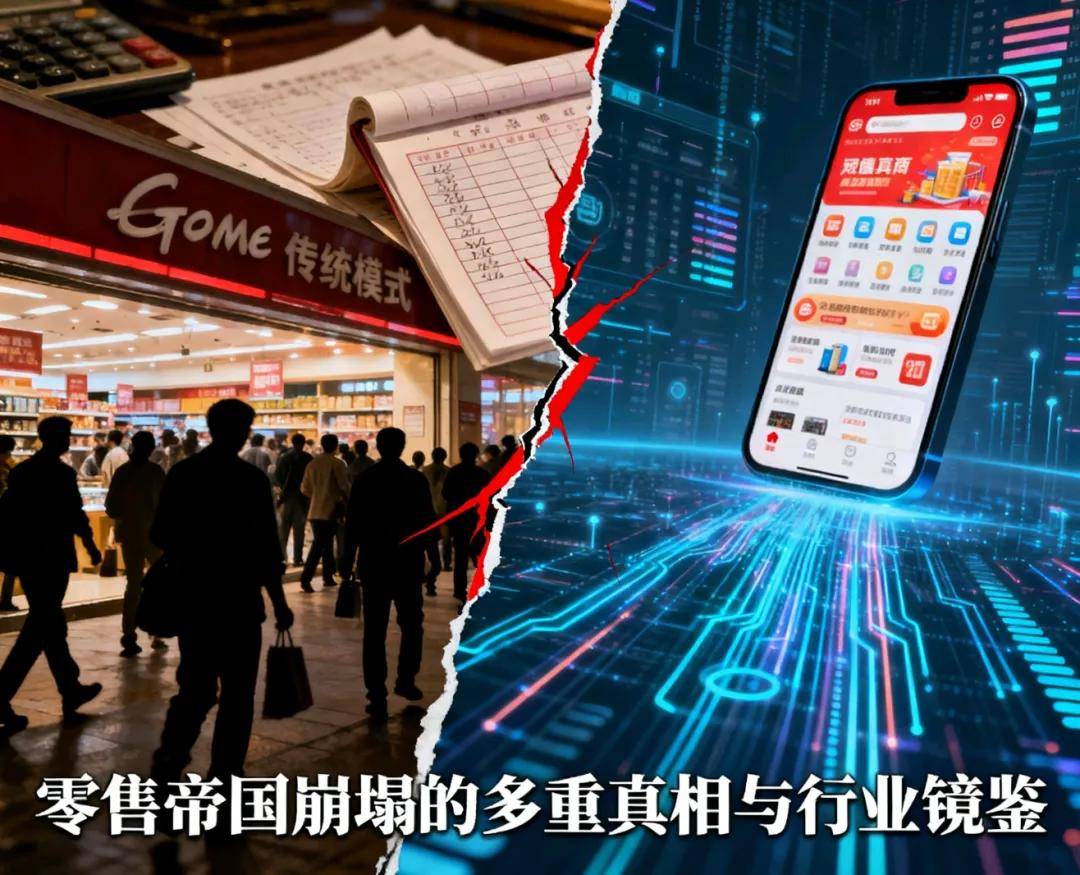
谁“杀”死了国美?——零售帝国崩塌的多重真相与行业镜鉴
Sou Hu Cai Jing· 2025-11-27 02:39
Core Insights - Gome's decline from a retail giant with 4,195 stores to a heavily indebted entity with over 41.3 billion yuan in liabilities exemplifies the failure of traditional retail transformation in China [1] Group 1: Causes of Decline - The collapse of Gome was rooted in three fundamental genetic defects that were present even during its peak, including a flawed business model, strategic misjudgments, and management failures [2] - The "financial-like" empire model relied on extending supplier payment terms, leading to a precarious financial structure where accounts payable reached 14.4 billion yuan, equivalent to 120% of annual revenue [3] - Gome's management failed to recognize the shift towards e-commerce, viewing it merely as a means to clear inventory, which resulted in a significant loss of market share [4] - The centralized decision-making under Huang Guangyu created a rigid organizational structure that faltered after his imprisonment, leading to internal power struggles and a lack of strategic coherence [5] Group 2: Accelerated Downfall - Huang Guangyu's post-prison "revival plan" failed to save Gome and instead led to a cycle of strategic errors, financial depletion, supply chain collapse, and loss of trust [6] - Gome's attempts to pivot towards new business models, such as live-streaming and the metaverse, resulted in massive financial losses without establishing any core competitive advantage [8] - The company faced a debt crisis, with a significant drop in revenue to 4.74 billion yuan in 2024, a 97% decrease from 2022, and a cash position of only 49.16 million yuan [9] - Supplier relationships deteriorated as Gome extended payment terms, leading to a drastic reduction in inventory from over 10 billion yuan to 433 million yuan, a 93.18% decline [10] - Gome's once-advantageous physical store presence became a liability, with an 86% closure rate, leaving only 565 stores by mid-2024 [11] Group 3: Consequences of Collapse - Gome's downfall has triggered a ripple effect in the home appliance retail sector, leading to a significant restructuring of market dynamics [12] - The company has reported continuous losses for eight years, with a total net loss exceeding 38.8 billion yuan and liabilities reaching 41.75 billion yuan [13] - The exit of Gome has accelerated the "Matthew effect" in the appliance retail market, with JD.com and Tmall capturing the majority of market share, while Gome's share dwindled to less than 5% [14] - Consumer trust has eroded significantly, with numerous complaints regarding prepaid card issues and unresponsive customer service, leading to a brand reputation crisis [15] Group 4: Industry Implications - Gome's collapse serves as a cautionary tale for traditional retail, highlighting the need for adaptability to new market realities and the importance of a robust supply chain [18] - The new competitive landscape emphasizes integrated channels, supply chain dominance, and service enhancement, contrasting sharply with Gome's outdated low-price sales strategy [18] - The case of Gome underscores the critical importance of cash flow management in the capital-intensive retail sector, as the company exhausted its resources in pursuit of fleeting trends [20]

购物车托付给AI的时代,已经到了
3 6 Ke· 2025-11-26 11:24
Core Insights - The article discusses the anticipated explosive growth of AI-driven shopping during the 2025 fall and winter shopping season, with major e-commerce platforms expecting significant sales increases due to AI integration [1][3][4]. Group 1: AI Integration in E-commerce - Alibaba's Taobao and Tmall launched several AI shopping applications, including "AI万能搜" and "AI帮我挑," which enhance product understanding and improve traffic matching efficiency, leading to double-digit growth [1]. - Adobe Analytics predicts a 520% year-over-year increase in shopping traffic driven by AI in the U.S. during the 2025 shopping season, with peak traffic expected in the ten days leading up to Thanksgiving [3]. - OpenAI's introduction of the Operator agent in early 2025 laid the groundwork for AI-assisted shopping, allowing users to complete complex e-commerce tasks through natural language commands [4]. Group 2: Payment and Automation - Major financial institutions like Mastercard and Visa have entered the AI shopping space, developing AI agents for personal shopping and payment, thus filling the gap in the payment process for AI shopping [6]. - The launch of "AI付" by Alipay and the integration of AI shopping features in platforms like Google Chrome signify a move towards full automation from product selection to payment [6][8]. - Walmart's adoption of OpenAI's "instant checkout" system allows users to shop directly through ChatGPT, streamlining the shopping experience [8]. Group 3: Impact on Consumer Experience - AI shopping will significantly enhance the consumer experience by reducing decision-making time and eliminating distractions from advertisements, thus addressing common shopping dilemmas [13]. - The AI shopping model will transform seller marketing strategies, requiring sellers to align their data with AI decision-making parameters to attract AI-driven customers [13]. Group 4: Financial Opportunities and Challenges - Financial institutions are keen on AI shopping as it could lead to increased liquidity of consumer funds and credit, allowing for more efficient payment processes [14][15]. - The integration of AI in shopping raises questions about responsibility in after-sales disputes, particularly when AI makes purchasing decisions on behalf of consumers [18][22].

本地生活服务展开“留量”之争
Jing Ji Ri Bao· 2025-11-25 22:02
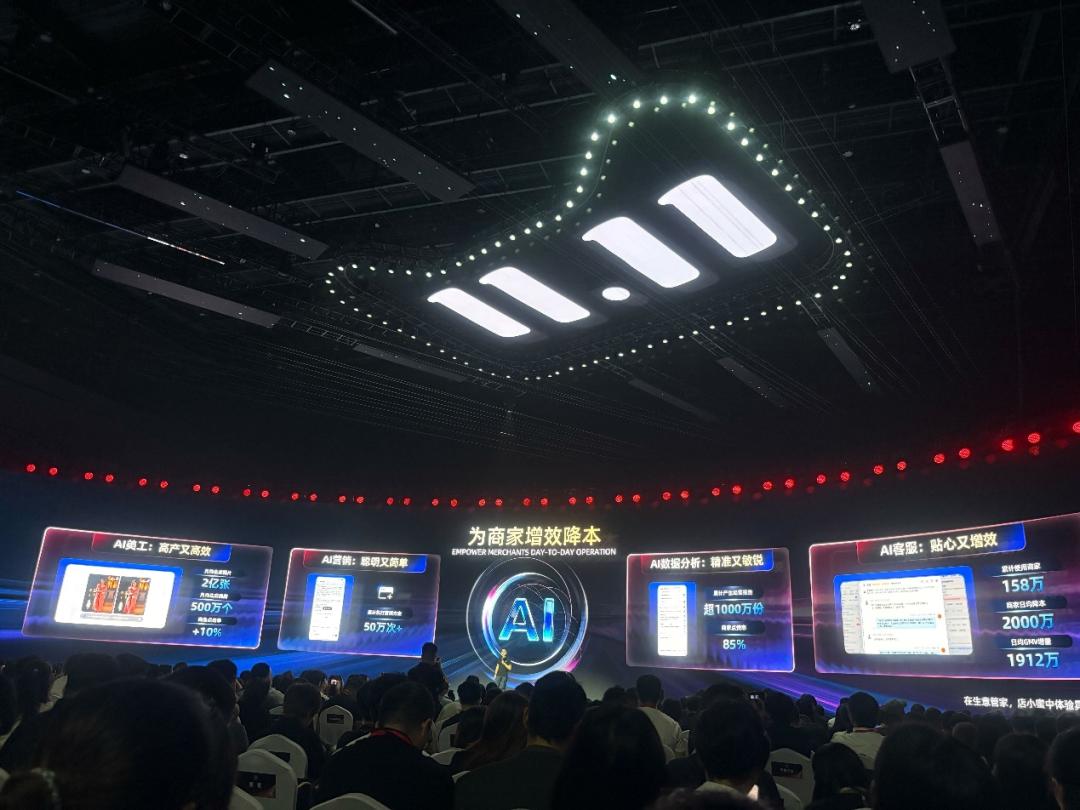
Core Insights - The local lifestyle service sector, including food delivery and instant retail, has become a key battleground during this year's "Double 11" shopping festival, with platforms like Meituan and JD.com showing significant sales and user growth [1][2] - The competition has shifted from scale expansion to enhancing service quality and user experience, with AI empowerment and credit mechanism reconstruction becoming crucial strategies for platforms [1][2] Industry Competition Dynamics - As internet traffic growth slows, local lifestyle services are seen as critical growth areas for major platforms, leading to intensified competition [2] - Platforms are adopting differentiated strategies to reshape consumer habits and merchant operations, with initiatives like Gaode's "Street Ranking" and Douyin's support plans for small businesses [2][3] - The competition is expected to benefit consumers through more choices and better services, while also providing small merchants with increased exposure and support [2][3] Market Growth Projections - The local lifestyle service market in China is projected to grow to 35.3 trillion yuan by 2025, with a compound annual growth rate of 12.6% [3] - The penetration rate of online services is expected to reach 30.8% by 2025, indicating significant untapped potential in the "to-store" business segment [3] Financial Performance - Meituan's core local business segment reported revenue of 65.3 billion yuan in Q2 2025, a year-on-year increase of 7.7%, with strong growth in "to-store" business orders [4] AI and Trust Mechanisms - AI technology is becoming essential for platforms to optimize decision-making and improve efficiency, with various platforms launching AI-driven features to enhance user experience [5][6] - The shift towards a "trust economy" is evident as platforms work to build healthier commercial ecosystems and improve user trust through initiatives like Gaode's "Street Ranking" [6][7] Small Business Empowerment - The competitive landscape is lowering the digitalization barriers for small businesses, with initiatives like Gaode's waiver of the first-year store opening fee leading to a surge in new merchant registrations [8] - The focus is shifting from merely selling products to providing integrated lifestyle solutions, with platforms expected to support small merchants through digital tools and financial services [8][9] Future Trends - The industry is transitioning from scale expansion to quality improvement, with the core competition now centered on service excellence rather than subsidies [9][10] - Platforms are encouraged to provide effective digital tools to help small merchants enhance their operational capabilities and ensure a fair ranking system [9][10]

比优特门店破百;沃尔玛南非开店;达美乐比萨CEO卸任
Sou Hu Cai Jing· 2025-11-25 12:02
Group 1: Retail Expansion and Market Positioning - Biyoute Supermarket has opened two new stores in Changchun, reaching a total of 101 stores, marking its entry into the "hundred-store era" [1] - The company aims for a sales target of nearly 7.4 billion yuan in 2024 and expects to surpass 10 billion yuan in 2025, positioning itself as a leading regional player in Northeast China [1] - Biyoute's strategy includes taking over several Carrefour and Yonghui stores in Northeast China to strengthen its market presence [1] Group 2: Brand Management and Consumer Relations - Fila China is facing backlash after a store employee was found to have made inappropriate remarks about customers in a member group, leading to a public relations issue [3] - The company has initiated an internal investigation and confirmed that the employee violated conduct guidelines, emphasizing the importance of consumer privacy and service quality [3] Group 3: International Market Entry - Walmart has opened its first store in South Africa, marking its entry into the African market, and will compete with local retailers by offering a 60-minute online delivery service [4] - The new store has created 80 jobs and partnered with 15 local small and medium enterprises, showcasing Walmart's commitment to local economic development [4] Group 4: Corporate Leadership Changes - Domino's Pizza Group announced the resignation of CEO Andrew Rennie, with COO Nicola Frampton stepping in as interim CEO while a successor is sought [6] - This leadership change may impact the company's strategic direction and operational efficiency in the competitive pizza market [6] Group 5: Legal and Brand Protection - Little Swan has initiated legal action against the counterfeit brand "Little Gull," emphasizing the importance of brand integrity and consumer protection in the appliance market [8] - The company is collaborating with regulatory authorities to investigate the infringement and has urged consumers to purchase through official channels [8] Group 6: Corporate Culture and Performance - Three Squirrels has responded to concerns about its unique corporate culture involving "mouse" surnames, clarifying that it is not mandatory and aims to foster a friendly atmosphere [10] - The company reported a revenue of 7.759 billion yuan for the first three quarters of the year, reflecting an 8.22% year-on-year growth, although net profit has declined by 52.91% to 161 million yuan [10] Group 7: Market Developments and Investments - Farmer Spring has established a sales company in Tibet, indicating its expansion strategy in new regions [15] - Dream Dragon Ice Cream Company plans to invest 50 million pounds (approximately 470 million yuan) to upgrade its Gloucester factory, aiming for a 50% increase in production by 2027 [20]





黑猫投诉公布双11消费投诉报告:抖音投诉率最高 淘宝回复率最低
Sou Hu Cai Jing· 2025-11-25 05:39
Core Insights - The report by Heimao Complaints reveals the consumption and complaint situation during the longest Double Eleven shopping festival from October 9 to November 14, 2025 [1] Group 1: Consumption Trends - The Double Eleven promotional period set a record with a total of 13.938 billion express packages delivered nationwide from October 21 to November 1 [1] - There was a significant increase in "self-indulgent" consumption, with notable growth in categories such as interests, antiques, and trendy toys [1] - AI smart devices saw explosive growth, with sales of AI tablets and smartphones increasing by 200% and 150% respectively [1] - Instant retail participation surged, with Taobao Flash Sale integrating 400,000 brand stores, and the number of zero-order stores doubling year-on-year [1] Group 2: Complaint Trends - Apparel complaints topped the list with over 5,200 cases, followed by beauty and daily appliances with over 4,000 complaints each [1] - Due to the Sudan Red incident, complaints against domestic beauty brands rose from less than 40% to nearly 70% [1] - Complaints regarding smart home devices, such as robotic vacuum cleaners and floor washers, exceeded 530 cases, primarily related to faults and leaks [1] - Logistics complaints surpassed 70,000, with package damage accounting for nearly 21% of these complaints [1]
超盒算NB开放加盟;fudi入驻京东秒送;朴朴将开实体超市
Sou Hu Cai Jing· 2025-11-25 01:39
Group 1 - Hema has launched the "Co-creation and Symbiosis" plan to support 10 partners with annual sales exceeding 1 billion yuan and help 100 suppliers achieve threefold growth over the next three years [1] - The plan leverages Hema's nationwide supply chain network and AI decision-making platform to create products focused on health, convenience, and self-indulgence [1] - Hema currently operates nearly 500 fresh stores and 350 Super Hema stores, with an upgraded online platform for nationwide coverage [1] Group 2 - JD Seven Fresh's strawberry box cake has seen a 200% increase in sales within two weeks of launch, becoming the top seller in the baking category [3] - The cake features 16 direct-sourced strawberries and a reduced sugar content, appealing to health-conscious consumers [3] - JD Seven Fresh is shifting the baking industry focus from "traffic hits" to "quality longevity" by utilizing supply chain advantages and user insights [3] Group 3 - Super Hema NB has officially opened its franchise application channel, with the first batch of cities including Shanghai, Hangzhou, Jiaxing, and Huzhou [5] - The annual franchise fee is set at 50,000 yuan, excluding store renovation and equipment costs [5] - Franchisees are required to select locations in large residential communities or mature business districts, with store sizes ranging from 500 to 650 square meters [5] Group 4 - Fudi, a local membership-based retail brand, has partnered with JD for strategic cooperation, allowing its products to be available on JD's instant delivery platform [9] - Starting November 26, users can access Fudi's store on JD App for delivery within 30 minutes [9] - Fudi currently has over 200 million registered members and around 20 million paid members, with each store offering over 4,000 products [9] Group 5 - Luckin Coffee has surpassed 10,000 global stores, achieving its target ahead of schedule [10] - The brand has accelerated its expansion in first and second-tier cities, doubling its store count since 2024 [10] Group 6 - Taobao now hosts over 30,000 intangible cultural heritage brands, with nearly 90 million related products [11] - The sales of intangible cultural heritage products have exceeded 100 billion yuan for two consecutive years, with a stable double-digit growth rate [11] - Young consumers aged 18-24 have become the main force in intangible cultural heritage consumption, with their proportion increasing by 10% year-on-year [11] Group 7 - South Dairy has resumed its listing review on the Beijing Stock Exchange, facing a second round of inquiries regarding market position and R&D expenses [16] - The company's 2024 growth rate is expected to slow, with 2025's net profit increase relying on improved gross margins and reduced asset disposal losses [16] Group 8 - Walmart reported a record revenue of $179.5 billion for Q3 2026, with a 5.8% year-on-year increase [22] - The China market showed strong performance, with net sales reaching $6.1 billion (approximately 43.4 billion yuan), a 21.8% increase year-on-year [22] - E-commerce sales in China grew by over 30%, accounting for more than 50% of total sales [22]

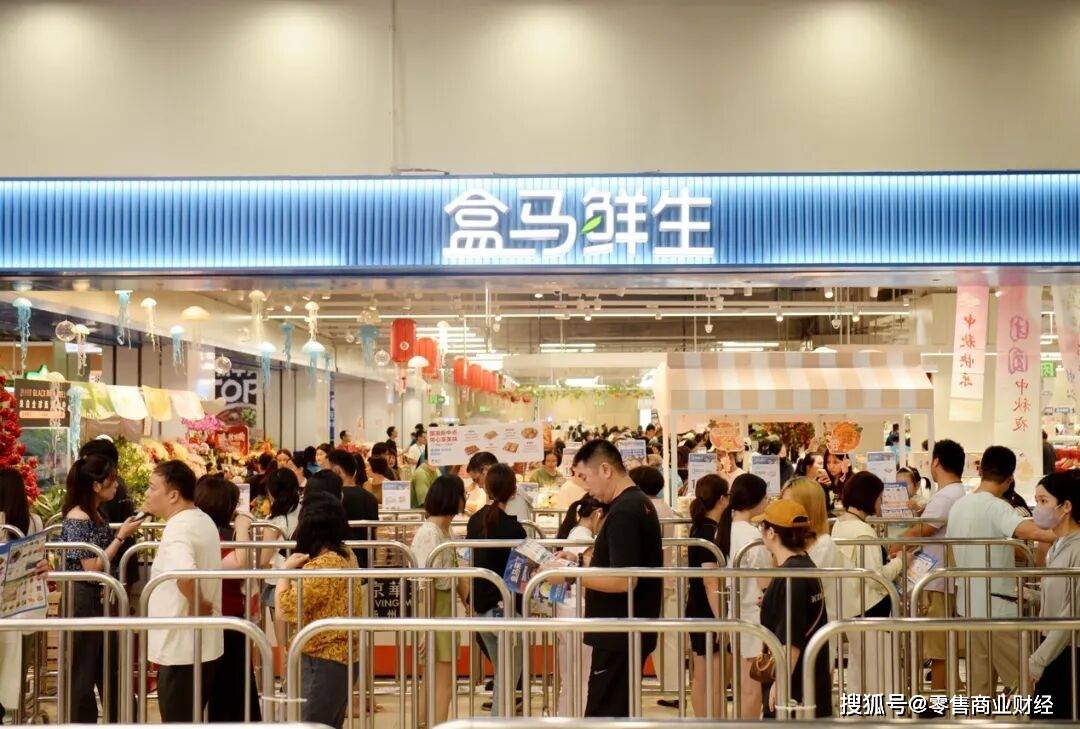
中国进入低欲望时代,没人愿意花钱了?5条赛道正闷声发大财!
Sou Hu Cai Jing· 2025-11-24 15:45
Group 1: Marriage and Family Trends - The number of marriage registrations in 2024 is 6.106 million pairs, a decrease of 1.574 million pairs or 20.5% from the previous year, marking the lowest level since 1980 [2] - The marriage rate has dropped to 4.3‰, with over 240 million single adults, indicating a trend of young people delaying marriage due to economic pressures and high living costs [2][5] - The demand for wedding-related services has decreased significantly, with wedding orders down by 40% compared to five years ago, leading to the closure of many wedding-related businesses [2] Group 2: Consumer Spending and Economic Sentiment - Overall consumer spending is declining, with the 618 shopping festival experiencing its first negative growth, and a significant drop in the consumption confidence index to 88.5 points, the lowest in ten years [4][5] - 62% of individuals aged 25 to 35 are only purchasing necessities, with discretionary spending dropping from 28% to 19% [4] - The average monthly savings rate is 35%, and there is a notable decrease in the use of credit card installments by 10% [4] Group 3: Emerging Consumption Trends - Five new consumption sectors are thriving despite the overall decline in traditional consumption: pet economy (300.2 billion), outdoor sports (over 400 billion), aromatherapy (12 billion), health and wellness (80 billion), and emotional economy (1200 billion) [9][11][13] - The pet economy is growing at 7.5%, with 80 million pet-owning households, while the outdoor sports sector has seen a rise in new participants, reaching 520 million [9][11] - The emotional economy, driven by trends in collectibles and toys, is projected to grow significantly, with blind box sales expected to reach 58 billion by 2025 [13][15] Group 4: Market Dynamics and Future Outlook - The shift in consumer spending from traditional family-oriented purchases to individual experiences is evident, with a focus on emotional and experiential value [7][15] - The total market size of the five emerging sectors exceeds one trillion, indicating a robust potential for growth in these areas [15][17] - The trend of low desire for traditional consumption is not indicative of a lack of spending power but rather a shift towards more meaningful and emotionally resonant purchases [17]