
小米

Search documents
特朗普就格陵兰岛问题发关税威胁;白银一度跌超6%;税务部门:自查近三年境外所得;13类食品在直播间禁售;罗永浩、贾国龙被微博禁言丨每经早参
Mei Ri Jing Ji Xin Wen· 2026-01-16 23:01
Group 1 - The State Council, led by Premier Li Qiang, is focusing on measures to boost consumption and support service consumption growth, including clearing overdue payments to enterprises and ensuring wage payments to migrant workers [3] - The U.S. stock market saw a collective decline, with the Nasdaq down 0.06%, the Dow Jones down 0.17%, and the S&P 500 down 0.06%. However, semiconductor stocks rose, with the Philadelphia Semiconductor Index up 1.15% [3] - International oil prices experienced slight increases, with WTI crude oil rising by 0.24% to $59.22 per barrel and Brent crude oil increasing by 0.41% to $64.02 per barrel [3] Group 2 - European stock indices closed lower, with Germany's DAX down 0.22%, France's CAC40 down 0.65%, and the UK's FTSE 100 down 0.04% [4] - The tax authority in China is urging taxpayers to self-check their overseas income for the past three years, emphasizing compliance with tax regulations to prevent tax evasion [5] - The Ministry of Finance and the State Taxation Administration announced the continuation of tax incentives for public rental housing to support its construction and operation [6] Group 3 - Eight departments in China released the "Anti-Money Laundering Special Preventive Measures Management Measures," effective from February 16, 2026, to enhance anti-money laundering efforts [7] - The State Administration for Market Regulation published regulations for live-streaming e-commerce operators to ensure food safety and prevent misleading advertising, effective from March 20, 2026 [8] - The China Securities Regulatory Commission is soliciting opinions on the "Derivatives Trading Supervision Management Measures (Trial) (Draft for Comments)" to improve the regulatory framework for derivatives trading [9] Group 4 - The China Securities Regulatory Commission announced the initiation of reforms for the Growth Enterprise Market and continued reforms for the Science and Technology Innovation Board to enhance financing flexibility [9] - The Shanghai Futures Exchange announced adjustments to trading limits for silver and nickel futures contracts, effective January 20, 2026 [10] - The U.S. President Trump indicated a temporary halt to military action against Iran, influenced by discussions with Middle Eastern leaders [11] Group 5 - The market regulator in China approved the acquisition of Delphi Technologies by American Axle Manufacturing under certain conditions to ensure fair competition in the automotive parts market [16] - Apple has included brands like Huawei and Xiaomi in its trade-in program, allowing customers to exchange old devices for discounts on new iPhones [17] - Huawei reported a cumulative R&D investment of 50 billion yuan in its autonomous driving solutions, with plans to equip 1.4 million vehicles by the end of 2025 [19] Group 6 - Companies under the State Grid saw stock price increases following the announcement of a 4 trillion yuan investment plan over the next five years, indicating positive industry sentiment [20] - Tencent Cloud has reportedly become the only major public cloud provider in China to achieve profitability, marking a significant milestone in the cloud computing market [21] - Kweichow Moutai clarified that its recent sales of premium liquor are limited to existing group purchase clients, not open to new customers [22]



存储芯片涨价潮或将贯穿2026年
Zhong Guo Jing Ying Bao· 2026-01-16 19:34
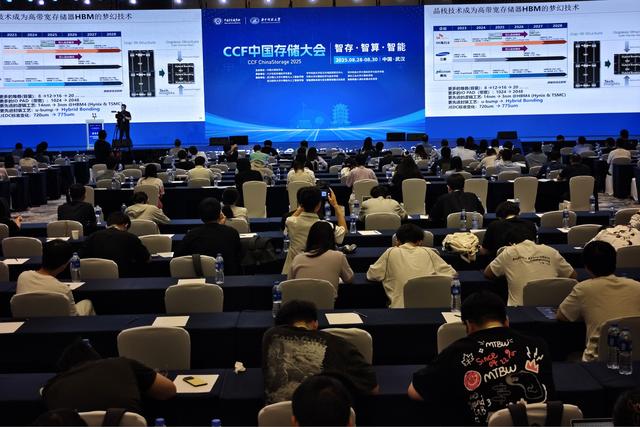
Core Viewpoint - The current surge in storage chip prices is expected to continue into 2026, driven by a combination of supply constraints and recovering demand, particularly in sectors like AI and data centers [3][4][10]. Group 1: Price Trends and Market Dynamics - Storage chip prices have seen significant increases, with examples like Acer's 32GB DDR5 memory rising from approximately 1300 RMB to around 2700 RMB within a few months [3]. - Analysts predict that the price of enterprise-grade SSDs may double in early 2026 due to strong demand for server-grade storage [4]. - The current price surge is characterized as a result of supply contraction and recovering demand after a prolonged downturn in the storage industry [5][11]. Group 2: Impact on the Supply Chain - The packaging and testing (封测) sector is experiencing structural improvements, with major firms raising prices by up to 30% due to high capacity utilization [5][6]. - The demand for advanced packaging technologies is increasing, which is driving up costs in the packaging and testing segment [6]. - Some mid-to-high-end packaging services are seeing improved pricing power, while traditional packaging services remain competitive and less affected by price increases [6][7]. Group 3: Differentiation Among Downstream Manufacturers - The impact of rising storage chip prices varies among manufacturers, with upstream firms benefiting more than midstream and downstream companies [7]. - PC manufacturers like Lenovo and Dell have raised prices by 10% to 30%, while some smartphone models have seen price increases of up to 500 RMB [8]. - Larger brands with better supply agreements and pricing power are less affected by cost increases compared to smaller manufacturers [9]. Group 4: Future Outlook and Opportunities - The storage chip market is expected to remain in a supply-demand imbalance, with DRAM and NAND flash consumption projected to increase significantly in 2026 [10]. - Domestic storage manufacturers are likely to gain market share and improve profitability due to favorable market conditions [11]. - Opportunities exist for companies involved in high-end storage and recycling, as well as those that can innovate in product offerings and cost structures [11].
城市NOA销量突破300万辆:智驾竞争进入体验决胜期
3 6 Ke· 2026-01-16 13:22
Group 1 - The report indicates that from January to November 2025, the cumulative sales of passenger cars equipped with urban NOA (Navigation Assisted Driving) in China reached 3.129 million units, accounting for 15.1% of the total passenger car insurance volume, an increase of 5.6 percentage points compared to the entire year of 2024 [1] - Notably, mainstream models priced below 300,000 yuan accounted for 68.9% of the sales, indicating that urban NOA, once a feature exclusive to high-end vehicles, is moving towards the mainstream consumer market [1] - The report highlights that domestic brands are actively innovating in the smart connected vehicle sector, capturing a dominant market position with an 81.1% share of urban NOA model sales [1][4] Group 2 - The market for third-party suppliers is becoming concentrated, with Momenta and Huawei together holding approximately 80% of the market share, with Momenta at about 61.06% and Huawei's HI model at approximately 19.76% [2][4] - The report anticipates that by 2030, urban NOA will become the mainstream function of assisted driving, with the Ministry of Industry and Information Technology predicting that high-level automated driving will create a trillion-yuan value increment for the automotive industry [2][7] - The report emphasizes that the current focus of industry competition has shifted from high-speed NOA to urban NOA, with the development level of NOA technology being crucial for China's competitive position in the global automotive industry [1][2] Group 3 - The report outlines a dual-driven market structure of "in-house development by car manufacturers + collaboration with third-party suppliers," with self-developed urban NOA models accounting for approximately 78.3% of total urban NOA sales from January to November 2025 [3] - New car manufacturers are leveraging software development and ecosystem capabilities to drive the development of NOA, with brands like Tesla, NIO, and Xpeng leading the market [3] - The report also notes that traditional brands are increasingly collaborating with local intelligent driving suppliers to accelerate the implementation of urban NOA features, indicating a shift in strategy among established automotive players [4] Group 4 - The report identifies the core elements of supplier competitiveness in the scaling phase as algorithm capability, data closure, and experience in large-scale production [5] - The end-to-end architecture is being restructured, with safety and user experience becoming focal points for upgrades, driven by the integration of end-to-end large models [6] - The ultimate goal of technological iteration is to enhance safety and user experience, with expectations that urban NOA's functionality and reliability will continue to expand as multi-modal large models and end-to-end technologies evolve [6][7]


内存条涨价风,席卷整个数码产业链
Qi Lu Wan Bao· 2026-01-16 11:05
Core Insights - The digital market is experiencing a significant price surge in memory and storage products, with prices for 16GB memory modules increasing from around 160-170 yuan to over 700 yuan, representing a rise of over 300% [2][4] - The price increases are affecting both assembled and branded computers, leading to higher costs for consumers and a decrease in customer inquiries at retail stores [2][3] - Major PC manufacturers, including HP, Acer, and Dell, have announced price hikes for their products due to rising memory costs, with increases ranging from 10% to 30% [4][5] Price Surge in Memory Products - The price of 8GB memory modules has risen from tens of yuan to 300-400 yuan, while 1TB solid-state drives have increased from over 300 yuan to around 800 yuan [2][4] - Retailers are adjusting their inventory purchasing strategies, opting for smaller, more frequent orders to mitigate risks associated with fluctuating prices [3][4] Impact on the PC and Smartphone Industries - The price increases in memory components have led to a ripple effect throughout the supply chain, forcing manufacturers to raise prices for their products [4][5] - Smartphone manufacturers, including Xiaomi and OPPO, have also raised prices for new models, with some models seeing increases of up to 20% due to higher memory costs [5][6] Market Dynamics and Future Outlook - The global storage chip market is currently in a "super bull market," with prices expected to rise by 40%-50% in the upcoming quarters due to supply-demand imbalances and trade uncertainties [7][8] - Industry experts predict that prices may not return to previous lows until after 2027, suggesting a prolonged period of high prices for consumers [8]
海伦哲(300201.SZ):小米目前不是及安盾消防的客户
Ge Long Hui· 2026-01-16 07:37
Group 1 - The core point of the article is that Helen Zhe (300201.SZ) stated on the investor interaction platform that Xiaomi is currently not a customer of Jidandun Fire Protection [1] - Jidandun is collaborating with certain electric vehicle manufacturers to promote the development of automotive battery fire extinguishing devices [1]

100万辆“斩杀线”出现,2026年中国智驾进入淘汰赛
3 6 Ke· 2026-01-16 07:30
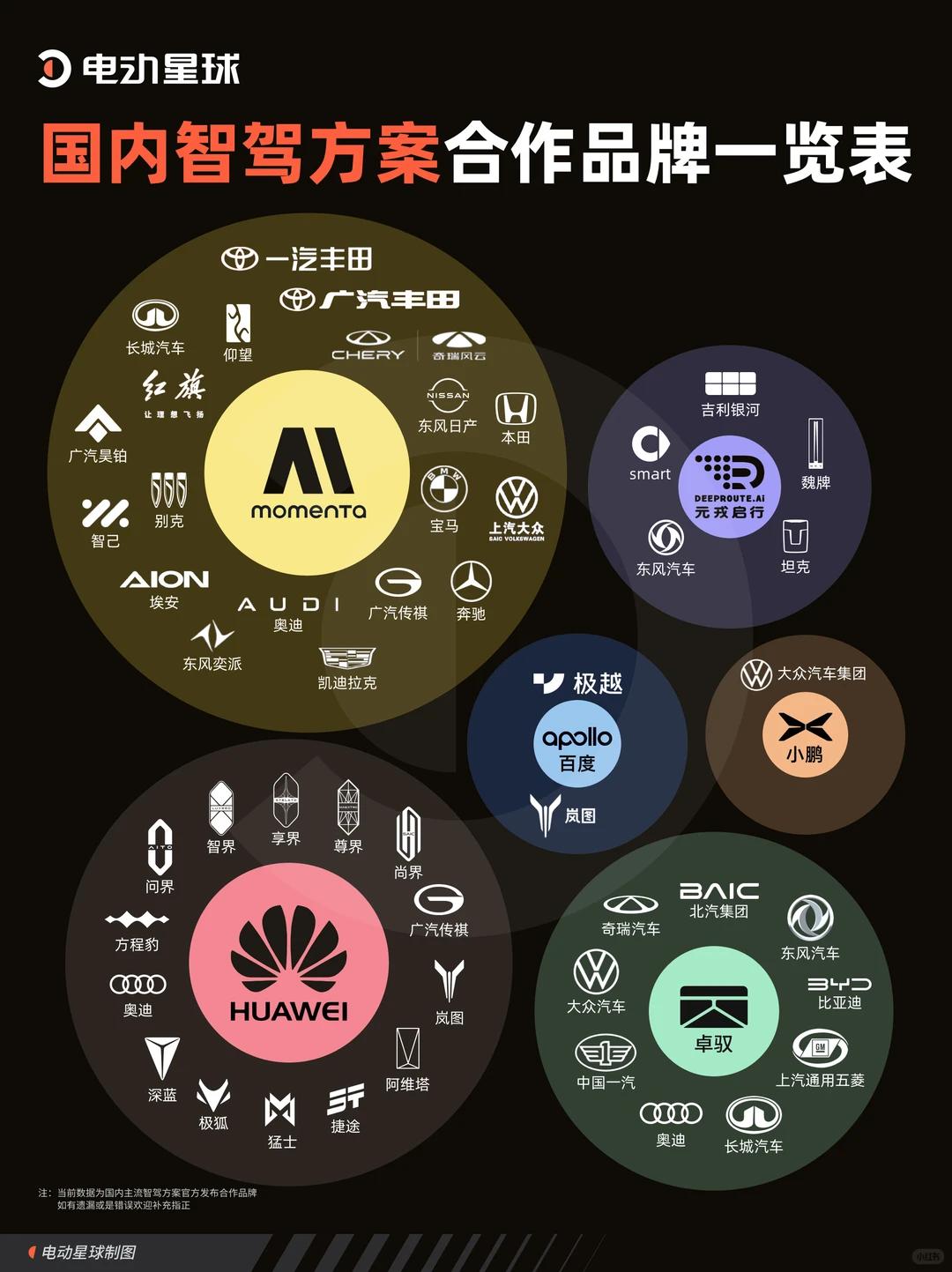
Core Insights - The Chinese smart driving industry has reached a critical turning point in 2025, transitioning from a phase of exploration to one dominated by scale and delivery, leading to the emergence of clear "losers" in the market [1][2] - The threshold of 1 million vehicles equipped with smart driving systems is becoming a significant benchmark, with companies like Yuanrong Qixing indicating that crossing this line will be essential for survival in 2026 [3][34] Competitors - As of January 1, 2026, a comprehensive overview of domestic smart driving solution providers reveals the competitive landscape among third-party suppliers [4] - Horizon Robotics has established partnerships with over 40 automakers, including major brands like SAIC and GAC, indicating its strong market presence [6] - By the end of 2025, Horizon's HSD system saw activation in over 12,000 vehicles shortly after its launch, showcasing its rapid adoption [8] - Companies like NIO, Xpeng, and Li Auto are also significant players in the self-developed smart driving systems space, alongside traditional automakers like BYD and Great Wall [11] - The industry is witnessing a convergence of technology routes, with a consensus on end-to-end architecture and multi-modal large models, leading to a more competitive environment [12] - Huawei has crossed the 1 million vehicle mark with its smart driving system, establishing a unique position in the market [12][15] - The competitive landscape is characterized by a significant number of active smart driving brands, exceeding 15, which poses sustainability challenges for the industry [12] Exiting Players - The failures of companies like Haomo and Dazhuo in 2025 highlight the industry's harsh realities, with common issues including slow technology transitions and concentrated customer bases [29][30] - The inability to deliver products on time has been a critical factor in the downfall of these companies, emphasizing the need for rapid iteration and delivery capabilities [30] - The increasing number of exiting players is attributed to mismatched technology routes and capability shortfalls, with a shift towards data-driven solutions becoming essential for survival [32] "Killing Line" Approaching - The 1 million vehicle mark is emerging as a psychological threshold, with companies below this number at risk of being pushed out of the market [34] - This benchmark represents a cash flow turning point, where companies can begin to cover core investments through revenue generated from vehicle deployments [34] - Achieving this scale also enhances data density, allowing for better coverage and problem-solving capabilities in diverse driving scenarios [35] - The lack of a standardized reporting mechanism for vehicle deployment numbers leads to inflated claims by companies, complicating the competitive landscape [35] - The true survival criteria for smart driving companies will hinge on their ability to establish data-driven development paradigms and integrate them with traditional manufacturing processes [34][39]
每日投资策略-20260116
Zhao Yin Guo Ji· 2026-01-16 03:31
Macro Commentary - The Chinese economy shows signs of moderate monetary policy easing, with a continued slowdown in the growth of social financing stock expected by the end of 2025, and a significant decline in M1 growth, indicating weakened economic activity and private sector confidence [2][6] - The credit structure reveals an imbalance in economic supply and demand, with the corporate sector remaining the main driver of credit expansion, while the household sector continues to deleverage [2] Global Market Performance - Major global stock indices showed varied performance, with the Hang Seng Index closing at 26,924, down 0.28% for the day but up 5.05% year-to-date [3] - The US stock market experienced a rebound, with utilities, industrials, and real estate leading gains, while energy, healthcare, and communication services sectors declined [5] Sector Performance in Hong Kong - In Hong Kong, the consumer discretionary, healthcare, and information technology sectors led declines, while real estate, energy, and industrial sectors saw gains [5] - The Hang Seng Financial Index rose by 0.68% to 50,996, while the Hang Seng Real Estate Index increased by 1.32% to 19,105 [4] Company Analysis - Jitu (1519 HK) is rated as a "Buy" with a target price of HKD 13.4, following a share swap agreement with SF Express, which is expected to enhance product offerings and market reach [6] - WuXi AppTec (2268 HK) is also rated as a "Buy" with a target price of HKD 88.00, anticipating a revenue increase of at least 45% and net profit growth of at least 38% for 2025 [7][10] - WuXi AppTec's strong performance is attributed to a record number of new contracts in drug development and production, with significant growth in XDC projects and a strategic acquisition of Dongyao Pharmaceutical to enhance production capacity [8][9][10]
1.16犀牛财经早报:国内首只千亿级黄金ETF诞生
Xi Niu Cai Jing· 2026-01-16 01:40
Group 1 - The first domestic gold ETF in China has surpassed 100 billion yuan in scale, driven by rising gold prices and continuous investor buying, indicating significant asset allocation value in the current low-interest-rate environment [1] - Domestic power grid investment is expected to exceed 1 trillion yuan per year during the 14th Five-Year Plan, with a projected 40% increase in fixed asset investment by the State Grid Company compared to the previous plan [1] Group 2 - The space photovoltaic concept has gained significant attention in 2026, with multiple companies like JinkoSolar and Trina Solar actively disclosing their development plans, indicating a potential trillion-yuan market [2] - The low-altitude economy is viewed as a long-term endeavor, requiring patience and collaboration across the industry to achieve its full potential [2] Group 3 - China's commercial aerospace industry is growing at over 20% annually, with projections of reaching 7 to 10 trillion yuan by 2030, as various regions compete to establish their presence in this sector [3] - Nickel prices have surged nearly 30% in a month due to supply contraction expectations, with significant implications for the nickel market and its downstream industries [3] Group 4 - The automatic driving industry in China is advancing, with the first L3-level conditional autonomous driving models receiving approval for road testing in designated areas [5] - In 2026, traditional car manufacturers are targeting stable growth rates of 10% to 30%, while new entrants aim for aggressive growth rates of 34% to 67% [5] Group 5 - The electric vehicle sector is witnessing a reshuffle, with companies like Jidu Auto entering restructuring processes, reflecting the competitive landscape of the industry [6] - Star River Power has successfully launched 89 satellites into orbit, marking a significant achievement in the private aerospace sector [6] Group 6 - WuXi Biologics' major shareholder has agreed to sell 150 million shares at a price of 38.52 HKD per share, which will reduce their stake from approximately 12.12% to 8.49% [10] - Kuaishou has issued a total of 6 billion USD in senior notes, with proceeds intended for general corporate purposes [11] Group 7 - Cloud Intelligence plans to place 780,000 new H-shares at a price of 252 HKD per share, indicating ongoing capital-raising efforts [12] - E-Tech's IPO is set to face scrutiny from regulators, highlighting the challenges faced by companies in the automotive electronics sector [13] Group 8 - Luoyang Molybdenum expects a net profit increase of 48% to 54% for 2025, driven by rising product prices and effective cost management [14] - Lio's stock has been suspended for trading due to significant price fluctuations, reflecting the need for regulatory oversight in volatile markets [14] Group 9 - U.S. stock indices rebounded, with significant gains in technology and financial sectors, driven by strong earnings reports from major companies [16] - Commodity prices, including metals and oil, experienced declines after reaching record highs, indicating market volatility [16]
美团也要卖车了;贾国龙回应西贝关闭102家;千问App接入支付宝,上线AI付款;雷军:新一代小米SU7将提供9款配色丨邦早报
Sou Hu Cai Jing· 2026-01-16 00:44
Group 1: Company Developments - Xibei Restaurant confirmed the closure of 102 stores, which accounts for 30% of its total outlets, and assured customers that stored value cards can be used at other locations or refunded [1] - Thunder restarted litigation against former CEO Chen Lei, claiming damages of up to 200 million yuan due to alleged hidden asset extraction through a shadow company [3] - Xiaomi's new SU7 model will offer nine color options and is expected to launch in April 2026 with a starting price of 229,900 yuan [4] - Ideal Auto appointed Zhan Kun to lead the base model business, focusing on the development of the VLA (Vision-Language-Action) model [5] - Meituan entered the car sales market by signing a strategic cooperation agreement with Shanghai Xiche Future Intelligent Technology [5] - Wang Jian's company, Bawang Tea, is suing a netizen for defamation related to personal matters, with a court date set for March 3 [5] - Citigroup's CEO Jane Fraser indicated potential layoffs as part of efforts to improve company culture and profitability [7] - Former CEO of Weilong, Sun Yinan, has joined Dayao as CEO [7] - OpenAI's former research vice president is returning to the company following a leadership change at Thinking Machines [7] Group 2: Market Trends and Financial Data - The pickup market in China is projected to sell 589,000 units in 2025, reflecting a year-on-year growth of 11.8% [12] - Omdia's research indicates a slight decline of 1% in China's smartphone market for 2025, with Huawei regaining the top position with 46.8 million units sold [12][13] - The total smartphone shipments in China for 2025 are estimated at 282.3 million units, with Huawei, Vivo, and Apple leading the market shares [13]





从“蔚小理”到“零鸿米”(小经说汽车)
Ren Min Ri Bao· 2026-01-15 22:04
Group 1 - The new rankings of car manufacturers in 2025 show significant changes, with Leap Motor leading in sales, followed by Hongmeng Zhixing, and Xiaomi entering fourth place, while XPeng, Li Auto, and NIO rank third, fifth, and sixth respectively [1] - The shift in rankings reflects changes in the comprehensive competitiveness of car manufacturers and indicates a transformation in the automotive market competition landscape [2] - The rise of "Zero, Hongmeng, and Xiaomi" signifies a new trend in the integration and development of the automotive industry, supported by leading ICT companies like Huawei and Dahua, which provide technological advantages and efficient supply chain capabilities [3] Group 2 - The automotive industry is transitioning from the "first half" of electrification to the "second half" of intelligence, with competition now focusing on technological differentiation, cost efficiency, and global capabilities [2] - Huawei's role in the automotive sector is emphasized, as it provides smart solutions and collaborates with various car manufacturers to enhance their product development and marketing processes [4] - The integration of ICT technologies into the automotive industry is expected to foster continuous innovation and potentially create world-class Chinese intelligent mobility brands [4]