
金力永磁

Search documents
有色金属行业周报(2025.12.1-2025.12.7):磁材头部企业已获出口许可证,关注稀土板块投资机会-20251208
Western Securities· 2025-12-08 05:37
Investment Rating - The report indicates a positive outlook for the non-ferrous metals industry, particularly highlighting investment opportunities in the rare earth sector due to recent export license approvals for leading companies [1][44]. Core Insights - The Chinese government is implementing export controls on rare earth materials, but compliant applications for civilian use are being approved promptly, which is expected to streamline export processes and boost demand recovery in the rare earth permanent magnet industry [1][44]. - The U.S. private sector experienced a significant job loss in November, which may influence Federal Reserve policies, with a high probability of interest rate cuts anticipated [2][17]. - Production at the Kamoa-Kakula copper mine in the Democratic Republic of Congo is projected to be lower than 2024 levels due to operational challenges, with expected output between 380,000 to 420,000 tons in 2026 [3][18]. - Indian companies Adani and Hindalco are exploring investment opportunities in Peru's copper sector, driven by increasing demand, as Peru is the world's third-largest copper producer [4][19]. Summary by Sections Market Performance - The non-ferrous metals sector outperformed the market with a weekly increase of 5.35%, significantly surpassing the Shanghai Composite Index by 4.98 percentage points [10][11]. Metal Prices and Inventory Changes - Copper prices on the LME reached $11,665 per ton, up 4.38% week-on-week, while SHFE copper prices increased to ¥92,780 per ton, up 6.12% [21]. - LME copper inventory rose by 1.96% to 162,550 tons, while SHFE inventory decreased by 9.22% to 88,905 tons [23]. Strategic Metals - The average price of praseodymium oxide increased by 2.88% to ¥597,000 per ton, reflecting a tightening supply in the antimony market, which has seen a price rebound after a prolonged decline [43][44]. Key Company Tracking - Recommendations include companies with integrated operations in the aluminum sector, such as China Hongqiao, and copper-focused firms like Zijin Mining and Luoyang Molybdenum [53][54].
银河期货每日早盘观察-20251208
Yin He Qi Huo· 2025-12-08 03:14
Report Industry Investment Rating No relevant information provided. Core Viewpoints of the Report - The stock index is expected to rise steadily with a shifting center of gravity due to weekend positive news and improved market confidence [20]. - The bond market is showing a differentiated performance, with the ultra - long end facing uncertainties and the medium - short end having limited room for a "super - oversold rebound" [23]. - In the agricultural product market, most varieties are under pressure or in a volatile situation, affected by factors such as supply and demand and reports [26][27]. - The black metal market is volatile, with steel prices affected by factors like environmental protection and demand, and the prices of double - coking and iron ore showing different trends [58][62][64]. - The non - ferrous metal market is also volatile, with gold and silver prices likely to fluctuate more due to the focus on the Fed's signal, and copper prices rising due to supply concerns [68][70][78]. - The energy and chemical market is generally in a state of shock, with factors such as geopolitical disturbances, supply and demand, and cost affecting prices [112][113][117]. - The shipping market's container shipping is expected to have a short - term high - level shock, with attention paid to factors such as the increase in shipping company prices and the improvement of cargo volume [108][109]. Summary by Relevant Catalogs Financial Derivatives Stock Index Futures - Last week, the market bottomed out and rebounded, and on Friday, insurance and brokerage firms boosted the index. The stock index is expected to rise steadily with a shifting center of gravity. The trading strategies include going long with a light position, conducting IM/IC long 2512 + short ETF cash - and - carry arbitrage, and using a bullish spread option strategy [20][21]. Bond Futures - The bond market showed a further differentiated performance last week. The ultra - long end was weak, and the medium - short end was relatively stable. The trading strategy is to wait and see on the long - side and pay attention to the potential cash - and - carry arbitrage opportunities of the TF contract [23][24]. Agricultural Products Protein Meal - The CBOT soybean and soybean meal indexes declined. The USDA is expected to see a decrease in corn and wheat planting and an increase in soybean planting. The market may be under pressure from the report, and the trading strategy is to lay out a small number of short positions [26][27]. Sugar - The international sugar price is oscillating, and the domestic sugar price is weak. The Brazilian sugar production is approaching the end of the season, and the supply pressure is gradually easing. The domestic sugar production cost is high, providing some support. The trading strategy is to wait and see on the long - side and sell put options at low prices [30][31]. Oilseeds and Oils - The prices of CBOT soybean oil and BMD palm oil showed different trends. The palm oil production in Malaysia decreased in November, but the export was weak. The domestic soybean oil inventory is gradually decreasing, and the rapeseed oil is expected to continue to reduce inventory. The trading strategy is to conduct high - low - band trading on the long - side [33][34][35]. Corn/Corn Starch - The CBOT corn futures declined. Russia has reduced the export tariff on corn to zero. The domestic corn spot is strong, but the futures may have room for a decline. The trading strategy is to go long on the 03 contract on dips and short on rallies, and to narrow the spread between 01 corn and starch [36][39]. Live Pigs - The live pig price showed a rebound, but the overall supply pressure still exists. The trading strategy is to wait and see and sell wide - straddle options [40][41]. Peanuts - The peanut spot price is stable, but the futures price is oscillating downward. The trading strategy is to short the 01 contract on rallies and conduct a 15 - contract reverse arbitrage [43][44]. Eggs - The egg demand is average, and the price has declined. The short - term is expected to fluctuate in a range, and the long - side can be considered for the far - month contracts. The trading strategy is to wait and see on the long - side [46][48]. Apples - The apple cold - storage inventory is low, providing support for the price. The trading strategy is to expect high - level oscillations and wait and see [49][51][52]. Cotton - Cotton Yarn - The ICE cotton futures declined. The supply of new cotton is abundant, and the demand is in the off - season. The price is expected to be mainly oscillating. The trading strategy is to wait and see [53][55]. Black Metals Steel - The market sentiment is fluctuating, and steel prices are oscillating. Affected by environmental protection and demand, the short - term is expected to be in a weak - shock state. The trading strategy is to go short on rallies and conduct spread trading [57][58][59]. Double - Coking - The sentiment is weak, waiting for the start of winter storage. The short - term is expected to continue to be weak, but the downward space is limited. The trading strategy is to stop profiting on short positions [60][62]. Iron Ore - The price is expected to be mainly weak. The supply is relatively abundant, and the demand is weak. The trading strategy is to take a short - side view [63][64]. Ferroalloys - The price rebounds in the short - term due to cost, but the upward space is limited by demand. The trading strategy is to wait and see on the long - side and sell out - of - the - money straddle option combinations [65][66]. Non - Ferrous Metals Gold and Silver - After the release of the PCE data, the prices fluctuated. The market is focusing on the Fed's signal, and the price volatility is expected to increase. The trading strategy is to pay attention to the support level of gold and go long on silver cautiously [68][70][72]. Platinum and Palladium - Platinum is recommended to go long on dips, and palladium is expected to oscillate. The trading strategy is to go long on platinum, conduct a long - platinum - short - palladium spread, and buy out - of - the - money call options for platinum [73][74][75]. Copper - The copper price rose due to concerns about non - US long - term supply. The trading strategy is to hold long positions and pay attention to cash - and - carry arbitrage opportunities [76][78][79]. Alumina - The price is expected to be weak before the expiration of warehouse receipts. The trading strategy is to wait and see [80][83]. Electrolytic Aluminum - The price is expected to be strong, with obvious fundamental support. The trading strategy is to go long [84]. Cast Aluminum Alloy - The price follows the aluminum price. The trading strategy is to wait and see [86]. Zinc - The price is in a wide - range oscillation. The trading strategy is to wait and see on the long - side [88][91][92]. Lead - The price is in a range - bound oscillation. The trading strategy is to hold long positions and be vigilant against macro - factors [93][94]. Nickel - The oversupply is narrowing, leading to a rebound in the price. The trading strategy is to test the resistance on the long - side and sell out - of - the - money call options [95][97]. Stainless Steel - The price is in a weak - shock state, waiting for policy stimulus. The trading strategy is to wait and see on the long - side [98][99]. Industrial Silicon - Due to environmental pressure in the northwest, the price may rebound in the short - term. The trading strategy is to stop profiting on short positions [100]. Polysilicon - With the increase in delivery brands, the price is expected to be weak in the short - term. The trading strategy is to go short on the long - side and use a double - buy option strategy [102][103]. Lithium Carbonate - The supply is back in focus, and the price continues to decline. The trading strategy is to buy after a sufficient correction on the long - side and sell out - of - the - money call options [104][105]. Tin - The price lacks upward momentum, and the trading strategy is to pay attention to macro - impacts and expect high - level oscillations [106][107]. Shipping Industry Container Shipping - Shipping companies are starting to increase prices in January, and the market is expected to be in a short - term high - level shock. The trading strategy is to take partial profits on long positions and conduct a 2 - 4 positive spread arbitrage [108][109][110]. Energy and Chemical Industry Crude Oil - Geopolitical disturbances continue, and the price is oscillating. The trading strategy is to expect a wide - range oscillation and pay attention to the spread [112][113]. Asphalt - The supply and demand are weak, and the price is in a weak - shock state. The trading strategy is to expect a weak - shock and sell out - of - the - money call options [114][117]. Fuel Oil - Both high - sulfur and low - sulfur fuel oils have a weak fundamental outlook. The trading strategy is to expect a weak - shock and pay attention to the spread [118][120]. Natural Gas - LNG is weak, and US natural gas has broken through and risen. The trading strategy is to wait and see on the long - side and use option - selling strategies [121][123]. PX & PTA - PX supply is abundant, and PTA is expected to accumulate inventory. The trading strategy is to expect an oscillation and conduct a reverse spread [124][126]. BZ & EB - The cost lacks support, and inventory needs to be reduced. The trading strategy is to expect an oscillation and sell out - of - the money call options [127][130]. Ethylene Glycol - There is an expectation of inventory accumulation, and the price is falling. The trading strategy is to expect a weak - shock and sell out - of - the money call options [131][132]. Short - Fiber - The short - fiber factory has an expectation of inventory accumulation. The trading strategy is to expect an oscillation and use a double - sell option strategy [133][134]. Bottle Chips - The demand is expected to weaken in the off - season. The trading strategy is to expect an oscillation and use a double - sell option strategy [135][137]. Propylene - High inventory suppresses the price. The trading strategy is to go short on rallies and sell call options [138][140]. Plastic PP - The price is expected to be weak. The trading strategy is to wait and see on the long - side and pay attention to the support level [141][142]. Caustic Soda - The price is weak. The trading strategy is to expect a weak trend and wait and see [143][146]. PVC - The price hits a new low. The trading strategy is to expect a weak trend [147][148]. Soda Ash - The price is in an oscillating state. The trading strategy is to expect an oscillation and pay attention to the spread [150][152]. Glass - The price is weak and oscillating. The trading strategy is to expect the supply - side contraction to determine the winter - storage strength and pay attention to the spread [153][155]. Methanol - The price is in a weak - shock state. The trading strategy is to expect an oscillation [156]. Urea - The price rises and then falls. The trading strategy is to go short on the long - side and pay attention to the spread [158][161]. Pulp and Paper Industry Pulp - The spot market price has fallen from a high level. The trading strategy is to wait and see, and aggressive investors can try short positions [163][164]. Logs - The fundamental situation is weakening. The trading strategy is to wait and see, and aggressive investors can go long on a small scale [167][168]. Offset Printing Paper - The supply pressure remains high, and the market continues to decline. The trading strategy is to wait and see, and aggressive investors can go short on rallies [170][172]. Rubber Industry Natural Rubber - The warehouse receipts are accumulating, and the tire inventory remains unchanged. The trading strategy is to hold short positions on the RU01 contract and go long on the NR02 contract with a small amount [173][176]. Butadiene Rubber - The total warehouse receipts are reducing inventory, and the tire inventory remains flat. The trading strategy is to hold short positions on the BR02 contract [177][179].
股指期货周报:利好助力股指-20251208
Yin He Qi Huo· 2025-12-08 01:12
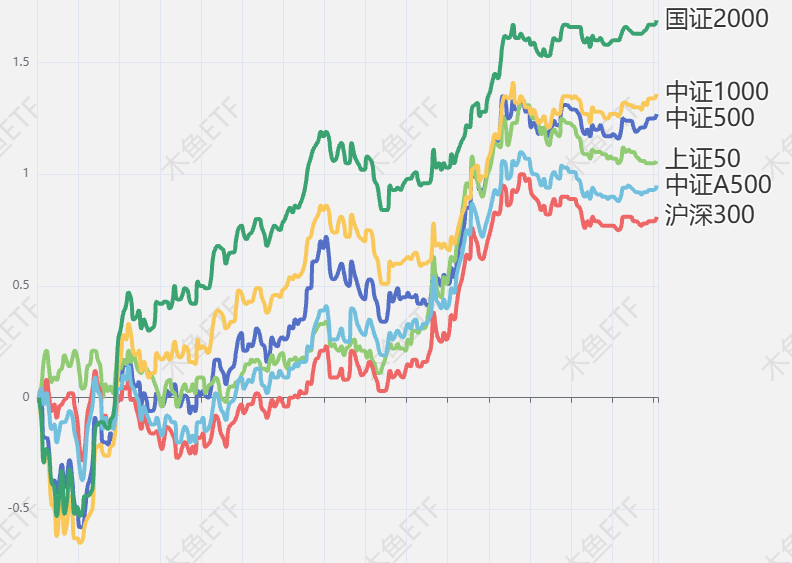
1. Report Industry Investment Rating - Not provided in the report 2. Core Viewpoints of the Report - The stock market is expected to rise steadily with its center of gravity moving upward due to weekend positive news such as the moderate expansion of securities firms' capital space and leverage limits, and the reduction of risk factors for insurance companies' stock investments, which can boost market confidence and guide long - term funds into the market. Although there is significant upward pressure, the re - gathered confidence may lead to an upward challenge. In the futures market, on Friday, the stock index futures showed a simultaneous increase in volume and price, with a significant increase in positions and a narrowing of the discount, indicating that futures investors are optimistic about the future market. IM and IC are expected to be stronger than the broader market in the future [6]. 3. Summary by Relevant Catalog 3.1 First Part: Weekly Core Points Analysis and Strategy Recommendations 3.1.1 Weekly Important News - On the evening of December 5th, Chinese and US economic and trade leaders held a video call, discussing the implementation of the important consensus reached at the leaders' meeting in Busan and the phone call on November 24th, and having in - depth and constructive exchanges on future practical cooperation and resolving concerns in the economic and trade field [3]. - The National Financial Regulatory Administration issued a notice on adjusting risk factors for insurance companies' related business. It reduced risk factors for long - held index component stocks like CSI 300 and Sci - tech Innovation Board stocks, and lowered premium and reserve risk factors for export credit and overseas investment insurance. If all insurance funds increase their allocation to corresponding stocks, it may bring over 100 billion yuan in incremental funds to the stock market [3]. - Wu Qing proposed to moderately expand the capital space and leverage limits of securities firms and shift from price competition to value - based competition [3]. - The China Securities Regulatory Commission solicited public opinions on the "Regulations on the Supervision and Administration of Listed Companies (Draft for Public Comment)", which includes clear requirements for market value management, cash dividends, and share repurchases to enhance the investment value of listed companies [3]. - The CEO of AMD is ready to pay a 15% tax to the US government to export MI308 chips to China [3]. - Jinli Permanent Magnet, Zhongke Sanhuan, and Ningbo Yunsheng have obtained general export licenses [3]. 3.1.2 Comprehensive Analysis - Last week, the market bottomed out and rebounded, with trading volume hitting bottom before the index, showing the pattern of "low volume indicates low price". On Friday, insurance and securities sectors boosted the index, with the Shanghai Composite Index returning above 3900 points, and most stocks rising, indicating high market sentiment. The key to the market's strength on Friday lies in the positive news for the financial sector over the weekend. Attention should be paid to whether the market will open high and close low on Monday and whether investors will cash out [6]. 3.1.3 Strategy Recommendations - Unilateral trading: Buy on dips. - Arbitrage: Implement the cash - and - carry arbitrage strategy of going long on IM/IC 2512 and short on ETFs. - Options: Adopt the double - buy strategy [6]. 3.2 Second Part: Weekly Data Tracking 3.2.1 A - share Index Performance - Last week, the market first declined and then rose, with large - cap indexes performing better than small - and medium - cap indexes. The CSI 300 rose 1.28%, the SSE 50 rose 1.09%, the CSI 500 rose 0.94%, and the CSI 1000 rose 0.11% [19]. 3.2.2 A - share Trading Volume - Last week, the trading volume in the A - share market slightly decreased to 8.4 trillion yuan, with the average daily trading volume down 2.4% from the previous week. The lackluster performance of the index for most of the week and year - end effects were the main reasons. The trading volume proportion of major indexes remained stable, except for the CSI 300, whose trading volume proportion increased on Monday and Friday [24]. 3.2.3 A - share Stock Price Movements - The number of rising stocks significantly decreased last week. From December 2nd to 4th, the proportion of rising stocks was only about 27%, reaching a low point in the past 10 days. On December 5th, market sentiment was high, and the proportion of rising stocks reached the highest point since October 22nd. For most of last week, A - share market sentiment cooled down. From December 2nd to 4th, the number of limit - up stocks significantly decreased. In particular, on the 4th, the proportion of stocks that had reached the limit - up was only 0.7%, slightly higher than that on November 21st when the market tumbled [28]. 3.2.4 A - share Margin Trading - Last week, the margin trading balance in the A - share market remained at 2.67 trillion yuan, accounting for 2.57% of the A - share free - float market capitalization. On December 1st, when the market rose, the net margin buying exceeded 10 billion yuan, followed by small fluctuations. The proportion of margin buying in the A - share trading volume dropped below 10%. At the end of the year, the margin trading balance shows a cyclical decline, while the proportion of margin buying shows signs of bottoming out and rebounding [34]. 3.2.5 A - share Industry Performance - The report presents the weekly price changes and popularity of various industries, but specific industry - by - industry analysis is not provided [36]. 3.2.6 A - share Industry Fund Flow - The report shows the weekly net inflow of funds and net margin buying for different industries, but specific industry - by - industry analysis is not provided [38]. 3.2.7 A - share Market Financing - The report shows the financing amounts and the number of companies for IPOs and private placements, but specific analysis is not provided [41]. 3.2.8 Stock Index Futures Basis Changes - The report shows the basis changes of IM, IC, IF, and IH stock index futures, but specific analysis is not provided [44]. 3.2.9 Stock Index Futures Trading Volume and Open Interest Changes - The report shows the trading volume and open interest changes of IM, IC, IF, and IH stock index futures, but specific analysis is not provided [48]. 3.2.10 Comparison of Stock Index Futures and Spot Trading Volume - The report shows the comparison of trading volumes between stock index futures and spot markets for IM, IC, IF, and IH, but specific analysis is not provided [50]. 3.2.11 Stock Index Futures Main Contract Open Interest - The report shows the net short positions of the top five and top ten holders of stock index futures, but specific analysis is not provided [53].
超级周末!险资、券商、创新药、商业航天,重磅!单签浮盈,28万;暴雷、紧急公告!
Sou Hu Cai Jing· 2025-12-08 00:44
Group 1 - The China Securities Regulatory Commission (CSRC) Chairman emphasized the need to moderately expand the capital space and leverage limits for brokerages, shifting from price competition to value competition, and promoting internationalization of brokerages to enhance cross-border financial services [1] - The China Insurance Regulatory Commission announced a reduction in risk factors for certain stock holdings by insurance companies, potentially bringing over 100 billion yuan of incremental funds to the stock market [1] - The National Medical Insurance Administration added 114 new drugs to the national medical insurance catalog, including 50 innovative drugs, which could significantly impact the pharmaceutical sector [1] Group 2 - A super factory in Wenchang International Aerospace City is set to produce 1,000 satellites annually, marking a significant advancement in China's satellite manufacturing capabilities [2] - The World Gold Council reported that ETF holdings increased to 3,932 tons by the end of November, with China being the largest contributor to this growth [2] - The stock market saw significant activity with the debut of domestic GPU company Moore Threads on the STAR Market, achieving a closing price of 600.5 yuan per share, marking a 425.46% increase [3] Group 3 - The Shanghai Stock Exchange reported a total dividend payout of 1.81 trillion yuan from listed companies in the first eleven months, indicating a 2% year-on-year increase [5] - Companies like Midea Group are advancing in robotics, focusing on various categories of humanoid robots, while China Telecom launched a cross-border optical fiber transmission system [6] - The semiconductor industry is experiencing a surge, with global sales increasing by 33% year-on-year, driven by demand for AI infrastructure [15] Group 4 - The Ministry of Commerce is promoting durable goods consumption and reforming the automotive circulation sector to stimulate economic growth [10] - The National Medical Insurance Administration and the Ministry of Human Resources and Social Security are pushing for the inclusion of innovative drugs in commercial health insurance, which could enhance the pharmaceutical market [13] - The price of tin has reached a three-year high due to supply disruptions and rising demand from emerging sectors like AI and automotive electronics [14]
金属行业共振上行
2025-12-08 00:41
Summary of Metal Industry Conference Call Industry Overview - The metal sector is currently in an upward cycle, benefiting from liquidity easing, recovery in traditional industries, and demand driven by AI infrastructure needs. Industrial metals such as copper, aluminum, and tin are expected to benefit, while supply faces challenges from declining ore grades, capacity constraints, and geopolitical disturbances [1][4]. Key Points and Arguments Metal Market Performance - The strong performance of the metal sector in 2025 is attributed to changes in market liquidity, inventory and demand data, and long-term demand expectations. Precious metals and industrial metals like copper, aluminum, and tin have shown significant gains due to increased market liquidity, interest rate cut expectations, and emerging demands from AI [2]. - The outlook for 2026 suggests that the metal sector will continue its upward trend, supported by anticipated interest rate cuts and recovery in traditional industries such as real estate and manufacturing [3]. Precious Metals - The precious metals market is currently characterized by ample liquidity, with central banks continuing to increase gold holdings. The expectation of a rate cut by the Federal Reserve has led to significant price fluctuations, particularly in silver, which has seen a strong rally due to declining global inventories and increased industrial demand [5][7]. - The market anticipates that the liquidity situation will remain favorable in December, with a high probability of a rate cut, which will support precious metal prices [5][7]. Silver Market - Global silver inventories have been declining since 2021, primarily due to industrial demand. The supply-demand mismatch is expected to continue, with speculative demand increasing, which could lead to a gradual rise in silver prices in the medium to long term [6][8]. Copper and Tin Markets - Recent price increases in copper and tin are notable, with copper prices rising approximately 6% and tin prices exceeding 320,000 yuan/ton. This is driven by expectations of a Federal Reserve rate cut and supply disruptions from major mining companies reducing production guidance [9][10]. - The LME cancellation of warehouse receipts has reached its highest level in nearly a decade, indicating strong demand and potential price support for copper [9]. Aluminum Market - The aluminum industry is experiencing a tight supply-demand balance, with domestic production capacity reaching its peak and slow recovery in Europe and the U.S. The demand from AI applications and energy storage is expected to provide additional growth [11][13]. - The average profit in the electrolytic aluminum sector exceeds 5,000 yuan/ton, indicating strong profitability and potential for further expansion [11]. Rare Earth Market - The rare earth market is witnessing a divergence in price trends, with light rare earth prices increasing due to supply constraints, while heavy rare earth prices are declining due to weak downstream demand [16][17]. - The overall supply of rare earths is expected to remain rigid, with demand from sectors like electric vehicles and consumer electronics supporting a positive outlook for prices in the medium to long term [17]. Steel Industry Outlook - The steel industry has seen significant production cuts, with a reduction of approximately 20,000 tons in pig iron production. This has led to a decrease in inventory levels, which is a positive sign for the market [18]. - The long-term outlook for the steel sector remains optimistic, with expectations of improved profitability and stock performance in 2026, particularly in the manufacturing sector [18]. Additional Important Insights - The anticipated demand from AI infrastructure development is expected to sustain the demand for industrial metals over the next 5-10 years [4]. - The overall sentiment towards the metal sector remains optimistic, with expectations of continued growth across precious and base metals, driven by favorable macroeconomic conditions and sector-specific dynamics [18].
12月该关注什么?大金融、资源、出海、航天、AI应用百舸争流!
Sou Hu Cai Jing· 2025-12-08 00:40
Group 1 - The core viewpoint of the article emphasizes that while short-term sentiment may not have much room for speculation, long-term investment value remains certain, providing confidence for a slow bull market [1][22] - The article highlights that the financial sector, particularly non-bank financials, resources, and cash flow, presents opportunities for low-cost positioning, with a focus on overseas markets being favored by institutions [1][12] - Recent market movements were influenced by significant regulatory announcements and unexpected positive news, such as Baidu's AI chip business planning an IPO in Hong Kong and several companies obtaining general export licenses [5][22] Group 2 - The article notes that the market is currently in a state of balance between bulls and bears, requiring new positive stimuli to drive momentum [9] - It mentions that the overall financing enthusiasm remains weak, with a lack of clear direction in capital flows [10] - The article discusses the impact of regulatory benefits on the securities industry, which is expected to lead to a strong opening for related ETFs, although there may be short-term profit-taking opportunities [13][22] Group 3 - The article outlines expectations for monetary easing in response to economic indicators, with potential implications for resource and traditional manufacturing sectors [15] - It highlights the strong performance of the semiconductor market, with a significant year-on-year increase in sales, and anticipates rising copper prices due to demand [17] - The article also mentions the inclusion of innovative drugs in the medical insurance directory, which could benefit domestic pharmaceutical companies [18]

美国铜库存持续流入,非美地区低库存引发逼仓风险
GOLDEN SUN SECURITIES· 2025-12-07 13:33
Investment Rating - The report maintains a "Buy" rating for several companies in the non-ferrous metals sector, including 山金国际, 赤峰黄金, 洛阳钼业, 中国宏桥, and 中钨高新 [5][6]. Core Insights - The report highlights the continuous inflow of copper inventory in the US, while low inventory levels in non-US regions raise concerns about potential short squeezes [2]. - In precious metals, the report notes significant inflows into silver ETFs, with silver prices reaching new highs, supported by a favorable macroeconomic environment [1][33]. - The report emphasizes the mixed factors affecting lithium prices, with a downward trend observed, while cobalt prices remain high due to supply constraints from the Democratic Republic of Congo [3][24]. Summary by Sections Non-Ferrous Metals - **Copper**: US copper inventory continues to flow in, while low inventory in non-US regions raises short squeeze risks. Global copper inventory decreased by 13,000 tons, with a notable reduction in Chinese inventory by 35,000 tons [2]. - **Aluminum**: Positive macro sentiment drives short-term aluminum prices, with theoretical operating capacity in China's electrolytic aluminum industry increasing to 44.17 million tons [2]. - **Nickel**: Nickel prices remain low as consumption enters a seasonal downturn, with supply remaining ample and demand from stainless steel markets weak [2]. Precious Metals - **Silver**: The SLV silver ETF saw a net inflow of 837 tons as of December 5, supporting silver prices amid a favorable macroeconomic backdrop [1][33]. - **Gold**: Gold prices have shown resilience, with COMEX gold at $4,228 per ounce, reflecting a slight weekly decline but a significant annual increase of 60.2% [20]. Energy Metals - **Lithium**: Lithium prices are experiencing a downward trend, with industrial-grade lithium carbonate at 93,000 yuan per ton, reflecting a 0.5% weekly decline [24]. - **Cobalt**: Cobalt prices remain elevated at 398,000 yuan per ton, supported by tight supply conditions and increased purchasing interest from downstream sectors [3][24]. Market Trends - The non-ferrous metals sector has shown a general upward trend, with the overall sector index rising by 5.35% this week, driven by strong performances in industrial metals [17][19].
镨钕受供给收紧支撑价格上行,中重稀土价格跌势延续
Xiangcai Securities· 2025-12-07 12:30
Investment Rating - The industry investment rating is maintained at "Overweight" [3][10][42] Core Insights - The rare earth magnetic materials industry has shown a price increase of 3.47% this week, outperforming the benchmark (CSI 300) by 2.19 percentage points. The industry valuation (TTM P/E) has risen by 2.37 times to 74.16, currently at 87.3% of its historical percentile [5][12] - Supply tightening in the rare earth sector is supporting price increases, while heavy rare earth prices continue to decline. The market is experiencing a mixed demand scenario, with stable demand from downstream neodymium-iron-boron enterprises and expectations of increased exports [9][41] - The report indicates that the short-term outlook for rare earth prices is expected to remain strong due to supply constraints, low market inventory, and stable downstream demand, alongside long-term policy expectations [10][41] Summary by Sections Market Performance - The rare earth magnetic materials industry has outperformed the CSI 300 index over the past 12 months with a relative return of 47% and an absolute return of 64% [4] - The industry valuation has increased to 74.16, reflecting a recovery in market sentiment [5][12] Price Trends - Rare earth concentrate prices have continued to rise, with mixed carbonate rare earth prices increasing by 2.7% to 3.8 million CNY/ton, and heavy rare earth prices showing a mixed trend [9][12] - Neodymium prices have seen a slight increase followed by a correction, with average prices for neodymium oxide rising by 2.82% to 58.3 million CNY/ton [16] - Dysprosium and terbium prices have continued to decline, with dysprosium oxide prices dropping by 4.41% to 1410 CNY/kg [19] Investment Recommendations - The report suggests maintaining an "Overweight" rating, focusing on upstream rare earth resource companies due to supply tightening and strategic value positioning. Downstream magnetic material companies are also expected to benefit from price recovery [10][43]
有色金属周报:铜现货愈发紧张,看好有色春季躁动-20251207
SINOLINK SECURITIES· 2025-12-07 09:35
Investment Ratings - The report maintains a positive outlook on copper, aluminum, and rare earths, indicating high market activity and potential for growth [12][33][34]. Core Insights - Copper prices increased by 4.38% to $11,665.00 per ton on LME, with domestic prices rising by 6.12% to 92,800 yuan per ton, driven by supply constraints and high demand [1][13]. - Aluminum prices rose by 1.24% to $2,900.50 per ton on LME, with domestic prices up 3.4% to 22,300 yuan per ton, reflecting stable demand despite seasonal fluctuations [2][14]. - Gold prices decreased by 0.87% to $4,227.7 per ounce, influenced by geopolitical risks and market volatility, while SPDR gold holdings increased [3][15]. - Rare earth prices, particularly praseodymium-neodymium oxide, rose by 2.79%, with expectations of increased demand due to supply constraints and favorable export conditions [4][34]. - Antimony prices decreased by 1.79%, but the outlook remains positive due to anticipated recovery in exports [4][35]. - Tin prices increased by 4.70%, supported by low inventory levels and supply disruptions in Indonesia and Myanmar [4][36]. Summary by Sections Copper - LME copper price increased by 4.38% to $11,665.00 per ton, with domestic prices at 92,800 yuan per ton [1][13]. - Supply constraints are evident with a decrease in copper inventory and processing fees [1][13]. - Downstream demand is weakening due to high prices, leading to a decline in new orders [1][13]. Aluminum - LME aluminum price rose by 1.24% to $2,900.50 per ton, with domestic prices at 22,300 yuan per ton [2][14]. - Inventory levels remain stable, but processing rates have decreased slightly [2][14]. - Demand is cautious due to high prices affecting transaction volumes [2][14]. Precious Metals - Gold prices fell by 0.87% to $4,227.7 per ounce, with geopolitical factors influencing market dynamics [3][15]. - SPDR gold holdings increased, indicating a slight uptick in investor interest [3][15]. Rare Earths - Praseodymium-neodymium oxide prices increased by 2.79%, with expectations of higher demand due to supply constraints [4][34]. - Export conditions are improving, contributing to a positive outlook for the sector [4][34]. Antimony - Antimony prices decreased by 1.79%, but the long-term outlook remains optimistic due to potential export recovery [4][35]. Tin - Tin prices increased by 4.70%, driven by low inventory levels and supply disruptions [4][36].


喜娜AI速递:昨夜今晨财经热点要闻|2025年12月7日
Xin Lang Cai Jing· 2025-12-06 22:29
Group 1 - Cambricon issued a statement denying false information regarding its products and forecasts, while its Q3 report showed significant revenue and net profit growth, leading to positive outlooks from multiple institutions [2][7] - Netflix announced the acquisition of Warner Bros for approximately $82.7 billion, which is expected to enhance its studio capabilities and expand original content investment, potentially transforming the entertainment industry [2][7] - Volkswagen Group plans to invest €160 billion by 2030, focusing on products, technology, and infrastructure in Germany and Europe, amid recent profit pressures from U.S. tariffs and competition in China [2][7] Group 2 - 187 institutions have shown interest in Jerry Holdings, with active leverage funds in the military electronics and liquor sectors, indicating a strong institutional focus on certain stocks [3][8] - China has relaxed export controls on rare earth permanent magnets, with several companies obtaining general export licenses, which is expected to improve export efficiency and alleviate operational pressures [3][8] - Silver prices are rising significantly, with ETFs attracting over $7 million in four days, driven by expectations of Federal Reserve rate cuts and strong industrial demand, with forecasts suggesting prices could reach $62 per ounce in the next three months [3][8] Group 3 - A major reform in fund manager compensation has been proposed, emphasizing performance-based assessments tied to fund investment returns and requiring managers to invest in their own funds [4][9] - The IPO process for "domestic GPU four dragons" is accelerating, driven by the growing demand for GPUs in the AI era, with several companies showing strong performance and attracting institutional interest [4][10] - SpaceX is targeting an $800 billion valuation and plans to go public in the second half of next year, driven by its satellite business and a large user base for its Starlink service [4][10]