奔驰

Search documents
场景创新的边界与极限
Zhong Guo Qi Che Bao Wang· 2025-12-16 06:41
Core Insights - The automotive industry is transitioning from merely providing vehicles to offering intelligent spaces that cater to diverse needs such as work, entertainment, and outdoor adventures, driven by a shift in user demands from functional satisfaction to emotional resonance [2] - The concept of "definition power" is shifting from engineers to users and life scenarios, leading to new categories of innovation in vehicle design [3] Group 1: Industry Transformation - The automotive sector is evolving into a provider of specific scenario solutions, with a focus on creating integrated experiences rather than just stacking features [4] - New vehicle categories are emerging, such as high-end MPVs designed for business receptions and off-road vehicles tailored for adventure, indicating a shift towards specialized market segments [3] - Companies are integrating technology ecosystems, as seen with Huawei's Harmony cockpit, which connects various devices to enhance the in-car experience [4] Group 2: Emotional Experience - Emotional design is becoming crucial as consumer expectations evolve from merely solving problems to creating enjoyable and ritualistic experiences [6] - Innovations like children's modes in vehicles that provide AI companionship and calming features reflect a deeper understanding of user needs [6] - The creation of unique experiences, such as personalized welcome lights and panoramic sunroofs, aims to establish emotional connections with users in a market characterized by hardware homogeneity [6] Group 3: Challenges and Boundaries - The industry faces challenges in maintaining a balance between innovative scenario creation and practical user needs, with a warning against over-investing in low-frequency features [9][10] - There is a growing concern about the reliability of new technologies, as many innovative concepts depend on unproven advancements, which could lead to safety issues [10] - The need for sustainable business ecosystems is highlighted, emphasizing the importance of transitioning from one-time hardware sales to lifelong service models to retain customer loyalty [11] Group 4: Market Dynamics - The market is witnessing a trend of reverting to simpler, more reliable designs as companies respond to user feedback regarding overly complex features [10] - Differentiation in a crowded market, where many vehicles offer similar camping modes, will depend on unique interpretations based on technological capabilities and brand identity [11] - The ongoing exploration of boundaries in automotive innovation is redefining the value of vehicles, positioning them as integral to daily life rather than just transportation tools [11]


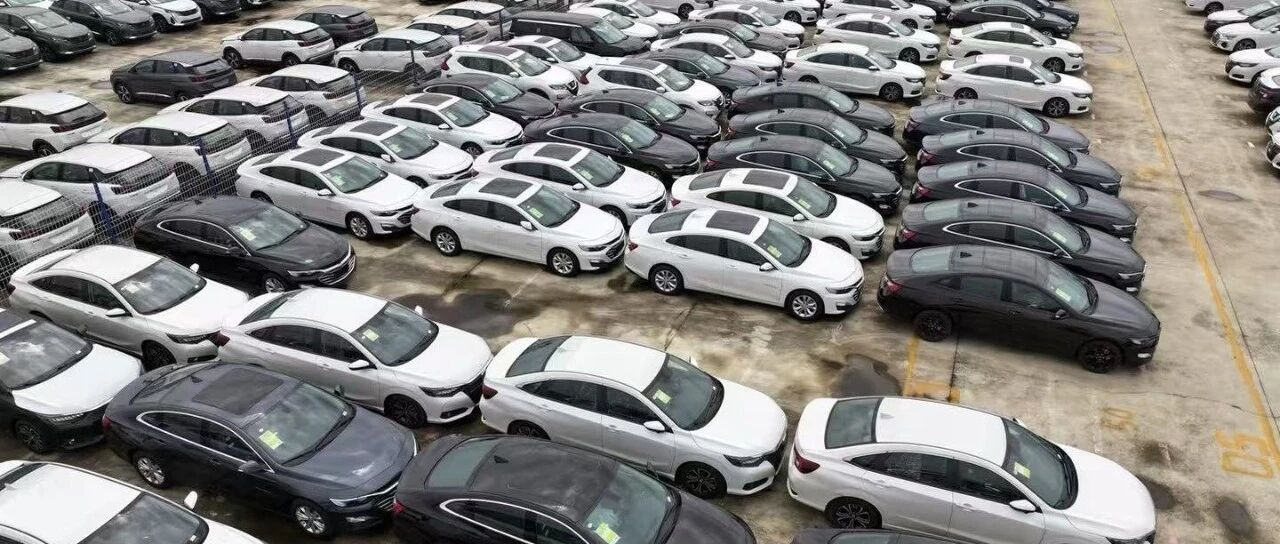
合资品牌的2025:用品牌溢价换喘息的一年
Tai Mei Ti A P P· 2025-12-16 05:23
Core Insights - The Chinese automotive industry is undergoing a significant transformation, moving from a "market for technology" model to a "brand for survival" approach as foreign joint venture brands face declining market shares and increased competition from local manufacturers [2][20] - The year 2025 is characterized as a turning point for joint venture brands, which are now prioritizing survival over growth by leveraging their brand equity to maintain market presence [3][20] Market Performance - In 2025, the overall market for joint venture brands in China has seen a decline, with monthly retail shares for German brands dropping from 18.4% at the beginning of the year to around 14% by year-end, and Japanese brands hovering between 11% and 13% [6][20] - The market share of joint venture brands fell from nearly 28% at the start of the year to about 22% by the end, indicating a broader trend of decline across the sector [6][20] Pricing Strategies - Joint venture brands have adopted a "one-price" model to combat declining sales, which involves sacrificing brand premiums for market share, leading to significant price reductions across various models [10][12] - The average prices of several key brands have decreased significantly, with Volkswagen's average price dropping by 15.37% and Honda's by 18.54% [11] Localization Efforts - There is a notable shift towards localization in management and product development, with foreign brands increasingly empowering local teams to make decisions that cater to the Chinese market [17][20] - The transition to local management is evident, with several key appointments of Chinese executives in leadership roles across major automotive brands [18][19] Technological Adaptation - Joint venture brands are increasingly adopting local technologies and solutions, such as Huawei's smart solutions, to meet the demands of Chinese consumers for advanced features in electric vehicles [14][15] - The focus has shifted from traditional automotive engineering to integrating smart technology and user-friendly interfaces, reflecting changing consumer priorities [14][15] Long-term Implications - The current strategies employed by joint venture brands are seen as a survival tactic rather than a sustainable growth strategy, raising questions about their long-term competitiveness in the evolving market [13][20] - The shift in valuation from brand equity to survival costs indicates a fundamental change in how these brands will operate in the future, as they must adapt to new consumer expectations and market dynamics [20]


smart越大销量越差? CEO曾拒价格战 如今降价又刺老车主
Xin Lang Ke Ji· 2025-12-16 02:12
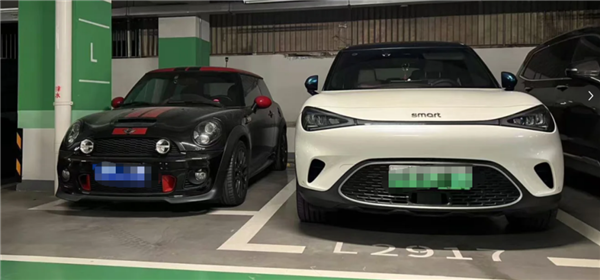
Core Viewpoint - The smart brand is transitioning from its original compact car identity to larger models, with the new smart EQ fortwo being the largest yet, measuring nearly 5 meters in length, which has led to declining sales and dissatisfaction among existing customers [1][5][12]. Group 1: Product Development and Market Positioning - The smart EQ fortwo has been officially declared as the brand's first mid-size luxury hatchback, with dimensions of 4906mm in length, 1922mm in width, and 1508mm in height, surpassing the Tesla Model Y in length [3][5]. - The brand's shift towards larger vehicles is a departure from its original positioning as a compact urban vehicle, which has led to confusion among consumers and a dilution of its core selling points [12][14]. - The CEO of smart has stated that the brand should not be defined by size, indicating a strategic pivot towards larger models to capture a broader market share [6][8]. Group 2: Sales Performance and Consumer Sentiment - Smart's domestic monthly sales have plummeted from around 4000 units at the end of 2024 to approximately 2000 units, even with aggressive pricing strategies [9][12]. - Existing customers have expressed frustration over pricing and configuration discrepancies, feeling "betrayed" as new models offer features for free that they had to pay for [11][16]. - Quality issues have also emerged, with increased complaints and a recall of over 3500 vehicles due to safety concerns, further eroding consumer confidence [14][19]. Group 3: Strategic Challenges and Recommendations - The brand faces significant challenges in maintaining its identity while expanding into the mid-size SUV market, which is already saturated [12][13]. - Experts suggest that smart should consider a dual strategy, reintroducing a budget-friendly micro electric vehicle to retain its original customer base while also developing larger models with competitive pricing and features [13]. - The management's previous statements about maintaining brand value and avoiding price wars have been contradicted by recent pricing strategies, leading to skepticism among consumers [11][12].
全球大公司要闻 | iRobot申请破产,中国企业接盘
Wind万得· 2025-12-15 22:38
Group 1 - iRobot has officially filed for bankruptcy protection in Delaware, with Shenzhen PICEA Robotics and its subsidiary acquiring all shares, leading to iRobot's delisting from NASDAQ and privatization [3] - Tesla has initiated Robotaxi road tests without human safety operators, with reports of at least one Model Y operating in Austin, Texas, without safety monitoring equipment [3] - Google has introduced its seventh-generation TPU using HBM3E8 chips from Samsung and SK Hynix, with plans to adopt HBM3E12 chips for enhanced performance [3] Group 2 - Luoyang Molybdenum has acquired four operating gold mines in Brazil, marking a significant step in its "copper-gold dual-pole" acquisition strategy to enhance its resource layout in South America [5] - Unisoc has established a central research institute to focus on developing new architectures for edge AI chips [5] Group 3 - Apple faces potential increases in hardware costs as DRAM long-term order agreements expire, with Samsung and SK Hynix planning price hikes starting January [7] - Ford plans to convert an electric vehicle battery plant in Kentucky to produce batteries for grid storage and announced the creation of thousands of new jobs across the U.S. [7] - Novo Nordisk Canada has received conditional marketing authorization from Health Canada for semaglutide injection (Wegovy) for treating certain patients with non-alcoholic steatohepatitis (NASH) [7] Group 4 - Samsung Electronics aims to expand HBM3E chip supply to become Broadcom's largest supplier and plans to exit the consumer electronics SSD market to focus on AI industry supply [9] - Toyota announced plans to build a manufacturing plant in the U.S. and issue bonds worth up to 5 billion Indian Rupees, while recalling nearly 100,000 vehicles due to safety issues [9] - SK Hynix has ordered a hot-press bonding machine from ASMPT for HBM4 production, anticipating DRAM shortages to persist until 2028 [9] Group 5 - Volkswagen Group announced the first closure of a domestic production line in Germany in 88 years, significantly reducing the budget for its battery subsidiary PowerCo [12] - Porsche is adjusting its 718 EV platform to accommodate internal combustion engines due to slowing demand for pure electric vehicles, incurring approximately £6.65 billion in conversion costs [12] - HSBC has sent privatization documents for Hang Seng Bank, with a court meeting and shareholder meeting scheduled for January 1, 2026 [12]







中国豪华轿车的故事,总得有中国品牌来书写
远川研究所· 2025-12-15 13:08
Core Viewpoint - The article discusses the current state of the luxury car market in China, highlighting the challenges faced by traditional luxury brands (BBA) from domestic electric vehicle manufacturers, particularly in the context of the newly launched Lantu Chasing Light L, which aims to penetrate the luxury sedan segment [2][4]. Market Overview - The penetration rate of new energy vehicles in the domestic passenger car market approached 60%, with domestic brands capturing around 70% market share, both reaching historical peaks [2]. - The luxury sedan market shows a mixed performance, with the Lantu Chasing Light L achieving over 2,000 deliveries last month, surpassing the combined sales of Porsche Panamera and BMW 7 Series [2]. Competitive Landscape - Despite the rise of domestic new energy brands, there is still a lack of competitive domestic electric sedans that can rival traditional luxury models like BMW 5 Series, Mercedes-Benz E-Class, and Audi A6L [2][5]. - The entry-level models of BBA have seen a price drop from 300,000 to the 200,000 range, indicating a shift where Chinese consumers are beginning to replace traditional luxury with domestic new energy vehicles [5]. Barriers to Entry - The luxury sedan market remains dominated by traditional fuel vehicles due to several barriers, including brand heritage, product quality, and consumer perceptions [6]. - Brand loyalty and the social value associated with BBA vehicles create a significant barrier for new entrants [6]. - The requirements for luxury sedans, such as design, comfort, and convenience, are higher than for regular models, posing challenges for new energy vehicles [6]. Technological Challenges - The range-extended electric vehicle (REEV) approach has its drawbacks, including noise and vibration issues, which can detract from the luxury experience [7]. - The current technological limitations hinder domestic new energy vehicles from effectively competing in the luxury sedan market [7]. Strategic Positioning of Lantu Chasing Light L - The launch of Lantu Chasing Light L represents a strategic attempt by Chinese brands to redefine luxury in the new energy era, addressing high-end user demands [4]. - The vehicle incorporates advanced technologies from Huawei, establishing a competitive edge in the smart technology domain [9]. - Lantu's design philosophy, rooted in Eastern aesthetics, differentiates it from traditional Western luxury brands, enhancing its market identity [11]. Product Features and Innovations - The Chasing Light L features a high-performance chassis and advanced suspension systems, aiming to deliver a luxury driving experience comparable to high-end models [12]. - It utilizes a cutting-edge hybrid system that offers a pure electric range of 410 km and a comprehensive range of 1,400 km, addressing range anxiety effectively [14]. - The vehicle's fast-charging capabilities significantly reduce charging time, further bridging the gap with traditional fuel vehicles [14]. Market Positioning and Future Outlook - The introduction of Chasing Light L completes Lantu's high-end product matrix, which includes offerings in the MPV and SUV segments, positioning the brand as a comprehensive player in the high-end new energy market [16][18]. - The successful launch of Chasing Light L signifies Lantu's commitment to competing in the luxury sedan market, reflecting a broader trend of Chinese brands striving for higher market positions [20].

新老交替,欧洲汽车工业从“友谊赛”迈入“淘汰赛”
Guan Cha Zhe Wang· 2025-12-15 11:05
【文/观察者网 潘昱辰 编辑/高莘】汽车工业的发源地——欧洲,正处在前所未有的十字路口。 据西班牙《理性报》报道,就在不久前的12月11日,西班牙首相桑切斯致信欧盟委员会主席冯德莱恩,要求维持欧盟自2035年起禁止销售燃油车的规定,这 几乎与大部分欧盟汽车生产国国家和所有欧洲汽车制造商的意见相悖。 《理性报》报道称,桑切斯此举正值欧盟行政机构计划于16日提交放宽先前碳排放政策的提案前夕;与提案主张相反的是,此举有利于中国汽车在欧洲市场 的销售,因为中国在汽车电动化进程上已领先于欧洲产业。 有业内人士认为,作为欧洲新兴的工业国家,西班牙通过与行业领先者展开更长期的产业合作,甚至谋求挑战德国、法国等欧洲传统工业强国的优势地位, 实现"弯道超车"。在此背景下,过去数十年间欧洲车企彼此间保持的"友谊赛"默契或将逐渐瓦解:进入2026年后,属于欧洲汽车行业的"淘汰赛"或将加速到 来。 弯道超车:新玩家的机遇? 就在桑切斯致信欧盟前不久,西班牙政府发布了《西班牙汽车2030计划》,计划在2026年投资4亿欧元(约合人民币33亿元)提供电动汽车购买直接补贴, 并投资3亿欧元(约合人民币25亿元)建设更多充电站。 此外,西班 ...
坤泰股份(001260) - 坤泰股份投资者关系活动记录表
2025-12-15 09:26
Group 1: Company Overview - Shandong Kuntai New Materials Technology Co., Ltd. specializes in automotive soft interior materials, focusing on R&D, production, and sales [2] - The company was listed on the Shenzhen Stock Exchange on February 16, 2023, under the stock code 001260 [2] - Core business includes a full industry chain for automotive soft interior materials, with main products like tufted carpets and needle-punched carpets [2][3] Group 2: Market and Partnerships - Kuntai has established stable partnerships with brands such as BMW, Audi, Mercedes-Benz, Volvo, Hongqi, NIO, Li Auto, and Xpeng [3] - The company is actively expanding its overseas market presence with subsidiaries in the USA, Singapore, Mexico, and Morocco [3] Group 3: Production Facilities - The Mexican production facility is in the early stage of small-batch trial production, with equipment installed and debugged [3] - The Moroccan production base is progressing with administrative approvals and has received strategic orders from important clients [3]
车市年终“翘尾”失败,2026年市场承压
3 6 Ke· 2025-12-15 03:41
Core Viewpoint - The automotive market in 2026 is expected to face significant pressure due to the lack of specific national subsidies and the introduction of a 50% purchase tax on new energy vehicles, leading to a cooling market environment [1][3][7]. Group 1: Market Conditions - The automotive market is experiencing a downturn, with November retail sales of passenger vehicles at 2.225 million units, a year-on-year decline of 8.1% and a month-on-month decline of 1.1% [3][4]. - The decline in sales is attributed to the exhaustion of local subsidies and the cancellation of high-interest financing options, which has led to a lack of consumer confidence [1][3][7]. - The expectation of a year-end sales surge has not materialized, with dealers reporting a significant drop in customer traffic compared to previous years [1][4][5]. Group 2: Subsidy Policies - The central government's vehicle replacement subsidy is set to continue until December 31, 2025, but many local subsidies have already been depleted, impacting consumer purchasing behavior [1][5]. - The introduction of a 50% purchase tax on new energy vehicles starting January 1, 2026, is expected to further strain the market, with industry experts predicting a challenging year ahead [1][3][7]. - Some regions are still offering local subsidies to stimulate sales, with reports of increased customer traffic in areas where such incentives are available [6][10]. Group 3: Company Responses - In response to the market conditions, various automakers are implementing their own discount policies, including covering the additional purchase tax for customers who order vehicles before the end of 2025 [2][9]. - Companies like Dongfeng Honda and Lynk & Co are optimistic about maintaining stable sales in the fuel vehicle segment and expect growth in hybrid and plug-in hybrid models [8][9]. - Automakers are developing strategies to adapt to changing policies, including monitoring local subsidy dynamics and adjusting product offerings to meet consumer demand [9][10]. Group 4: Future Outlook - Despite the challenges, there are potential growth points for the automotive market, including government support for rural consumption and the continued growth of export markets [10]. - The automotive industry is encouraged to diversify into after-sales services and other business areas to mitigate the impact of declining new vehicle sales [10].
坤泰股份20251212
2025-12-15 01:55
Summary of KunTai Co., Ltd. Conference Call Company Overview - KunTai Co., Ltd. is a leading domestic producer of BCF fibers, with global production bases in Yantai, the USA, and Mexico, and plans to establish a new base in Morocco by 2026. The company supplies products to major automotive brands such as BMW, Audi, and NIO [2][3] Core Insights and Arguments - The profit growth in the first three quarters of the year is primarily driven by the overseas production bases in Mexico and Morocco, while domestic capacity utilization remains stable. However, net profit has declined due to overseas expansion projects not meeting the specified SOP timeline, with expectations for gradual ramp-up in the second half of 2026 [2][4] - To mitigate tariff impacts, KunTai has established a subsidiary in Mexico and closed its higher-cost subsidiary in the USA. The company is collaborating with global parts brands to establish a production base in North America, having secured projects like Robot Taxi, although market conditions in North America need to be monitored [2][6] - In the domestic market, KunTai focuses on partnerships with high-quality clients, enhancing gross margins through cost reduction and efficiency improvements. The gross margin has increased in Q3, and the company aims to avoid domestic market saturation by expanding into European and American markets [2][7] Market Potential - The automotive soft interior materials market has significant potential, with tufted carpets priced around 30 RMB per square meter and needle-punched carpets at about 15 RMB per square meter. The average cost of soft interior materials per vehicle ranges from 200 to 400 RMB, indicating a vast market capacity [2][8] Performance Guidance - The company anticipates stable revenue and profit growth from the end of 2025 through 2026, driven by the ramp-up of overseas expansion projects and the commissioning of the new Moroccan production base. Optimizing the client structure is expected to further enhance gross margins [2][9] Strategic Outlook - KunTai is currently experiencing pressure with unsatisfactory profit performance, expected to continue until the second half of 2026 when large-scale production in North America begins. The company has invested significantly in this market and anticipates a gradual recovery as demand increases. The construction of the Moroccan factory is also underway to cater to European clients, particularly the French interior group, Taif, which has committed to securing half of the production capacity [2][10][11] Response to Client Demands - KunTai aims to meet the core demands of overseas clients, including North American EV brands and the French Taif Group, by providing scalable supply of automotive carpets and soft interior materials. The current market in North America and Europe consists mainly of small workshops, which cannot meet the volume requirements of large interior and exterior groups, thus increasing the complexity of supplier coordination [2][12]
年末行情:15个主流品牌大盘点
车fans· 2025-12-15 00:30
Group 1 - The article provides an overview of the latest market trends and discounts for popular car models from brands such as BYD, Geely, Chery, Volkswagen, Toyota, and BBA [1][2] - It emphasizes that the discounts mentioned are for cash purchases and do not include any government subsidies or financing options [3] Group 2 - For SAIC Volkswagen, models like the Lavida and Passat have significant cash discounts, with the Lavida new version priced at 7.99 million with a discount of 1.6 million, resulting in a final price of 7.4 million [4] - The Passat model offers discounts up to 5 million, bringing its price down to 15.6 million [4] - The Tiguan L also shows a discount of 5.2 million, leading to a final price of 15.2 million [4] Group 3 - GAC Toyota's Camry is highlighted as a top performer in the mid-size sedan category, with a price of 18.18 million and a discount of 4.4 million, resulting in a final price of 15.6 million [10] - The Highlander model also offers a competitive price with a final cost of 26.7 million after a discount of 4.5 million [10] Group 4 - Honda's Accord and CR-V models are presented with discounts, with the Accord priced at 19.78 million and a discount of 6.7 million, leading to a final price of 14.8 million [13] - The CR-V has a final price of 16.8 million after a discount of 5.3 million [13] Group 5 - Buick and Cadillac models are also featured, with the Buick Verano priced at 13.99 million and a discount of 6.5 million, resulting in a final price of 8.6 million [16] - The Cadillac CT5 offers a final price of 22.5 million after a discount of 1.5 million [16] Group 6 - Geely's popular models, such as the Boyue L and Xingyue L, show strong sales performance, with the Boyue L achieving 200,000 units sold in the first 11 months [20] - The article notes that younger consumers are increasingly choosing domestic brands, creating a stronger market presence for Geely [20] Group 7 - Chery's new models, particularly the fifth-generation Tiggo 8, are recommended as strong contenders in the market, with competitive pricing and discounts [23] - The article highlights the importance of considering government subsidies and trade-in offers when calculating final prices [23] Group 8 - BYD's Dynasty series showcases models like the Han EV and Song Pro, with significant discounts leading to competitive final prices [27] - The Ocean series is noted for its strong sales, attributed to models like the Dolphin and Seal, which appeal to younger consumers [30] Group 9 - The article concludes with a mention of luxury brands such as Volvo, Lexus, and Land Rover, highlighting their competitive pricing and discounts [33][34] - BMW and Audi are noted for their value propositions within the luxury segment, with significant cash discounts available [38][42]