蜜雪冰城

Search documents
食品饮料行业周度市场观察-20251113
Ai Rui Zi Xun· 2025-11-13 07:14
Investment Rating - The report does not explicitly provide an investment rating for the food and beverage industry Core Insights - The food and beverage industry is experiencing significant innovation and market shifts, particularly in health-oriented products and consumer preferences for low-sugar and functional beverages Industry Trends - Japanese market innovation in products like liquid ice cream and gout-relief yogurt highlights the importance of consumer-driven product development and emotional marketing, which can serve as a model for the Chinese market [2] - The Chinese medicinal food industry has surpassed 370 billion yuan, with a total industry valuation exceeding 2 trillion yuan, driven by health awareness and innovative product offerings [2] - The plant-based protein beverage market is seeing improved performance among leading companies, with notable revenue growth reported by Yangyuan Beverage and Chengde Lulu [4] - The emergence of HPP cold brew tea products is gaining traction among young consumers, despite high costs and niche market positioning [4] - A resurgence of sugary beverages is noted, with brands like Yuanqi Forest and Wahaha reintroducing sugar in their products, reflecting consumer preferences for taste alongside health [5] - The bottled water market is shifting from price competition to value competition, with brands like Nongfu Spring leveraging product innovation and channel expansion [6][7] - The market for sugar-free tea is evolving, with a growing demand for flavored and quality products among younger consumers [7] - The pet food market is expanding, with new brands entering the space and established companies diversifying their offerings to include fresh food options [8] - The plant milk market is projected to exceed 100 billion yuan, with B2B channels becoming crucial for growth [9] - New retail strategies are driving beverage innovation, with companies focusing on health, functionality, and emotional engagement [10] Brand Dynamics - Mondelez International reported a 5.9% revenue increase, but faced challenges in the Chinese market due to consumer confidence issues [14] - Xu Fu Ji's sports scene marketing has led to the success of its Meilu energy biscuits, tapping into the growing demand for sports nutrition [15] - Coca-Cola's third-quarter results showed a 5% revenue increase, driven by the popularity of sugar-free products [16] - Yangyuan Beverage is enhancing its leadership in the plant-based protein beverage sector through product innovation and channel restructuring [17] - The introduction of low-sugar snacks by brands like Holley has responded to rising health consciousness among consumers [18] - Mengniu's milk powder business has achieved double-digit growth by addressing diverse consumer needs across different age groups [19] - Chengde Lulu is pivoting towards herbal water products to counteract declining revenues in the plant-based beverage market [20] - New麦食品 is leveraging digital transformation to become a benchmark in the baking industry, focusing on fresh, preservative-free products [21] - The entry of brands like Guozi Shule into the craft beer market reflects a trend of category fusion in the beverage industry [22] - Dongpeng's electrolyte drink brand "Buhua" is rapidly growing, posing competition to established brands like Yuanqi Forest [23]



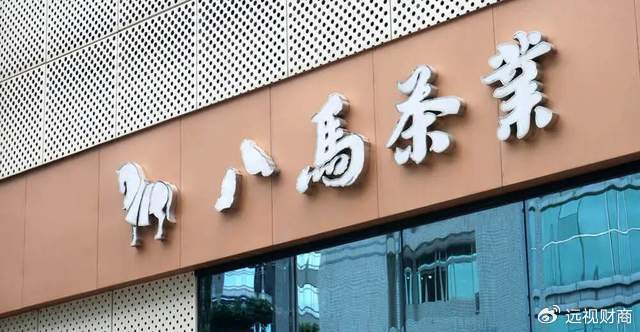
八马12年上市之路,更像是一部精心布局的商业巨片!
Sou Hu Cai Jing· 2025-11-13 05:45
Core Viewpoint - Baima Tea Industry is on the verge of completing a 12-year-long IPO journey to enter the Hong Kong stock market, but this may not be a positive development for investors familiar with the tea industry and capital markets due to ongoing controversies and challenges facing the company and the industry as a whole [2][4]. Company Overview - Baima Tea has faced significant hurdles in its IPO attempts, primarily due to its family-run management structure, unstable performance, and market conditions, which have made it difficult to gain approval for listing [4][6]. - Despite being a leading player in the tea industry with a history of over 300 years and a network of 3,585 stores, Baima's financial performance shows concerning trends, such as a decline in single-store sales from 350,000 to 250,000 RMB [7][9]. Financial Performance - For the fiscal year ending December 31, 2024, Baima's revenue is projected to be 2.143 billion RMB, with a net profit of 224 million RMB, indicating growth but also reliance on franchise stores, which account for 92% of revenue [7][8]. - The company has invested heavily in marketing, totaling 1.868 billion RMB over the past three years, while research and development spending has been significantly lower at under 30 million RMB, raising concerns about its long-term sustainability [7][8]. Market Position and Challenges - The tea industry is currently facing a crisis characterized by a lack of strong brands despite having various product categories, which poses a significant challenge for Baima as it seeks to establish itself in the market [6][10]. - The urgency for Baima to go public is driven by the need for capital infusion to support its operations and growth strategies, as traditional tea companies have struggled to attract investor interest in the capital markets [9][10]. Strategic Importance of IPO - The IPO is seen as a critical step for Baima not just for raising funds but also for enhancing its market presence and leveraging its extensive network of business connections, which could lead to greater commercial value for its stakeholders [13].

专访瑞银全球投资银行胡凌寒:香港IPO热潮超预期 未来将现三大趋势
证券时报· 2025-11-13 02:23
Core Viewpoint - The Hong Kong IPO market is experiencing a strong recovery since 2025, with fundraising exceeding HKD 200 billion, regaining its position as the global leader in IPOs [2][3]. Market Performance - The performance of the Hong Kong IPO market this year has exceeded expectations, with significant contributions from high-quality companies and a continuous influx of foreign capital [3][5]. - Notable projects such as the IPO of Mixue Ice City and the placement of BYD have demonstrated the market's robust recovery, with the former achieving record frozen capital and attracting substantial foreign investment [5][6]. Impact of HKEX Reforms - Recent reforms by the Hong Kong Stock Exchange (HKEX) have positively influenced the market, particularly in optimizing IPO pricing and public market regulations, making it more attractive for large A-share companies to list [8][10]. - The new regulations have stabilized the allocation ratio between institutional and retail investors, enhancing the pricing power of institutions and improving post-IPO performance [10]. Foreign Capital Inflow - There is a clear trend of foreign capital returning to the Hong Kong IPO market, especially from European and Middle Eastern investors, driven by the need for diversified asset allocation [11][12]. - The shift in foreign investment strategies reflects a rebalancing of portfolios, with increased interest in Chinese assets [12]. Future Trends - The outlook for the Hong Kong IPO market remains positive, characterized by a virtuous cycle of good supply creating good demand, with many high-growth companies planning to list [13][14]. - Key trends for the future include diversification in company size and industry, a strong linkage between supply and demand, and the globalization of Chinese enterprises, with Hong Kong serving as a vital capital platform [14].


21社论丨本土化转型是国际品牌赢得中国市场的关键
21世纪经济报道· 2025-11-13 00:51
Core Insights - The article discusses the trend of international restaurant brands, such as Burger King, adopting local partnerships in China to enhance their operations and market presence [1][2][3] - The collaboration between CPE Yuanfeng and Burger King aims to establish a joint venture to expand Burger King's footprint in China, with plans to increase the number of stores from approximately 1,250 to over 4,000 by 2035 [1][2] - The shift towards local capital and management is seen as a necessary strategy for international brands to adapt to the rapidly evolving Chinese market and meet consumer demands for quality and innovation [2][3] Group 1 - CPE Yuanfeng will invest $350 million in Burger King China to support store expansion, marketing, menu innovation, and operational upgrades [1] - The partnership reflects a broader trend where international brands are increasingly localizing their operations in China, as seen with McDonald's and KFC, which have successfully expanded their store counts through local investments [1][2] - The need for deeper localization is driven by changing consumer expectations and the competitive landscape, requiring international brands to adapt their product offerings and operational strategies [2][3] Group 2 - The competitive environment in China necessitates that international brands integrate into the local ecosystem, adopting strategies that align with Chinese consumer habits and preferences [3][4] - The article highlights that many Chinese brands are also emerging as global competitors, leveraging their experience in a highly competitive domestic market to expand internationally [4][5] - The Chinese market is increasingly recognized as a critical platform for global companies to refine their innovation capabilities and validate their business models [5]

盯上310亿客流,头部品牌“扎堆”开进地铁
创业邦· 2025-11-13 00:09
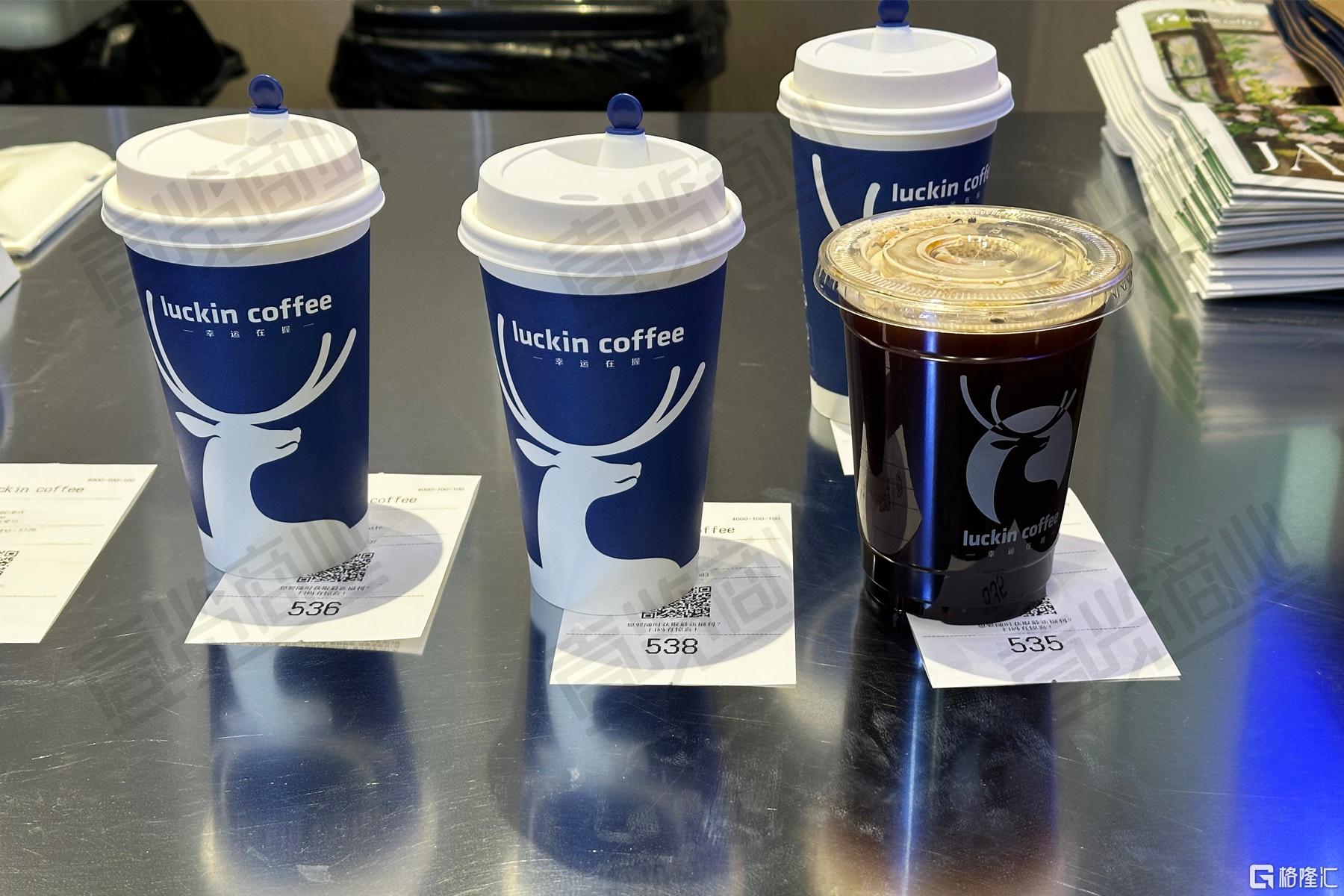
Core Viewpoint - The article discusses the growing trend of food and beverage brands establishing outlets in subway stations across China, driven by the large commuter population and supportive policies [26][29]. Group 1: Subway Store Expansion - Luckin Coffee has opened its first subway store in Beijing, utilizing a "quick pick-up" model to cater to commuters [8][10]. - KFC has also entered the subway scene with breakfast carts, providing quick meal options for morning commuters [13][19]. - The "Meituan Food Light Machine" has been introduced in multiple subway stations, offering traditional breakfast items through a self-service model [15][18]. Group 2: Market Potential - China's subway system is expanding rapidly, with 361 urban rail lines and a total operational mileage of 12,160.77 kilometers, of which 9,306.09 kilometers are subway lines [26]. - In 2024, the urban rail transit system is expected to handle 322.57 billion passenger trips, with subways accounting for 310.42 billion trips, indicating a significant consumer base for food brands [26][27]. Group 3: Policy Support - New regulations, such as the "Urban Public Transport Regulations," are encouraging the development of commercial facilities in subway stations, enhancing the consumer experience [29]. - Cities like Tianjin and Qingdao are also implementing policies to support the establishment of convenience stores and food outlets in subway stations [29]. Group 4: Changing Market Dynamics - Traditional retail locations are becoming saturated, leading brands to explore new venues like subways for growth opportunities [30]. - The shift from relying on foot traffic in shopping centers to embedding services in high-traffic transit areas reflects a strategic change in consumer engagement [30][32].

21社论丨本土化转型是国际品牌赢得中国市场的关键
2 1 Shi Ji Jing Ji Bao Dao· 2025-11-12 22:12
Group 1 - CPE Yuanfeng and Burger King have formed a strategic partnership to establish a joint venture for operating Burger King's business in China, with CPE Yuanfeng investing $350 million for store expansion, marketing, menu innovation, and operational upgrades [1] - After the investment, CPE Yuanfeng will hold approximately 83% of the joint venture, while Burger King's global parent company, RBI, will retain about 17%, with plans to increase the number of Burger King stores in China from around 1,250 to over 4,000 by 2035 [1] - This trend of international restaurant brands partnering with local investors for deeper localization has been observed in other companies like McDonald's and KFC, which have seen significant growth in store numbers after local capital involvement [1][2] Group 2 - The shift towards localization by international brands is a response to structural changes in the Chinese market, where consumer demands for quality, innovation, and service have increased, leading to slower growth for established foreign brands [2] - To sustain growth in China, international brands need more than just local operational teams; they require local capital to enhance autonomy in product positioning, supply chain management, and store expansion [2] - The transfer of equity does not indicate a withdrawal from the Chinese market but rather a transformation towards localized operations, which is crucial for maximizing value in a competitive landscape [2][3] Group 3 - The rapid evolution and intense competition in the Chinese market necessitate that international brands like Burger King adapt their standardized products and operations to local consumer preferences and innovative pressures from domestic brands [3] - Successful adaptation involves integrating local capital and talent while adopting product strategies, marketing methods, and supply chain systems that resonate with Chinese consumers [3] - The trend of localization is not limited to the food service industry; traditional automotive giants from Germany and Japan are also facing competition from local brands and are adapting their strategies accordingly [3] Group 4 - The future will likely see more Chinese brands leveraging their competitive capabilities developed in the domestic market to expand globally, while international brands must deeply localize in China to remain competitive [4] - The Chinese market is increasingly becoming a critical platform for global companies to refine their innovation capabilities and validate business models across various sectors, including both services and manufacturing [4]
专访瑞银全球投资银行胡凌寒:香港IPO热潮超预期 未来将现三大趋势
Zheng Quan Shi Bao· 2025-11-12 18:44
Core Insights - The Hong Kong IPO market has seen a strong recovery since 2025, with fundraising exceeding HKD 200 billion, regaining its position as the global leader in IPOs [1] - UBS has played a pivotal role in this resurgence, leading significant projects such as the listings of Mixue Ice City and CATL, and participating in BYD's placement [1][2] - The outlook for the Hong Kong IPO market remains positive, driven by the influx of quality companies and the return of foreign capital [1][6] Market Performance - The fundraising in the Hong Kong IPO market has surpassed expectations, with the market returning to the top globally in the first three quarters of the year [2] - The "924 policy" introduced last year signaled a positive shift, with high-quality foreign investors showing strong interest in projects like China Resources Beverage [2] - UBS's role in BYD's placement, raising approximately HKD 435 billion (around USD 56 billion), has significantly boosted market confidence [2] Representative Projects - Mixue Ice City is highlighted as a landmark project that opened the IPO market in Q1, setting a record for frozen capital and demonstrating strong institutional demand [3] - CATL's successful listing, with a "0 discount" pricing strategy, reflects the positive trend of domestic and foreign capital participation [3] Impact of HKEX Reforms - Recent reforms by the Hong Kong Stock Exchange (HKEX) have positively influenced the market, allowing larger companies to issue shares at more reasonable scales [4] - The new regulations have stabilized the allocation ratio between institutional and retail investors, enhancing pricing mechanisms and improving post-listing performance [4] Foreign Capital Trends - There is a clear trend of foreign capital returning to the Hong Kong IPO market, particularly from Europe and the Middle East [5] - The shift in foreign investment is driven by the need for diversified asset allocation, with China becoming a key focus for global investors [5] Future Outlook - The outlook for the Hong Kong IPO market in the next 1-2 years remains optimistic, supported by a positive cycle of supply and demand [6] - Key trends include diversification in company size and industry, a strong linkage between supply and demand, and the globalization of Chinese enterprises [7]

香港IPO热潮超预期 未来将现三大趋势
Zheng Quan Shi Bao· 2025-11-12 18:33
Core Insights - The Hong Kong IPO market has seen a strong recovery since 2025, with fundraising exceeding HKD 200 billion, regaining its position as the global leader in IPOs [1][2] - UBS has played a significant role in this resurgence, leading several high-profile projects such as the listings of Mixue Ice City and CATL, and the placement for BYD [1][2] - The outlook for the Hong Kong IPO market remains positive, driven by the influx of quality companies and the continued return of foreign capital [1][2] Market Performance - The fundraising amount in the Hong Kong IPO market has surpassed HKD 200 billion this year, with the first three quarters marking a return to the top position globally, exceeding initial expectations [2] - The "924 policy" introduced last year signaled a positive shift, as evidenced by the successful fundraising for projects like China Resources Beverage, which attracted significant foreign investment [2] - UBS's role in the placement of BYD, raising approximately HKD 435 billion (around USD 56 billion), has significantly boosted market confidence [2] Representative Projects - The listing of Mixue Ice City is highlighted as a key milestone for the IPO market, setting a record for frozen capital and demonstrating strong institutional demand [3] - CATL's successful listing, with a "0 discount" pricing strategy, reflects the positive sentiment among both domestic and foreign investors [3] Impact of HKEX Reforms - Recent reforms by the Hong Kong Stock Exchange (HKEX) have positively influenced the market, particularly in terms of IPO pricing and issuance requirements [4] - The new regulations allow larger companies to issue shares at a more reasonable scale, encouraging high-quality issuers to consider the Hong Kong market [4] Retail Investor Distribution - The new IPO pricing mechanism has established a more predictable allocation ratio between institutional and retail investors, stabilizing retail distribution at around 10% [5] - This change aligns with international market practices and enhances the pricing power of institutions, ultimately benefiting all parties involved [5] Foreign Capital Trends - There is a clear trend of foreign capital returning to the Hong Kong IPO market, particularly from European and Middle Eastern investors [6] - The shift in foreign investment is driven by a need for diversified asset allocation, with China becoming a key focus for global investors [8] Future Trends - The outlook for the Hong Kong IPO market in the next 1-2 years is optimistic, characterized by a positive cycle of supply and demand [9] - Key trends include diversification in company size and industry, a strong linkage between quality offerings and capital attraction, and the globalization of Chinese enterprises [10]


牵手“中国合伙人”,洋品牌加速本土化
Qi Lu Wan Bao· 2025-11-11 22:06
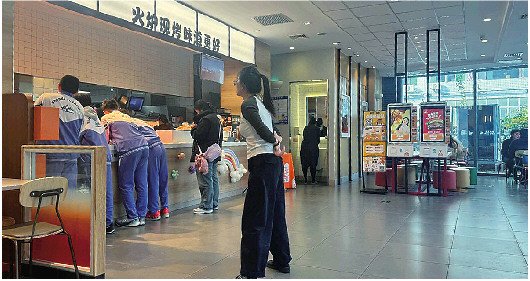
Core Insights - CPE Yuanfeng has announced a strategic partnership with Burger King to establish a joint venture named "Burger King China," marking a new phase for the brand in the Chinese market [2][5] - The partnership reflects a broader trend where international fast-food brands are transferring parts of their Chinese operations to local capital to enhance localization efforts [2][9] Company Operations - Currently, there are 28 Burger King outlets in Jinan, with stable daily order volumes ranging from 500 to 800, indicating a solid customer base [3][7] - Staff at various Jinan locations confirmed that the recent ownership change has not affected operational processes or menu offerings, maintaining business as usual [4][6] - The company plans to expand its store count in China from approximately 1,250 to over 4,000 by 2035, supported by an initial investment of $350 million from CPE Yuanfeng [5][6] Market Context - The competitive landscape in the Chinese restaurant industry has intensified, with local brands like Wallace and Luckin Coffee gaining market share through high cost-performance ratios and agile operations [7][9] - International brands, including McDonald's and KFC, have previously transferred stakes to private equity firms to enhance local operations and improve profitability through digitalization and localized product offerings [8][9] - Burger King's sales in China were reported at approximately $700 million, with an average annual sales per store of $400,000, which lags behind competitors like KFC [8]
书亦烧仙草草莓新品销售超200万杯,瑞幸速溶咖啡卖到第一
Ge Long Hui· 2025-11-11 15:30
Store Expansion - Luckin Coffee opened 166 new stores, while Lucky Coffee in Shandong surpassed 1,000 stores [2] - Lavazza Coffee launched its first store in Hong Kong, and Blue Bottle Coffee announced new openings in Hangzhou [2] - Kenyue Coffee reached 1,800 stores, and Xianji opened its first store in Beijing [2] - Nayuki launched its first innovative concept store in Shenzhen [2] - Mixue Ice Cream plans to open its first store in São Paulo by 2025, and Cha Ba Dao aims to open 50 stores in South Korea next year [2] Product Innovations - New product launches included Mixue Ice Cream's Oreo series, Heytea's mushroom-flavored drink, and Gu Ming's caramel latte [4] - The popularity of milk cap products surged, with Lele Tea's strawberry milk cap drink seeing a 60% sales increase [4] - The 8th China International Import Expo featured Mixue Ice Cream's collaboration with Brazil to launch a limited edition "Brazilian Berry Ice Cream" [4] Brand Collaborations - Brands are increasingly engaging in cross-industry collaborations, extending beyond traditional IP partnerships to include beauty, home appliances, and social platforms [5] - Notable collaborations included Heytea partnering with cosmetics brand Han Shu and Grandpa's Tea collaborating with home appliance brand Aimeite [5] Sales Performance - Shuyi Burnt Immortal Grass's new strawberry drink sold over 300,000 cups in just two days, with a repurchase rate exceeding 40% [6] - Sweet Lala's upgraded products achieved over 1.3 million cups sold within a week, marking a 30% increase from the previous week [6] - Luckin Coffee led the instant coffee category with a preference rate of 13.42%, significantly ahead of its competitors [6] Supply Chain Developments - Mixue Ice Cream plans to procure 4 billion yuan worth of agricultural products in Brazil over the next 3-5 years, establishing a local supply chain [7] - Heytea announced a new franchise policy, reducing the initial franchise fee and offering material subsidies for new partners [7] New Brand Launches - A new brand, "Thai Ke Tea Garden," focusing on Thai-style tea drinks, was established with a team from 90 Yao and 7 Fen Tian [8] Financial Collaborations - Starbucks China finalized a strategic partnership with Boyu Capital, forming a joint venture for retail operations in China, with Boyu holding up to 60% equity [9] - The coffee beverage market remains active, with 32,000 coffee-related companies registered in the first ten months of 2025, matching the total for the previous year [9]