宝马

Search documents
一天接待十几组客户 车市有望出现“银九金十”
Zhong Guo Jing Ying Bao· 2025-10-17 05:20
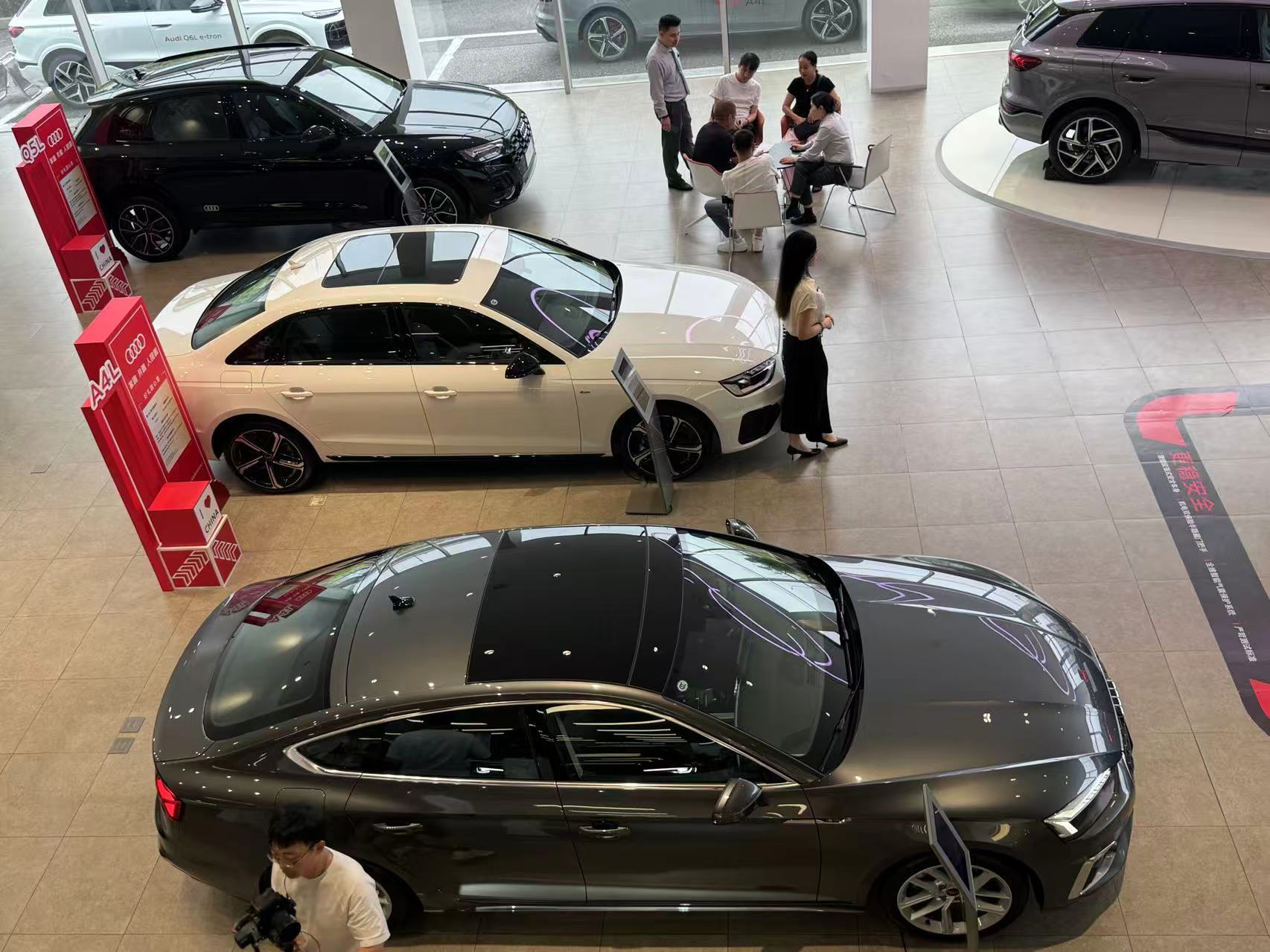
Core Insights - The automotive market in China is experiencing a strong start in October, driven by high consumer demand and a surge in new car releases, particularly in the electric vehicle (EV) segment [1][9][10] - The "Golden September and Silver October" sales period is crucial for achieving annual sales targets, with traditional brands offering discounts and promotions to attract buyers [2][12] - The upcoming policy change regarding the reduction of the new energy vehicle purchase tax in 2026 is influencing consumer purchasing decisions, prompting buyers to act quickly to take advantage of current incentives [10][12] Group 1: Market Performance - During September, the retail sales of passenger vehicles reached 2.241 million units, marking a year-on-year increase of 6.3% and a month-on-month increase of 11.0% [11] - Cumulative retail sales for the year reached 17.005 million units, reflecting a year-on-year growth of 9.2% [11] - The automotive consumption index for September was reported at 88.9, indicating a positive outlook for October sales [1] Group 2: Consumer Behavior - Consumers are increasingly visiting dealerships, with reports of sales personnel handling multiple customer groups daily during the National Day holiday [1][2] - There is a notable interest in vehicle features such as intelligent driving systems and battery range among potential buyers [4][5] - Sales personnel are actively reaching out to potential customers to encourage test drives and purchases, reflecting a competitive sales environment [7][8] Group 3: Pricing and Promotions - Traditional brands are utilizing price reductions and promotional packages to drive sales, while new energy vehicle manufacturers are offering incentives like free charging stations and accessories due to price regulation constraints [2][12] - The average price reduction for new energy vehicles in September was approximately 19,000 yuan, with a lower percentage decrease of 9.8% [12] - The pricing strategies of new energy vehicle manufacturers tend to be more stable compared to traditional brands, focusing on product features rather than price negotiations [12][13]

汽车“眯眯眼”是怎么火起来的?
汽车商业评论· 2025-10-16 23:08
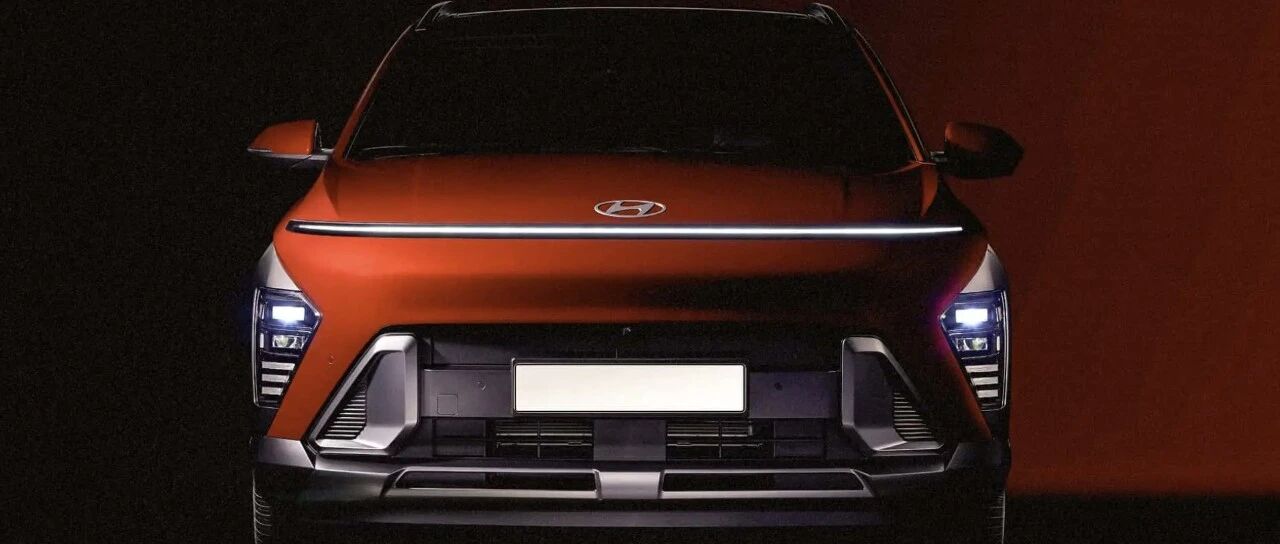
加入轩辕同学 , 成就新汽车人! 撰文 |杜咏芳 编辑 | 黄大路 设计 | 甄尤美 还记得小时候趴在窗边,看着马路上飞驰的汽车吗?那时的它们总带着一副 "天真模样"。 车头四角各嵌着两个圆滚滚的大灯,像一双双亮晶晶的大眼睛,透着几分憨态可掬,那是刻在几代人记忆里的经典前脸造型。 可如今再放眼街头,你会发现从硬派SUV到优雅轿车,甚至是一些休闲旅行车都早已换了"眼神",变成了被大家戏称的"眯眯眼"。 曾经圆润的大灯不见了踪影,取而代之的是纤细如眉的光带、锐利如刀锋的灯组,它们或藏在保险杠高位,或与车身无缝相融,连光线都透着一股未来 主义的冷峻。 这场"眼神革命"的主角,正是当下席卷全球车企的分体式大灯。 今天,我们就来聊聊这场"眼神革命"背后的故事。 就是因为好看才做 不少人都有这样的疑问:好端端的车头灯,为啥非要"劈成两半"? 或许大家会对此浮想联翩,为汽车制造商这么做想很多原因,其中最主要的一个就是:路上的汽车正在变得越来越"高"。 按照常理推断,这似乎会带来一个问题:大灯的高度也越来越高,这可能会造成眩光,并可能影响碰撞安全。 在美国公路安全保险协会(IIHS)等权威机构的汽车安全评分体系中,大灯眩光确 ...
稀土核弹炸穿光刻机命脉!阿斯麦断供反被掐脖全链崩塌在即
Sou Hu Cai Jing· 2025-10-16 05:59
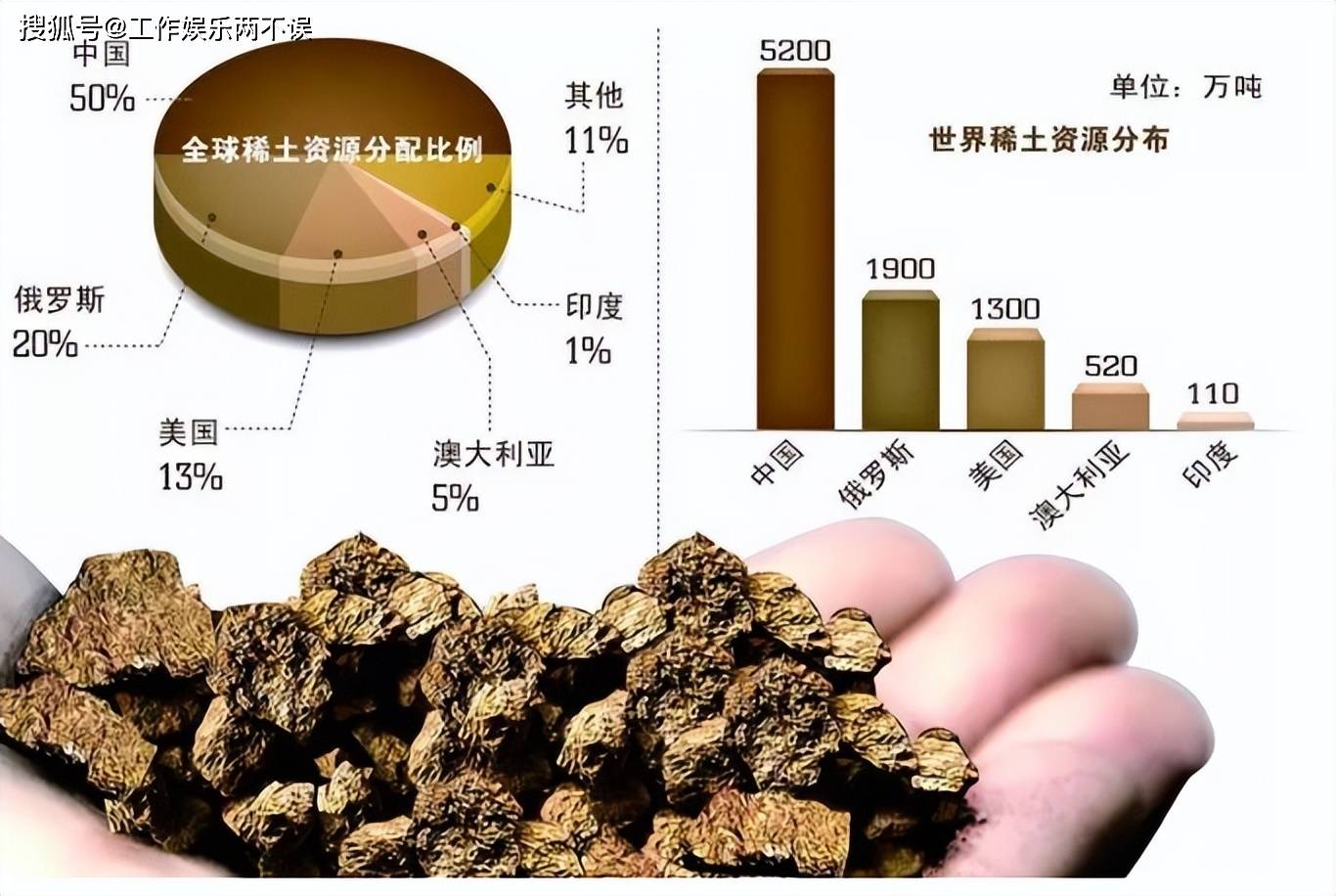
Core Viewpoint - The new rare earth export control regulations from China have significantly impacted ASML, jeopardizing its supply chain and operations, particularly concerning its EUV lithography machines [2][4][10]. Supply Chain Impact - ASML's EUV machines contain over 3,000 rare earth components, with 90% of their rare earth supply sourced from China, making it nearly impossible for ASML to bypass Chinese suppliers [4][7]. - The new regulations require approval for any equipment containing even 0.1% of Chinese rare earth elements, effectively controlling ASML's supply chain and limiting its operational flexibility [5][11]. Client Reactions - Major clients of ASML, including TSMC, Samsung, and Intel, are feeling the pressure from the rare earth restrictions, leading to production cuts and delays in chip manufacturing [7][11]. - TSMC has had to reduce its GaN chip production lines, while Samsung faces warnings about production capacity, highlighting the critical role of rare earth materials in lithography operations [7][11]. European Industry Response - European companies, including Volkswagen, BMW, and Siemens, are struggling with the implications of the rare earth regulations, as their electric motors rely heavily on Chinese rare earth magnets [8][11]. - The Dutch government is seeking exemptions for specific products, but China has firmly stated that there will be no exceptions to the new rules [8][11]. Strategic Dilemma for ASML - ASML is at a crossroads, facing the choice of either completely restructuring its supply chain, which could take over a decade, or seeking technical cooperation with China, which poses its own challenges [11][12]. - The situation reflects a broader narrative of the technology cold war, where supply chains are increasingly influenced by geopolitical tensions, emphasizing the need for strategic adjustments [10][12].

1元钱!金杯汽车超低价甩卖孙公司
Shen Zhen Shang Bao· 2025-10-16 04:47
Group 1 - The company plans to transfer 95% equity of its subsidiary, Tieling Huachen Rubber and Plastic Products Co., Ltd., through public listing, with an assessed value of -77.36 million yuan [1] - As of August 31, 2025, the company has receivables from Tieling Huachen amounting to 42.23 million yuan, of which 4.13 million yuan are other receivables formed to support its development [1] - The transfer aims to prevent state asset loss and ensure stable operations, as Tieling Huachen is currently insolvent and unable to turn a profit [1] Group 2 - In the first half of the year, the company reported revenue of 2.132 billion yuan, a year-on-year decrease of 5.28%, and a net profit of 103 million yuan, down 48.08% year-on-year [2] - The company is highly dependent on its major client, BMW, with the top five customers accounting for 93.64% of total sales, and sales to BMW alone representing 89.20% of total sales [2] - Any significant changes in demand, product structure, or procurement policies from major clients could significantly impact the company's revenue and profits [2]

降价减少、促销平缓!9月车市格局微变:上汽夺得第一,新势力纯电车型销量占比超七成
Mei Ri Jing Ji Xin Wen· 2025-10-15 12:07
Core Insights - The automotive market in September 2025 experienced both month-on-month and year-on-year growth, with retail sales reaching 2.241 million units, a 6.3% increase year-on-year and an 11.0% increase month-on-month [1] - The overall retail sales for the year reached 17.005 million units, marking a 9.2% year-on-year increase, setting a new historical peak [1] - The market is shifting towards a more stable operation characterized by reduced price competition and moderate promotions, driven by a wave against "involution" [1] Domestic Brands Performance - Domestic brands captured 66.9% of the market share in September, with retail sales of 1.5 million units, reflecting a 13% year-on-year increase and a 12.9% month-on-month increase [2] - From January to September, the market share of domestic brands was 64.8%, up 5.9 percentage points from the previous year [2] - The penetration rate of new energy vehicles (NEVs) among domestic brands reached 78.1%, solidifying their position as a sales engine [2] - BYD, while still leading domestic brands, saw a 5.52% year-on-year decline in September sales, totaling 396,200 units, ending an 18-month growth streak [2][4] Key Competitors in Domestic Market - Geely and Chery are gaining traction in the NEV market, with Geely reporting sales of 273,100 units in September, a 35.24% year-on-year increase [4] - Chery, which went public in Hong Kong in September, achieved sales of 255,600 units, a year-on-year increase of 8.90% [4] - Changan and Great Wall Motors also reported significant growth, with Changan's sales at 266,300 units (up 24.92% year-on-year) and Great Wall's at over 133,600 units (up 23.29% year-on-year) [5] Joint Venture and Luxury Brands - Joint venture brands faced challenges, with retail sales of 490,000 units in September, down 6% year-on-year, despite a 4% month-on-month increase [6] - Luxury brands sold 240,000 units, down 1% year-on-year, but up 16% month-on-month, with a NEV penetration rate of 40% [6] - Volkswagen's joint ventures showed mixed results, with SAIC Volkswagen achieving a record high of 94,100 units sold, while FAW-Volkswagen experienced a year-on-year decline [6] New Energy Vehicle Market Dynamics - The new energy vehicle segment is seeing a shift, with the penetration of pure electric vehicles increasing significantly [12] - The new energy vehicle market is characterized by a growing share of small and high-end electric vehicles, driven by declining battery costs and the introduction of new models [12] - The market share of independent new energy brands reached 12.5%, up 1.2 percentage points year-on-year, with brands like Deep Blue and Zeekr performing well [12] Emerging Players in the Market - New energy vehicle startups are showing strong performance, with Leap Motor leading the segment with approximately 66,700 units delivered in September, a 97% year-on-year increase [8] - Xiaopeng and Xiaomi both surpassed 40,000 units in monthly sales, marking a significant milestone for the new energy vehicle sector [11] - Overall, the new energy vehicle startups achieved a retail market share of 20.2% in September, up 3.4 percentage points year-on-year [11]
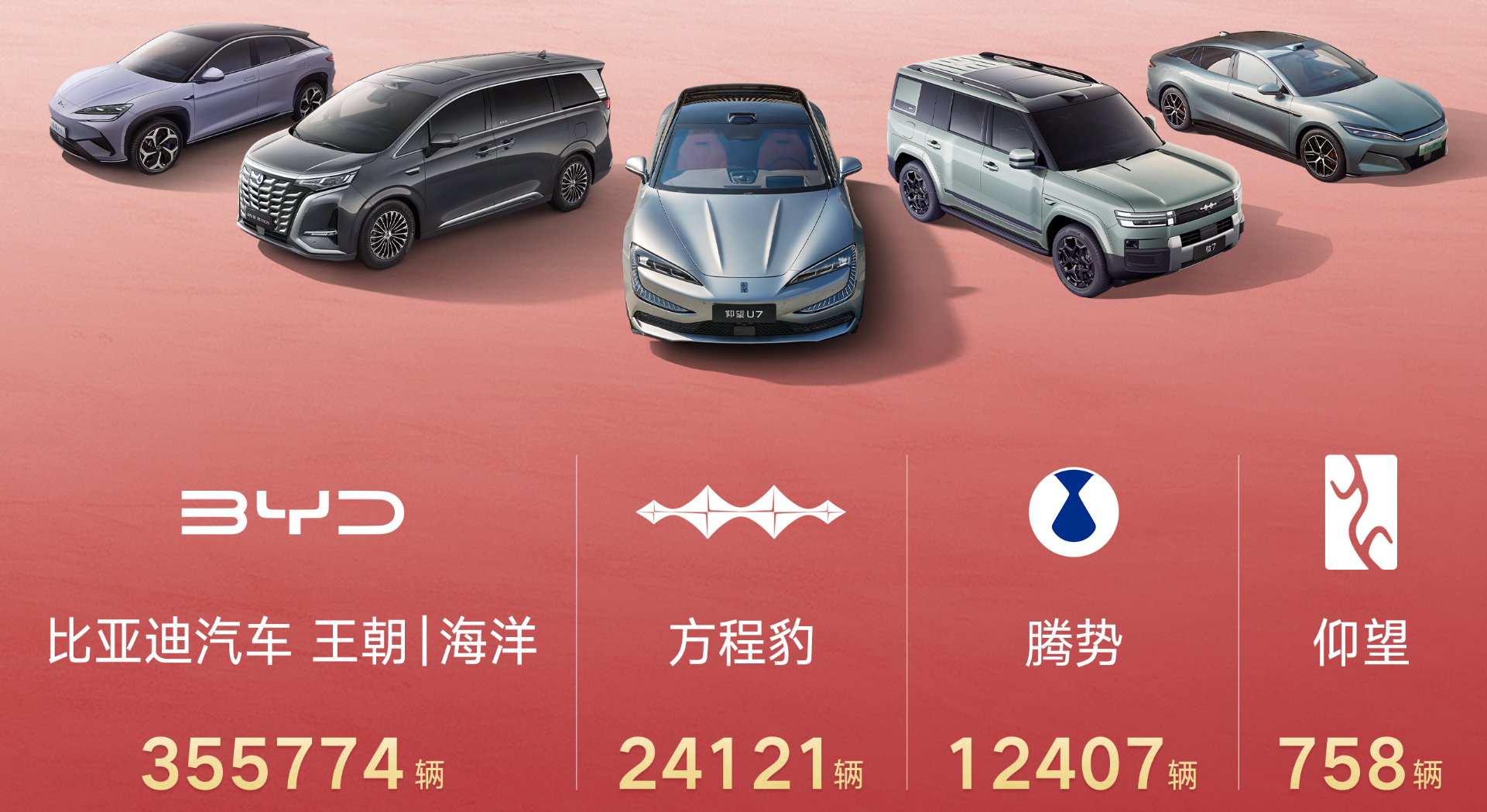
挪威拟两年内逐步取消电动汽车补贴,特斯拉Model Y等大众车型将面临加税
智通财经网· 2025-10-15 12:03
Core Points - The Norwegian government plans to gradually eliminate major subsidies for electric vehicles over the next two years, leading to increased costs for new cars like the Tesla Model Y by several thousand dollars [1] - In August, electric vehicles accounted for 98.3% of new car sales in Norway, marking a historic high and aligning with the country's goal to phase out gasoline and diesel vehicles by 2025 [1] - The government has proposed reducing the tax exemption threshold for electric vehicles to 300,000 NOK and imposing VAT on all versions of the Model Y and mid-range models like the Volkswagen ID.4 [2] Group 1 - The Norwegian government has set a target for all new passenger cars to be electric by 2025, indicating that this goal is nearly achieved, thus justifying the removal of subsidies [1] - The current policy of exempting electric vehicles from taxes has resulted in a loss of several billion dollars in annual revenue for the government [1] - The government plans to increase the initial registration tax for fuel vehicles to maintain the overall incentive advantage for electric vehicles [2] Group 2 - The electric vehicle association in Norway has expressed concerns about the abrupt changes to tax incentives, fearing it may lead consumers to revert to fuel vehicles [2] - The cheapest version of the Tesla Model Y is priced at 422,000 NOK, and under the proposed tax changes, the cost could increase by approximately 75,000 NOK if VAT exemptions are fully removed [2] - The government has proposed increasing the sovereign wealth fund's expenditure to support public spending, with economic growth forecasts adjusted upward for 2025 and 2026 [3]

站在港股IPO门口,赛力斯还能做“亲儿子”吗?
Tai Mei Ti A P P· 2025-10-15 10:54
Core Insights - The article discusses the rapid rise of Seres, a once marginal electric vehicle manufacturer, which has embraced Huawei's technology and resources, leading to a market capitalization exceeding 200 billion [2][3] - However, as Huawei expands its partnerships with other automakers, Seres faces increased competition and must prove its ability to survive independently while navigating the challenges of the market [2][3][4] Group 1: Competitive Landscape - Seres initially benefited from exclusive support from Huawei, which provided access to technology, branding, and sales channels, resulting in significant sales growth [3][4] - The expansion of Huawei's automotive partnerships has diluted Seres' unique position, as multiple brands now compete for resources and market attention within Huawei's ecosystem [5][6] - Seres is now confronted with fierce competition in various market segments, including luxury SUVs and mid-sized SUVs, from established players like Li Auto, Tesla, and BYD [6][7] Group 2: Financial Challenges - Despite reporting a net profit of 2.94 billion yuan in the first half of the year, Seres has a high debt-to-asset ratio of 76%, indicating significant financial strain [6][7] - The company faces a cash flow crisis, with a decline in operating cash flow by 12% year-on-year, and a current ratio of 0.89, which is below the industry average [6][7] - Inventory levels have increased by 28% despite a 4% drop in revenue, suggesting potential issues with market demand and cash management [6][7] Group 3: Global Expansion and Geopolitical Challenges - Seres plans to use its upcoming IPO to fund research and development, expand overseas, and improve working capital, with 70% of the raised funds allocated for R&D [8][9] - The company has experienced a 31% decline in overseas deliveries, highlighting challenges in international markets, particularly in Europe and the U.S. due to rising tariffs and trade barriers [8][9] - Seres' reliance on Huawei's technology may pose additional challenges in foreign markets, where scrutiny and regulatory hurdles are increasing [9][10] Group 4: Future Outlook - The success of Seres' IPO is seen as a critical step in establishing a global presence and moving beyond its dependence on Huawei [9][10] - The company must craft a compelling growth narrative that transcends its reliance on Huawei to attract international investors and build a competitive brand [10]

四季度决战,哪几家完不成年度目标
汽车商业评论· 2025-10-14 23:08
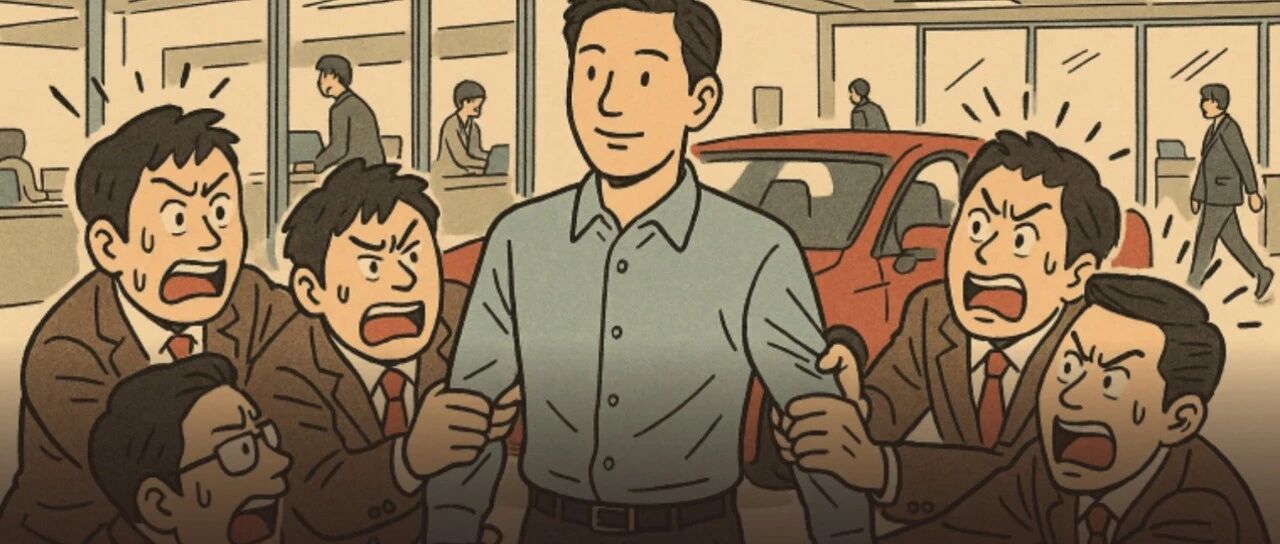
Core Viewpoint - The automotive industry is facing intense competition in the current market, with companies setting higher sales targets than the previous year, leading to potential overproduction and inventory issues [4][5]. Group 1: Sales Targets and Performance - Many automotive companies have set ambitious sales targets for 2025, but achieving these targets is challenging given the current market conditions [5]. - Among the companies analyzed, only XPeng has exceeded a 75% completion rate of its sales target, attributed to its conservative initial target setting [8]. - Companies like SAIC, Geely, BYD, and Xiaomi have also achieved over 70% completion rates [9]. Group 2: Market Trends and Consumer Behavior - The fourth quarter is critical for sales, especially with the upcoming tax incentives, prompting companies to accelerate new vehicle launches [5][12]. - Data from the "TQ Auto Flow" platform indicates a decline in foot traffic to dealerships during the National Day holiday compared to previous years, suggesting a potential decrease in consumer interest [14][16]. - The foot traffic data shows that some dealerships experienced lower visitor numbers than expected, with many consumers opting for travel instead of car shopping [14][19]. Group 3: Company-Specific Insights - For FAW Toyota, the main markets are Guangdong, Shandong, Jiangsu, and Zhejiang, with a notable decline in foot traffic during the holiday period [17][19]. - GAC Toyota's sales are also concentrated in similar regions, with a strong performance from hybrid and electric models, which accounted for about 50% of their total sales [22]. - Both FAW and SAIC Volkswagen reported lower foot traffic during the holiday compared to 2024, indicating challenges ahead for 2025 [24][30]. Group 4: New Energy Vehicle (NEV) Trends - NIO, XPeng, and Li Auto are experiencing growth in brand recognition and sales, with NIO achieving a total delivery of 201,000 vehicles by Q3 2025 [46]. - XPeng reported a significant year-on-year increase in deliveries, reaching 313,000 vehicles, but faces pressure on profitability and cost management [49]. - Li Auto's performance is lagging behind its ambitious target of 640,000 vehicles, with production delays affecting new models [51]. Group 5: Future Outlook - The competition in the NEV market is expected to intensify as traditional automakers introduce new models, potentially leading to price wars and increased mergers and acquisitions [54].
稀土核弹炸穿光刻机命脉!阿斯麦断供反被掐脖 全链崩塌在即
Sou Hu Cai Jing· 2025-10-14 13:52
Core Viewpoint - The new Chinese rare earth regulations have created significant challenges for ASML, the leading lithography machine manufacturer, by tightening control over the supply chain and requiring approvals for any use of Chinese rare earth materials, even in minimal amounts [1][3][4] Group 1: Impact on ASML - ASML's EUV machines contain over 3,000 rare earth components, with 90% of the supply chain dependent on China, making it nearly impossible for ASML to bypass Chinese suppliers [3][4] - The new regulations require ASML to disclose the origin and processing of any rare earth components, even if they constitute only 0.1% of the total material [3][4] - ASML's clients, including major semiconductor manufacturers like TSMC and Intel, are now facing production delays and are demanding transparency regarding rare earth content in their equipment [4][6] Group 2: Broader Industry Implications - The new regulations have caused panic among European companies reliant on Chinese rare earths, such as Volkswagen and Siemens, which are critical for their electric motors and wind turbines [4][6] - The situation highlights the risks of over-reliance on a single supply chain, as companies may find themselves vulnerable to geopolitical tensions [6][7] - The ongoing conflict between technology and politics is reshaping the global supply chain, emphasizing the need for companies to adapt and seek diversified sources [6][7][8]
80后北大硕士,用机器人帮小米造车,即将收获一个IPO
创业邦· 2025-10-14 03:12
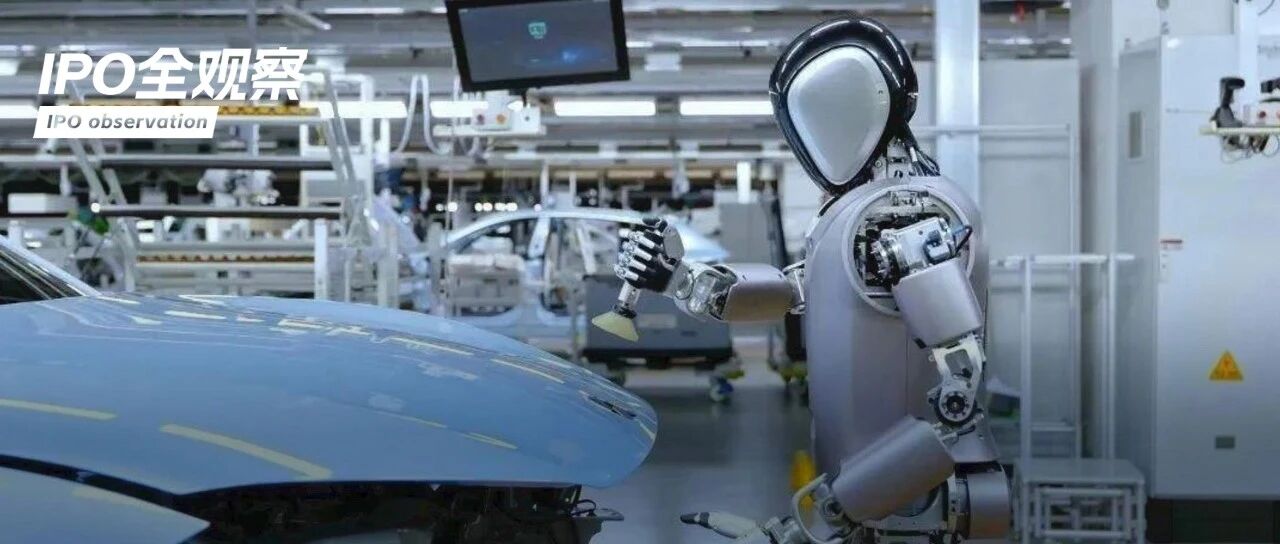
Core Viewpoint - The article discusses the IPO plans of Luoshi Robotics, highlighting its growth, business model, and strategic partnerships, particularly with Xiaomi, as well as its competitive positioning in the robotics industry [4][18]. Company Overview - Luoshi Robotics, headquartered in Shandong, is the only Chinese company capable of mass-producing both industrial and collaborative robots, ranking third among domestic manufacturers and seventh globally in multi-joint robot sales by 2024 [4][11]. - The company has established a comprehensive product line, offering 10 series and 27 models of industrial robots, with payloads ranging from 4 kg to 220 kg [24]. Founder's Background - The founder and CEO, Tuo Hua, has a strong academic and professional background in robotics, having worked with major companies like Ericsson and IBM before co-founding Luoshi Robotics in 2014 [7][9]. Business Strategy - Initially focused on robot control systems, the company pivoted to lightweight industrial robots, targeting the automotive parts industry and labor-intensive sectors like 3C [10][11]. - Luoshi Robotics has successfully collaborated with major clients, including Xiaomi and Bosch, providing automation solutions for various industries [13][18]. Financial Performance - The company has shown significant revenue growth, with projected revenues of 1.53 billion, 2.67 billion, and 3.25 billion RMB from 2022 to 2024, reflecting a compound annual growth rate of 46% [27]. - Despite revenue growth, Luoshi Robotics is still in a loss-making phase, with net losses of 2.38 billion, 1.57 billion, and 1.92 billion RMB during the same period [28]. Investment and Funding - Luoshi Robotics has raised over 1.5 billion RMB in funding since its inception, with a recent valuation of 5.295 billion RMB, supported by various venture capital and government funds [14][17]. - The company plans to use IPO proceeds to enhance R&D capabilities, expand its product offerings, and improve production efficiency [28]. Market Outlook - The collaborative robot market is expected to grow at a compound annual growth rate of 35%, with a projected market size of 7.5 billion USD by 2027, indicating a promising future for Luoshi Robotics [29].