
嘉能可

Search documents
赚翻了!我国收购邦巴斯铜矿,投资仅70亿,如今总价值超千亿美元
Sou Hu Cai Jing· 2025-08-02 10:38
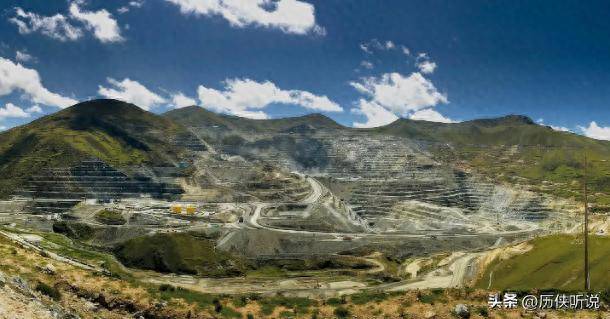
Core Insights - The acquisition of the Las Bambas copper mine by China Minmetals in 2014 for $7.05 billion is now seen as a strategic move that has significantly enhanced China's resource security and influence in the global copper market [1][3][30] - The mine, located at a high altitude in Peru, has proven to be a critical asset, producing 2.7 million tons of copper and contributing to China's manufacturing sector [5][28] Group 1: Strategic Importance - The Las Bambas mine is referred to as a "super copper mine" due to its high copper grade and significant reserves, with confirmed copper exceeding 10 million tons [5][28] - The project has transformed from a risky investment into a vital resource hub, providing a stable supply of copper to Chinese industries, including electric vehicles and renewable energy [9][11][30] Group 2: Economic Impact - By 2025, the cumulative copper production from Las Bambas is expected to reach 2.7 million tons, with the project's valuation surpassing $100 billion [7][28] - The mine has alleviated China's dependence on foreign copper resources, which once reached 75%, thus reducing the raw material anxiety for domestic smelting companies [13][30] Group 3: Local Development and Integration - The project has significantly contributed to local economic development, with China Minmetals paying over 12.8 billion RMB in taxes and improving the GDP of the local region by nearly threefold [19][21] - Employment opportunities have increased, with 98.4% of the workforce being local, and over 5,600 new jobs created, focusing on high-skill positions [23][30] Group 4: Environmental and Social Responsibility - China Minmetals has implemented comprehensive ecological restoration and monitoring programs, planting 1.9 million trees and establishing an ecological monitoring lab [25][30] - The company has also invested in local education and healthcare, significantly improving the quality of life for residents and fostering a positive relationship with the community [21][27] Group 5: Future Prospects - The Las Bambas mine has only developed about 10% of its potential, with a lifespan expected to exceed 20 years, positioning it as a strategic asset for China's long-term resource strategy [28][30] - The success of this project exemplifies China's ability to integrate economic, environmental, and social dimensions in its overseas investments, setting a precedent for future initiatives [30]

【环球财经】亚狮达完成对雪佛龙菲利普斯新加坡化学公司收购
Xin Hua Cai Jing· 2025-08-01 09:32
新华财经新加坡8月1日电(记者刘春涛)总部位于东南亚的能源和化学品企业亚狮达(Aster)集团8月 1日宣布,已完成对雪佛龙菲利普斯新加坡化学私人有限公司(Chevron Phillips Singapore Chemicals Pte Ltd,简称CPSC)的收购,并将其更名为Aster Polymer Solutions Pte Ltd,整合入集团整体架构。 据Aster官网信息,集团由印尼Chandra Asri集团与嘉能可(Glencore)联合主导,产业布局涵盖炼油、 裂解及多项核心基础设施,在新加坡与印尼均设有关键产能节点。 (文章来源:新华财经) CPSC由雪佛龙菲利普斯化工公司(Chevron Phillips Chemical)、新加坡经济发展局投资公司(EDB Investments Pte Ltd)和住友化学公司(Sumitomo Chemical Company)共同成立,运营着位于裕廊岛的 高密度聚乙烯(High-Density Polyethylene,简称HDPE)生产设施,年产能达40万吨。 Aster方面表示,该交易将进一步强化其在亚太地区的一体化化学品战略。此次整合有助于该 ...
持货商存在挺价情绪,铜价或震荡维稳
Hua Tai Qi Huo· 2025-08-01 06:28
Report Industry Investment Rating - Copper: Neutral [5] - Arbitrage: Suspended [6] - Options: short put @ 77,000 yuan/ton [7] Core Viewpoints - The current 50% tariff does not cover refined copper, causing the Comex premium to drop significantly. If the inventory of over 250,000 tons in Comex flows back to the market, it may impact copper prices again. Therefore, a wait - and - see attitude is recommended. However, due to the price - holding sentiment of domestic holders, the possibility of a continuous and significant decline in copper prices is relatively small [5] Summary by Relevant Catalogs Market News and Important Data Futures Quotes - On July 31, 2025, the main contract of Shanghai copper opened at 78,640 yuan/ton and closed at 78,040 yuan/ton, a decrease of 1.13% from the previous trading day's close. In the night session, it opened at 78,180 yuan/ton and closed at 78,010 yuan/ton, a 0.55% decrease from the afternoon close [1] Spot Situation - The domestic electrolytic copper spot market showed a tightening trend at the end of the month. The premium of 1 electrolytic copper to the 2508 contract was 140 - 220 yuan/ton, with an average of 180 yuan/ton, up 15 yuan/ton from the previous day. The spot price range was 78,460 - 78,670 yuan/ton. It is expected that holders will maintain a price - holding strategy on August 1, and the actual trading activity is expected to improve [2] Important Information Summary - **Macro and Geopolitical**: Trump signed an executive order to modify the reciprocal tariff rates for certain countries. The tariff on Canada will be increased from 25% to 35% starting August 1, 2025. Goods transshipped to avoid the 35% tariff will be subject to a 40% transshipment tariff. The US Treasury Secretary expects to announce Fed nominations by the end of the year, and there will be two vacancies on the Fed Board. China's manufacturing PMI in July was 49.3%, down 0.4 percentage points from the previous month [3] - **Mine End**: The copper production of Anglo American's Quellaveco copper mine in Peru increased slightly in the first half of the year, but the company's total copper production decreased by 13% due to the decline in Chilean production [3] - **Smelting and Import**: Southern Copper's CFO believes that trade conflicts will impact the global economy and the copper industry, but is optimistic about the long - term prospects of copper. Glencore's copper production decreased by 26% in the first half of the year, and it raised its full - year production forecast [4] - **Consumption**: Last week, copper prices fluctuated within a narrow range. Near the end of the month, downstream consumption had limited room for improvement. Due to some processing enterprises' export - rushing actions, market demand was relatively stable, and downstream enterprises mainly made just - in - time purchases [4] - **Inventory and Warehouse Receipts**: LME warehouse receipts changed by 1,350 tons to 138,200 tons, SHFE warehouse receipts changed by - 351 tons to 19,622 tons, and the domestic electrolytic copper spot inventory on July 28 was 119,300 tons, a decrease of 1,000 tons from the previous week [4]
全球铜市:关税冲击下的韧性与机遇
Qi Huo Ri Bao· 2025-08-01 00:53
Market Overview - In the first half of 2025, copper prices experienced significant fluctuations, with LME copper price reaching $9,878 per ton, marking a year-to-date increase of 12.49%, while Shanghai copper futures rose by 8.27% to 79,870 CNY per ton [1] - The U.S. tariff policies under President Trump have caused considerable market disruptions, leading to concerns about a global economic recession, which impacted stock and futures markets [2][3] - The International Monetary Fund (IMF) revised its global economic growth forecast for 2025 from 3.3% to 2.8%, with developed economies' growth expectations lowered from 1.9% to 1.4% [3] Supply Analysis - Global copper mine production from January to April 2025 totaled 7.5254 million metric tons, an increase of 2.64% year-on-year, but major copper producers reported a decline in output [8][9] - The anticipated global copper mine increment for 2025 is between 220,000 to 300,000 tons, with significant contributions expected from projects like Oyu Tolgoi and Kamoa-Kakula [11] - Domestic copper concentrate production in China for January to March 2025 reached 427,800 tons, a year-on-year increase of 5.26%, but still below levels from 2022 and 2023 [12] Demand Analysis - In the U.S., new housing starts have declined, while automotive sales remain stable, contributing limited growth to copper consumption [17] - In China, investment in power grid projects increased by 14.59% year-on-year, and the production of new energy vehicles surged by 48.35% [17] - Overall, domestic copper consumption is expected to show resilience, with strong growth in the power grid sector and stable performance in the automotive sector [17] Trade Flow Changes - The U.S. initiated a "232 investigation" into copper imports, leading to significant changes in global copper trade flows, with COMEX and LME markets experiencing increased arbitrage trading [18][19] - Chile's refined copper exports decreased by 11.1% year-on-year, while exports to the U.S. saw a significant increase of 116.11% [19] - As of June 30, 2025, global copper inventories decreased by 20.59% year-on-year, indicating tightening supply conditions [19] Outlook for the Second Half - The copper market is expected to maintain high prices due to the impact of U.S. tariff policies, supply constraints, and resilient demand [20] - If no major risk events occur, copper prices may continue to rise, potentially reaching new highs, although there is a risk of temporary price corrections following the implementation of U.S. tariffs [21]
美国6月核心PCE同比升,吕梁市场冶金焦价格偏强运行
Dong Zheng Qi Huo· 2025-08-01 00:41
1. Report Industry Investment Ratings There is no information provided regarding the report industry investment ratings in the given content. 2. Report's Core Views - The overall market is influenced by various factors such as economic data, tariff policies, and government policies. Different sectors show different trends and risks. For example, the gold market is affected by PCE data and tariff policies, showing a short - term weak trend; the stock index futures market is affected by domestic economic data and policies, and needs fundamental support; the bond market enters a favorable period but with a volatile upward trend [13][21][28]. 3. Summary by Relevant Catalogs 3.1 Financial News and Reviews 3.1.1 Macro Strategy (Gold) - The US core PCE in June increased by 2.8% year - on - year, better than expected. The hawkish stance of the Fed's interest - rate meeting reduces short - term interest - rate cut expectations. The gold price fell back below $3300, and it is expected to be in a weak shock in the short term [12][13][14]. 3.1.2 Macro Strategy (Foreign Exchange Futures - Dollar Index) - Trump increased tariffs on Canada and extended the tariff period for Mexico, which led to a decrease in market risk appetite and a short - term strengthening of the dollar index [15][17][19]. 3.1.3 Macro Strategy (Stock Index Futures) - The State Council Executive Meeting proposed to implement the "Artificial Intelligence +" action and enhance macro - policy effectiveness. Due to the PMI in July being lower than expected, the short - term domestic economic pressure increases, and the stock market has a correction. It is recommended to allocate assets evenly [20][21][22]. 3.1.4 Macro Strategy (US Stock Index Futures) - The unexpected rebound of inflation data increases the uncertainty of future interest - rate cuts. The US stock market's upward trend slows down, and attention should be paid to the risk of correction caused by economic data falling short of expectations [23][25][26]. 3.1.5 Macro Strategy (Treasury Bond Futures) - China's official manufacturing PMI in July was 49.3, lower than expected. The Treasury bond futures enter a favorable period in August, but the upward trend is volatile, and it is necessary to grasp the rhythm when going long [27][28][30]. 3.2 Commodity News and Reviews 3.2.1 Agricultural Products (Soybean Oil/Rapeseed Oil/Palm Oil) - Malaysia's palm oil exports in July decreased by 6.71% month - on - month, and Indonesia raised the reference price and export tax of crude palm oil in August. The oil market is expected to fluctuate and correct, and it is recommended to go long on dips [31][32][33]. 3.2.2 Black Metals (Steam Coal) - Vietnam's coal imports from January to June increased by 13.26% year - on - year. Affected by rainfall and policies, the short - term coal price is expected to remain stable, and attention should be paid to the implementation of supply - side policies [34]. 3.2.3 Black Metals (Coking Coal/Coke) - The price of metallurgical coke in the Lvliang market is running strongly. Recently, coking coal has been greatly affected by the macro and policies, and may stabilize in the short term after a continuous sharp decline. Pay attention to position management [4][35][37]. 3.2.4 Black Metals (Iron Ore) - India's Goa state resumed iron ore mining after 12 years. The iron ore price is mainly driven by sentiment in the short term. The fundamentals do not support sharp fluctuations. It is recommended to wait and see [38]. 3.2.5 Agricultural Products (Pigs) - Aonong Biological's actual external guarantee balance reached 1 billion yuan. The short - term spot price of pigs may fall, and the contango strategy is still applicable for contract arbitrage [39][40]. 3.2.6 Agricultural Products (Corn) - The inventory in the northern ports continued to decline. The corn futures price started to return to its fundamentals after the weakening of the macro - sentiment. In the medium and long term, it is expected to decline in a fluctuating manner, and it is recommended to hold new short positions [41][42][43]. 3.2.7 Agricultural Products (Corn Starch) - The开机 rate of starch increased, but the downstream demand was still weak. The price difference between rice and flour is expected to remain low and fluctuate [44][45]. 3.2.8 Black Metals (Rebar/Hot - Rolled Coil) - The inventory of five major steel products increased week - on - week. Affected by weather and policy expectations, the steel price fell, and it is expected to have further downward pressure [46][47]. 3.2.9 Non - ferrous Metals (Copper) - Chile's copper production in June decreased by 6% year - on - year. Trump imposed a 50% tariff on imported semi - finished copper products. The market is worried about the outward transfer of US copper inventories, which suppresses the copper price. It is recommended to take a short - term bearish approach and pay attention to inventory changes [48][50][52]. 3.2.10 Non - ferrous Metals (Polysilicon) - The spot transaction average price has increased. The polysilicon price is expected to run between 45,000 - 57,000 yuan/ton in the short term. It is recommended to sell out - of - the - money put options [55][56]. 3.2.11 Non - ferrous Metals (Industrial Silicon) - The social inventory of industrial silicon increased slightly. The supply is expected to increase in August. The price is expected to run between 8500 - 10,000 yuan/ton, and it is recommended to pay attention to range - trading opportunities [57][58]. 3.2.12 Non - ferrous Metals (Nickel) - Glencore's nickel production in the second quarter decreased by 3.6% year - on - year. Affected by macro - policies and fundamentals, the nickel price fell. It is recommended to pay attention to short - term band opportunities and medium - term short - selling opportunities at high prices [59][60][61]. 3.2.13 Non - ferrous Metals (Lead) - A lead smelter in the northwest plans to stop production. Affected by macro - sentiment and fundamentals, the short - term Shanghai lead price is weak, and it is recommended to wait and see [62][65]. 3.2.14 Non - ferrous Metals (Zinc) - Gatos Silver's zinc ore production in the second quarter increased by nearly 30%. Affected by macro - sentiment and fundamentals, the Shanghai zinc price fell. It is recommended to take a short - position with a light position, pay attention to mid - term month - spread positive - arbitrage opportunities, and wait and see in the short term [66][68][69]. 3.2.15 Energy and Chemicals (Liquefied Petroleum Gas) - The weekly commodity volume of Chinese LPG increased slightly, and the inventory rate decreased slightly. The 8 - month CP price was in line with expectations, and the price is expected to be in a weak shock in the short term [69][70][71]. 3.2.16 Energy and Chemicals (Carbon Emissions) - The closing price of CEA on July 31 decreased by 1.36%. The trading volume has not increased significantly. The CEA price is expected to fluctuate in the short term [72][73]. 3.2.17 Energy and Chemicals (PX) - The PX price fell on July 31. The PX market is expected to be in a volatile and upward trend in the short term [74][75]. 3.2.18 Energy and Chemicals (PTA) - The operating rates of texturing and weaving in Jiangsu and Zhejiang continued to increase. The demand side needs further observation. The PTA price may be in a slightly upward shock in the short term [76][77][78]. 3.2.19 Energy and Chemicals (Caustic Soda) - The transaction in the Shandong caustic soda market was moderate on July 31. The market is expected to fluctuate in the future [79][80][80]. 3.2.20 Energy and Chemicals (Pulp) - The price of imported wood pulp in the spot market adjusted in different directions on July 31. The pulp price is expected to follow the commodity market's correction [81][82]. 3.2.21 Energy and Chemicals (PVC) - The price of domestic PVC powder market fell on July 31. The PVC price is expected to follow the commodity market's correction [83][84]. 3.2.22 Energy and Chemicals (Bottle Chips) - The export quotes of bottle - chip factories were mostly slightly lowered. The bottle - chip price is expected to follow the fluctuation of polyester raw materials. It is recommended to pay attention to the opportunity of expanding processing fees by going long on dips [84][85]. 3.2.23 Shipping Index (Container Freight Rates) - Hartmann Group increased its order for new - built container ships in China. The container freight rate has confirmed a downward trend. It is recommended to wait and see in the short term and pay attention to spot changes [86][87][88].
铜8月报:232关税豁免精炼铜,铜价或震荡下行-20250731
Yin He Qi Huo· 2025-07-31 14:12
Group 1: Report Industry Investment Rating - No relevant content provided Group 2: Core Views of the Report - 232 tariff exemption for refined copper, copper prices may fluctuate downward, but the decline may not be smooth, with support expected in the range of 76,000 - 77,000 yuan/ton [5][8][15] - The supply of copper concentrates is facing challenges, with the growth rate falling short of expectations, and the tight supply situation is difficult to ease [29][39] - Overseas consumption remains resilient in Q3, but uncertainty increases in Q4; domestic demand is differentiated, with some sectors showing growth and others being dragged down [6][15][73] - The import window may open periodically, presenting a good positive arbitrage opportunity, but in the long - term, it may remain closed [8][16] Group 3: Summary by Directory I. Copper Market Overview - On July 30, Trump announced a 50% tariff on imported semi - finished copper products starting from August 1, excluding copper ores and cathode copper, causing a 18% plunge in US copper prices [5][14] - The COMEX - LME spread quickly converged to 2% - 3%, and if US copper is re - exported, the LME inventory accumulation rate may accelerate [5][14] - Due to the 232 tariff policy, the pre - consumption of copper globally has advanced, with overseas demand growing steadily and domestic demand in China and emerging economies weakening marginally [6][15] II. Fundamental Situation 1. Market Review - In July, copper prices fluctuated at a high level. The expectation of the 232 tariff policy led to a shortage of refined copper supply in non - US regions, pushing up prices, which then fell back after the policy was announced [11] - The抢 - import of copper in the US from April to May led to a shortage of supply in non - US regions and a decrease in LME inventory. After the 232 policy was expected to be implemented, the LME inventory started to increase [12] 2. Market Outlook - Macroscopically, the US economy remains resilient, and the impact of the tariff policy depends on whether the US reaches a settlement with other countries [13][15] - In terms of supply, the supply of copper concentrates faces challenges, and domestic smelters have a low willingness to cut production, while overseas smelters may further reduce production [13][14] - In terms of demand, overseas demand remains stable, and domestic demand is differentiated but will not collapse [15] - In terms of prices, copper prices face downward pressure, but the decline may not be smooth [15] - In terms of ratios, the import window may open periodically, but will remain closed in the long - term [16] III. Copper Mine Disturbances Increase, Supply Tightness Difficult to Alleviate 1. Copper Concentrate Supply Growth Rate Falls Short of Expectations - In 2025, the supply of copper mines is tight. Some major mining companies have lowered their production expectations, and the supply growth rate is lower than expected [29] - The increase in domestic imports of copper concentrates in the first half of the year is due to the unstable production of overseas smelters, but overall, the supply of copper mines is still tight, and it is difficult for processing fees to rise significantly [39] 2. Global Scrap Copper Supply Mismatch, Tight Domestic Scrap Copper Supply - After the reciprocal 10% tariffs between China and the US, the export volume of US scrap copper did not decrease, but the export destination changed. China's imports from the US decreased significantly [40] - China has increased imports from Thailand and Europe to replace US scrap copper, but the import growth rate has declined, and the difficulty of importing scrap copper has increased [41] 3. Global Refined Copper Production Situation - Overseas smelters have increased production cuts due to factors such as low processing fees, copper concentrate shortages, and high costs. Some major smelters have stopped production or plan to cut production [46] - Domestic smelters have a low willingness to cut production due to high sulfuric acid prices. The production of electrolytic copper in the first half of 2025 increased year - on - year, and it is expected to continue to increase in the second half of the year [47][48] IV. Consumption Analysis 1. Overseas Consumption Remains Resilient in Q3, Uncertainty Increases in Q4 - The US economy remains resilient, and the risk of recession has decreased significantly. The impact of the tariff policy on the US manufacturing industry is not obvious [53][54] - The global manufacturing PMI rebounded in June, with most developed countries showing an upward trend, while China and some emerging economies declined [54] 2. Domestic Demand Differentiation - **Real Estate Market**: The real estate market continues to drag down copper consumption. The decline in construction completion area leads to a decrease in copper demand, and the impact of policy rate cuts on the real estate market is limited in the short - term [73][74] - **Power Grid and Power Source**: In the first half of 2025, grid investment increased year - on - year, and power source investment increased significantly. However, the wire and cable industry was affected by the off - season and high copper prices, and the export situation was different in different regions [80][83] - **Air - conditioning Market**: In the first half of 2025, the air - conditioning market showed growth, but the export market declined. The consumption growth rate of air - conditioners is expected to decline, and the copper consumption will increase slightly [91][92] - **Automobile Market**: The overall automobile market is stable, but the profitability is declining. The sales of fuel - powered vehicles are declining, and the substitution of new - energy vehicles for fuel - powered vehicles is the general trend [100] 3. "Anti - involution" Involves the Automobile Industry, Wind and Solar Power Generation Exceeds Expectations - **New - energy Vehicles**: The global new - energy vehicle market continues to grow. China leads the market, but the growth rate has slowed down in June - August. The copper consumption of new - energy vehicles is expected to increase [103][111] - **Wind and Solar Power Generation**: In the first half of 2025, China's photovoltaic and wind power new - installed capacity increased significantly year - on - year. The new - installed capacity of global photovoltaic and wind power is also expected to increase, and the copper consumption will increase accordingly [113][115] 4. Consumption Summary - Overseas demand remains stable, and domestic demand weakens marginally but does not collapse. The growth of new - energy vehicles, photovoltaic, and wind power will drive copper consumption, while the real estate market will continue to drag down copper consumption [139] V. Supply - Demand Balance Sheet - In 2024, there was a shortage of 130,000 tons of copper concentrates, and in 2025, the supply gap is expected to widen to 830,000 tons. In 2024, there was a surplus of 330,000 tons of refined copper, and in 2025, the surplus is expected to be 280,000 tons [143] - In July 2025, the domestic refined copper production and apparent consumption increased, but the year - on - year growth rate decreased due to the high base in 2024 [143]

嘉能可:上半年铜产量同比下降26%
Wen Hua Cai Jing· 2025-07-31 06:10
该公司报告称,上半年铜产量同比下降26%,至3343,900吨,主要是因为矿石品位下降。该公司还将2025年全年铜产量预估自此前的850,000-890,000吨上调 至850,000-910,000吨。预计未来数月,其铜产量会更高。 数据显示,该公司2024年铜产量为952,000吨。 该公司表示将关闭其在澳大利亚Mount Isa的最后两座铜矿并已同意出售旗下菲律宾的铜冶炼厂。 上半年其钴产量为18,900吨,较上年同期增加19%。 (文华综合) 7月30日(周三),嘉能可周三报告称,上半年铜产量下降并表示其目标是在2026年底前节省10亿美元成本。 该公司首席执行官Gary Nagle在一份声明中表示:"对我们的工业资产组合进行了全面审查……,认识到简化工业运营结构的机会。" 他补充说,该公司将在8月6日的半年报中提供更多细节。 ...

“买预期、卖事实”!美国“缩水版”进口铜关税政策落地 美铜单日跌近20%大幅回吐溢价
Xin Hua Cai Jing· 2025-07-31 05:13
Core Viewpoint - The announcement of a 50% tariff on imported copper products by the U.S. has led to a significant drop in copper prices, with COMEX copper falling over 20% on July 30, 2023, as market expectations shifted following the tariff implementation [1][2]. Tariff Impact - The U.S. government, under President Trump, has officially imposed a 50% tariff on imported copper semi-finished products and high-copper derivatives starting August 1, 2023, while excluding copper input materials and scrap from this tariff [2][3]. - The market had previously reacted to the tariff expectations, driving COMEX copper prices to nearly $6 per pound, but the actual announcement led to a substantial price correction [2][4]. Market Reactions - Following the tariff announcement, COMEX copper experienced a significant price drop, while London copper prices remained relatively stable, indicating a divergence in market reactions [2][4]. - Analysts expect that the copper market will return to a more rational pricing structure, especially if electrolytic copper is excluded from the tariff, which would eliminate arbitrage opportunities [3][4]. Additional Negative Factors - Rising copper inventories in the U.S. have contributed to the price decline, with COMEX copper inventories reaching their highest level since 2004, having more than doubled this year [4]. - The Federal Reserve's decision to maintain interest rates and the strengthening of the U.S. dollar, driven by better-than-expected economic data, have also negatively impacted copper prices [4]. Future Price Outlook - Despite the recent downturn, analysts remain cautiously optimistic about copper prices for the remainder of the year, with expectations for LME copper prices to average $9,500 per ton by Q4 2025, reflecting a 2.7% increase from previous forecasts [5][6]. - Concerns over declining copper ore grades and production levels continue to support copper prices, with significant reductions in production forecasts from major companies like Glencore [6].
新能源及有色金属日报:关税并未涉及精铜,纽铜大幅走低-20250731
Hua Tai Qi Huo· 2025-07-31 05:01
Report Industry Investment Rating - Copper: Neutral [5] - Arbitrage: Suspended [5] - Options: short put @ 77,000 yuan/ton [5] Core Viewpoints - The 50% tariff does not cover refined copper, leading to a significant decline in the Comex premium. If the over 250,000 tons of Comex copper inventory flows back into the market, it may impact copper prices again. Therefore, a wait - and - see approach is recommended for now [5] Summary by Relevant Sections Market News and Important Data - **Futures Quotes**: On July 30, 2025, the Shanghai copper main contract opened at 78,910 yuan/ton and closed at 78,930 yuan/ton, up 0.11% from the previous trading day's close. The night - session main contract opened at 78,640 yuan/ton and closed at 78,700 yuan/ton, down 0.47% from the afternoon close [1] - **Spot Situation**: The domestic electrolytic copper spot market has a tight supply pattern, with a significant strengthening of spot premiums. The SMM1 electrolytic copper is priced at 79,200 - 79,370 yuan/ton, with a premium of 130 - 200 yuan/ton to the current - month contract. The average premium is 165 yuan/ton, up 55 yuan/ton from the previous day. It is expected that the short - term premium will remain firm [2] Important Information Summaries - **Macro and Geopolitical**: The White House announced a 50% tariff on semi - finished products like copper tubes and wires, exempting raw materials such as cathode copper and ores. This caused the COMEX copper price to plummet by up to 20% on the day, and the Comex - to - LME price difference has shrunk to about 5% [3] - **Mining End**: Glencore plans to cut about $1 billion in costs by the end of 2026 and has raised the long - term profit forecast for its commodity trading division from $2.2 - 3.2 billion to $2.3 - 3.5 billion. The trading division had a profit of $1.35 billion in the first half of the year [3] - **Smelting and Imports**: The Comex premium has weakened significantly due to the tariff exemption of refined copper, and it has recovered to about 5% of the LME price. If the over 250,000 tons of US copper inventory flows back into the market, it may impact copper prices [4] - **Consumption**: Last week, copper prices fluctuated within a narrow range. Due to the end of the month, downstream consumption had limited growth. However, due to some processing enterprises' rush to export, market demand was relatively stable, and downstream enterprises mainly made just - in - time purchases [4] - **Inventory and Warehouse Receipts**: LME warehouse receipts changed by 225 tons to 136,850 tons, SHFE warehouse receipts changed by 1,890 tons to 19,973 tons. On July 28, the domestic electrolytic copper spot inventory was 120,300 tons, a change of 6,100 tons from the previous week [4] Data Tables - **Spot (Premium/Discount)**: The premium for SMM 1 copper (premium copper) is 165 - 180, for flat - copper is 150, for wet - process copper is 25, the Yangshan premium is 60, and LME (0 - 3) is - 52 [27] - **Inventory**: LME inventory is 136,850 tons, SHFE inventory is 73,423 tons, and COMEX inventory is 229,909 tons [27][28] - **Warehouse Receipts**: SHFE warehouse receipts are 19,973 tons, and the proportion of LME cancelled warehouse receipts is 15.20% [28] - **Arbitrage**: The spread between CU08 - CU06 (continuous third - near - month) is - 30, between CU07 - CU06 (main - near - month) is 0, CU07/AL07 is 3.83, CU07/ZN07 is 3.48, and the import profit is - 313 [28]
锌:新一轮“供给侧改革”能否带来“锌”一轮牛市?
Wu Kuang Qi Huo· 2025-07-31 02:16
Report Summary 1) Report Industry Investment Rating No information provided. 2) Core View of the Report In early 2016, the zinc industry cycle was characterized by tight zinc ore supply and loose zinc ingot supply, with strong expectations but weak reality. The introduction of supply - side reform policies coordinated with the industry cycle, leading to a significant bull market in zinc prices. Currently, the zinc industry is in a situation of loose supply of both zinc ore and zinc ingot, with weak expectations and reality. Although policies such as anti - involution, elimination of backward production capacity, and stable growth have been introduced, the zinc industry cycle fails to resonate with domestic macro - policies, making it difficult for zinc prices to show a sustained upward trend. With the expected increase in zinc ingot supply, if speculative sentiment cools down and the macro - environment weakens, zinc prices still face significant downward risks [1][26]. 3) Summary by Relevant Catalogs Supply Side: Loose Supply of Both Ore and Ingot - **Zinc Ore**: In the first half of the year, the increase in zinc ore supply mainly occurred overseas. From January to June in China, the cumulative year - on - year growth of net zinc ore imports was 48%, driving the cumulative year - on - year growth of total zinc ore supply to 13.5%. The significant growth in zinc ore supply is reflected in higher inventories than in previous years and rising processing fees. The current port inventory of zinc concentrates is 275,000 physical tons, and the factory inventory is 599,000 physical tons, with the total inventory increasing by 286,800 physical tons compared to the visible inventory of the same period last year. The current average domestic TC of zinc concentrates is 3,800 yuan/metal ton, and the import TC index is 76 dollars/dry ton, increasing by 2,350 yuan/metal ton and 115 dollars/dry ton respectively compared to the low points of the same period last year [4]. - **Zinc Ingot**: The increase in zinc ingot supply lags behind that of zinc ore by about 4 months. China's smelting output began to rise in June. In June, the zinc ingot output was 585,100 tons, with a year - on - year change of 7.2% and a month - on - month change of 6.5%. With abundant raw materials, it is expected that the average monthly total supply of domestic zinc ingots will remain above 600,000 tons in the second half of the year. Due to relatively limited downstream demand, the visible inventory of domestic zinc ingots has been rising since early June. From June to July, the total inventory of domestic zinc ingots increased by 24,500 tons to 196,300 tons, and the basis and monthly spread of SHFE zinc also declined significantly [4]. Demand Side: Weak Reality with Marginally Strengthening Expectations - **Current Demand Situation**: The operating conditions of primary enterprises are worse than in previous years. The weekly operating rate of galvanized coils is 3% lower than the same period last year, and that of die - cast zinc alloy enterprises is 4.6% lower. However, some primary enterprises carried out strategic stockpiling as zinc prices declined. The sharp drop in zinc prices in the first half of 2025 brought forward the apparent demand for zinc ingots, and Trump's tariff policy brought forward galvanized exports. These early stockpiling/consumption behaviors may lead to weaker actual consumption in the second half of 2025 compared to the same period of previous years [12]. - **Demand Expectations**: The Yarlung Zangbo River downstream hydropower project started on July 19, with a total investment of 1.2 trillion yuan. As a large - scale infrastructure project, it has increased the consumption expectation of zinc ingots to some extent. Zinc used in hydropower station construction is mainly for the anti - corrosion of metal structural parts. However, due to the long expected construction period of the project, the actual annual demand for zinc ingots is relatively limited, and it mainly has a boosting effect on market sentiment [12]. Market Sentiment and Capital Disturbance - **Overseas**: The Trump administration's influence on the Fed's monetary policy is increasing, raising the market's expectation of a loose Fed monetary policy, which provides some support for zinc prices. As the end - of - month Fed interest rate meeting approaches, the market is waiting for the Fed's interest rate decision [17]. - **Domestic**: On July 18, the Ministry of Industry and Information Technology released a work plan for stable growth and elimination of backward production capacity. Coupled with the anti - involution policy, it has ignited a bull market in domestic bulk commodities. Polysilicon, coking coal, and other black - series commodities have all risen significantly. SHFE zinc, as a non - ferrous metal variety highly correlated with black - series commodities, has also been affected by market sentiment to some extent. After the July delivery in the domestic zinc market, the registered warehouse receipts of zinc ingots on the SHFE returned to over 10,000 tons, the monthly spread of SHFE zinc declined significantly, and the domestic structural risk decreased significantly. Since early July, the concentration of long positions in the LME zinc market has been relatively high. On July 21, the cancelled warehouse receipts of LME zinc increased by 38,400 tons, and the cancelled warehouse receipts dropped to a low of 58,300 tons, pushing the LME zinc monthly structure to strengthen continuously, and the overseas structural risk remains high. Under the pattern of weak domestic and strong overseas markets, the SHFE - LME ratio has continued to decline, and the zinc ingot import window has closed [17]. Comparison of Current and 2016 Market Conditions In 2016, the zinc industry entered a period of zinc ore shortage. According to SMM data, the average profit of zinc ore enterprises entered a loss since the second half of 2015, and in early 2016, the average profit was - 2,300 yuan/metal ton. The zinc ore processing fee was at a high level and showed a marginal weakening trend. Some high - cost zinc mines suffered severe losses. From the end of 2015 to early 2016, Glencore's zinc mines reduced production by 500,000 tons due to heavy losses, and MMG and Vedanta's zinc mines reduced production by 670,000 tons due to resource depletion. In contrast, the current zinc ore market is still in a state of oversupply. The average profit of SMM zinc ore is still 4,300 yuan/metal ton, and the zinc ore processing fee is on an upward trend without any signs of stagnation or weakening. According to the quarterly reports of overseas mining enterprises, the production of major mining enterprises is normal, and there is no tendency for profit - related production cuts [25].