质价比

Search documents
即需、即买、即用 消费者更关注“质价比”
Xiao Fei Ri Bao Wang· 2025-07-01 02:29
Core Insights - The 618 shopping festival in 2025 has shown the fastest growth in three years, contrary to consumer sentiment suggesting a downturn in consumption [1][7] - The changes in consumer behavior and promotional strategies indicate a shift towards more rational and immediate purchasing decisions [2][10] Group 1: Promotional Changes - The 618 event was extended from May 13 to June 20, marking the longest duration in history, with increased frequency of promotional activities [2][9] - Simplified promotional rules have been implemented, allowing consumers to enjoy discounts without complex calculations, enhancing the shopping experience [5][8] - The new discount mechanisms have led to positive consumer feedback, with many reporting a more comfortable shopping experience compared to previous years [6][7] Group 2: Consumer Behavior - Younger consumers prefer immediate purchases over bulk buying, aligning with a minimalist lifestyle and reducing waste [3][10] - The trend of rational decision-making is evident, with consumers focusing on actual needs rather than engaging in competitive price comparisons [10] - The demand for convenience and personalized services is expected to deepen, with instant retail and AI-driven recommendations becoming the norm [10] Group 3: Market Performance - Data shows that JD's 618 event saw user numbers increase by over 100%, while Tmall reported significant growth in user engagement and transaction volume [7] - The overall sales for the 618 festival reached 8,556 billion yuan, a 15.2% increase year-on-year, with instant retail sales growing by 18.7% [9] - The performance of various sectors, particularly home appliances and digital products, has been notably strong, indicating a robust market response [7][9] Group 4: Industry Trends - The industry is moving away from "rough competition" for traffic towards a focus on providing quality supply and enhancing consumer trust [8][10] - Future consumption patterns are expected to emphasize efficiency, experience, and personalized offerings, marking a significant shift in market dynamics [10] - The competitive landscape will increasingly favor technology-driven companies that excel in supply chain flexibility and data insights [10]


古茗把咖啡卷出了新高度
3 6 Ke· 2025-06-26 03:28
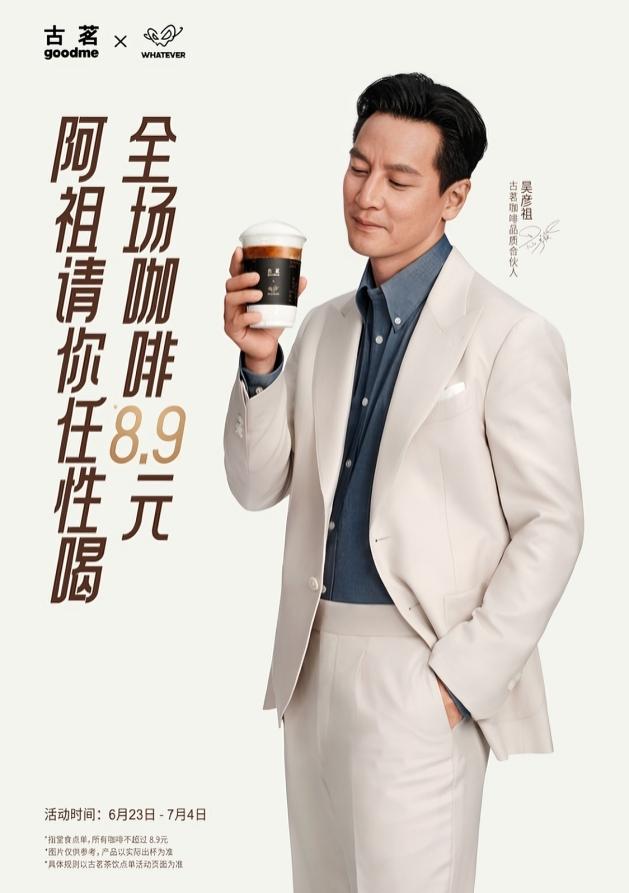
Core Viewpoint - The current fresh coffee market in China is experiencing rapid growth, with a significant increase in consumer demand for fresh and professional coffee beverages. Companies like Guming are leveraging their strengths in the tea beverage sector to expand into the fresh coffee market, focusing on fresh ingredients and affordability as key competitive advantages [1][9]. Market Dynamics - The fresh coffee market is witnessing explosive growth in third and fourth-tier cities, with order volumes increasing by over 250%. This has led to intense price competition among brands, including international giants like Starbucks and local brands like Luckin and Kudi, all vying for the attention of young consumers in these areas [2][4]. - Guming has successfully differentiated itself by balancing quality and price, capturing the interest of young consumers in county towns. As of June 2025, Guming's fresh coffee products are available in over 7,600 stores nationwide, ranking among the top five in the country [2][4]. Product Strategy - Guming's coffee products are priced between 8.9 to 18 yuan, significantly lower than similar offerings from Starbucks, which can be three times more expensive. The company emphasizes high-quality ingredients, such as fresh milk and award-winning coffee beans, to ensure a superior taste experience [8][10]. - The company has achieved a high repurchase rate of 53% in lower-tier markets, well above the industry average of 30%, indicating strong consumer loyalty [8][9]. Supply Chain Efficiency - Guming has established a robust supply chain that allows for fresh ingredients to be delivered quickly, with a focus on maintaining the freshness of coffee beans within 30 days from roasting to store use. This is a significant improvement over the industry standard [9][11]. - The company operates 22 warehouses, including a large cold storage facility, and has a logistics network that enables efficient distribution, reducing delivery costs to 50% of the industry average [11][13]. Competitive Positioning - Guming's strategy includes targeting the "mid-price range" of 10 to 17 yuan, avoiding direct competition with lower-priced brands and high-end offerings. This positioning allows Guming to appeal to consumers seeking quality at a reasonable price [15][16]. - The company has also focused on product innovation, launching new coffee products frequently and adapting to regional preferences based on consumer data, which has helped convert tea drinkers into coffee customers [18][19]. Future Outlook - Guming aims to increase its coffee product sales to 10% of total sales by 2025, with expectations of significant revenue growth from its presence in lower-tier markets [14][15].
「时代的眼泪」,哈根达斯也不香了?丨氪金·大事件
36氪· 2025-06-23 12:44
Core Viewpoint - Häagen-Dazs, a high-end ice cream brand in China, is facing significant growth challenges and may consider selling its stores in the country due to declining sales and foot traffic [4][5][7]. Group 1: Market Performance - General Mills, the parent company of Häagen-Dazs, reported a net sales of $138 million for its premium ice cream business in the latest quarter, a decrease of approximately 3.2% compared to the same period last year [5]. - The sales revenue for Häagen-Dazs in China has declined from $800 million in the 2019 fiscal year to $730 million in the 2024 fiscal year [22]. - As of June 22, 2024, Häagen-Dazs had 385 stores in China, significantly fewer than local competitors like "Mr. Wild" with 566 stores and DQ with 1,695 stores [19]. Group 2: Competitive Landscape - The Chinese ice cream market has become increasingly crowded with the rise of new brands and local competitors, leading to a decline in Häagen-Dazs' market share [21][22]. - The emergence of new tea drinks and local coffee shops has provided consumers with more options for casual dining, further impacting Häagen-Dazs' customer base [21]. Group 3: Consumer Behavior - A recent survey indicated that only 6.94% of consumers are willing to pay over 20 yuan for a single ice cream, down from 9.01% in 2023, reflecting a shift towards more budget-friendly options [25]. - Consumers are increasingly seeking value for money, with a preference for products priced under 10 yuan [25]. Group 4: Strategic Adjustments - Häagen-Dazs plans to expand its retail channels and promote handheld products to increase visibility and competitiveness in the market [27]. - The brand is also implementing promotional pricing strategies, such as offering ten flavors for 189.9 yuan at pop-up stores [28]. - There are suggestions for Häagen-Dazs to localize its operations by potentially transferring management to Chinese firms to better adapt to local market conditions [31].


为“悦己”买单 北京1-5月金银珠宝类商品零售额增长41%
Bei Jing Shang Bao· 2025-06-17 15:20
Group 1 - The overall consumption market in Beijing showed improvement, with a total market consumption increase of 1.3% year-on-year from January to May, driven by factors such as the "May Day" holiday and early consumption promotions for "618" [1] - Retail sales of gold and jewelry surged by 41% year-on-year, leading all categories, attributed to rising international gold prices and strong demand during the wedding season [1] - Brands like Chow Tai Fook and Lao Feng Xiang reported significant sales growth in traditional gold products, with younger consumers favoring stylish gold jewelry designs [1] Group 2 - The Chinese gold and jewelry market is experiencing two emerging trends: improvements in gold craftsmanship and a rising "self-pleasure" consumption trend, leading to a younger demographic willing to pay a premium for aesthetics [2] - Fashion brands are increasingly focusing on experiential consumption, with luxury brands like Louis Vuitton and Dior opening standalone flagship stores in Beijing, indicating a shift from "cost-performance" to "quality-price" in consumer preferences [2] - The emphasis on emotional connections between consumers and brands is becoming a core strategy for physical retail, highlighting the importance of diversified and scenario-based fashion consumption in Beijing's market [2]
景顺长城基金张欢:部分新消费公司或有泡沫风险,投资潮玩应关注产业链布局|基金佳问第110期
Sou Hu Cai Jing· 2025-06-13 09:35
Core Viewpoint - The rise of new consumption sectors such as trendy toys and pet economy is driven by younger consumers seeking better quality-price ratios, leading to significant market opportunities and investment potential [3][4][5]. Group 1: New Consumption Trends - The new consumption economy is characterized by the emergence of sectors like trendy toys, pet economy, and beauty products, which are performing strongly in the secondary market [3][4]. - The shift in consumer demographics from older generations to Generation Z has resulted in a focus on individual experiences and emotional value, with consumers willing to pay for personal interests [5][6]. - The concept of "quality-price ratio" has become a priority for consumers, contrasting with previous trends where brand prestige was more important [5][6]. Group 2: Investment Opportunities - The pet economy is highlighted as a significant area of growth, with the market size for pet food expected to reach approximately 100 billion by 2030, doubling in size [6]. - New consumption brands are successfully capturing consumer demand by offering unique products that provide emotional value, leading to higher profit margins [7][8]. - The marketing strategies of these brands have shifted towards social sharing and community engagement rather than traditional advertising, enhancing brand influence [8][9]. Group 3: Market Dynamics and Risks - While some new consumption companies have seen substantial stock price increases, many have also delivered on performance, suggesting that valuations are not excessively inflated [4][14]. - The potential for market differentiation exists, as some companies may face risks of overvaluation due to their recent market entries and the volatility of investor sentiment [4][14]. - The investment approach should focus on identifying companies with sustainable performance and managing portfolio risks through selective stock picking and position sizing [14][15].

电商平台“618”名酒价格下探,有售价击穿“批发价”
Xin Jing Bao· 2025-06-11 02:07
Core Viewpoint - Major e-commerce platforms are aggressively competing for users during the 618 mid-year promotion, utilizing strategies like substantial subsidies to attract customers, particularly in the high-margin liquor segment, where well-known brands are becoming key products for driving traffic [1][2][3] Group 1: Price Trends and Discounts - During the 618 period, e-commerce platforms offered significant subsidies on premium liquor brands such as Moutai and Wuliangye, with some prices dropping below wholesale reference prices [2][3] - The price of 53-degree 500ml Moutai has notably decreased, with current prices ranging from 2099 to 2200 yuan per bottle, down from approximately 2300 to 2500 yuan last year [2] - Discounts on other high-end liquor brands have also been observed, with some products priced below their respective wholesale prices, indicating a broader trend of price reductions across various liquor categories [3][5] Group 2: Market Dynamics and Competition - The liquor market is experiencing intense competition, with e-commerce platforms and liquor distributors both seeking to clear inventory and attract more users, leading to price reductions [6][7] - Analysts suggest that while subsidies boost online sales, they may disrupt the pricing structure in offline markets, affecting distributors' profit margins [6][7] - Traditional liquor distributors are adapting to the shift towards online sales, with some exploring new marketing strategies like live streaming to maintain competitiveness [6][7] Group 3: Consumer Behavior and Market Shifts - There is a noticeable shift in consumer preferences towards better price-to-quality ratios, with younger consumers increasingly opting for alternative beverages over traditional liquor [8][9] - The wedding market has shown signs of recovery, with a significant increase in booking volumes, yet the price range for wedding liquor has contracted, reflecting changing consumer habits [8] - Major liquor companies are focusing on expanding their product offerings and targeting younger demographics to adapt to evolving market conditions [9]




推新大年,健康引领
GOLDEN SUN SECURITIES· 2025-06-11 00:38
Group 1: Beverage Industry Insights - The beverage industry is expected to experience a peak season with concentrated catalysts in the short term, alongside accelerated product launches throughout the year, aligning with the trends of health consciousness and value-for-money [3] - Recommended investment strategies include focusing on high-quality leaders such as Nongfu Spring, Dongpeng Beverage, and Uni-President China, as well as targets with high safety margins and improvement potential like China Resources Beverage, Liziyuan, Chengde Lulule, Huanyoujia, Junyao Health, and Chongqing Beer [3] Group 2: Imaging Equipment Sector - The report highlights Ying Shi Innovation (688775.SH) as a leader in smart imaging devices, emphasizing its focus on panoramic and action cameras, with a robust technological framework including stabilization and AI image processing [4] - The company's revenue grew from 1.328 billion in 2021 to 5.574 billion in 2024, with a CAGR of 61.31%, while its net profit increased from 252 million to 946 million during the same period, achieving a CAGR of 55.42% [4] Group 3: Automotive Sector - Yadi Holdings (01585.HK) is positioned to benefit from policy-driven demand recovery, with expectations for a return to rapid growth in the industry due to trade-in programs and new national standards [7] - The company is projected to achieve net profits of 2.93 billion, 3.55 billion, and 4.11 billion from 2025 to 2027, with corresponding PE ratios of 12.1, 10.0, and 8.6, respectively, and has been rated as a "buy" [7] Group 4: Computing Sector - The report discusses the strategic merger between Haiguang Information and Zhongke Shuguang, which is expected to reshape the domestic computing power ecosystem, with a focus on the server sector [8] - Key players to watch in the computing power ecosystem include Zhongke Shuguang, Haiguang Information, Inspur Information, and others [8]
易开得净水器:在“质价比”时代抢占先机
Sou Hu Cai Jing· 2025-06-09 04:28
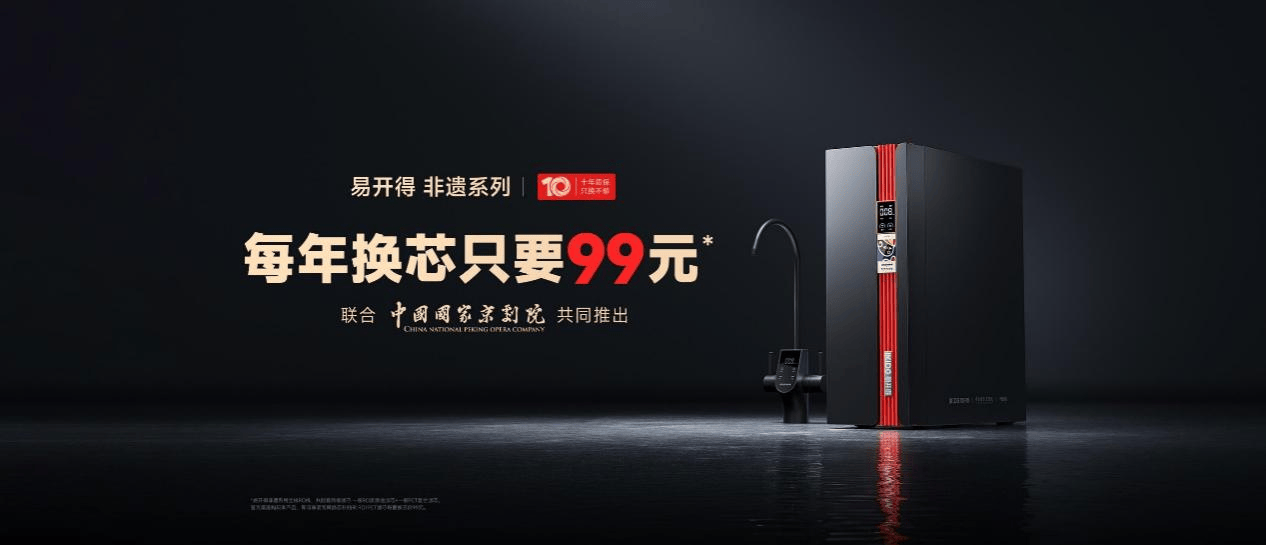
Core Insights - The introduction of the "old-for-new" subsidy policy in 2025 is set to transform the water purifier market, making it more affordable for consumers and reshaping market dynamics [1][3][7] - The policy encourages companies to shift focus from merely competing on specifications to enhancing product quality and efficiency, benefiting both consumers and the industry [3][4] Industry Overview - Historically, water purifiers have not been a priority for many households, often viewed as "improvement appliances" due to high initial costs and ongoing maintenance expenses [3] - The "old-for-new" policy aligns with the need for a market reset, promoting a "truthful" reshuffle in the industry by enabling consumers to purchase high-quality products at lower prices [3][4] Company Strategy - The company EasyKide positions itself as a "high cost-performance" brand targeting essential consumer groups, aiming to leverage the current market adjustments [4] - During promotional events like the 618 Mid-Year Sale, EasyKide's Q1 1200 water purifier can be purchased for approximately 2,600 yuan after subsidies and discounts, effectively penetrating the mid-range market [4] - EasyKide's "99 yuan for filter replacement" service significantly reduces annual usage costs, addressing consumer concerns about filter expenses [4][6] Product Innovation - EasyKide has developed a diverse product matrix based on in-depth insights into Chinese household water needs, offering solutions that cater to various usage scenarios [5] - The non-heritage series includes features like dual water output for separating drinking and daily use water, enhancing efficiency and safety [5] - Collaborating with the National Peking Opera, EasyKide integrates modern purification technology with traditional cultural elements, enhancing brand recognition and emotional connection with consumers [5] Consumer Engagement - EasyKide's annual filter replacement service at 99 yuan alleviates "filter anxiety," transforming unpredictable costs into a fixed, attractive price point [6] - The company offers a "10-year warranty, replace not repair" policy, simplifying after-sales service and boosting consumer confidence in product durability [6]
希尔顿花园酒店多城齐开,在华突破115家
2 1 Shi Ji Jing Ji Bao Dao· 2025-06-04 11:56
李先峰坦言,在精选服务酒店赛道,真正影响客人体验、决定是否再次入住的,往往不是某一个"惊艳 瞬间",而是服务细节是否到位。因此,要强调"回归基础",做好最基本的睡眠、清洁、早餐和服务。 当消费者对"质价比"的关注不断升温,中高端酒店市场成为投资布局的关键赛道。行业报告显示,2024 年国内中高端酒店的签约数量,同比增长约24.6%。 希尔顿集团大中华区及蒙古精选服务型酒店营运副总裁李先峰表示,"绽欣版"酒店的开业,验证了这一 全新产品从设计图纸到落地场景的完整闭环,为行业提供了创新标杆。 以最新开业的重庆渝北中央公园睿海希尔顿花园酒店为例,其延续"核心城市、核心位置、核心商圈"的 选址标准,位于重庆核心板块中央公园片区,以自然主义的设计格调、商务友好的服务设施,多维度诠 释了品牌焕新理念。 李先峰告诉《21世纪商业评论》记者,此前进行了多轮消费者调研,用了超过一年半时间进行打磨,才 推出现在的"希尔顿花园酒店·绽欣版",每个细节都基于用户反馈进行优化,是系统性的产品升级。 记者/ 谭璐 编辑/ 江一苇 5月底,希尔顿集团旗下的高端精选服务酒店品牌——希尔顿花园酒店宣布,其全新升级的"希尔顿花园 酒店·绽欣版" ...

电商平台新战事:新需求呼唤新供给
Sou Hu Cai Jing· 2025-06-04 07:14
Group 1: Changing Consumer Landscape - The Chinese consumer landscape is undergoing significant changes, with examples from various sectors indicating that consumers are willing to spend, but only for quality experiences [2] - The rise of new tea beverage brands like Mixue Ice City and Ba Wang Cha Ji illustrates the demand for both affordability and premium offerings, with Mixue selling 9 billion cups at 5 yuan each and Ba Wang selling 600 million cups at 20 yuan each [2] - The film industry also reflects this trend, as evidenced by the performance of "Ne Zha 2," which has grossed over 15.8 billion yuan despite a lackluster performance from other films during the same period [2] Group 2: E-commerce Evolution - E-commerce platforms are focusing on improving the business environment and upgrading supply to meet diverse consumer needs, marking a new era of e-commerce equality [3][4] - The rapid growth of e-commerce in China has transformed economic relationships between urban and rural areas, allowing for greater access to a variety of products [5][6] Group 3: Supply and Demand Equality - E-commerce has democratized consumption opportunities, enabling rural consumers to access a wider range of products and prices, particularly through platforms like Pinduoduo and Douyin [5][6] - The emergence of e-commerce has allowed rural producers to reach national and global markets, significantly reducing information gaps and promoting consumption equality [8] Group 4: Changing Consumer Demands - Consumer demands are becoming increasingly segmented, with varying preferences based on income levels and regional differences, highlighting the need for e-commerce platforms to adapt [9][10] - The rise of diverse consumer needs presents opportunities for e-commerce platforms to innovate and upgrade their offerings [10] Group 5: Supply-Side Upgrades - E-commerce platforms are investing heavily in merchant support to drive supply-side upgrades, with initiatives from Douyin and Pinduoduo aimed at reducing costs for merchants [11] - Pinduoduo's "100 Billion Support" plan aims to invest over 100 billion yuan in the next three years to enhance the quality of the e-commerce ecosystem [11] Group 6: Market Dynamics - The traditional e-commerce model has led to a "Matthew Effect," where larger brands dominate market share, making it difficult for smaller players to compete [12][14] - Small and medium-sized businesses face challenges in advertising and marketing, which can hinder their ability to innovate and compete effectively [14] Group 7: Consumer Perception of Value - There is a misconception that higher prices equate to better quality, but this is not always the case, as demonstrated by various product examples [16] - The focus should be on providing good supply at reasonable prices, rather than solely on brand recognition or high price points [16] Group 8: E-commerce Growth and Challenges - The evolution of China's e-commerce market has been rapid, with online retail sales now surpassing those of the US and UK combined [20] - The current challenge for e-commerce platforms is to adapt to increasingly fragmented and personalized consumer demands, necessitating a rethinking of supply and demand dynamics [23]