
货币政策

Search documents
2025年基建投资增速下滑,今年有望实现较好增速
Di Yi Cai Jing Zi Xun· 2026-01-19 04:48
Core Viewpoint - The infrastructure investment growth rate in China has experienced a rare decline in 2025, marking the first drop since 2014, with a total fixed asset investment of approximately 48.5 trillion yuan, down 3.8% from the previous year [1] Group 1: Infrastructure Investment Trends - In 2025, infrastructure investment (excluding electricity, heat, gas, and water production and supply) decreased by 2.2%, contrasting with previous years of high growth [1] - The growth rate of infrastructure investment has shown a "high at the beginning, low at the end" pattern, aligning with the overall economic growth pace, influenced by tight local finances and limited quality project reserves [1][2] - The monthly growth rate of infrastructure investment in 2025 started at 5.8% in Q1 but slowed to 4.6% in H1 and further to 1.1% in Q3, ultimately resulting in an annual decline [1] Group 2: Funding Sources and Fiscal Policies - The main sources of funding for infrastructure investment include self-raised funds, national budget funds, domestic loans, foreign investment, and other funds, with a significant reduction in net financing from local government bonds due to strict regulations [3] - In 2025, public budget expenditures for infrastructure saw a decline, with agricultural, forestry, and water expenditures down 13.6%, and urban and rural community expenditures down 8.3% [3] - The fiscal expenditure structure is optimizing, with increased spending on social welfare sectors like education and healthcare, indicating a shift from "investment in things" to "investment in people" [4] Group 3: Future Outlook and Government Initiatives - The National Development and Reform Commission has initiated a list of major projects and a central budget investment plan for 2026, totaling approximately 295 billion yuan, to support economic growth [6] - The 2026 fiscal and monetary policies are expected to be more proactive, which will support infrastructure investment and overall economic development [5] - Local governments have begun issuing bonds exceeding 2 trillion yuan in Q1 2026, directing funds towards significant project construction, such as the new high-speed railway project [6]
银行资负跟踪20260119:降准降息还有空间
GF SECURITIES· 2026-01-19 04:26
Investment Rating - The industry investment rating is "Buy" [3] Core Viewpoints - The report indicates that there is still room for further cuts in reserve requirement ratios and interest rates, with a focus on structural monetary policy support for high-quality economic development [15][19] - The central bank has implemented a reduction of 0.25 percentage points in various structural monetary policy tool rates, signaling a supportive monetary policy stance [15][19] - The report emphasizes the importance of timing for future policy implementations, particularly in relation to government bond issuance peaks and the maturity schedule of high-interest bank deposits [15] Summary by Sections 1. Monetary Policy Adjustments - The report notes a reduction of 0.25 percentage points in structural monetary policy tool rates, with a focus on supporting key areas through increased re-lending [15] - Future attention is directed towards December economic data and January LPR [22] 2. Central Bank Dynamics and Market Rates - The central bank conducted a total of 9,515 billion yuan in 7-day reverse repos at an interest rate of 1.40%, with a net injection of 9,741 billion yuan [16] - The report highlights that the funding rates remained stable, with expectations of slight increases due to tax payments and government bond net repayments [16] 3. Bank Financing Tracking - The report indicates that the total outstanding amount of interbank certificates of deposit (CDs) is 19.09 trillion yuan, with an average issuance rate of 1.65% [20] - The report also notes that there were no commercial bank bond issuances during the period, with a total outstanding commercial bank bond size of 3.38 trillion yuan [20]




美暂缓对关键矿产进口加征关税,沪铜走弱:铜周报20260118-20260119
Guo Lian Qi Huo· 2026-01-19 03:42
Report Summary 1. Core View - The U.S. has postponed imposing tariffs on critical mineral imports, and Shanghai copper prices have weakened [1] 2. Key Points by Category Price Data - After the contract change of Shanghai copper, the copper spot has turned to a discount, and the spot market trading is sluggish [9] - This week, the LME copper 0 - 3M premium continued to strengthen on a week - on - week basis [13] Fundamental Data - The average weekly price of the copper concentrate TC index decreased by $1.12/ton to -$46.53/ton on a week - on - week basis and remained low [15] - According to Steel Union, the port inventory of copper concentrate this week was 54.7 million tons, an increase of 11.9 million tons on a week - on - week basis and lower on a year - on - year basis [18] - The spread between refined and scrap copper has widened [21] - China's electrolytic copper production in January is expected to decrease on a month - on - month basis but increase on a year - on - year basis [23] - From January to December, the cumulative imports of unwrought copper and copper products were 5.321 billion tons, a year - on - year decrease of 6.4% [26] - This week, the spot and bonded area inventories of electrolytic copper increased on a week - on - week basis [27] - LME copper inventories have increased, and COMEX copper inventories continue to accumulate [29] - Driven by post - holiday复产, the operating rate of refined copper rods rebounded this week [30] - From January 1st to 11th, the retail sales of new energy passenger vehicles in the national market decreased by 38% on a year - on - year basis [31] - The overall production schedule of photovoltaic modules in January is expected to decline; the export tax refund for photovoltaic value - added tax will be cancelled starting from April [32] - The production schedules of household air conditioners in January and February are differentiated, with the cumulative production basically flat [34] Macroeconomic Data - The central bank has lowered the policy tool interest rate by 25 basis points and stated that there is still room for reserve requirement ratio cuts and interest rate cuts this year [36] - The core CPI growth rate in the U.S. in December was lower than expected, with a year - on - year increase of 2.6%, and the CPI increased by 2.7% year - on - year, in line with expectations [38] - The front - runner for the Federal Reserve Chairman position has changed, and Trump has said that he hopes Hassett will continue to serve as a White House advisor [41]
2026年01月19日:期货市场交易指引-20260119
Chang Jiang Qi Huo· 2026-01-19 02:53
Report Industry Investment Ratings - **Macro Finance**: Bullish on stock indices in the medium to long term, suggesting buying on dips; expecting government bonds to trade sideways [1][5][6] - **Black Building Materials**: Short - term trading for coking coal, range trading for rebar, and selling on rallies for glass [1][8][9] - **Non - ferrous Metals**: Exiting long positions on copper on rallies, strengthening watch on aluminum, suggesting watching or selling on rallies for nickel, range trading or taking profits on previous long positions for tin, range trading for gold, bullish on silver, and expecting lithium carbonate to trade in a range [1][10][13][14][15][16][17][18] - **Energy and Chemicals**: Adopting a low - buying strategy for PVC, temporarily watching for caustic soda and soda ash, range trading for styrene, rubber, urea, and methanol, and expecting polyolefins to trade weakly [1][19][21][22][23][24][25] - **Cotton Textile Industry Chain**: Expecting cotton and cotton yarn to adjust sideways, and apples and jujubes to trade weakly [1][26][28][29] - **Agricultural and Livestock**: Adopting a short - selling strategy on near - term hog contracts on rallies and cautiously bullish on far - term contracts; hedging post - holiday 02 and 03 egg contracts on rallies; being cautious about chasing highs in the short term for corn and hedging on rallies for grain holders; being bullish on near - term soybean meal contracts on dips and bearish on far - term contracts; expecting three major oils to trade sideways with rapeseed oil stronger than soybean and palm oils in the short term [1][30][33][35][37][38] Core Views - Geopolitical events, policy changes, and supply - demand dynamics are the main factors affecting the futures market. For example, Trump's tariff policies, Fed's interest rate decisions, and changes in supply and demand of various commodities have significant impacts on prices [5][6][11][17] - Different commodities have different supply - demand characteristics and price trends. Some commodities are affected by seasonal factors, while others are more influenced by policy and macroeconomic factors [8][9][19][22][31] Summary by Category Macro Finance - **Stock Indices**: With market sentiment cooling and the central bank cutting policy tool rates, stock indices are expected to trade sideways. In the medium to long term, they are bullish, and investors can buy on dips [5] - **Government Bonds**: After the central bank cuts the structural monetary policy tool rate, the bond market shows a deep "V" trend. Government bonds are expected to trade sideways [6] Black Building Materials - **Coking Coal**: Due to reduced transportation, slow replenishment by traders, and weak demand, coking coal is suitable for short - term trading [8] - **Rebar**: Currently, the futures price is at a neutral valuation. With weakening export expectations and short - term balanced supply and demand, rebar is expected to trade in a range, and investors can focus on cash - and - carry arbitrage opportunities [8] - **Glass**: Although the inventory pressure of float glass factories has eased, the middle - stream inventory has increased. With the approach of the Spring Festival, demand is expected to decline, and glass prices are expected to trade weakly. Investors can sell on rallies and focus on the opportunity of going long on glass and short on soda ash [9] Non - ferrous Metals - **Copper**: After a short - term rise, copper prices face adjustment pressure due to factors such as the strengthening of the US dollar and weak downstream demand. In the short term, copper is expected to trade at a high level, and investors can exit long positions on rallies [10][11][12] - **Aluminum**: Due to the weak reality of alumina surplus and strong fundamental pressure in January, aluminum prices face upward pressure. Investors are advised to strengthen watch [13] - **Nickel**: Although the reduction of Indonesian nickel ore quotas stimulates bullish sentiment, the fundamentals are weak. Nickel prices are expected to trade sideways, and investors are advised to watch [14][15] - **Tin**: With the supply of tin concentrate being tight and downstream demand maintaining rigid procurement, tin prices are expected to trade sideways. Investors can conduct range trading or take profits on previous long positions [15] - **Silver and Gold**: Affected by geopolitical tensions and changes in the expectation of the Fed chairperson, silver and gold prices are bullish in the medium term. Silver is recommended to hold long positions, and gold is suitable for range trading [16][17] - **Lithium Carbonate**: With strong downstream demand and potential supply supplements, lithium carbonate prices are expected to trade in a range. Investors need to pay attention to the disturbance of Yichun's mining end [18][19] Energy and Chemicals - **PVC**: Although the current supply - demand situation is weak, considering low valuation and potential policy and cost factors, a low - buying strategy is recommended, and investors can focus on positive calendar spreads [19][21] - **Caustic Soda**: With weak demand and high supply, caustic soda has short - term delivery pressure. Although there may be some support in the medium term, the rebound space is limited. Investors are advised to watch [21] - **Styrene**: After a previous rebound, styrene's valuation is high. Investors should be cautious about chasing highs and focus on cost and supply - demand changes in the medium to long term [21] - **Rubber**: Due to the seasonal inventory build - up, weak cost support, and high downstream production and sales pressure, rubber prices are expected to decline in the short term and trade in a range [22] - **Urea**: With increasing supply and relatively stable demand, urea prices are expected to trade in a range. Investors should focus on factors such as compound fertilizer production, urea plant maintenance, and export policies [23] - **Methanol**: With the recovery of inland supply and weak traditional downstream demand, and affected by geopolitical tensions and port arrivals, methanol prices are expected to trade in a range [24] - **Polyolefins**: Affected by cost and supply - demand factors, polyolefins are expected to trade weakly. Investors should focus on downstream demand, geopolitical situations, and crude oil price fluctuations [24][25] - **Soda Ash**: With supply surplus and rising production costs, soda ash prices may have limited downside space. Investors are advised to watch [25] Cotton Textile Industry Chain - **Cotton and Cotton Yarn**: After a recent rise, cotton prices are adjusting sideways. In the long term, the outlook is optimistic. Investors should be cautious in the short term [28] - **Apples and Jujubes**: With the Spring Festival approaching, the trading of apples and jujubes is generally weak, and prices are expected to trade weakly [28][29] Agricultural and Livestock - **Hogs**: In the short term, due to high supply pressure, the rebound of hog prices is under pressure. In the long term, although there is capacity reduction, it is still above the equilibrium level, and investors should be cautiously bullish [30][31] - **Eggs**: With low basis and high valuation, short - term spot prices are expected to be strong. Investors can hedge post - holiday 02 and 03 contracts on rallies. In the medium and long term, supply pressure still exists [33][34] - **Corn**: In the short term, there is limited driving force for price increases, and investors should be cautious about chasing highs. In the long term, although demand is gradually released, the supply - demand pattern is relatively loose, which limits the upside space [35][36] - **Soybean Meal**: Near - term contracts are expected to be bullish on dips, while far - term contracts are expected to be bearish on rallies [37][38] - **Oils**: Three major oils are expected to open lower and trade weakly. Investors can focus on the strategy of narrowing the 05 spreads between rapeseed and palm oils and rapeseed and soybean oils [38][43]
金融行业周报:央行发布2025年金融统计数据报告,证监会就《衍生品交易监督管理办法》公开征求意见-20260119
Ping An Securities· 2026-01-19 02:46
Investment Rating - The industry investment rating is "Outperform the Market," indicating an expected performance that exceeds the CSI 300 Index by more than 5% within the next six months [46]. Core Insights - The People's Bank of China (PBOC) released the 2025 financial statistics report, showing an increase in corporate loans and a slight improvement in corporate financing willingness, with December corporate loans increasing by CNY 580 billion year-on-year [3][16]. - The PBOC introduced eight monetary policies to support high-quality development of the real economy, including lowering interest rates on various structural monetary policy tools and increasing loan quotas for small and medium-sized enterprises [4][18]. - The China Securities Regulatory Commission (CSRC) is seeking public opinion on the draft "Derivatives Trading Supervision Management Measures," aimed at enhancing the regulatory framework for the derivatives market [5][21]. Summary by Sections Financial Statistics Report - In December 2025, new RMB loans increased by CNY 910 billion, with corporate loans rising by CNY 1.07 trillion, while household loans decreased by CNY 916 billion [14][16]. - The social financing scale increased by CNY 2.21 trillion, with a year-on-year decrease of CNY 646.2 billion, primarily due to a reduction in government bonds [14][16]. Monetary Policy Support - The PBOC's measures include lowering interest rates on structural monetary policy tools by 0.25 percentage points and increasing the quota for agricultural and small business loans by CNY 5 trillion [18]. - The policies aim to guide funds towards key sectors such as technology innovation and private enterprises, enhancing market resilience [4][18]. Derivatives Market Regulation - The draft measures cover all aspects of derivatives trading, including transaction rules, risk management, and regulatory responsibilities, aiming to support the stable development of the derivatives market [5][21]. - The CSRC emphasizes the importance of derivatives in managing risks and supporting the real economy while discouraging excessive speculation [21]. Industry Data - The banking, securities, insurance, and fintech indices experienced changes of -3.03%, -2.21%, -3.59%, and +1.34% respectively, with the CSI 300 Index down by 0.57% [10][23]. - The average daily trading volume in the stock market reached CNY 4.0908 trillion, reflecting a week-on-week increase of 21.2% [33][37].
如何看待白酒VS白电的配置机会
2026-01-19 02:29
Summary of Key Points from Conference Call Industry Overview - The conference call primarily discusses the **Chinese liquor industry** and the **white goods (appliances) industry**. The liquor industry is expected to undergo an adjustment period until 2025, with a potential balance in the second and third quarters of 2026. The white goods industry has shown resilience due to strong domestic demand and contributions from overseas markets [1][9]. Key Insights on the Liquor Industry - The liquor industry is projected to experience significant pressure in the first half of the year, with a rebound expected in the second half due to lower baselines and inventory reduction efforts [1][2]. - The price of **Moutai** is relatively stable, with the income-to-price ratio for urban residents nearing historical extremes, indicating limited downward price potential [3]. - **Wuliangye** is reducing prices on non-standard products to clear inventory, which could shorten the inventory cycle if quotas are reduced [1][3]. - The demand for liquor is closely tied to the economic cycle, with monetary policy indicators like M1 and M2 being crucial for understanding demand trends [1][5]. - Recommendations include low-position allocations in high-end liquors (Moutai, Wuliangye), regional brands (Gujinggong, Yanghe), and mid-range Fenjiu, which are seen as having good investment value [1][6]. Inventory and Seasonal Trends - The liquor industry is currently experiencing low inventory levels, with a significant drop in prices leading to potential sales exceeding expectations during the upcoming Spring Festival [4][8]. - Historical data suggests that if sales during the Spring Festival exceed expectations, it could alleviate pressure in the latter part of the year [4]. Economic Indicators and Demand Stability - Key indicators such as CPI show signs of stabilizing, suggesting that the liquor industry may be nearing a bottom [7]. - The relationship between liquor demand and economic cycles is significant, with macroeconomic changes and monetary policy having a substantial impact on demand [5]. Insights on the White Goods Industry - The white goods industry has performed well in recent years, supported by strong domestic demand and growth in overseas markets [9][15]. - Challenges include the impact of subsidy policies on demand, rising raw material costs, and competition from brands like Xiaomi [10][12]. - Despite these challenges, the overall impact on the fundamentals is expected to be limited, with leading companies capable of managing cost increases through price adjustments and efficiency improvements [12][13]. Valuation and Investment Opportunities - The current public fund holdings in the white goods sector are at historical lows, suggesting potential for recovery and rebound in valuations [17]. - The white goods sector is viewed as a dividend play, with expected stable growth and increasing dividend rates, making it an attractive investment option [18]. Comparative Analysis - The white goods industry is seen as having advantages over the liquor industry, particularly in terms of overseas market performance and resilience against domestic economic fluctuations [15][19]. - The liquor industry is currently facing a challenging environment, while the white goods sector is positioned for stable growth, making it a more favorable investment choice at this time [19].
年内首次结构性“降息”今日落地
21世纪经济报道· 2026-01-19 01:40
Core Viewpoint - The People's Bank of China (PBOC) has implemented a structural interest rate cut, effective January 19, 2026, reducing the re-lending and re-discount rates by 0.25 percentage points, which aims to enhance credit support in key sectors and facilitate economic structural transformation [1]. Group 1 - The new rates for re-lending to support agriculture and small enterprises are set at 0.95% for 3 months, 1.15% for 6 months, and 1.25% for 1 year, while the re-discount rate is 1.5% and the mortgage supplementary loan rate is 1.75% [1]. - The PBOC plans to introduce eight policy measures to boost credit in key areas and strengthen the support of structural monetary policy tools, indicating that there is still room for further interest rate cuts and reserve requirement ratio (RRR) reductions this year [3][4]. - The current implicit lower limit for the RRR is around 5.0%, suggesting approximately 1.3 percentage points of potential RRR reduction, while the use of government bond trading operations can inject long-term liquidity into the banking system [3]. Group 2 - The PBOC's monetary policy tools are diverse, including RRR cuts, government bond trading, Medium-term Lending Facility (MLF), and reverse repos, which can help maintain a stable and ample liquidity environment in the market [3]. - The adjustments in commercial property loan down payment ratios to a minimum of 30% reflect the PBOC's ongoing efforts to stimulate the real estate market and support economic recovery [4].

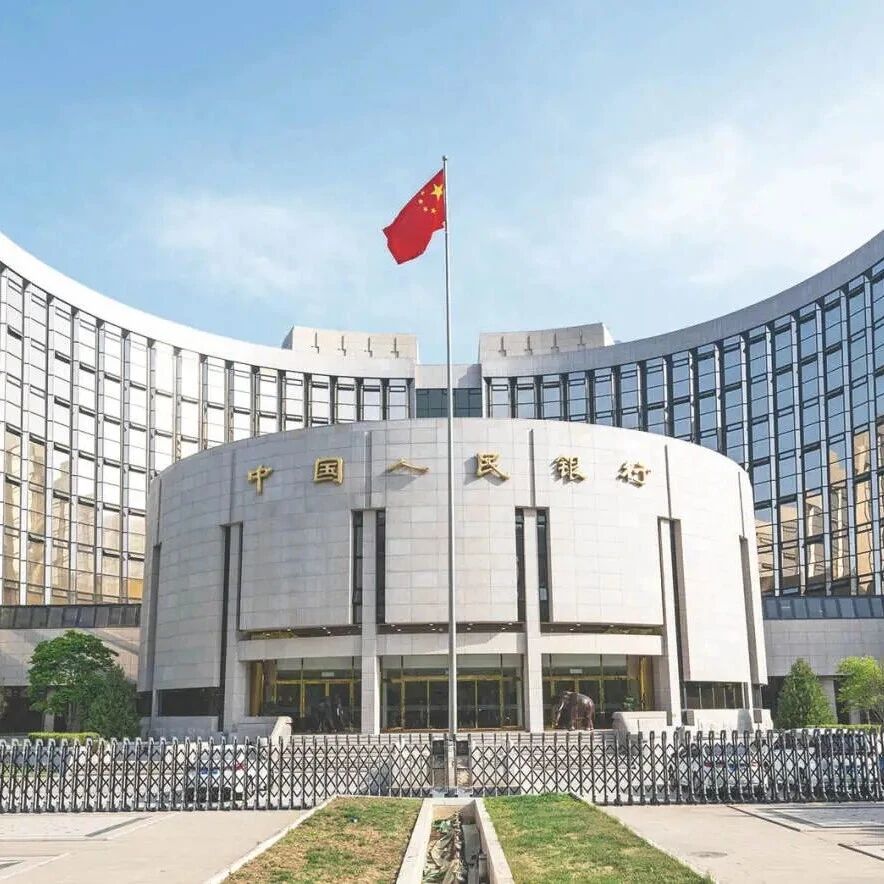
资讯早班车-2026-01-19-20260119
Bao Cheng Qi Huo· 2026-01-19 01:38
Macroeconomic Data Overview - GDP growth in Q3 2025 was 4.8% year-on-year, down from 5.2% in the previous quarter but up from 4.6% in the same period last year [1] - In December 2025, the manufacturing PMI was 50.1%, up from 49.8% in the previous month and flat compared to the same period last year; the non-manufacturing PMI for business activities was 50.2%, up from 50.0% in the previous month but down from 52.2% in the same period last year [1] - In December 2025, the monthly value of social financing was 2.2075 trillion yuan, down from 3.5299 trillion yuan in the previous month and 2.8537 trillion yuan in the same period last year [1] - In December 2025, M0 increased by 10.2% year-on-year, down from 11.5% in the previous month and 13.0% in the same period last year; M1 increased by 3.8% year-on-year, down from 7.2% in the previous month but up from 1.2% in the same period last year; M2 increased by 8.5% year-on-year, up from 8.4% in the previous month and 7.3% in the same period last year [1] - In December 2025, new RMB loans from financial institutions were 910 billion yuan, down from 1290 billion yuan in the previous month and 990 billion yuan in the same period last year [1] - In December 2025, CPI increased by 0.8% year-on-year, up from -0.3% in the previous month and 0.1% in the same period last year; PPI decreased by 1.9% year-on-year, up from -2.3% in the previous month and the same period last year [1] - In November 2025, the cumulative year-on-year growth rate of fixed asset investment was -2.6%, down from 0.5% in the previous month and 3.3% in the same period last year; the cumulative year-on-year growth rate of total retail sales of consumer goods was 4.0%, down from 4.6% in the previous month but up from 3.5% in the same period last year [1] - In December 2025, the year-on-year growth rate of export value was 6.60%, down from 8.20% in the previous month and 10.67% in the same period last year; the year-on-year growth rate of import value was 5.70%, down from 7.40% in the previous month but up from 0.84% in the same period last year [1] Commodity Investment Reference Comprehensive - The Shanghai Futures Exchange adjusted trading limits for certain silver and nickel futures contracts starting from the night session of January 19, 2026 [2] - On January 16, 24 domestic commodity varieties had negative basis, while 45 had positive basis; tin, nickel, and cotton had the largest basis, while butadiene rubber, apples, and strong wheat had the smallest [3] - The CSRC solicited public comments on the "Measures for the Supervision and Administration of Derivatives Trading (Trial)" to regulate the derivatives market and limit excessive speculation [3] - Guotou Ruixin Fund Management Co., Ltd. announced a trading halt for its silver futures fund from 9:30 to 10:30 on January 19, 2026, due to large price fluctuations [4] - The Shanghai International Energy Exchange released a revised contract for the container shipping index (European route) futures, with adjustments to contract months effective from February 10 and to minimum price changes from May 11 [5] - The Hong Kong government is promoting the establishment of a gold central clearing system and will sign a cooperation memorandum with the Shanghai Gold Exchange [5] - The World Bank raised its 2026 global economic growth forecast to 2.6%, up 0.2 percentage points from the previous prediction [5] Metals - On January 19, spot gold hit a record high of $4,649 per ounce, and silver surged over 4% to over $94 per ounce [6] - On January 16, lithium carbonate futures tumbled after a sharp rise, with the main contract hitting the daily limit down, and positions decreased by 20,000 lots [6] - Silver prices have risen over 50% in a month and over 150% in six months, causing concerns in the photovoltaic industry as costs increase [6] - As of January 16, the SPDR Gold Trust's holdings increased by 1.01% to 1,085.67 tons [7] - Since the beginning of 2026, precious metal prices have hit new highs, attracting funds to有色金属-related ETFs, and public funds are actively reporting related products [8] - As of the week ending January 13, COMEX silver speculators reduced net long positions by 2,613 contracts, while gold speculators increased net long positions by 12,292 contracts [8] Coal, Coke, Steel, and Minerals - During the 14th Five-Year Plan period, Shanxi's coal production increased by 1.9 billion tons compared to the 13th Five-Year Plan, and coal mine accidents decreased for four consecutive years [9] - A seminar on intelligent coal mining technology was held, releasing 12 major achievements in intelligent coal mining [9] - The first shipment of nearly 200,000 tons of Simandou iron ore arrived at China Baowu's Majishan Port on January 17 [9] Energy and Chemicals - Venezuela has signed a commercial contract for liquefied petroleum gas, marking the official start of its exports [10] - Fitch expects Bolivia's inflation to decline in 2026 but remain high due to the cancellation of fuel subsidies and wage increases [11] - The US Energy Secretary compared the oil prices in Venezuela before and after certain events [11] - Iraq's daily oil exports are expected to remain at 3.6 million barrels in the next month [11] Agricultural Products - On January 16, the average wholesale price of pork in China was 18.07 yuan per kilogram, up 0.6% from January 9 and 0.3% from last week's average [12] - An African swine fever outbreak was confirmed in a pig farm in South Korea, and about 20,000 pigs will be culled [12] Financial News Compilation Open Market - This week, 951.5 billion yuan of reverse repurchases will mature in the central bank's open market, and 150 billion yuan of treasury cash fixed deposits will mature on Friday [13] - On January 16, the central bank conducted 86.7 billion yuan of 7-day reverse repurchases at an interest rate of 1.40%, resulting in a net injection of 52.7 billion yuan [13] Key News - The central bank and the National Financial Regulatory Administration adjusted the minimum down payment ratio for commercial real estate loans to no less than 30% [14][15] - Since January 19, the central bank has lowered the rediscount and relending rates by 0.25 percentage points [15] - The State Council held a meeting to discuss consumption promotion, debt clearance, and wage payment issues [15] - The Minister of Housing and Urban-Rural Development proposed large-scale urban renewal projects during the 15th Five-Year Plan period [16] - The Ministry of Finance and the State Taxation Administration extended tax incentives for public rental housing [16] - The Ministry of Commerce announced stronger support for green and intelligent consumer goods through trade-in programs [16] - Vice Premier He Lifeng will attend the World Economic Forum Annual Meeting in Davos from January 19 - 22 [16] - China opposed the trade agreement between the US and Taiwan [17] - Canada's Prime Minister visited China, and the two countries reached a trade cooperation agreement [17] - China's total electricity consumption in 2025 exceeded 10 trillion kWh, a year-on-year increase of 5% [17] - The Ministry of Commerce coordinated efforts to promote healthy consumption [17] - The CSRC emphasized market stability and announced reforms to the ChiNext and STAR markets [18] - The General Administration of Customs will focus on coordinated development during the 15th Five-Year Plan period [18] - An expert suggested a new import-export balance strategy and promoting RMB internationalization [18][19] - The EU may impose tariffs on US goods worth 93 billion euros in response to US tariff hikes [19] - Trump may announce a plan to allow 401(k) withdrawals for home purchases, and a former Fed official is a leading candidate for the next Fed chair [19] - Barclays analysts expect US corporate bond issuance to reach $2.46 trillion in 2026, a year-on-year increase of 11.8% [19] - The bond market has been weak since the beginning of the year due to stock market rallies and increased supply [20] - Large certificate of deposit rates are approaching zero [20] - Fujian Sanming Expressway issued the first green highway medium-term note [20] - Several companies announced significant bond-related events, including equity transfers and director changes [20][21] - Credit rating agencies adjusted the ratings of several companies [21] Bond Market Summary - The Chinese bond market showed signs of warming, with bond yields declining and short-term bonds being more active [22] - Treasury bond futures mostly rose, with the 10-year contract up 0.01% [22] - The interbank market liquidity became looser, and money market rates mostly declined [24][25] - The winning bid rate for a 3-year fixed-rate bond issued by the Export-Import Bank of China was 1.6176% [25] - European and US bond yields showed mixed trends [26] Foreign Exchange Market - The onshore RMB closed at 6.969 against the US dollar on January 16, up 8 points from the previous trading day [27] - The US dollar index rose 0.01% in New York trading, and most non-US currencies fell [27][28] Research Report Highlights - CICC Fixed Income believes that the central bank has more policy tools and may use reserve requirement ratio and interest rate cuts if economic conditions worsen [29] - CICC Fixed Income also noted that loan growth is flat, government bond issuance is low, and monetary policy relaxation is expected [29][30] - Huatai Fixed Income pointed out that Hong Kong convertible bonds have advantages but a small market size and low liquidity [29] - Huatai Fixed Income also believes that financial data provides limited information, and short-term bond opportunities are recommended [30] - CITIC Securities expects the social financing scale to show a "high at the beginning, stable later" pattern in 2026 [30] - CITIC Securities also believes that the central bank's rate cut on re-loan tools is a targeted measure, and further rate cuts are possible but not urgent [31] - CITIC Construction Investment believes that the convertible bond market is promising in 2026, with new bonds having good potential [31] - CITIC Construction Investment also noted that the social financing scale in December 2025 decreased year-on-year, and government bonds will continue to drive growth in 2026 [32] Today's Reminders - On January 19, 236 bonds will be listed, 125 bonds will be issued, 74 bonds will require payment, and 691 bonds will make principal and interest payments [32][33][34] Stock Market News - The Shanghai, Shenzhen, and Beijing Stock Exchanges raised the minimum margin ratio for margin trading from 80% to 100%, effective today [35]
金融数据亮点突出 货币政策工具更加精准有力
Jing Ji Ri Bao· 2026-01-18 23:32
Core Viewpoint - The People's Bank of China (PBOC) has implemented a series of monetary policy measures to support stable economic growth and financial market stability, with a commitment to continue a moderately accommodative monetary policy in 2026 [1][2]. Monetary Policy Measures - In 2026, the PBOC plans to lower the interest rates of various structural monetary policy tools by 0.25 percentage points to enhance support for key sectors [8][10]. - The PBOC will also increase the quotas for specific loans, including an additional 500 billion yuan for agricultural and small business loans and a 1 trillion yuan quota for private enterprises [9][10]. Financial Data Highlights - By the end of December 2025, the balance of RMB loans reached 271.91 trillion yuan, a year-on-year increase of 6.4%, with a total increase of 16.27 trillion yuan for the year [2]. - The total social financing scale for 2025 was 35.6 trillion yuan, an increase of 3.34 trillion yuan compared to 2024, with a year-on-year growth of 8.3% [2][3]. Loan Structure and Support - Loans in key areas such as technology, green finance, and digital sectors saw significant growth, with increases of 11.5%, 23%, and 14.6% respectively, indicating a targeted allocation of financial resources [3]. - Direct financing accounted for 46.9% of the total social financing increment in 2025, with government bond net financing reaching 13.84 trillion yuan [3][4]. Cost of Financing - The average interest rates for newly issued corporate loans and personal housing loans were around 3.1% in December 2025, reflecting a decline of 2.5 and 2.6 percentage points since the second half of 2018 [4][5]. Market Liquidity Management - The PBOC conducted net open market operations totaling 6 trillion yuan in 2025 to ensure ample market liquidity, including a net injection of 3.8 trillion yuan through reverse repos [5][6]. - The PBOC's operations in the bond market, including the resumption of government bond trading, aimed to enhance the coordination between monetary and fiscal policies [6][7]. Support for Private Enterprises - A new 1 trillion yuan re-lending facility for private enterprises was established to enhance financial support for small and medium-sized private businesses [10][11]. - The PBOC aims to improve the financing environment for private enterprises by optimizing internal policies and enhancing collaboration with fiscal and industrial policies [11].
货币政策工具更加精准有力
Jing Ji Ri Bao· 2026-01-18 22:18
Core Viewpoint - The People's Bank of China (PBOC) has implemented a series of monetary policy measures to support stable economic growth and financial market stability, with a commitment to continue a moderately accommodative monetary policy in 2026 [1][2]. Monetary Policy Measures - In 2026, the PBOC plans to lower the interest rates of various structural monetary policy tools by 0.25 percentage points to enhance support for key sectors [8][9]. - The PBOC will also increase the quotas for specific loans, including an additional 500 billion yuan for agricultural and small business loans and a 1 trillion yuan quota for private enterprises [9][10]. Financial Data Highlights - By the end of December 2025, the balance of RMB loans reached 271.91 trillion yuan, a year-on-year increase of 6.4% [2]. - The total social financing scale for 2025 was 35.6 trillion yuan, an increase of 3.34 trillion yuan compared to 2024, with a year-on-year growth of 8.3% [2]. - The broad money supply (M2) was 340.29 trillion yuan, growing by 8.5% year-on-year [2]. Loan Structure and Support - In 2025, loans to key areas such as technology, green initiatives, and digital sectors saw significant growth, with increases of 11.5%, 23%, and 14.6% respectively [3]. - Direct financing accounted for 46.9% of the total social financing increment, with net financing from government bonds reaching 13.84 trillion yuan [3][4]. Cost of Financing - The average interest rates for new corporate loans and personal housing loans were around 3.1% in December 2025, reflecting a decline of 2.5 and 2.6 percentage points since the second half of 2018 [4]. - The PBOC has made ten interest rate cuts since mid-2018 to lower overall financing costs [4]. Liquidity Management - In 2025, the PBOC conducted net liquidity injections totaling 6 trillion yuan through various open market operations, including a net purchase of 1.2 trillion yuan in government bonds [5][6]. - The PBOC's operations aim to ensure sufficient liquidity and stable short-term interest rates in the market [5][7]. Support for Private Enterprises - The PBOC announced a 1 trillion yuan re-loan specifically for private enterprises to enhance financial support for small and medium-sized private businesses [10][11]. - The focus on private enterprises reflects their critical role in innovation and employment, with ongoing efforts to improve financing conditions for these businesses [9][10].