
AI算力

Search documents
芯天下等待一场翻身仗
Bei Jing Shang Bao· 2026-01-11 11:51
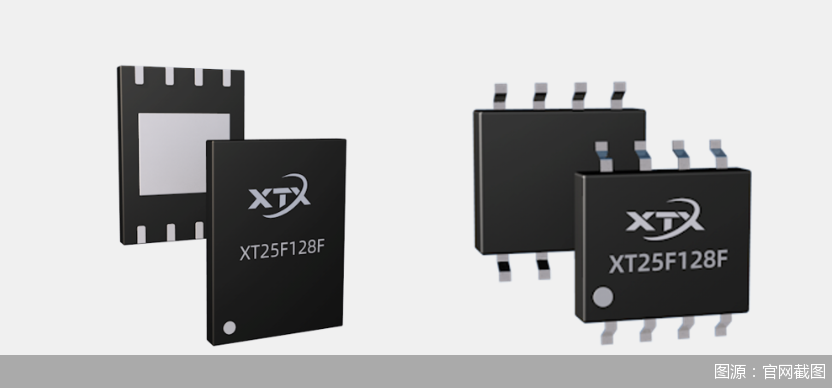
Core Viewpoint - The semiconductor industry is experiencing a recovery, particularly in the memory chip sector, driven by supply-demand imbalances and increased demand from AI and consumer electronics [3][6]. Industry Summary - Global semiconductor sales in October increased by 27.23% year-on-year, with a cumulative growth of 21.19% from January to October [3]. - The price of memory chips, including DRAM and NAND FLASH, is expected to continue rising, with increases ranging from 1.73% to 57.42% by December 2025 [3]. - The recovery in the memory chip market is attributed to both new demand from AI computing and traditional demand from consumer electronics and data centers [3]. Company Summary - Chipmaker "芯天下" (Xinchang) has submitted an IPO application to the Hong Kong Stock Exchange, marking its second attempt to enter the capital market after a previous unsuccessful attempt in 2022 [5][4]. - The company focuses on code-type flash memory chips, which are critical for the operation of smart devices, and is positioned to benefit from the industry's expansion [5]. - Financially, "芯天下" reported revenues of 6.63 billion yuan in 2023, with a gross profit of 1.03 billion yuan and a gross margin of 15.5%, but incurred a net loss of 14 million yuan [5]. - In 2024, the company faced a decline in revenue to 4.42 billion yuan and a net loss of 37.1 million yuan, attributed to operational delays and strategic pricing adjustments [6]. - By 2025, the company saw a turnaround with revenues reaching 3.79 billion yuan and a net profit of 8.4 million yuan, benefiting from the recovery in the global memory chip market and improved customer relationships [6].

投资壁仞科技浮盈可观 游族网络AI算力布局“双连击”
Zheng Quan Shi Bao Wang· 2026-01-11 09:12
Group 1 - Shanghai Birun Technology Co., Ltd. debuted as the "first GPU stock in Hong Kong" in early January 2026, with a market value exceeding HKD 100 billion at one point and closing at HKD 82.6 billion [1] - Youzu Interactive (002174) invested in Birun Technology through a capital increase in August 2025, holding approximately 0.21% of the company's shares [1] - Youzu's investment in Birun Technology marks its first success in the frontier technology sector for 2026, alongside a strategic investment in Xiwang, which has raised over RMB 1.5 billion in multiple financing rounds [1] Group 2 - The investment in Birun Technology has led to significant floating profits, indicating that Youzu is evolving from a pure game content provider to a technology company driven by cutting-edge technology and cultural content [2] - Youzu's forward-looking layout in computing power and collaborations with industry partners like People’s Daily, Great Wall Technology, and Volcano Engine form a solid foundation for its "culture + technology" dual-driven strategy [2]

半导体设备,2026年最强风口
3 6 Ke· 2026-01-11 04:37
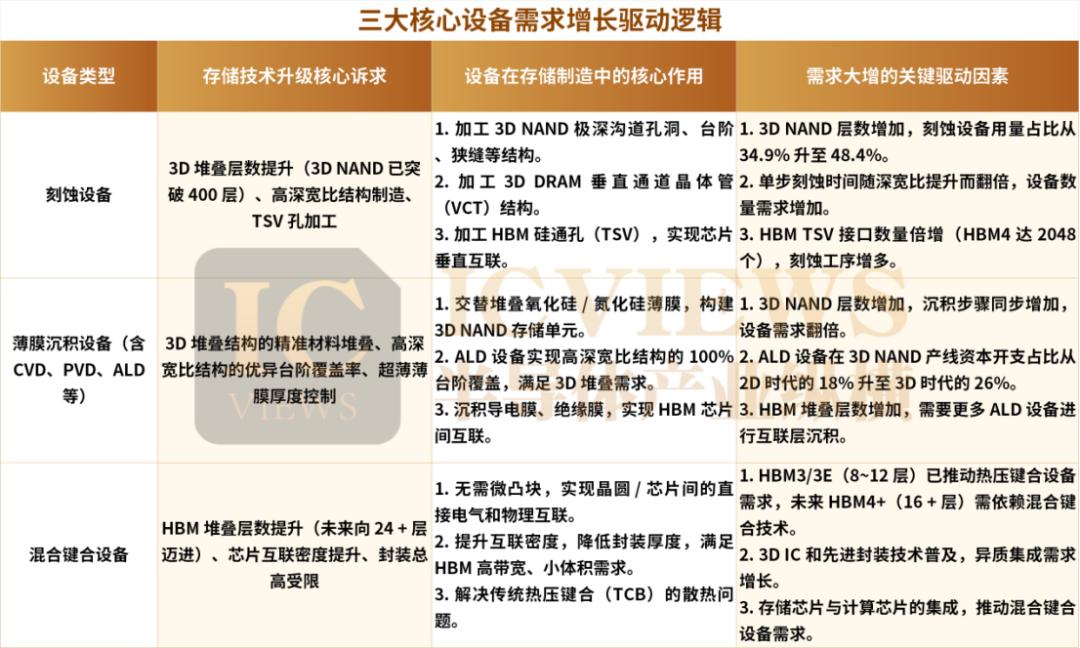
Group 1 - The semiconductor equipment market is experiencing significant growth driven by the demand for AI-related investments, particularly in advanced logic circuits, memory, and packaging technologies [2][3] - The global semiconductor equipment sales are projected to reach a record $133 billion in 2025, with a year-on-year growth of 13.7%, and expected to continue rising to $145 billion in 2026 and $156 billion in 2027 [2] - The wafer fabrication equipment (WFE) sector is anticipated to achieve a sales record of $104 billion in 2024, with an 11% increase to $115.7 billion in 2025, reflecting higher-than-expected investments in DRAM and HBM [2] Group 2 - Major global memory manufacturers are expanding production and upgrading technology, which is a key driver for semiconductor equipment demand [3][4] - Samsung and SK Hynix are accelerating memory capacity expansion, with Samsung focusing on high-end products and SK Hynix preparing to complete a new factory by 2027 [4] - By 2026, South Korea is expected to reclaim the second position in global chip equipment spending, reaching approximately $29.66 billion, a 27.2% increase from 2025 [4] Group 3 - The evolution of storage chips, particularly 3D NAND and DRAM, is driving demand for etching and deposition equipment, with significant increases in the number of layers and complexity of structures [5][6] - The demand for etching equipment is expected to rise sharply as 3D NAND layers increase from 32 to 128, with etching equipment usage rising from 34.9% to 48.4% [10] - The global spending on storage-related equipment is projected to reach $136 billion between 2026 and 2028, with over 40% attributed to 3D NAND investments [11] Group 4 - The demand for deposition equipment is also surging, with the need for more steps in the deposition process as the number of 3D NAND layers increases [11] - Advanced technologies such as atomic layer deposition (ALD) are becoming more critical, with ALD equipment's share in capital expenditures rising from 18% in the 2D era to 26% in the 3D era [11] - HBM technology is increasing the demand for lithography and hybrid bonding equipment due to the need for high-density interconnections and precision [12] Group 5 - Domestic companies are making significant progress in the production of core semiconductor equipment, including etching, deposition, and hybrid bonding devices [14][15] - Companies like Zhongwei, Northern Huachuang, and Yitang Semiconductor are leading in etching equipment, while Northern Huachuang and TuoJing Technology are notable in deposition equipment [14][15] - The hybrid bonding sector is also seeing advancements, with companies like Qinghe Crystal and TuoJing Technology developing innovative bonding solutions for various applications [16][17]





内存条价格“疯涨”,AI需求带火市场
Xin Lang Cai Jing· 2026-01-10 03:00
(来源:百姓关注) AI算力需求大增,对内存带宽和容量都提出了更高要求。目前,三星、SK海力士、美光这全球三大存 储巨头,已把资源集中投向HBM(高带宽内存)和DDR5的生产。虽然内存涨价已经波及电脑、手机等 数码产品,但记者走访多家笔记本门店后了解到,这次涨价对笔记本整机的影响相对有限。 ...

首批权益类基金四季报亮相!
天天基金网· 2026-01-10 02:19
Group 1 - The core viewpoint of the article emphasizes that the first quarterly reports of equity funds from Tongtai Fund highlight a strong focus on new productive forces, particularly in technology sectors such as computing power, semiconductors, and controllable nuclear fusion [2][3][10]. - The quarterly report reveals that the Tongtai Digital Economy Stock Fund maintains a high stock position, with a stock value accounting for 93.42% of total fund assets, showing a nearly 20% increase in fund size due to net value growth [8][10]. - The fund manager expresses confidence in technology innovation and new productive forces as key investment opportunities, predicting that AI-driven industrial transformation will be the core structural opportunity in the market for 2026 [10][11]. Group 2 - The Tongtai Digital Economy Stock Fund's top ten holdings are concentrated in core technology areas, with significant adjustments made compared to the previous quarter, including new additions and reductions in holdings [4][6]. - The Tongtai New Energy Preferred One-Year Holding Period Stock Fund focuses on the controllable nuclear fusion sector, with notable changes in its top ten holdings, reflecting a strategic shift in investment focus [6][11]. - The fund manager highlights the potential of controllable nuclear fusion as a long-term energy solution, although it is still in the early stages with high uncertainty and risks associated with various technological routes [11].

研选 | 光大研究每周重点报告 20260103-20260109
光大证券研究· 2026-01-10 00:04
Industry Research - The solid-state battery industry is entering a new phase, with consensus on mass production validation by 2026-2027, driven by multiple catalysts. The divergence lies in the process routes and pilot verification, as well as the ability to achieve a commercial closed loop by 2030. The assessment of technology and manufacturing maturity indicates that solid-state technology will progress from stages 5-6 to 7-8. The mid-term focus is on equipment and key materials, while the long-term shift will be towards leading solid-state companies and material companies with core patents [4]. PCB Equipment - The demand for AI computing power is driving a wave of capital expenditure in the PCB industry, with domestic PCB equipment manufacturers expected to see sustained order growth. The industry outlook remains positive, with NVIDIA's Rubin architecture potentially reshaping the demand and landscape for drilling equipment and needles [6]. Company Analysis - Meilan De (688273.SH) has been a leader in the domestic pelvic floor dysfunction (PFD) market for over a decade, focusing on pelvic and obstetric rehabilitation equipment. The company is expanding into reproductive anti-aging, sports rehabilitation, light medical beauty, and brain-machine interface fields, rapidly building a product matrix for women's health throughout their life cycle through self-research and acquisitions. The company utilizes various energy source technologies, including ultrasound, laser, electrophysiology, electrical stimulation, magnetic stimulation, and high-frequency, continuously leading industry development [6]. - Shuanglin Co. (300100.SZ) has been deeply involved in the automotive parts industry for 40 years, gradually forming industrial advantages through internal improvements and external acquisitions. The equipment and screw rod business are expected to become new growth drivers for the company. The outlook for the second half of 2026 is positive, with expectations for gradual increases in robot deployment and trends towards domestic screw rod replacement. Shuanglin possesses unique advantages in screw rod grinding equipment and processes, making it a rare player in the domestic screw rod field [8].



芯片制程“破2进1” “1.4纳米”2027年或试产
Xin Lang Cai Jing· 2026-01-09 19:44
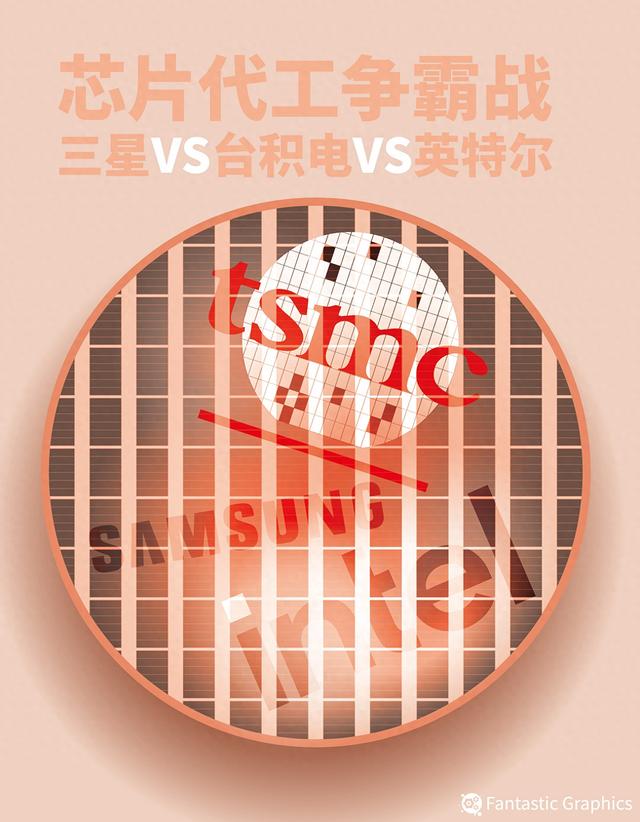
Core Insights - TSMC has officially announced the mass production of its 2nm process in Q4 2025 and has begun research and development on the next-generation 1.4nm process, with risk trial production expected to start in 2027 [3][4][5] - TSMC's advancements solidify its dominant position in the semiconductor foundry market, marking the industry's transition into the 1nm era, with competitors like Samsung and Intel striving to catch up [3][4][7] TSMC's 2nm and 1.4nm Processes - The 2nm process (N2) utilizes the first-generation nanosheet transistor architecture, showing significant improvements over the previous 3nm process, including a 10%-15% performance increase at the same power consumption and a 25%-30% reduction in power consumption for the same performance [5][6] - TSMC's CEO stated that the 2nm process is expected to ramp up production significantly by 2026, driven by demand from smartphones and AI/HPC [5][6] - The 1.4nm process is seen as a strategic continuation of TSMC's "incremental smaller nodes" approach, with plans to optimize the N2 process while preparing for the next generation [5][6] Competitive Landscape - Samsung and Intel are TSMC's main competitors, with Samsung having achieved 3nm GAA process mass production and planning to launch its 1.4nm process around 2027 [7][8] - Intel aims to regain its manufacturing leadership with its 18A and 14A processes, leveraging significant investments to expand domestic production capacity [9][10] Market Potential and Applications - The transition to 1.4nm is expected to drive growth in the semiconductor industry, particularly in AI chips, smart driving, and high-end consumer electronics [10][11] - The global advanced process foundry market is projected to exceed $120 billion by 2030, with 1.4nm and below nodes expected to account for over 40% of high-end logic chip value [10][11] Pricing and Profitability - Initial foundry prices for the 1.4nm process are expected to be approximately 50% higher than those for the 3nm process, indicating high R&D costs but potentially significant long-term profits [11][12] - TSMC's ability to quickly improve yield rates and secure major clients could further enhance its competitive advantage in the high-end market [11][12] Chinese Market Dynamics - Chinese companies, represented by SMIC, are increasing their production capacity in mature processes while investing in advanced technology R&D, with projections suggesting that China could hold 30% of global wafer foundry capacity by 2030 [12]

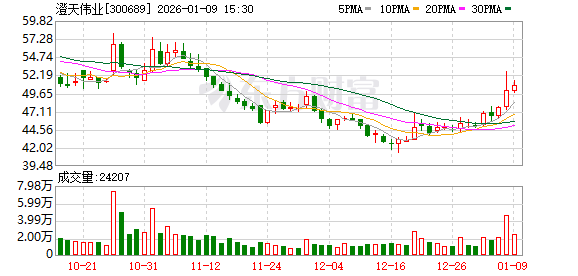
澄天伟业董事长冯学裕:以精密工艺为基 构筑AI算力液冷新版图
Zheng Quan Ri Bao· 2026-01-09 16:40
Core Viewpoint - The rapid development of computing power infrastructure has made cooling technology a critical factor in releasing AI server performance, with Chinese manufacturers accelerating their entry into the global computing supply chain through advancements in liquid cooling technology [2]. Group 1: Business Transformation - The company is transitioning its smart card business, which has been a cash flow source for over 20 years, to adapt to changing payment landscapes while also exploring new opportunities in eSIM and OTA technologies [3][4]. - The smart card business is shifting from a "scale-driven" model to a "quality-driven" approach, providing safety margins and growth points for the company [4]. Group 2: New Business Growth - The company has rapidly emerged in the semiconductor packaging and materials sector, with strong growth expected to continue into 2025 [5]. - The company's accumulated micro-manufacturing capabilities in smart card chip packaging have been successfully applied to the broader semiconductor packaging materials field, reducing learning costs and risks associated with cross-industry development [6]. Group 3: Liquid Cooling Business - The liquid cooling segment is positioned as a core focus for the company's future, driven by the exponential growth in AI computing demand, as traditional air cooling technologies approach physical limits [6]. - The company has established deep collaborations with leading domestic server and internet companies, producing core liquid cooling components and expanding its product line [6][7]. - The company anticipates explosive growth in its liquid cooling segment by 2026, potentially becoming a significant revenue source [7]. Group 4: Strategic Growth Drivers - The company expects its smart card, semiconductor packaging materials, and liquid cooling businesses to form a "three-horsepower" growth model, achieving synergistic effects [8]. - The company is also exploring external acquisitions to enhance its core competitiveness and sustainable development capabilities [8].
瞄准英伟达,国产算力产业走向“闭环”
3 6 Ke· 2026-01-09 12:39
Core Insights - The Chinese computing power industry is experiencing rapid growth in capital operations, highlighted by significant IPOs and market enthusiasm for domestic semiconductor companies [1][2] - The focus of competition in the domestic computing power sector is shifting from hardware specifications to system stability, software ecosystem usability, and cost-effectiveness [3][4] Capital Market Activity - TianShuZhiXin Semiconductor Co., Ltd. went public on January 8, 2026, with over 400 times subscription, indicating strong market interest [1] - Other domestic GPU companies, such as MoEr Thread and MuXi Co., saw their stock prices surge on their debut, with MoEr Thread's market cap exceeding 305.5 billion yuan and MuXi's reaching 330 billion yuan [1] - ChangXin Technology submitted its IPO application on December 30, 2025, reporting revenue of 32.084 billion yuan for the first three quarters of 2025, showcasing the scale of domestic DRAM production [1] Technological Developments - The "Ten Thousand Card Cluster" concept is becoming a benchmark for evaluating domestic computing power, but it also presents challenges in reliability as system scale increases [3][4] - The introduction of the scaleX Ten Thousand Card Super Cluster by ZhongKe Shuguang, featuring 10,240 AI accelerator cards, represents a significant advancement in system architecture [3][4] - The need for high-quality, low-latency data transmission networks is critical for supercomputing, with domestic products now matching international standards [5][6] Storage Solutions - ChangXin Technology and ChangChun Group are positioned in the core areas of DRAM and NAND Flash, respectively, with ChangXin reporting a compound annual growth rate of over 70% in revenue from 2022 to 2024 [6][7] - The introduction of advanced technologies like Xtacking in NAND Flash production by ChangChun Group marks a significant technological breakthrough [7] Software Ecosystem - The transition to a robust software ecosystem is complex, with developers facing high costs in switching from established platforms like NVIDIA's CUDA [10][11] - MoEr Thread is addressing this by launching the MTT AIBOOK, which includes development tools to facilitate easier adoption of its platform [10] - Cloud service providers are playing a crucial role in integrating various hardware brands to create a unified software environment, addressing compatibility issues [11][12] Market Dynamics - The industry is witnessing a shift towards collaborative ecosystems, with companies recognizing the need for specialization rather than attempting to cover the entire supply chain independently [9][12] - The emergence of customized products from companies like Haiguang is aimed at meeting the specific needs of large enterprises, reflecting a trend towards more open architectures [15] Future Outlook - The domestic computing power industry is expected to face challenges related to global supply chain fluctuations, particularly in DRAM and NAND supply [13] - The successful integration of domestic computing solutions in high-stakes environments, such as the National High Energy Physics Data Center, indicates growing confidence in local technologies [14] - The potential easing of export restrictions on NVIDIA's H200 chip could impact the domestic ecosystem, but the established supply chain and customer preferences for security are likely to mitigate risks [17]


每日核心期货品种分析-20260109
Guan Tong Qi Huo· 2026-01-09 12:13
Report Summary 1. Report Industry Investment Rating No information about the report industry investment rating is provided in the content. 2. Core Viewpoints - The domestic futures market showed mixed performance on January 9, 2026. Palladium led the gainers, while polysilicon suffered the most significant losses. Stock index futures generally rose, and bond futures mostly declined. Different commodities had their own supply - demand situations and price trends affected by various factors such as geopolitical events, production changes, and policy announcements [7][8] 3. Summary by Commodity Commodity Performance - As of the close on January 9, palladium rose over 6%, low - sulfur fuel oil and SC crude oil rose over 3%, and fuel oil rose over 2%. Among the decliners, polysilicon dropped over 8%, and沪镍 and BR rubber declined over 2%. Stock index futures like IF, IH, IC, and IM all rose, while bond futures TS, TF, T, and TL mostly fell. In terms of capital flow,中证 2603,中证 1000 2603, and沪深 2603 had capital inflows, while沪铜 2602, polysilicon 2605, and 30 - year treasury bond 2603 had outflows [7][8] Market Analysis - **Copper (沪铜)**: After a significant rise in the past two days, it declined. The strike at a Chilean copper mine may reduce production by 70%. In December 2026, China's electrolytic copper production increased. The downstream copper products market is in the year - end settlement period, and the copper foil market has stronger demand. With high inventory and weak follow - up procurement, copper is expected to have limited downward adjustment [10] - **Lithium Carbonate**: It reached a high and then declined. A research team made a major breakthrough in lithium resource separation technology. In December 2025, production increased, and the inventory is accumulating. Although there are some policies to support the terminal market, the upward momentum is weakening [12] - **Crude Oil**: OPEC + decided to maintain the production plan and suspend the increase in February and March 2026. The US crude oil inventory decreased unexpectedly, but the refined oil inventory increased. The overall oil inventory is rising, and the market still worries about demand. The situation in Venezuela and Iran may affect oil prices, and the price is in a weak oscillation [13][14] - **Asphalt**: The supply decreased, with a decline in the start - up rate and expected production in January 2026. The downstream start - up rate mostly dropped, and the inventory rate rose. The US military action in Venezuela may affect domestic asphalt production and cost. The price is expected to fluctuate significantly [15][17] - **PP**: The downstream start - up rate decreased slightly, and the enterprise start - up rate increased slightly. The cost is affected by the weak oil price. With new production capacity and reduced downstream orders, the upward space is limited, and the L - PP spread is expected to narrow [18] - **Plastic**: The start - up rate remained stable, and the downstream start - up rate increased slightly. New production capacity was put into operation, and the agricultural film season is ending. The upward space is limited, and the L - PP spread is expected to narrow [19][20] - **PVC**: The upstream calcium carbide price is stable. The supply - side start - up rate increased, and the downstream start - up rate had a slight change. The export orders decreased, and the inventory is high. It is recommended to wait and see in the traditional off - season [21][23] - **Coking Coal**: The price showed a weak oscillation. The Mongolian coal supply may slow down, and domestic production increased. After the fourth round of coke price cuts, the fifth round is less likely to be implemented. The coking enterprises increased inventory, and the steel industry has a low - load operation expectation [24] - **Urea**: It opened low and closed down. The supply increased as the shutdown devices resumed production. The market trading activity decreased, and the inventory started to accumulate. It is expected to oscillate in the short term [25][26]