贸易战

Search documents
中国在南美建巨型码头,确保替代美国粮食
Sou Hu Cai Jing· 2025-05-19 09:20
Group 1 - The core viewpoint of the article highlights the significant impact of the recent tariff reductions between China and the U.S., leading to a surge in Chinese orders for American goods, while simultaneously indicating a shift in China's trade focus towards South America [1][3][4] - China is actively investing in South American ports, particularly the Santos port, to secure a reliable source of agricultural products, which are seen as viable alternatives to U.S. products [1][3] - The recent tariff negotiations resulted in a dramatic increase in Chinese exports to the U.S., with shipping container orders rising nearly 300% [3][4] Group 2 - Despite the surge in orders for U.S. goods, there is a notable lack of corresponding demand from China for American products, suggesting a strategic pivot towards South American partnerships [6][8] - The article emphasizes that the U.S. agricultural sector is facing significant challenges due to the loss of the Chinese market, which is difficult to replace given its size [8] - The narrative suggests that the U.S. may have underestimated China's ability to find alternatives to American products, as evidenced by China's confidence in achieving its economic growth targets without U.S. imports [6][8]


股指期货策略早餐-20250519
Guang Jin Qi Huo· 2025-05-19 09:01
Report Industry Investment Rating No information provided. Core Views of the Report - The short - term view of stock index futures is range - bound with the CSI 300 Index showing relative resilience, and the medium - term view is bullish. For bond futures, the short - term view is a volatile rebound, and the medium - term view is bullish. For copper, the short - term view is a 77000 - 78700 range fluctuation, and the medium - term view is a 66000 - 90000 range fluctuation. Industrial silicon is expected to run weakly in the short - term and be under pressure in the medium - term. Polysilicon is expected to run weakly in the short - term and at a low level in the medium - term. Lithium carbonate is expected to continue to decline in the short - term and experience a steady price drop with weakening cost support in the medium - term [1][2][4][6][10][12] Summary by Related Catalogs Financial Futures and Options Stock Index Futures - **Varieties**: IF, IH, IC, IM - **Intraday View**: Range - bound, with the CSI 300 Index showing relative resilience - **Medium - term View**: Bullish - **Reference Strategy**: Hold long positions in IF2506 and a hedging portfolio of long IF206 and short IM2506 - **Core Logic**: Sino - US tariff relaxation boosts short - term risk appetite, but trade negotiation uncertainties remain. Policy support for the capital market encourages medium - and low - risk - preference funds to increase allocations in weighted sectors such as the CSI 300 or dividend assets [1] Bond Futures - **Varieties**: TS, TF, T, TL - **Intraday View**: Volatile rebound - **Medium - term View**: Bullish - **Reference Strategy**: Hold long positions in T2509 or TL2509 - **Core Logic**: Weak domestic demand in April's inflation and financial data may lead to further monetary policy easing. After the reserve requirement ratio cut, short - term liquidity tightened [2][3] Commodity Futures and Options Metal and New Energy Materials Sector - Copper - **Intraday View**: Fluctuate within the 77000 - 78700 range - **Medium - term View**: Fluctuate within the 66000 - 90000 range - **Reference Strategy**: Adopt a range - trading approach - **Core Logic**: US restrictions on chip exports may drag down the US stock market. Kazakhstan's refined copper production declined in 2025. China's copper exports increased, but domestic copper demand in some sectors is expected to decline. Copper inventories show a mixed trend. Tariff trade wars and domestic supply - demand changes will affect copper prices [4][5] Industrial Silicon - **Intraday View**: Run weakly within the 8100 - 8300 range - **Medium - term View**: Be under pressure within the 7900 - 9000 range - **Reference Strategy**: Sell SI2506 - C - 11000 until expiration and short the futures - **Core Logic**: In April 2025, production declined, but demand declined more, and the inventory is at a high level, leading to a continued supply - surplus situation [6][8][9] Polysilicon - **Intraday View**: Run weakly within the 36500 - 37000 range - **Medium - term View**: Run at a low level within the 35000 - 40000 range - **Reference Strategy**: Sell PS2506 - C - 47000 - **Core Logic**: In April 2025, production and demand both declined, and the inventory is at a high level, indicating a significant supply surplus [10][11] Lithium Carbonate - **Intraday View**: Continue to decline within the 60000 - 63000 range - **Medium - term View**: Experience a steady price drop with weakening cost support within the 59000 - 65000 range - **Reference Strategy**: Sell LC2507 - C - 83000 - **Core Logic**: The spot price is continuously falling. In April 2025, production increased, and the total inventory is at a high level, which is negative for the price [12]
美国消费者信心持续低迷 经济负面效应持续显现
Yang Shi Wang· 2025-05-19 08:59
央视网消息:国际评级机构穆迪近日下调美国主权信用评级、美国政府设置的关税壁垒仍高于预期,消费者信心持续低迷,经 济负面效应持续显现,来看国际媒体的分析评论。 西班牙《20分钟报》:充满变数 风险犹存 美国有线电视新闻网:消费者信心持续低迷 文章说,由于关税政策带来诸多不确定性以及政府债务上升,穆迪近日将美国的主权信用评级下调,至此美国失去主要评级机 构对它的最后一个3A最高评级。这体现美关税政策未来走向不明,令国内经济形势复杂化,贸易前景充满变数。分析指出,美国通 胀预期没有改观,当前整体经济形势依旧是暗流涌动、风险犹存。 5月美国消费者信心指数为50.8,比上个月下降了2.7%。特朗普政府此前设置关税壁垒,加剧了民众对经济衰退的担忧,导致消 费者信心指数逐月下降。尽管中美经贸高层会谈达成共识的消息在一定程度上提振了市场情绪,但专家认为这一反弹幅度较小,目 前看仍不足以改变整体形势,阶段性进展没能扭转市场的悲观预期。 日经亚洲评论:现有关税水平依旧是沉重的负担 中美经贸高层会谈达成共识后,经营玩具、服装等消费品的美国零售商迅速要求中国供应商发货并启动新订单。但对于众多美 国企业和机构而言,下调后的关税水平依旧 ...
贵金属数据日报-20250519
Guo Mao Qi Huo· 2025-05-19 08:11
1. Report Industry Investment Rating - No relevant content provided 2. Core Views of the Report - The long - term upward logic of gold prices remains unchanged, but in the short term, due to the game between multiple and short factors such as tariffs, tax policies, and uncertainties in the US economy, gold prices are likely to show a wide - range oscillatory trend. It is recommended that investors wait and see in the short term and go long at low levels after the adjustment is in place. Silver trends generally follow gold, with a short - term oscillatory trend and limited long - term upside space due to economic downward risks and potential slowdown in physical demand [3]. 3. Summary by Related Catalog Market Quotes - On May 16, the main contract of Shanghai gold futures closed up 0.88% to 751.8 yuan/gram, and the main contract of Shanghai silver futures closed up 0.61% to 8180 yuan/kilogram [3]. Price and Spread Data - **Price**: London gold spot, London silver spot, AU (T + D), COMEX silver, AG (T + D), COMEX gold, AU2508, and AG2508 all showed varying degrees of increase on May 16 compared to May 15, with increases ranging from 1.2% to 2.1% [3]. - **Spread**: The spreads of gold and silver in the domestic and foreign markets, as well as the spreads between TD and SHFE active prices, showed different degrees of change, with the change range of spreads from - 27.8% to 13.2% [3]. Position Data - **COMEX Non - commercial Positions**: On May 16, compared with May 15, the non - commercial long and short positions of COMEX gold and silver changed, with the change range from - 4.24% to 2.71% [3]. - **ETF Positions**: The gold ETF - SPDR and silver ETF - SLV positions also showed certain changes [3]. Inventory Data - SHFE gold inventory remained unchanged, SHFE silver inventory increased by 0.08%, COMEX gold inventory decreased by 3.04%, and COMEX silver inventory remained unchanged on May 16 compared to May 15 [3]. Interest Rate, Exchange Rate, and Stock Market Data - On May 16, compared with May 15, the 10 - year and 2 - year US Treasury yields, the US dollar index, NYMEX crude oil, and the S&P 500 all showed different degrees of change, with the change range from - 3.31% to 0.70% [3]. News Events - Trump stated on May 16 that he would set the tariff rates for US trading partners in the next two or three weeks [3]. - Russia - Ukraine direct negotiations restarted on May 16, but the results were not ideal, and the two sides reached an agreement on the exchange of 1000 prisoners of war and agreed to exchange lists of cease - fire conditions [3]. - Fed's Bostic expects one interest rate cut this year, and the US economy will not experience a recession [3]. - US consumer confidence declined, inflation expectations soared again, and the import price index rebounded [3]. - The US House Budget Committee rejected a Trump administration bill covering tax reform and healthcare adjustment on May 16 [3]. - Moody's downgraded the US rating to Aa1, with a stable outlook, and expected the ratio of federal budget deficit to GDP to reach 9% by 2035 and the ratio of federal debt to GDP to reach 134% by 2005 [3].
中方刚答应美国条件,不到24小时,特朗普变脸,幸好中国留了一手
Sou Hu Cai Jing· 2025-05-19 07:51
关于中方究竟是否会"解禁"稀土出口这个问题,商务部新闻发言人何咏前表示,鉴于美方根据中美经贸高层会谈共识, 撤销暂停或调整有关对华加征关税,中方相应调整有关关税和非关税对美反制措施。不过,中方在近期依然在就稀土出 口进行合理管控。比如就在9日,中方在深圳举办了打击战略矿产走私出口专项行动现场会;12号,中方在长沙举办了加 强战略矿产出口全链条管控工作部署会。显然,中方对稀土出口的管控有可能在近期不会出现太大的变化,那么这又是 为什么呢? 这代表美国对中国发起的全面贸易战、关税战第一阶段失败后,转向在科技与芯片领域试图用"长臂管辖"重点进攻。问 题是,美国这次的"长臂管辖"也太长了。禁止全球使用华为芯片,甚至禁止中国企业在中国使用中国制造的先进芯片! 美方为这条荒谬规定找到的理由是,华为的昇腾芯片过于先进,很可能是采用了某些美国软件或技术设计的,或很可能 由含有美国程序或技术的半导体制造设备制造。可笑的是,美国没有证据,纯靠猜测,就要给华为昇腾芯片"判死刑"。 事实上,长期以来,美国内部的对华鹰派就一直将中国半导体企业作为打击目标,同时也颁布了多种制裁措施来限制尖 端芯片对华出口,而这些做法其背后的真实意图无疑 ...
特朗普关税缓和,美国经济衰退概率却飙升一倍多!
Jin Shi Shu Ju· 2025-05-19 03:53
美国总统特朗普愿意缓和贸易战的举动,不仅引发了美股大涨,还降低了经济衰退的可能性——至少目 前如此。 费城联储汇编的一项针对华尔街顶级经济学家的新调查显示,如果排除新冠疫情时期,美国经济增速将 放缓至16年来最慢水平。 预测者预计,美国国内生产总值(GDP)2025年将增长1.4%。这比在贸易战爆发前预计的2.4%增长率 大幅下降。 中国与美国上周就贸易协议达成重要共识,特朗普此前4月份的针锋相对引发了市场对全球经济衰退的 担忧。目前这种休战使得华尔街集体松一口气,并成为股市复苏的催化剂。 Comerica Bank首席经济学家Bill Adams说:"我认为经济衰退的风险看起来比一个月前低得多。" 然而,经济未来的道路绝非坦途。 一方面,持续的贸易战并未结束。90天暂停期后,特朗普可能会改变主意。即便近期有所下调,美国现 有关税水平仍将维持在几十年来的最高水平。 BMO Capital Markets首席经济学家Douglas Porter表示:"虽然贸易方面的消息无疑没那么糟糕,但远不 能令人放心。" 更重要的是,贸易冲突产生的种种不确定性使得家庭和企业在消费、招聘和投资方面犹豫不决。过去几 个月信心暴跌 ...
商品期货早班车-20250519
Zhao Shang Qi Huo· 2025-05-19 02:08
1. Report Industry Investment Ratings No industry investment ratings are provided in the report. 2. Core Views - The overall market is influenced by factors such as trade negotiations, economic data, and policy changes. Different commodities show various trends and investment opportunities based on their specific fundamentals [1][2][3]. - Trade war impacts are gradually weakening, but uncertainties still exist, affecting market sentiment and price trends [1][4][5]. - Some commodities are expected to be in a state of supply - demand imbalance, leading to price fluctuations and investment strategies [3][4][6]. 3. Summary by Commodity Categories Precious Metals - **Gold**: Market showed Friday oscillations, with international gold priced in London nearly closing at $3200/ounce. Suggested to build long positions opportunistically due to the unchanged de - dollarization logic [1]. - **Silver**: Recommended to short on rebounds or go long on the gold - silver ratio [1]. Base Metals - **Copper**: Expected to trade in a range due to short - term risk preference decline, weak dollar, and tight spot market, despite inventory accumulation [2]. - **Aluminum**: Likely to maintain a sideways movement in the short term as downstream consumption weakens, and it's advised to wait and see [2]. - **Alumina**: Prices are expected to be strong until an agreement is reached between mining companies and the Guinea government, and a light - position long strategy is recommended [3]. - **Industrial Silicon**: With weak fundamentals and limited downward momentum, it's advisable to wait and see [3]. - **Lithium Carbonate**: Suggested to hold short positions or short on rebounds as the market is in a surplus and the bearish sentiment is strong [3]. - **Polysilicon**: Expected to bottom - out and oscillate in the short term, and it's recommended to take profit on long positions and consider shorting the 07 contract later [3]. - **Tin**: Forecasted to trade in a range due to weak risk preference and a weak dollar [3]. Black Industry - **Rebar**: Futures prices are expected to have wide - range oscillations, and it's recommended to close short positions and consider certain arbitrage strategies [4]. - **Iron Ore**: Futures prices are expected to oscillate widely, and it's advised to close short positions and try long positions on the 2509 contract [4]. - **Coking Coal**: It's recommended to wait and see as the market is in a relatively balanced state [4]. Agricultural Products - **Soybean Meal**: U.S. soybeans are expected to be range - bound, and domestic soybeans are short - term weak and mid - term follow the international market [5]. - **Corn**: Futures prices are expected to oscillate and consolidate as the spot market is weak and trade conditions ease [5]. - **Sugar**: The global sugar market is expected to be in surplus in the 25/26 season, and the short - term is expected to rebound while the long - term is bearish [6]. - **Cotton**: It's recommended to wait and see and adopt a range - trading strategy [6]. - **Palm Oil**: In a seasonal weak phase, and later attention should be paid to production and biodiesel policies [6]. - **Eggs**: Futures prices are expected to oscillate as supply is high and demand is weak with cost support [6]. - **Hogs**: Futures prices are expected to decline as supply increases and demand is in the off - season [6]. - **Apples**: Prices are expected to remain high in the short term, but attention should be paid to fruit consumption and weather conditions [6]. Energy and Chemicals - **LLDPE**: Expected to be strong in the short term and weak in the long term. Short - term long positions can be considered, and long - term short positions on far - month contracts are recommended [8]. - **PTA**: PX and PTA are in a de - stocking state, and it's recommended to take profit on long - short spreads and be cautious with single - side trading [8]. - **Rubber**: Bearish sentiment is strong, and it's recommended to short on rallies in the medium term [8]. - **Glass**: Prices are expected to decline slightly, and it's recommended to sell call options above 1250 [8]. - **PP**: Expected to be strong in the short term and weak in the long term. Short - term long positions can be considered, and long - term short positions on far - month contracts are recommended [9]. - **MEG**: Prices are expected to be strong in the short term, but long positions should be taken with caution due to high valuation [9]. - **Crude Oil**: Recommended as a short - side allocation due to high supply pressure and potential negative factors [9]. - **Styrene**: Expected to be strong in the short term, and a long - short spread strategy is recommended [10]. - **Soda Ash**: It's recommended to close short positions gradually and consider selling out - of - the - money call options [10]. - **Caustic Soda**: Expected to stop falling and stabilize, waiting for non - aluminum downstream demand to recover [10]. Shipping - **European Line Container Shipping**: The 06 contract should be chased with caution, and an 8 - 10 long - short spread strategy is recommended [11].
美媒:美财长承认沃尔玛将“承担部分关税”,消费者也会感受经济上的痛苦
Huan Qiu Wang· 2025-05-19 01:27
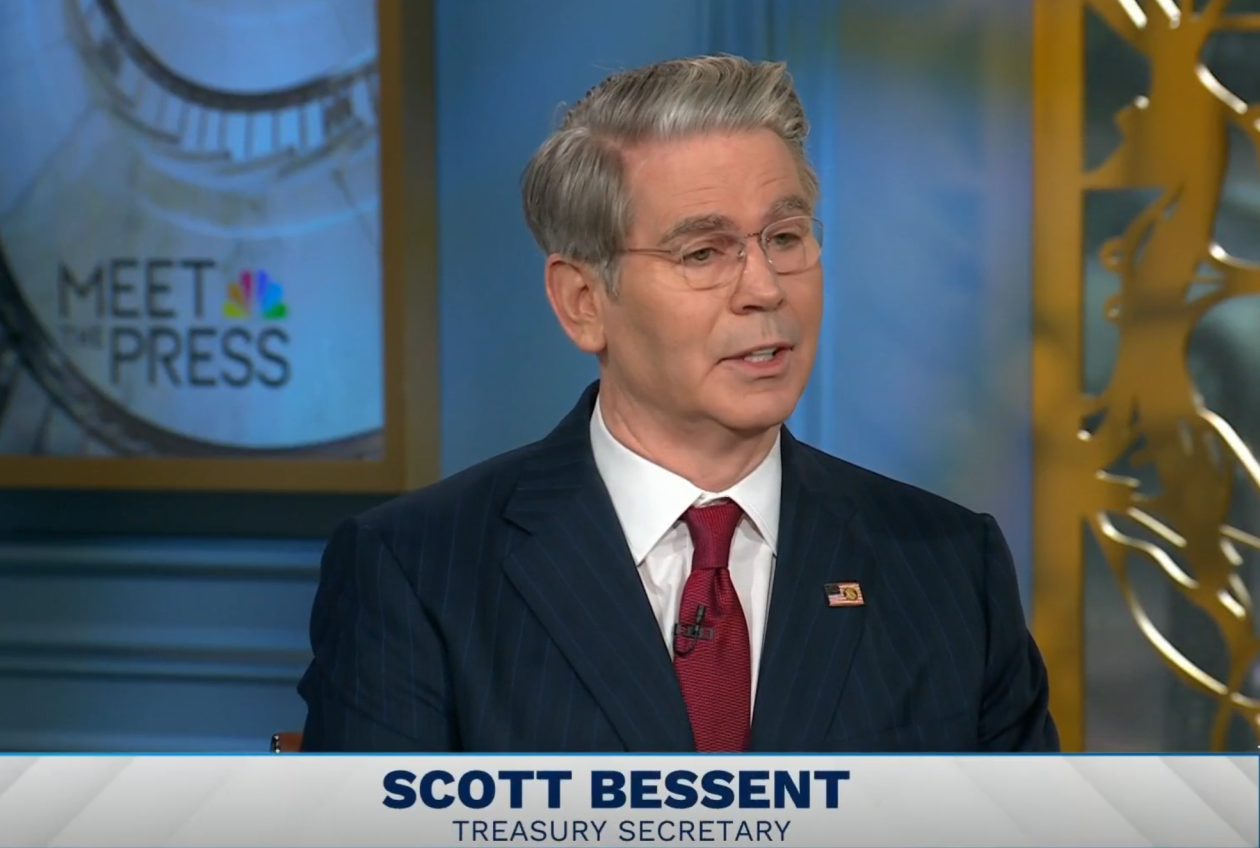
报道提到,贝森特发表上述言论之际,沃尔玛在本周早些时候宣布,因白宫正在进行贸易战,该企业将提高商品售价,以应对更高的供应成本。而特朗普17 日在社交媒体"真实社交"上发文施压沃尔玛,要求其"自行消化"关税成本,不要涨价。 沃尔玛公司高管5月15日曾表示,受美国政府关税政策影响,该公司将于本月晚些时候开始上调部分商品在美售价。沃尔玛首席财务官约翰·雷尼当天接受美 国消费者新闻与商业频道(CNBC)采访时说,沃尔玛的定位是"天天低价",但关税上调幅度超过任何零售商可以吸收的水平。美国消费者很可能从5月末 开始看到商品涨价。 作为零售业巨头和美国最大的食品杂货商,沃尔玛经常被视为衡量零售商和美国消费者健康状况的风向标。CNBC的报道认为,越来越多的美国公司因关税 而提高商品售价,而沃尔玛加入了这一行列。 《野兽日报》称,贝森特18日在接受美国全国广播公司(NBC)采访时表示,"正如你所描述的那样,事实上,沃尔玛将承担部分关税。"他也承认,由于特 朗普政府的关税措施,沃尔玛正面临更高的成本。 报道称,贝森特此前坚称,消费者不会因为特朗普的关税措施而面临更高的价格。但他同日在接受美国有线电视新闻网(CNN)采访时进一步 ...

美股本周或行情清淡 关税消息仍将主导市场情绪
智通财经网· 2025-05-19 01:10
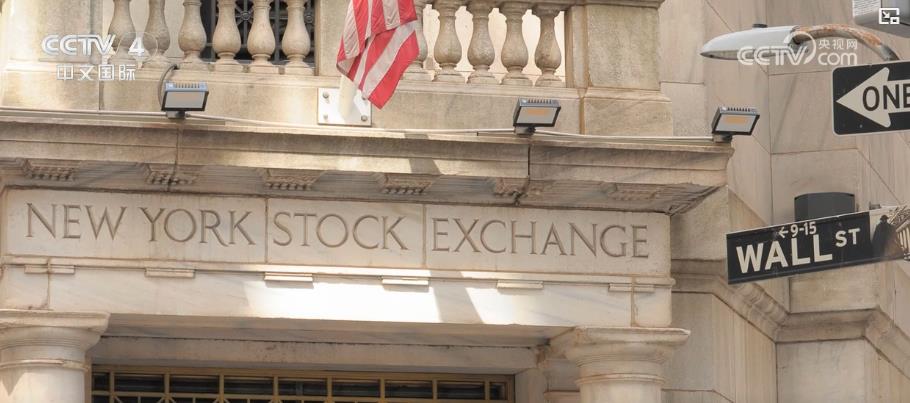
智通财经APP获悉,美股三大指数上周均收涨,道琼斯指数、标普500指数分别累计上涨3.4%和5.3%, 纳斯达克指数更是累计上涨了7.2%。标普500指数和纳斯达克指数目前已从4月初特朗普政府关税政策 引发的抛售中收复了失地,今年迄今为止均实现了上涨。 关税新闻在未来一周仍将是焦点。经济数据方面则较为清淡,制造业活动数据以及每周初请失业金数据 将成为本周的主要亮点。大多数公司已完成第一季度财报的公布,Palo Alto Networks(PANW.US)、塔吉 特(TGT.US)、家得宝(HD.US)和Workday(WDAY.US)的财报将受到关注。 关税新闻仍是市场焦点 市场目前最核心的故事仍是特朗普的贸易战。上周,有关美中达成90天关税暂停的消息推动股市大幅上 涨,也促使多位华尔街策略师对标普500的展望变得更为乐观。 特朗普上周五表示,美国将在未来几周内设定其贸易伙伴的关税税率。Fundstrat研究主管Tom Lee在一 份客户报告中为他年底6500点的标普500目标辩护称:"如果关税协议很快达成,股市将进一步反弹。" 但策略师们也指出,大多数关税目前仅为暂停状态,实际协议的谈判仍在进行中。这使得政 ...
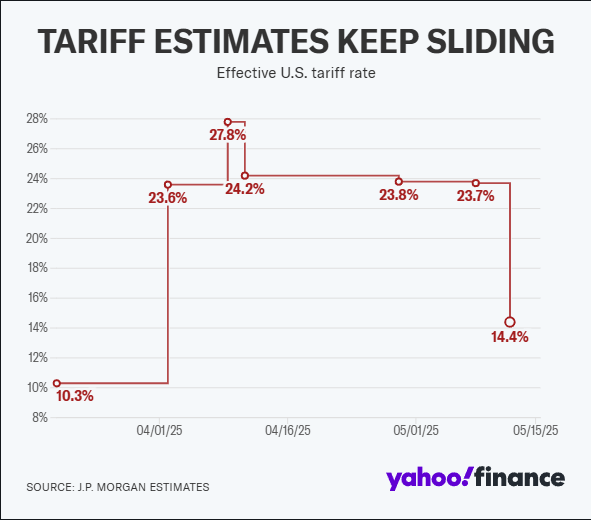
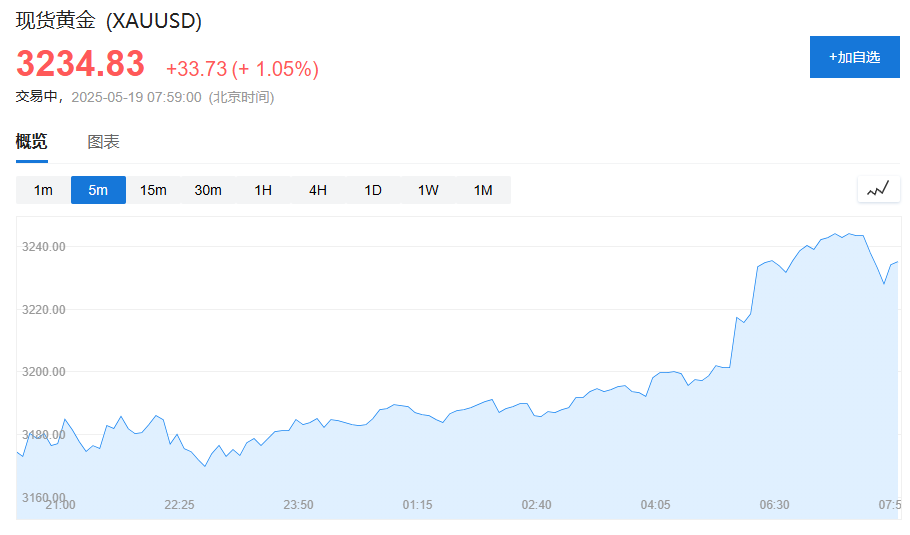
美国急了,黄金涨1%!贝森特“威胁”:如果“各国不本着诚意进行谈判”,将征收最高关税
Hua Er Jie Jian Wen· 2025-05-19 01:04
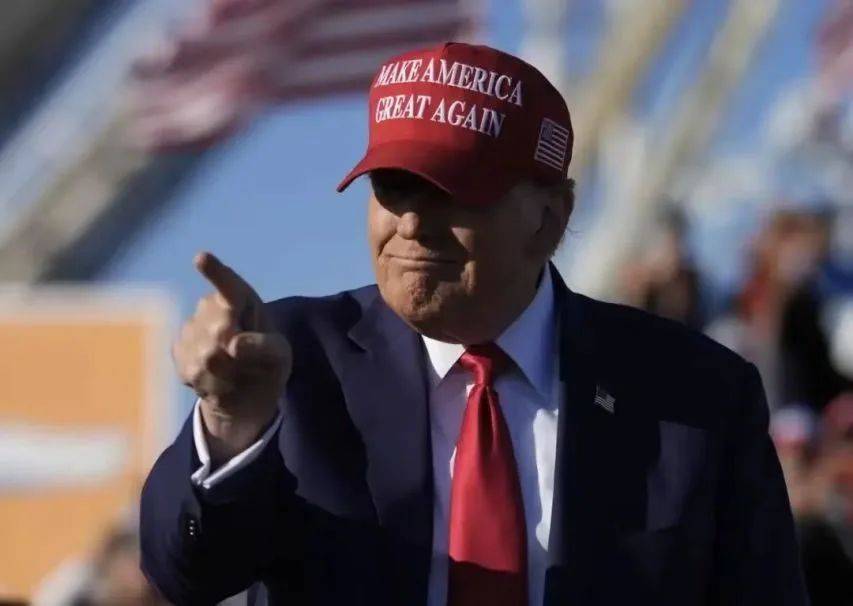
据媒体报道,美国财政部长贝森特周日发出严厉警告,表明若各国不"本着诚意谈判",美国将恢复特朗普4月2日宣布的最高关税 水平。这标志着美国在贸易谈判中正采取更为咄咄逼人的立场。 周一,现货黄金亚市盘初涨超1%,升破3230美元/盎司。 美国贸易谈判态度骤然强硬 "一些国家的税率是10%,一些则大幅更高,"Bessent对媒体表示。如果"你不想谈判,那么关税将回弹到4月2日的水平"。据报 道,各国将收到Bessent的信函,明确说明如果不认真谈判将面临的最高关税率。 美国发起的贸易战又有升温迹象,黄金作为避险资产已应声上涨。 这种强硬态度与特朗普最近宣称各国正"争相"与华盛顿谈判的说法形成鲜明对比。不过,当地时间5月16日,特朗普也表示,未来 两到三周内,美国可能会单方面对许多贸易伙伴设定新的关税税率。特朗普称,美国缺乏与所有贸易伙伴通过谈判达成协议的能 力。 特朗普称,"虽然有'150个国家'希望达成协议,但不可能与所有国家会面。我认为我们会给出公平的税率,想要与那么多国家见 面并谈判是不可能的。" 特朗普4月2日宣布对近乎所有进口商品征收10%基本关税,同时对数十个贸易伙伴加征"对等关税",一度引发全球金融市 ...