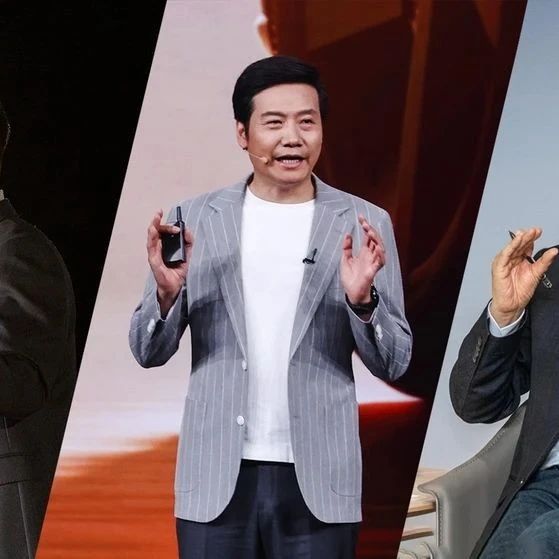
情绪价值

Search documents
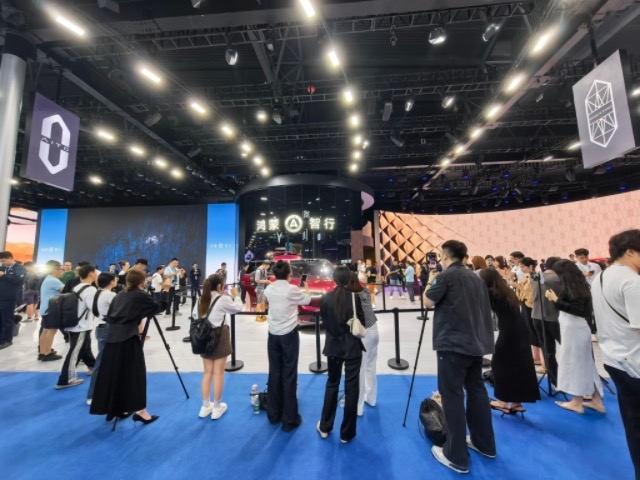
成都车展众生相:20个主播围着拍华为,20个销售排队卖小米
Di Yi Cai Jing· 2025-09-01 07:24
Core Insights - The 2025 Chengdu Auto Show, despite a decrease in participating car manufacturers, remains a significant event in the automotive industry, marking the beginning of the peak sales season in the second half of the year [1] - The focus of the auto show has shifted towards sales rather than mere exhibition, with companies prioritizing customer engagement and order conversion [3][4] - The integration of smart technology, particularly from Huawei, is a key selling point for many domestic brands, highlighting the importance of collaboration in the automotive sector [5][6] Group 1: Event Overview - The Chengdu Auto Show features 120 participating car manufacturers, with a notable absence of some luxury brands [1] - The event serves as a barometer for the development of the automotive market in Central and Western China [1] - The show is characterized by a "sales over exhibition" approach, with a strong emphasis on attracting consumer attention through various marketing strategies [1][3] Group 2: Marketing Strategies - Companies are leveraging live streaming and influencer marketing to enhance visibility and attract foot traffic, with a significant presence of influencers at the event [3][4] - Various brands are employing limited-time discounts and trade-in subsidies to entice consumers, contrasting with the consistent pricing strategy of some brands [4][5] - Emotional value is becoming increasingly important in marketing strategies, with companies focusing on customer experience and engagement [6][7] Group 3: Consumer Trends - There is a noticeable shift in consumer demographics, with an increasing number of female buyers in the electric vehicle market, now accounting for 26.5% [8] - The preferences of female consumers are evolving, with a greater emphasis on design and value for money, particularly among younger demographics [8] - The introduction of new models targeting younger and female consumers reflects broader changes in the automotive market [8]

餐饮生死局,云贵菜却杀疯了!
Jin Tou Wang· 2025-08-28 09:29
Core Insights - The restaurant industry is facing a severe crisis, with an average of 6 restaurants closing every minute, totaling 1.61 million closures in the first half of the year, potentially surpassing last year's record of 3 million closures [1] - Major industry players are also struggling, with the leading A-share restaurant company Quanjude experiencing a net profit drop of over 50% in the first half of the year [1] - Despite the overall downturn, Yunnan-Guizhou cuisine has emerged as a surprising success, entering the top 10 in the number of Chinese dining establishments nationwide, with over 40,000 locations [1] Industry Trends - The decline in the restaurant sector is attributed to a focus on cost-effectiveness, with over 60% of Yunnan-Guizhou restaurants having an average per capita spending of less than 80 yuan, appealing to budget-conscious consumers [2] - The aesthetic appeal and bold flavors of Yunnan-Guizhou dishes, such as Passion Fruit Sour Soup Fish and various unique snacks, have made them popular on social media platforms [2][5] - The rise of social attributes and emotional value in consumer spending is exemplified by the popularity of Yunnan-Guizhou cuisine, which has successfully tapped into the social media-driven dining experience [3] Consumer Preferences - Yunnan-Guizhou cuisine offers distinct flavors that cater to consumer curiosity, with its rich and diverse ingredients from the region, fulfilling health and wellness trends [4] - The cuisine's focus on high-quality, visually appealing desserts and unique small dishes has contributed to its popularity, especially among younger consumers [5] - The trend towards sour flavors has seen a growth rate of over 40% in sour-flavored establishments, positioning Yunnan-Guizhou cuisine favorably within the market [3] Market Dynamics - The rapid expansion of Yunnan-Guizhou cuisine across the country raises questions about the sustainability of sourcing local ingredients, such as wild mushrooms and free-range chickens [6] - The restaurant industry is experiencing a shift where rapid growth and supply chain issues are becoming critical challenges, as seen in the decline of other popular dining concepts [6] - The industry is witnessing a trend of standardization and replication, which may lead to diminishing returns as consumers become more discerning and selective [6]
从国潮到情绪价值:红豆股份如何用文化赋能品牌价值升级?
Zheng Quan Zhi Xing· 2025-08-28 09:25
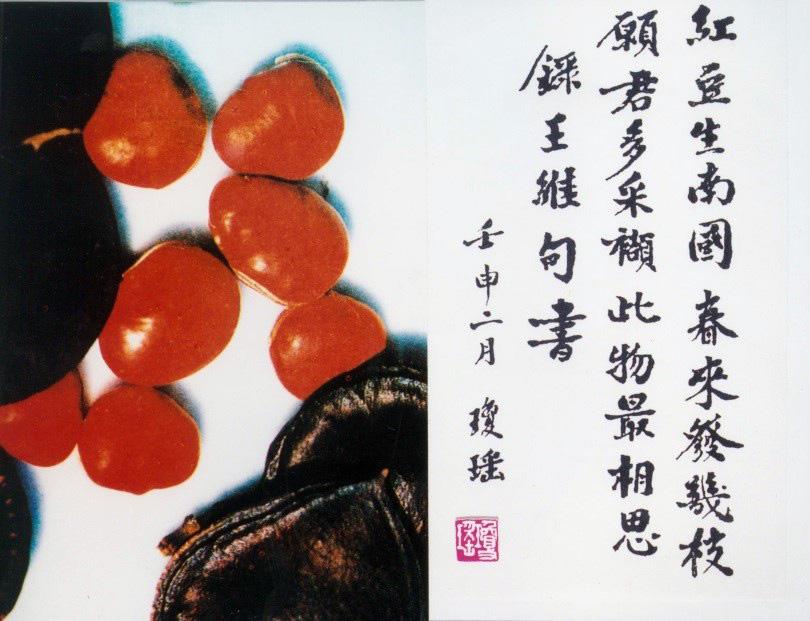
Core Viewpoint - Hongdou Co., Ltd. (600400.SH) is leveraging cultural heritage and emotional resonance to differentiate its brand in the competitive textile and apparel industry, particularly during the Qixi Festival, enhancing consumer engagement and brand loyalty [1][4][6]. Group 1: Cultural Heritage and Brand Strategy - The company has integrated the cultural significance of "red beans" into its brand identity, emphasizing emotional connections and regional cultural characteristics [3][4]. - Hongdou has established the Qixi Festival as a key cultural IP, expanding its meaning beyond romantic love to include familial and national sentiments, thereby broadening its consumer engagement [3][4]. - Activities like "Finding the Most Beautiful Love Stories" have been organized to encourage consumers to share their emotional experiences, enhancing the brand's social influence and driving product sales [3][4]. Group 2: Emotional Value and Market Positioning - In a market characterized by product homogeneity, Hongdou is focusing on emotional value as a key differentiator, moving beyond mere functionality to create deeper consumer satisfaction [6][12]. - The company is actively incorporating emotional value into its product offerings, exemplified by the success of the "0-sense Comfort Shirt," which combines comfort with cultural elements to create a unique selling proposition [6][12]. - Collaborations with renowned designers and participation in international fashion shows have helped Hongdou showcase its commitment to cultural confidence and modern aesthetics [10][12]. Group 3: Sustainable Development and Future Outlook - Hongdou is committed to sustainable development through smart manufacturing, green supply chain management, and environmental responsibility across the product lifecycle [12]. - The company has achieved certifications from nine countries, enhancing its global market competitiveness and promoting its "Comfort Technology" concept [12]. - With the growing recognition of domestic brands among consumers, Hongdou is well-positioned to capitalize on the burgeoning national trend in the apparel market, aiming for further growth in the future [12].

33岁康师傅,开启无限创新局
Sou Hu Cai Jing· 2025-08-26 09:46
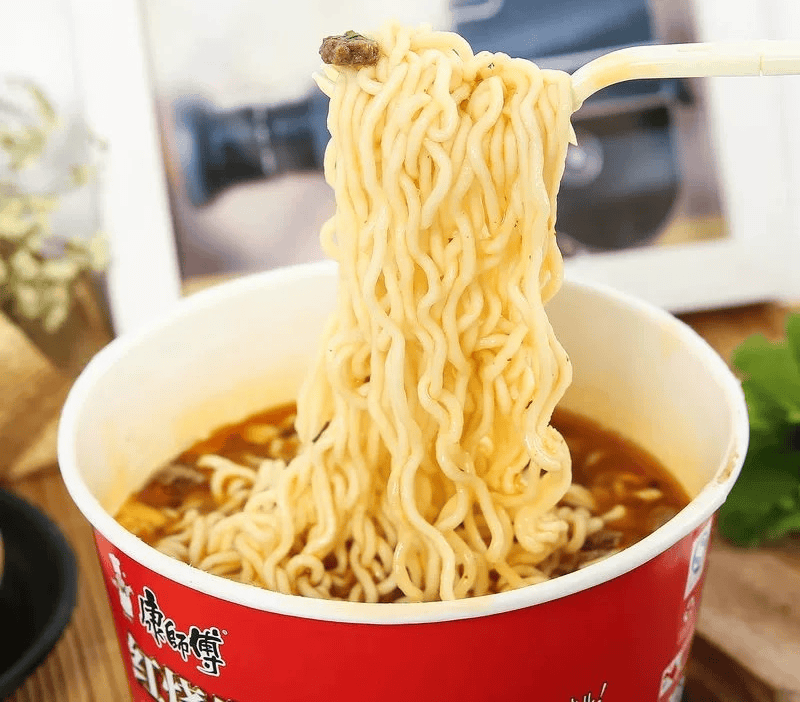
Core Insights - The article discusses the distinction between finite and infinite games in business, emphasizing the need for companies to shift from short-term competition to long-term value creation [2] - It highlights how the instant noodle industry, particularly through the example of Kang Shifu, is undergoing significant transformation driven by technological innovation and consumer insights [3][4] Industry Transformation - The instant noodle market has evolved from merely satisfying hunger to providing a comprehensive consumer experience, with many brands engaging in superficial innovations that fail to establish technological barriers [3][4] - Kang Shifu has embraced a philosophy of continuous optimization, integrating advanced technologies such as aerospace patents into its production processes, enhancing product quality and consistency across different regions [4][6] Technological Innovation - Kang Shifu holds over 600 patents, utilizing these innovations to drive quality improvements and set industry standards, which positions the brand as a leader in the instant noodle sector [6] - The introduction of products like the "Special Special" fresh noodle, which employs unique cooking techniques, demonstrates Kang Shifu's commitment to redefining the category and meeting evolving consumer expectations [4][6] Consumer Insights and Emotional Marketing - The company has shifted its focus from merely fulfilling functional needs to addressing emotional connections with consumers, creating products tailored to specific scenarios and emotional states [7][9] - Kang Shifu's marketing strategies leverage emotional resonance, particularly with younger consumers, by associating products with social experiences and emotional comfort [11][13] Product Diversification and Market Positioning - Kang Shifu has developed a diverse product matrix that caters to various consumer segments and dining scenarios, moving from generic offerings to more refined, targeted products [8][9] - The brand's approach includes launching products that align with specific meal occasions, such as the "He Mian" series for lunch and premium cup noodles for quick meals, enhancing its market appeal [8][10] Digital Transformation and Supply Chain Innovation - The company is advancing its digital transformation, establishing a comprehensive digital ecosystem that enhances supply chain management and food safety [15][17] - Kang Shifu's integration of agricultural partnerships ensures product quality from the source, reflecting a commitment to sustainability and consumer safety [15][17] Long-term Strategy and Market Growth - Kang Shifu's focus on long-term value creation and innovation has resulted in a notable 11.9% growth in its instant noodle business in the first half of 2025, despite market challenges [17] - The company's strategy exemplifies a commitment to "long-termism," continuously exploring new possibilities within the instant noodle category while other competitors focus on short-term gains [17][18]

蔚小理的情绪价值,奔驰宝马现在不认
汽车商业评论· 2025-08-25 23:04
Core Viewpoint - The article emphasizes the shift in the Chinese automotive market from a focus on functional benefits to emotional value, highlighting how vehicles are increasingly seen as a "third space" for personal and family interactions rather than just transportation tools [6][10]. Group 1: Emotional Value in Automotive - NIO defines its product methodology through a "user value system" that prioritizes emotional value over functional improvements, indicating that emotional aspects like personal expression and social status are crucial in product design [4][10]. - The automotive market is transitioning to "emotional competition," where vehicles serve as emotional buffers and spaces for family activities, reflecting a deeper understanding of consumer needs [6][10]. - Emotional value is categorized into four layers: "self-pleasure," "family comfort," "community engagement," and "journey assurance," each addressing different consumer experiences and expectations [12][13][14][15]. Group 2: Market Dynamics and Consumer Behavior - The Chinese automotive market has undergone two significant shifts: the initial "functional dividend" focusing on parameters like size and efficiency, followed by the emergence of "emotional dividends" that prioritize emotional stability and connection [8][10]. - Changes in family structures and commuting patterns have made emotional experiences in vehicles more important, with consumers seeking comfort and connection during their travels [10][17]. - The article notes that consumers are now more willing to pay for designs and services that enhance their emotional well-being rather than just technical specifications [10][12]. Group 3: Engineering Emotional Value - To create stable emotional experiences, automotive companies must integrate sensory design, intelligent software, and service/community layers, forming a comprehensive emotional value system [24][27]. - Sensory design focuses on elements like lighting, sound, and scent to create a calming atmosphere, while intelligent software enhances user interaction and driving experience [24][26]. - Service and community aspects provide long-term emotional support, fostering a sense of reliability and belonging among users [26][27]. Group 4: Globalization and Cultural Adaptation - As Chinese automotive brands expand globally, they face the challenge of translating emotional value into culturally relevant experiences, balancing local preferences with universal needs for comfort and trust [29][30]. - Different markets have varying expectations; for instance, European consumers prioritize reliability and privacy, while North American consumers appreciate personalization and innovation [29][30]. - The goal for Chinese automotive companies is to provide a "world-class experience" that respects cultural nuances while delivering emotional support [30].



把精彩装进购物袋(大数据观察·实体店里探消费)
Ren Min Ri Bao· 2025-08-25 22:27
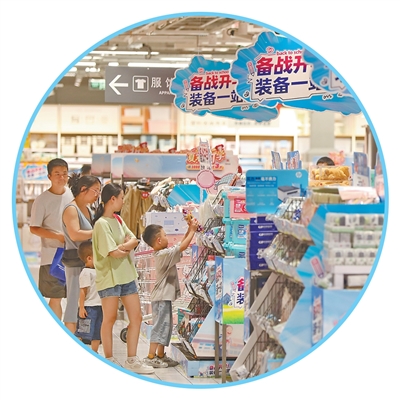
Core Viewpoint - The retail landscape is experiencing a significant transformation, with physical stores becoming increasingly popular among consumers, particularly the younger demographic, due to enhanced shopping experiences and emotional value derived from in-store interactions [9][12][16]. Group 1: Retail Trends - The toy and trendy products industry is witnessing explosive growth, emerging as one of the most dynamic sectors in the new consumption landscape [4]. - Consumers are increasingly drawn to physical stores for the unique experiences they offer, such as fresh seafood selections in supermarkets and interactive shopping in toy stores [10][13]. - The trend of "eating goods" among the younger generation reflects a shift towards purchasing trendy toys as a form of social currency [13][14]. Group 2: Consumer Behavior - Young consumers are prioritizing convenience and quality, with supermarkets adapting their offerings to meet these demands, such as providing fresh seafood directly from supply bases [10][12]. - The emotional and interactive aspects of shopping in physical stores, such as observing live seafood or engaging with products, are key factors that online shopping cannot replicate [11][12]. - In the toy sector, the popularity of blind boxes and limited edition items has created a culture of excitement and community among young shoppers [13][14]. Group 3: Service and Experience - Physical stores, particularly in the mother and baby segment, are enhancing customer experiences through personalized services and professional guidance, which are highly valued by parents [15][16]. - The integration of additional services, such as child massage in mother and baby stores, is becoming a strategy to attract and retain customers [16]. - Retailers are focusing on optimizing service quality and product safety to convert first-time visitors into repeat customers [16].
李斌彻底豁出去了
Hua Er Jie Jian Wen· 2025-08-24 01:17
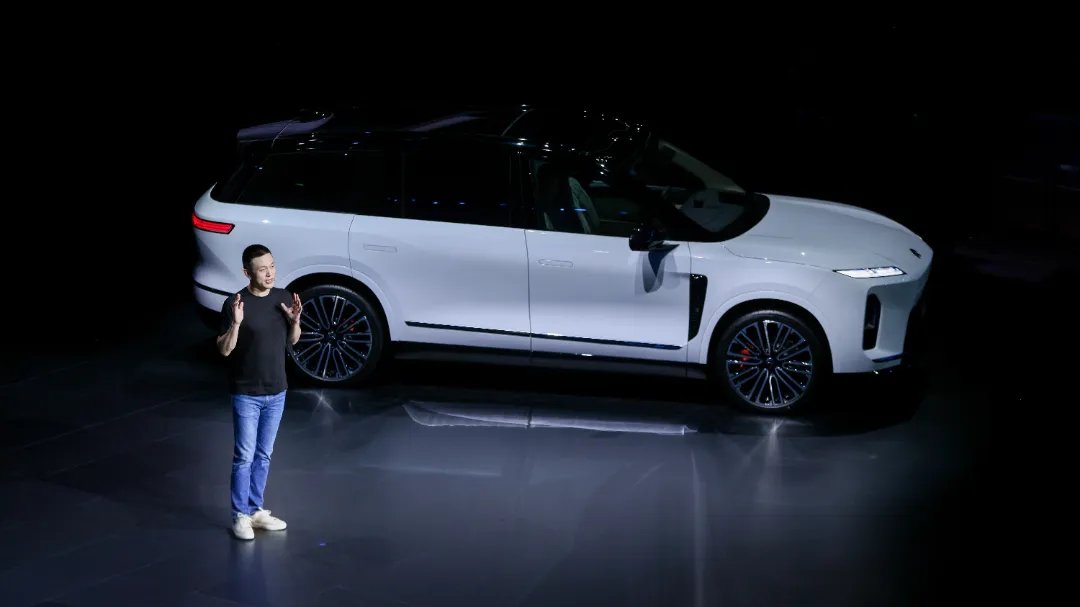
Core Viewpoint - NIO's new ES8 SUV has been positioned as a high-end vehicle with a significant price reduction, making it competitive in the market and potentially leading to increased sales and market share [2][3][4]. Pricing Strategy - The new ES8 is priced between 416,800 to 456,800 yuan, with a battery-as-a-service (BaaS) option bringing the price down to 308,800 to 348,800 yuan, marking a reduction of 80,000 yuan from the previous generation and nearly 150,000 yuan when renting the battery [2]. - The pricing strategy aims to capture the high-end SUV market, particularly against competitors like the BMW X7, and is seen as a strategic return to a more rational pricing model [3][10]. Market Response - Following the announcement, NIO's stock surged over 10% on the first night and continued to rise by nearly 15% the next day, indicating strong investor confidence and market interest [2][3]. - Orders for the new ES8 exceeded those of the previously popular L90 model shortly after the pre-sale began, suggesting positive market reception [13]. Product Development and Strategy - The new ES8 represents a strategic correction for NIO, addressing previous pricing and product definition errors that left a gap in the high-end market segment [3][9]. - NIO plans to introduce additional models like the ES9 and L80 in the future, continuing to leverage a "volume-price combination" strategy to enhance competitiveness [20]. Competitive Landscape - NIO's approach emphasizes a comprehensive product ecosystem, including a robust battery swapping network and advanced technology, which differentiates it from traditional fuel vehicles and other electric competitors [8][19]. - The company acknowledges the shift in consumer preference towards pure electric vehicles, indicating a decline in the market for range-extended vehicles [25][26]. Long-term Vision - NIO's leadership emphasizes a long-term perspective in the automotive industry, recognizing that growth and challenges are part of the journey, similar to other established companies like Tesla [4][18]. - The company has invested over 60 billion yuan in R&D, focusing on core technologies and platform components that can be reused across multiple models, ensuring sustained innovation and cost efficiency [21].
卡片机卖到9000块,理光沾了富士的光
Hu Xiu· 2025-08-22 13:42
Group 1 - Ricoh has officially launched the fourth generation of its GR series camera, the GR4, priced at 8999 yuan, which is a significant increase of 2800 yuan compared to the previous GR3 model [4][5][27] - The pricing strategy reflects a broader trend in the camera market where traditional pricing structures based on specifications are being challenged, as seen with Fujifilm's similar pricing strategies [28][30][36] - The GR4's pricing is not an isolated case but part of a growing trend where emotional value and brand perception are becoming key drivers of pricing in the camera industry [32][33][36] Group 2 - The GR4 features several upgrades over the GR3, including a slightly larger sensor with a resolution increase from 24.24 million to 25.74 million pixels, five-axis stabilization, and improved autofocus capabilities [12][14][17] - The internal storage has been significantly increased from 2GB to 53GB, enhancing usability for users who may forget to bring an SD card [20][21] - The camera introduces new film simulation modes and enhanced customization options, appealing to its core user base that values unique color science and aesthetic output [22][26] Group 3 - The camera market is experiencing a shift from a focus on technical specifications to an emphasis on user experience and emotional value, as consumers seek cameras that provide a distinct style and ease of use [44][45][56] - The GR series is designed for quick and intuitive shooting, emphasizing a philosophy of simplicity and immediacy in photography, which resonates with users looking for a non-intrusive and enjoyable experience [53][55] - The current market dynamics suggest that the camera industry may not be shrinking but rather evolving into a more diverse and interesting landscape, similar to the watch market where different consumer needs coexist [65][66]

小鹏加速冲向盈利点
Hua Er Jie Jian Wen· 2025-08-20 14:18
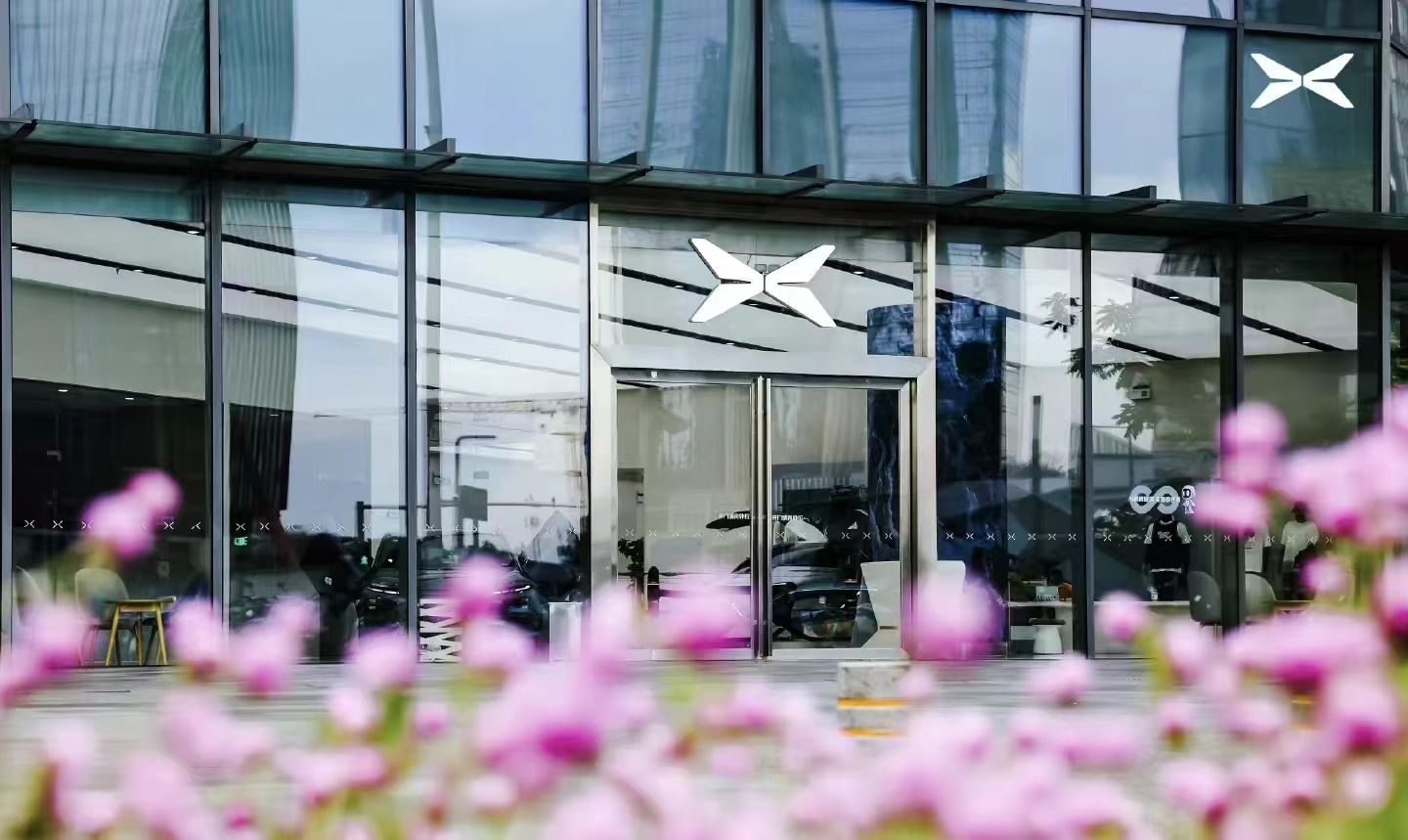
Core Insights - Xiaopeng Motors has reported its best-ever performance, with significant revenue growth and reduced losses, positioning itself as a leading player in the automotive industry this year [2][3] - The company aims to achieve quarterly profitability by Q4 2025, supported by strong sales and improved margins [6][10] Financial Performance - Xiaopeng's total revenue for Q2 2025 reached 18.27 billion yuan, a year-on-year increase of 125.3%, with net losses narrowing to 480 million yuan [2][3] - The automotive gross margin improved to a historical high of 14.3%, marking an increase of 3.8 percentage points from the previous quarter [3][4] - Free cash flow exceeded 2 billion yuan in Q2, with total cash on hand surpassing 47.5 billion yuan [5] Sales and Market Position - Xiaopeng delivered 103,181 vehicles in Q2, a year-on-year increase of 242%, indicating a strong recovery and growth trajectory [3][9] - The company expects Q3 deliveries to reach between 113,000 and 118,000 units, representing a year-on-year growth of 142.8% to 153.6% [9] Product Strategy - The increase in gross margin is attributed to an optimized product mix, with higher-priced models gaining a larger share of sales [4] - Xiaopeng is expanding its product offerings, including the upcoming launch of the X9, which will enter the extended-range electric vehicle market [10] Technological Advancements - Xiaopeng is focusing on user experience and emotional value in its product design, emphasizing aesthetics alongside technology [7] - The company is also advancing its Robotaxi business, with plans for L4-level vehicles to be mass-produced by 2026 [11]
小米小鹏零跑:新势力“增长三杰”的秘密
虎嗅APP· 2025-08-20 13:34
Core Viewpoint - The Chinese automotive industry is currently experiencing a "Darwinian" competition, where survival of the fittest is paramount, yet some new entrants have found their evolutionary path to success despite the challenges faced by established players like Mercedes-Benz, which reported a 56% decline in net profit year-on-year [2][5]. Group 1: Performance of New Entrants - The "growth trio" of new energy vehicle companies—Li Auto, Xpeng, and Xiaomi—have emerged as the top performers in terms of sales and growth rates in the first half of the year [5]. - These companies have the highest completion rates for their annual sales targets, indicating strong operational efficiency [5]. Group 2: Healthy Growth Amid Price Wars - The commonality among the "growth trio" is achieving "healthy growth," characterized by simultaneous increases in sales volume and gross margin [7]. - This success can be attributed to two main factors: strong economies of scale and precise market trend understanding [8]. Group 3: Economies of Scale - The automotive industry benefits from economies of scale, which help to dilute costs and enhance profits [10]. - For instance, Li Auto's Q2 sales surged by 53% quarter-on-quarter, reaching 134,000 units, contributing to a stable gross margin of 13.6% [13]. - Xpeng and Xiaomi also benefited from increased sales, with Xpeng's Q2 sales rising by 10% and Xiaomi's SU7 model achieving over 100,000 units in cumulative sales within four months [13]. Group 4: Enhancing Per Vehicle Value - The "growth trio" has improved per-vehicle value through various strategies, driving gross margin growth [14]. - Li Auto focuses on cost control through vertical integration, allowing it to maintain gross margin despite lower average vehicle prices [14]. - Xpeng's gross margin increased to 14.3% due to a shift in product mix towards higher-end models [14]. - Xiaomi's gross margin benefited from the strong sales of its higher-priced SU7 Ultra model [14]. Group 5: Market Precision and Emotional Value - Xiaomi's YU7 model achieved remarkable pre-order success, highlighting the importance of brand power and emotional value in the Chinese automotive market [16][20]. - The user demographic for YU7 shows a preference for aesthetics and brand identity, with a significant portion of buyers being young and affluent [25]. - The "growth trio" recognizes the shift towards emotional value, with each company adapting its strategies to resonate with consumer sentiments [21]. Group 6: Global Expansion Strategies - As domestic competition intensifies, the "growth trio" is looking to global markets for growth opportunities [22]. - Li Auto has established a joint venture with Stellantis, rapidly expanding its overseas presence with over 600 stores, primarily in Europe [26]. - Xpeng is adopting a flexible approach, establishing direct sales in Europe while partnering with local firms in Southeast Asia for assembly [26]. - Xiaomi aims to enter the European market by 2027, indicating its commitment to global expansion [27]. Group 7: Conclusion - The innovative models and strategic foresight demonstrated by the "growth trio" suggest they have the potential to define the future of the automotive industry [29]. - The competitive landscape indicates that traditional players may need to reconsider their strategies as Chinese companies leverage their hard-earned competitive advantages on a global scale [29].