饮料

Search documents
从“苏超”到“湘超”“川超”“蒙超”……“省超”营销哪家强?
3 6 Ke· 2025-10-20 00:17
再看看9月20日揭幕的"川超"——四川省城市联赛。该赛事进一步就赞助层级进行细分。根据公众号"川超足球联赛"消息,除去赛事直转播运营商及平 台、网络媒体合作平台,"川超"的赞助商数量已经达到19家。最高赞助层级身份"全球独家冠名赞助商"为四川银行;其次,首席至尊合作伙伴青花郎,官 方合作伙伴中国移动,官方赞助商百威,这3个赞助层级都分别只有1家品牌或企业参与。而官方支持企业以及官方供应商类别则共计有15家,其中包括有 可口可乐、长虹、卡尔美体育、京东电器等长期参与体育营销的品牌。 自5月中旬开赛,苏超掀起了一股前所未有的足球狂热——线下上座人数持续创造纪录,线上自发诞生的热梗与讨论把这项城市足球联赛带进了更多人的 视野,另外在营销层面也展现强劲的商业吸引力。总之,2025年的苏超已然远超出足球赛事本身,成为了一种跨越体育、文旅、消费及公共服务的社会符 号。 "苏超"的火,也点燃了其他省级行政单位的区域性本土足球赛事的热情。"赣超""湘超""川超"等10余个省和直辖市落地举行城市联赛,"齐鲁超赛""广东省 超"也陆续开展俱乐部业余联赛。当然,还包括原有的"村超"类草根足球赛事以及各地社会足球邀请赛,这一系列足球 ...


广东老板靠“山寨”饮料起家,一年狂揽百亿
3 6 Ke· 2025-10-19 23:54
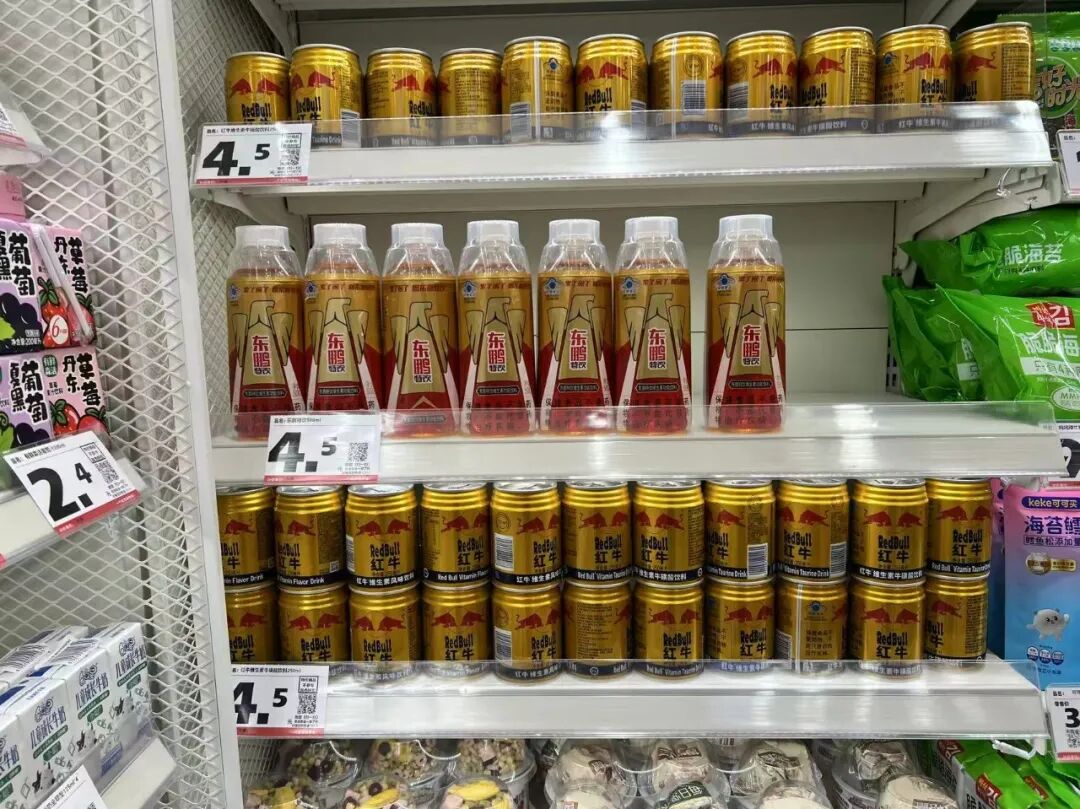
Core Viewpoint - Dongpeng Beverage is making a second attempt to list on the Hong Kong Stock Exchange to support its international business development after an initial application was invalidated in April 2023. The company has experienced rapid growth since its A-share listing in 2021, becoming a leader in the functional beverage sector [1][2]. Financial Performance - Dongpeng Beverage's revenue has shown significant growth from 2022 to 2025, with figures of 8.5 billion yuan, 11.257 billion yuan, and 15.83 billion yuan respectively, reflecting year-on-year growth rates of 21.81%, 32.44%, and 40.62%. In the first half of 2025, the company achieved a revenue of 10.737 billion yuan, a 36.37% increase year-on-year, and a net profit of 2.375 billion yuan, up 37.22% [1]. Market Position - As of October 17, 2025, Dongpeng Beverage's market capitalization reached 156.7 billion yuan. The founder, Lin Muqin, has seen his wealth grow significantly, ranking as the richest person in Guangdong's Chaoshan region with a net worth of 30.5 billion yuan in 2022 [1]. Strategic Focus - The company emphasizes growth as its core strategy, with Lin Muqin stating that this focus is ingrained in the company's culture. Dongpeng is diversifying its product offerings beyond its flagship Dongpeng Special Drink to include new products like "Brew Water" and "Dongpeng Coffee" to reduce reliance on a single product [4][5]. Competitive Landscape - The beverage industry is highly competitive, and Dongpeng is actively working to expand its market share. The company has seen its market share grow from 4.7% in 2012 to 16.7% in 2021, while Red Bull's market share declined from 82.1% to 53.3% during the same period [15]. Digital Transformation - Dongpeng has integrated digitalization into its operations, allowing for real-time data tracking of sales and inventory. This digital approach has improved the company's efficiency in managing promotional activities and understanding market dynamics [16][18].

南京糖酒会调研总结及三季报前瞻
2025-10-19 15:58
Summary of Conference Call Records Industry: Baijiu (Chinese Liquor) Key Points and Arguments 1. **Emerging Channels and Consumer Trends** The live streaming phenomenon at the Nanjing Sugar and Wine Fair highlights the penetration of new channels like instant retail in the baijiu industry. The popularity of light bottle liquor priced under 100 yuan indicates robust consumer spending and a trend towards consumption upgrades [1][3]. 2. **Performance During Mid-Autumn and National Day** The baijiu industry performed slightly better than expected during the Mid-Autumn and National Day holidays. Notably, the sales of Yanghe Jinshuiyuan exceeded company expectations, with significant year-on-year growth in sales volume and banquet sessions. However, the overall banquet sales growth was modest due to a decline in the number of bottles opened per banquet [4][5]. 3. **Consensus on Industry Bottoming** There is an increasing consensus that the baijiu industry has reached its bottom, but expectations for recovery remain cautious. Demand is currently affected by alcohol bans and economic downturns, while supply is entering a destocking phase. Moutai's prices have stabilized, and distributor inventories are low [6]. 4. **Price Trends and Distributor Conditions** Moutai's post-holiday prices exceeded expectations, with stable original box prices around 1,780 yuan. Distributors' inventory levels are healthy, with a turnover rate of about one month. In contrast, Wuliangye faces price inversion and subsidy pressures, leading to a challenging situation for both Wuliangye and Luzhou Laojiao [7][8]. 5. **Projected Performance for Q3 2025** For Q3 2025, Moutai is expected to maintain mid-to-high single-digit growth, while Wuliangye may see double-digit revenue growth but with larger profit margins. Luzhou Laojiao is also projected to achieve double-digit growth in both revenue and profit, while Fenjiu and Gujing Gongjiu are expected to decline significantly [9][10]. 6. **Future Outlook and Recommendations** The baijiu industry is currently at a fundamental bottom, with a potential adjustment period from Q2 to Q1 of the following year. The valuation appears attractive. Recommended stocks include leading brands like Moutai, Fenjiu, Gujing Gongjiu, and Jiansu Yuer, as well as dividend-paying companies like Wuliangye, Luzhou Laojiao, and Yanghe. Attention is also drawn to flexible stocks like Zhenjiu Lidu [10][11]. Industry: Beverage Key Points and Arguments 1. **Steady Growth in Beverage Sector** The beverage industry is experiencing steady growth in Q3 2025, with standout performances from tea drinks, traditional health waters, electrolyte waters, and coconut water. Companies like Nongfu Spring and Dongpeng Special Drink are seeing rapid revenue growth, with profit margins expected to improve [2][12]. 2. **Differentiated Performance of Major Brands** In Q3 2025, Master Kong benefited from price increases, while Uni-President faced challenges due to delivery subsidies. Master Kong's instant noodle business returned to low single-digit growth, while its beverage segment experienced a mid-single-digit decline [13][14]. 3. **Emerging Categories and Competitive Landscape** New categories such as tea drinks and health-oriented beverages are showing significant potential for growth. The competitive landscape is intensifying due to declining raw material prices and increased subsidies from delivery platforms [12][16]. 4. **Long-term Growth Potential** Companies like Nongfu Spring and Dongpeng Special Drink are recommended for their strong brand power and growth potential, with expectations for continued performance above industry averages in the coming years [15]. Industry: Dairy Products Key Points and Arguments 1. **Dairy Sector Challenges** The dairy sector is facing a decline in supply and weak downstream demand. The number of dairy cows has decreased, while milk prices have risen slightly. Companies like Yili are expected to see modest revenue growth, while Mengniu may experience a decline due to previous high bases [18]. 2. **Market Dynamics and Future Outlook** The overall dairy market is expected to stabilize in 2026, with potential improvements in competition dynamics as raw milk prices balance out. Companies like New Dairy, Mengniu, and Yili are seen as having certain investment value [18]. Industry: Snack and Frozen Food Key Points and Arguments 1. **Snack Industry Performance** The snack industry is developing steadily, with franchisees favoring larger stores. Despite a slight decline in average transaction prices, new product categories are expected to drive growth. Companies like Wancheng are projected to achieve significant revenue growth [19][20]. 2. **Frozen Food Sector Trends** The frozen food sector is experiencing flat performance, with slight revenue growth but ongoing profit pressures. Companies like Anjijia and Qianwei Central Kitchen are seeing modest revenue increases, while others like Baobi are benefiting from lower pork costs [22][23]. 3. **Future Growth Expectations** The snack sector is anticipated to perform better in 2026, with cost pressures easing and new channel opportunities emerging. Companies are encouraged to adapt to market changes and explore new distribution channels [21]. Industry: Beer Key Points and Arguments 1. **Beer Industry Performance** The beer industry is facing moderate demand, with on-premise channels underperforming. However, off-premise channels are showing resilience, with moderate sales growth. Companies like China Resources Beer and Qingdao Beer are expected to see slight revenue increases [24][25]. 2. **Cost and Profitability Trends** The cost of beer production is expected to stabilize, with key variables focusing on ASP (average selling price) increases and cost-saving measures. Companies with strong operational capabilities, such as China Resources Beer and Yanjing Beer, are recommended for investment [25][26].



三季度业绩前瞻及投资策略
2025-10-19 15:58
Summary of Key Points from Conference Call Records Industry Overview 1. Baijiu Industry - The Baijiu industry experienced a seasonal sales decline of approximately 20% during the Mid-Autumn Festival, with high-end brands like Moutai, Wuliangye, and Fenjiu performing relatively well. Inventory levels have not significantly decreased, and a slight upward trend is expected in the future [1][3][4] - Strong brand power and good sales performance are crucial for companies in this sector, with companies like Moutai and Wuliangye maintaining advantages. Companies with flexible operations, such as Zhenjiu and Laojiao, are also worth monitoring [5] 2. Consumer Goods - The consumer goods sector saw a slowdown in growth during Q3 2025, with beverage and dairy products showing improvement from a low base, while condiments maintained steady growth. Leading companies like Dongpeng, Nongfu Spring, and Yanjing Beer performed well and are recommended for investment [1][6] 3. Beauty Industry - The beauty industry showed overall good performance with no significant slowdown in growth. Some companies even exceeded their Q2 growth rates. High-growth companies like Ruoyuchen and Shanghai Jahwa are recommended for investment [1][7] 4. Gold and Jewelry Sector - Leading companies in the gold and jewelry sector continued to grow rapidly, benefiting from rising gold prices and price increase strategies. Companies like Laofengxiang and Zhouliufu reported impressive growth, with Laofengxiang's single-store revenue reaching up to 200% growth in September [1][8] 5. Trendy Toys and Supermarket Reform - In the trendy toy sector, Pop Mart remains in a high growth phase, while Miniso's Q3 report showed promising data. In the supermarket reform sector, companies like Bubugao and Huijia Times are experiencing performance releases, and ATO's rapid growth in bedding products is noteworthy [1][9] 6. Pork Industry - Pork prices saw a slight decline this week, but demand for secondary fattening is increasing, stabilizing prices at the bottom. Companies with cost advantages, such as Wens Foodstuffs and Muyuan, are expected to seize more opportunities as breeding sow capacity continues to decrease [1][18][17] Home Appliance Sector - The home appliance sector faced challenges in Q3 due to the gradual withdrawal of subsidies, leading to a less optimistic outlook for domestic demand. However, white goods showed stable performance, with leading companies like Haier and Midea expected to achieve near double-digit revenue growth [2][13] Other Notable Trends - The light industry, particularly the paper industry, is expected to see a turning point in Q4, with potential price increases in packaging and cultural paper [14] - The agricultural sector is focusing on the pork industry, with ongoing capacity reduction impacting future supply and price trends [17] - The pet sector is showing strong growth, with companies like Zhongchong and Guibao Pet expected to perform well [20] This summary encapsulates the key insights and trends across various industries as discussed in the conference call records, highlighting potential investment opportunities and risks.



食品饮料行业周报:秋糖反馈平淡,内需催化新消费预期-20251019
Huaxin Securities· 2025-10-19 15:04
Investment Rating - The report maintains a "Recommended" investment rating for the food and beverage industry [10][59]. Core Insights - The feedback from the recent Nanjing Autumn Sugar Fair was relatively flat, with major liquor companies showing low enthusiasm for participation. The focus is shifting towards consumer engagement through live streaming and other sales models [6][57]. - The white liquor sector is experiencing a demand bottoming phase, with inventory levels still relatively high. The report suggests focusing on high-dividend leaders like Kweichow Moutai, Wuliangye, and Luzhou Laojiao, as well as flexible stocks that have corrected to appropriate levels [6][57]. - The consumer sector is rebounding, driven by market sentiment towards domestic demand policies amid U.S.-China tariff impacts. Companies in the snack food sector, such as Yanjin and Weidong, are benefiting from increased market penetration and revenue growth [7][58]. Summary by Sections Industry News - From January to August, the export value of Zunyi liquor increased by 776.17% year-on-year. In September, liquor prices fell by 1.3% year-on-year, and the Hubei liquor market reached a scale of 35 billion yuan [5][17][19]. Company News - Kweichow Moutai reported a significant recovery in terminal sales for its sauce-flavored liquor in September. Luzhou Laojiao held a 110th anniversary event, continuing to lead the vintage liquor market [19]. Key Company Feedback - The report highlights the performance of key companies, with a focus on their stock price movements and earnings forecasts. For instance, Kweichow Moutai's stock price is at 1455.00 yuan, with an EPS forecast of 68.64 for 2024 [60]. Industry Data Trends - The white liquor industry saw a cumulative production of 4.145 million tons in 2024, a decrease of 7.72% year-on-year, while industry revenue reached 796.4 billion yuan, an increase of 5.3% year-on-year [34][36]. Investment Strategy - The report emphasizes the importance of focusing on companies with long-term value and high dividends in the white liquor sector, while also highlighting the potential in the snack food and beverage sectors due to changing consumer preferences and market dynamics [58][59].
食品饮料周报(25年第38周):三季报预计加速出清,关注政策催化,贵州茅台有望迎来重估-20251019
Guoxin Securities· 2025-10-19 11:30
Investment Rating - The report maintains an "Outperform the Market" rating for the food and beverage sector [4][5][15]. Core Views - The food and beverage sector is expected to see a recovery in demand, with specific focus on the upcoming quarterly reports and potential policy catalysts, particularly for Kweichow Moutai, which is anticipated to undergo a revaluation [2][3][10]. - The report highlights a divergence in the fundamentals of different categories, with beverages outperforming food and alcoholic beverages [2][10]. - The overall sentiment in the food and beverage sector is characterized by low expectations, low holdings, and low bases, suggesting that any changes in supply and demand could significantly impact stock prices [3][10]. Summary by Category Alcoholic Beverages - The report anticipates a quicker release of third-quarter results, with a focus on policy catalysts. Kweichow Moutai is expected to see a revaluation due to improved sales dynamics and liquidity [2][10]. - Recommendations include Luzhou Laojiao for its strategic advantages and product growth, and Kweichow Moutai for its potential value reappraisal [2][10]. Beverages - The beverage sector is experiencing stable demand recovery, with a focus on dairy products and the potential for upward elasticity in supply and demand by 2025. The report recommends leading dairy company Yili for its valuation safety margin [2][12]. - The report continues to recommend Nongfu Spring and Dongpeng Beverage for their accelerated operations and national expansion strategies [2][14]. Snacks - The report emphasizes the importance of selecting alpha-type stocks with strong certainty, particularly in the konjac snack category, where leading companies like Weidong and Yanjinpuzi are highlighted for their competitive advantages and strong growth potential [2][11]. Restaurant Supply Chain - The restaurant supply chain is entering a peak observation phase, with stable demand and a focus on inventory clearance. Recommendations include leading companies in the seasoning sector like Haitian Flavoring and Ajinomoto, as well as new channels that may bring incremental growth [2][12][13]. Key Companies and Earnings Forecasts - Kweichow Moutai is projected to have total revenues of CNY 186.3 billion and CNY 193.0 billion for 2025 and 2026, respectively, with net profits of CNY 90.5 billion and CNY 94.0 billion [15]. - Other recommended companies include Nongfu Spring, Wuliangye, Luzhou Laojiao, Dongpeng Beverage, and Weidong, all rated as "Outperform the Market" with strong earnings growth expectations [4][15].
从“隐藏款”走向“热门色”,抖音生活服务助力宝藏小城多彩出圈
商业洞察· 2025-10-19 11:22
Core Viewpoint - The article highlights a shift in travel habits from "hasty check-ins" to "immersive experiences," with small cities emerging as potential tourism hotspots due to their unique charm and local culture [1][6]. Group 1: Event Overview - During the recent National Day holiday, Douyin's "Discover Treasure Small Cities - Outshine" campaign explored 20 small cities, creating themed travel routes and engaging local influencers to boost tourism [1][6]. - The campaign generated significant online engagement, with the hashtag DiscoverTreasureSmallCities reaching over 7.94 billion views, reflecting a vibrant travel trend [1][6]. Group 2: Thematic Routes and Experiences - The campaign categorized small cities into four distinct themed routes, such as "Spicy Season" and "Golden Autumn Season," catering to various traveler preferences [8][9]. - Influencers and celebrities participated in creating immersive content, showcasing local experiences and enhancing the appeal of these small cities [9][13]. Group 3: Social Media Impact - The campaign successfully generated buzz on social media, with 22 trending topics, including NationalDaySmallCities, achieving top rankings on local and national charts [19][39]. - The integration of real-life experiences with online engagement created a complete cycle of "viewing - interest - action," driving actual visits to small cities [19][39]. Group 4: Local Activities and Engagement - The campaign organized various local activities, such as markets and cultural events, to enhance visitor experiences and connect them with the local community [20][31]. - Collaborations with popular brands, like Wanglaoji, helped create a unique dining experience, reinforcing brand recognition and driving consumer engagement [34][36]. Group 5: Future Directions - Douyin's ongoing efforts aim to continue promoting small cities by highlighting their unique "color cards," fostering a comprehensive tourism experience that combines content creation, offline engagement, and commercial conversion [39].

国泰海通|食饮:秋糖反馈平淡,重视成长标的
国泰海通证券研究· 2025-10-19 10:43
Core Viewpoint - The report emphasizes prioritizing growth while also focusing on undervalued traditional consumer leaders with strong long-term growth certainty, as consumption shows signs of recovery during the Mid-Autumn and National Day holidays, with both volume and price showing positive trends [1]. Group 1: Investment Recommendations - The beverage, snack, and food raw material sectors continue to demonstrate performance advantages, while expectations for the liquor industry are being revised upward, with some clearing out of inventory [2]. - Structural growth characteristics are evident in the beverage, snack, and food raw material sectors, driven by demographic changes, channel fragmentation, and category innovation, highlighting a comparative performance advantage [2][3]. - The liquor industry is currently experiencing a period of low expectations and weak realities, with the upcoming Q3 reports being a crucial observation window for potential recovery [2]. Group 2: Market Trends - The beverage sector remains structurally vibrant, driven by major products, while companies in food raw materials and health products are expected to maintain high growth or accelerate sequentially [3]. - The snack sector continues to exhibit growth momentum through category and channel innovation, reinforcing the overall growth narrative [3].

2025年秋糖点评:白酒如期筑底,大众品关注成长与复苏
GOLDEN SUN SECURITIES· 2025-10-19 09:15
Investment Rating - The report maintains an "Increase" rating for the food and beverage industry, indicating a positive outlook for the sector [5]. Core Insights - The white liquor sector is expected to stabilize, with a focus on product and channel transformation, highlighting both short-term and long-term investment opportunities [2]. - The consumer goods sector is facing pressure in Q3, but health-oriented innovations are emerging as new opportunities, with specific companies showing strong growth potential [4]. Summary by Sections White Liquor - The autumn sugar exhibition indicated a stabilization in sales, with regional brands showing more activity compared to national brands. The demand is expected to gradually improve, with stable pricing trends [2]. - Major liquor companies are maintaining strategic focus while promoting product and channel innovations, suggesting a long-term value in the sector [2]. Beer and Beverage - A strategic partnership between China Resources Beer and Guyue Longshan was announced, aiming to develop a cross-category product. The beer sector is transitioning from peak to off-peak season, with a focus on restaurant recovery and sales structure [3]. - Unification Enterprises reported a revenue increase in September, indicating resilience in the beverage sector despite competitive pressures [3]. Food Sector - The food and beverage industry faced a 12.3% decline in offline sales in Q3, with health-oriented products gaining traction as a response to changing consumer preferences [4]. - Innovations in food products are increasingly focusing on health, with new trends emerging in low-GI and functional foods, suggesting potential growth areas for investment [4].
娃哈哈系新品牌林立,经销商四顾茫然
Hu Xiu· 2025-10-19 08:01
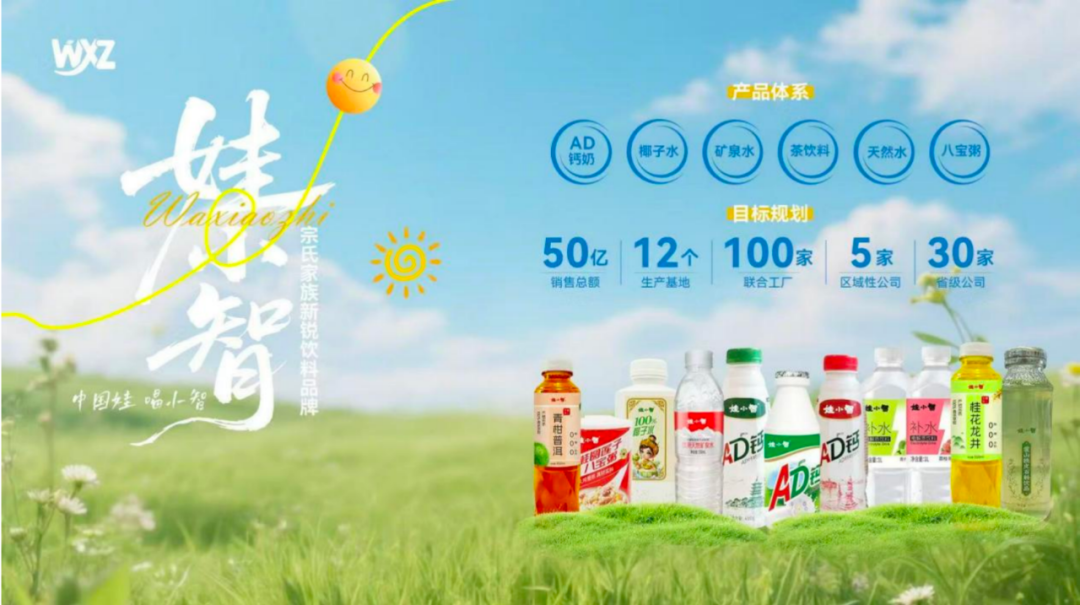
Core Viewpoint - Wahaha is experiencing significant changes in its sales and distribution strategy due to the resignation of its leader, Zong Fuli, and the emergence of new brands like "Wah Xiaozong" and "Wah Xiaozhi" [3][24][27]. Group 1: Sales and Distribution Changes - Traditionally, by mid-October, Wahaha's sales personnel would have received sales tasks and begun discussions with distributors for the next year [1]. - This year, many distributors have reported a lack of communication from Wahaha, with most learning about the company's situation through online news [2]. - The majority of distributors are adopting a wait-and-see approach due to uncertainties surrounding Wahaha's future product offerings [5][6]. Group 2: Brand Transition and New Entrants - Zong Fuli has resigned from all positions at Wahaha Group to focus on her new brand, "Wah Xiaozong," which is set to replace the Wahaha brand starting in 2026 [3][27]. - New brands such as "Wah Xiaozhi" and "Zong Shifu" are emerging, with Wah Xiaozhi already signing over 100 clients [7][8]. - The market is seeing increased competition among these new brands, which may impact Wahaha's existing distributor relationships [24][36]. Group 3: Distributor Concerns and Financial Implications - Distributors are hesitant to pay guarantee deposits due to fears of product availability and potential risks associated with the transition to new brands [4][16][22]. - Some distributors have reported a significant reduction in the guarantee deposit amounts they are willing to pay compared to previous years, reflecting their cautious stance [20][22]. - The uncertainty surrounding product supply and brand recognition is leading many distributors to reconsider their commitments to Wahaha [44][49]. Group 4: Market Dynamics and Consumer Preferences - Distributors express a strong preference for the established Wahaha brand over the new entrants, citing brand recognition and consumer loyalty as critical factors [37][39]. - The local beverage market is described as stable for Wahaha, with significant challenges for new brands to gain market share [39][41]. - If Wahaha experiences supply disruptions, competitors are expected to quickly fill the market gap, potentially jeopardizing Wahaha's market position [50][51].