
建材

Search documents
收评:三大指数高开高走沪指涨0.87% 资源股集体爆发
Jing Ji Wang· 2026-02-25 02:30
Core Viewpoint - The Chinese stock market showed positive performance with significant gains in various sectors, particularly in oil, while some sectors like media faced declines [1]. Market Performance - The Shanghai Composite Index closed at 4117.41 points, up by 0.87%, with a trading volume of 938.61 billion [1]. - The Shenzhen Component Index closed at 14291.57 points, up by 1.36%, with a trading volume of 1263.45 billion [1]. - The ChiNext Index closed at 3308.27 points, up by 0.99%, with a trading volume of 593.35 billion [1]. Sector Performance - The oil sector experienced significant gains, contributing to the overall market rise [1]. - Other sectors that performed well include coal, non-ferrous metals, building materials, electricity, chemicals, and chemical fibers [1]. - Conversely, the media sector saw a substantial decline, while tourism, insurance, and banking sectors also faced downturns [1].
港股早评:三大指数高开,科技股普涨,半导体股下跌
Ge Long Hui· 2026-02-25 01:33
科技股反弹提振美股,早盘亚太股市高开。港股三大指数集体上涨,恒生指数涨0.58%,国企指数涨 0.68%,恒生科技指数涨0.86%。昨日低迷的权重科技股全线上涨,美团、阿里巴巴、京东涨超1%,昨 日大幅下跌的影视股反弹,汽车股、风电股、核电股、光通讯概念股纷纷上涨,金风科技、小鹏汽车涨 约3%。另外,昨日强势的的半导体股、建材水泥股走低,其中中国建材跌2.56%。(格隆汇) ...
新华财经早报:2月25日
Xin Hua Cai Jing· 2026-02-25 00:01
Group 1: Economic Policies and Developments - The State Council, led by Premier Li Qiang, emphasized the need to advance the silver economy and elderly care services, highlighting the potential for growth and the importance of policy support to address aging population challenges [2] - The Ministry of Commerce expressed China's willingness to engage in candid discussions during the upcoming sixth round of China-U.S. economic and trade consultations, while closely monitoring U.S. tariff adjustments [2] - The People's Bank of China announced a 600 billion yuan MLF operation with a one-year term to maintain ample liquidity in the banking system [2] Group 2: Market and Economic Indicators - During the 2026 Spring Festival holiday, domestic travel reached 596 million trips, generating a total expenditure of 803.48 billion yuan, marking a historical high in both visitor numbers and spending [2] - The average price of gasoline and diesel in China increased by 175 yuan and 170 yuan per ton, respectively, effective from February 24, due to rising international oil prices [2] - The light rare earth price index rose by 12.67% to 2090 points, driven by active replenishment by downstream enterprises and tight raw material supply [2] Group 3: Corporate Announcements - Semiconductor company Shenghe Jingwei's IPO application was approved, aiming to raise 4.8 billion yuan for multi-chip integration packaging projects [2] - Dazhu Laser plans to establish an overseas operation center in Southeast Asia with an investment of 150 million USD [7] - Huaneng Water Power's restructuring fund intends to increase its stake in the company by 100 to 150 million yuan [7]


产品碳足迹管理体系持续完善
Jing Ji Ri Bao· 2026-02-24 22:09
Core Viewpoint - The establishment of a carbon footprint management system for industrial products is crucial for promoting green and low-carbon transformation in the industry, as highlighted by the recent release of a recommended list of carbon footprint accounting rules for 73 industrial products by four government departments [1][3]. Group 1: Carbon Footprint Definition and Importance - Carbon footprint refers to the total greenhouse gas emissions caused directly and indirectly by individuals, organizations, events, or products, typically expressed in carbon dioxide equivalents [2]. - Product carbon footprint is the most widely applied concept, encompassing emissions throughout the product lifecycle, making it a key indicator for assessing the green and low-carbon levels of production enterprises [2]. - Understanding product carbon footprints helps enterprises recognize their impact on climate change and take actionable measures to reduce emissions in their supply chains, enhancing international competitiveness for export manufacturers [2]. Group 2: Standardization and Development of Carbon Footprint Rules - The standardization of product carbon footprint accounting rules is essential for the green and high-quality development of the manufacturing industry, with over 111 key product carbon footprint accounting rules recommended across 13 major industries [3][4]. - The lack of unified technical requirements for carbon footprint accounting rules at the national level has led to significant discrepancies in results across industries, necessitating the establishment of a comprehensive management system [3][4]. Group 3: Industry Applications and Case Studies - Companies like Xinwangda Electronics are integrating carbon footprint accounting into their entire product lifecycle management, achieving ISO 14067 certification for over 20 products, which enhances their environmental performance credibility [4]. - Baosteel has implemented a systematic carbon data collection mechanism that tracks emissions throughout the production process, aligning with unified carbon footprint accounting standards to facilitate compliance with international market requirements [6]. Group 4: Future Directions and Recommendations - The ongoing development of carbon footprint standards is expected to support the transition to low-carbon industries, with recommendations for further applications in carbon emission control, zero-carbon factory construction, and low-carbon technology promotion [7][8]. - There is a call for dynamic updates to the carbon footprint accounting rules based on industry needs and for promoting international recognition of China's carbon footprint standards to enhance its influence in the global green and low-carbon sector [8].
海南瑞泽新型建材股份有限公司关于股东股份第二次司法拍卖流拍的公告
Shang Hai Zheng Quan Bao· 2026-02-24 17:10
Core Viewpoint - The announcement details the second judicial auction of shares held by major shareholder Sanya Daxing Group Co., Ltd., which resulted in no bids and thus the shares were left unsold [1][2]. Group 1: Auction Details - The second judicial auction took place from February 14, 2026, to February 15, 2026, for 15,002,742 shares of Hainan Ruize, representing 1.31% of the company's total share capital [1][2]. - The auction was conducted on the Taobao judicial auction platform, but the shares went unsold due to a lack of bids [1]. Group 2: Shareholder Status - As of the announcement date, the shares held by Daxing Group remain under judicial freeze, and there is uncertainty regarding whether further judicial actions will be taken by the relevant court [2]. - The failure of the auction will not lead to a change in the company's actual control and is not expected to significantly impact the company's daily operations [3]. Group 3: Control Risks - The actual controller and their concerted parties have a high proportion of pledged shares, with multiple pledges overdue and under judicial freeze, indicating a risk of forced liquidation or auction of pledged shares [3]. - The company will continue to monitor the progress of the judicial auction and fulfill its information disclosure obligations in accordance with legal regulations [3].

马年A股喜迎“开门红”:周期“老登”领涨 科技、消费遇冷
Mei Ri Jing Ji Xin Wen· 2026-02-24 14:32
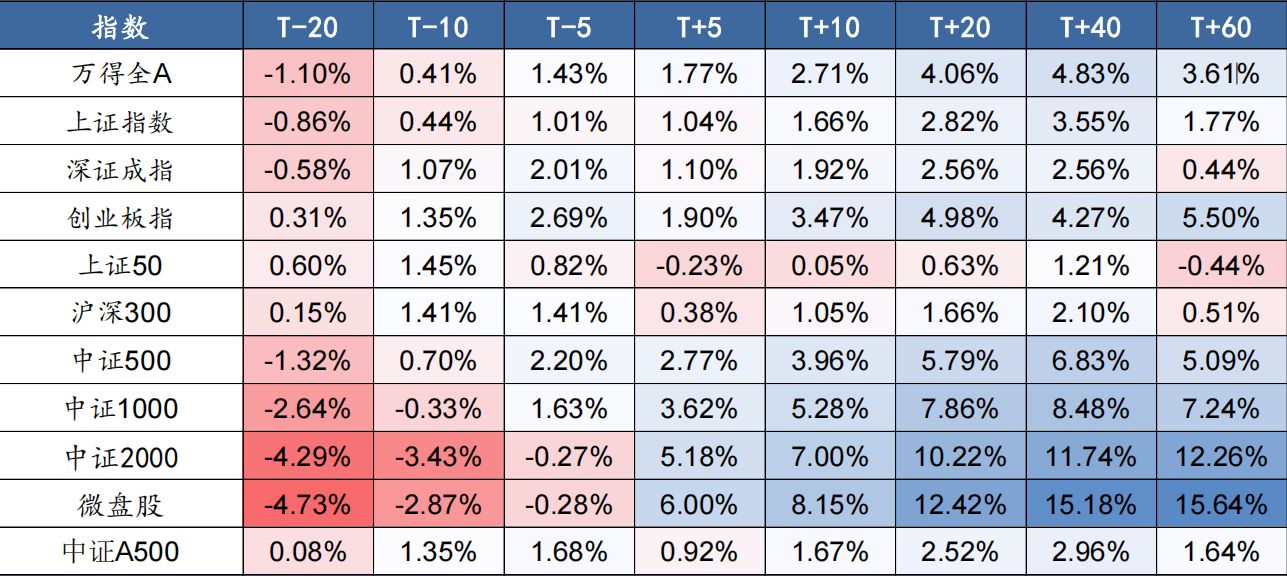
Group 1 - The A-share market experienced a broad increase on the first trading day of the Year of the Horse, with most core indices rising between 1% and 2% [1][2] - The Shanghai Composite Index rose by 0.87% to close at 4117.41 points, returning above the 4100-point mark [2] - The technology sector showed weaker performance, with the Sci-Tech 50 and Sci-Tech 100 indices declining by 0.34% and 1.55%, respectively [2] Group 2 - The market's "opening red" trend is attributed to the overseas markets showing upward trends during the Spring Festival holiday and a recovery demand following a significant adjustment before the holiday [4] - The spring market is expected to continue, with a short-term outlook of sector rotation and upward fluctuations [4] - Historical data since 2010 indicates a high probability of A-shares rising shortly after the Spring Festival, particularly in small-cap indices like the CSI 2000 and micro-cap stocks, which have shown average gains exceeding 10% in the 20 trading days post-holiday [4] Group 3 - The leading sectors today were traditional industries such as petrochemicals, building materials, basic chemicals, non-ferrous metals, coal, and steel, with significant gains [5][6] - The Petrochemical Index surged by 5.53%, while building materials, basic chemicals, and non-ferrous metals indices all rose over 3% [5][6] - In contrast, sectors like AI models, robotics, and consumer goods, which performed well in the Hong Kong market during the holiday, did not reflect similar trends in the A-share market [7] Group 4 - The recent improvement in the Producer Price Index (PPI) and the high valuations in the technology sector have led to a market shift towards traditional sectors [8] - The PPI for January showed a year-on-year decline of 1.4%, with a narrowing drop compared to previous months, indicating a potential recovery in pricing power across various industries [8] - The resource sector, particularly non-ferrous metals, has been a standout performer in the A-share market, with price increases becoming a central theme across multiple sectors [9] Group 5 - Looking ahead to the next 1-2 months, there is optimism for cyclical "old economy" assets, particularly as seasonal economic activities typically rise in March and April [13] - The period following the National People's Congress is expected to see accelerated implementation of macro policies, which could enhance market sentiment towards cyclical sectors [13]
周期板块节后开工及行情展望
2026-02-24 14:16
Summary of Conference Call Records Industry Overview - **Construction Industry**: The total new contracts signed in the construction industry decreased by 6.6% year-on-year to 31.5 trillion yuan, while the market share of the eight major state-owned enterprises increased by approximately 10 percentage points to 51% [1][3]. The industry is undergoing supply clearance and business restructuring, with a shift towards "two buildings" projects benefiting leading state-owned enterprises and their partnered material suppliers [1][4]. - **Non-ferrous Metals**: During the Spring Festival, overseas metal prices generally rose, positively impacting domestic non-ferrous metal stocks. Despite a hawkish stance from the Federal Reserve suppressing precious metal prices, geopolitical tensions in Iran provided upward catalysts [1][5][6]. - **Coal Industry**: Indonesia's production reduction plans are still being implemented, and domestic production may continue to decrease post-Spring Festival. The port inventory is lower than the same period last year, indicating potential price increases in the domestic coal market [1][7][8]. - **Real Estate Market**: Various cities are piloting state-owned enterprises to purchase existing residential properties for rental housing. The second-hand housing market showed stable growth in key cities, although the overall market requires further observation [1][9][10]. Key Insights and Arguments - **Investment Outlook for Construction Materials**: The investment outlook for the construction materials industry in 2026 is optimistic, with a focus on sectors like waterproofing, coatings, and steel structures. The market is expected to stabilize and potentially see positive growth due to significant project funding and early issuance of special bonds [3][4]. - **Energy Sector Performance**: The energy sector performed well during the Spring Festival, with significant price increases in crude oil and coal, providing a positive signal for the domestic coal sector post-holiday [3][8]. - **Market Dynamics in Non-ferrous Metals**: The non-ferrous metals sector is expected to stabilize after a short-term adjustment, with a focus on energy metals and leading companies in the sector [6]. Additional Important Information - **Construction Sector Changes**: The eight major state-owned enterprises have reversed negative growth trends in quarterly orders since Q2 2025, indicating a recovery in demand and market share [4]. - **Coal Supply and Demand**: Historical data suggests that the coal sector typically performs better than the Shanghai and Shenzhen 300 Index post-Spring Festival, leading to an optimistic outlook for coal prices [7][8]. - **Real Estate Policy Changes**: The Chinese government is emphasizing stability in the real estate market, with measures to control inventory and optimize supply, which may influence future market dynamics [9][10]. This summary encapsulates the key points from the conference call records, highlighting the current state and future outlook of the construction, non-ferrous metals, coal, and real estate industries.
廖市无双-节后开盘-A股是否有机会进攻
2026-02-24 14:16
Summary of Conference Call Records Industry Overview - The conference call primarily discusses the A-share market in China, focusing on market trends, sector performance, and investment opportunities post-Chinese New Year [1][2][3]. Key Points and Arguments Market Performance and Trends - The A-share market exhibited a strong oscillation pattern before the Chinese New Year, with the Shanghai Composite Index peaking at 4,142 points, aligning with the expected range of 4,000 to 4,150 points [2][3]. - Major indices failed to break above the 5-week moving average due to large funds suppressing market movements, indicating a preference for maintaining a range-bound market rather than a rapid upward trend [3][5]. - The market is currently in an ABC adjustment structure, with the B phase ongoing, suggesting that a clear upward movement is unlikely until the C phase is completed [9][14]. Sector Performance - Sectors that performed well before the holiday include technology growth, computing, electronics, media, and telecommunications, which are closely related to the mainstream market trends since September 24, 2022 [4]. - The consumer sector, particularly retail and general consumption, saw significant capital outflows, reflecting a lack of investor confidence in economic recovery [7]. - The food and beverage sector is not expected to experience a major upward trend, with a clear bearish pattern observed [8]. Investment Opportunities - Short-term investment strategies are recommended, focusing on sectors with lower price levels and potential for quick gains, such as brokers, building materials, and banks [20]. - The technology growth sector, including AI applications and robotics, may present localized investment opportunities, but significant upward trends are not anticipated [18]. - The first quarter of 2026 may see the non-ferrous metals sector forming a significant bottom, with a notable increase in the index by 97.5 points in 2025 [21]. Market Sentiment and Future Outlook - The market is expected to maintain a high-risk preference in the short term, with potential for continued focus on technology growth sectors, although caution is advised due to the last trading day before the holiday [6][15]. - New funds are advised to wait for clearer investment opportunities post-March, as the current environment does not favor long-term investments [19][16]. - The overall market structure is likely to remain balanced, with a mix of growth and value styles emerging [30]. Other Important Insights - The recent appreciation of the RMB, surpassing 6.89, is seen as beneficial for the A-share market, supporting a positive outlook for capital markets [11]. - The upcoming political events, such as the two sessions in March, are anticipated to provide clearer investment signals [16]. - The historical context of spring market movements suggests a potential for short-term volatility, but with a cautious approach to avoid chasing high prices [28][31]. This summary encapsulates the key insights from the conference call, providing a comprehensive overview of the current state and future outlook of the A-share market and relevant sectors.
宁夏建材:截至2026年2月10日公司股东户数27027户
Zheng Quan Ri Bao Wang· 2026-02-24 11:09
Group 1 - The core point of the article is that Ningxia Building Materials (600449) reported a total of 27,027 shareholders as of February 10, 2026 [1]

A股迎马年开门红
Tebon Securities· 2026-02-24 10:05
Market Overview - The A-share market experienced a strong opening for the Year of the Horse, with the Shanghai Composite Index rising 0.87% to close at 4117.41 points, surpassing the 4100 mark. The Shenzhen Component Index increased by 1.36% to 14291.57 points, and the ChiNext Index rose by 0.99% to 3308.26 points. Over 4000 stocks gained, with a trading volume of 2.22 trillion yuan, an 11% increase from the previous trading day [2][5][7]. Sector Performance - Cyclical sectors led the market rally, with significant gains in oil and petrochemicals (up 5.25%), building materials (up 3.50%), non-ferrous metals (up 3.34%), coal (up 3.14%), and basic chemicals (up 2.85%). Notable stocks included Tongyuan Petroleum and China National Petroleum, which hit the daily limit [5][7]. - AI hardware stocks showed strong performance, with Tianfu Communication rising nearly 13% to a new historical high. The cultivated diamond index surged by 12.05%, indicating a transformative opportunity in the diamond industry for applications in AI chips and new energy vehicles [5][7]. Economic Indicators - The bond market saw a comprehensive rise, with the 30-year main contract closing at 112.96 yuan, up 0.20%. The People's Bank of China conducted a significant reverse repo operation, resulting in a net withdrawal of 926.4 billion yuan, indicating a tightening liquidity environment [7][11]. - The LPR remained unchanged, with the 1-year LPR at 3.0% and the 5-year LPR at 3.5%, reflecting the central bank's focus on targeted measures rather than broad monetary easing [7][11]. Commodity Market - The commodity index rose by 3.05%, led by precious metals, with silver and lithium carbonate increasing by 12.84% and 10.56%, respectively. Crude oil prices also surged, closing at 493.30 yuan per barrel, up 6.18%, driven by geopolitical tensions in the Middle East [7][11]. - The uncertainty surrounding U.S. tariffs has led to a resurgence in precious metal prices, with gold and silver showing strong upward trends [7][11]. Investment Opportunities - The report suggests a balanced allocation in technology and consumer sectors, with a focus on cyclical stocks as the spring market is expected to continue its upward trajectory. Key sectors to watch include photovoltaic technology, commercial aerospace, and non-ferrous metals, which may see new catalysts in the near future [7][11].