汽车行业

Search documents
金十整理:工信部未来重点安排一览
news flash· 2025-07-18 08:33
Group 1: Accelerating Development in Information and Communication Industry - Accelerate the deployment of 5G-A and ten-gigabit optical networks [1] - Promote the synergy between industrial internet and artificial intelligence [1] - Advance the research and development of 6G technology, focusing on the cultivation of application industry ecosystems for 6G [1] - Gradually open up value-added telecommunications services to foreign investment, supporting more foreign enterprises to participate in pilot projects [1] Group 2: Implementing New Round of Growth Stabilization Actions - A new growth stabilization work plan for industries such as machinery, automotive, and power equipment will be issued soon [2] - Continuous implementation of high-quality development plans for copper, aluminum, and gold industries [2] - Work plans for ten key industries including steel, non-ferrous metals, petrochemicals, and building materials will be released shortly [2] - Focus on structural adjustments, supply optimization, and phasing out outdated production capacity in key industries [2] - Accelerate the implementation of "Artificial Intelligence +" actions, promoting the deployment of large models in key manufacturing sectors [2] - Foster innovation and development in future industries such as humanoid robots, metaverse, and brain-computer interfaces, with a proactive layout in new fields and tracks [2] Group 3: Promoting Intelligent and Green Transformation and Upgrading - A digital transformation implementation plan for the automotive industry will be issued [3] - Implementation plans for digital transformation in machinery and power equipment industries will be executed [3] - Digital transformation plans for textiles, light industry, food, and pharmaceuticals are forthcoming [3] Group 4: Supporting Healthy Development of Small and Medium Enterprises - Special actions will be launched to address the issue of overdue payments to small and medium enterprises [4] - Research and revision of the classification standards for small and medium enterprises will be conducted, facilitating tax and fee policies to benefit small and micro enterprises [4] - The establishment of the second phase of the National Small and Medium Enterprises Development Fund will be promoted, attracting more social capital for early, small, long-term, and hard technology investments [4]
涛涛车业: 关于调整2023年限制性股票激励计划授予价格的公告
Zheng Quan Zhi Xing· 2025-07-14 09:18
一、本次激励计划已履行的决策程序 于公司<2023年限制性股票激励计划(草案)>及其摘要的议案》《关于公司<2023 年限制性股票激励计划实施考核管理办法>的议案》及《关于提请股东大会授权 董事会全权办理公司限制性股票激励计划相关事宜的议案》,公司独立董事对本 次激励计划的相关议案发表了独立意见。 证券代码:301345 证券简称:涛涛车业 公告编号:2025-033 浙江涛涛车业股份有限公司 本公司及董事会全体成员保证信息披露内容的真实、准确和完整,没有虚 假记载、误导性陈述或重大遗漏。 浙江涛涛车业股份有限公司(以下简称"公司")于2025年7月14日召开第 四届董事会第七次会议、第四届监事会第五次会议,审议通过了《关于调整2023 年限制性股票激励计划授予价格的议案》。根据公司《2023年限制性股票激励计 划(草案)》(以下简称"本次激励计划"或《激励计划(草案)》)的规定, 董事会同意将2023年限制性股票激励计划的授予价格由24.16元/股调整为22.17 元/股。现将相关事宜公告如下: 于公司<2023年限制性股票激励计划(草案)>及其摘要的议案》《关于公司<2023 年限制性股票激励计划实施考核 ...

2025年6月物价数据点评:6月菜价、油价上涨推动CPI同比转正,PPI同比降幅有所扩大
Dong Fang Jin Cheng· 2025-07-09 06:50
Group 1: CPI Analysis - In June 2025, the CPI increased by 0.1% year-on-year, reversing from a decline of 0.1% in May, with a cumulative year-on-year decline of 0.1% for the first half of the year[1][2] - The main drivers for the CPI increase were a significant narrowing of the year-on-year decline in vegetable prices and a rise in domestic energy prices due to international crude oil price increases[2][3] - The core CPI, excluding volatile food and energy prices, showed a cumulative year-on-year increase of 0.4%, indicating a weak overall price level[3][6] Group 2: PPI Analysis - In June 2025, the PPI decreased by 3.6% year-on-year, widening from a decline of 3.3% in May, with a cumulative year-on-year decline of 2.8% for the first half of the year[1][2][8] - The PPI decline was primarily influenced by weak domestic demand and oversupply, leading to accelerated price declines in coal, steel, and cement[2][9] - The PPI's month-on-month decline remained at 0.4%, consistent with the previous month, marking four consecutive months of such a decline[8][10] Group 3: Future Outlook - The report anticipates that the CPI may return to negative territory in July, likely around -0.2%, due to external economic pressures and high base effects from the previous year[7][12] - The PPI is expected to continue its month-on-month decline in July, but the rate of decline may slightly narrow, with a year-on-year decline projected to remain around -3.6%[12]
帮主郑重:20年老司机教你如何在市场波动中耐心吃肉!
Sou Hu Cai Jing· 2025-07-08 04:48
Market Overview - Recent market volatility has led to a mixed performance, with the Shanghai Composite Index supported by bank stocks while the Shenzhen Component and ChiNext Index experienced significant declines, with trading volume dropping below 1.2 trillion [3] - The current market environment tests investors' patience, as chasing stocks that are rising can lead to losses [3] Investment Strategy - The concept of "patience" is emphasized as crucial for successful investing, likening stock trading to fishing where one must wait for the right moment [3] - A specific investment strategy called "half-position snowball" is introduced, which involves using moving averages for navigation and managing risk through position control [4] - An example is provided where a stock was bought at a lower price during a downturn, leading to a significant profit when the stock rebounded [3][4] Market Signals - Investors are advised to look for specific signals when considering entering or exiting positions, such as volume shrinkage, stabilization candlesticks, and fundamental catalysts for buying, while signs like increased retail investor accounts and media hype indicate selling opportunities [4] - The recent implementation of new regulations on algorithmic trading is expected to reduce short-term market fluctuations, benefiting long-term investors by allowing a return to fundamental analysis [4] International Impact - International developments, such as Trump's threat to impose tariffs on 14 countries, may affect sectors like semiconductors and automotive in the A-share market, but companies with core technologies that can pass on costs may emerge stronger [5] - The importance of patience in holding investments during turbulent times is reiterated, suggesting that true opportunities arise when the market stabilizes [5]



破内卷困局,离不开扩内需支撑
China Post Securities· 2025-07-08 02:57
Group 1: Economic Policy and Trends - The central government is reinforcing "anti-involution" policies to address low nominal economic growth and persistent negative PPI, focusing on eliminating low-price competition and overcapacity[1] - The manufacturing sector's capacity utilization rate was 74.10% at the end of Q1 2025, significantly below the historical average of 7.1% since 2018[16] - The PPI growth rate for coal mining and washing, general equipment, specialized equipment, automotive, and pharmaceuticals is at historically low levels, indicating potential "involution" issues in these sectors[17] Group 2: Industry Impact and Investment Opportunities - Key industries identified for "anti-involution" measures include coal mining, chemical raw materials, non-metallic minerals, and automotive manufacturing, which are expected to undergo significant policy scrutiny[17] - Recent price recovery in coal, rebar, and polysilicon suggests that the market has priced in expectations of "anti-involution" policies, presenting potential investment opportunities if policies align with market expectations[28] - If "anti-involution" policies fall short, there is a risk of price corrections in these industries, necessitating caution for investors[28] Group 3: Risks and Economic Challenges - The report highlights external uncertainties, including global trade tensions and geopolitical conflicts, which could exacerbate economic challenges[4] - The need for coordinated demand expansion policies alongside supply-side reforms is emphasized to mitigate potential structural pain in industrial production and employment[27] - The real estate sector is undergoing significant adjustments, impacting overall investment momentum and economic growth prospects[27]
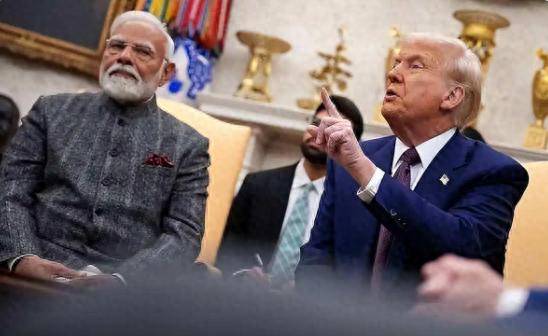
不服就干!印度打响反击第一枪,通告全球,断的就是特朗普退路!
Sou Hu Cai Jing· 2025-07-07 09:51
Core Viewpoint - India has announced retaliatory tariffs on U.S. goods amounting to $725 million, disrupting the U.S. negotiation strategy and signaling India's refusal to be pressured by the U.S. ultimatum [1][12][24] Group 1: Trade Relations - The retaliatory tariffs come just before the expiration of a 90-day grace period set by the U.S. for countries that have not signed trade agreements [3][7] - India has formally notified the WTO of its intention to impose tariffs on U.S. agricultural products, dairy, and industrial goods [12][10] - The U.S. tariffs are expected to impact American exports of almonds, apples, and legumes, particularly affecting Republican strongholds in California and Texas [29] Group 2: Geopolitical Implications - India's response indicates a shift in its national strategy, moving away from dependency on the U.S. and asserting its own interests [12][24] - The ongoing geopolitical tension suggests that if the U.S. continues to pressure India, it may lead to closer ties between India and countries like China and Russia, potentially forming an anti-U.S. coalition [26][24] - The situation reflects a broader global trend where countries are increasingly resisting U.S. unilateralism, as seen with traditional allies like the EU and Japan also pushing back [22] Group 3: Domestic and International Reactions - India's decision to impose tariffs is a significant departure from its usual slow decision-making process, indicating a more assertive stance in international trade [12][9] - The Indian government is motivated by a desire to protect its agricultural sector, which is crucial to its economy and national pride [13][16] - The situation has been influenced by China's experience in handling U.S. trade pressures, serving as a model for India to adopt a more confrontational approach [20]
铂涨了,现在是出手铂的时机吗?
Sou Hu Cai Jing· 2025-07-06 05:40
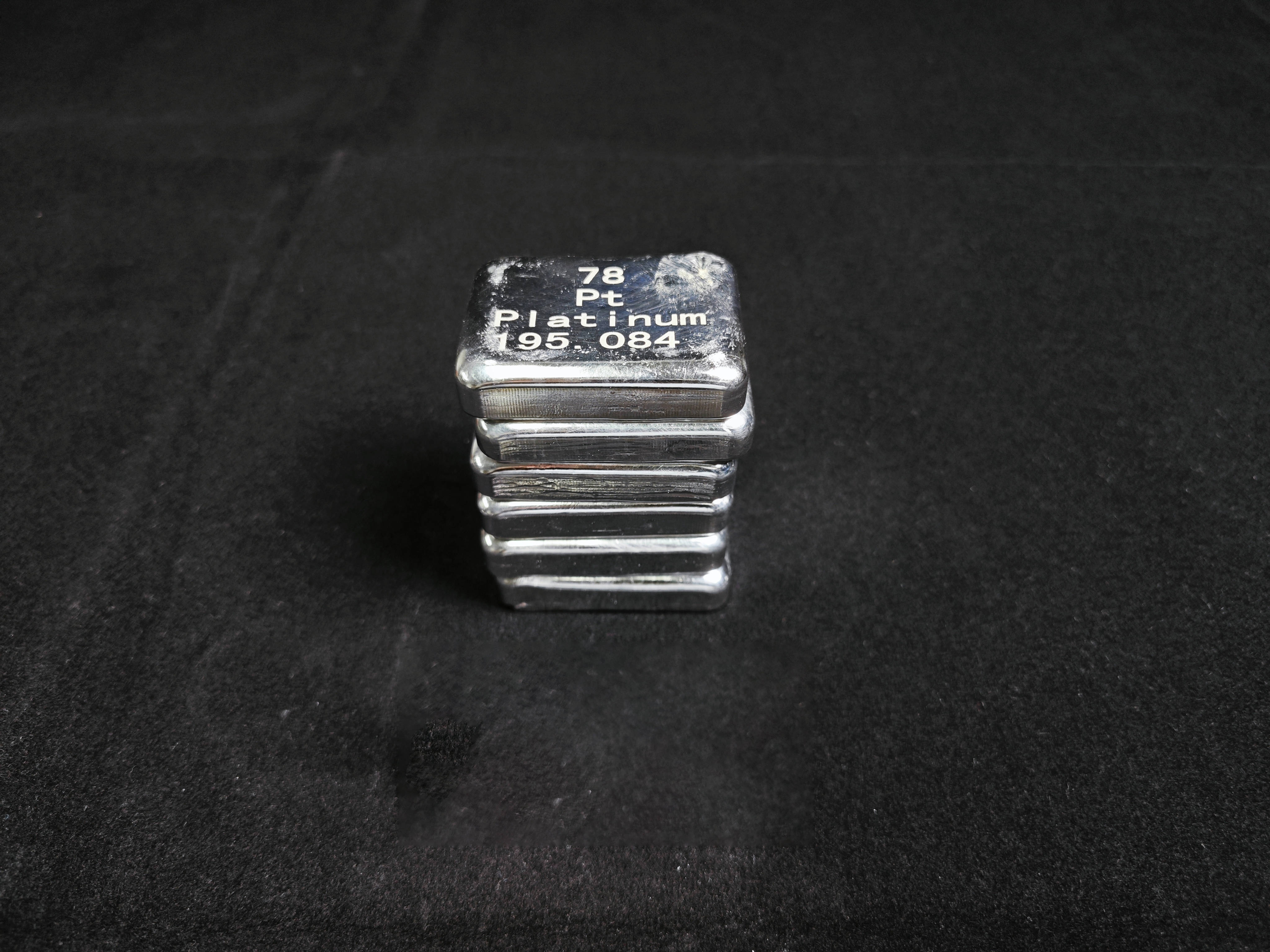
Core Viewpoint - Platinum prices have surged significantly since May 2025, reaching approximately 300 RMB per gram and 1286 USD per ounce, marking a nearly 40% increase year-to-date and a five-year high [1][2]. Group 1: Factors Driving Platinum Price Increase - Supply-side challenges include unstable electricity supply and frequent strikes in South Africa, the largest producer, leading to a noticeable decline in platinum production [2]. - The discovery of new large platinum mines is becoming increasingly difficult, and existing mines are experiencing declining ore grades and rising extraction costs, further constraining supply [2]. - Although recycled platinum can supplement market supply, growth in recycling is slow due to technological limitations and complex recovery channels [2]. Group 2: Demand-Side Support - The jewelry market is shifting towards platinum due to its relative price advantage over gold, with global demand for platinum jewelry expected to grow by 5% to 66 tons by 2025, and a 15% increase in China to 15 tons [5]. - The green hydrogen industry is emerging as a significant demand driver for platinum, as it is essential for proton exchange membrane electrolyzers in hydrogen production [5]. - The automotive sector is undergoing structural changes, with increased demand for platinum from new plug-in hybrid electric vehicles (PHEVs), despite an overall expected decline in global automotive production [6]. Group 3: Market Perspectives - Optimistic analysts predict a supply-demand gap of 41.2 tons in 2025, with supply growth at -0.4% and demand growth at 10.8%, supporting a bullish outlook for platinum prices [9]. - Cautious analysts warn that the current price surge may be driven by speculation and ETF demand rather than fundamental improvements, suggesting potential price corrections if speculative interest wanes [10]. Group 4: Investment Considerations - Investors should assess their investment goals and risk tolerance, considering short-term trading strategies or long-term holding based on macroeconomic conditions and market dynamics [12]. - Monitoring macroeconomic trends and geopolitical stability in major producing countries is crucial, as these factors can significantly impact platinum supply and prices [13]. - Continuous tracking of industry developments in the automotive and green hydrogen sectors is essential, as shifts in these markets can influence platinum demand and pricing [14].
印度在WTO提议就汽车关税问题对美国征收报复性关税
news flash· 2025-07-04 12:46
Core Viewpoint - India has proposed retaliatory tariffs against the United States in response to the U.S. imposing tariffs on the Indian automotive industry under the guise of safeguard measures [1] Group 1: Proposal Details - India has notified the World Trade Organization (WTO) about its intention to suspend tariff concessions and other obligations on specific products originating from the U.S. [1] - The notification is a direct response to the U.S. extending safeguard measures on automotive parts imported from India [1] Group 2: U.S. Tariff Actions - On March 26, the U.S. implemented a 25% tariff on passenger cars, light trucks, and certain automotive parts imported from India [1] - The U.S. did not inform the WTO about these measures, which India argues are essentially safeguard measures [1] Group 3: Legal Context - India contends that the U.S. actions violate the General Agreement on Tariffs and Trade (GATT) of 1994 and the Safeguards Agreement [1]
美日贸易谈判陷入“罗生门”!一边说“稳步前进”,另一边却威胁不断
Jin Shi Shu Ju· 2025-07-04 05:39
Group 1 - Japanese Prime Minister Shigeru Ishiba refuted claims of minimal progress in trade agreement negotiations with the U.S., stating that discussions are advancing steadily and cover a wide range of areas, including non-tariff barriers [1] - U.S. Treasury Secretary Steven Mnuchin indicated that the upcoming July 20 Senate elections in Japan are creating "domestic constraints" on reaching a potential trade agreement, contrasting with Ishiba's optimistic tone [1] - Concerns exist regarding the potential imposition of tariffs up to 35% by the U.S. on Japan, with Ishiba attempting to alleviate fears that Japan will not secure significant concessions from the U.S. [1] Group 2 - Japan is particularly worried about the U.S. imposing a separate 25% industry tariff on its automotive sector, which is a key driver of economic growth and a significant source of employment [2] - Trump has criticized Japan for not purchasing American cars or rice, threatening to raise reciprocal tariffs to 35%, raising concerns that Japan may be targeted in his global trade restructuring efforts [2] - Ishiba countered Trump's claims about Japan's automotive imports and rice purchases, asserting that Japan is the largest investor in the U.S. and creates the most jobs, hoping these contributions will be recognized [2]
中央财经委会议部署六大任务,纵深推进全国统一大市场建设
Di Yi Cai Jing· 2025-07-01 13:55
Group 1 - The construction of a national unified market is essential for enhancing China's comparative advantages and scale effects, thereby increasing economic growth potential [1][2] - The new development pattern emphasizes domestic circulation as the mainstay, which involves smooth supply-demand cycles and the establishment of a unified market to boost demand and improve supply quality and resilience of industrial and supply chains [2][3] Group 2 - The Central Economic Committee has made specific deployments focusing on six key areas, including regulating low-price disorderly competition among enterprises and promoting the integration of domestic and foreign trade [2][4] - The National Development and Reform Commission (NDRC) has established guidelines to create a set of universal action rules and behavior norms for the unified market, clarifying the boundaries of power and the "bottom line" for various regions and departments [3][4] Group 3 - The automotive industry is experiencing a decline in profit margins, with projections indicating a drop to 4.3% in 2024 and further to 3.9% in the first quarter of 2025, which is below the manufacturing average [5] - The ongoing price wars and "involution" competition in the automotive sector are leading to decreased efficiency across the supply chain, which could undermine research and development capabilities and raise quality concerns [7][8] Group 4 - Multiple departments are intensifying efforts to address "involution" competition, aiming to foster effective competition, technological innovation, and market expansion [9][10] - The NDRC is committed to addressing structural issues in key industries through targeted policies and measures, promoting healthy development and quality upgrades [10][11] Group 5 - The ongoing special actions to standardize enterprise-related law enforcement are crucial for optimizing the business environment and stabilizing market expectations, which will help private enterprises to develop confidently [11][12] - The special actions have already identified over 6,200 issues and recovered significant amounts for affected enterprises, indicating a proactive approach to improving regulatory practices [12][13]