铜

Search documents
构建新发展格局:申万期货早间评论-20251021
申银万国期货研究· 2025-10-21 01:06
Core Viewpoint - The article discusses the construction of a new development pattern in China, highlighting the growth of the futures market and the performance of key commodities such as stock indices, precious metals, and copper [1][2][3]. Futures Market Overview - As of October 9, 2025, the total funds in China's futures market reached approximately 2.02 trillion yuan, marking a 24% increase from the end of 2024 [1]. - Client equity in futures companies totaled about 1.91 trillion yuan, also reflecting a 24% growth from the end of 2024 [1]. Stock Indices - The U.S. stock indices rose, with the previous trading day seeing a slight recovery led by the communication sector, while the non-ferrous metals sector lagged [2]. - The market turnover was 1.75 trillion yuan, and as of October 17, the financing balance decreased by 27.3 billion yuan to 2.412835 trillion yuan [2]. - The article suggests that the stock indices are entering a phase of directional choice, with domestic liquidity expected to remain loose and external funds likely to flow into the domestic market due to anticipated Fed rate cuts and RMB appreciation [2]. Precious Metals - Gold and silver prices have been strong, although recent upward momentum has slowed [3]. - The article notes that central banks are increasing gold reserves amid rising global tensions and distrust in the financial system, reinforcing gold's status as a safe-haven asset [3]. - Silver's supply-demand imbalance is highlighted, with potential for increased volatility following rapid price increases [3]. Copper Market - Copper prices rose in the night session, supported by tight concentrate supply and high smelting output [3][20]. - The article mentions that investment in the power grid continues to grow, while real estate remains weak, impacting overall demand for copper [20]. - The potential for a global copper supply gap due to mining issues in Indonesia is expected to support copper prices in the long term [20]. Key Commodities Performance - The article provides insights into various commodities, including palm oil, corn, and lithium carbonate, indicating mixed performance and market dynamics influenced by external factors such as trade tensions and supply chain issues [5][22][28]. International and Domestic News - The U.S. and Australia signed an agreement to enhance the production of rare earths and critical minerals, with over $3 billion planned for investment in key mineral projects [6]. - China's LPR remained unchanged for five consecutive months, reflecting stable policy rates and potential for further monetary easing in response to economic conditions [7]. Industry Developments - The Dalian Commodity Exchange announced the listing of new futures contracts for linear low-density polyethylene, polyvinyl chloride, and polypropylene, expanding the range of tradable products [8]. Market Trends - The article notes that the market is currently cautious, with a focus on upcoming trade talks and the potential impact of U.S. fiscal policies on global markets [3][19]. - The overall sentiment in the commodities market is influenced by macroeconomic factors, including inflation expectations and geopolitical developments [3][19].


三季度中国GDP同比增4.8%,油厂豆粕库存
Dong Zheng Qi Huo· 2025-10-21 00:47
Report Industry Investment Rating No relevant content provided. Core Viewpoints of the Report - The US delays the G7 plan to expand the use of frozen Russian assets, indicating an intention to reduce tensions before Trump meets Putin, leading to a rise in market risk appetite [17]. - Affected by news such as Sino - US negotiations, on October 20, the A - share market rose with shrinking volume. Currently, market liquidity is rapidly contracting, and there is a strong wait - and - see sentiment. Future trends depend on domestic and foreign policy changes [2]. - During the Fourth Plenary Session, there are relatively many policies. It is advisable to be cautious in the short - term. If the market risk preference fails to strengthen, the bond market will turn stronger [25]. - The cost of imported soybeans supports the soybean meal price, but the current supply - demand situation is weak, and sufficient soybean supply is expected in the fourth quarter. The soybean meal futures price is likely to remain volatile [4]. - In September, economic data continued to show structural differentiation. The overall terminal demand was weak, with real estate and infrastructure demand remaining sluggish and manufacturing showing resilience. High pig iron production will suppress the subsequent inventory reduction speed, limiting the upward space for steel prices [5]. - The continuous inventory reduction during the peak season supports the lithium carbonate price, but further upward momentum may depend on unexpected supply - side disruptions [6]. Summary by Directory 1. Financial News and Reviews 1.1 Macro Strategy (Gold) - The US government continues to be shut down. The gold price hit a new high, and overseas gold and silver ETF holdings increased, while the domestic market was weak. Gold is expected to fluctuate at a high level this week, and attention should be paid to the callback risk [13]. - Investment advice: The gold price will fluctuate at a high level in the short - term, and attention should be paid to the callback risk caused by long - position profit - taking [14]. 1.2 Macro Strategy (Foreign Exchange Futures - US Dollar Index) - The US and Australia signed a key minerals agreement, and the US Senate will "pause" the new round of sanctions against Russia. The US delays the G7 plan to expand the use of frozen Russian assets, indicating an intention to reduce tensions before Trump meets Putin, and market risk preference has recovered [15][16][17]. - Investment advice: The US dollar is expected to decline in the short - term [18]. 1.3 Macro Strategy (Stock Index Futures) - China's GDP in the third quarter increased by 4.8% year - on - year. Affected by news such as Sino - US negotiations, on October 20, the A - share market rose with shrinking volume. Currently, market liquidity is rapidly contracting, and there is a strong wait - and - see sentiment [2][19]. - Investment advice: Allocate various stock indices evenly [21]. 1.4 Macro Strategy (Treasury Bond Futures) - The LPR quotation in October remained stable. China's economic data in September showed differentiation. The bond market fluctuated and declined today due to Trump's softened stance towards China, but market risk preference has not been strongly activated [22][23][24]. - Investment advice: Be cautious in short - term trading this week. If market risk preference fails to strengthen, look for opportunities to build long - term long positions at low prices [25]. 2. Commodity News and Reviews 2.1 Black Metal (Steam Coal) - On October 20, the steam coal price in the northern port market was strong. The downstream demand increased last week, and the coal price rose. After the Datong - Qinhuangdao Railway maintenance ends, the supply of port spot will increase, and the coal price increase is expected to narrow this week [26]. - Investment advice: The coal price will remain strong in the short - term [26]. 2.2 Black Metal (Iron Ore) - Fenix Resources' iron ore production in the third quarter increased significantly. The iron ore price continued to be weak and volatile. The terminal orders weakened, the steel mill inventory pressure increased, and the steel mill profit was compressed. It is expected that the pig iron production will decline in November [27]. - Investment advice: The potential for production cuts is approaching. The iron ore price will remain weak in the short - term, but the downward valuation space is limited [27]. 2.3 Agricultural Products (Cotton) - As of October 17, the inspection volume of US cotton was slow. In September, the export unit price of cotton products rebounded slightly month - on - month. China imported 100,000 tons of cotton and 130,000 tons of cotton yarn in September [28][29][30]. - Investment advice: The Zhengzhou cotton futures price has been resistant to decline recently. However, as the new cotton is listed, the hedging pressure will limit the upward space, and the downstream orders are insufficient. Attention should be paid to the new cotton listing, downstream orders, and Sino - US relations [31][32]. 2.4 Agricultural Products (Soybean Meal) - As of October 17, the national port soybean inventory decreased, the soybean inventory of major oil mills increased, the soybean meal inventory decreased, and the unexecuted contracts decreased. In September, China imported 0 tons of soybeans from the US, and the Brazilian soybean planting rate reached 24% [34][35][36]. - Investment advice: Pay attention to the weather in the Brazilian production area and Sino - US relations. The soybean meal futures price is likely to remain volatile [36]. 2.5 Agricultural Products (Soybean Oil/Rapeseed Oil/Palm Oil) - From October 1 to 20, the export volume of Malaysian palm oil increased by 3.4% month - on - month. As of October 17, the domestic palm oil inventory increased slightly [37][38]. - Investment advice: The market lacks driving forces in the short - term and is expected to remain volatile. In the long - term, pay attention to the long - position opportunities of palm oil [39][40]. 2.6 Black Metal (Rebar/Hot - Rolled Coil) - From January to September, China's infrastructure investment increased by 1.1% year - on - year. In the first three quarters, China's steel exports showed different trends, and the real estate investment continued to decline. The overall terminal demand was weak, and the high pig iron production limited the upward space for steel prices [41][42][44]. - Investment advice: Adopt a volatile trading strategy for steel prices in the short - term [46]. 2.7 Agricultural Products (Jujube) - In Xinjiang, jujubes in some areas are in the drying stage. The futures price of the main contract CJ601 fluctuated and closed down today. The price of jujubes in the distribution areas is stable, and merchants purchase goods as needed [47][48]. - Investment advice: Wait and see before the market logic becomes clear. Pay attention to the price game in the production area and downstream consumption [48]. 2.8 Agricultural Products (Corn Starch) - On October 20, the theoretical profits of corn starch enterprises in different regions showed differentiation. In the future, the inventory pressure and production reduction expectations of starch may be mainly concentrated in the Northeast [49]. - Investment advice: The price difference between starch and corn futures is expected to recover after entering the delivery month. The price difference of 01 and 03 contracts is at a low level and is not expected to shrink further [49]. 2.9 Agricultural Products (Corn) - The domestic corn price is rising. Snowy weather and farmers' reluctance to sell have led to a decrease in downstream arrivals. The spot price is expected to decline, while the futures price may enter a volatile bottom - grinding period [50]. - Investment advice: Wait and see in the short - term. Pay attention to the implementation of wheat auction rumors [50]. 2.10 Non - Ferrous Metals (Polysilicon) - In September, China's polysilicon export volume decreased by 28.17% month - on - month. The spot price of polysilicon is expected to remain stable. The terminal demand has weakened marginally since late October, and the silicon wafer price is under pressure [51][52]. - Investment advice: Maintain the view that the spot price will not decline in October. Consider long - position opportunities when the futures price is at a discount to the spot price. Pay attention to the reverse spread opportunity of PS2511 - PS2512 at around - 2000 yuan/ton [53]. 2.11 Non - Ferrous Metals (Industrial Silicon) - In September, China's industrial silicon export volume increased by 7.73% year - on - year. Some silicon plants in the South are expected to reduce production in late October. The inventory is expected to be difficult to reduce in November and will be reduced by 15,000 tons in December [54][55]. - Investment advice: It is more cost - effective to go long on industrial silicon at low prices [55]. 2.12 Non - Ferrous Metals (Lead) - On October 17, the LME0 - 3 lead was at a discount of $41.85/ton. In September, the import of lead concentrates increased month - on - month and decreased year - on - year. The export of lead - acid batteries decreased, and the import increased [55][56]. - Investment advice: Adopt a wait - and - see strategy for single - side trading. Pay attention to the medium - term positive spread opportunity for cross - market trading [56]. 2.13 Non - Ferrous Metals (Zinc) - Vedanta's zinc concentrate production in the third quarter increased by 6%. In September, the export volume of galvanized sheets increased both month - on - month and year - on - year. The import volume of zinc concentrates increased [57][58][60]. - Investment advice: Wait and see for single - side trading. Pay attention to the medium - term positive spread opportunity. Maintain a positive spread trading strategy for cross - market trading and take profits in batches at low prices [61]. 2.14 Non - Ferrous Metals (Nickel) - In September, China's unforged nickel import volume increased significantly, especially from Russia. The short - term macro situation is still volatile. The global visible inventory has increased significantly, and the price is fluctuating above the cash cost. The nickel ore price is expected to rise in the fourth quarter [62]. - Investment advice: Allocation portfolios can consider long - position opportunities at low prices. Speculative portfolios can consider selling near - the - money put options and buying deep - out - of - the - money call options [63]. 2.15 Non - Ferrous Metals (Lithium Carbonate) - In September, China's lithium ore import volume increased by 14.7% month - on - month. The first batch of lithium concentrate from the Bougouni lithium project was shipped. The inventory has been decreasing, which supports the price, but further upward momentum depends on supply - side disruptions [64][66]. - Investment advice: Use range - bound trading in the short - term. Consider short - position opportunities after the demand peaks this year. Pay attention to the reverse spread opportunity of LC2511 - LC2601 and the positive spread opportunity of LC2601 against more distant contracts [67]. 2.16 Non - Ferrous Metals (Copper) - Peru's Las Bambas copper mine is being affected by illegal mining. In September, China's scrap copper import volume increased by 14.84% year - on - year [68][69]. - Investment advice: The copper price is expected to remain volatile at a high level in the short - term. Consider long - position opportunities at low prices for single - side trading. Wait and see for spread trading [70]. 2.17 Energy Chemicals (Liquefied Petroleum Gas) - Guangzhou Petrochemical's partial device maintenance has reduced the liquefied gas production. The East China liquefied gas price has declined due to factors such as fundamental imbalance and falling paper - futures prices [71][72]. - Investment advice: The price is expected to remain volatile in the short - term [73]. 2.18 Energy Chemicals (Crude Oil) - A Russian refinery was affected by a drone attack. The oil price is weak and volatile. Market risk preference supports the oil price, but concerns about supply surplus continue to put pressure on it [74]. - Investment advice: The oil price will remain weak and volatile in the short - term [75]. 2.19 Energy Chemicals (PVC) - The domestic PVC powder market price has been slightly stronger. The downstream procurement enthusiasm is low, and the spot trading is light. The PVC fundamentals remain weak, and the inventory is high [76][77][78]. - Investment advice: The PVC price is expected to remain weak and volatile in the short - term, and the downward space is limited [78]. 2.20 Energy Chemicals (Styrene) - As of October 20, the styrene inventory in the East China main port increased. The styrene price declined, and the inventory is a key issue. The production profit has decreased, and the cost support is not obvious [79]. - Investment advice: Pay attention to the negative feedback of pure benzene downstream products. The styrene industry needs a low - profit level to slow down the inventory accumulation in the main port [80]. 2.21 Energy Chemicals (Asphalt) - As of October 20, the asphalt factory and social inventories decreased. The BU futures price was weak last week, and the spot price continued to decline. The demand recovery is limited, and the weak international oil price may affect the asphalt price [81][82]. - Investment advice: The asphalt price will be volatile in the short - term [83]. 2.22 Energy Chemicals (Soda Ash) - As of October 20, the domestic soda ash factory inventory increased slightly. The soda ash futures price rose and then fell, affected by the bearish sentiment in the glass market. The downstream demand is stable, and the inventory in the delivery warehouse is high [84]. - Investment advice: Adopt a short - selling strategy at high prices for soda ash in the medium - term, and pay attention to the new capacity release [84]. 2.23 Energy Chemicals (Float Glass) - On October 20, the float glass price in the Hubei market declined. The glass futures price continued to fall due to the failure of supply - reduction expectations and the cooling of macro - positive expectations [85]. - Investment advice: Wait and see in the short - term as the market is bearish, but the futures price is at a discount to the spot price, and the risk of short - selling is high [85].
银河期货有色金属衍生品日报-20251020
Yin He Qi Huo· 2025-10-20 11:33
Group 1: Market Outlook for Each Metal Copper - Market Review: On October 20, the Shanghai Copper 2512 contract closed at 85,380 yuan/ton, up 0.73%, with the Shanghai Copper Index adding 6,102 lots to 536,600 lots. Spot copper prices had a stable bottom - support, with Shanghai spot copper at a premium of 60 yuan/ton, up 5 yuan/ton from the previous trading day. Guangdong inventory decreased after the weekend, but downstream procurement was sluggish due to high prices. The North China market was mainly for rigid - demand and long - term order delivery, with low activity [2]. - Logic Analysis: Macro - economically, Sino - US trade relations eased, and the 3rd Plenary Session of the 14th Central Committee was in focus. Fundamentally, supply - side disturbances in copper mines increased, with expectations of processing fees dropping to 0 dollars/ton or lower next year. SMM predicted that the electrolytic copper output in October would drop to 1.0825 million tons, a decrease of 38,500 tons from the previous month. Consumption showed a marginal weakening, but rigid demand was resilient [7]. - Trading Strategy: Adopt a "buy - on - dips" approach, be cautious about chasing high prices. Hold cross - market positive spreads, take profit when the export window opens, and then enter positive spreads again. Consider cross - period positive spreads after domestic inventory starts to decline. Keep options on hold [8]. Alumina - Market Review: The Alumina 2601 contract rose 4 yuan to 2,806 yuan/ton. Spot prices in different regions showed a downward trend, with some regions experiencing price drops [9]. - Logic Analysis: The previous supply - demand surplus in alumina was absorbed by downstream electrolytic aluminum plant stockpiling, but as stockpiling was completed, the surplus became more significant. Some production cuts and maintenance started in October, and more were expected in November [12]. - Trading Strategy: Alumina is expected to oscillate at a low level in the short term. Keep an eye on supply - side changes. Temporarily hold off on arbitrage and options trading [13]. Electrolytic Aluminum - Market Review: The Shanghai Aluminum 2512 contract fell 80 yuan to 20,910 yuan/ton, with positions decreasing by 8,272 lots to 487,400 lots. Spot prices in different regions also declined [14]. - Logic Analysis: Sino - US officials' communication improved market sentiment. Economic data releases and important Chinese meetings were in focus. Fundamentally, consumption resilience supported prices [17]. - Trading Strategy: With improved macro - expectations, take a "buy - on - dips" approach to aluminum prices, be cautious about chasing high prices. Temporarily hold off on arbitrage and options trading [18]. Cast Aluminum Alloy - Market Review: The Cast Aluminum Alloy 2512 contract fell 125 yuan to 20,350 yuan/ton, with positions increasing by 107 lots. Spot prices in different regions remained stable [22]. - Logic Analysis: Sino - US officials' communication improved market sentiment. The tight supply of scrap aluminum supported costs, but high social inventory and warehouse receipts might suppress the upside. The price was expected to remain strong in the short term [26]. - Trading Strategy: With improved tariff panic, take a "buy - on - dips" approach to aluminum alloy prices, which are expected to strengthen in the medium - term. Temporarily hold off on arbitrage and options trading [27]. Zinc - Market Review: The Shanghai Zinc 2512 contract fell 0.34% to 21,850 yuan/ton, with the Shanghai Zinc Index adding 7,322 lots to 236,600 lots. Spot trading in Shanghai was mainly among traders, with downstream enterprises having low purchasing enthusiasm [30]. - Logic Analysis: At the mine end, import losses of zinc ore increased, and domestic processing fees declined. At the smelting end, although profits were narrowed, smelters' enthusiasm remained high. Consumption was expected to weaken as the traditional peak season passed. An external - strong and internal - weak pattern was likely to continue [35]. - Trading Strategy: Partially liquidate profitable short positions and re - short at high prices. Temporarily hold off on arbitrage and options trading [37]. Lead - Market Review: The Shanghai Lead 2512 contract rose 0.12% to 17,090 yuan/ton, with the Shanghai Lead Index adding 1,361 lots to 81,300 lots. Spot prices increased slightly, and downstream battery manufacturers had a certain purchasing willingness [39]. - Logic Analysis: With the resumption of production of secondary lead and the increase in primary lead production in mid - to - late October, lead supply might increase, and prices were at risk of falling [41]. - Trading Strategy: Hold profitable short positions and add short positions at high prices. Temporarily hold off on arbitrage and sell out - of - the - money call options [42]. Nickel - Market Review: The Shanghai Nickel main contract NI2512 fell 630 yuan to 120,860 yuan/ton, with the index adding 7,691 lots. Spot premiums of Jinchuan nickel increased, while those of Russian nickel and electrowinning nickel remained stable [44]. - Logic Analysis: The macro - environment became more volatile. Although nickel ore prices provided cost support, the supply - demand surplus was difficult to reverse. Nickel prices were expected to oscillate widely with a downward trend [47]. - Trading Strategy: Short when prices rebound to the upper limit of the oscillation range. Temporarily hold off on arbitrage and sell a wide - straddle combination of the 2512 contract [48]. Stainless Steel - Market Review: The Stainless Steel main contract SS2512 fell 20 yuan to 12,595 yuan/ton, with the index reducing 5,239 lots. Spot prices of cold - rolled and hot - rolled stainless steel were at certain levels [52]. - Logic Analysis: The spot price was below the steel mill's cost. Terminal demand in October was still not optimistic, and steel mills might further cut production. Stainless steel was likely to remain in a weak - oscillation pattern [53]. - Trading Strategy: Expect weak oscillations. Temporarily hold off on arbitrage [56]. Tin - Market Review: The Shanghai Tin 2511 contract closed at 279,340 yuan/ton, down 2,040 yuan/ton or 0.72%, with positions decreasing by 1,300 lots to 63,665 lots. Spot prices were stable, and downstream purchasing improved slightly [59]. - Logic Analysis: Trade uncertainties and concerns in the US credit market pressured LME metals. Although Indonesia cracked down on illegal mining, the impact on tin production was limited. Supply was still tight, and demand recovered slowly. Tin prices were expected to oscillate weakly [61]. - Trading Strategy: Tin prices may oscillate weakly in the short term due to macro - disturbances. Temporarily hold off on options trading [62]. Industrial Silicon - Logic Analysis: In November, polysilicon production cuts would be negative for industrial silicon demand. Before large - scale production cuts in Southwest industrial silicon plants, there was a slight surplus, and prices were under pressure in the short term. In the medium term, price support might appear after production cuts in November [67]. - Strategy Suggestion: Industrial silicon prices are expected to be weak in the short term. Wait for a full correction. There are no arbitrage and option strategies for now [68]. Polysilicon - Logic Analysis: In November, leading manufacturers' production cuts would significantly improve the supply - demand balance. Currently, with no further news on capacity integration, some funds left the market, and the futures price might correct further [75]. - Strategy Suggestion: Avoid long positions in the short term. Hold reverse spreads of the 2511 and 2512 contracts with a target range of (- 3300, - 3000). Adjust the previous double - buying strategy, take profit on the put option and hold the call option [77]. Lithium Carbonate - Market Review: The Lithium Carbonate 2601 contract rose 40 yuan to 75,940 yuan/ton, with the index adding 387 lots and the Guangzhou Futures Exchange warehouse receipts increasing by 19 to 30,705 tons. Spot prices increased [81]. - Logic Analysis: Lithium carbonate prices rose, and lithium ore prices also increased. Although imports in September decreased, demand was strong, and prices might rise further if supply risks occurred [83]. - Trading Strategy: Adopt a "buy - on - dips" approach. Temporarily hold off on arbitrage and sell out - of - the - money put options [86]. Group 2: Important Industry Data Copper - Inventory: As of October 20, SMM national mainstream copper inventory increased by 9,100 tons to 186,600 tons compared to last Thursday. Imported copper supply was expected to continue, while domestic supply was expected to decrease. Consumption was expected to slightly recover, and weekly inventory might decrease [3]. - Production: Zijin Mining's copper production from January to September was 830,000 tons, up 5% year - on - year. In Q3, production was 260,000 tons, down 6% quarter - on - quarter [6]. - Trade: In September 2025, China's copper ore and concentrate imports were 2,586,873.52 tons, down 6.24% month - on - month but up 6.43% year - on - year. Refined copper imports were 374,075.58 tons, up 21.76% month - on - month and 7.44% year - on - year [3][4]. Alumina - Inventory: As of October 16, the national alumina inventory was 4.017 million tons, up 115,000 tons from the previous week. Some electrolytic aluminum plants increased long - term order execution and spot purchases, but transportation issues affected inventory distribution [11]. - Trade: In September 2025, China exported 246,000 tons of alumina, up 36.5% month - on - month and 82.3% year - on - year; imported 60,000 tons, down 36.4% month - on - month but up 61.7% year - on - year [11]. Electrolytic Aluminum - Inventory: On October 20, China's aluminum ingot spot inventory was 620,000 tons, up 5,000 tons from last Thursday [16]. - Production: From January to September, real estate development data showed a decline in construction area, new construction area, and completion area [16]. Zinc - Inventory: As of October 20, the total inventory of zinc ingots in seven major regions monitored by SMM was 165,300 tons, up 2,200 tons from October 13 and 2,600 tons from October 16 [31]. - Trade: In September 2025, China imported 505,400 tons of zinc concentrates, up 8.15% month - on - month and 24.94% year - on - year; imported 22,700 tons of refined zinc, down 11.6% month - on - month and 57% year - on - year [31][32]. Lead - Inventory: As of October 20, the total social inventory of lead ingots in five major regions monitored by SMM was 37,700 tons, up 1,800 tons from October 13 [40]. - Trade: In September 2025, lead concentrate imports increased 11.72% month - on - month but decreased 7.21% year - on - year. Refined lead exports decreased 46% month - on - month, and imports decreased 17.17% month - on - month [40]. Lithium Carbonate - Trade: In September 2025, China imported 19,596.90 tons of lithium carbonate, down 10.30% month - on - month but up 20.49% year - on - year; exported 150.82 tons, down 59.12% month - on - month and 9.08% year - on - year [82].
高波动率下金银或迎来调整,耐心等待买入时机 | 投研报告
Zhong Guo Neng Yuan Wang· 2025-10-20 07:01
Group 1: Precious Metals - Precious metals continue to show strength, with COMEX gold rising by 5.76% and COMEX silver by 6.55% this week [1][2] - The main trading theme this week is recession, with the ten-year U.S. Treasury yield dropping below 4%, primarily due to renewed tariff expectations from Trump [1][2] - Short-term volatility for Shanghai gold and silver is high, with Shanghai gold volatility reaching 30% and silver exceeding 40%, suggesting a potential adjustment [1][2] - Long-term outlook remains positive for precious metals due to ongoing de-dollarization and inflows into ETFs amid short-term rate cut expectations [2] Group 2: Copper - Copper prices rebounded this week, with LME copper increasing by 2.25% due to tariff expectations leading to overselling [2] - Despite a recent price increase, downstream demand has shown some pressure, with a decline in operating rates for copper rods [2] - Supply disruptions from Freeport and Teck Resources are expected to create a tight supply-demand situation for copper by 2026, suggesting a buy on dips strategy [2] Group 3: Aluminum - Shanghai aluminum prices fell by 0.33% this week, facing pressure from tariff impacts similar to copper [3] - As the traditional peak season progresses, aluminum water ratios are expected to rise, although cost support continues to weaken [3] - Domestic aluminum processing enterprises recorded an average operating rate of 62.5%, down 1.4 percentage points year-on-year [3] Group 4: Cobalt - Cobalt prices surged this week, with significant weekly increases in various cobalt compounds, driven by supply concerns following Congo's export quota announcement [4] - The anticipated supply tightness is expected to persist, with a widening supply-demand gap projected for 2026-2027, indicating substantial price upside potential [4] Group 5: Rare Earths - Rare earth prices declined this week due to increased production of certain oxides, despite a reduction in raw material output [4] - Future supply constraints are expected due to tightened export controls, which may support rare earth prices [4] - Continued development in energy-efficient appliances, electric vehicles, and humanoid robots is expected to create upward price momentum [4] Group 6: Investment Recommendations - Companies to watch include Shengda Resources, Xingye Silver Tin, Chifeng Gold, Shenhuo Co., and Zijin Mining [5]
金价跳水,是倒车接人吗?后市怎么看?中美贸易摩擦缓和+俄乌地缘局势进展,避险情绪减弱!
Xin Lang Ji Jin· 2025-10-20 06:53
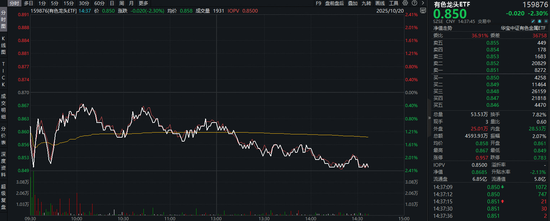
Core Viewpoint - The easing of US-China trade tensions and progress in the Russia-Ukraine situation have led to a decline in gold prices, which fell below $4,300 per ounce, impacting the A-share market and causing significant losses in gold stocks [1][3]. Group 1: Market Reactions - Gold stocks led the decline in the A-share market, with the ETF tracking leading non-ferrous metal companies dropping 2.3% [1]. - Major gold companies such as Western Gold and Chifeng Jilong Gold experienced declines exceeding 9% and 7%, respectively [1]. - Conversely, companies like Chuangjiang New Material and Yahua Group saw gains of over 6% and 1%, respectively [1]. Group 2: Economic Indicators - A video call between US and Chinese trade representatives on October 18 indicated a willingness to resume trade negotiations, contributing to the easing of market tensions [3]. - Ukrainian President Zelensky expressed readiness to participate in a meeting with US President Trump and Russian President Putin, signaling potential diplomatic progress [3]. Group 3: Gold Market Analysis - Despite the recent drop, Bank of America noted that gold assets still represent a low percentage of global investment portfolios, at 2.3% for institutions and 0.5% for private clients, indicating a lack of overcrowding in the market [3]. - The World Gold Council reported that retail gold investment accounts for less than 2% of global assets, and central bank gold reserves are below 30% of total foreign reserves, both far from historical highs [3]. Group 4: Non-Ferrous Metals Outlook - Analysts suggest focusing on the entire non-ferrous metals sector rather than solely on gold, as sectors like rare earths, lithium, and copper show promising growth potential [3][4]. - Rare earth companies are expected to report significant profit increases, with North Rare Earth projecting a net profit growth of 272.54%-287.34% for Q3 [3]. - In lithium, advancements in solid-state battery technology are anticipated to boost demand, with leading companies maintaining a self-sufficiency rate of over 50% in lithium salt production [4]. - Copper prices are expected to rise due to supply disruptions, particularly from the Grasberg mine in Indonesia, which is crucial for energy transition and new production capabilities [4]. Group 5: Investment Strategy - The non-ferrous metals sector is viewed as a key player in the current commodity bull market, driven by long-term capital expenditure cycles and increasing demand for strategic metal resources [4][6]. - The non-ferrous metal ETF (159876) offers a diversified investment approach, tracking an index with significant weightings in copper, gold, aluminum, rare earths, and lithium, thus reducing risk compared to investing in a single metal [6].
有色金属基础周报:宏观不确定延续,有色金属整体维持震荡-20251020
Chang Jiang Qi Huo· 2025-10-20 05:30
1. Report Industry Investment Rating No specific industry investment rating is provided in the report. 2. Core Viewpoints of the Report - The macro - factors still have a significant impact on copper prices. Although there is a slight divergence within the Fed on the future interest - rate cut pace, the probability of a rate cut remains high. Geopolitical factors and trade issues increase market risk sentiment. In the short term, macro - risks put pressure on copper prices, but the long - term supply - demand outlook for copper is optimistic. For aluminum, alumina, zinc, lead, nickel, stainless steel, tin, industrial silicon, polycrystalline silicon, and lithium carbonate, the prices are affected by various factors such as supply, demand, and inventory, and different trading strategies are recommended accordingly [2][3]. 3. Summary by Related Catalogs 3.1 Macro - economic Data - **10/13 - 10/19 Economic Data**: China's September exports and imports in US dollars increased by 8.3% and 7.4% year - on - year respectively, exceeding expectations. The eurozone's October ZEW economic sentiment index was 22.7. The US September NFIB small - business optimism index was 98.8%. China's September CPI was - 0.3% year - on - year, and PPI was - 2.3% year - on - year. The US September government budget was 198 billion US dollars [12]. - **10/20 - 10/26 Forecast Data**: Forecasts include China's October LPR, real estate development investment, fixed - asset investment, industrial added value, and consumer retail sales, as well as data from the UK, the US, and the eurozone such as CPI, PMI, and consumer confidence index [21]. 3.2 Metal Market Analysis 3.2.1 Copper - **Price Trend**: High - level shock adjustment, with the price range of 83,000 - 87,000. - **Supply and Demand**: Domestic smelter maintenance continues, output is at a low level, but recycled copper supply has rebounded. High copper prices suppress domestic consumption, and new orders are limited. Export windows are open, and domestic inventory accumulation is not significant. - **Trading Strategy**: It is recommended to hold a small number of long positions on dips and conduct range - bound trading [2]. 3.2.2 Aluminum - **Price Trend**: High - level shock, with the price range of 20,700 - 21,200. - **Supply and Demand**: The mainstream transaction price of Guinea's bulk ore decreased. Alumina production capacity decreased, and inventory increased. The operating capacity of electrolytic aluminum decreased slightly. The demand in the peak season was weak, and high aluminum prices restricted the increase in downstream processing. - **Trading Strategy**: It is recommended to build long positions on dips. For alumina, it is recommended to sell out - of - the - money put options [2]. 3.2.3 Zinc - **Price Trend**: Oscillatory decline, with the price range of 21,500 - 22,500. - **Supply and Demand**: Domestic refined zinc production remains at a high level, and overseas LME zinc inventory reduction supports LME zinc prices. Terminal consumption is weak, and inventory has reached a new high this year. - **Trading Strategy**: It is recommended to conduct range - bound short - biased trading [2]. 3.2.4 Lead - **Price Trend**: Sideways shock, with the price range of 17,000 - 17,300. - **Supply and Demand**: Supply is generally stable, and the consumption of recycled lead is weak. After the holiday, affected by production resumption and positive news, the market sentiment is optimistic, but the rise may be delayed due to Sino - US trade frictions. - **Trading Strategy**: It is recommended to buy on dips within the range of 16,900 - 17,300 and conduct range - bound trading [2]. 3.2.5 Nickel - **Price Trend**: Range - bound shock, with the price range of 118,000 - 122,000. - **Supply and Demand**: Macro - factors such as Sino - US trade frictions affect nickel prices. Nickel is in a surplus pattern, and the price of nickel ore is firm. The downstream stainless steel market is weak, and the cost of nickel sulfate has increased. - **Trading Strategy**: It is recommended to hold short positions on rallies [3]. 3.2.6 Stainless Steel - **Price Trend**: Range - bound decline. - **Supply and Demand**: Supply has been restored, and downstream demand is weak. - **Trading Strategy**: It is recommended to conduct range - bound trading [3]. 3.2.7 Tin - **Price Trend**: Overall oscillatory upward, with the price range of 265,000 - 285,000. - **Supply and Demand**: Supply is expected to improve, but downstream consumer electronics and photovoltaic consumption are weak. The short - term tariff increase expectation is negative for tin prices. - **Trading Strategy**: It is recommended to conduct range - bound trading and pay attention to supply resumption and downstream demand recovery [3]. 3.2.8 Industrial Silicon - **Price Trend**: Oscillatory adjustment, with the price range of 8,200 - 9,300. - **Supply and Demand**: Production and inventory have increased. The production of polycrystalline silicon has increased, and the production of organic silicon intermediates has decreased. - **Trading Strategy**: It is recommended to conduct range - bound trading or wait and see [3]. 3.2.9 Polycrystalline Silicon - **Price Trend**: High - level wide - range shock, with the price range of 48,000 - 56,000. - **Supply and Demand**: The production and inventory of polycrystalline silicon have increased. The production of photovoltaic industry chain links has different trends. - **Trading Strategy**: It is recommended to conduct range - bound trading or wait and see [3]. 3.2.10 Lithium Carbonate - **Price Trend**: Oscillatory stabilization, with the lower support at 72,000. - **Supply and Demand**: Supply and demand are in a tight balance. The demand for energy storage terminals is good, and the production schedule of large - scale battery cells and cathode materials has increased. - **Trading Strategy**: It is recommended to trade with caution and pay attention to the progress of mining rights in Yichun and the resumption of production of lithium mines [3].
北方铜业涨2.23%,成交额4.23亿元,主力资金净流入1107.92万元
Xin Lang Cai Jing· 2025-10-20 02:33
Core Viewpoint - Northern Copper's stock price has shown significant volatility, with a year-to-date increase of 108.58% but a recent decline of 7.82% over the last five trading days [2] Group 1: Stock Performance - As of October 20, Northern Copper's stock price rose by 2.23% to 16.04 CNY per share, with a trading volume of 4.23 billion CNY and a market capitalization of 305.52 billion CNY [1] - The stock has experienced a 17.68% increase over the past 20 days and a 48.38% increase over the past 60 days [2] Group 2: Financial Performance - For the first half of 2025, Northern Copper reported a revenue of 12.811 billion CNY, reflecting a year-on-year growth of 3.13%, and a net profit attributable to shareholders of 487 million CNY, up by 5.87% [3] Group 3: Shareholder Information - As of October 10, the number of shareholders increased to 189,200, up by 18.88%, while the average number of circulating shares per person decreased by 15.88% to 10,065 shares [3] - The company has distributed a total of 601 million CNY in dividends since its A-share listing, with 387 million CNY distributed over the last three years [4] Group 4: Ownership Structure - As of June 30, 2025, Hong Kong Central Clearing Limited was the seventh-largest circulating shareholder with 11.309 million shares, a decrease of 13.578 million shares from the previous period [4] - The Southern CSI 1000 ETF entered the top ten circulating shareholders with 8.796 million shares [4]

云南铜业涨2.02%,成交额6.43亿元,主力资金净流入1079.64万元
Xin Lang Zheng Quan· 2025-10-20 02:25
Core Viewpoint - Yunnan Copper's stock price has shown significant volatility, with a year-to-date increase of 52.13%, but a recent decline of 4.57% over the last five trading days [1] Group 1: Stock Performance - As of October 20, Yunnan Copper's stock price rose by 2.02% to 18.18 CNY per share, with a trading volume of 643 million CNY and a turnover rate of 1.79%, resulting in a total market capitalization of 36.426 billion CNY [1] - The stock has experienced a 52.13% increase year-to-date, a 4.57% decrease in the last five trading days, an 8.93% increase over the last 20 days, and a 40.17% increase over the last 60 days [1] Group 2: Financial Performance - For the first half of 2025, Yunnan Copper reported a revenue of 88.913 billion CNY, representing a year-on-year growth of 4.27%, and a net profit attributable to shareholders of 1.317 billion CNY, which is a 24.32% increase compared to the previous year [2] Group 3: Shareholder Information - As of September 30, the number of shareholders for Yunnan Copper was 167,500, a decrease of 0.94% from the previous period, while the average number of circulating shares per person increased by 0.95% to 11,965 shares [2] - Since its A-share listing, Yunnan Copper has distributed a total of 4.019 billion CNY in dividends, with 1.944 billion CNY distributed over the last three years [3] - As of June 30, 2025, the largest circulating shareholder was Hong Kong Central Clearing Limited, holding 33.0629 million shares, a decrease of 10.1395 million shares from the previous period [3]

特朗普会见泽连斯基,印尼能矿部恢复4家企业的采矿许可证
Dong Zheng Qi Huo· 2025-10-20 00:44
1. Report Industry Investment Ratings No specific industry investment ratings are provided in the report. 2. Core Views of the Report - **Financial Markets**: - Gold: Short - term price is in a volatile phase, with a risk of decline. [14][15] - U.S. Stock Index Futures: Market risk preference is expected to improve, but volatility remains high. It is recommended to take a bullish approach and buy on dips. [21] - Treasury Bond Futures: The bond market has strengthened, but risks exist. It is recommended to take a cautious approach in short - term trading. [27][29] - Foreign Exchange Futures (USD Index): The USD is expected to be volatile in the short term. [18][19] - Stock Index Futures: It is recommended to allocate evenly among various stock indices. [25] - **Commodity Markets**: - Agricultural Products: - Sugar: ICE raw sugar is not expected to continue to decline significantly. Zhengzhou sugar is expected to be weak and volatile in the short term, and excessive short - selling is not recommended. [36][37] - Cotton: The upside of Zhengzhou cotton is limited, and it is under pressure in the short term. [41][42] - Soybean Meal: The price of soybean meal is expected to be weak and volatile. [47] - Corn Starch: The price difference between rice and flour may be repaired when approaching delivery. [51] - Red Dates: It is recommended to wait and see before the red dates are harvested and priced. [54] - Corn: The 11 - contract is expected to decline, and the 01 - contract should be approached with a short - term bearish and long - term bullish strategy. [55] - Black Metals: - Rebar/HRC: Steel prices are expected to be volatile and weak in the short term, and a volatile approach is recommended. [45][46] - Coking Coal/Coke: The price of coking coal in the Changzhi market is expected to be stable and slightly strong in the short term, but the sustainability of demand needs to be observed. [49][50] - Non - ferrous Metals: - Copper: The price of copper is expected to be volatile in the short term. It is recommended to wait for opportunities to buy on dips for mid - term long positions. [57][58] - Polysilicon: It is expected that the spot price will remain flat in October. It is not recommended to chase the rise, and attention should be paid to buying on dips when the price is at a discount to the spot. [61][62] - Industrial Silicon: It is more cost - effective to buy on dips. [64] - Lead: Unilateral trading should be observed with a volatile perspective, and mid - term positive spreads between domestic and foreign markets can be considered. [65][66] - Zinc: It is recommended to wait and see for unilateral trading, and pay attention to mid - term positive spreads for arbitrage. [68] - Lithium Carbonate: Short - term trading should be range - bound, and mid - term short - selling opportunities should be considered after the peak demand season. [69][70] - Nickel: It is recommended for the allocation portfolio to buy mid - to long - term long positions on dips, and for the speculative portfolio to consider selling near - the - money puts and buying deep - out - of - the - money calls. [72][73] - Energy Chemicals: - Carbon Emissions: CEA is expected to be volatile and weak in the short term. [74][75] - Crude Oil: The price of crude oil is expected to be volatile and bearish in the short term. [75][76] - Methanol: It is recommended to wait and see. [77][78] - PVC: The price is expected to be volatile and weak in the short term, and the downside space is limited. [80] - Caustic Soda: The price of caustic soda futures is expected to be weak in the short term. [82] - Bottle Chips: The supply - demand contradiction may accumulate in the fourth quarter, and there is pressure on the processing fee. [85] - Urea: It is not recommended to be overly bearish when the 2601 contract falls below 1600 yuan/ton. [88] - Soda Ash: A mid - term strategy of shorting on rallies is recommended, and attention should be paid to the progress of new capacity. [90] - Float Glass: It is recommended to pay attention to the opportunity of long glass and short soda ash when the spread widens. [92] - Shipping Index: For the 12 - contract, continue to pay attention to low - buying opportunities, and pay attention to risk management due to geopolitical disturbances. [94][95] 3. Summary by Directory 1. Financial News and Comments 1.1 Macro Strategy (Gold) - **News**: Trump met with Zelensky, and the Shanghai Futures Exchange raised the margin for precious metals. [13][14] - **Comment**: Gold prices fluctuated sharply on Friday, reaching a new high before falling back. The market's bullish sentiment cooled down, and profit - taking occurred. Short - term gold is overbought, and attention should be paid to the risk of decline. [14] - **Investment Advice**: Gold prices will enter a volatile phase in the short term, and attention should be paid to the risk of decline. [15] 1.2 Macro Strategy (Foreign Exchange Futures - USD Index) - **News**: The Bank of Japan's governor did not disclose whether to raise interest rates before the October policy meeting. The ECB's Lagarde advocated a unified approach to Russian assets. Trump urged Zelensky to accept a cease - fire. [16][17] - **Comment**: Trump pressured Ukraine to end the conflict, but a cease - fire along the current front line faces significant resistance. The USD is expected to be volatile in the short term. [18] - **Investment Advice**: The USD is expected to be volatile in the short term. [19] 1.3 Macro Strategy (U.S. Stock Index Futures) - **News**: Trump signed an executive order to impose tariffs on imported trucks, and Fed's Musalem supported a rate cut in October. [20][21] - **Comment**: With the start of the earnings season, the profit forecast of U.S. stocks has been revised upwards, and the risk of regional banks has not further spread. The Sino - U.S. negotiation situation has improved marginally, which is positive for risk assets. U.S. stocks may continue to recover their previous losses next week. [21] - **Investment Advice**: It is expected that market risk preference will continue to improve, but volatility remains high. A bullish approach should be taken, and buying on dips is recommended. [21] 1.4 Macro Strategy (Stock Index Futures) - **News**: Vice - Premier He Lifeng held a video call with U.S. officials, and the Ministry of Finance announced measures to consolidate economic recovery. [22][23] - **Comment**: Tariff escalation has a long - tail effect. Next week, attention should be paid to the progress of Sino - U.S. negotiations and the Fourth Plenary Session. Stock indices are in a high - level volatile pattern. [24][25] - **Investment Advice**: It is recommended to allocate evenly among various stock indices. [25] 1.5 Macro Strategy (Treasury Bond Futures) - **News**: The central government allocated 500 billion yuan from the local government debt balance limit, and the central bank conducted 164.8 billion yuan of 7 - day reverse repurchases. [26][27] - **Comment**: The bond market has strengthened as expected, but risks exist. It is recommended to realize the floating profits of some unilateral trading positions next week. [27] - **Investment Advice**: A cautious approach is recommended for short - term trading. [29] 2. Commodity News and Comments 2.1 Agricultural Products (Soybean Oil/Rapeseed Oil/Palm Oil) - **News**: The actual soybean crushing volume of domestic oil mills in the 42nd week was 2.1662 million tons, and the expected volume in the 43rd week is 2.3335 million tons. [30] - **Comment**: The palm oil market lacks a clear driver, and the soybean oil market lacks data and policy guidance and continues to fluctuate. [30] - **Investment Advice**: For palm oil, pay attention to production, inventory, and replenishment in India. A long - allocation approach is recommended. Soybean oil is expected to fluctuate, and rapeseed oil is recommended to be observed. [30][31] 2.2 Agricultural Products (Sugar) - **News**: The Philippines suspended sugar imports until the end of the 2025/26 season. China's cumulative sugar imports in the 2024/25 season were 4.63 million tons. The number of sugar - carrying ships in Brazilian ports increased to 90. Brazilian sugar production in the second half of September was 3.14 million tons, a year - on - year increase of 10.8%. [32][33][34][35] - **Comment**: Brazilian sugar production is strong, but the sugar - making ratio has declined for three consecutive weeks, indicating that sugar mills are more willing to produce ethanol. ICE raw sugar is not expected to continue to decline significantly. [36] - **Investment Advice**: Zhengzhou sugar is expected to be weak and volatile in the short term, and excessive short - selling is not recommended. [37] 2.3 Agricultural Products (Cotton) - **News**: The cumulative public inspection of Xinjiang cotton was 560,000 tons, a year - on - year increase of 124%. India's cotton production and imports were adjusted. Cotton prices stabilized, and the downstream market was weak. [38][39][40] - **Comment**: The purchase price of Xinjiang seed cotton is stable, which supports Zhengzhou cotton. However, the pressure of hedging and weak downstream demand limit the upside. [41] - **Investment Advice**: The upside of Zhengzhou cotton is limited, and it is under pressure in the short term. [42] 2.4 Black Metals (Rebar/HRC) - **News**: China's shipbuilding indicators ranked first globally in the first three quarters. The daily average pig iron output of 247 steel mills was 2.4095 million tons. [44][45] - **Comment**: The inventory of five major steel products has declined, but the absolute inventory is still high. The demand for building materials is weak, and the supply pressure of finished steel exists. Steel prices are expected to be volatile and weak. [45] - **Investment Advice**: A volatile approach is recommended for steel prices in the short term. [46] 2.5 Agricultural Products (Soybean Meal) - **News**: The soybean crushing volume of domestic oil mills is expected to increase. [47] - **Comment**: The U.S. government shutdown has led to a lack of data. The domestic supply of imported soybeans in the fourth quarter is sufficient, and the inventory of soybean meal is high. [47] - **Investment Advice**: The price of soybean meal is expected to be weak and volatile. [47] 2.6 Black Metals (Coking Coal/Coke) - **News**: The price of coking coal in the Changzhi market is stable. [48][49] - **Comment**: The production of coking coal is normal, and the demand for replenishment exists. The price of coking coal is expected to be stable and slightly strong in the short term, but the sustainability of demand needs to be observed. [49] - **Investment Advice**: The price of coking coal is expected to be stable and slightly strong in the short term, but the sustainability of demand needs to be observed. [50] 2.7 Agricultural Products (Corn Starch) - **News**: The operating rate of starch sugar products has increased slightly after the holiday. [51] - **Comment**: The theoretical profit of starch enterprises has improved, and the operating rate has increased, and the inventory has accumulated seasonally. The price difference between rice and flour may be repaired when approaching delivery. [51] - **Investment Advice**: The price difference between rice and flour may be repaired when approaching delivery. [51] 2.8 Agricultural Products (Red Dates) - **News**: The price of red dates in the Hebei Cuierzhuang market fluctuated slightly. [52] - **Comment**: The futures price of red dates rose, and the supply is about to enter the harvesting period, while the demand is weak. [53][54] - **Investment Advice**: It is recommended to wait and see before the red dates are harvested and priced. [54] 2.9 Agricultural Products (Corn) - **News**: The inventory of major corn processing enterprises increased by 5.48%. [55] - **Comment**: The inventory of deep - processing enterprises has entered the seasonal increase stage. The spot price is expected to be weak and volatile, and the futures price is expected to follow the decline. [55] - **Investment Advice**: The 11 - contract is expected to decline, and the 01 - contract should be approached with a short - term bearish and long - term bullish strategy. [55] 2.10 Non - ferrous Metals (Copper) - **News**: Codelco raised the copper premium in Europe in 2026 to a record high. Zijin Mining's net profit in the third quarter increased by 52.25% year - on - year. [56][57] - **Comment**: The market will focus on Sino - U.S. trade negotiations and U.S. inflation data. The macro factors may cause short - term fluctuations in copper prices. The domestic and LME inventories show different trends. The price of copper is expected to be volatile. [57][58] - **Investment Advice**: It is recommended to wait for opportunities to buy on dips for mid - term long positions. Arbitrage should be observed. [58] 2.11 Non - ferrous Metals (Polysilicon) - **News**: Hebei plans to adjust the time - of - use electricity price. The price of polysilicon products is stable, and the demand is weakening at the end of October. [59][60][61] - **Comment**: The price of polysilicon is expected to be flat. Although there are many negative factors in the fundamentals, the upstream has no obvious inventory pressure, and production restrictions and sales restrictions are still being implemented. [61] - **Investment Advice**: It is expected that the spot price will remain flat in October. It is not recommended to chase the rise, and attention should be paid to buying on dips when the price is at a discount to the spot. [62] 2.12 Non - ferrous Metals (Industrial Silicon) - **News**: The operating rate of silicon enterprises in Xinjiang has increased, while that in the south has decreased. The social inventory has increased. [63][64] - **Comment**: The fundamentals are weakening, and the price is under pressure. However, the price needs to break through 10,000 yuan/ton to increase supply significantly. Buying on dips is more cost - effective. [64] - **Investment Advice**: Buying on dips is more cost - effective. [64] 2.13 Non - ferrous Metals (Lead) - **News**: The LME 0 - 3 lead was at a discount of $44.99/ton on October 16. [65] - **Comment**: The prices of domestic and LME lead showed different trends last week. The supply of primary and secondary lead is expected to recover. The inventory of lead ingots has increased, but the short - term supply - demand mismatch may continue. The internal - external price ratio is expected to return. [65] - **Investment Advice**: Unilateral trading should be observed with a volatile perspective, and mid - term positive spreads between domestic and foreign markets can be considered. [66] 2.14 Non - ferrous Metals (Zinc) - **News**: The LME 0 - 3 zinc was at a premium of $137.2/ton on October 16. Bolivia's zinc concentrate production decreased in 2025, while Peru's increased in August. [67][68] - **Comment**: The high premium of LME zinc has stimulated a small amount of overseas warehousing, and the zinc ingot export window has opened briefly. The global low - inventory situation is difficult to improve. The price of Shanghai zinc is expected to be volatile, and the price difference may turn positive. [68] - **Investment Advice**: It is recommended to wait and see for unilateral trading, and pay attention to mid - term positive spreads for arbitrage. Positive - spread positions should be closed in batches on dips. [68] 2.15 Non - ferrous Metals (Lithium Carbonate) - **News**: Tianqi Lithium's 30,000 - ton lithium hydroxide project in Zhangjiagang, Jiangsu, reached the standard. [69] - **Comment**: The inventory of lithium carbonate has decreased, which supports the price. The price may be supported by the de - stocking in the peak season, but further upward momentum depends on supply disruptions. [69] - **Investment Advice**: Short - term trading should be range - bound, and mid - term short - selling opportunities should be considered after the peak demand season. [70] 2


【光大研究每日速递】20251020
光大证券研究· 2025-10-19 23:04
Market Strategy - The market is likely still in a bull phase, but may enter a wide fluctuation stage in the short term. The current market correction aligns with historical patterns, with a maximum drawdown of 4.01%, which is within historical levels. Short-term focus should be on defensive and consumer sectors, while mid-term attention should be on TMT and advanced manufacturing [4] Quantitative Analysis - The market is exhibiting a small-cap style, with momentum factors yielding a positive return of 0.43%. Conversely, Beta, market capitalization, and non-linear market capitalization factors recorded negative returns of -1.50%, -0.91%, and -0.54% respectively. The large transaction portfolio achieved an excess return of 1.56% relative to the CSI All Share Index [5] Fixed Income - The convertible bond market and equity market both experienced significant adjustments, with the CSI Convertible Bond Index declining by 2.3% and the CSI All Share Index by 3.5%. Year-to-date, the CSI Convertible Bond Index has increased by 14.4%, while the CSI All Share Index has risen by 19.0%. Despite the convertible bond market underperforming relative to the equity market, it remains a relatively high-quality asset in the long term, although current valuation levels are generally high [5] Commodity Analysis - Global inventories of electrolytic copper at the three major exchanges reached a near five-year high for the same period. Short-term fluctuations in copper prices may arise from changes in US-China trade relations. Freeport's reduction of copper production for 2025-2026 will keep supply tight, while improved production of air conditioning units in Q4 is expected to boost demand [8] Oil and Gas Sector - The outlook for the "Big Three" oil companies remains positive, with oil price resilience expected despite recent declines driven by geopolitical easing and supply-demand concerns. The IEA has lowered global oil demand forecasts, indicating potential oversupply risks. However, the "Big Three" demonstrate strong performance during price downturns, showcasing their ability to navigate through cycles. Anticipated cold weather this winter may enhance natural gas consumption, further supporting the sector [9] Chemical Industry - The supply-demand dynamics for hexafluorophosphate lithium are showing marginal improvement, with prices expected to continue rising. The primary drivers for this price increase are robust demand recovery and tight supply conditions. Downstream demand from electrolyte and battery manufacturers has significantly rebounded, while upstream producers have not expanded capacity significantly during the industry's downturn, leading to most manufacturers operating at full capacity [9]